
Photos from current listings. Actual item, color, and included accessories may vary.
Calcium And Vitamin D Supplement Buying Guide
Calcium and vitamin D supplements combine a mineral source with the hormone-like vitamin that drives intestinal calcium absorption, and the critical trade-off is elemental calcium dose versus absorbability and GI tolerance. The decisive rule: match the elemental calcium per serving to your dietary gap (usually 500–600 mg), choose citrate for low stomach acid or carbonate for cost and convenience with food, and confirm vitamin D3 at 400–1,000 IU per dose with third-party purity testing.
Median $20.32
Key takeaways
- Elemental calcium is what counts: calcium carbonate is 40% elemental, so 1,200 mg carbonate yields 480 mg elemental; calcium citrate is 21% elemental, so 1,200 mg citrate yields only 252 mg.
- Carbonate requires stomach acid and must be taken with food; citrate absorbs with or without food and is the better choice for adults on proton-pump inhibitors or with low gastric acid.
- Vitamin D3 (cholecalciferol) raises serum 25(OH)D more effectively than D2 (ergocalciferol) at equal doses, so D3 is the preferred form in combination products.
At a glance
- Category
- Vitamins & Minerals
- Last updated
- Nov 28, 2026
Current offers
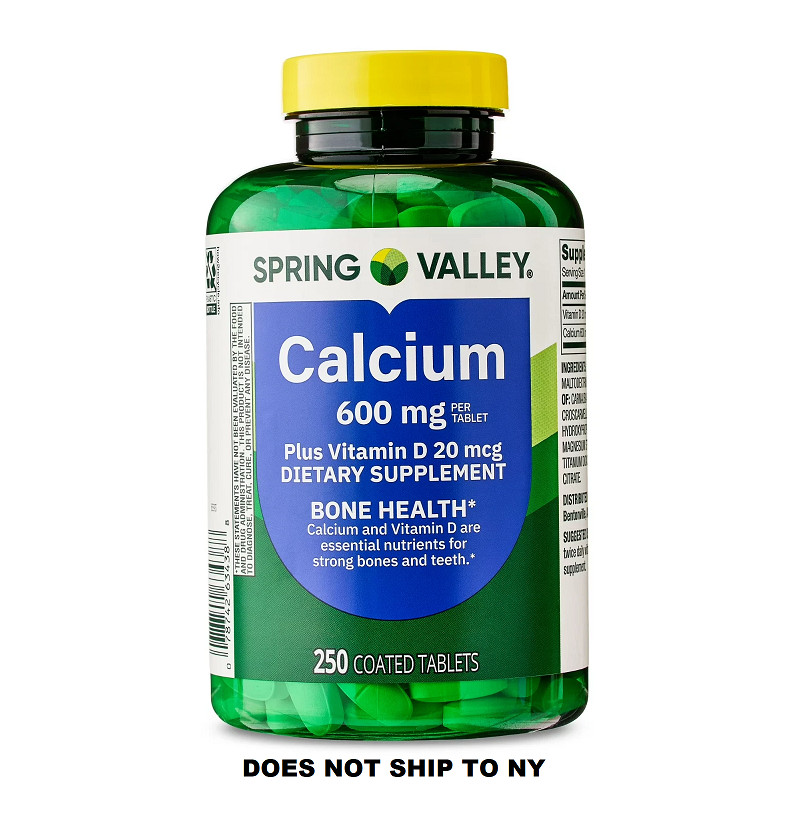 Spring Valley Calcium 600mg + Vitamin D 20mcg, Bone Health Supplement, 250-Count$11.80Last checked Nov 20, 2026View on eBay
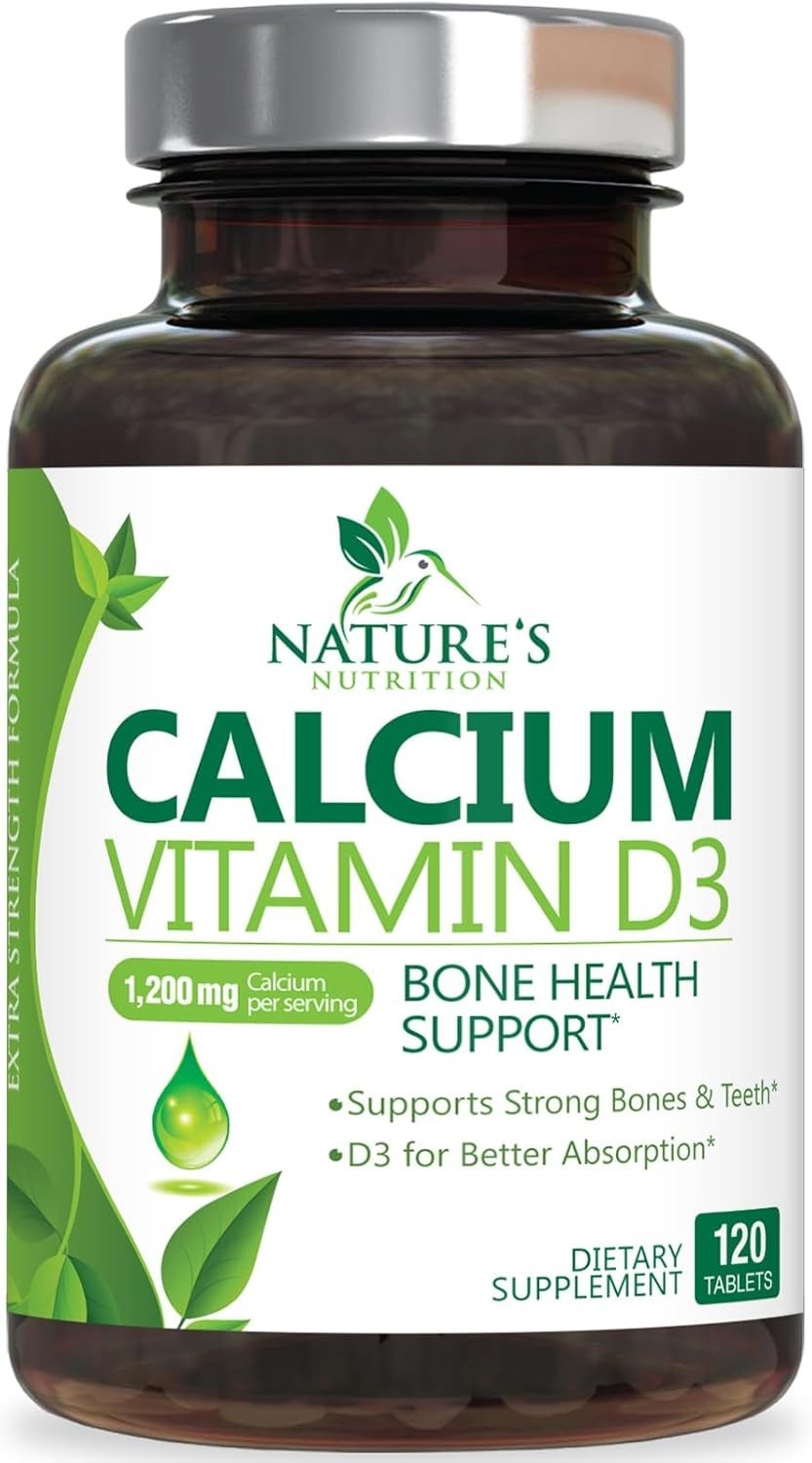 Calcium Supplement with Vitamin D - 1200 mg Calcium Carbonate with 1600 IU of D3$16.82Last checked Nov 20, 2026View on eBay
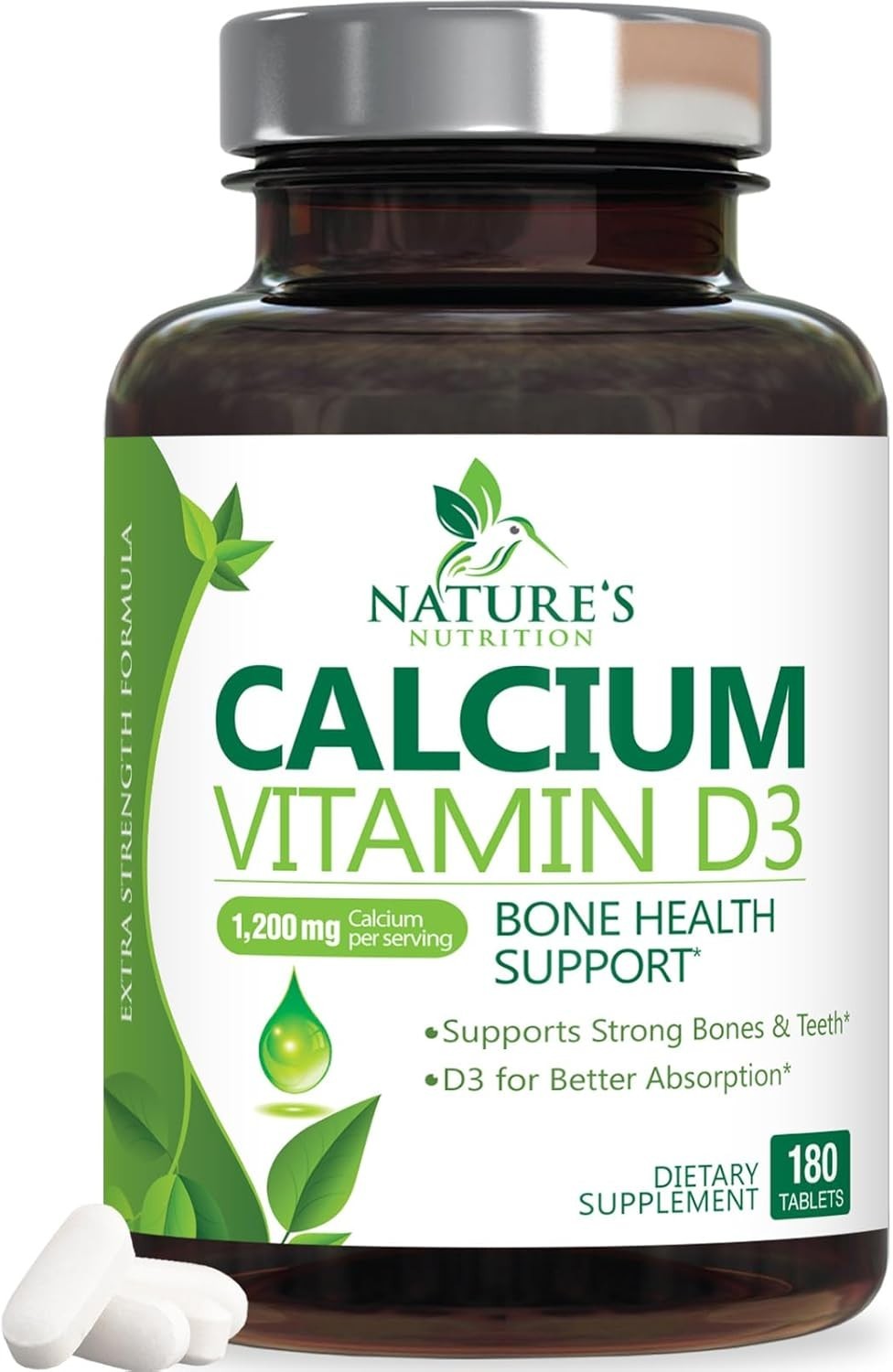 Calcium Supplement with Vitamin D - 1200 mg Calcium Carbonate with 1600 IU of D3$23.82Last checked Nov 20, 2026View on eBay
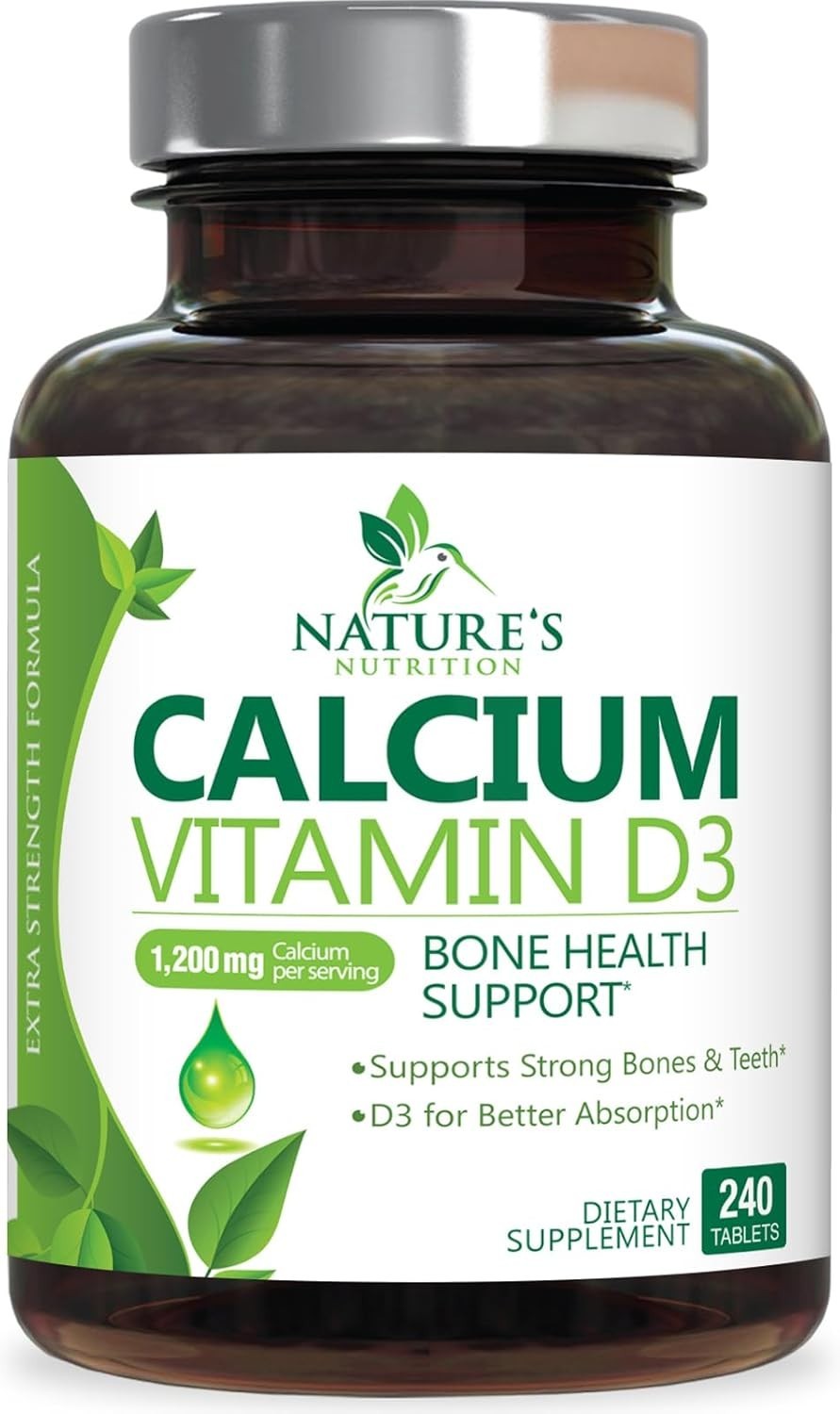 Calcium Supplement with Vitamin D - 1200 mg Calcium Carbonate with 1600 IU of D3$29.22Last checked Nov 20, 2026View on eBay
Highlights
- Elemental calcium is what counts: calcium carbonate is 40% elemental, so 1,200 mg carbonate yields 480 mg elemental; calcium citrate is 21% elemental, so 1,200 mg citrate yields only 252 mg.
- Carbonate requires stomach acid and must be taken with food; citrate absorbs with or without food and is the better choice for adults on proton-pump inhibitors or with low gastric acid.
- Vitamin D3 (cholecalciferol) raises serum 25(OH)D more effectively than D2 (ergocalciferol) at equal doses, so D3 is the preferred form in combination products.
- Absorption caps at roughly 500–600 mg elemental calcium per dose, which is why split dosing beats a single 1,200 mg elemental mega-dose.
Best use cases
- Best fit: adults with a dietary calcium shortfall of 300–600 mg per day — pick a 500–600 mg elemental calcium carbonate + 400–800 IU D3 tablet taken with a meal.
- Best fit: older adults, bariatric patients, or anyone on acid-reducing medication — choose calcium citrate + D3, accepting the larger tablet size for food-independent absorption.
- Wrong fit for people already meeting calcium needs through dairy or fortified foods — adding a high-dose supplement pushes total intake past the 2,000–2,500 mg upper limit with no bone benefit.
- Wrong fit as a stand-alone osteoporosis treatment — supplement tiers are preventive nutrition, not a substitute for prescribed anti-resorptive therapy or confirmed 25(OH)D blood testing.
Buying tips
- Read the Supplement Facts for elemental calcium, not compound weight: a '1,200 mg calcium carbonate' label delivers 480 mg elemental, so compare products on the elemental number.
- Target 400–1,000 IU (10–25 mcg) of D3 per serving for general maintenance; higher potencies belong with a clinician-guided blood level, not casual daily use.
- Split intake: keep each dose at or below 500–600 mg elemental calcium and take carbonate with food, citrate any time.
- Prefer products with USP, NSF, or ConsumerLab verification — unverified calcium supplements have shown lead contamination and label-dose deviations.
Specs
| Calcium Form | Carbonate (40% elemental) vs Citrate (21%) |
|---|---|
| Elemental Calcium | 500-600 mg per dose (absorption ceiling) |
| Vitamin D Form | D3 cholecalciferol preferred over D2 |
| Vitamin D Dose | 400-1,000 IU (10-25 mcg) maintenance |
Related searches
What to check before buying
- Calculate your current dietary calcium from dairy, fortified plant milks, and leafy greens before choosing a dose tier — most adults need only 300–600 mg supplemental.
- Confirm you can take carbonate with a meal; if dosing away from food or on acid suppressants, switch to citrate.
- Check tablet/capsule count per bottle against the serving size to ensure the supply matches your dosing schedule.
- Verify the vitamin D form is D3 (cholecalciferol) and the IU/mcg conversion (1 mcg = 40 IU) so the label dose matches your target.
FAQ
Data sources: eBay / Amazon listings and product attribute feeds. Updated Nov 28, 2026.
Some links on this page are affiliate links. If you buy after clicking one, we may earn a commission at no extra cost to you. This does not change which products appear here or their order. Affiliate disclosure.