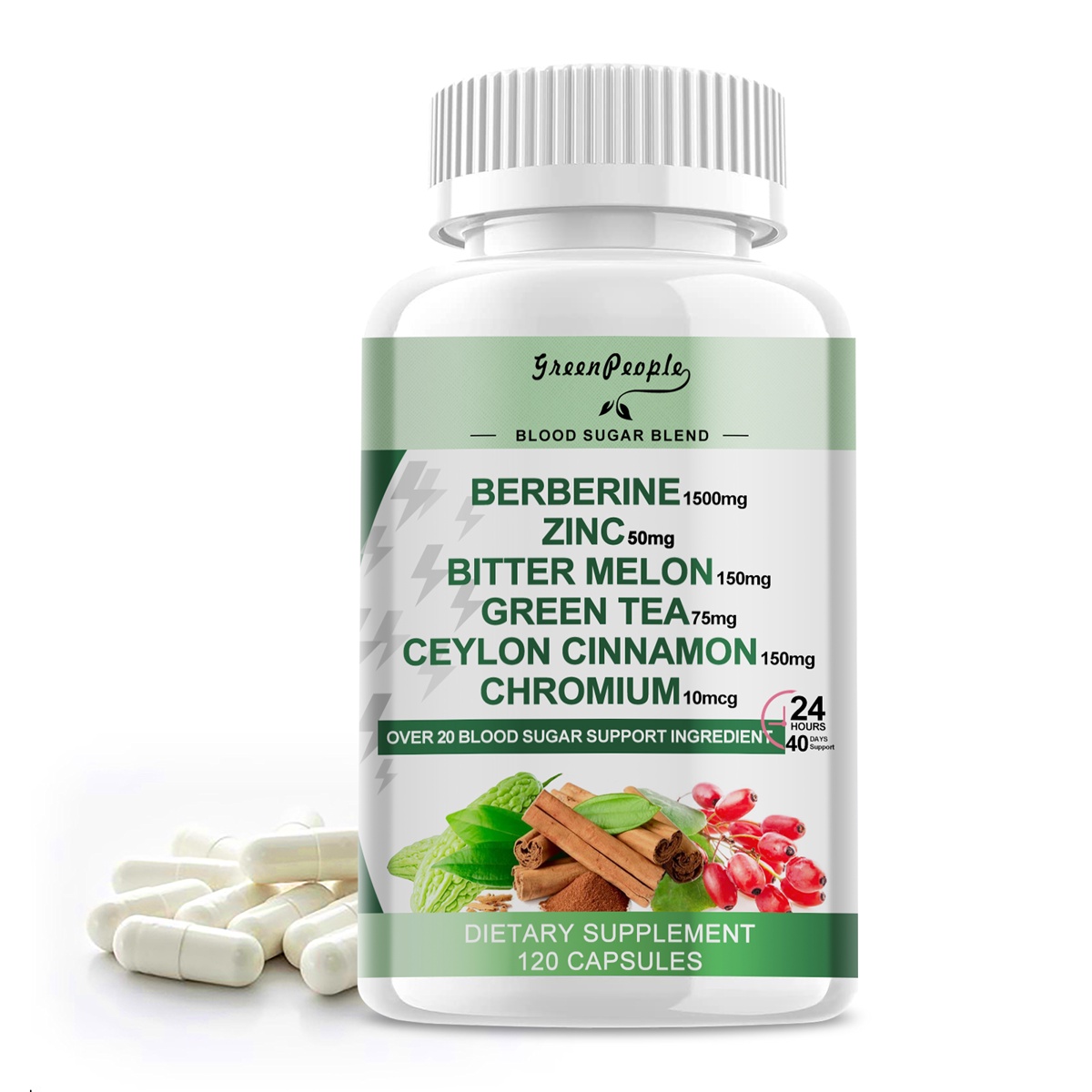

Photos from current listings. Actual item, color, and included accessories may vary.
Chromium Supplement Buying Guide
Chromium supplements deliver trivalent chromium (typically picolinate or polynicotinate) to support insulin signaling and glucose metabolism, with the main trade-off being elemental chromium dose per capsule and chelate form versus cheap chromium chloride. Durable, evidence-aligned options list the exact chromium form and elemental yield so you can hit 200–1000 mcg daily; compromise products bury chromium inside proprietary blends where the actual dose is unknowable.
Key takeaways
- Trivalent chromium is the only supplemental form; hexavalent chromium is toxic and never appears in compliant supplements.
- Chromium picolinate delivers ~12.2% elemental chromium by weight, so a 1000 mcg capsule provides only ~122 mcg elemental chromium.
- Chromium polynicotinate (ChromeMate) binds chromium to niacin for higher absorption than chromium chloride, which is poorly absorbed.
At a glance
- Category
- Vitamins & Minerals
- Last updated
- Nov 28, 2026
Current offers
Highlights
- Trivalent chromium is the only supplemental form; hexavalent chromium is toxic and never appears in compliant supplements.
- Chromium picolinate delivers ~12.2% elemental chromium by weight, so a 1000 mcg capsule provides only ~122 mcg elemental chromium.
- Chromium polynicotinate (ChromeMate) binds chromium to niacin for higher absorption than chromium chloride, which is poorly absorbed.
- Combination glucose-support products often include 200–500 mcg chromium alongside berberine, cinnamon, or mulberry but rarely state the chromium form.
Best use cases
- Best fit: a standalone chromium picolinate or polynicotinate capsule at 200–1000 mcg elemental chromium if you want a single-ingredient, dose-controlled supplement.
- Wrong fit: proprietary-blend 'blood sugar complex' capsules when you need to know exact chromium intake or avoid interacting botanicals like berberine.
- Best fit: liquid drops with chromium plus gymnema or mulberry if capsule swallowing is difficult, but confirm the drop volume delivers a labeled mcg dose.
- Skip chromium entirely if you have normal glucose tolerance and no clinician-directed reason; dietary chromium deficiency is rare in balanced diets.
Buying tips
- Match the label to elemental chromium mcg, not compound weight: 1000 mcg chromium picolinate equals only ~122 mcg elemental chromium.
- Choose picolinate or polynicotinate over chromium chloride; chloride absorption is low and rarely used in quality standalone products.
- For glucose support, pair chromium with berberine or cinnamon only if the chromium dose remains 200–1000 mcg and the form is named.
- Avoid products listing chromium only inside a 'proprietary blend' — you cannot verify dose or form, and effective chromium amounts are small enough to hide.
Specs
| Chromium Form | Picolinate / Polynicotinate / Chloride |
|---|---|
| Elemental Dose | 200–1000 mcg per serving |
| Elemental Yield | Picolinate ~12.2% Cr by weight |
| Delivery Format | Capsule / Tablet / Liquid drops |
Related searches
What to check before buying
- Check the Supplement Facts panel for elemental chromium in mcg and the named form (picolinate, polynicotinate, chloride).
- Verify capsule count and serving size: a 120-capsule bottle at 2 capsules per serving is a 60-day supply, not 120 days.
- Confirm the product is third-party tested (NSF, USP, or In formed Choice) since chromium dose accuracy varies widely.
- If combining with diabetes medication, confirm with your clinician: chromium can potentiate glucose-lowering effects and alter dosing needs.
FAQ
Data sources: eBay / Amazon listings and product attribute feeds. Updated Nov 28, 2026.
Some links on this page are affiliate links. If you buy after clicking one, we may earn a commission at no extra cost to you. This does not change which products appear here or their order. Affiliate disclosure.