
Photos from current listings. Actual item, color, and included accessories may vary.
Green Tea Supplement Buying Guide
Green tea supplements deliver concentrated catechins (EGCG) and caffeine, but the market splits sharply between standardized extracts with verified polyphenol percentages and vague 'green tea leaf' blends that list no active markers. The core trade-off is EGCG potency versus caffeine load and liver-safety ceiling: a 300–500 mg extract at 50–98% EGCG is a different product class than 1,000 mg of whole-leaf powder. Buy only when the label states EGCG percentage per capsule and the decaffeinated status; skip any product whose front label leads with weight-loss or appetite-suppressant claims over the standardized extract number.
Median $58.07
Key takeaways
- Standardized extracts list EGCG as a percentage (typically 45–98%) so 500 mg of 50% extract yields ~250 mg EGCG; whole-leaf powders list only leaf weight with no guaranteed catechin dose.
- Decaffeinated green tea extract retains catechins while removing most caffeine; regular extract at 300–500 mg can carry 20–60 mg caffeine per capsule, enough to disrupt sleep or stack badly with coffee.
- Capsule count and mass math matter: 90 capsules at 300 mg equals 27 g total extract; a 90-count bottle of 500 mg equals 45 g — compare total grams and EGCG grams, not capsule count.
At a glance
- Category
- Vitamins & Minerals
- Last updated
- Nov 28, 2026
Current offers
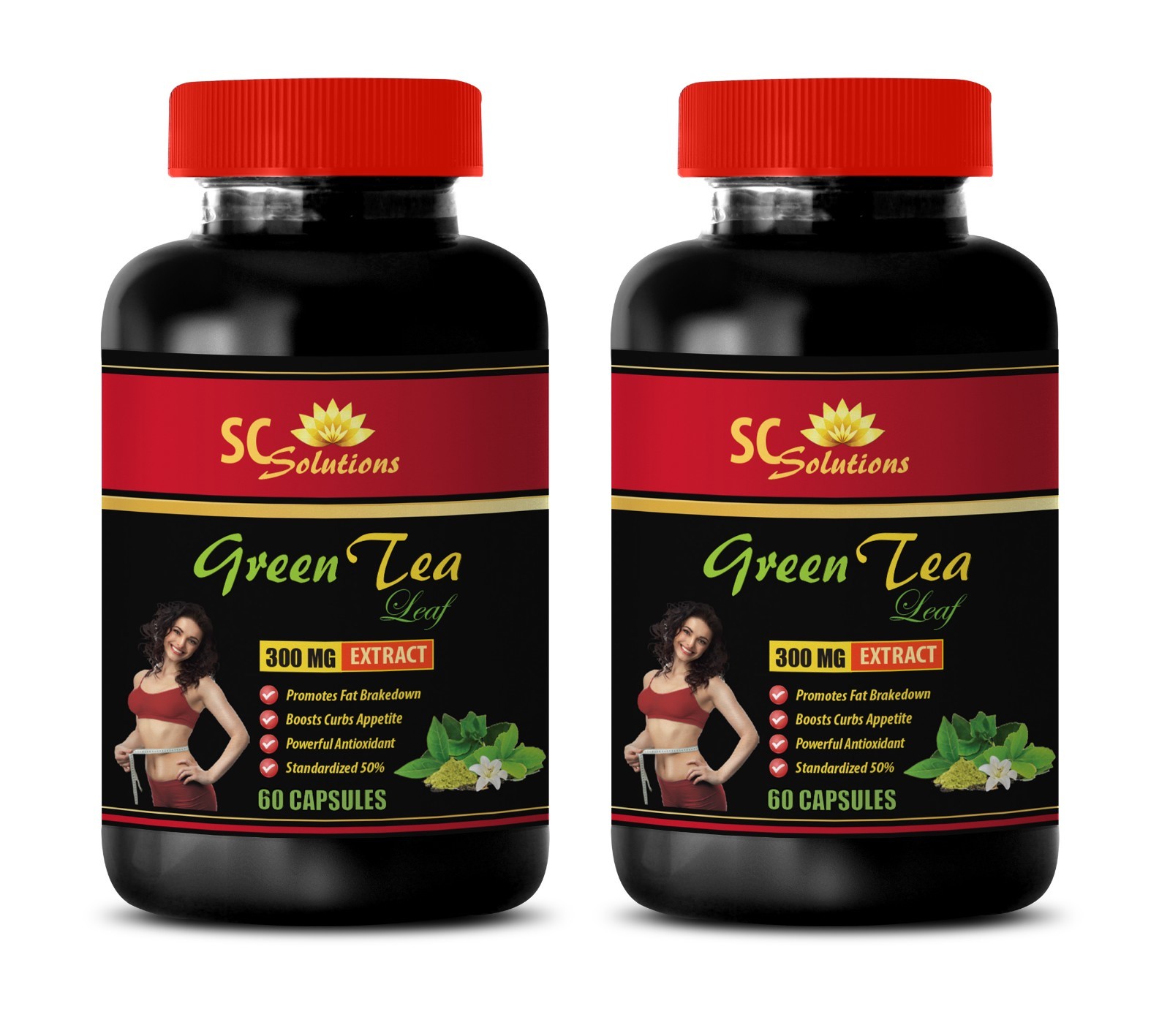 green tea leaves - GREEN TEA LEAF EXTRACT 300mg - green tea extract capsules 2B$49.60Last checked Nov 22, 2026View on eBay
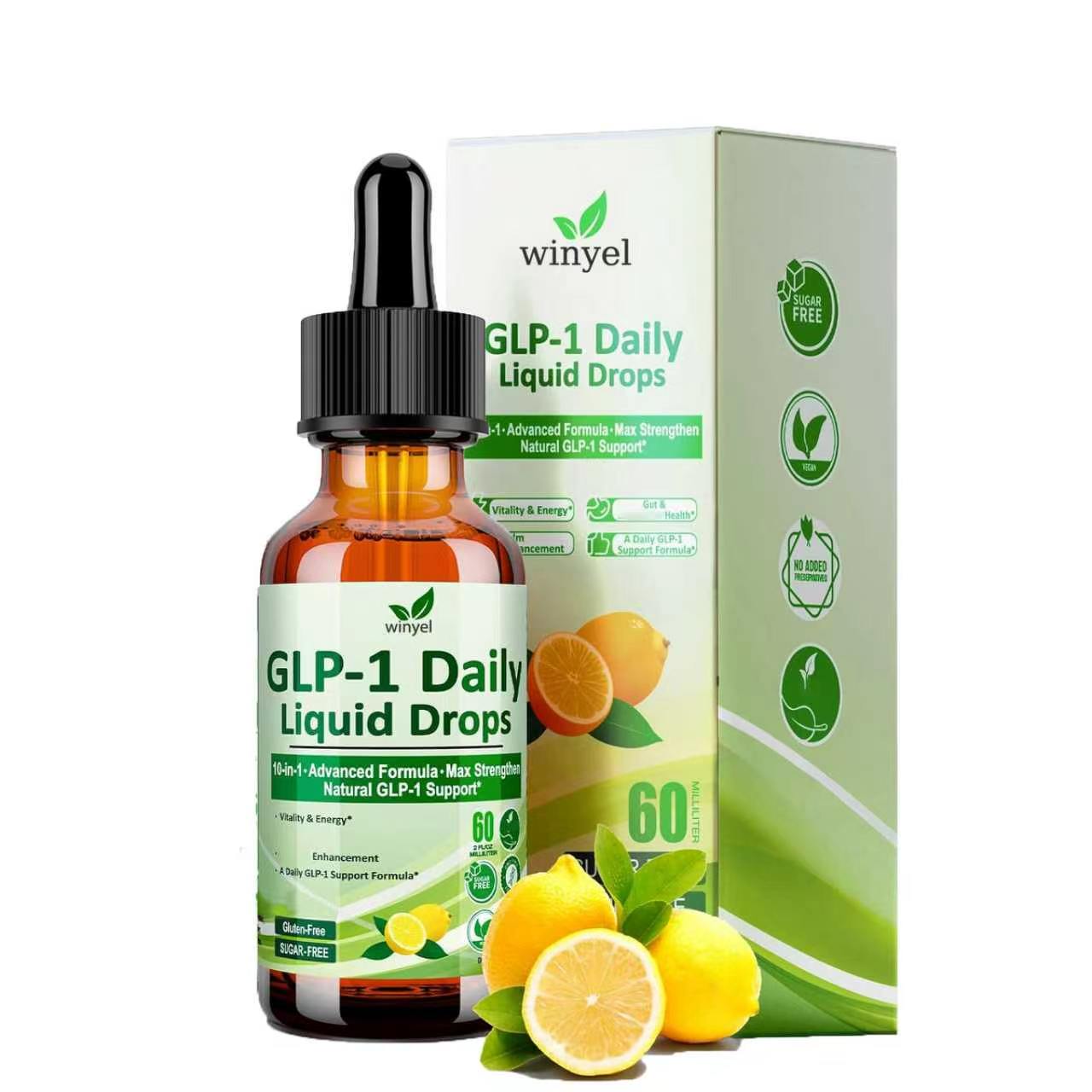 GLP-1 Supplement Liquid Drops W. Berberine Ceylon Cinnamon Green Tea Fiber, 10-in-1 Advanced Oral Drop For Women & Men$20.99View on Mallflare
- green tea extract - GREEN TEA LEAF EXTRACT 300mg - green tea cleanse 2B$58.07Last checked Nov 22, 2026View on eBay
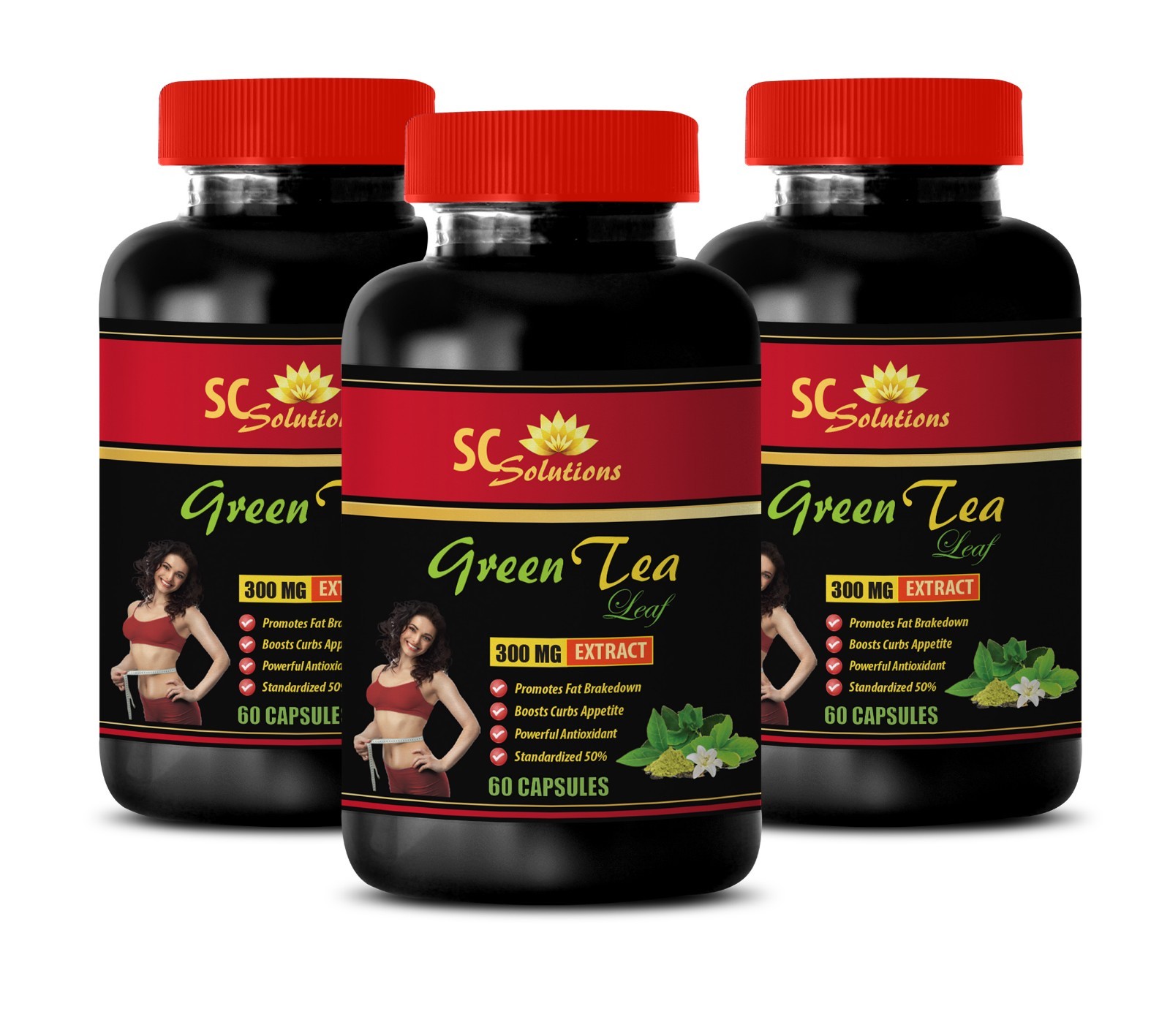 powerful antioxidant - GREEN TEA LEAF EXTRACT 300mg - green tea weight loss 3B$67.89Last checked Nov 22, 2026View on eBay
- appetite suppressant - GREEN TEA LEAF EXTRACT 300mg - weight loss product 3B$71.79Last checked Nov 22, 2026View on eBay
Highlights
- Standardized extracts list EGCG as a percentage (typically 45–98%) so 500 mg of 50% extract yields ~250 mg EGCG; whole-leaf powders list only leaf weight with no guaranteed catechin dose.
- Decaffeinated green tea extract retains catechins while removing most caffeine; regular extract at 300–500 mg can carry 20–60 mg caffeine per capsule, enough to disrupt sleep or stack badly with coffee.
- Capsule count and mass math matter: 90 capsules at 300 mg equals 27 g total extract; a 90-count bottle of 500 mg equals 45 g — compare total grams and EGCG grams, not capsule count.
- EGCG has a studied upper intake around 800 mg/day; extracts at 50% EGCG and above require dose-per-capsule math to stay under that ceiling, while 98% EGCG products need only 1–2 capsules.
Best use cases
- Best fit: antioxidant-focused buyers choosing a decaffeinated 50%+ EGCG standardized extract in 300–500 mg capsules, taken with food, to get a measurable catechin dose without stimulant load.
- Best fit: caffeine-tolerant buyers wanting a mild metabolic or pre-exercise boost choosing a regular (caffeinated) standardized extract and counting total daily caffeine against coffee intake.
- Wrong fit: shoppers buying 'green tea leaf extract' capsules with no EGCG percentage or buying multi-ingredient weight-loss blends (African mango, berberine, fiber drops) — the green tea dose is unverifiable and the added actives carry separate risk.
- Wrong fit: anyone taking high-dose EGCG on an empty stomach or exceeding ~800 mg EGCG/day; that pattern is linked to liver-injury case reports and should be skipped in favor of lower, food-taken doses.
Buying tips
- Require an EGCG percentage and mg-per-capsule on the supplement facts panel; a 500 mg capsule at 50% EGCG gives 250 mg EGCG — compute daily EGCG grams and stay under ~800 mg.
- Choose decaffeinated extract if you drink coffee or are sensitive to stimulants; regular extract typically adds 20–60 mg caffeine per 300–500 mg capsule.
- Prefer single-ingredient green tea extract over combination slimming blends; African mango, berberine, cinnamon, and fiber products make the green tea dose untraceable and add interactions.
- Compare total extract grams (count × mg per capsule) rather than capsule count; 90 × 300 mg (27 g) is a smaller bottle than 90 × 500 mg (45 g) despite identical counts.
Specs
| Standardization | EGCG 45–98% stated on label |
|---|---|
| Capsule Dose | 300–500 mg extract per capsule |
| Caffeine Status | Decaf vs regular (20–60 mg/cap) |
| Bottle Yield | 90 ct × 300–500 mg = 27–45 g |
Related searches
What to check before buying
- Confirm EGCG percentage, mg EGCG per capsule, and caffeine status (decaf vs regular) on the supplement facts — not just 'green tea leaf extract' front text.
- Check the serving size: two-capsule servings halve the effective capsule count, so a 90-count bottle is 45 servings, not 90.
- Verify third-party testing or GMP facility claims and a lot/best-by date; catechins degrade with heat and moisture, so opaque, sealed bottles matter.
- Review medication and liver-history interactions with a clinician before starting EGCG doses above 300–400 mg/day, especially alongside other supplements.
FAQ
Data sources: eBay / Amazon listings and product attribute feeds. Updated Nov 28, 2026.
Some links on this page are affiliate links. If you buy after clicking one, we may earn a commission at no extra cost to you. This does not change which products appear here or their order. Affiliate disclosure.