

Photos from current listings. Actual item, color, and included accessories may vary.
Gut Health Vitamin Buying Guide
Gut health vitamins are targeted micronutrient and probiotic formulas meant to support digestive lining integrity, motility, and microbiome balance—not general multivitamins. The core trade-off is between single-strain/single-nutrient products with clear dosing versus broad 'gut blend' capsules that hide proprietary blends behind underdosed ingredients. The durable rule: buy formulas that disclose CFU counts at expiry, named probiotic strains, and chelated or active vitamin forms (methylfolate, zinc carnosine, butyrate) rather than vague herbal blends.
Median $15.39
Key takeaways
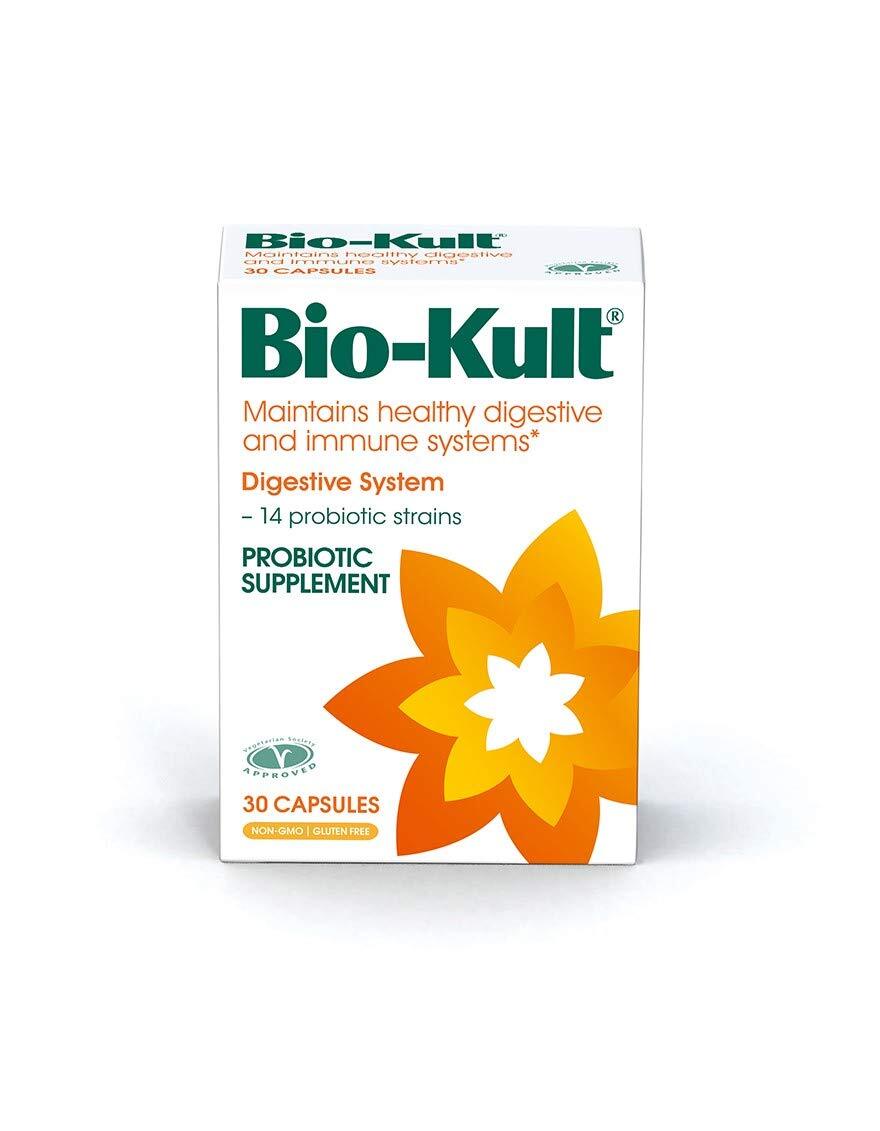
- Probiotic potency is measured in CFU at expiry, not at manufacture—14-strain everyday formulas typically deliver 10–20 billion CFU, while therapeutic leaky-gut blends need 25–50 billion CFU with acid-resistant capsules.
- Zinc carnosine (zinc L-carnosine) is the only zinc form with clinical evidence for gastric lining support at 75 mg elemental zinc daily; zinc oxide and zinc sulfate are poorly absorbed and not equivalent.
- Vitamin D3 (cholecalciferol) at 1,000–2,000 IU supports intestinal barrier tight-junction proteins; D2 (ergocalciferol) is less effective at raising serum 25(OH)D and should be skipped for gut-focused formulas.
At a glance
- Category
- Vitamins & Minerals
- Last updated
- Nov 28, 2026
Current offers
Highlights
- Probiotic potency is measured in CFU at expiry, not at manufacture—14-strain everyday formulas typically deliver 10–20 billion CFU, while therapeutic leaky-gut blends need 25–50 billion CFU with acid-resistant capsules.
- Zinc carnosine (zinc L-carnosine) is the only zinc form with clinical evidence for gastric lining support at 75 mg elemental zinc daily; zinc oxide and zinc sulfate are poorly absorbed and not equivalent.
- Vitamin D3 (cholecalciferol) at 1,000–2,000 IU supports intestinal barrier tight-junction proteins; D2 (ergocalciferol) is less effective at raising serum 25(OH)D and should be skipped for gut-focused formulas.
- Butyrate supplements (sodium/calcium/magnesium butyrate) deliver the short-chain fatty acid directly; coated or slow-release forms resist stomach acid, while plain butyrate salts often dissolve too early to reach the colon.
Best use cases
- Best fit for gas and bloating relief: pick a multi-strain probiotic with 10–20 billion CFU plus simethicone-free digestive enzymes; skip single-strain Lactobacillus-only capsules that don't address gas-producing taxa.
- Best fit for leaky gut / intestinal permeability: choose zinc carnosine 75 mg plus L-glutamine 5 g and a 25–50 billion CFU multi-strain probiotic; skip general multivitamins that lack therapeutic zinc carnosine doses.
- Best fit for post-antibiotic recovery: use a 14-strain Saccharomyces boulardii-inclusive probiotic at 20+ billion CFU for 4–8 weeks; skip broad herbal 'detox' blends that can irritate a disrupted microbiome.
- Wrong fit for anyone seeking general daily nutrition: standard A–Z multivitamins cover gut-adjacent nutrients cheaply; gut-specific formulas cost more per nutrient and are not a multivitamin substitute.
Buying tips
- Match CFU to goal: 5–10 billion for maintenance, 20–50 billion for active symptoms, and confirm the count is guaranteed 'at expiry'—manufacture-only counts can drop 50% by expiry.
- Look for named strains with strain codes (e.g., Lactobacillus rhamnosus GG, Bifidobacterium lactis BB-12); genus-only labels cannot be verified for clinically studied effects.
- For mineral forms, buy chelated or carnosine-bound zinc and methylated folate; oxide, sulfate, and folic acid forms are cheaper but poorly absorbed for gut-lining support.
- Check capsule technology: acid-resistant or delayed-release capsules protect live probiotics through stomach pH 1.5–3.5; plain gelatin capsules release strains too early.
Specs
| Probiotic Potency | 5–50 billion CFU at expiry |
|---|---|
| Zinc Form | Zinc carnosine vs oxide/sulfate |
| Vitamin D Form | D3 cholecalciferol vs D2 |
| Capsule Delivery | Acid-resistant vs plain gelatin |
Related searches
What to check before buying
- Confirm storage: most multi-strain probiotics require refrigeration or cool shipping; shelf-stable spore-based (Bacillus) formulas are the exception—match to your climate and fridge space.
- Verify allergen and FODMAP status: many probiotic blends include inulin or FOS prebiotics that worsen bloating in IBS; choose prebiotic-free formulas if you are sensitive.
- Check drug interactions: probiotics should be spaced 2 hours from antibiotics, and zinc carnosine at 75 mg daily should not exceed 8 weeks without copper monitoring.
- Confirm serving size math: 60-capsule bottles at 2 capsules daily last 30 days; 30-count bottles at 1 capsule daily last 30 days—compare cost per CFU-day, not cost per bottle.
FAQ
Data sources: eBay / Amazon listings and product attribute feeds. Updated Nov 28, 2026.
Some links on this page are affiliate links. If you buy after clicking one, we may earn a commission at no extra cost to you. This does not change which products appear here or their order. Affiliate disclosure.