
Photos from current listings. Actual item, color, and included accessories may vary.
Magnesium Supplement Buying Guide
Magnesium supplements vary primarily by chelate form (glycinate, citrate, oxide, malate) which determines absorption, GI tolerance, and target use—glycinate for sleep/stress, citrate for regularity, oxide for cost. The decision rule is simple: choose a single-form chelate at 200–400 mg elemental magnesium per serving from a GMP-certified brand; skip 'complex' blends that hide oxide filler under a proprietary label.
Median $14.70
Key takeaways
- Chelate form drives outcome: magnesium glycinate binds to glycine for calm/sleep support with minimal laxative effect; citrate is partially absorbed but draws water into the bowel; oxide is only ~4% bioavailable.
- Elemental magnesium is the number that matters—400 mg capsule weight is not 400 mg magnesium; labels must state 'elemental' or '% Daily Value' (400 mg = 100% DV for adults).
- Single-ingredient chelates (Pure Encapsulations, glycinate-only capsules) allow dose titration; multi-mineral 'complexes' typically blend cheap oxide with small glycinate/citrate amounts for label appeal.
At a glance
- Category
- Vitamins & Minerals
- Last updated
- Nov 28, 2026
Current offers
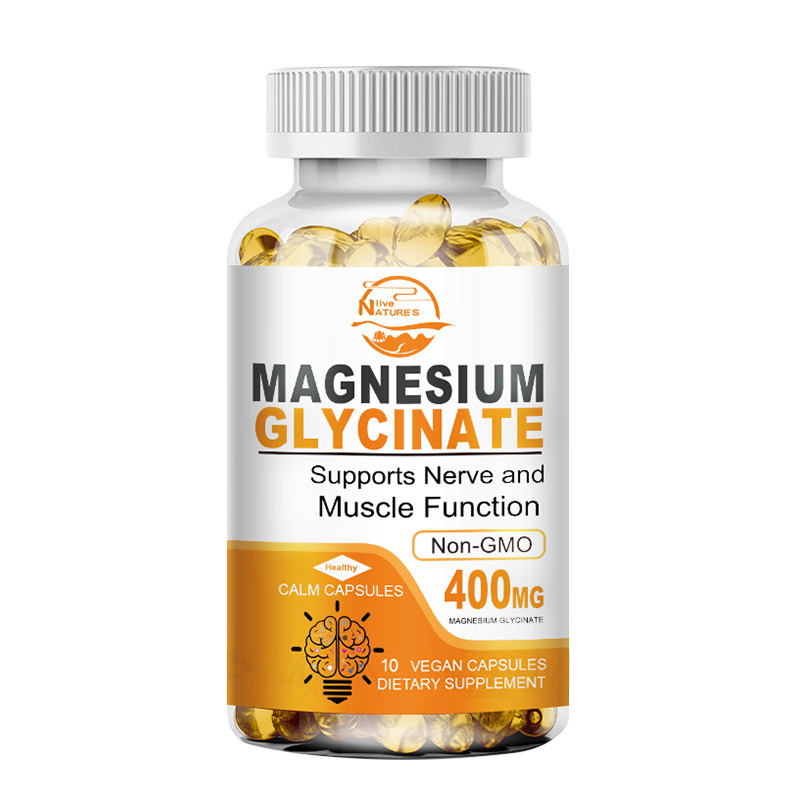 Magnesium Glycinate 400mg With Vitamin D3 Sleep Support, Stress & Anxiety Relief$6.00Last checked Nov 25, 2026View on eBay
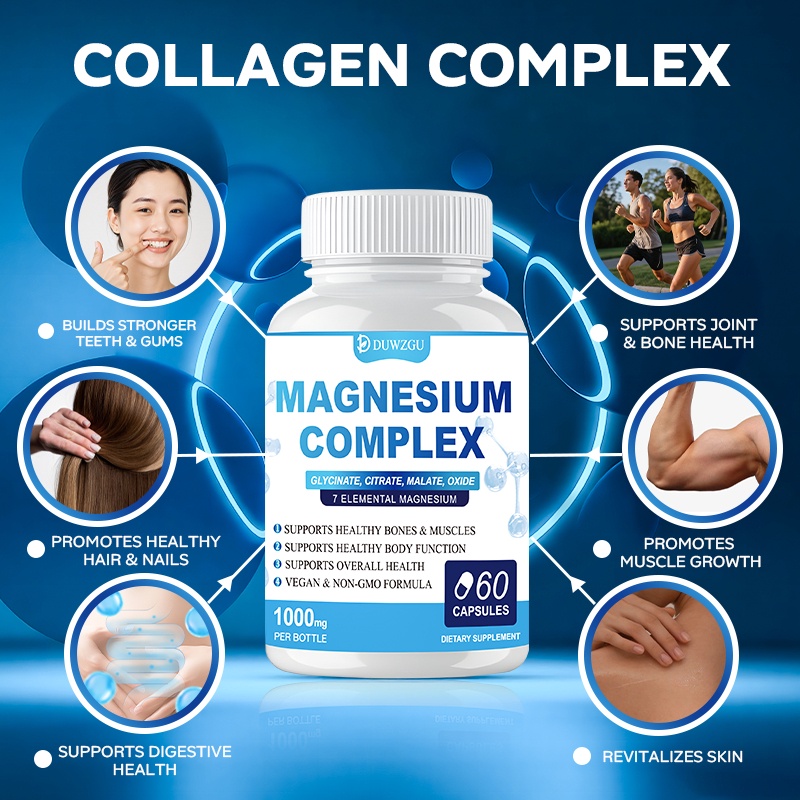 Magnesium Complex Supplement With Glycinate Citrate, Malate Oxide, Supports Bone, Muscle Digestive Health, Vegan Non-GMO, 60 Capsules$10.99View on Mallflare
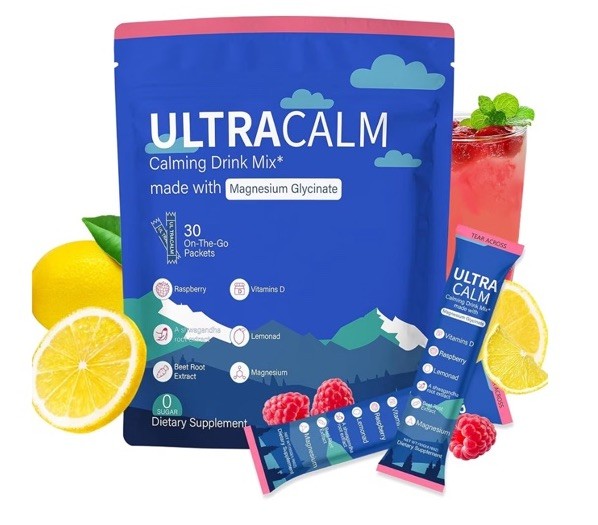 EWJHJ Calming Drink Mix Powder Magnesium Glycinate Lemonade Sugar-Free 30$10.00Last checked Nov 22, 2026View on eBay
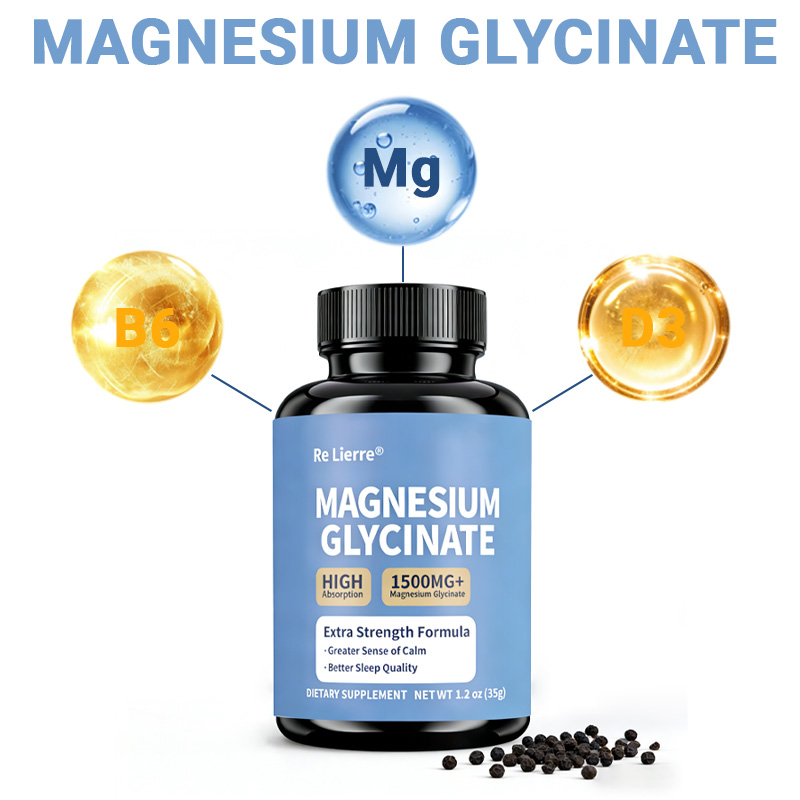 Magnesium Glycinate Capsules$14.99View on Mallflare
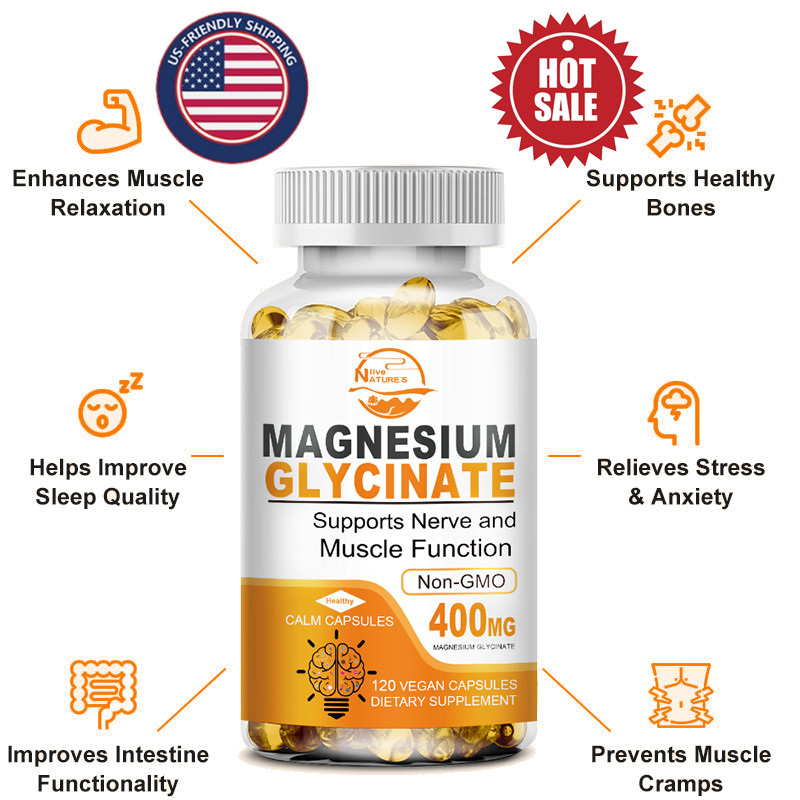 Magnesium Glycinate 400mg - 120 Capsules For Sleep, Stress Relief Support Bone$11.52View on eBay
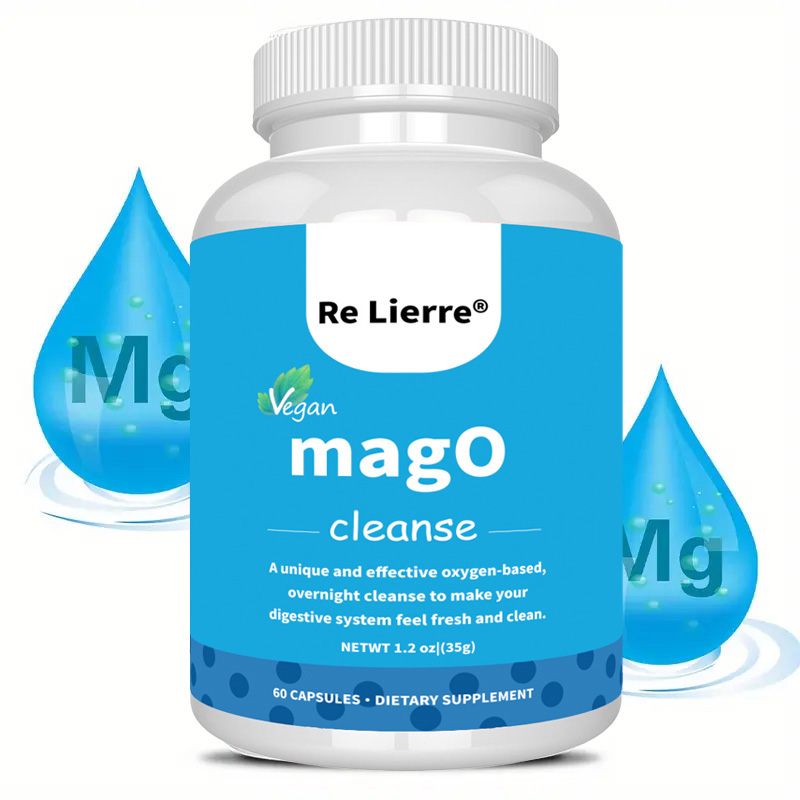 Magnesium Oxide Capsules$14.99View on Mallflare
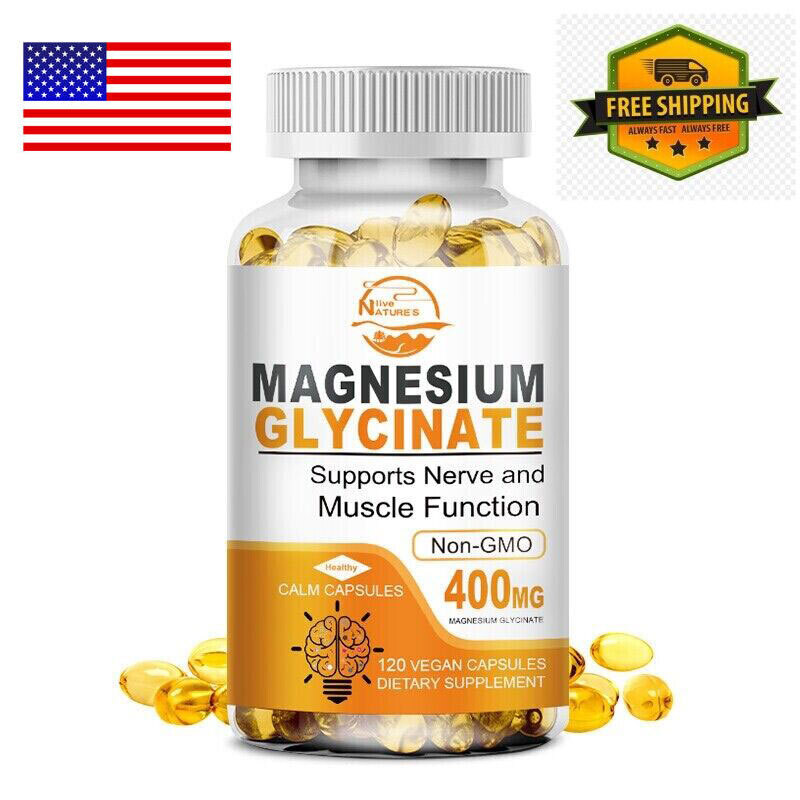 Magnesium Glycinate 400mg - 120 Capsules For Sleep, Stress Relief Support Bone$11.83View on eBay
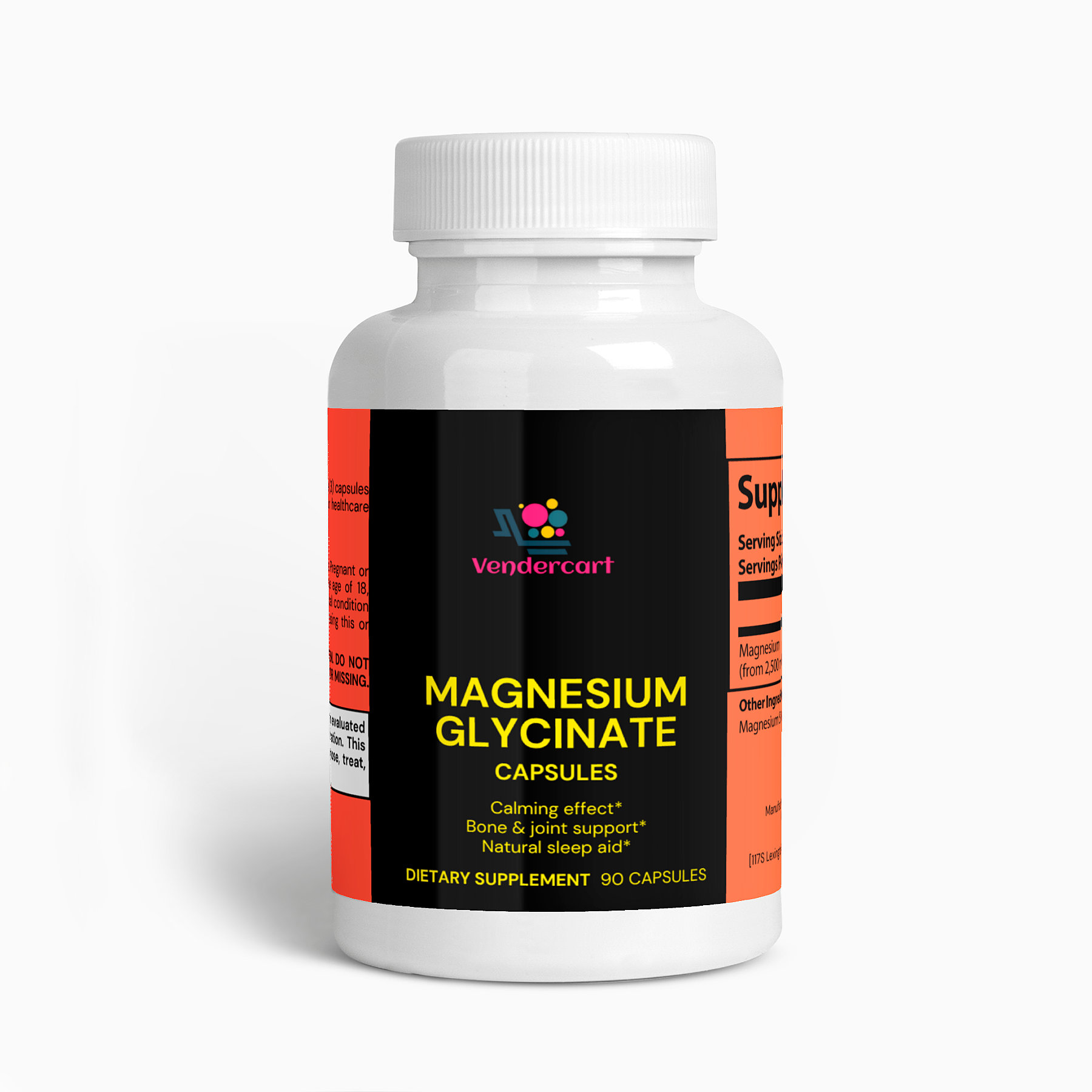 Magnesium Glycinate 90 Capsules$36.99View on Mallflare
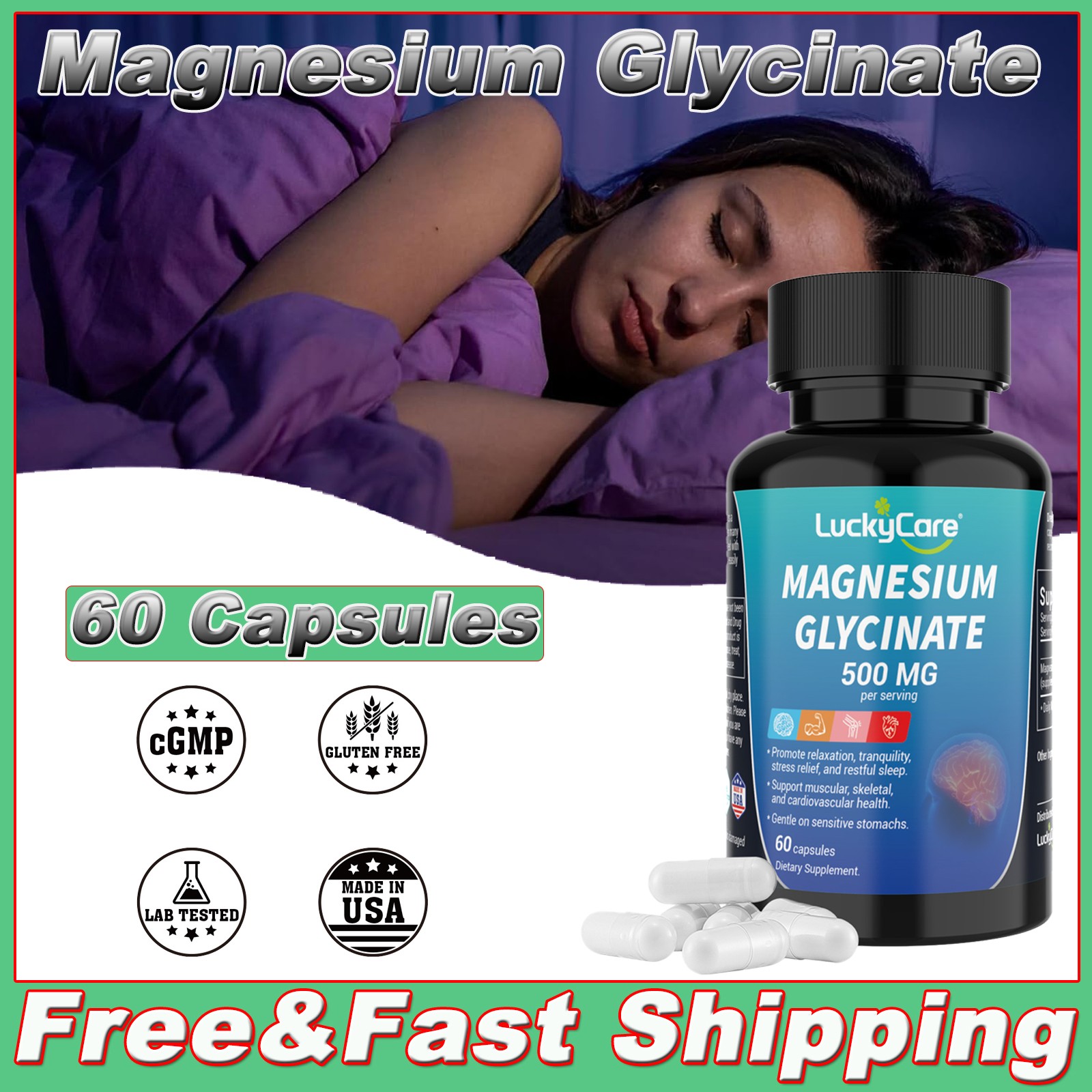 Magnesium Glycinate Supplements 500mg - 60 Capsules For Sleep, Stress Relief$11.99View on eBay
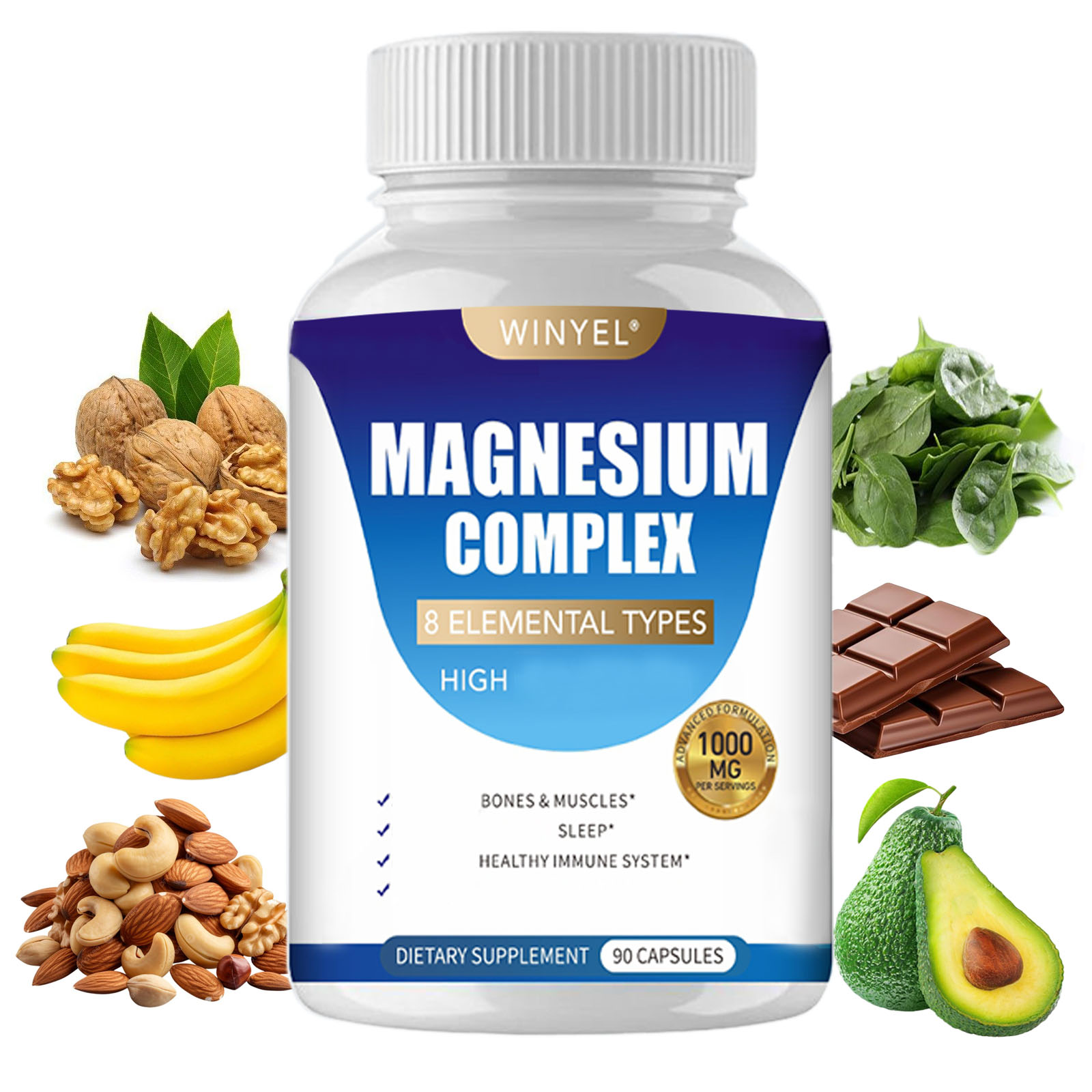 MAGNESIUM COMPLEX Wellness Capsules With Malate & Glycinate And 8 ELEMENTAL Supports Health 90 Dietary Supplement.$39.99View on Mallflare
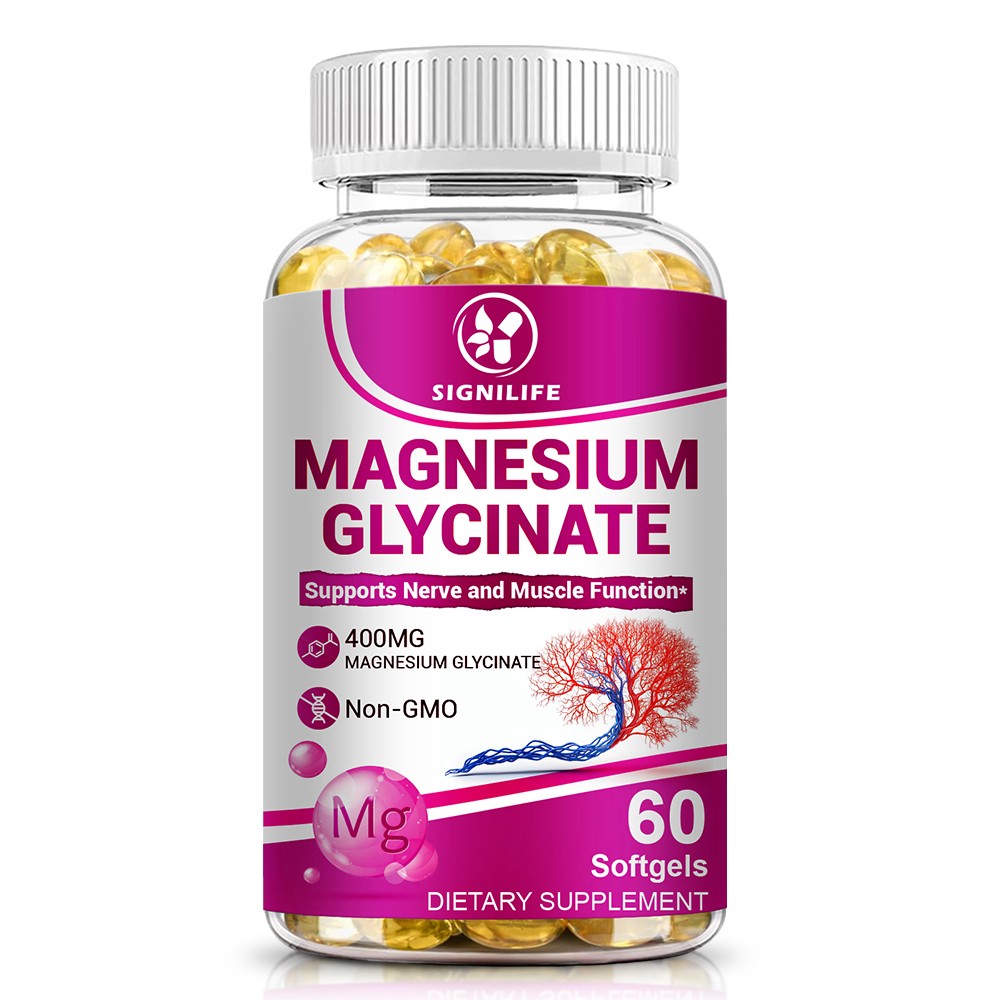 Magnesium Glycinate 400mg - 120 Capsules For Sleep, Stress Relief Support Bone$12.00Last checked Nov 23, 2026View on eBay
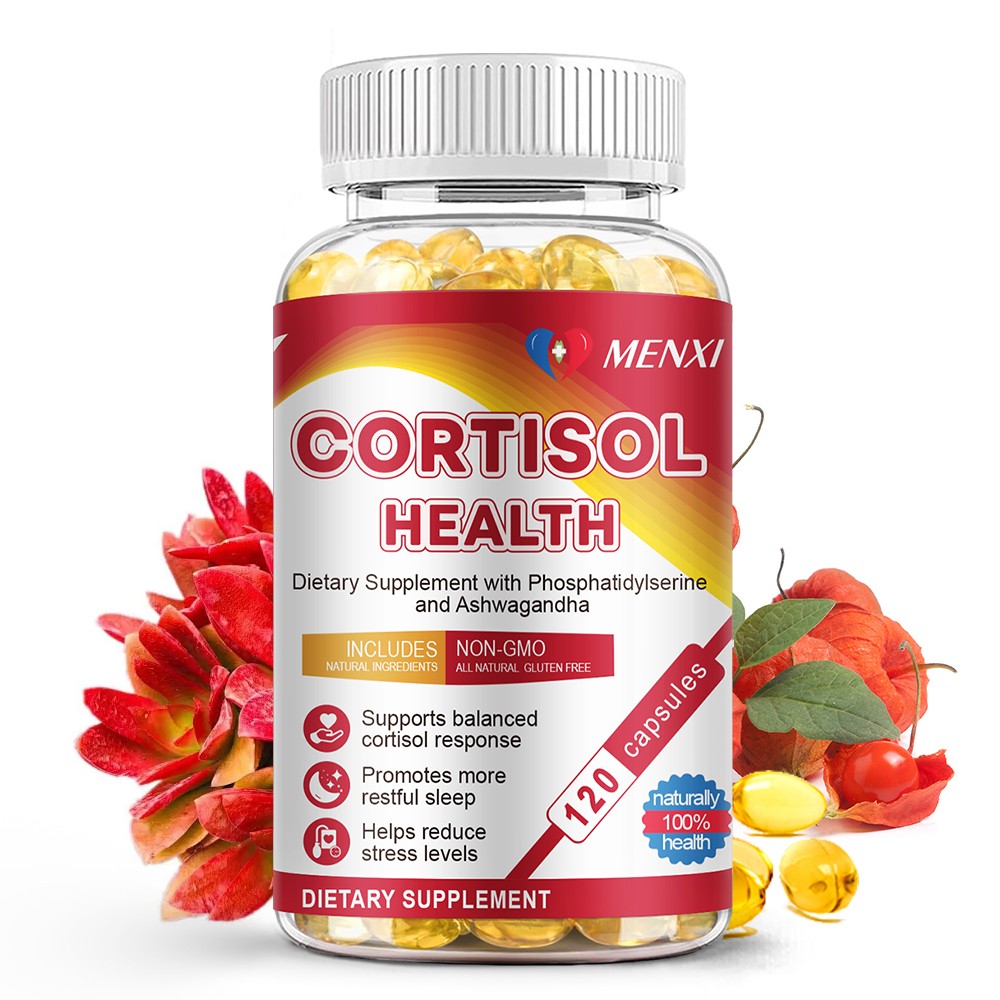 120 Pills Cortisol Supplement Magnesium Ashwagandha L-theanine - Relieve Stress$12.83View on eBay
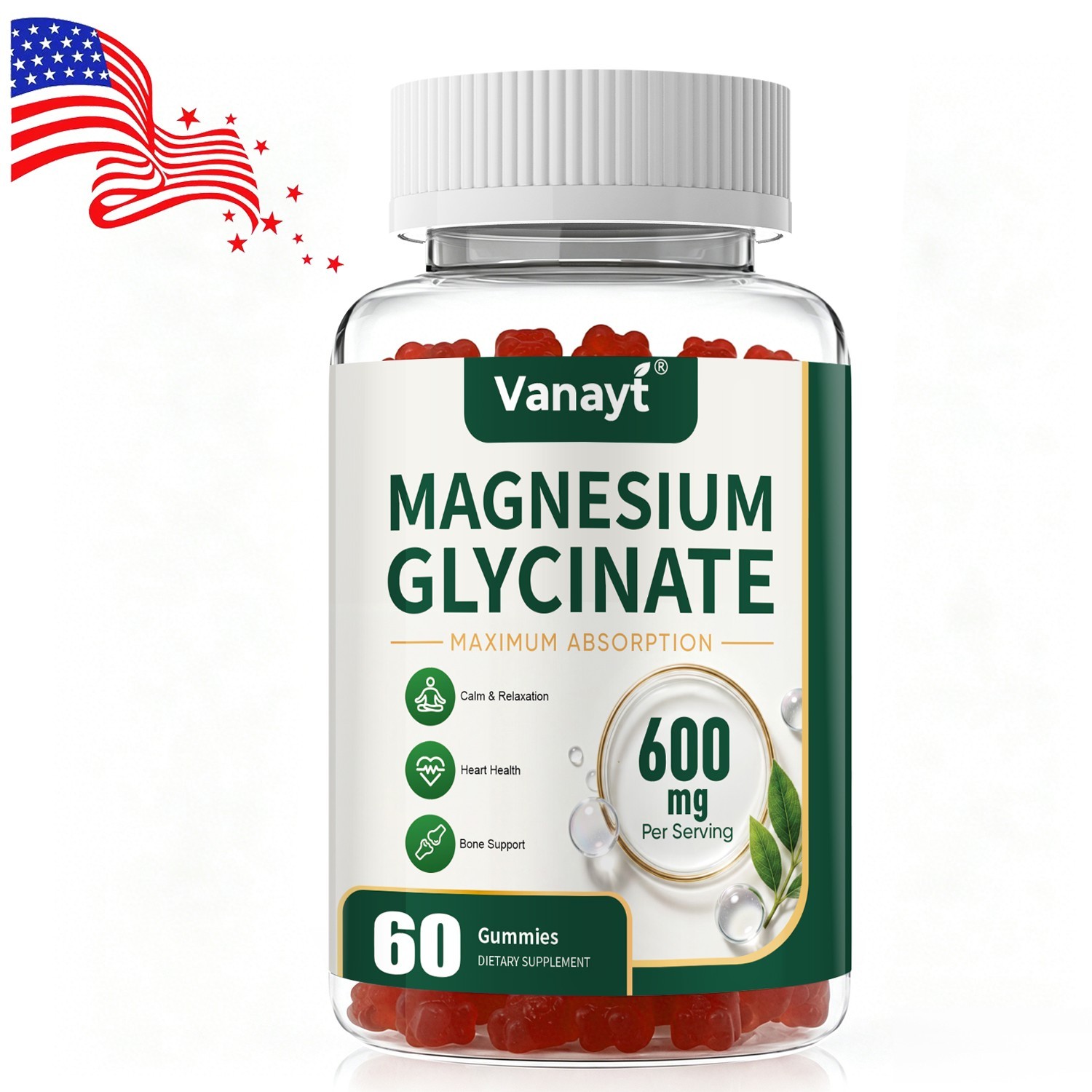 Magnesium Glycinate 600mg - 60 Gummies For Sleep, Stress Relief Support Bone$12.99Last checked Nov 18, 2026View on eBay
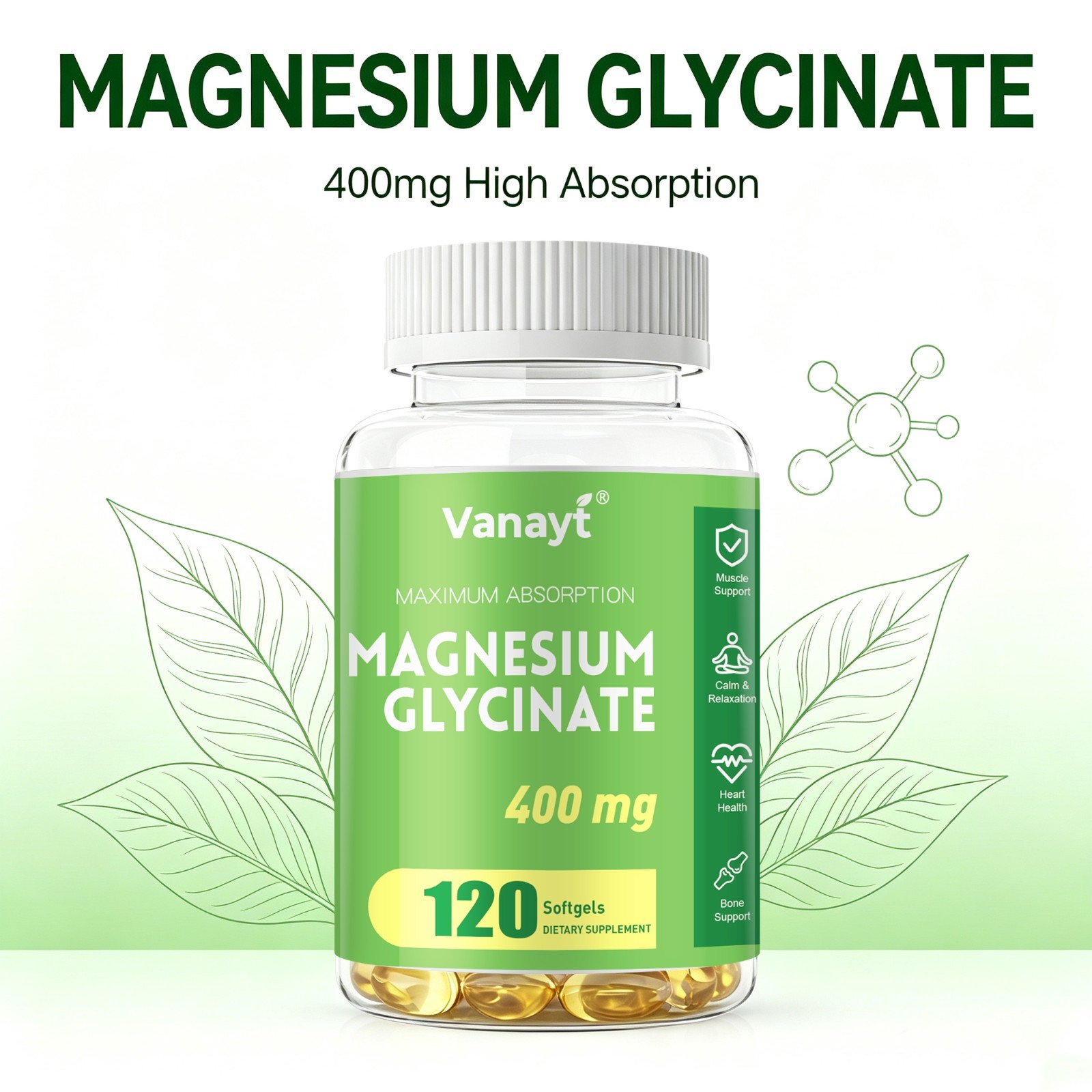 Magnesium Glycinate with Viatmin D3 | 400mg | 120 Capsules | Buffered & Chelated$12.99View on eBay
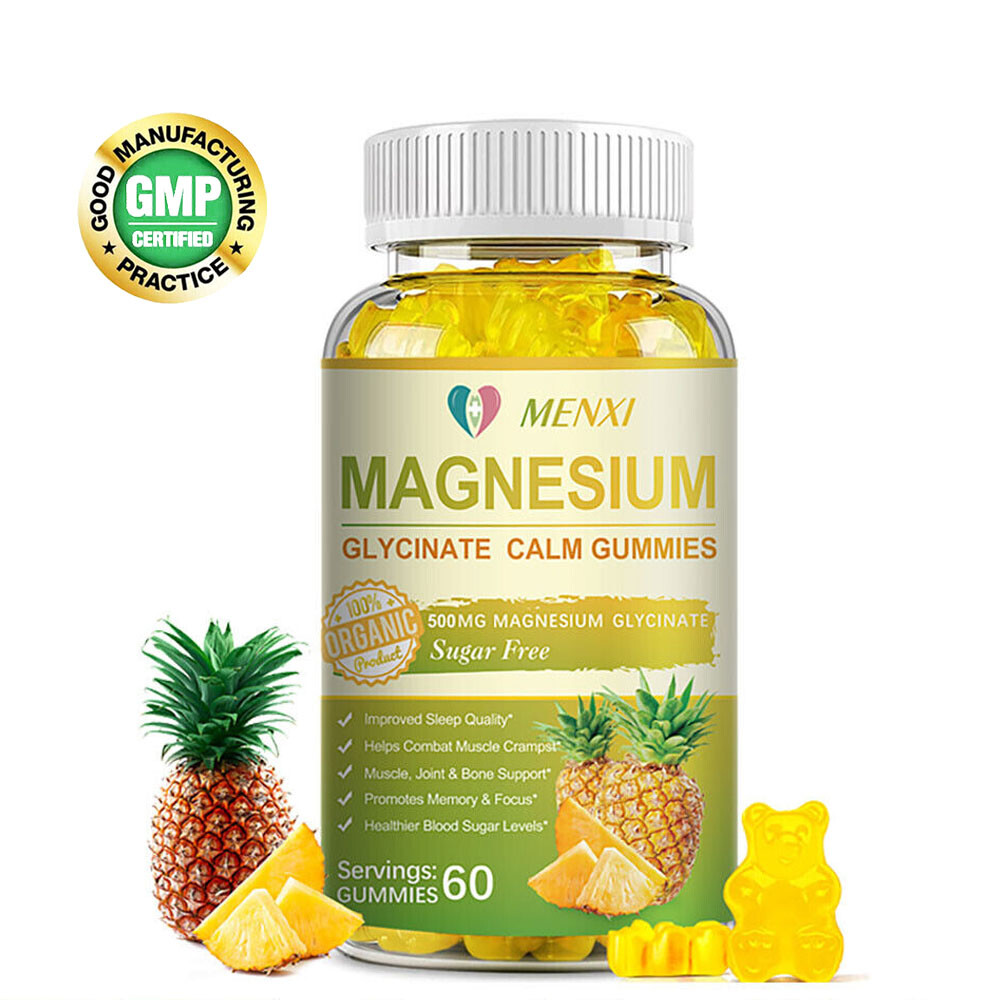 Magnesium Glycinate For Improved Sleep, Stress & Anxiety Relief 400mg Gummies$13.49Last checked Nov 23, 2026View on eBay
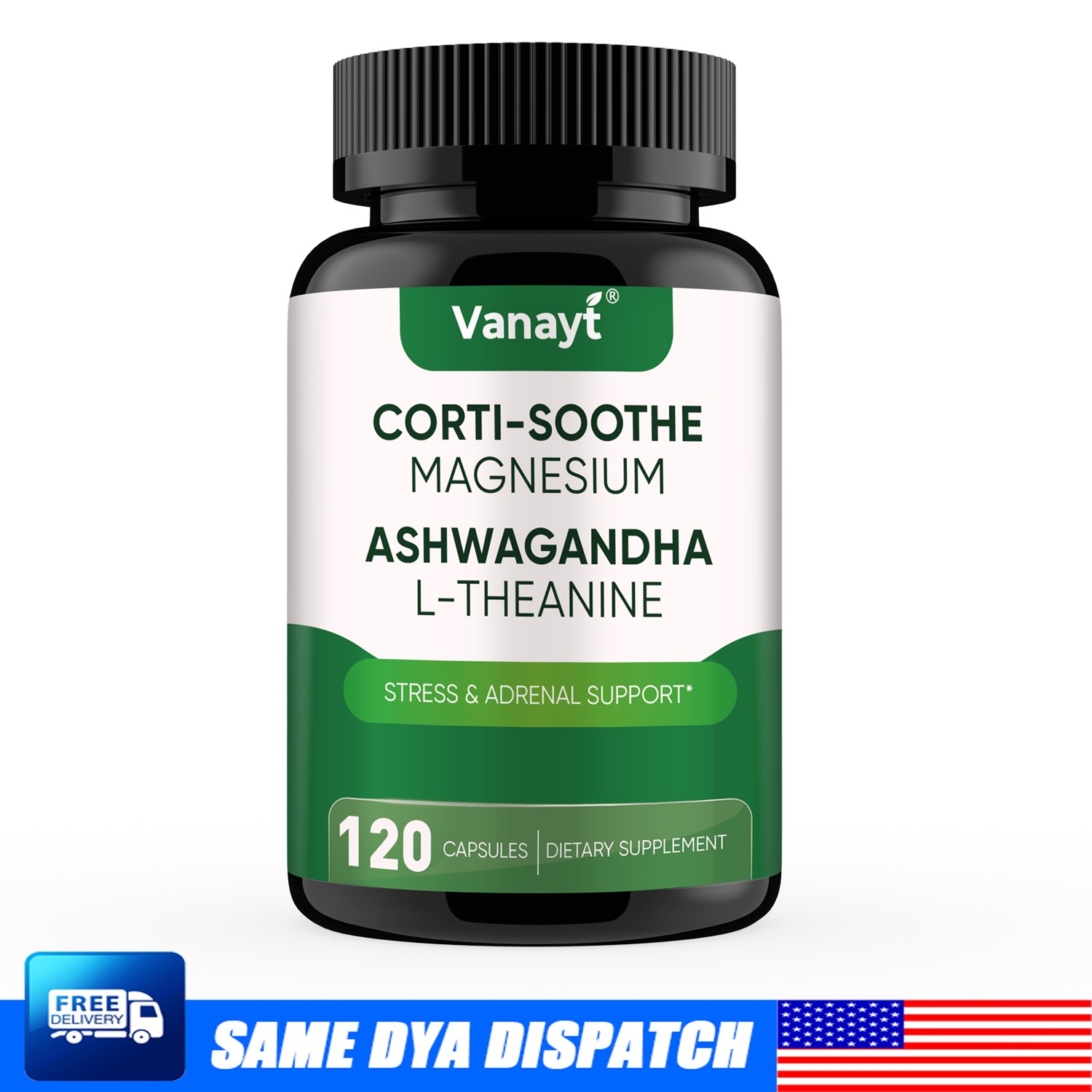 Magnesium Ashwagandha L-Theanine Capsules Cortisol Balance Stress Sleep Support$13.69Last checked Nov 25, 2026View on eBay
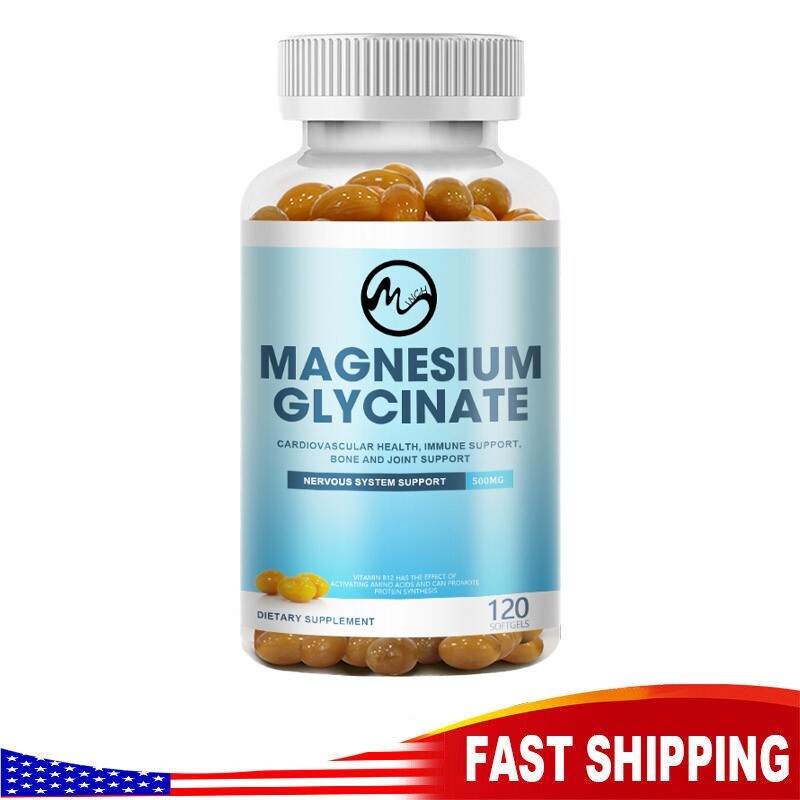 500MG Magnesium Glycinate High Absorption,Improved Sleep,Stress & Anxiety Relief$13.95Last checked Nov 25, 2026View on eBay
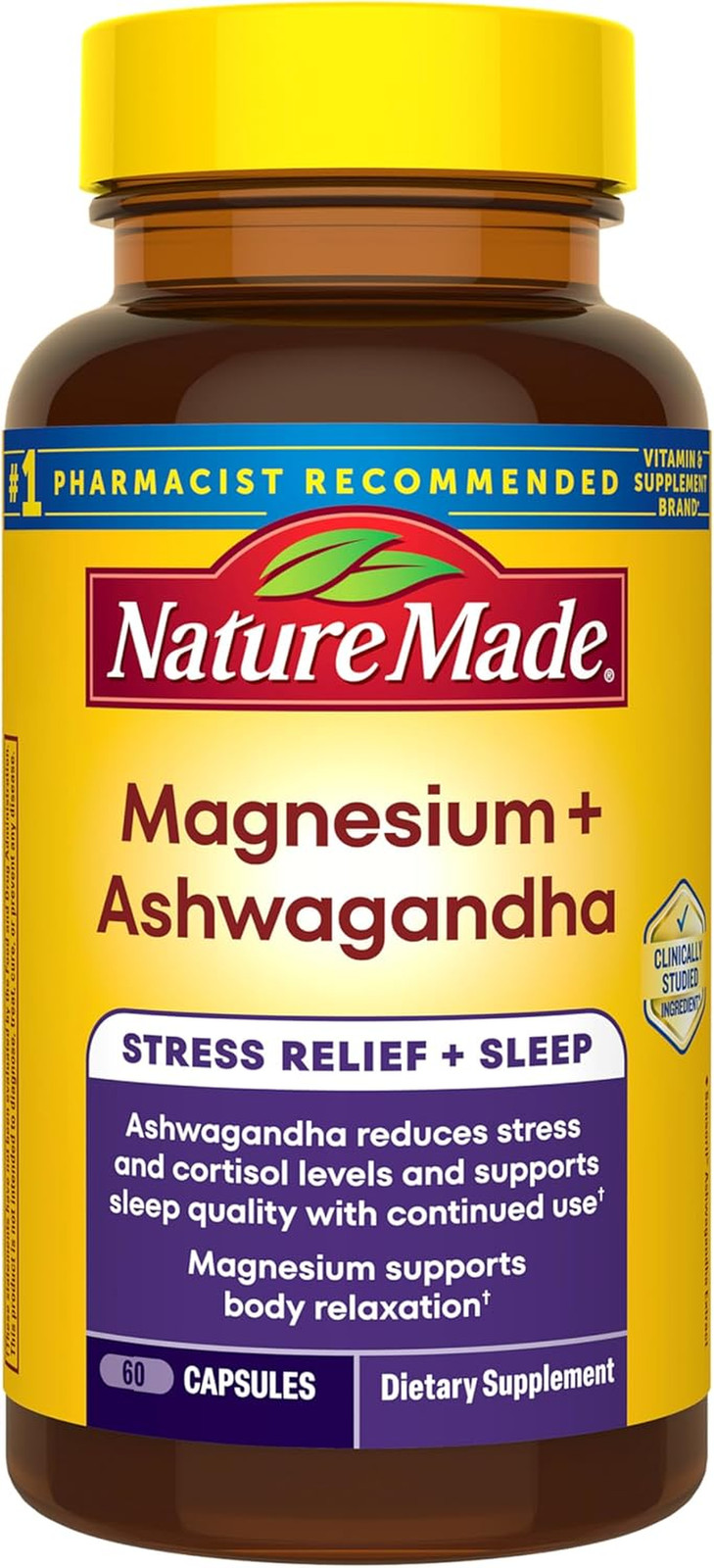 Nature Made Magnesium Ashwagandha Capsules Stress Relief Sleep Support 60ct$13.99Last checked Nov 26, 2026View on eBay
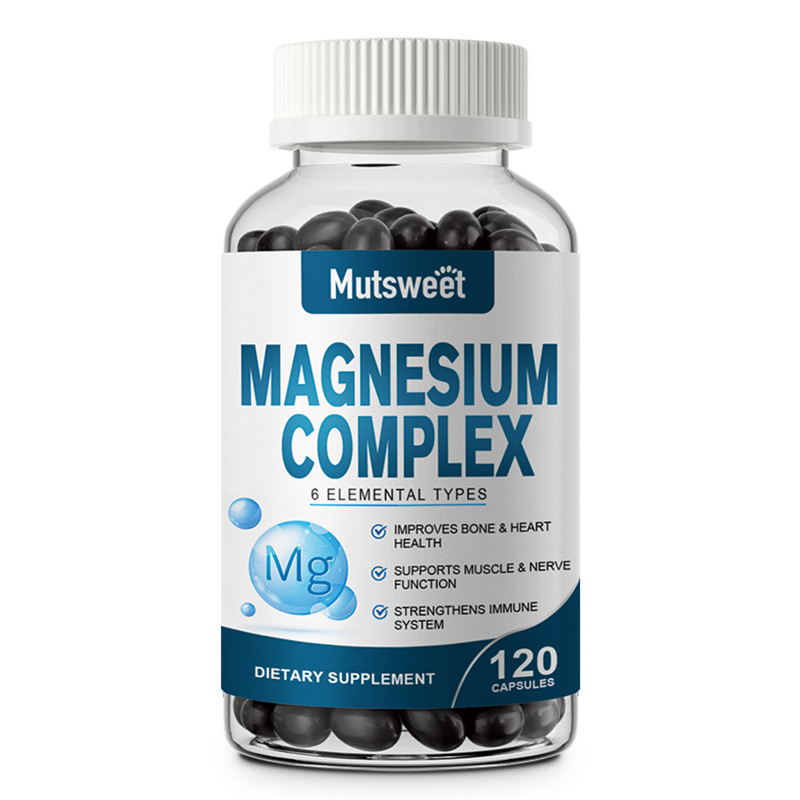 1/2/4PC Magnesium Complex, Natural Anti Anxiety&Stress Relief Supplement$13.99Last checked Nov 25, 2026View on eBay
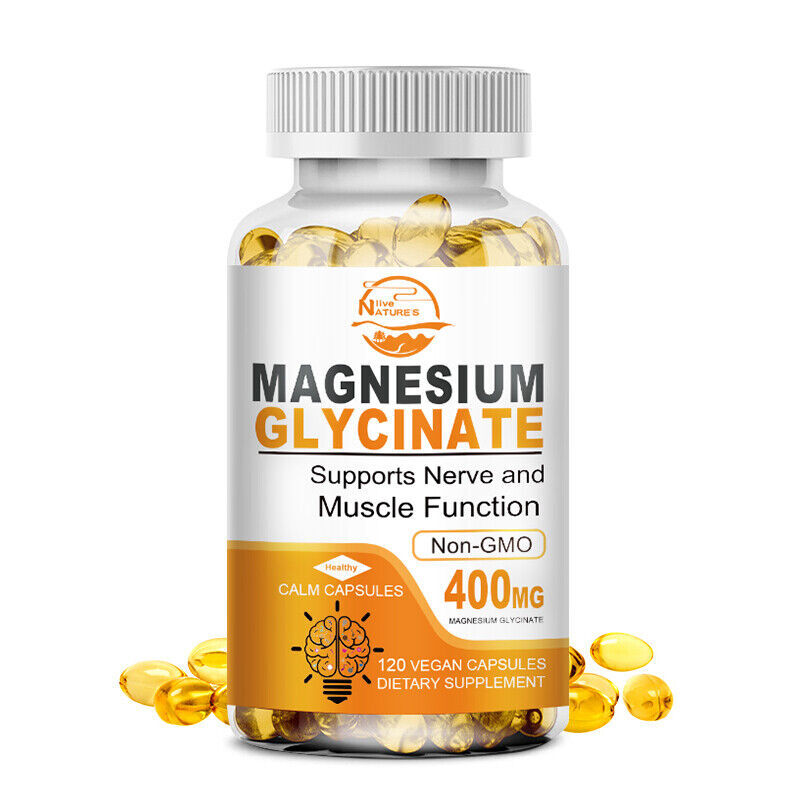 400MG Magnesium Glycinate High Absorption,Improved Sleep,Stress & Anxiety Relief$13.99Last checked Nov 25, 2026View on eBay
Highlights
- Chelate form drives outcome: magnesium glycinate binds to glycine for calm/sleep support with minimal laxative effect; citrate is partially absorbed but draws water into the bowel; oxide is only ~4% bioavailable.
- Elemental magnesium is the number that matters—400 mg capsule weight is not 400 mg magnesium; labels must state 'elemental' or '% Daily Value' (400 mg = 100% DV for adults).
- Single-ingredient chelates (Pure Encapsulations, glycinate-only capsules) allow dose titration; multi-mineral 'complexes' typically blend cheap oxide with small glycinate/citrate amounts for label appeal.
- Capsule vs powder vs gummy: capsules deliver precise dosing and no sugar; powders (e.g., lemonade drink mixes) suit 300–400 mg doses but often use citrate; gummies carry sugar and lower elemental magnesium per unit.
Best use cases
- Best fit for sleep, anxiety, or muscle twitching: single-form magnesium glycinate at 200–400 mg elemental, taken 30–60 min before bed; skip oxide blends that can cause overnight GI upset.
- Best fit for constipation or bowel regularity: magnesium citrate at 200–400 mg; skip glycinate, which is non-laxative and will not move the bowel.
- Best fit for general deficiency or budget: magnesium oxide is cheapest per gram but poorly absorbed; choose only if cost dominates and GI tolerance is not a concern.
- Wrong fit: 'all-in-one' cortisol/stress gummies with ashwagandha and low-dose magnesium—insufficient elemental magnesium to correct deficiency; use a dedicated chelate instead.
Buying tips
- Match the form to the goal: glycinate for calm/sleep, citrate for regularity, malate for daytime energy/muscle, oxide only for cost; avoid ambiguous 'complex' labels without mg per form.
- Read the Supplement Facts for 'elemental magnesium' or % DV: 400 mg elemental = 100% DV; a 1,000 mg capsule of magnesium glycinate typically yields only ~100–140 mg elemental.
- Prefer chelated forms bound to an amino acid (bisglycinate, citrate, malate) over oxide or carbonate; chelates carry higher absorption and lower laxative risk at equivalent elemental doses.
- Choose third-party tested or GMP-certified brands (NSF, USP, or disclosed cGMP facility) and single-ingredient products so you can titrate 100–400 mg without extra actives.
Specs
| Chelate Form | Glycinate / Citrate / Oxide / Malate |
|---|---|
| Elemental Dose | 200-400 mg per serving |
| Delivery Format | Capsule / Powder / Gummy |
| Third-Party Tested | NSF / USP / cGMP disclosed |
Related searches
What to check before buying
- Confirm your total daily magnesium from diet plus supplement stays under the 350 mg supplemental upper limit for adults (food magnesium does not count toward this cap).
- Check for interactions: magnesium reduces absorption of tetracycline/quinolone antibiotics and bisphosphonates—separate doses by 2–4 hours.
- Verify kidney function is normal before supplemental magnesium; impaired kidneys cannot clear excess and risk hypermagnesemia.
- Match dosage form to routine: capsules for travel and precise dosing, powder for 300–400 mg single servings, gummies only if sugar and lower potency are acceptable.
FAQ
Data sources: eBay / Amazon listings and product attribute feeds. Updated Nov 28, 2026.
Some links on this page are affiliate links. If you buy after clicking one, we may earn a commission at no extra cost to you. This does not change which products appear here or their order. Affiliate disclosure.