
Photos from current listings. Actual item, color, and included accessories may vary.
Multivitamin Without Iron Buying Guide
Iron-free multivitamins are daily formulas that deliver essential vitamins and minerals while omitting iron, a mineral that can accumulate to toxic levels in people with hereditary hemochromatosis or other absorption disorders. The core trade-off is between tablet size and nutrient density: "tiny tablet" and whole-food formulas usually cap at 100% DV for most vitamins and omit minerals like calcium and magnesium to stay small, while full-size iron-free multis can include broader mineral profiles. The decision rule is simple: if you need iron removal for medical reasons, choose a formula that clearly states "iron-free" and discloses vitamin A, D, and B12 forms; skip any product that hides iron content behind a "complete" label.
Median $18.23
Key takeaways
- Iron-free certification: labels must state "Iron-Free" or list 0 mg iron; DEVA and Swanson explicitly market this, while standard multis often contain 18 mg iron from ferrous fumarate.
- Tablet size vs. nutrient load: DEVA Tiny Tablets use small-dose compression to fit vitamins and some minerals in a sub-8mm tablet, omitting bulky minerals like calcium and magnesium.
- Whole-food vs. isolated forms: Swanson Whole Foods Formula uses food-based vitamin sources, while HUM Base Control uses methylated B vitamins and chelated minerals for higher bioavailability.
At a glance
- Category
- Vitamins & Minerals
- Last updated
- Nov 28, 2026
Current offers
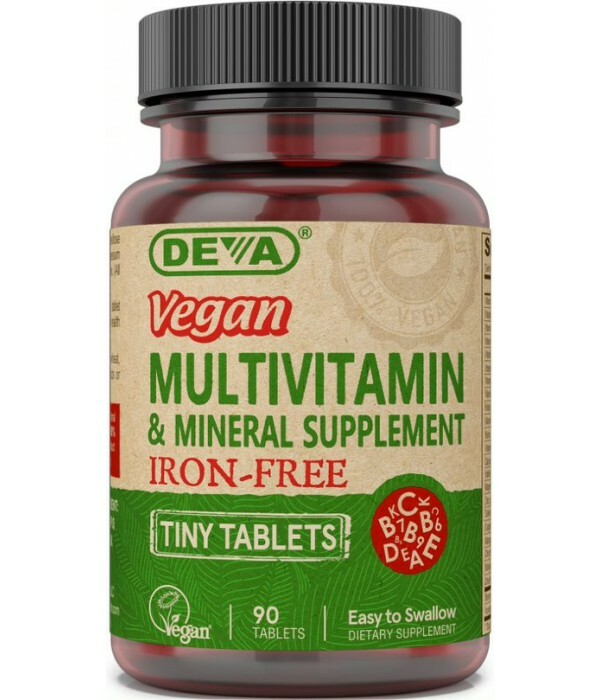 DEVA Vegan Tiny Tablets Multivitamin & Mineral Supplement Iron-Free - 90 Tablets$9.99Last checked Nov 19, 2026View on eBay
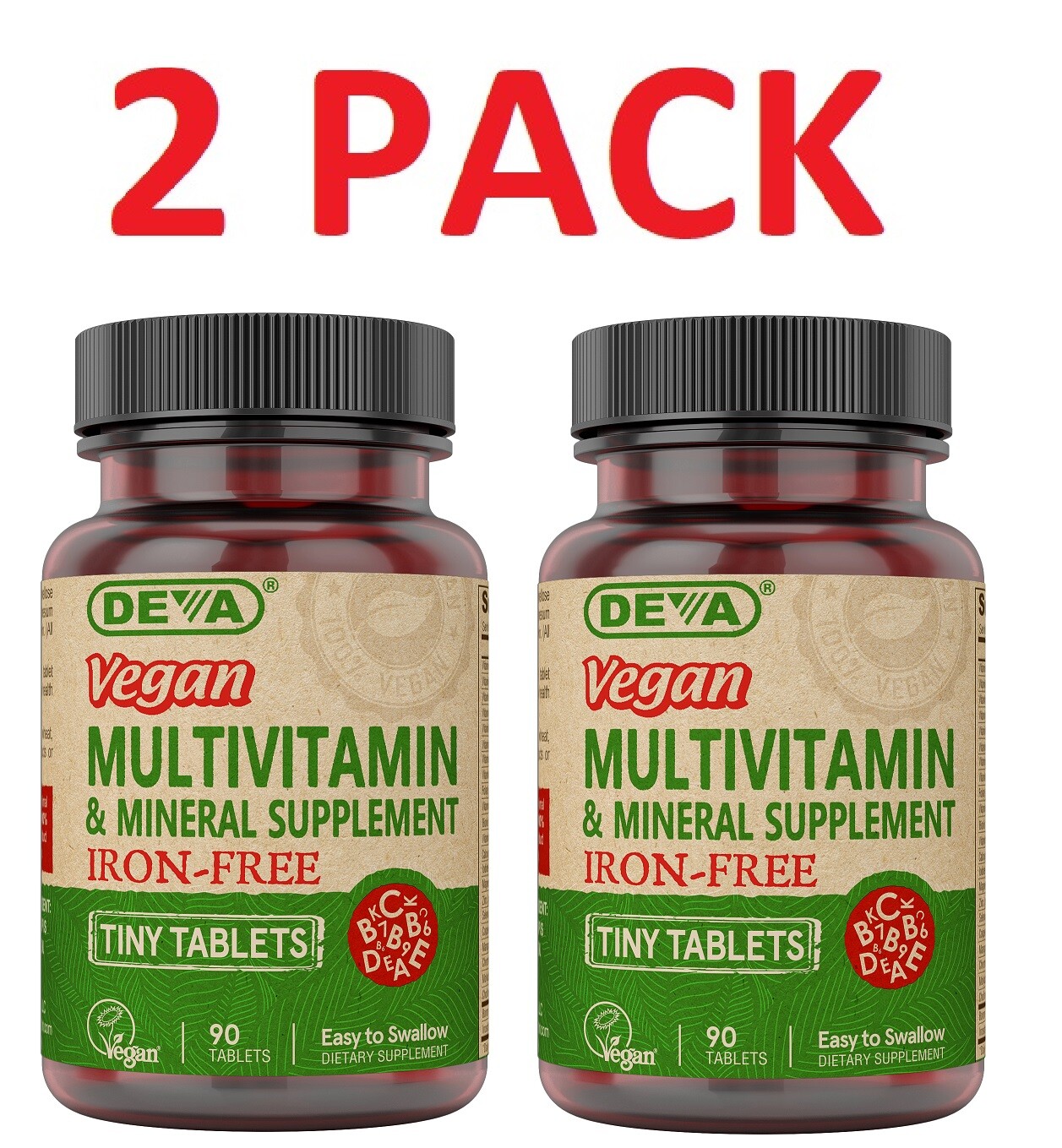 DEVA Vegan Tiny Tablets Multivitamin & Mineral Supplement Iron-Free - (2 PACK)$15.99Last checked Nov 26, 2026View on eBay
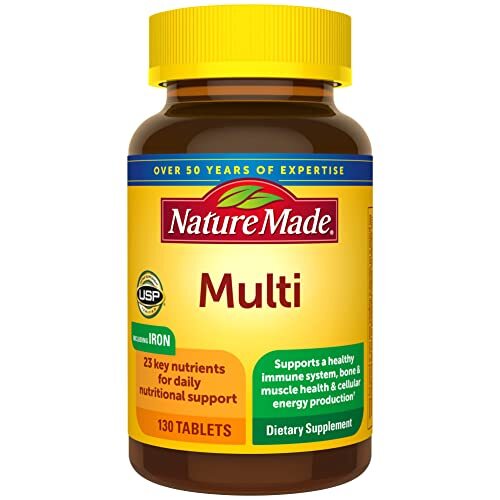 Nature Made Multivitamin With Iron 130 Count Daily Nutritional Support Tablets$16.39Last checked Nov 20, 2026View on eBay
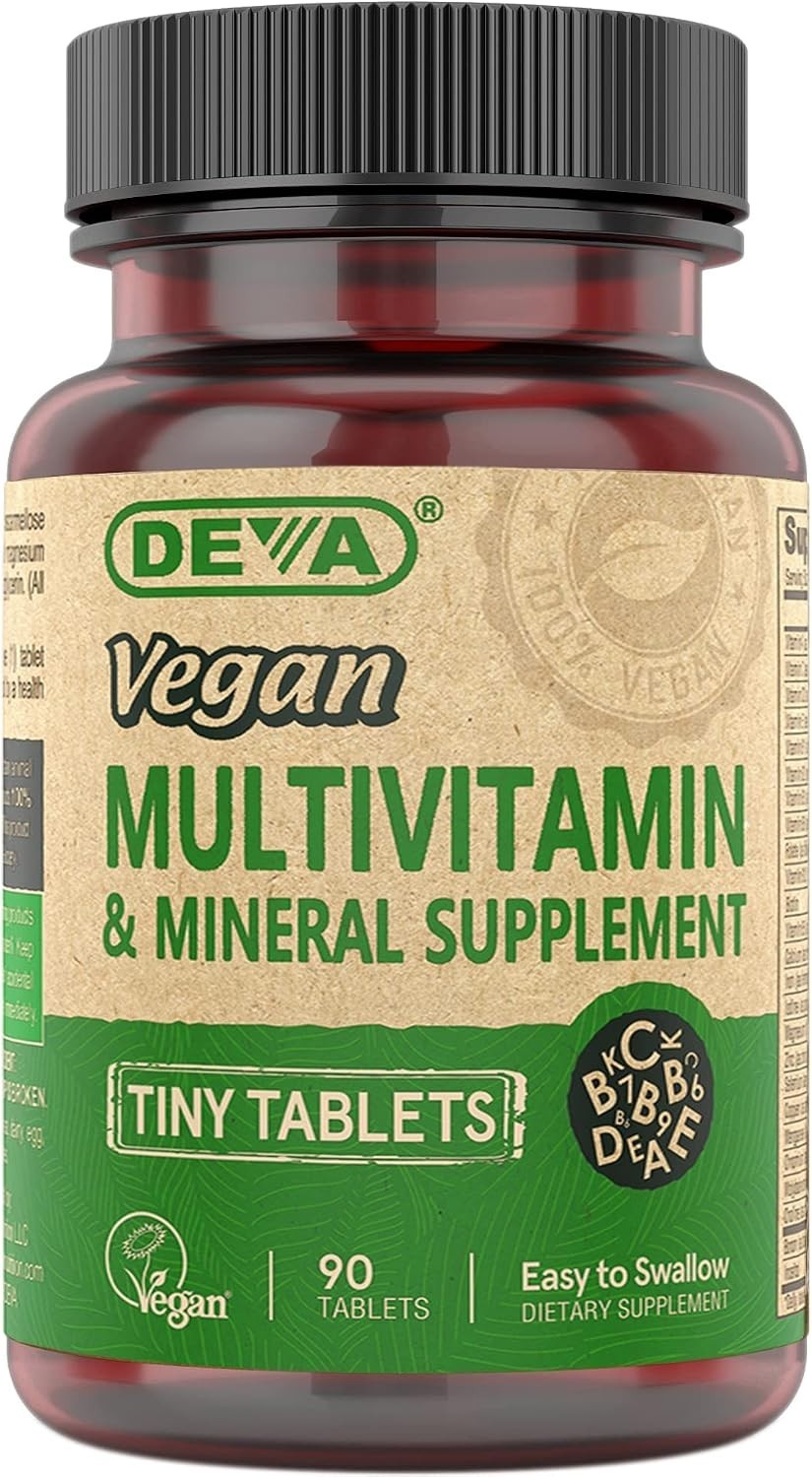 DEVA Vegan Multivitamin & Mineral Support with Iron Unisex- 90 Tiny Tablets$16.67Last checked Nov 21, 2026View on eBay
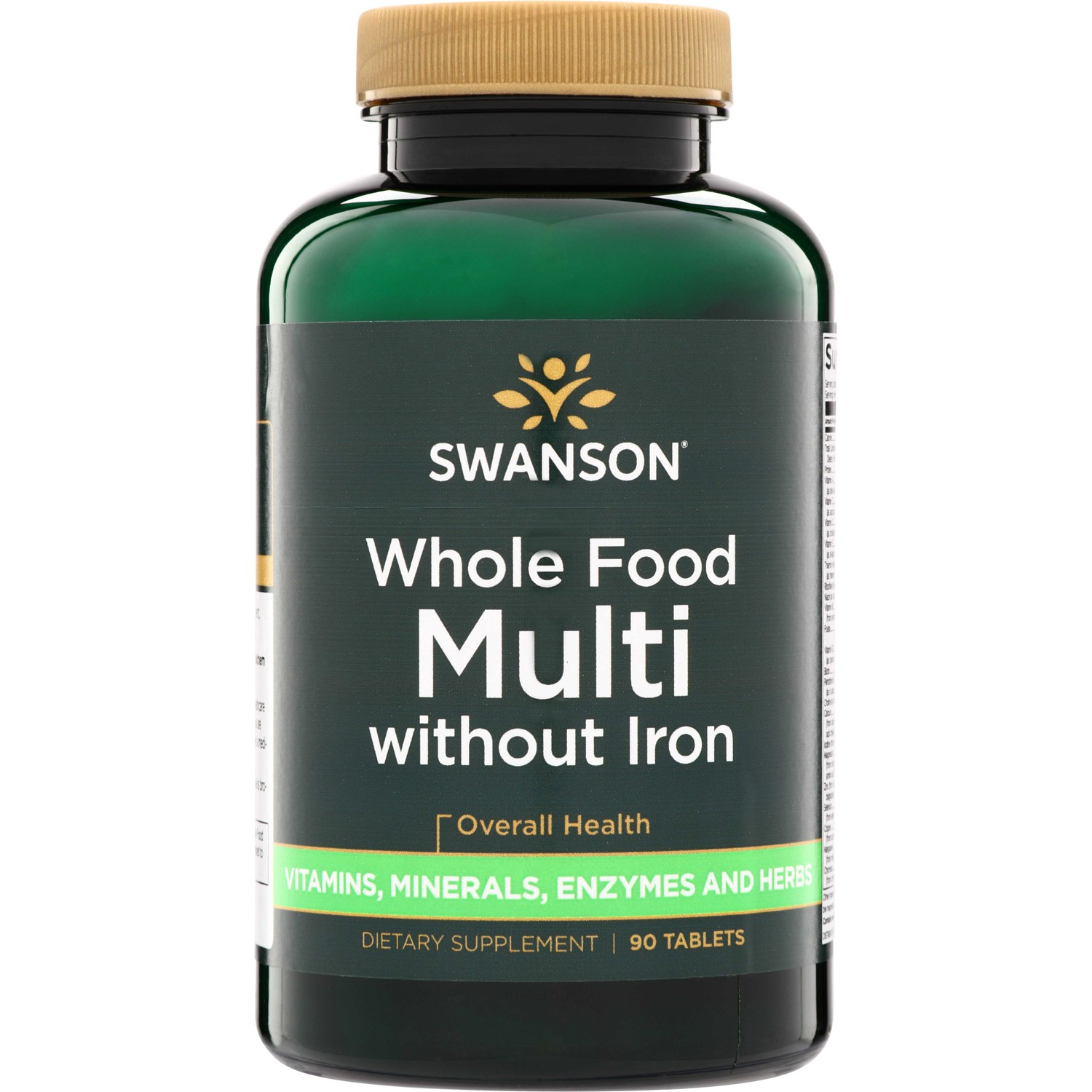 Swanson Whole Foods Formula Multivitamin & Mineral Without Iron Tablets 90 Count$19.79View on eBay
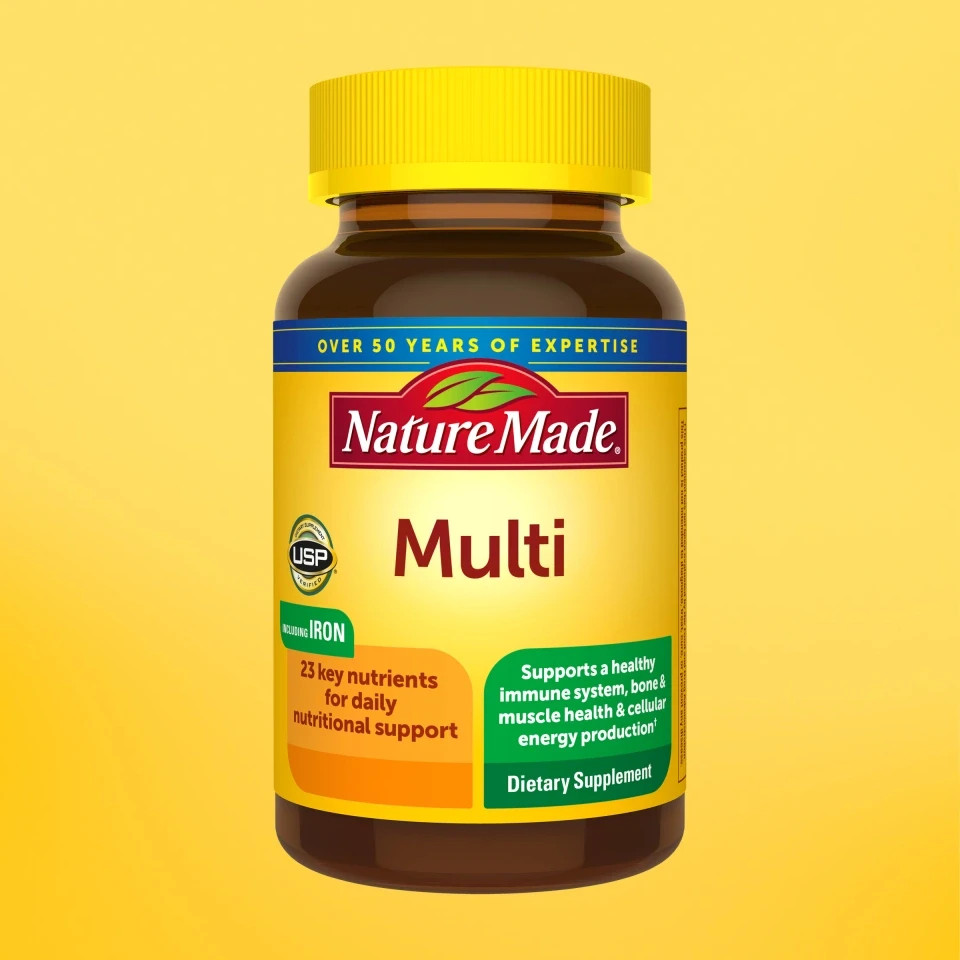 Nature Made Multivitamin With Iron 130 Count ~ Exp 2/2027+$19.99Last checked Nov 22, 2026View on eBay
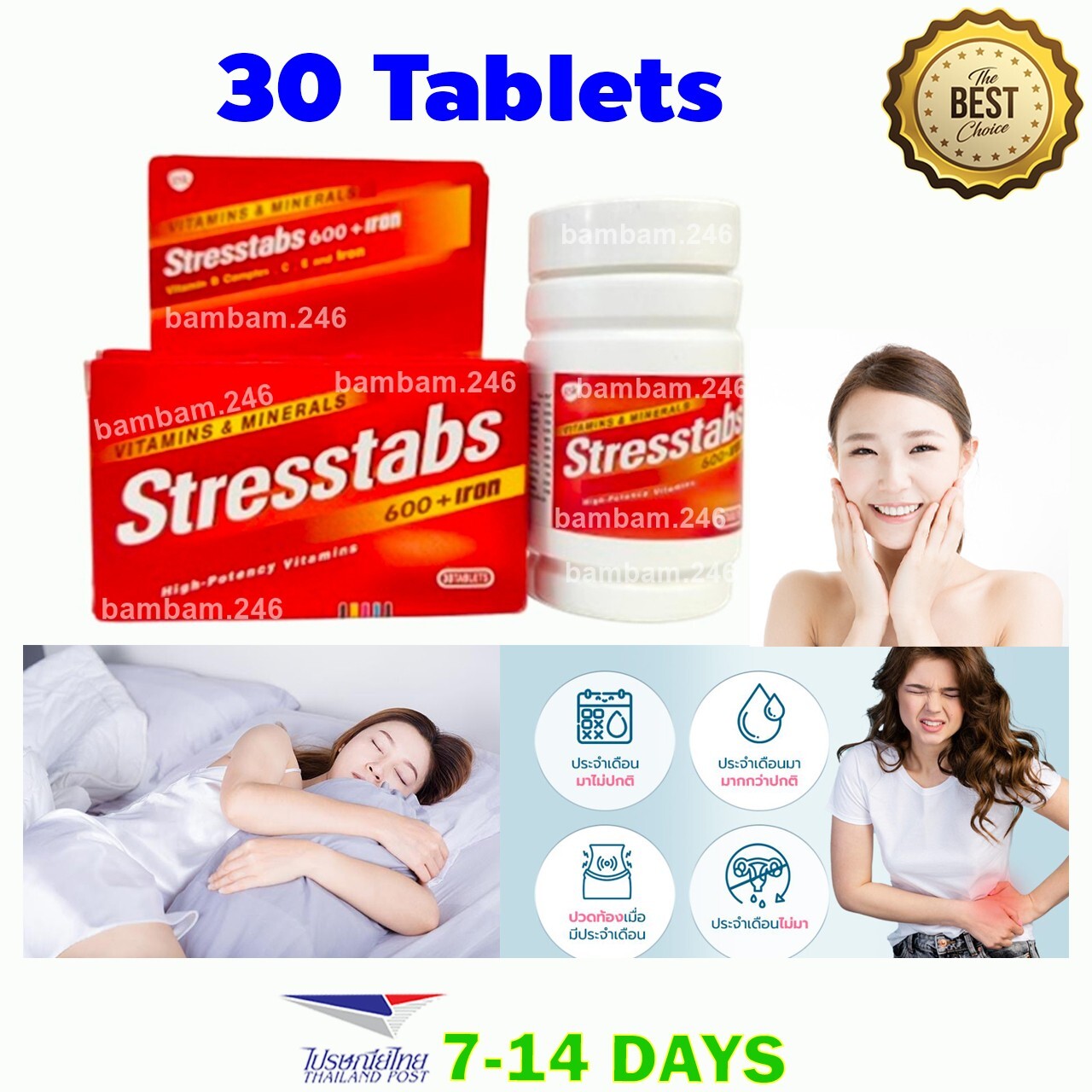 30 Tablets Stresstabs Multivitamins & Minerals 600 with Iron High Potency Women$28.98Last checked Nov 26, 2026View on eBay
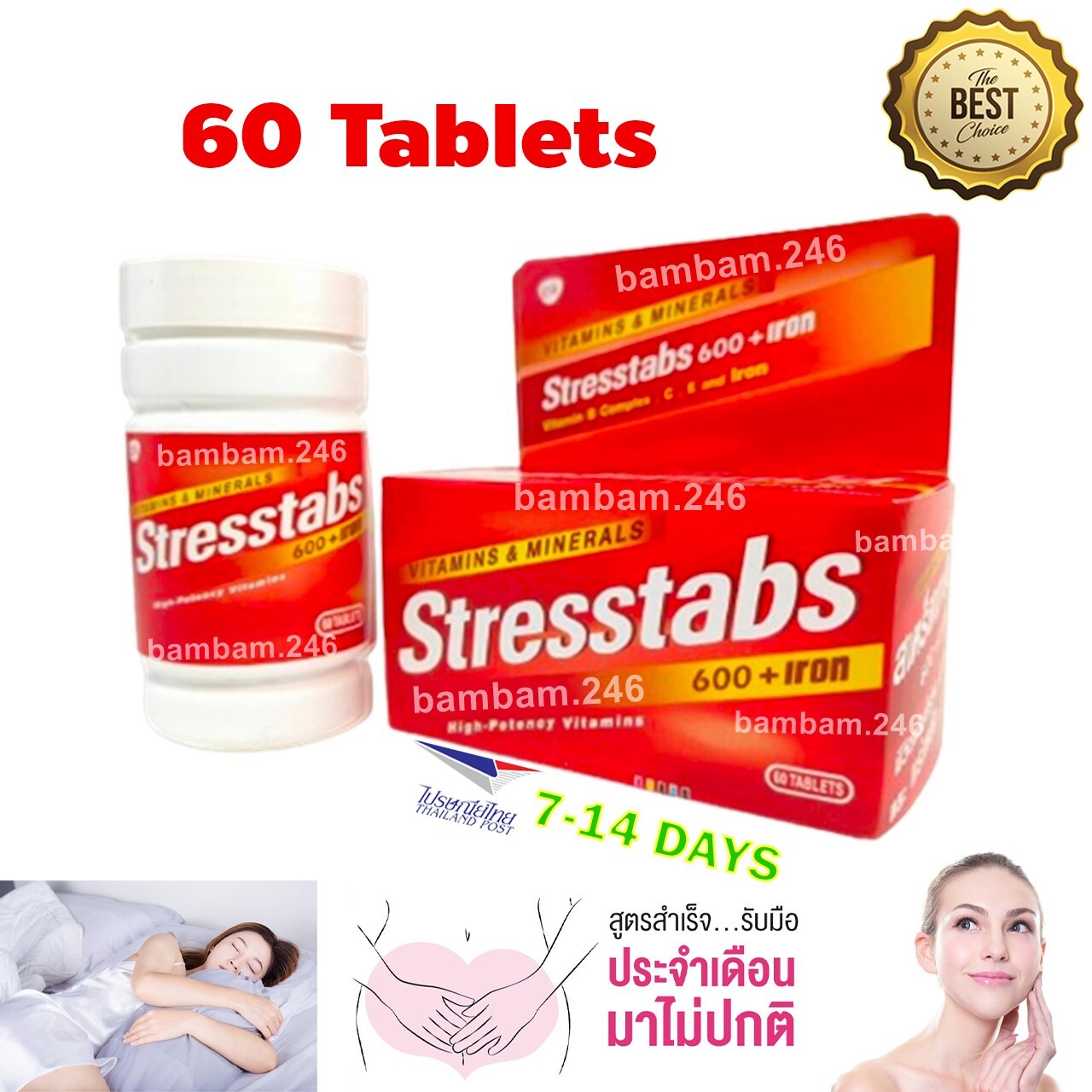 Stresstabs Multivitamins & Minerals with Iron 60 Tablets Healthy for Women Fresh$39.98Last checked Nov 20, 2026View on eBay
Highlights
- Iron-free certification: labels must state "Iron-Free" or list 0 mg iron; DEVA and Swanson explicitly market this, while standard multis often contain 18 mg iron from ferrous fumarate.
- Tablet size vs. nutrient load: DEVA Tiny Tablets use small-dose compression to fit vitamins and some minerals in a sub-8mm tablet, omitting bulky minerals like calcium and magnesium.
- Whole-food vs. isolated forms: Swanson Whole Foods Formula uses food-based vitamin sources, while HUM Base Control uses methylated B vitamins and chelated minerals for higher bioavailability.
- Vitamin A form matters: iron-free multis may use beta-carotene (safe) or retinol (risk of accumulation); check the label for preformed retinol if you have liver concerns.
Best use cases
- Best fit: adults with diagnosed hemochromatosis or iron-loading conditions should choose a clearly labeled iron-free multivitamin like DEVA Tiny Tablets or Swanson Without Iron and skip any "women's" or "senior" formula that typically adds iron.
- Best fit: women who already get iron from a separate supplement or diet should pick HUM Base Control Iron Free, which focuses on methylated B vitamins and chelated minerals without iron.
- Wrong fit: anyone with iron-deficiency anemia should skip iron-free multis entirely and choose a formula with 18-27 mg ferrous iron or a dedicated iron supplement.
- Wrong fit: buyers wanting a single small tablet with calcium and magnesium should skip tiny-tablet formulas; these minerals are too bulky, so choose a full-size iron-free multi with separate calcium intake.
Buying tips
- Check the iron line: choose products labeled "Iron-Free" or "0 mg Iron"; avoid "complete" multis that may include 18 mg iron from ferrous fumarate or carbonyl iron.
- For small tablets, expect lower mineral doses: sub-8mm tablets usually omit calcium, magnesium, and potassium because these minerals require large tablet volumes; pair with separate mineral supplements.
- Prefer methylated B12 (methylcobalamin) and folate (methylfolate) over cyanocobalamin and folic acid if you have MTHFR variants or want higher bioavailability.
- Look for USP or NSF certification on iron-free multis to verify label accuracy and absence of contaminants, since iron-free products are often taken by medically sensitive buyers.
Specs
| Iron Content | 0 mg (iron-free) vs 18 mg standard |
|---|---|
| Tablet Size | Tiny (<8mm) vs standard (15mm+) |
| Mineral Profile | Full minerals vs vitamins-only |
| Vitamin Form | Methylated vs synthetic |
Related searches
What to check before buying
- Confirm your iron status with a ferritin and transferrin saturation blood test before choosing iron-free; if ferritin is below 30 ng/mL, you likely need iron, not an iron-free multi.
- Measure your pill-swallowing comfort: tiny tablets are under 8mm, while standard iron-free multis can be 15mm or larger; choose accordingly.
- Check for companion nutrients: iron-free multis often lack calcium and magnesium, so plan separate intake if you need those minerals.
- Verify the vitamin A form: choose beta-carotene over preformed retinol if you have liver concerns or are pregnant, as retinol can accumulate.
FAQ
Data sources: eBay / Amazon listings and product attribute feeds. Updated Nov 28, 2026.
Some links on this page are affiliate links. If you buy after clicking one, we may earn a commission at no extra cost to you. This does not change which products appear here or their order. Affiliate disclosure.