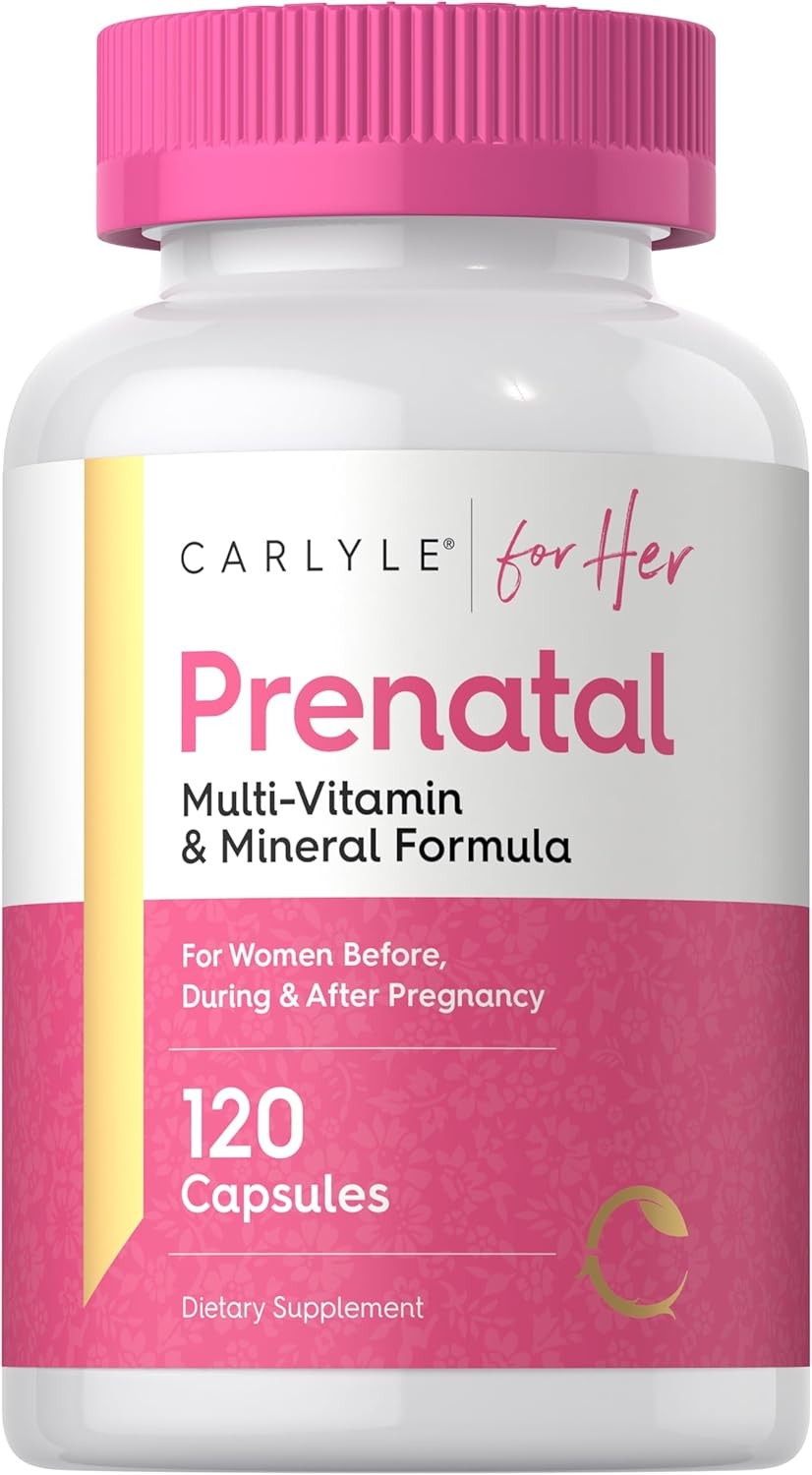

Photos from current listings. Actual item, color, and included accessories may vary.
Prenatal Vitamin Buying Guide
Prenatal vitamins are daily multivitamin-mineral supplements formulated to support maternal nutrition and fetal development, with folate, iron, iodine, DHA, and vitamin D as the core functional ingredients. The primary trade-off is between cheap synthetic-ingredient tablets that meet minimum label claims and better-absorbed forms (methylated folate, chelated iron, algae or triglyceride DHA) that reduce GI side effects but cost more. The decision rule: buy only products that state elemental mineral doses (not compound weights), use a bioavailable folate form, and include DHA separately or in a coated softgel—skip any prenatal that hides behind proprietary blends or lists folic acid without dose.
Key takeaways
- Folate form matters most: methylfolate (5-MTHF) at 400–600 mcg DFE is directly usable; synthetic folic acid requires MTHFR enzyme conversion and is the cheaper default in mass-market tablets.
- Iron dose drives tolerability: 27 mg elemental iron is standard prenatal target; chelated bisglycinate at 25–30 mg causes far less constipation than ferrous sulfate at the same elemental dose.
- DHA is typically separate: prenatal multivitamins rarely include meaningful DHA (200–300 mg) because oil degrades tablet shelf life—choose a dedicated algae-oil softgel or a combined softgel line.
At a glance
- Category
- Vitamins & Minerals
- Last updated
- Nov 28, 2026
Current offers
Highlights
- Folate form matters most: methylfolate (5-MTHF) at 400–600 mcg DFE is directly usable; synthetic folic acid requires MTHFR enzyme conversion and is the cheaper default in mass-market tablets.
- Iron dose drives tolerability: 27 mg elemental iron is standard prenatal target; chelated bisglycinate at 25–30 mg causes far less constipation than ferrous sulfate at the same elemental dose.
- DHA is typically separate: prenatal multivitamins rarely include meaningful DHA (200–300 mg) because oil degrades tablet shelf life—choose a dedicated algae-oil softgel or a combined softgel line.
- Tablet vs softgel vs capsule changes absorption and size: coated tablets are cheapest and smallest, softgels carry fat-soluble vitamins and DHA, capsules allow higher elemental mineral loads without binders.
Best use cases
- Best fit: pre-conception through first trimester—pick a 400–600 mcg DFE methylfolate + 27 mg chelated iron + 150 mcg iodine prenatal; skip high-dose vitamin A (retinol) formulations above 3,000 IU.
- Best fit: second and third trimester or iron-sensitive users—choose a bisglycinate iron prenatal at 25–30 mg elemental plus a separate 200–300 mg algae DHA softgel; skip ferrous sulfate tablets that cause constipation.
- Best fit: hair-growth-focused buyers—select a prenatal that also states biotin 30–50 mcg, zinc 8–11 mg, and vitamin D 600–1,000 IU; skip megadose biotin (5,000+ mcg) products marketed for hair, which exceed prenatal safety norms.
- Wrong fit: anyone seeking a general adult multivitamin—prenatals carry higher iron and folate than non-pregnant adults need; use a standard adult formula instead.
Buying tips
- Match folate dose to 400–600 mcg DFE and confirm the form is methylfolate or a labeled 5-MTHF blend, not unspecified 'folate blend'.
- Check elemental iron content, not compound weight: 27 mg elemental iron is standard; bisglycinate or ferrous bisglycinate chelate is the low-constipation pick over ferrous sulfate.
- DHA should be 200–300 mg as algae oil or triglyceride-form fish oil; purchase it as a separate softgel unless the prenatal explicitly lists DHA on the Supplement Facts panel.
- Iodine at 150 mcg supports thyroid function; avoid kelp-based 'natural iodine' products where dose per serving isn't stated in mcg.
Specs
| Folate Form | Methylfolate vs Folic Acid |
|---|---|
| Elemental Iron | 27 mg target / chelated preferred |
| DHA Inclusion | Separate 200-300 mg softgel |
| Serving Count | 1-3 tablets/capsules daily |
Related searches
What to check before buying
- Confirm prenatal serving size (1, 2, or 3 tablets/capsules daily) and that your routine tolerates that count—two- and three-a-day formulas are common for chelated iron and DHA inclusion.
- Verify the Supplement Facts panel lists elemental mineral doses in mg/mcg, not just compound weights, so iron, zinc, and calcium are comparable across brands.
- Check vitamin A form: beta-carotene is preferred over retinol palmitate because preformed retinol above 3,000 IU daily is not recommended in pregnancy.
- Confirm capsule or softgel size and coating if you have pill-swallowing difficulty; coated tablets and smaller softgels are easier than large uncoated capsules.
FAQ
Data sources: eBay / Amazon listings and product attribute feeds. Updated Nov 28, 2026.
Some links on this page are affiliate links. If you buy after clicking one, we may earn a commission at no extra cost to you. This does not change which products appear here or their order. Affiliate disclosure.