
Photos from current listings. Actual item, color, and included accessories may vary.
Quality Berberine Supplement Buying Guide
Quality berberine supplements are standardized botanical extracts sold for metabolic support, where the decisive trade-off is between verified high-purity berberine (HCl or dihydroberberine) with third-party testing and cheap raw powder with undisclosed extract ratios. The clear rule: choose a product that states its berberine form, extract standardization, and independent purity testing; skip any label that lists only 'berberine root powder' or a proprietary blend.
Median $20.99
Key takeaways
- Berberine HCl 97-98% is the most researched form; dihydroberberine (DHB) is a newer absorption-enhanced derivative with roughly 5x higher bioavailability but far less long-term clinical data.
- Standardization matters more than milligram count: a 500 mg capsule of 97% extract delivers ~485 mg berberine, while a 10:1 root powder ratio may deliver inconsistent alkaloid levels.
- Third-party testing for heavy metals, residual solvents, and microbials is the single strongest quality signal; NSF, USP, or Informed Choice certification adds manufacturing-audit assurance.
At a glance
- Category
- Vitamins & Minerals
- Last updated
- Nov 28, 2026
Current offers
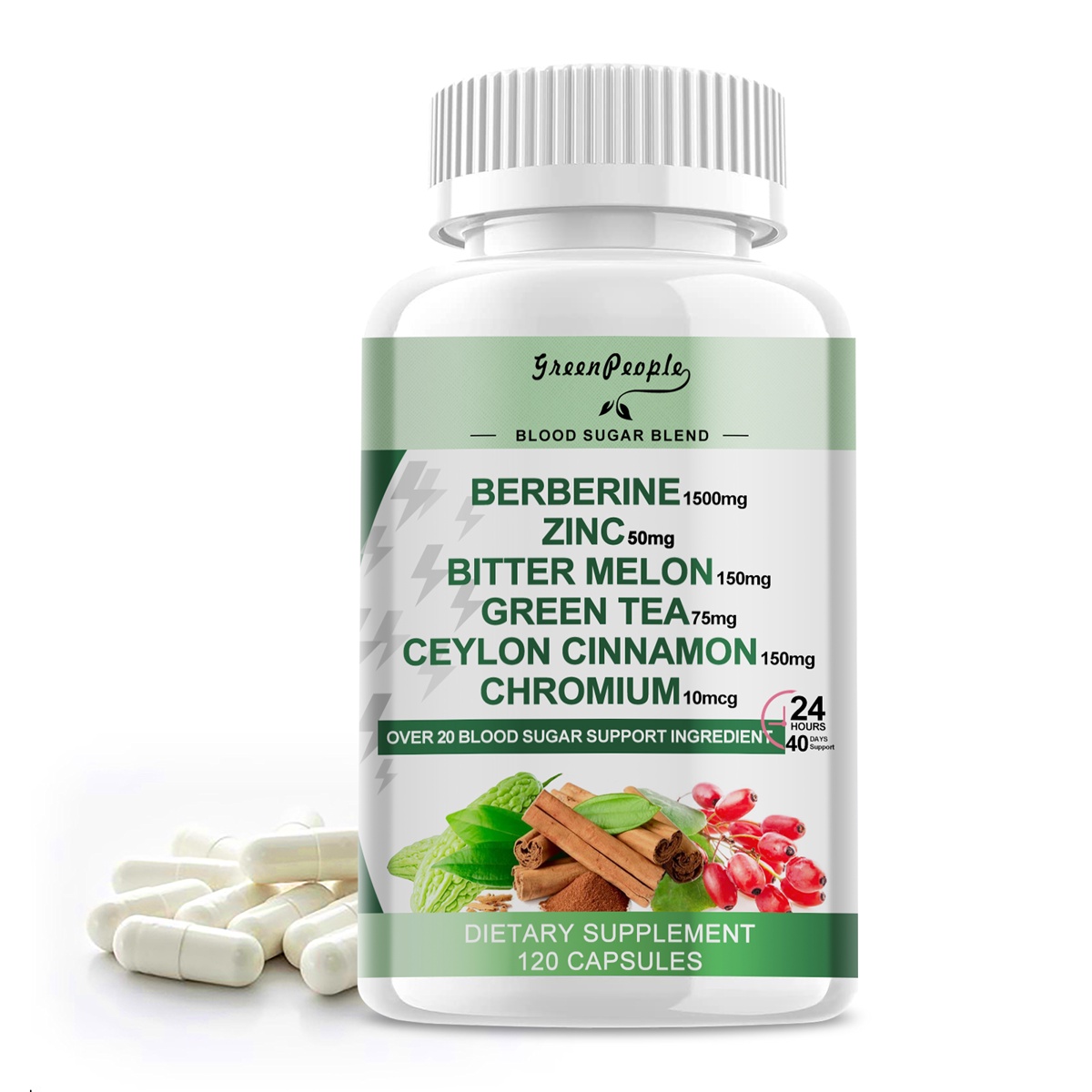 Berberine Supplement 1500mg – 120 Capsules – Ceylon Cinnamon, Bitter Melon, Chromium, Zinc, HCI Root Supplements Pills –$9.99View on Mallflare
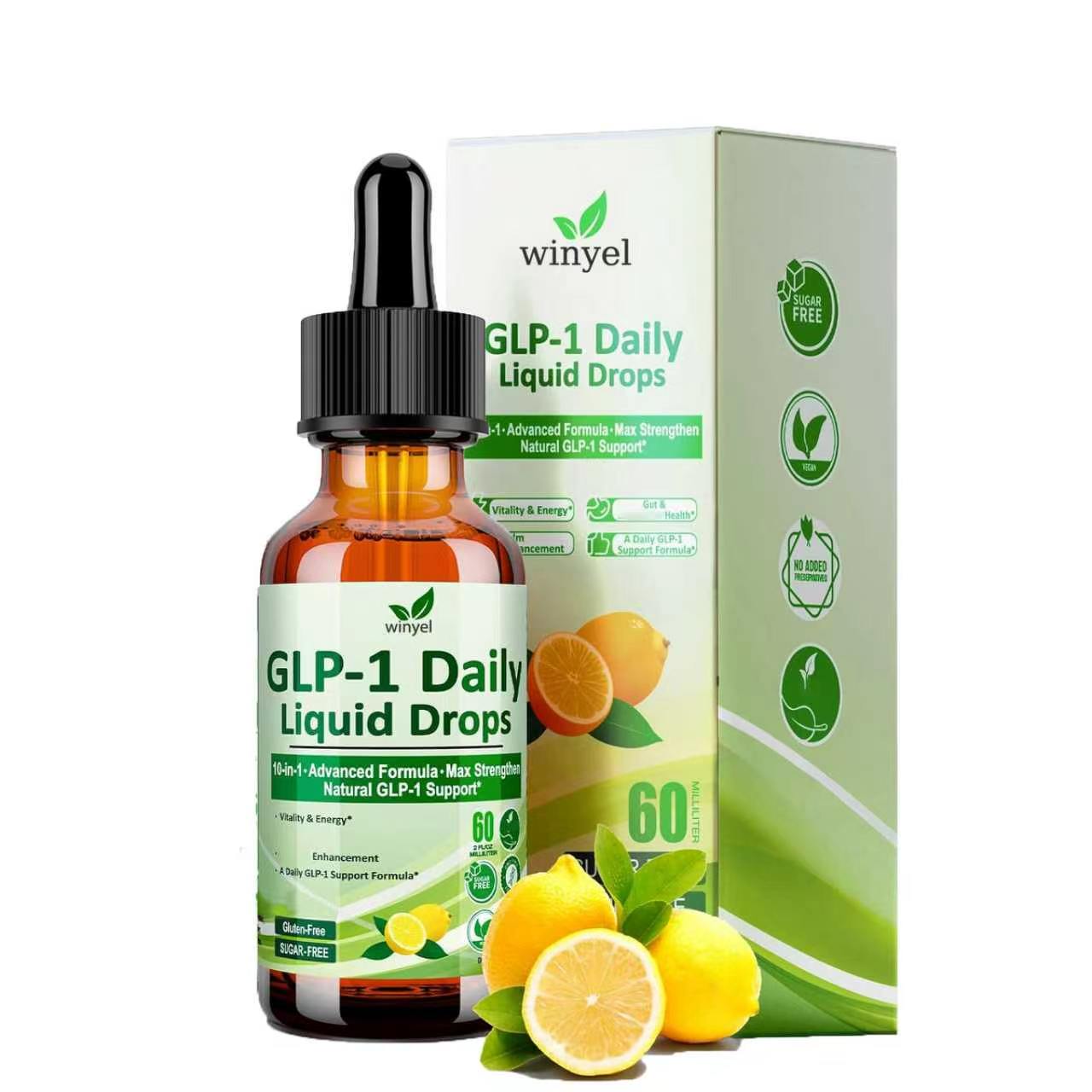 GLP-1 Supplement Liquid Drops W. Berberine Ceylon Cinnamon Green Tea Fiber, 10-in-1 Advanced Oral Drop For Women & Men$20.99View on Mallflare
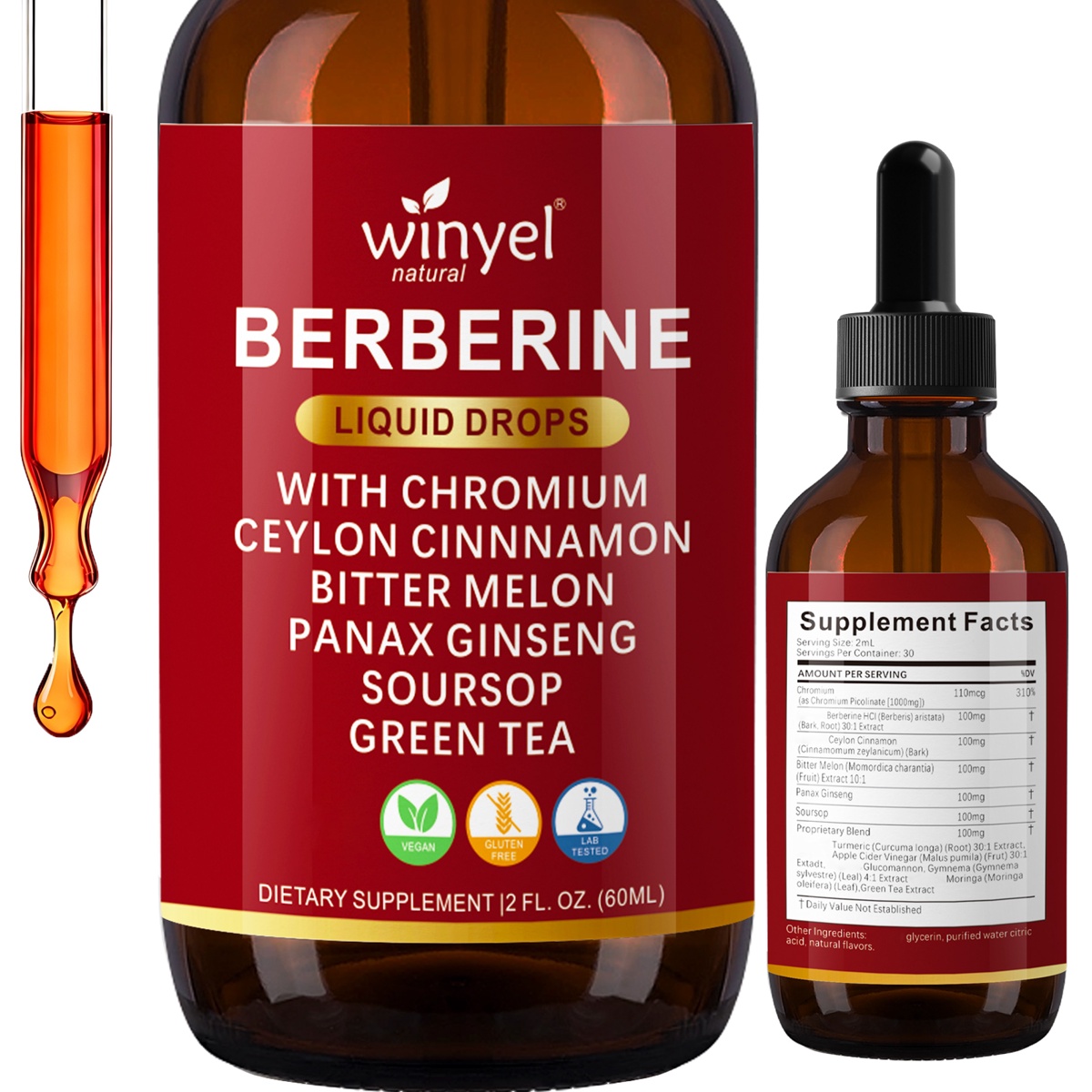 Organic Ceylon Cinnamon Berberine Liquid Drops Supplement With Bitter Melon Extract, Glucomannan, Gymnema, Chromium, Turmeric, Panax Ginseng$28.99View on Mallflare
Highlights
- Berberine HCl 97-98% is the most researched form; dihydroberberine (DHB) is a newer absorption-enhanced derivative with roughly 5x higher bioavailability but far less long-term clinical data.
- Standardization matters more than milligram count: a 500 mg capsule of 97% extract delivers ~485 mg berberine, while a 10:1 root powder ratio may deliver inconsistent alkaloid levels.
- Third-party testing for heavy metals, residual solvents, and microbials is the single strongest quality signal; NSF, USP, or Informed Choice certification adds manufacturing-audit assurance.
- Capsule excipients like magnesium stearate and silicon dioxide are generally safe, but products using rice flour or proprietary blends as fillers dilute actual berberine content.
Best use cases
- Best fit: standardized berberine HCl 97%+ with third-party COA and clear per-capsule berberine content for daily metabolic support; skip unstandardized root powders.
- Best fit: dihydroberberine (DHB) products with absorption-enhancement data for buyers seeking lower doses; skip if you need the extensive HCl clinical evidence base.
- Best fit: third-party-certified berberine from brands publishing lot-level COAs for purity-conscious buyers; skip proprietary blends or products without testing disclosures.
- Wrong fit: berberine products marketed with vague '10:1 extract' or 'root powder' labels for anyone targeting evidence-based dosing; choose standardized extract instead.
Buying tips
- Look for 97-98% berberine HCl standardization; this is the form and purity used in most clinical trials, not 10:1 root powder ratios.
- Calculate actual berberine per capsule: 500 mg at 97% = 485 mg; compare this to total capsule weight, which includes excipients and fillers.
- Prioritize brands with NSF, USP, or Informed Choice certification or publicly available third-party COAs for heavy metals and residual solvents.
- Choose dihydroberberine only if the label states DHB content and provides absorption or bioavailability data; otherwise stick with HCl.
Specs
| Berberine Form | HCl 97-98% vs Dihydroberberine |
|---|---|
| Third-Party Testing | NSF / USP / Informed Choice COA |
| Standardization | 97-98% extract vs 10:1 powder |
| Capsule Dose | 500 mg berberine HCl per capsule |
Related searches
What to check before buying
- Confirm the berberine form and standardization percentage (HCl 97-98%, or DHB with stated content) on the supplement facts panel.
- Verify third-party testing claims via certification logos (NSF, USP, Informed Choice) or lot-level COAs accessible without purchase.
- Check capsule count and per-capsule berberine content to match your intended daily dose, typically 500 mg berberine 2-3 times daily.
- Review allergen and excipient list for fillers like rice flour or proprietary blends that reduce actual berberine per serving.
FAQ
Data sources: eBay / Amazon listings and product attribute feeds. Updated Nov 28, 2026.
Some links on this page are affiliate links. If you buy after clicking one, we may earn a commission at no extra cost to you. This does not change which products appear here or their order. Affiliate disclosure.