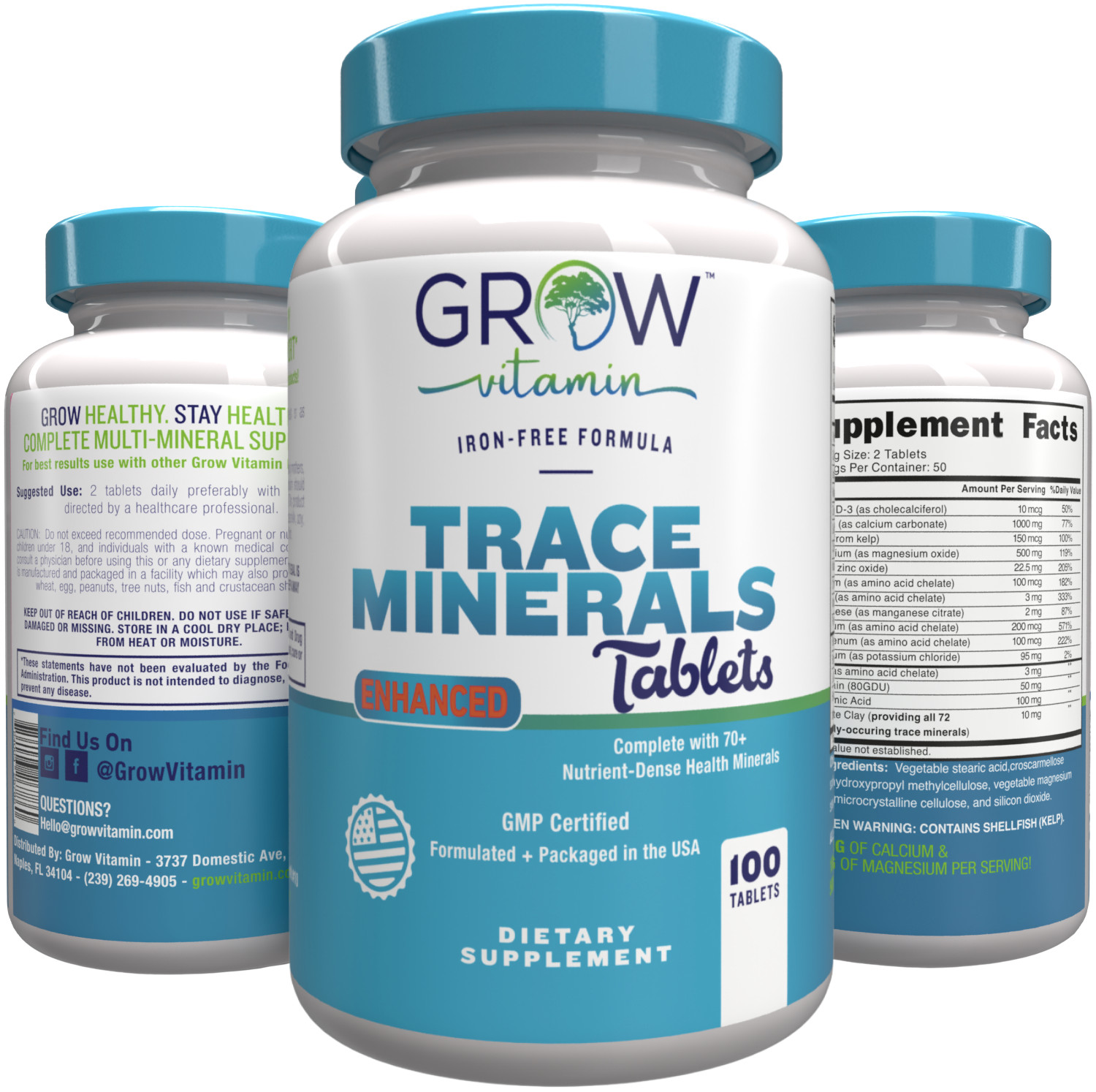

Photos from current listings. Actual item, color, and included accessories may vary.
Trace Mineral Drop Buying Guide
Trace mineral drops are concentrated liquid or capsule supplements delivering fulvic/humic-bound minerals, typically as ionic drops or shilajit resin derivatives. The core trade-off is source purity and assayed elemental content versus cheap '72 minerals' claims that list trace amounts below meaningful thresholds. Buy only products that disclose elemental mineral amounts per serving and third-party heavy-metal testing; skip vague proprietary blends and 'all 72 minerals' labels with no assay.
Key takeaways
- Fulvic/humic acid-bound liquids deliver ionic minerals at higher bioavailability than oxide or carbonate salts used in cheap capsules.
- Shilajit gold-grade products are standardized to 50-60% fulvic acid and should carry heavy-metal and microbial lab certificates.
- Liquid drops typically dose 10-20 drops (0.5-1 mL) per serving with 70-80+ trace elements at microgram-to-milligram levels.
At a glance
- Category
- Vitamins & Minerals
- Last updated
- Nov 28, 2026
Current offers
Highlights
- Fulvic/humic acid-bound liquids deliver ionic minerals at higher bioavailability than oxide or carbonate salts used in cheap capsules.
- Shilajit gold-grade products are standardized to 50-60% fulvic acid and should carry heavy-metal and microbial lab certificates.
- Liquid drops typically dose 10-20 drops (0.5-1 mL) per serving with 70-80+ trace elements at microgram-to-milligram levels.
- Capsule formats use 500-1000 mg shilajit or mineral blends and avoid the taste and staining issues of concentrated liquid drops.
Best use cases
- Best fit: ionic fulvic liquid drops for daily electrolyte and trace-element top-up when you want flexible dosing and fast absorption.
- Best fit: gold-grade shilajit capsules for fulvic-acid-focused supplementation when taste, staining, and travel portability matter.
- Wrong fit: shoppers seeking therapeutic mineral correction (iron, magnesium, zinc deficiency) — choose single-mineral clinical doses, not broad-spectrum drops.
- Skip: products listing '72+ minerals' without per-element amounts or a COA — trace presence is not meaningful supplementation.
Buying tips
- Demand elemental assay: choose drops listing mg or mcg per mineral (e.g., magnesium 25-50 mg, zinc 2-5 mg per serving), not just 'trace amounts'.
- For shilajit, pick 50%+ fulvic acid standardized resin or capsules with heavy-metal (lead, arsenic, mercury, cadmium) lab reports.
- Liquid drop dosing: 10-20 drops daily; a 1 fl oz (30 mL) bottle at 20 drops/serving yields roughly 30-60 servings.
- Prefer USP, NSF, or third-party ISO 17025 lab testing; avoid products with only 'GMP facility' claims and no batch COA.
Specs
| Format | Liquid ionic drops vs capsules |
|---|---|
| Active Source | Fulvic/humic acid vs shilajit resin |
| Fulvic Standard | Shilajit 50-60% fulvic acid |
| Testing | Third-party heavy-metal COA |
Related searches
What to check before buying
- Confirm the format matches routine: liquid drops for mixing into water/coffee; capsules for travel and no-taste dosing.
- Check elemental mineral amounts per serving, not total blend weight — a 500 mg blend may contain only micrograms of each mineral.
- For shilajit, verify fulvic acid percentage and a batch-specific heavy-metal COA before purchase.
- Confirm drop count or capsule count per bottle to calculate actual cost per serving and supply duration.
FAQ
Data sources: eBay / Amazon listings and product attribute feeds. Updated Nov 28, 2026.
Some links on this page are affiliate links. If you buy after clicking one, we may earn a commission at no extra cost to you. This does not change which products appear here or their order. Affiliate disclosure.