
Photos from current listings. Actual item, color, and included accessories may vary.
Type Magnesium Buying Guide
Magnesium supplements vary by chelation, salt form, and elemental yield, so the primary trade-off is absorption and GI tolerance versus cost and pill burden. Glycinate and citrate dominate for daily replenishment and regularity, while oxide and threonate serve specific niche goals. The decision rule: match the compound to your primary outcome (sleep/relaxation vs. constipation relief vs. cognitive support) and always confirm elemental magnesium per serving on the label, not total compound weight.
Median $13.99
Key takeaways
- Magnesium glycinate (bisglycinate) chelates magnesium to glycine, delivering roughly 14-18% elemental magnesium by weight and typically the lowest risk of laxative effect among common forms.
- Magnesium citrate is 11-16% elemental by weight and draws water into the bowel, making it the standard pick for occasional constipation but a poor choice for sensitive guts at higher doses.
- Magnesium oxide is 60% elemental by weight—highest concentration per pill—but only about 4% absorbed in some studies, so it functions mainly as an osmotic laxative or low-cost filler.
At a glance
- Category
- Vitamins & Minerals
- Last updated
- Nov 28, 2026
Current offers
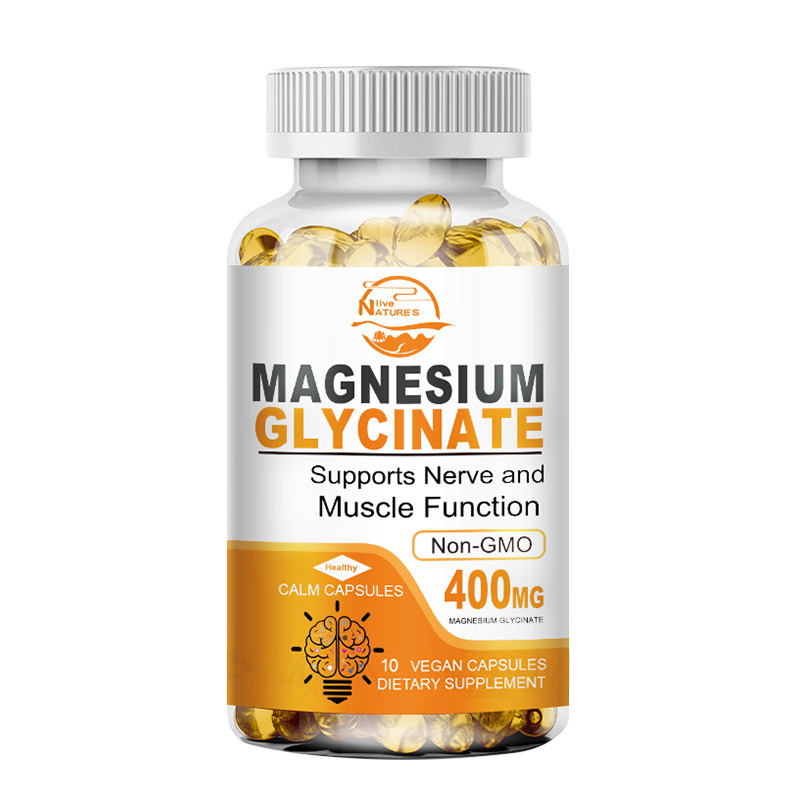 Magnesium Glycinate 400mg With Vitamin D3 Sleep Support, Stress & Anxiety Relief$6.00Last checked Nov 25, 2026View on eBay
 Magnesium Complex Supplement With Glycinate Citrate, Malate Oxide, Supports Bone, Muscle Digestive Health, Vegan Non-GMO, 60 Capsules$10.99View on Mallflare
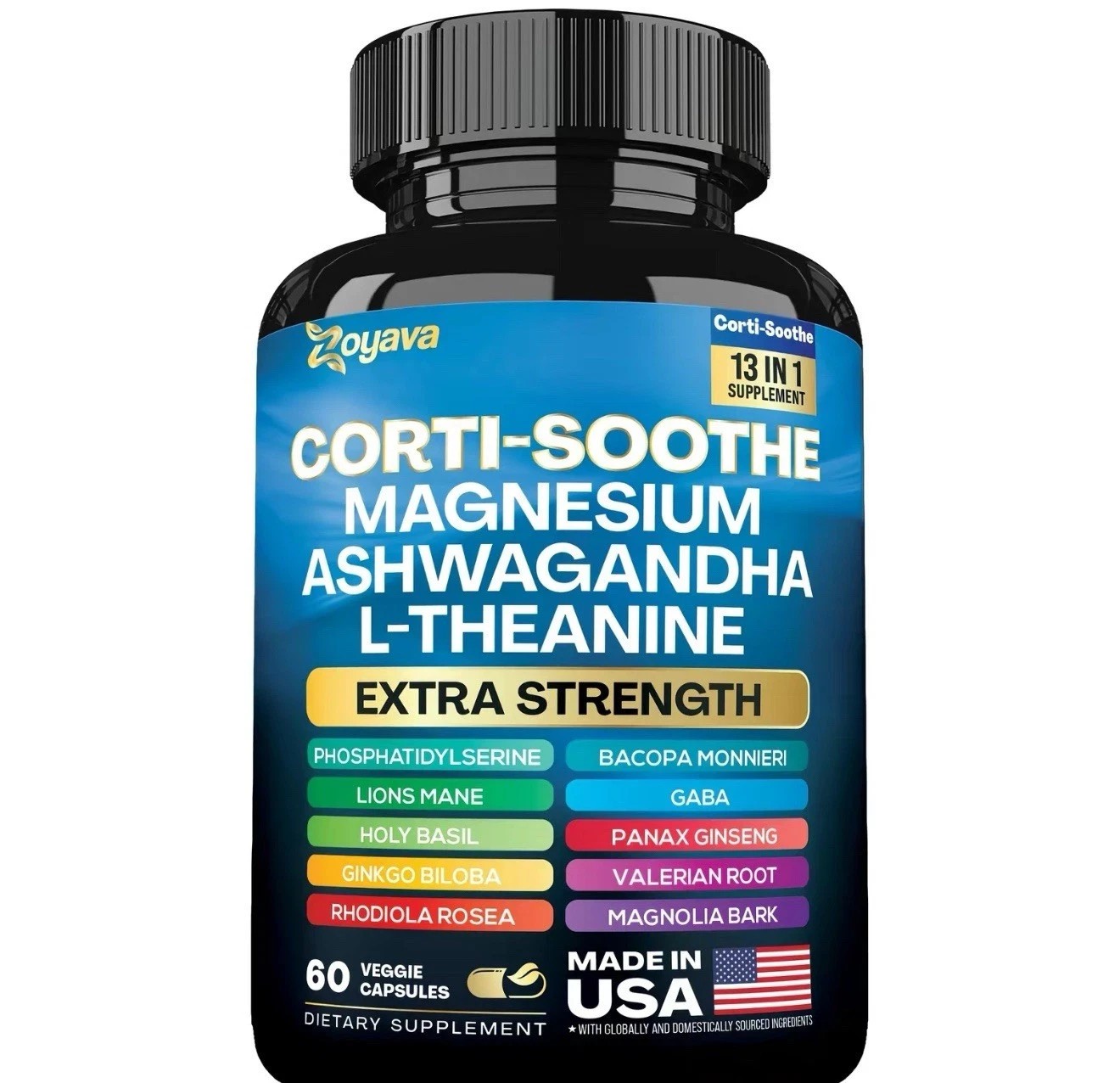 CORTI-SOOTHE Cortisol Magnesium Ashwagandha L-theanine - Relieve Stress$8.99View on eBay
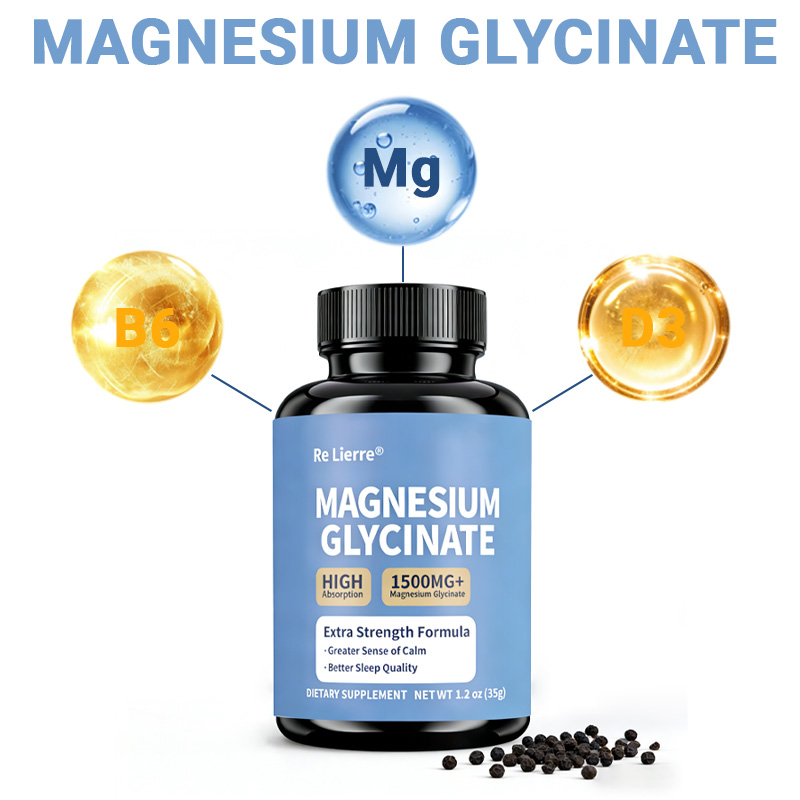 Magnesium Glycinate Capsules$14.99View on Mallflare
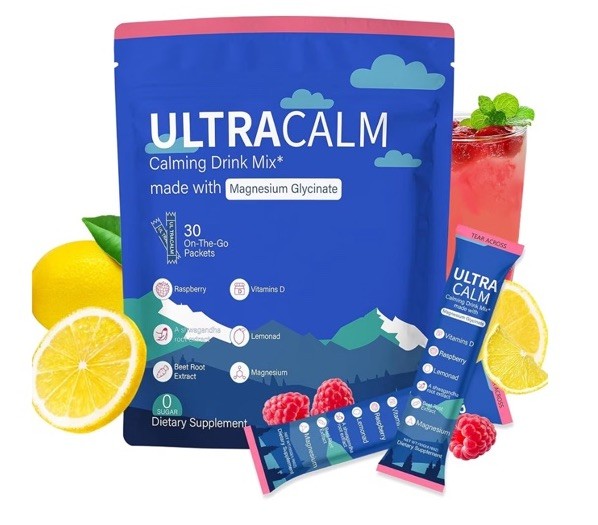 EWJHJ Calming Drink Mix Powder Magnesium Glycinate Lemonade Sugar-Free 30$10.00Last checked Nov 22, 2026View on eBay
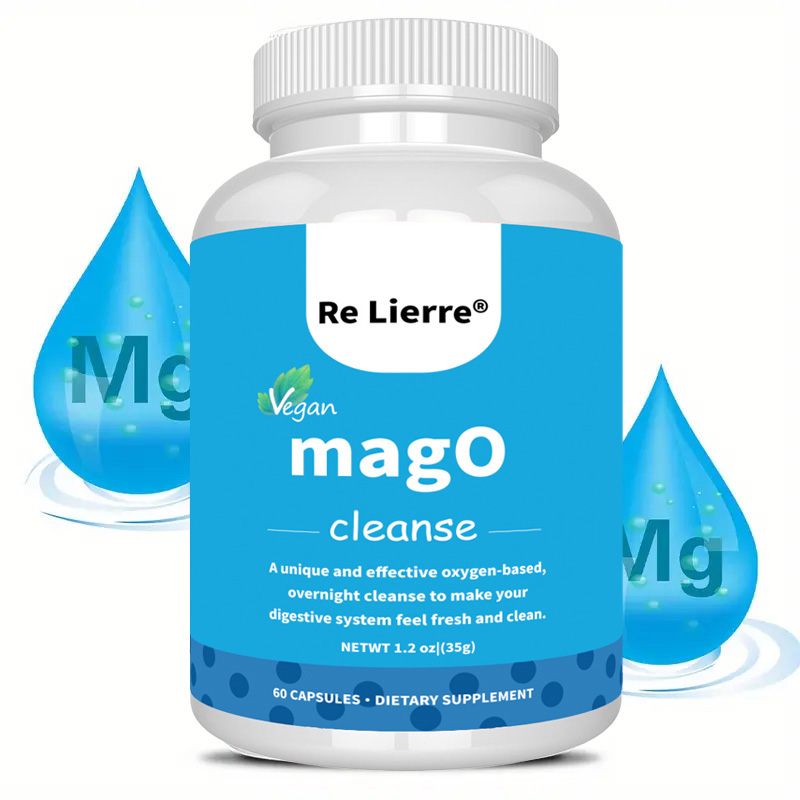 Magnesium Oxide Capsules$14.99View on Mallflare
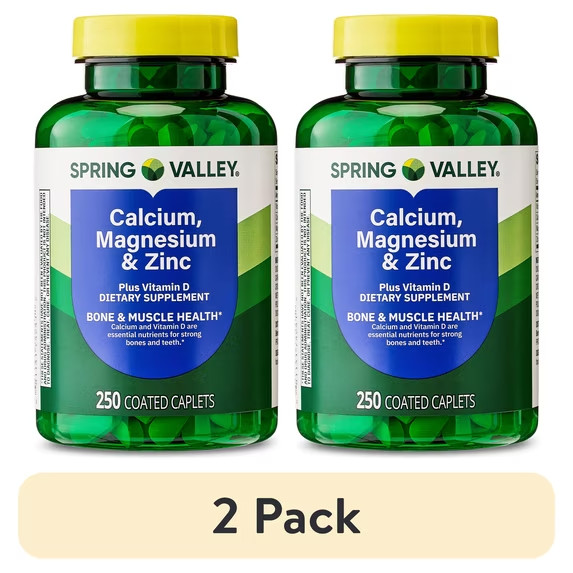 (2 pack) Spring Valley Calcium, Magnesium & Zinc Plus Vitamin D3 Coated 250 Ct$10.79View on eBay
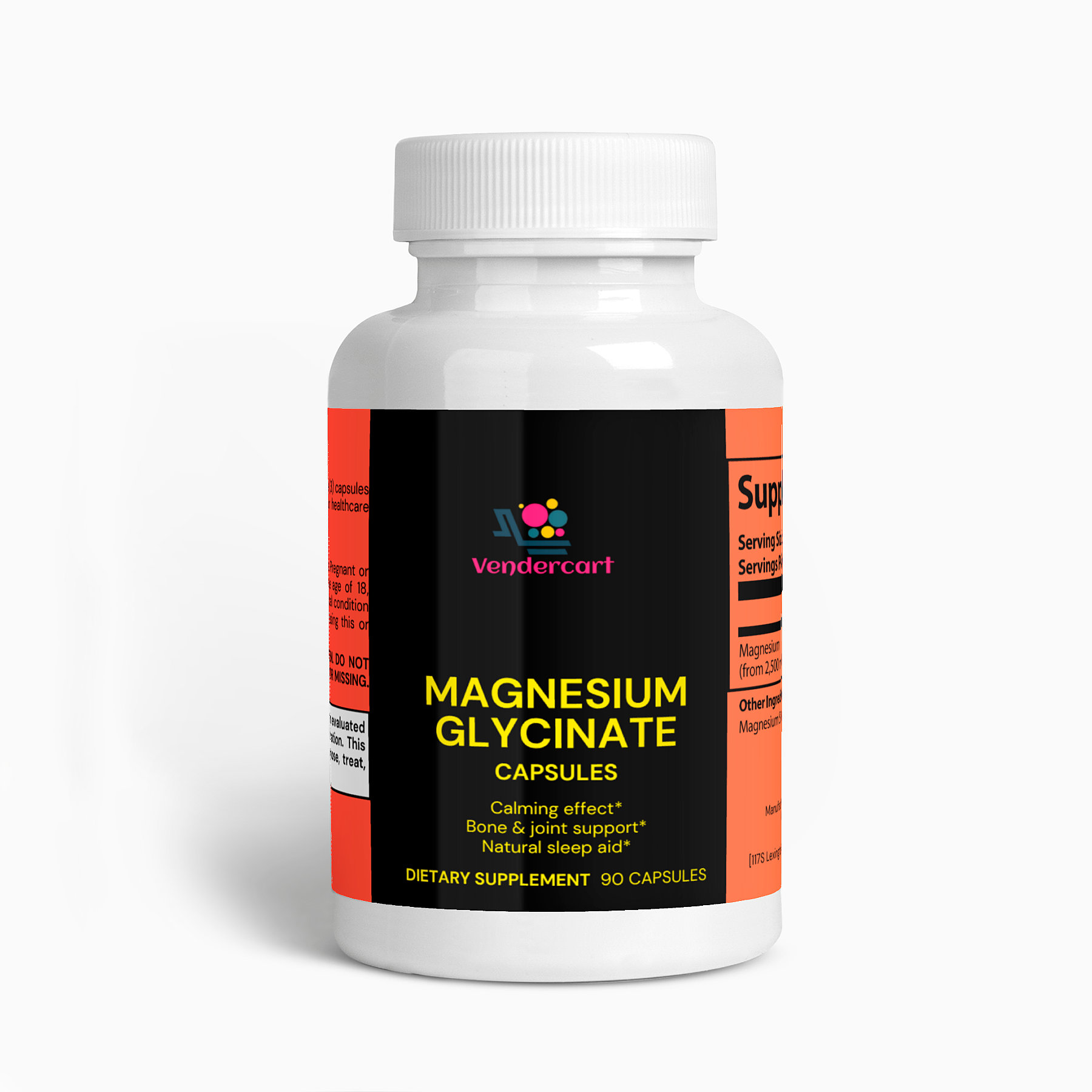 Magnesium Glycinate 90 Capsules$36.99View on Mallflare
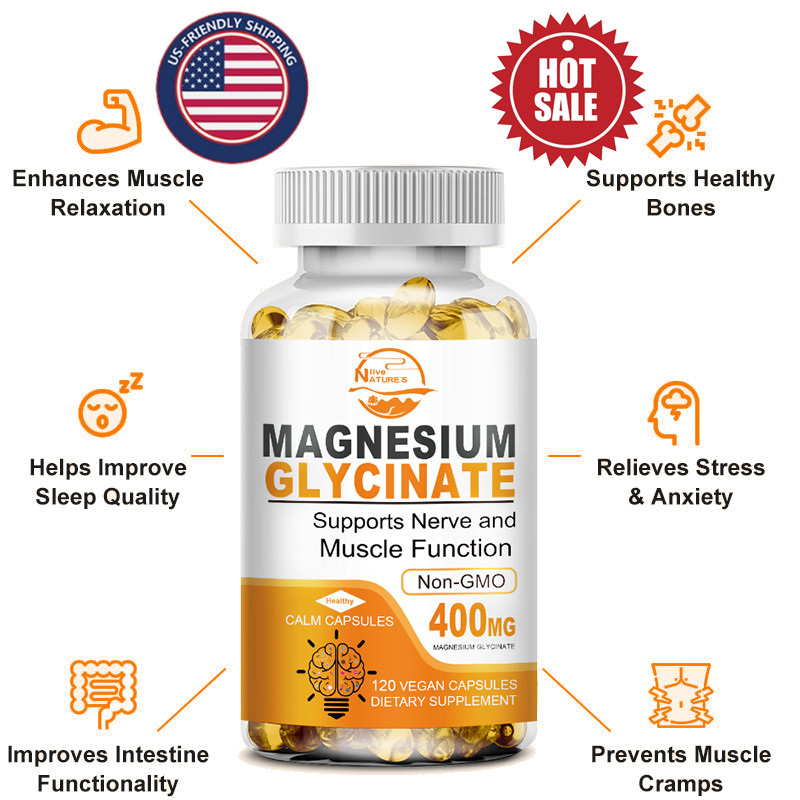 Magnesium Glycinate 400mg - 120 Capsules For Sleep, Stress Relief Support Bone$11.52View on eBay
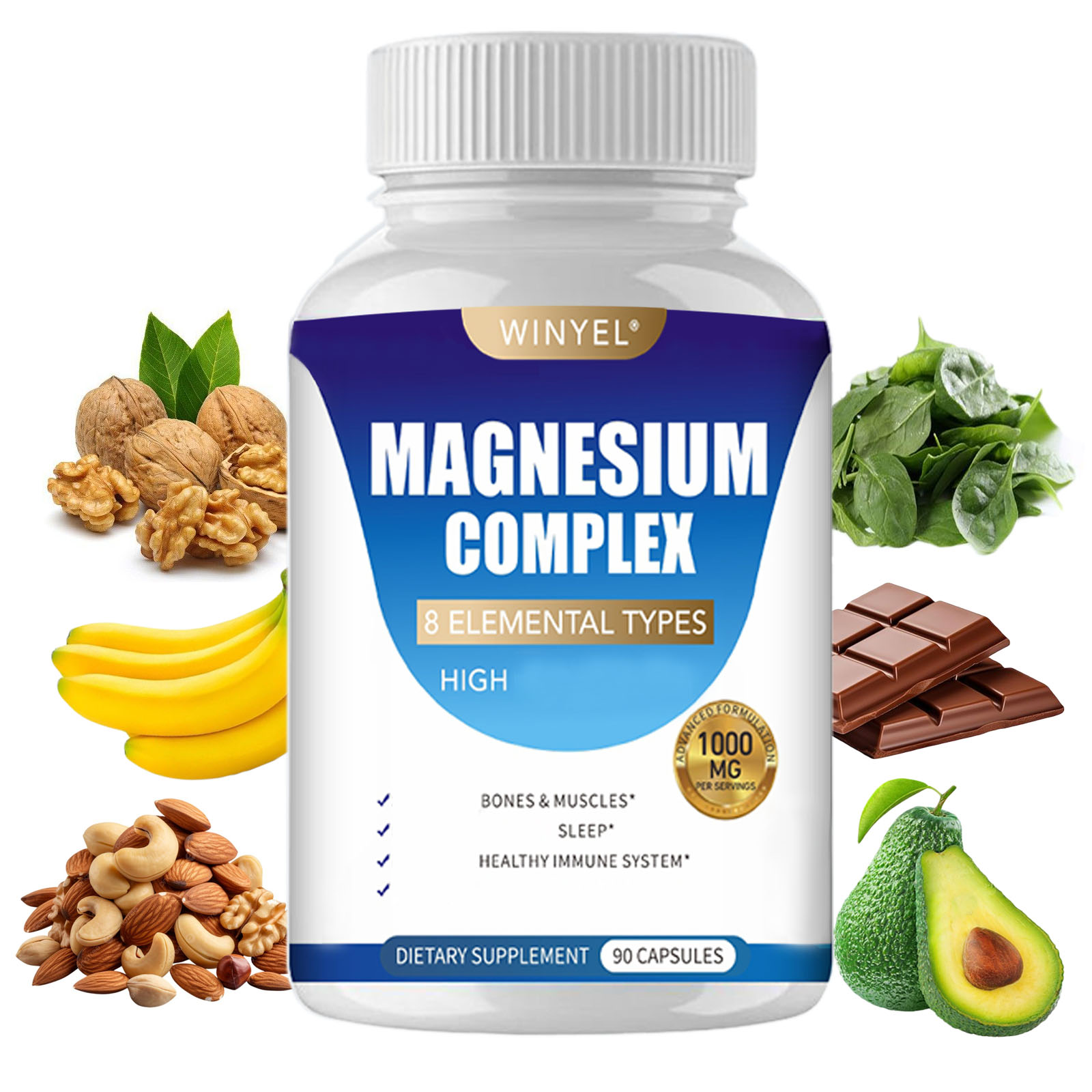 MAGNESIUM COMPLEX Wellness Capsules With Malate & Glycinate And 8 ELEMENTAL Supports Health 90 Dietary Supplement.$39.99View on Mallflare
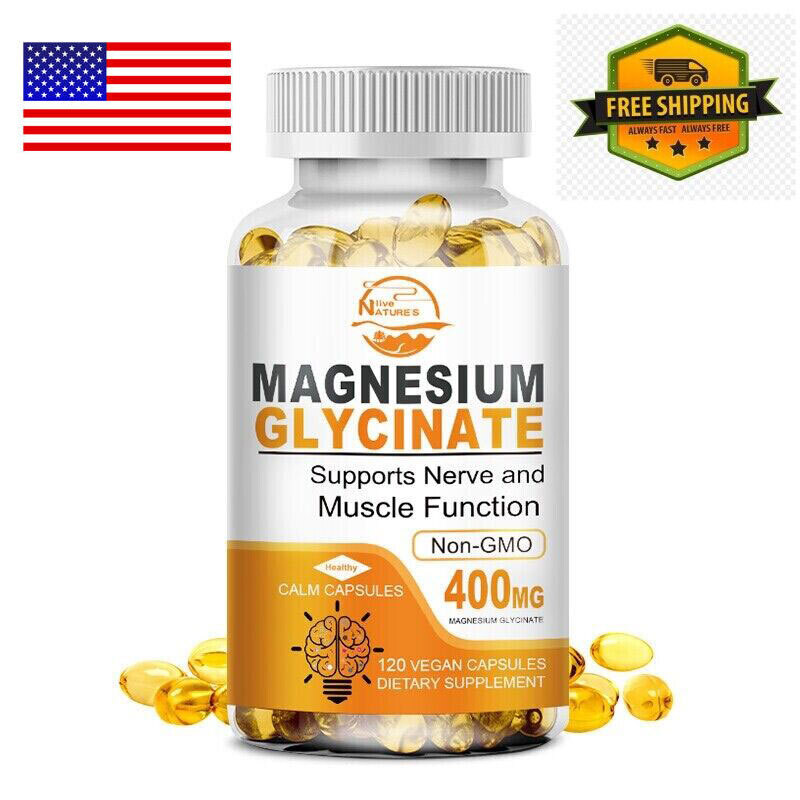 Magnesium Glycinate 400mg - 120 Capsules For Sleep, Stress Relief Support Bone$11.83View on eBay
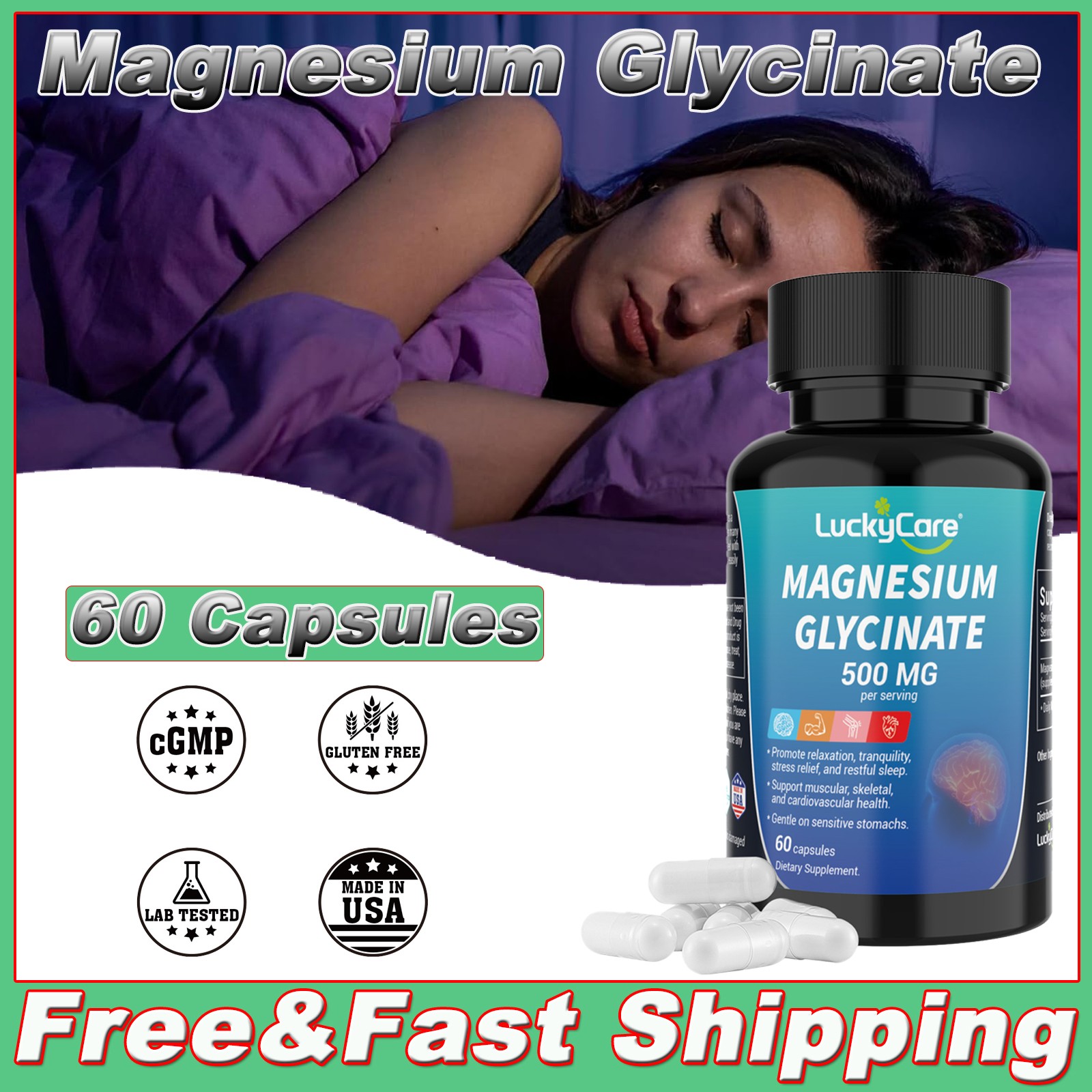 Magnesium Glycinate Supplements 500mg - 60 Capsules For Sleep, Stress Relief$11.99View on eBay
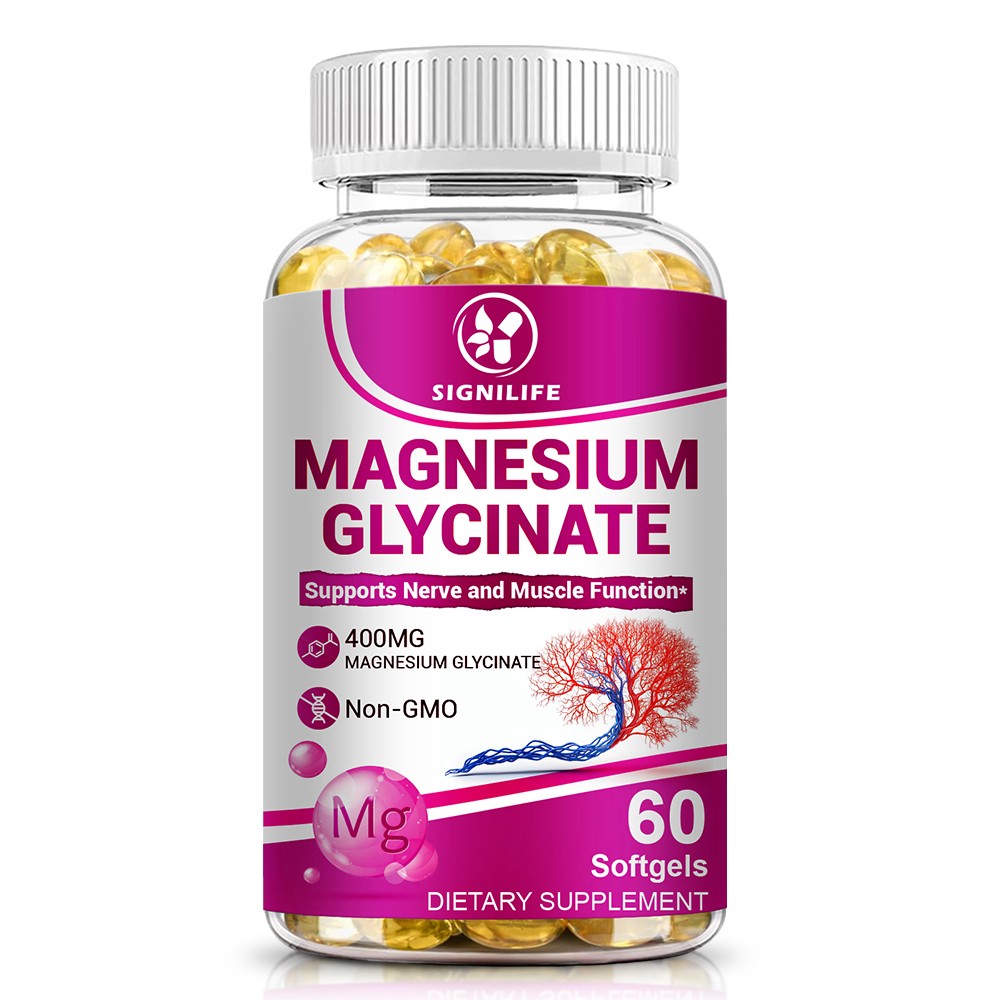 Magnesium Glycinate 400mg - 120 Capsules For Sleep, Stress Relief Support Bone$12.00Last checked Nov 23, 2026View on eBay
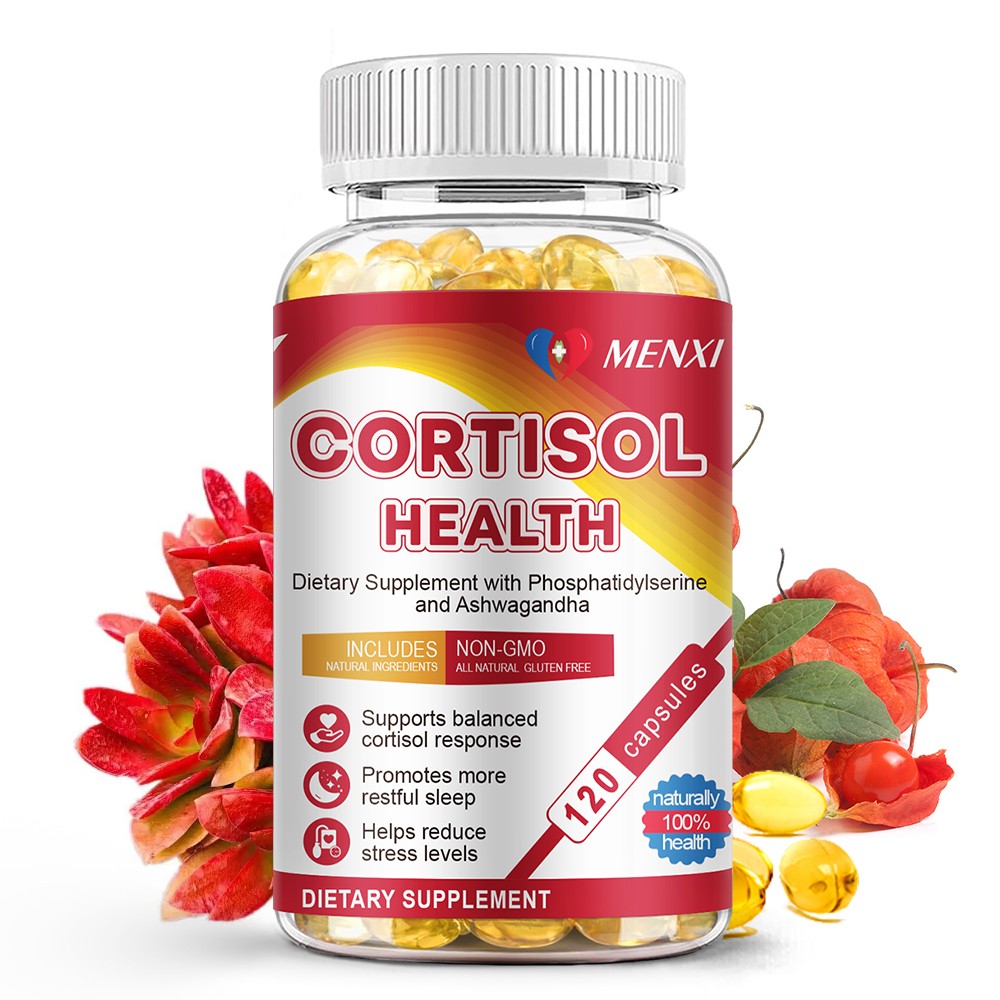 120 Pills Cortisol Supplement Magnesium Ashwagandha L-theanine - Relieve Stress$12.83View on eBay
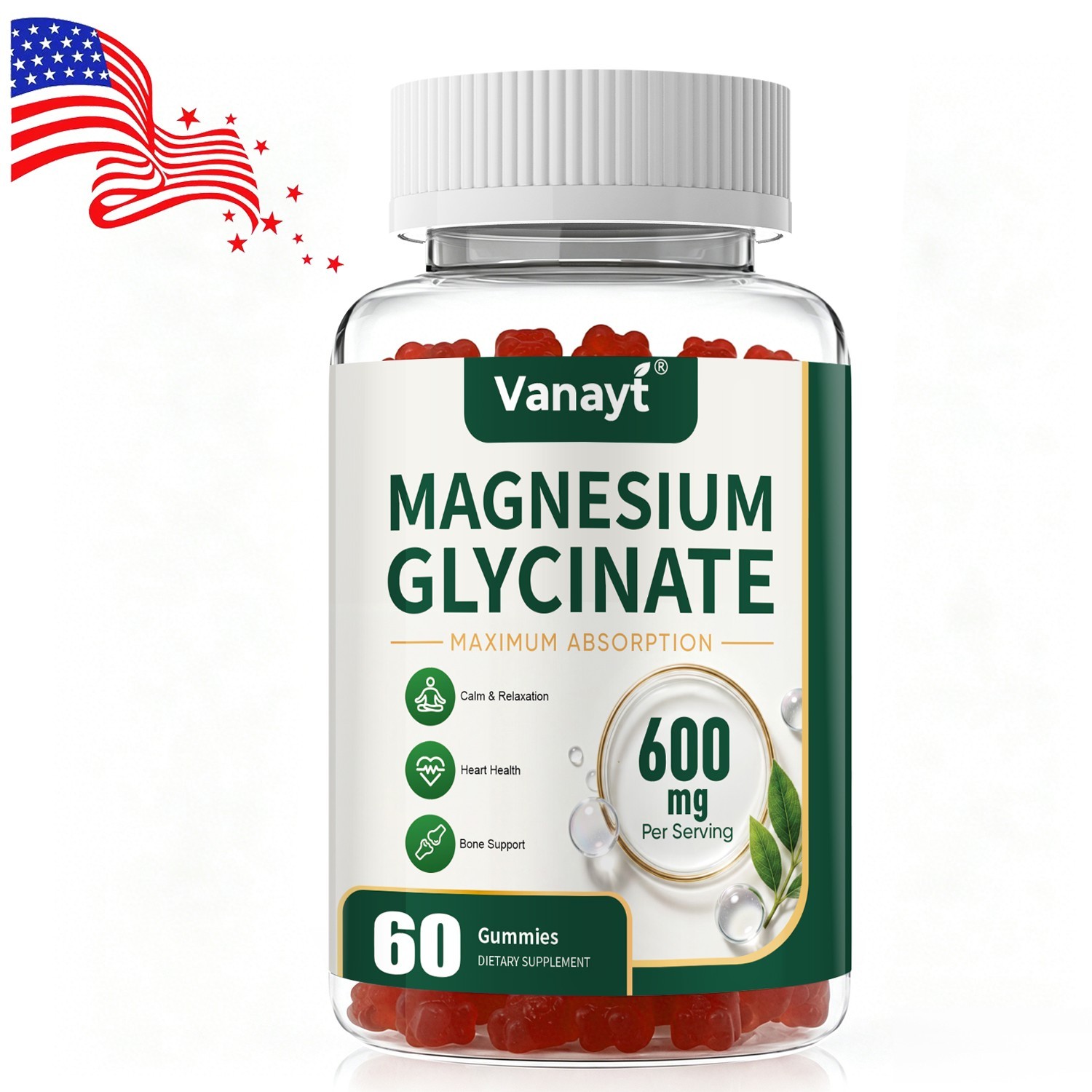 Magnesium Glycinate 600mg - 60 Gummies For Sleep, Stress Relief Support Bone$12.99Last checked Nov 18, 2026View on eBay
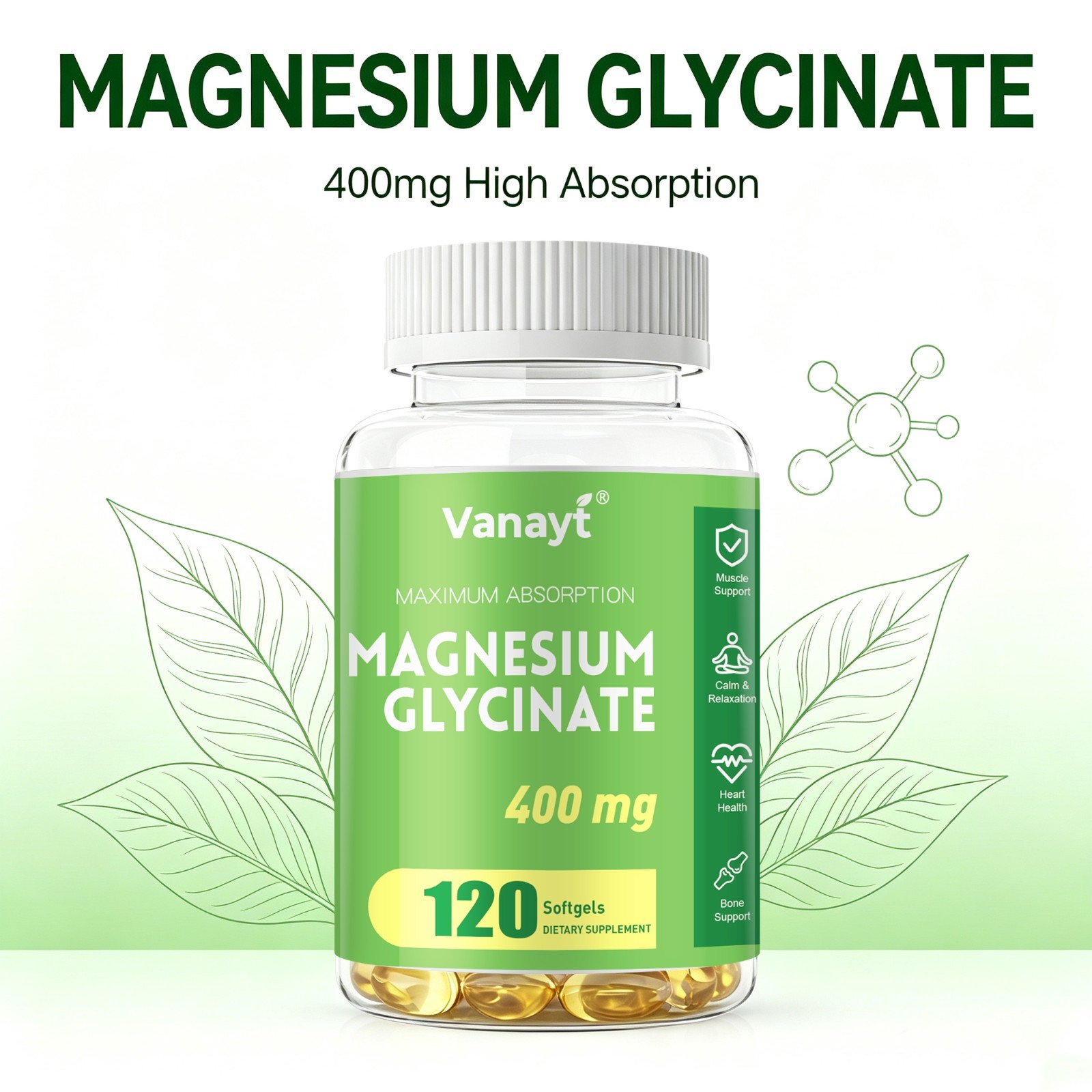 Magnesium Glycinate with Viatmin D3 | 400mg | 120 Capsules | Buffered & Chelated$12.99View on eBay
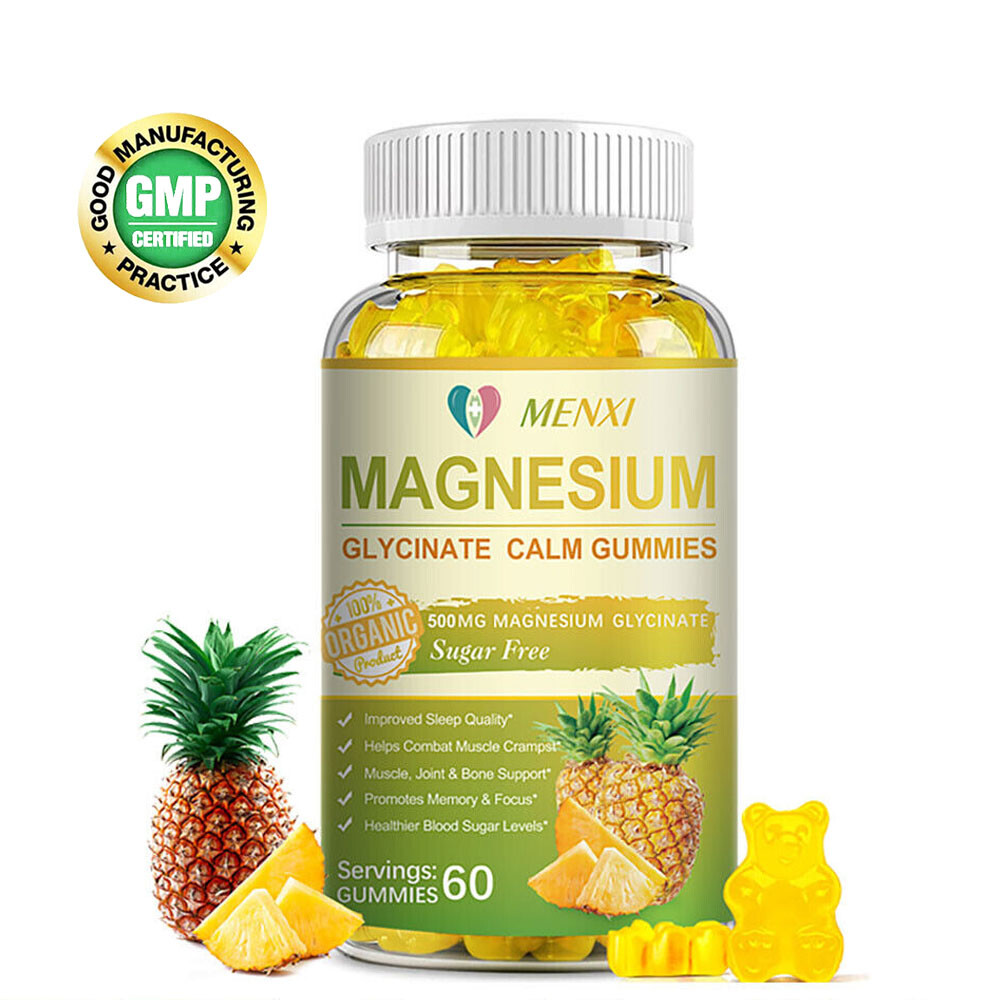 Magnesium Glycinate For Improved Sleep, Stress & Anxiety Relief 400mg Gummies$13.49Last checked Nov 23, 2026View on eBay
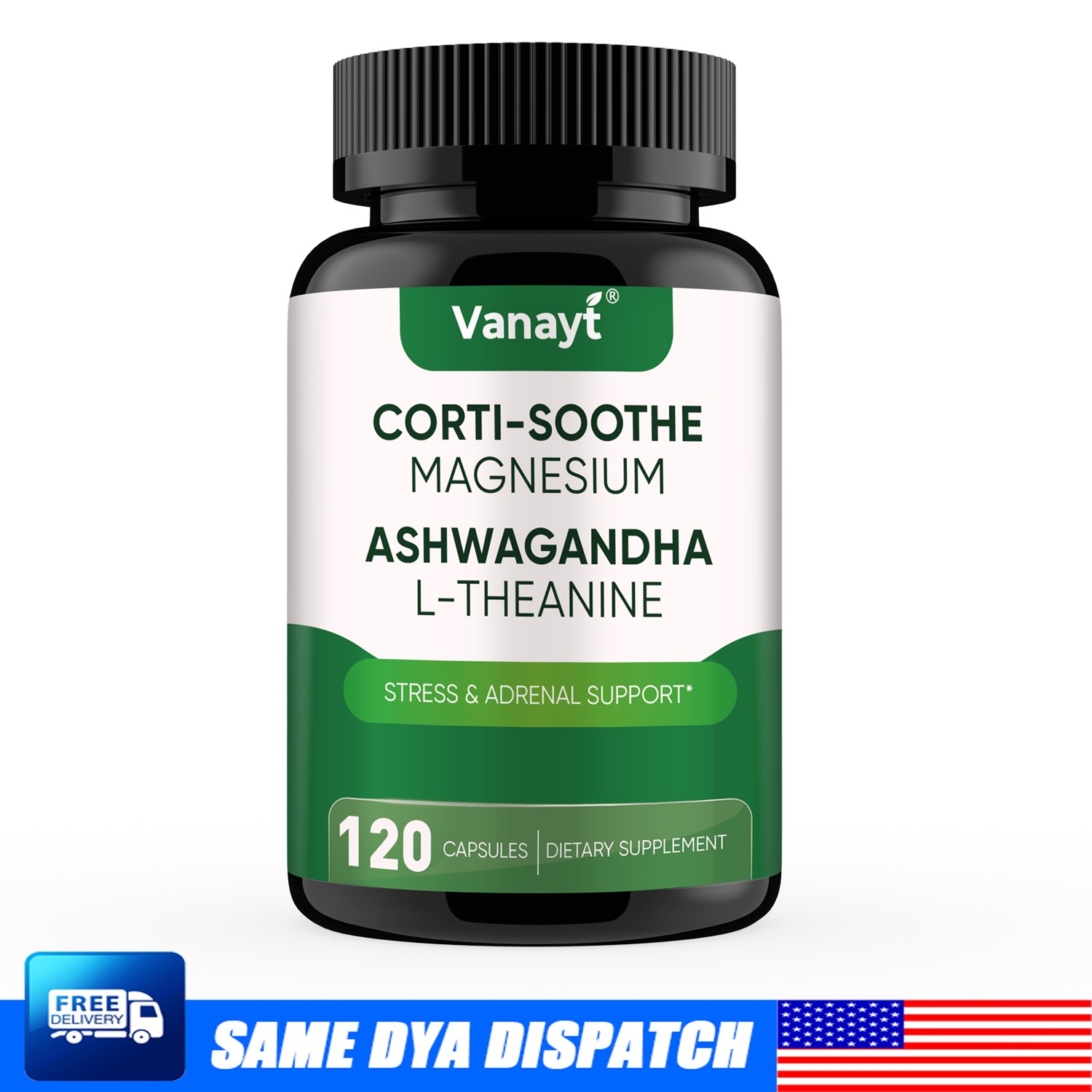 Magnesium Ashwagandha L-Theanine Capsules Cortisol Balance Stress Sleep Support$13.69Last checked Nov 25, 2026View on eBay
 500MG Magnesium Glycinate High Absorption,Improved Sleep,Stress & Anxiety Relief$13.95Last checked Nov 25, 2026View on eBay
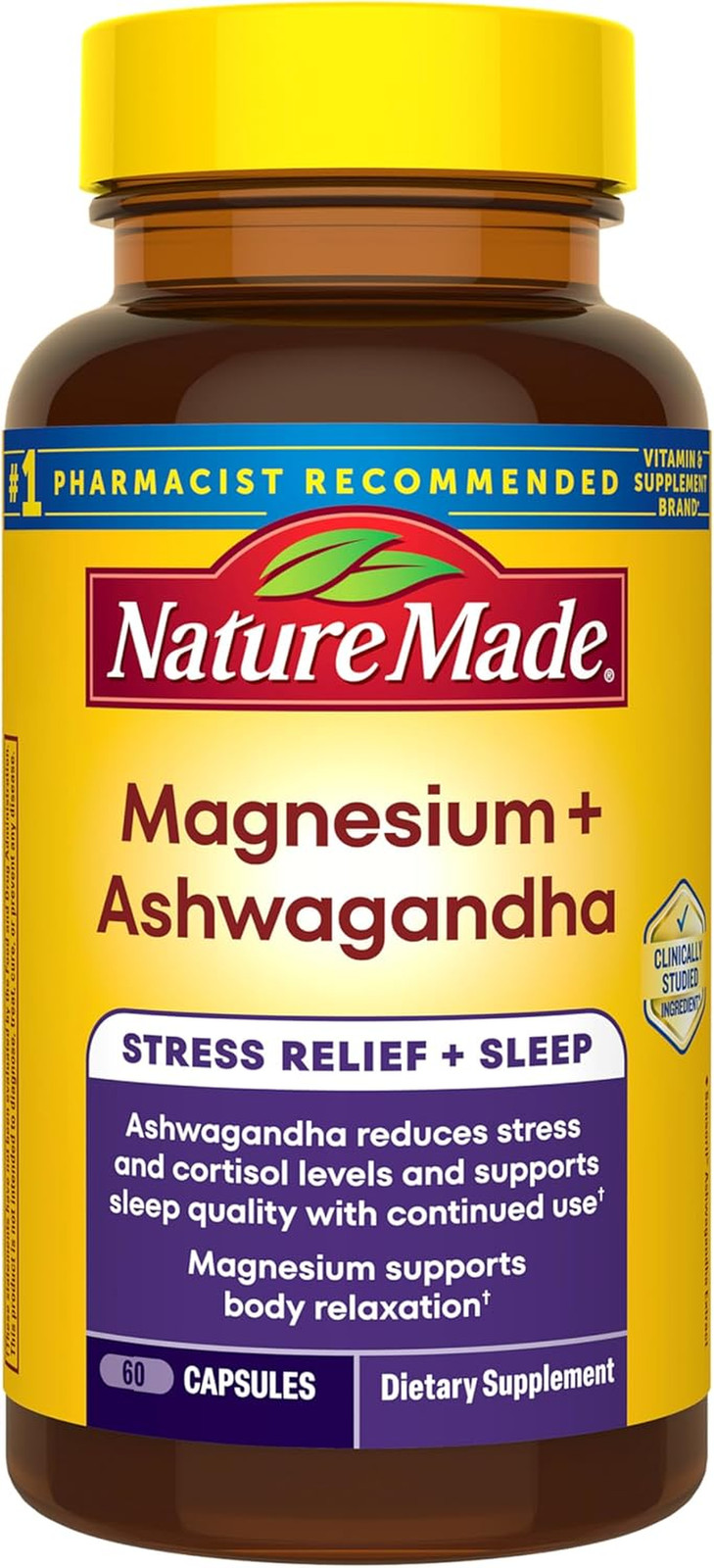 Nature Made Magnesium Ashwagandha Capsules Stress Relief Sleep Support 60ct$13.99Last checked Nov 26, 2026View on eBay
Highlights
- Magnesium glycinate (bisglycinate) chelates magnesium to glycine, delivering roughly 14-18% elemental magnesium by weight and typically the lowest risk of laxative effect among common forms.
- Magnesium citrate is 11-16% elemental by weight and draws water into the bowel, making it the standard pick for occasional constipation but a poor choice for sensitive guts at higher doses.
- Magnesium oxide is 60% elemental by weight—highest concentration per pill—but only about 4% absorbed in some studies, so it functions mainly as an osmotic laxative or low-cost filler.
- Magnesium L-threonate and taurate are premium neurology- and cardiac-oriented forms with lower elemental yield; threonate crosses the blood-brain barrier in animal models, while taurate is studied for arrhythmia and blood pressure support.
Best use cases
- Pick magnesium glycinate for daily sleep, anxiety, or muscle-cramp support—especially if you have a sensitive stomach or take it on an empty stomach; skip oxide and citrate for this goal.
- Pick magnesium citrate for occasional constipation or if you need a well-absorbed, inexpensive daily form and tolerate mild bowel stimulation; avoid it before bed if you're regularity-sensitive.
- Pick magnesium oxide only for short-term constipation relief or when cost per elemental milligram is the sole driver; skip it for deficiency correction or long-term daily supplementation.
- Pick magnesium threonate or taurate for cognitive or cardiovascular-specific goals and premium budgets; skip these if you simply need broad daily magnesium replenishment at scale—glycinate or citrate covers that at lower cost.
Buying tips
- Read the Supplement Facts panel for 'elemental magnesium' per serving: 200-400 mg elemental is the standard adult daily target, but a 500 mg capsule of magnesium oxide delivers ~300 mg elemental while 500 mg glycinate delivers only ~70-90 mg—so pill count varies wildly by form.
- Choose chelated forms (glycinate, citrate, malate) over oxide when GI tolerance and absorption matter; chelation binds magnesium to an amino or organic acid, improving bioavailability and reducing laxative pull.
- Look for third-party testing seals (NSF Certified for Sport, USP Verified, or Informed Choice) because magnesium supplements are not FDA-evaluated for potency—these programs verify label accuracy and contaminant limits.
- Avoid magnesium oxide and magnesium hydroxide in daily multivitamin-style doses above 250 mg elemental if you have loose stools; switch to glycinate or malate at the same elemental dose to resolve the issue without lowering intake.
Specs
| Compound Form | Glycinate / Citrate / Oxide / Threonate |
|---|---|
| Elemental Yield | Oxide ~60% · Citrate ~16% · Glycinate ~14% |
| GI Tolerance | Glycinate gentle · Citrate laxative · Oxide laxative |
| Elemental Dose | 200-400 mg/day · 350 mg supplemental cap |
Related searches
What to check before buying
- Confirm your total daily magnesium from all sources (diet plus supplement) stays under the 350 mg elemental upper limit for supplemental magnesium set by the Institute of Medicine to avoid diarrhea and cramping.
- Check for drug interactions before choosing a form: magnesium binds tetracycline and fluoroquinolone antibiotics and bisphosphonates, so separate doses by 2-4 hours regardless of which magnesium type you buy.
- Verify the label lists the specific compound (e.g., 'magnesium bisglycinate' not just 'magnesium') and the elemental yield per capsule, since 'magnesium complex' blends can hide mostly oxide filler.
- If you have kidney disease or take potassium-sparing diuretics, clear magnesium supplementation with a clinician first—impaired renal clearance raises hypermagnesemia risk across all forms.
FAQ
Data sources: eBay / Amazon listings and product attribute feeds. Updated Nov 28, 2026.
Some links on this page are affiliate links. If you buy after clicking one, we may earn a commission at no extra cost to you. This does not change which products appear here or their order. Affiliate disclosure.