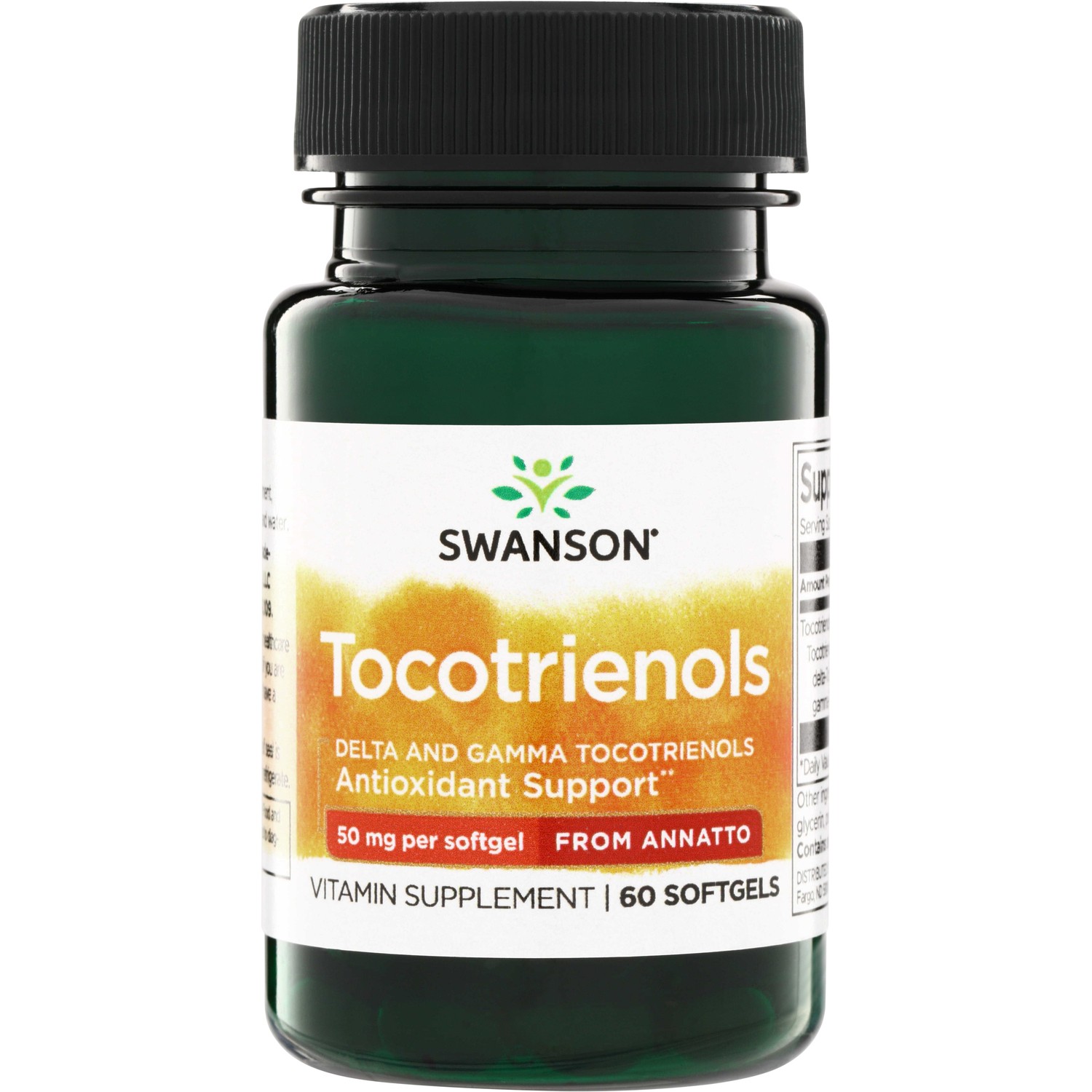

Photos from current listings. Actual item, color, and included accessories may vary.
Vitamin E Capsule Buying Guide
Vitamin E capsules deliver tocopherols/tocotrienols as fat-soluble antioxidants, with the key trade-off being natural d-alpha-tocopherol (higher bioavailability, usually 400 IU per softgel) versus synthetic dl-alpha-tocopherol (cheaper, requires roughly double the IU for equivalent effect). Choose naturally sourced softgels in oil for skin and general antioxidant support, and skip dry-powder tablets or blended eye formulas when your goal is vitamin E itself.
Median $27.99
Key takeaways
- Natural d-alpha-tocopherol (RRR) is about twice as bioavailable as synthetic dl-alpha (all-rac), so 200 IU natural ≈ 400 IU synthetic.
- Softgel capsules suspend vitamin E in soybean, sunflower, or safflower oil — dry tablets and powders absorb poorly without dietary fat.
- Mixed tocopherols (alpha, beta, gamma, delta) better mirror food sources than alpha-only isolates; gamma is the dominant form in typical diets.
At a glance
- Category
- Vitamins & Minerals
- Last updated
- Nov 28, 2026
Current offers
Highlights
- Natural d-alpha-tocopherol (RRR) is about twice as bioavailable as synthetic dl-alpha (all-rac), so 200 IU natural ≈ 400 IU synthetic.
- Softgel capsules suspend vitamin E in soybean, sunflower, or safflower oil — dry tablets and powders absorb poorly without dietary fat.
- Mixed tocopherols (alpha, beta, gamma, delta) better mirror food sources than alpha-only isolates; gamma is the dominant form in typical diets.
- Vitamin E IU labeling differs from mg: 1 mg natural d-alpha = 1.49 IU, while 1 mg synthetic dl-alpha = 1.0 IU — compare labels on the same scale.
Best use cases
- Best fit: skin and antioxidant support — pick a natural d-alpha softgel at 200–400 IU taken with a fat-containing meal.
- Best fit: dry or compromised skin — choose a capsule that also lists mixed tocopherols and tocotrienols rather than alpha-only isolates.
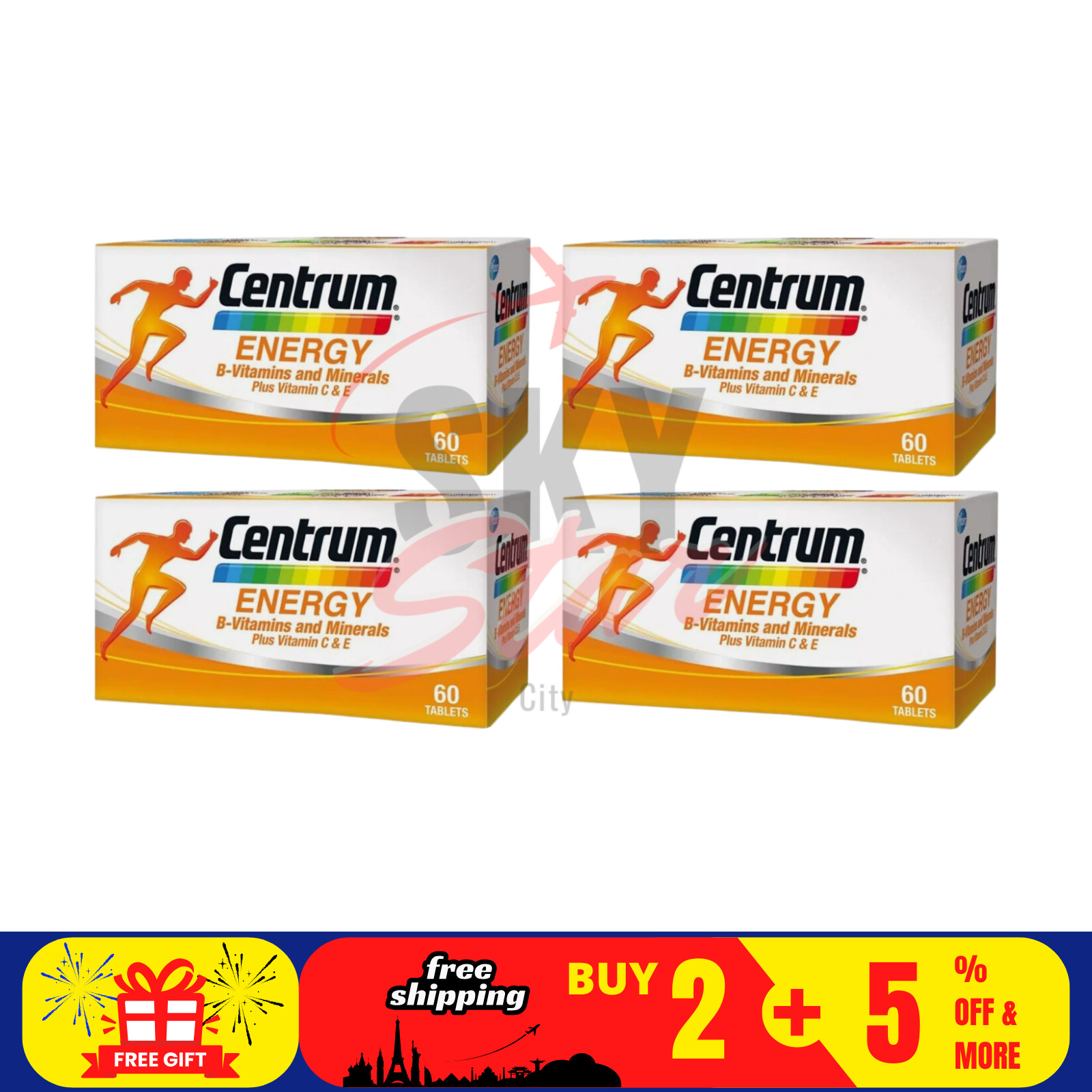
- Wrong fit: eye-health goals — lutein/zeaxanthin/zinc eye formulas list vitamin E only as a minor add-on; buy a dedicated eye supplement instead.
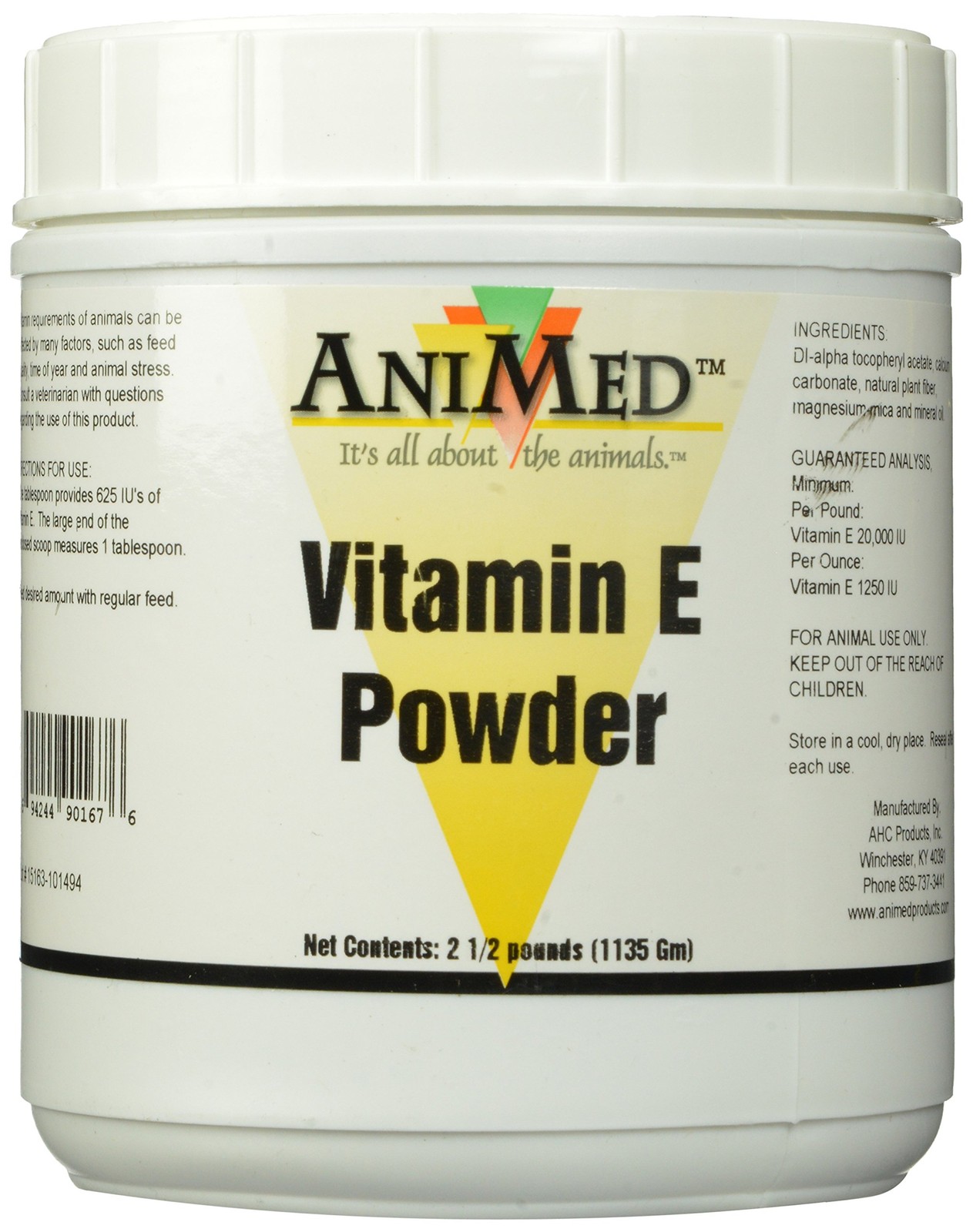
- Wrong fit: equine or pet use — livestock vitamin E powder (e.g., 2.5-lb tubs) is dosed for animals and not interchangeable with human capsules.
Buying tips
- Match form to goal: softgels for systemic antioxidant use; avoid dry tablets/powders that lack an oil carrier.
- Read the source: 'd-alpha-tocopherol' is natural; 'dl-alpha-tocopherol' is synthetic — halve the IU expectation for the synthetic form.
- Check the carrier oil: sunflower or safflower oil suits soy allergies; soybean oil is common and cheap but a soy-allergen flag.
- Prefer mixed tocopherols over alpha-only when buying for skin; alpha-only isolates at high IU can displace gamma tocopherol in the body.
Specs
| Tocopherol Form | Natural d-alpha vs synthetic dl-alpha |
|---|---|
| Potency Range | 100–400 IU natural per softgel |
| Carrier Oil | Sunflower, safflower, or soybean oil |
| Tocopherol Profile | Alpha-only vs mixed tocopherols |
Related searches
What to check before buying
- Confirm softgel count and serving size — a 120-count bottle at 1 softgel daily covers about four months; adjust if serving is 2 softgels.
- Check the carrier oil against soy or seed allergies before buying sunflower/safflower/soybean-based softgels.
- Verify IU per softgel against your target: 200 IU natural is a maintenance dose; 400 IU natural is a common skin-support dose.
- Store below 25°C away from light — vitamin E oxidizes and softgels can stick together in heat or humidity.
FAQ
Data sources: eBay / Amazon listings and product attribute feeds. Updated Nov 28, 2026.
Some links on this page are affiliate links. If you buy after clicking one, we may earn a commission at no extra cost to you. This does not change which products appear here or their order. Affiliate disclosure.