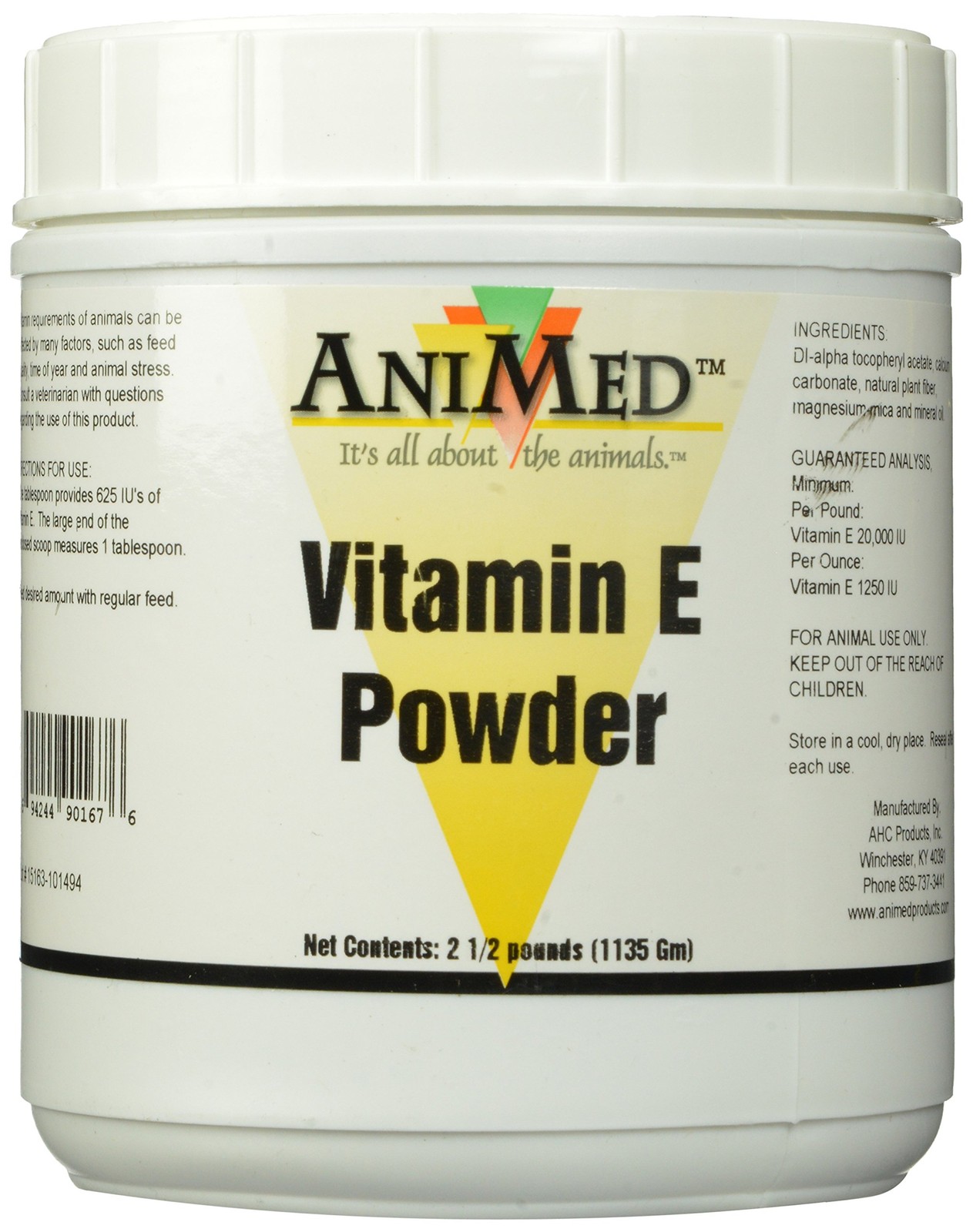

Photos from current listings. Actual item, color, and included accessories may vary.
Vitamin E Hair Buying Guide
Vitamin E hair products are topical oils, serums, or oral supplements marketed to improve scalp moisture, reduce oxidative stress, and support hair density. The primary trade-off is between topical formulations that deliver tocopherols directly to the follicle versus oral supplements whose systemic absorption and hair benefit depend on dose, form (natural d-alpha-tocopherol vs synthetic dl-alpha), and co-factor intake. The clear decision rule: choose a topical product with a short ingredient list and a known tocopherol concentration, or an oral supplement that states IU or mg of d-alpha-tocopherol and pairs it with a fat source; skip ambiguous blends that list vitamin E only as part of a proprietary complex.
Key takeaways
- Natural d-alpha-tocopherol has roughly twice the biological activity of synthetic dl-alpha-tocopherol, so 400 IU natural equals about 800 IU synthetic for hair and skin outcomes.
- Topical vitamin E for hair typically ranges from 0.5% to 5% tocopherol in a carrier oil; concentrations above 10% risk contact dermatitis and greasy buildup on the scalp.
- Oral vitamin E absorption requires dietary fat; supplements taken with a meal containing at least 10 g fat improve bioavailability versus taking on an empty stomach.
At a glance
- Category
- Vitamins & Minerals
- Last updated
- Nov 28, 2026
Current offers
Highlights
- Natural d-alpha-tocopherol has roughly twice the biological activity of synthetic dl-alpha-tocopherol, so 400 IU natural equals about 800 IU synthetic for hair and skin outcomes.
- Topical vitamin E for hair typically ranges from 0.5% to 5% tocopherol in a carrier oil; concentrations above 10% risk contact dermatitis and greasy buildup on the scalp.
- Oral vitamin E absorption requires dietary fat; supplements taken with a meal containing at least 10 g fat improve bioavailability versus taking on an empty stomach.
- Hair-specific vitamin E products often combine tocopherol with tocotrienols; tocotrienols have superior antioxidant penetration into lipid-rich scalp tissue but are dosed lower (typically 50–200 mg).
Best use cases
- Best fit: pick a topical vitamin E oil or serum at 1–3% tocopherol if you have dry, flaky scalp or brittle ends and want direct conditioning without systemic dosing.
- Best fit: choose an oral d-alpha-tocopherol supplement at 100–400 IU daily if your diet is low in nuts, seeds, and leafy greens and you want a measurable daily intake alongside a balanced diet.
- Wrong fit: skip high-dose oral vitamin E (800 IU+) for hair alone if you take anticoagulants or have a bleeding disorder; the risk of interaction outweighs any unproven hair benefit.
- Wrong fit: avoid vitamin E gummies with added sugars and less than 30 IU per serving if your goal is correcting a deficiency; the dose is too low and the sugar load is counterproductive.
Buying tips
- For topical use, select products listing tocopherol or tocopheryl acetate within the first five ingredients; if vitamin E appears after fragrance or preservatives, the concentration is likely below 0.5%.
- For oral use, match the form to your needs: d-alpha-tocopherol (natural) for general antioxidant support, mixed tocopherols with tocotrienols for broader scalp lipid protection.
- Check the IU-to-mg conversion: 1 mg natural d-alpha-tocopherol equals 1.49 IU, while 1 mg synthetic dl-alpha equals 1 IU; a 400 IU natural capsule delivers about 268 mg active.
- Avoid products that list vitamin E only as part of a proprietary blend without disclosing the tocopherol amount; you cannot verify dose or compare value across brands.
Specs
| Form | d-alpha-tocopherol vs dl-alpha |
|---|---|
| Topical Concentration | 0.5–5% tocopherol |
| Oral Dose Range | 100–400 IU daily |
| Carrier Base | Jojoba, squalane, coconut, almond |
Related searches
What to check before buying
- For topical oils, patch-test on the inner forearm for 48 hours before applying to the scalp, especially if you have sensitive skin or a history of contact dermatitis.
- For oral supplements, confirm the label states the exact IU or mg of d-alpha-tocopherol per serving and whether it is natural or synthetic.
- Check for allergens in carrier oils (coconut, almond, soy) if you have food allergies; many vitamin E hair oils use these as base ingredients.
- If pregnant or breastfeeding, keep oral vitamin E below 1,000 IU/day from all sources and consult a clinician before adding a dedicated hair supplement.
FAQ
Data sources: eBay / Amazon listings and product attribute feeds. Updated Nov 28, 2026.
Some links on this page are affiliate links. If you buy after clicking one, we may earn a commission at no extra cost to you. This does not change which products appear here or their order. Affiliate disclosure.