
Photos from current listings. Actual item, color, and included accessories may vary.
Vitamin Men Buying Guide
Men's multivitamins are daily micronutrient formulas dosed to male RDIs, primarily distinguished by delivery form (capsule, tablet, gummy, soft chew) and age/activity tier. The core trade-off is label potency and third-party verification versus the compliance friction of large tablets or the sugar load and limited mineral content of gummies. Buy a cGMP-made, third-party-tested product matching your age tier (18–49 vs 50+) and skip mega-dose 'high potency' blends that exceed tolerable upper intake levels without a blood test.
Median $23.38
Key takeaways
- Capsules and tablets carry the full mineral panel (zinc, magnesium, selenium, iodine); gummies typically omit minerals or underdose them because they cannot mask metallic taste.
- Men's 50+ formulas reduce iron to zero or near-zero and raise vitamin D3, B12, and calcium versus 18–49 formulas, reflecting age-related absorption decline.
- Third-party seals (NSF Certified for Sport, USP Verified) confirm label potency and contaminant limits; cGMP facility statements alone verify only manufacturing process, not content.
At a glance
- Category
- Vitamins & Minerals
- Last updated
- Nov 28, 2026
Current offers
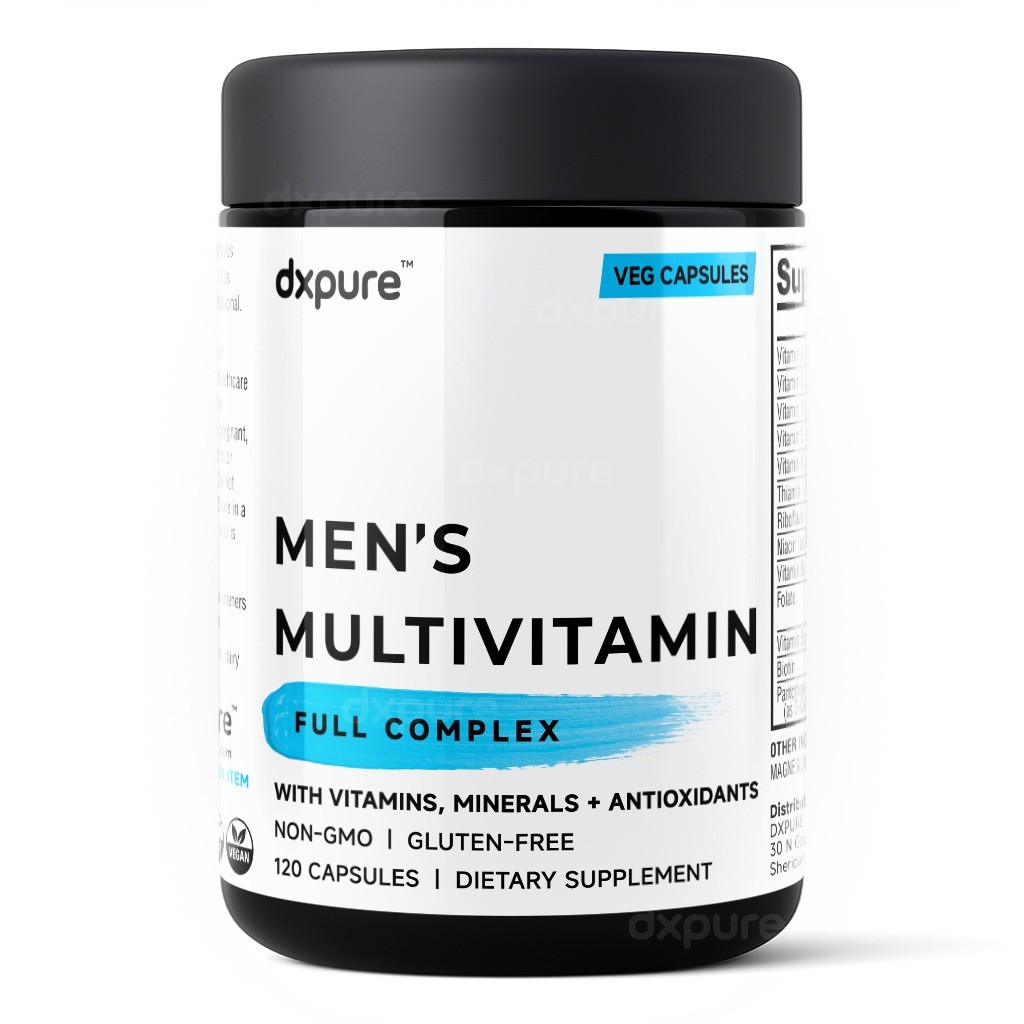 Men's Multivitamin Essential Vitamins and Minerals - 120 Capsules$12.98Last checked Nov 22, 2026View on eBay
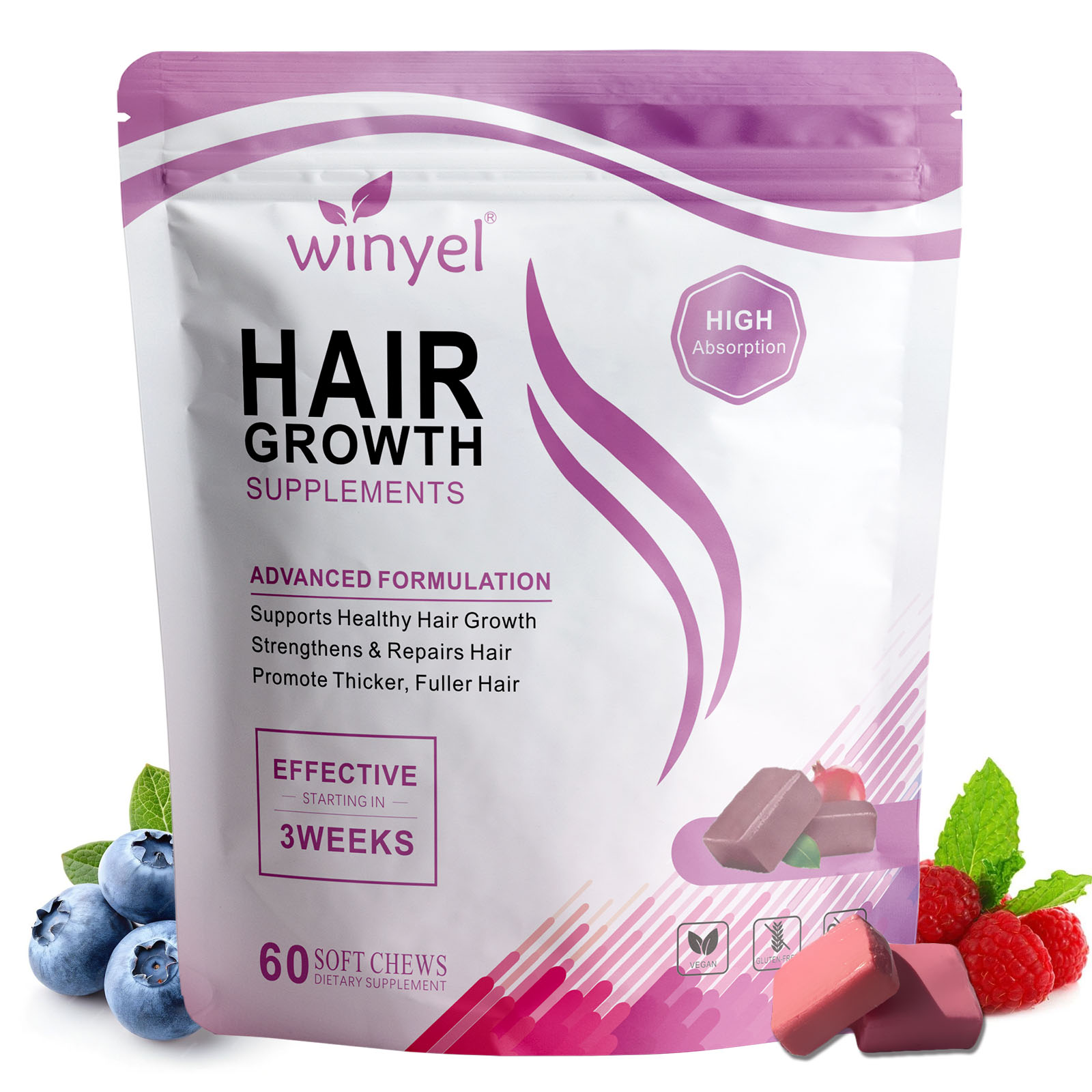 WINYEL Hair Growth Soft Chewables, Containing Vitamins For Men And Women, Biotin, To Help Create Thicker, Fuller, And Stronger Mixed Berries, 60$39.99View on Mallflare
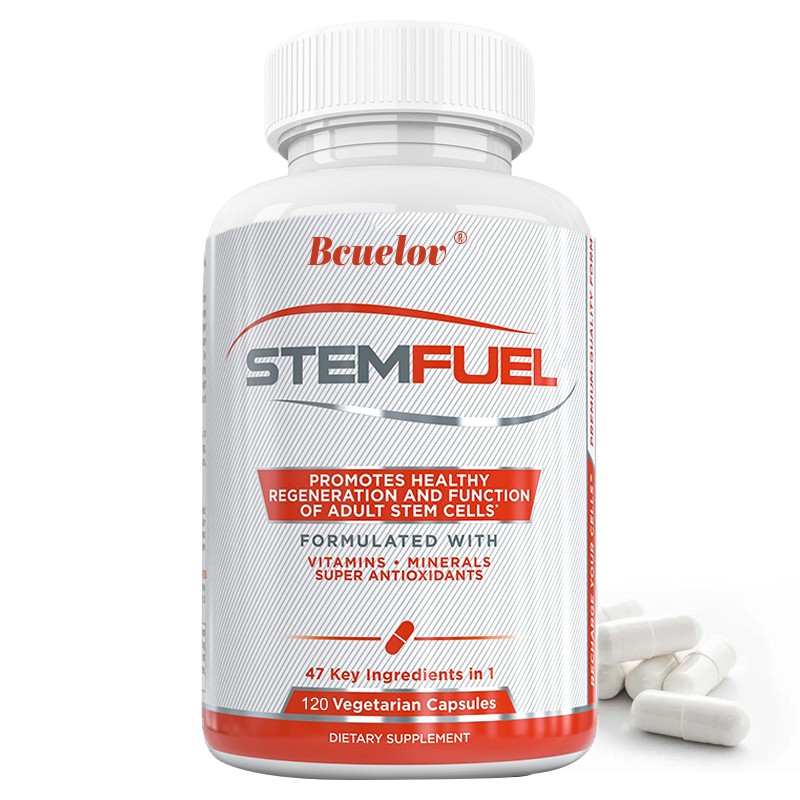 Multi Vitamins and Minerals for Men Women Capsules Stem Cells Regenration 120ct$13.69View on eBay
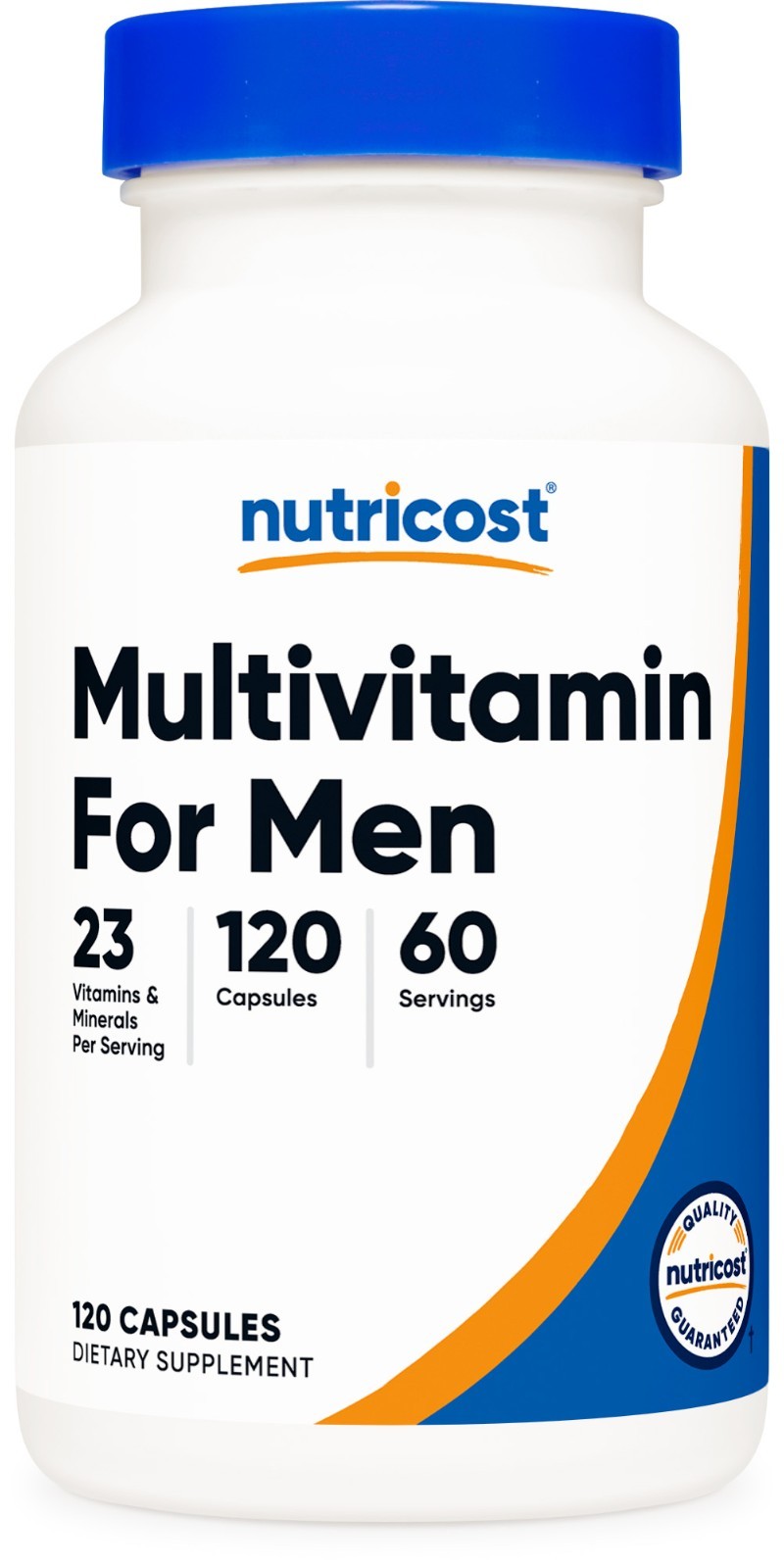 Nutricost Multivitamin for Men 120 Capsules - Vitamins and Minerals$14.99View on eBay
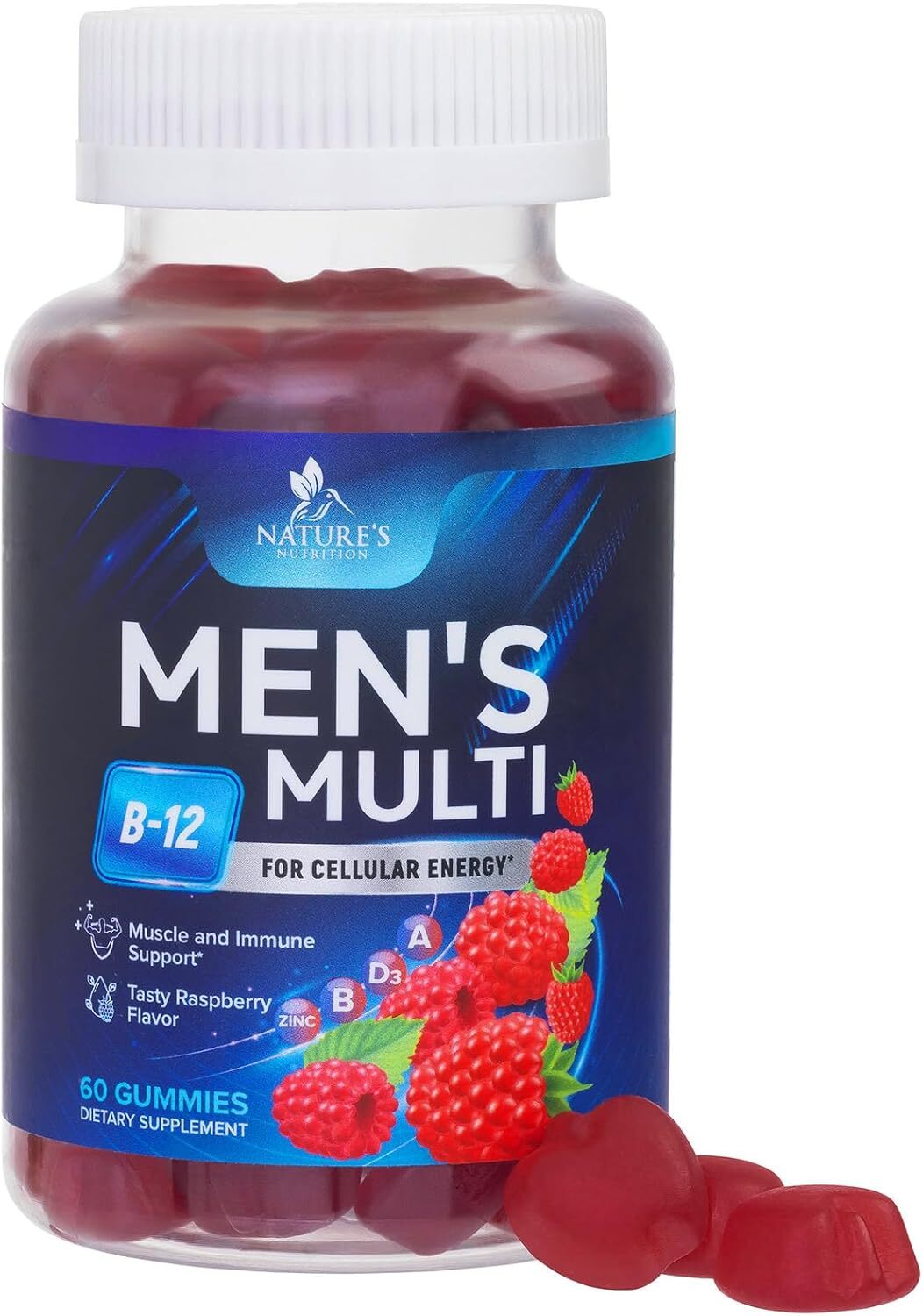 Men's Multivitamin Gummies - Daily Immune Support with Vitamins & Minerals$18.02Last checked Nov 20, 2026View on eBay
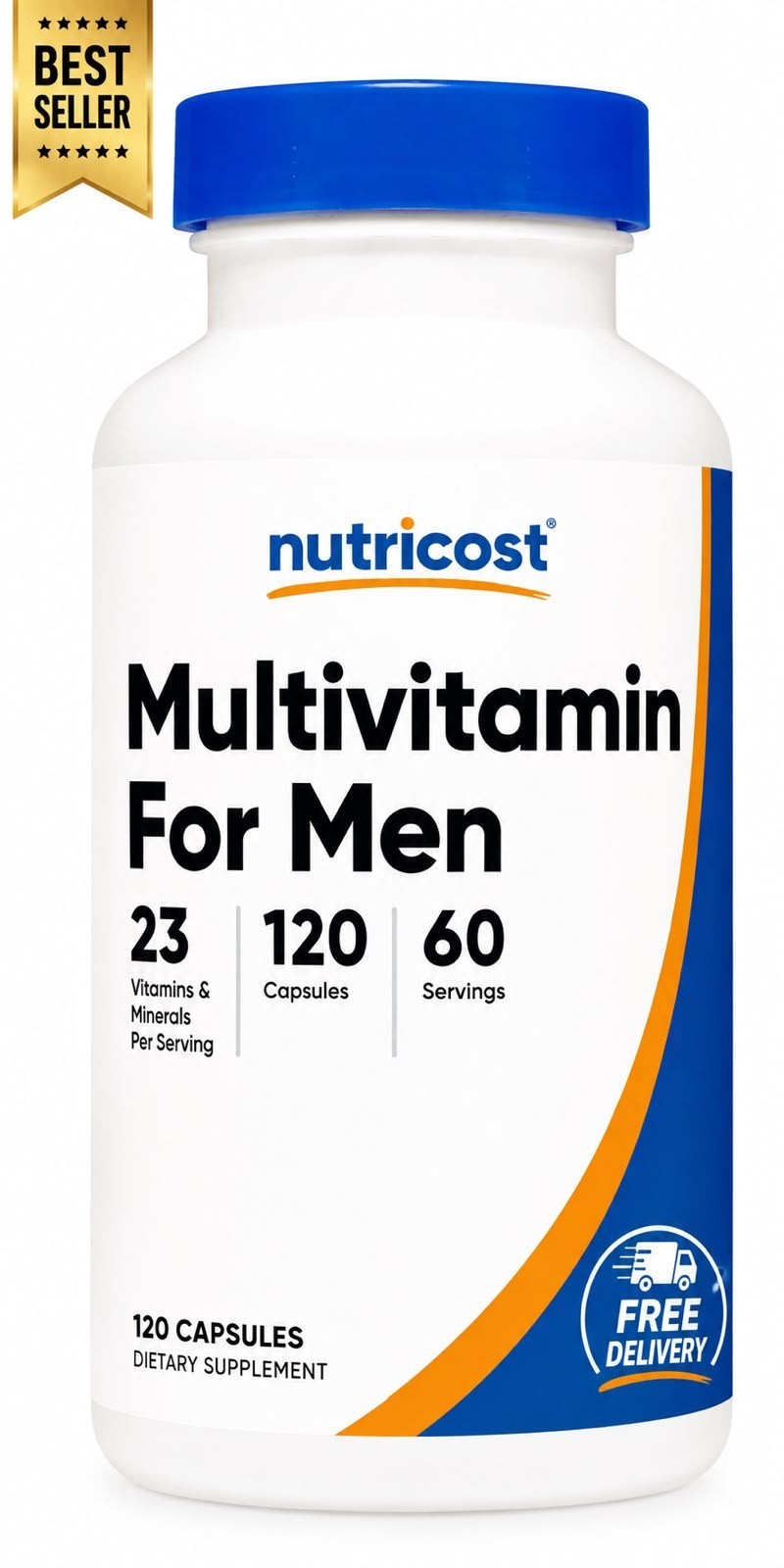 Nutricost Multivitamin for Men 120 Capsules - Vitamins and Minerals$19.90View on eBay
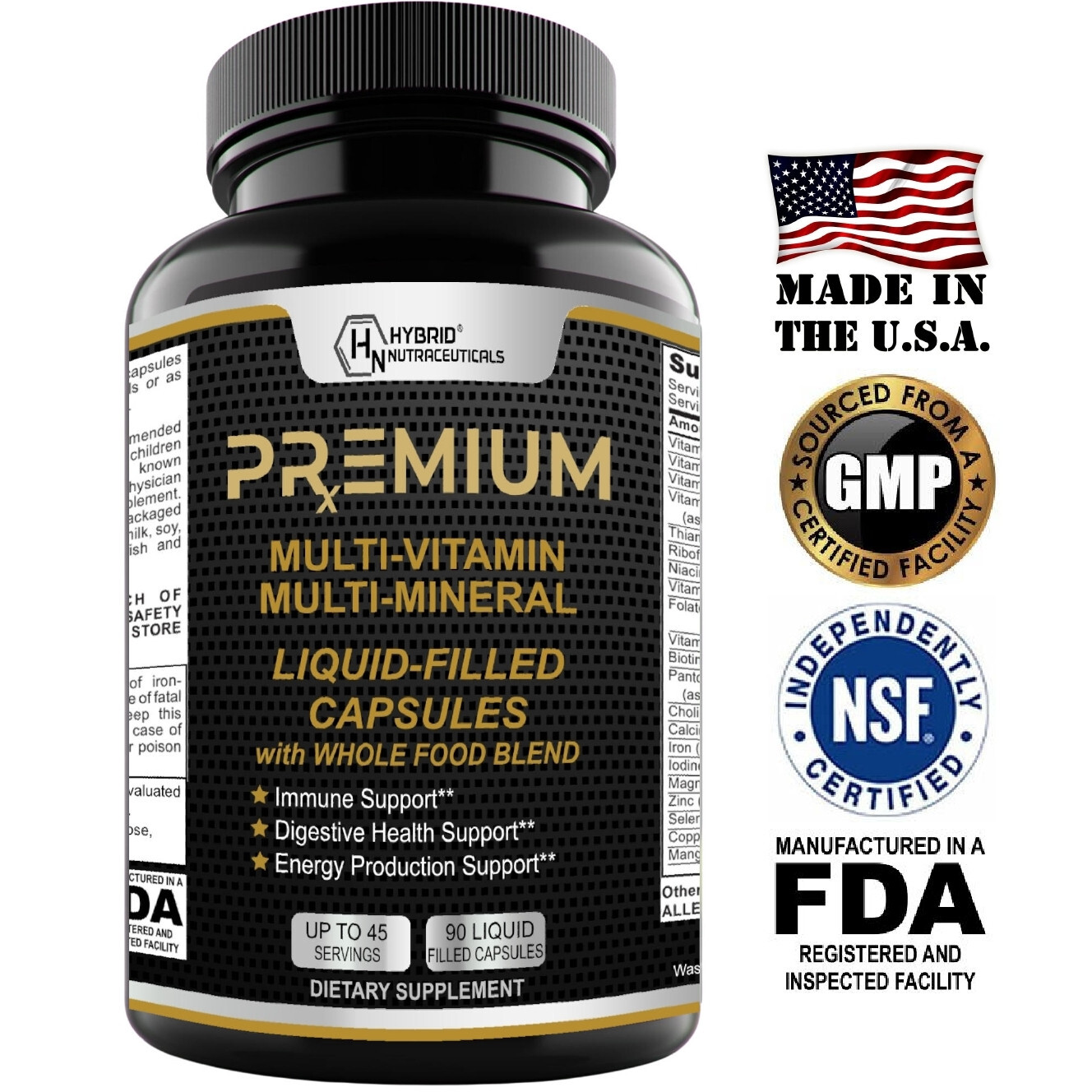 Multivitamin Softgels for Men & Women, Daily Vitamin Mineral 90 Liquid Capsules$19.95Last checked Nov 27, 2026View on eBay
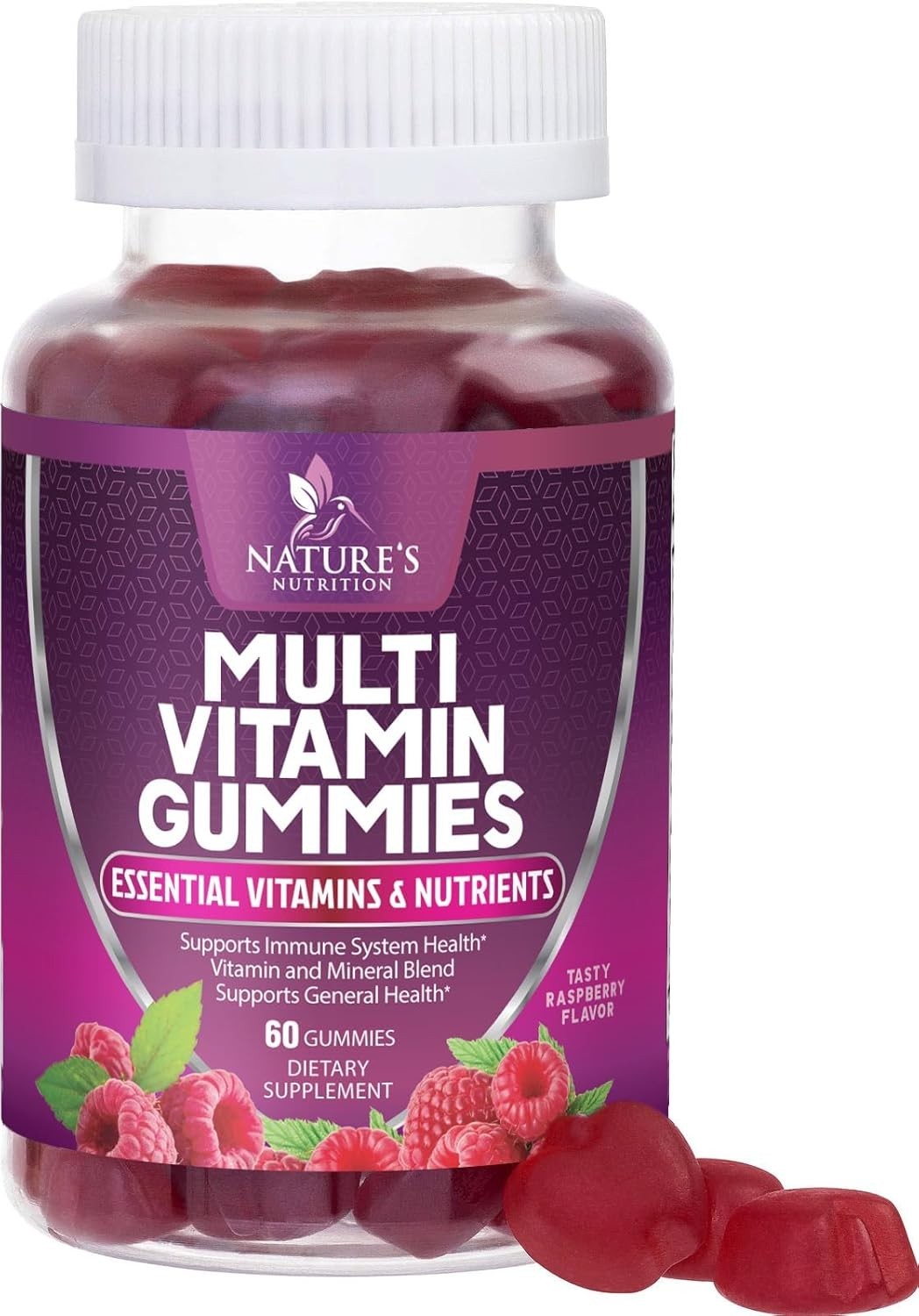 Multivitamin Gummies for Adults, Daily Gummy Vitamins & Minerals for Women & Men$20.82Last checked Nov 26, 2026View on eBay
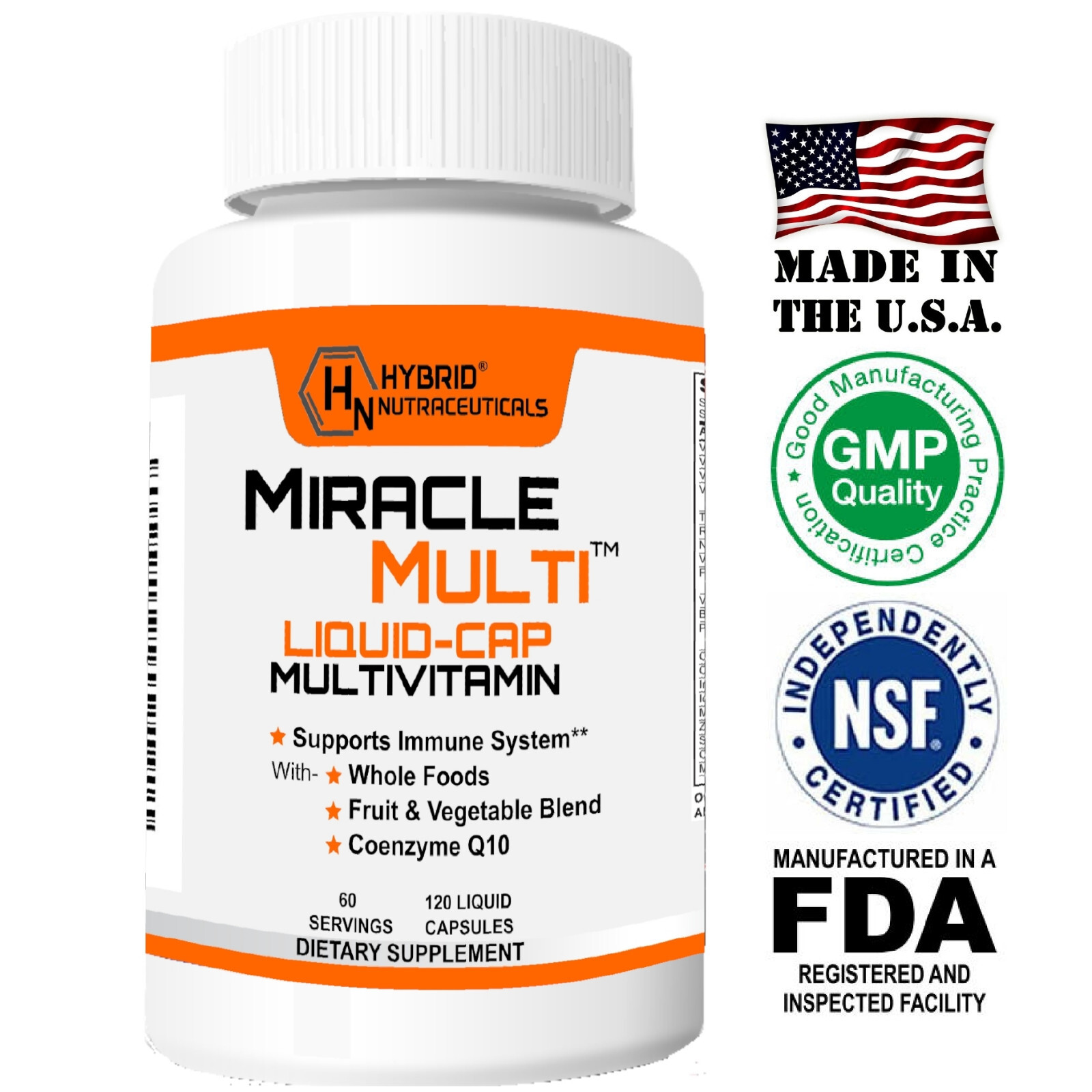 Multivitamin Softgels for Men & Women, Daily Vitamin Mineral 120 Liquid Capsules$25.95View on eBay
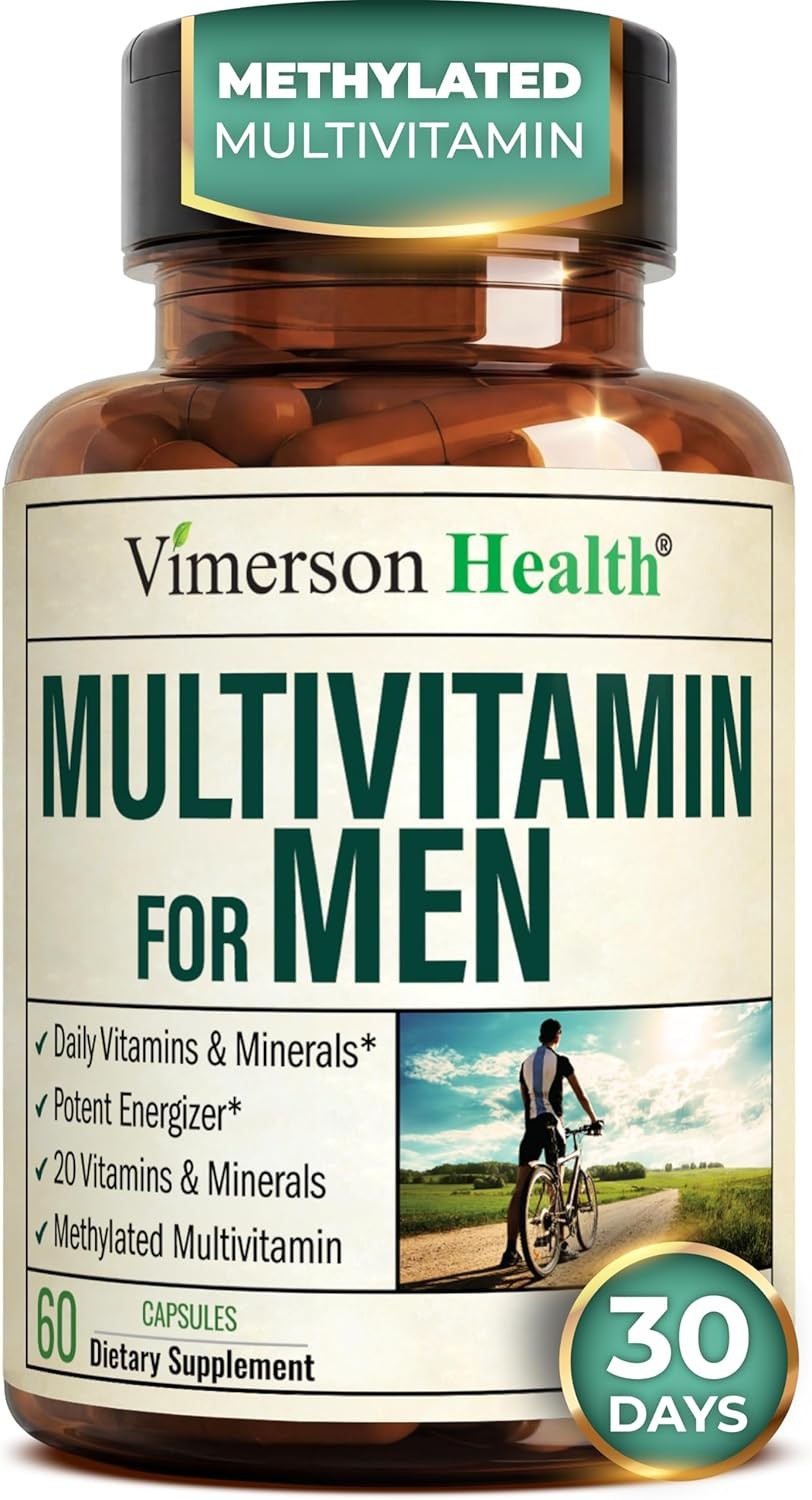 Multivitamin for Men with Methylated Vitamins and Chelated Minerals for Energy,$29.86View on eBay
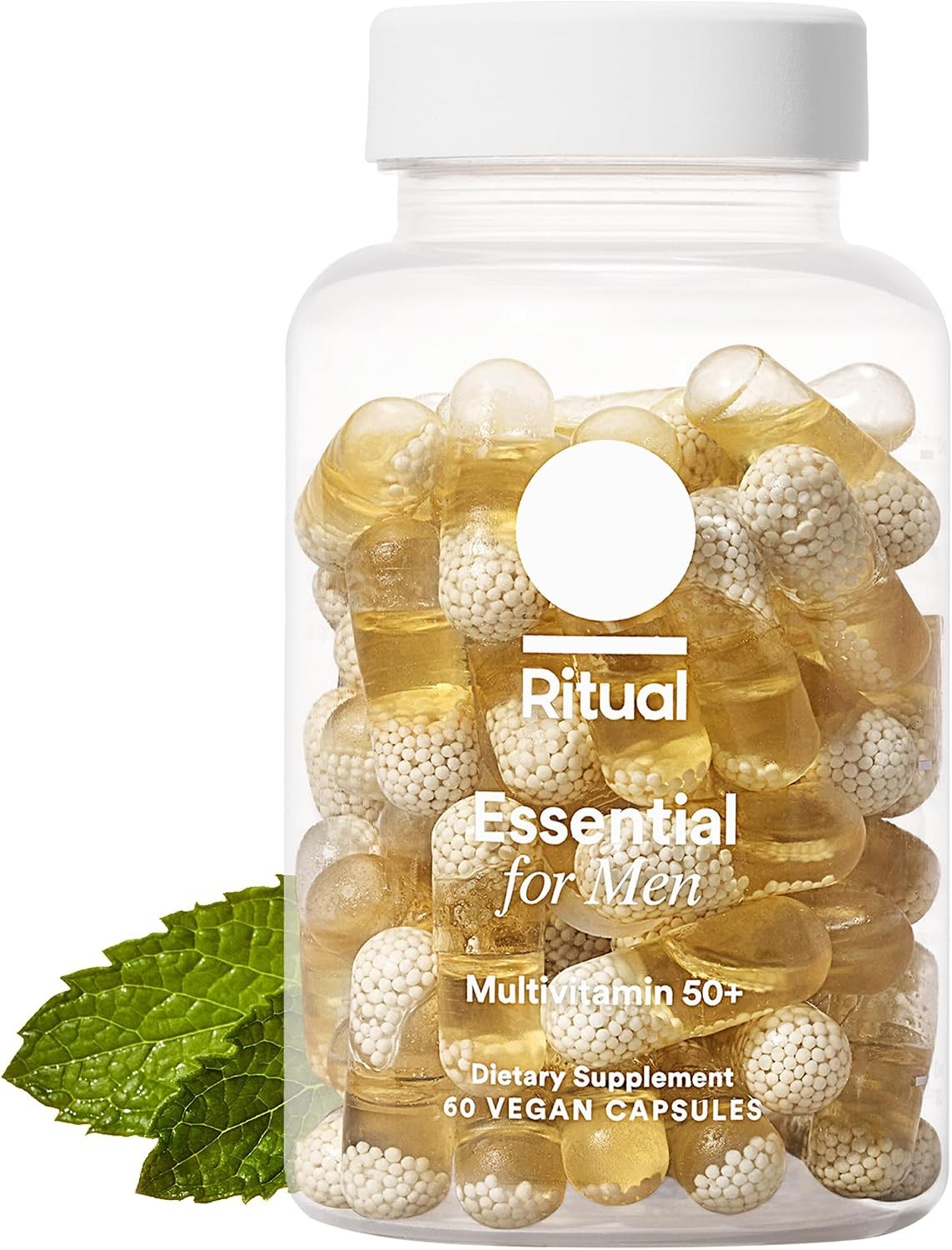 Ritual Men’s 50+ Daily Multivitamin - Key Essential Vitamins and Minerals To S$47.29View on eBay
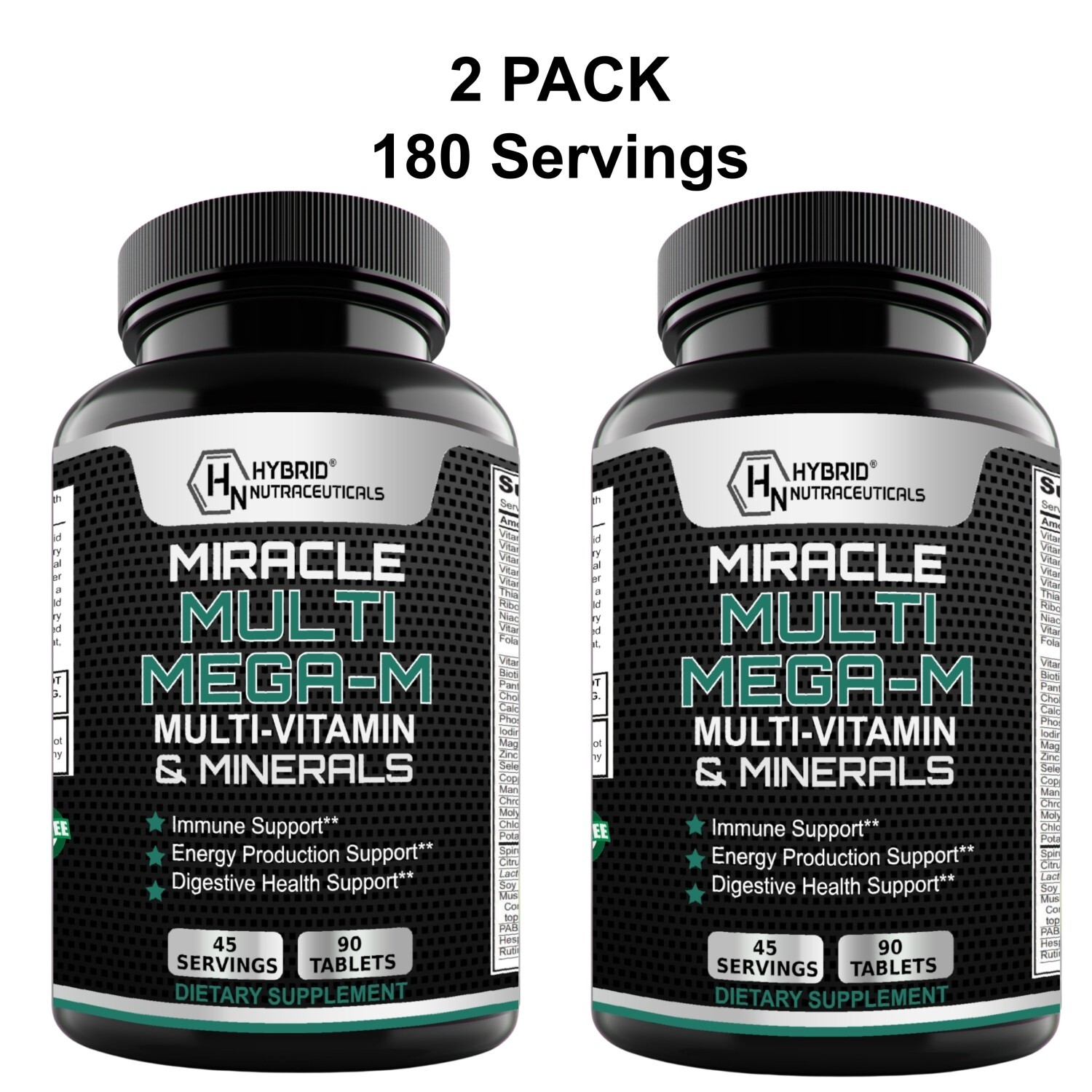 MEGA-M Multivitamin & Minerals Tablets, High Potency Daily Vitamin for Men-Women$49.95View on eBay
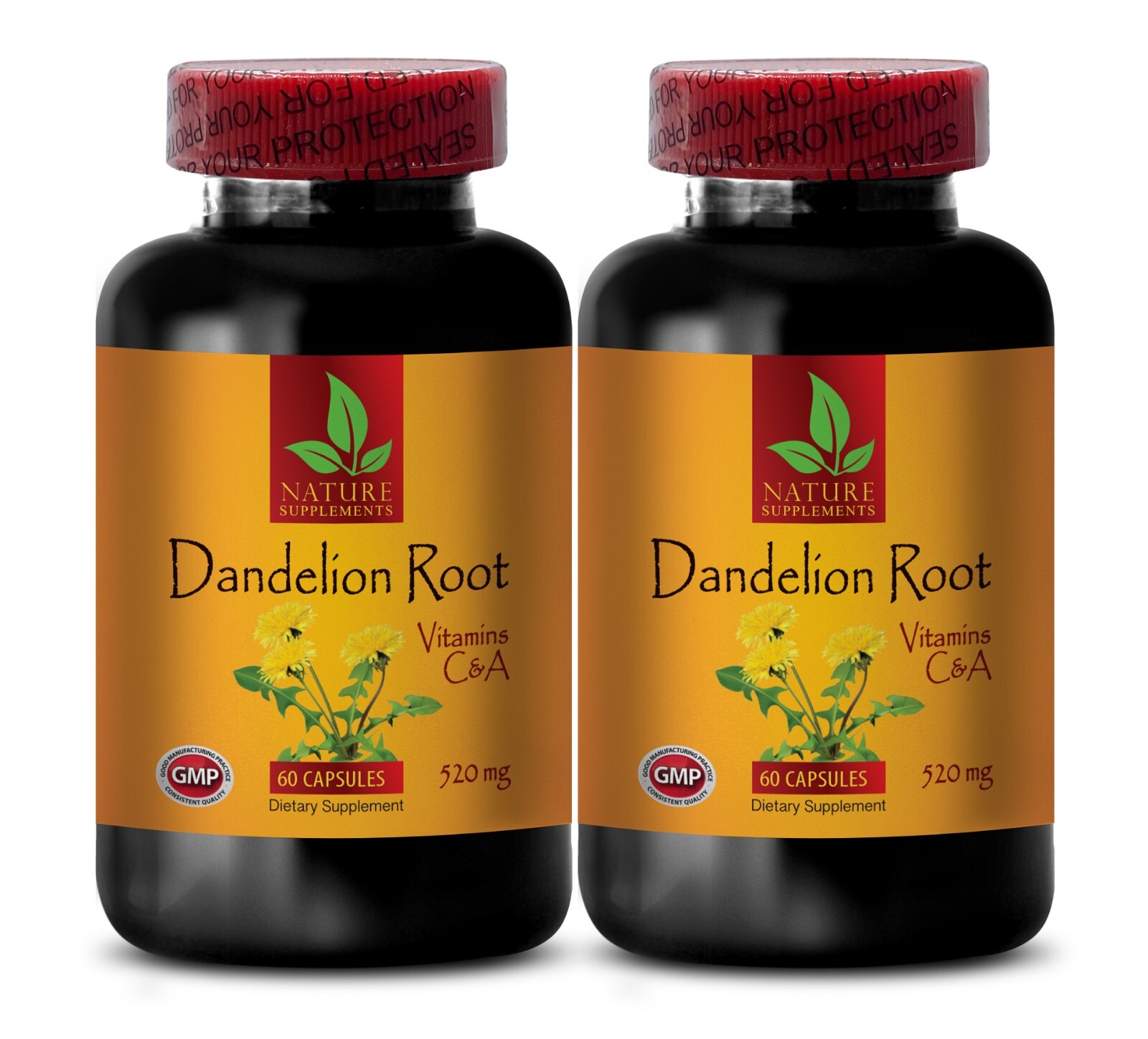 immune system vitamins for men - DANDELION ROOT - dandelion supplement pills 2B$51.13Last checked Nov 23, 2026View on eBay
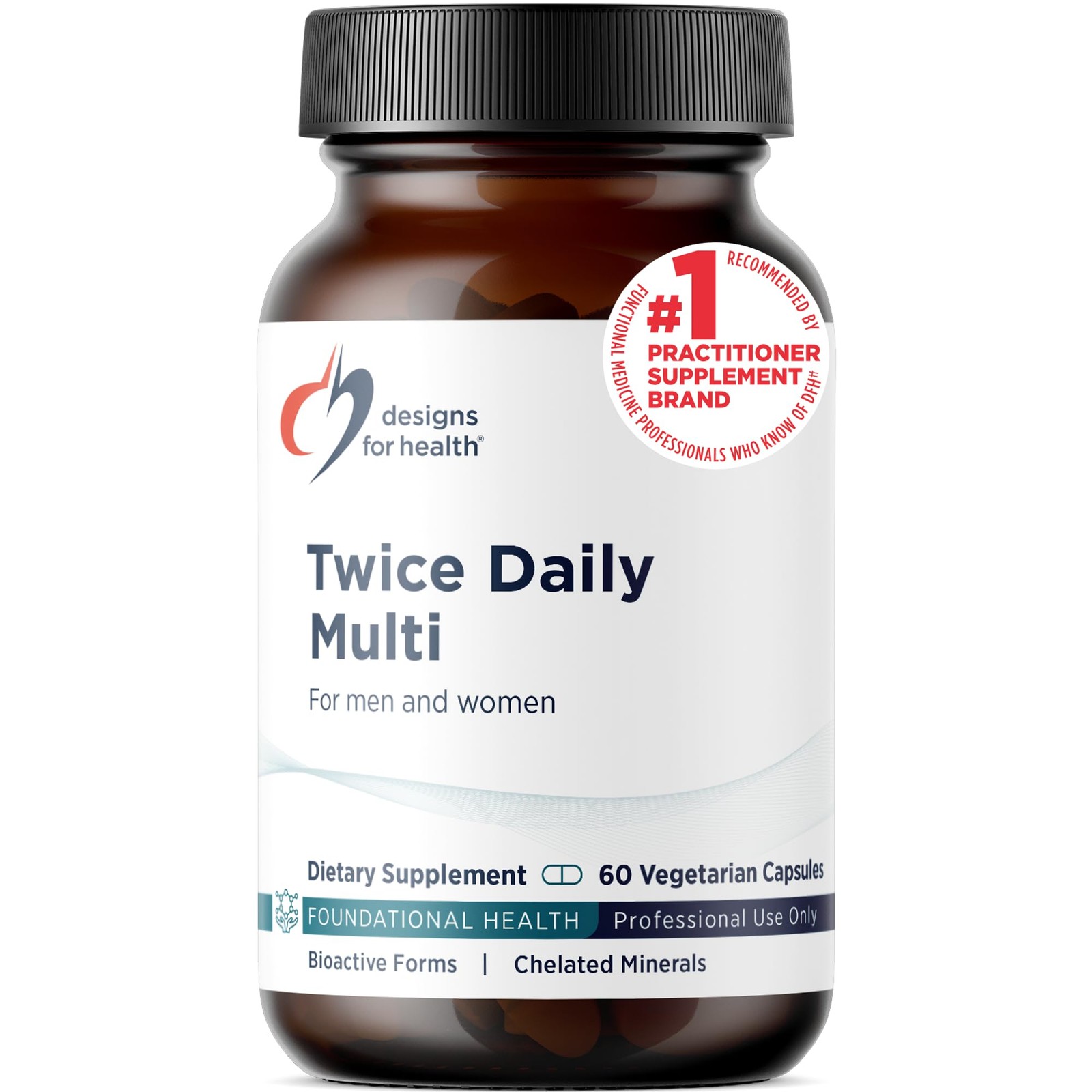 Methylated Multivitamin for Women & Men w/ B12 Folate Vitamin C K D E 60 Caps$66.95View on eBay
Highlights
- Capsules and tablets carry the full mineral panel (zinc, magnesium, selenium, iodine); gummies typically omit minerals or underdose them because they cannot mask metallic taste.
- Men's 50+ formulas reduce iron to zero or near-zero and raise vitamin D3, B12, and calcium versus 18–49 formulas, reflecting age-related absorption decline.
- Third-party seals (NSF Certified for Sport, USP Verified) confirm label potency and contaminant limits; cGMP facility statements alone verify only manufacturing process, not content.
- Mega-dose 'high potency' products often exceed ULs for vitamin A, zinc, and niacin; RDA-level formulas at 100–200% Daily Value cover gaps without toxicity risk.
Best use cases
- Choose capsules if you want a complete mineral panel including zinc and magnesium — best for athletes and men with restricted diets; skip gummies for mineral coverage.
- Choose 50+ tablets with zero iron if you are over 50 and not iron-deficient; skip standard adult formulas, which add iron you likely no longer need.
- Choose third-party-certified capsules if you take prescribed medication or undergo regular bloodwork; skip unverified 'high potency' blends that risk interacting with your regimen.
Buying tips
- Match the age tier first: under 50 choose formulas with 8–11 mg iron only if you don't eat red meat; over 50 choose zero-iron formulas with elevated D3 and B12.
- Prefer capsules over hard tablets if you have swallowing difficulty or GI sensitivity — tablets over 1,000 mg frequently contain binders that slow dissolution.
- Check vitamin D3 at 600–1,000 IU for maintenance and B12 at 2.4 mcg RDA; methylated B12 (methylcobalamin) suits MTHFR variants better than cyanocobalamin.
- Limit gummies to one serving per day: most deliver 2–4 g sugar per serving and lack zinc, magnesium, and calcium, so they cannot replace a capsule for full coverage.
Specs
| Delivery Form | Capsule / Tablet / Gummy / Soft chew |
|---|---|
| Age Tier | 18–49 standard vs 50+ zero-iron |
| Iron Content | 0 mg (50+) vs 8–18 mg (standard) |
| Third-Party Seal | NSF Certified / USP Verified / none |
Related searches
What to check before buying
- Confirm your age tier (18–49 vs 50+) and iron need against the Supplement Facts panel before choosing between standard and 50+ formulas.
- Verify the third-party seal (NSF, USP) on the label; absence means potency and contaminants are unverified regardless of 'non-GMO' or 'natural' claims.
- Check serving size versus bottle count: a 60-gummy bottle at 2 gummies per serving is a 30-day supply, not 60 days.
- Review current medications for interactions — vitamin K affects warfarin, and high-dose vitamin E or fish oil can compound anticoagulant effects.
FAQ
Data sources: eBay / Amazon listings and product attribute feeds. Updated Nov 28, 2026.
Some links on this page are affiliate links. If you buy after clicking one, we may earn a commission at no extra cost to you. This does not change which products appear here or their order. Affiliate disclosure.