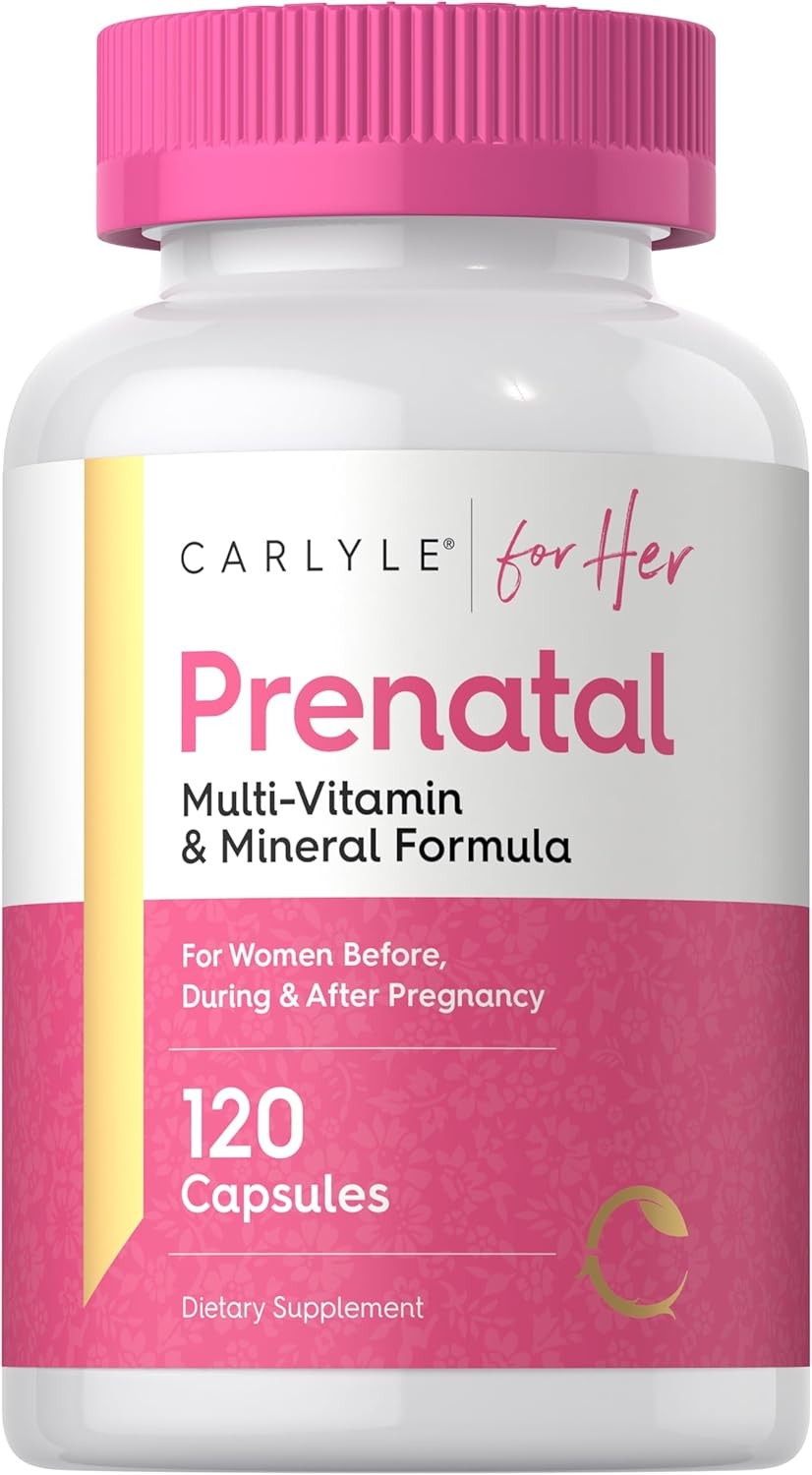

Photos from current listings. Actual item, color, and included accessories may vary.
Vitamin Pregnancy Buying Guide
Prenatal vitamins are daily multivitamin-mineral supplements formulated to meet the elevated micronutrient demands of pregnancy, with the core non-negotiables being 400–800 mcg folate (as methylfolate or folic acid), 27 mg iron, and 1,000–1,300 mg calcium split across doses. The primary trade-off is between one-a-day compressed tablets (convenient but low calcium and often poorly tolerated iron) and split-dose or chewable/gummy formats (better absorption and stomach comfort but requiring multiple servings). The decision rule: pick a product that lists elemental iron and folate forms on the Supplement Facts panel, delivers at least 400 mcg DFE folate, and separates calcium from iron doses—skip any prenatal that hides mineral forms behind an prop blend or omits DHA unless you add a separate omega-3.
Key takeaways
- Folate form matters: methylfolate (L-5-MTHF) bypasses the MTHFR enzyme bottleneck, while folic acid requires conversion—both meet the 400 mcg DFE baseline but methylfolate suits MTHFR variant carriers.
- Iron dose and form: 27 mg elemental iron is the pregnancy RDA; bisglycinate and carbonyl iron cause less constipation than ferrous sulfate, which is why split-dose prenatals often use gentler chelates.
- Calcium and iron compete for absorption—prenatals with 200+ mg calcium per serving must be taken at least 2 hours apart from the iron dose, so high-calcium formulas are typically split AM/PM.
At a glance
- Category
- Vitamins & Minerals
- Last updated
- Nov 28, 2026
Current offers
Highlights
- Folate form matters: methylfolate (L-5-MTHF) bypasses the MTHFR enzyme bottleneck, while folic acid requires conversion—both meet the 400 mcg DFE baseline but methylfolate suits MTHFR variant carriers.
- Iron dose and form: 27 mg elemental iron is the pregnancy RDA; bisglycinate and carbonyl iron cause less constipation than ferrous sulfate, which is why split-dose prenatals often use gentler chelates.
- Calcium and iron compete for absorption—prenatals with 200+ mg calcium per serving must be taken at least 2 hours apart from the iron dose, so high-calcium formulas are typically split AM/PM.
- DHA is not a vitamin: prenatal DHA (200–300 mg) is usually a separate softgel because omega-3 oils degrade in compressed multivitamin tablets and shorten shelf life.
Best use cases
- Best fit for first-trimester nausea: choose a chewable or gummy prenatal with 400 mcg methylfolate and low or no iron, then add a gentle iron bisglycinate separately once nausea subsides.
- Best fit for iron-sensitive or constipated pregnancies: pick a split-dose capsule prenatal using iron bisglycinate or carbonyl iron rather than a one-a-day ferrous sulfate tablet.
- Best fit for vegan or dairy-free diets: select a prenatal with methylfolate, vegan DHA from algal oil, and B12 as cyanocobalamin or methylcobalamin—skip gelatin softgels and D3 from lanolin.
- Wrong fit: a single compressed tablet claiming 100% calcium plus 100% iron—the minerals compete and the tablet often exceeds swallowable size, so use a separate calcium citrate supplement instead.
Buying tips
- Read the Supplement Facts for elemental iron, not compound weight: 27 mg iron from ferrous sulfate (dried) is roughly 65 mg of the compound—labels listing only compound weight hide the true dose.
- Match folate to your needs: 400 mcg DFE folic acid meets standard needs, but 600–800 mcg DFE methylfolate is the safer pick for MTHFR C677T carriers or those with a prior neural-tube-affected pregnancy.
- Count capsules per serving: a '3 capsules daily' prenatal is designed for split dosing to improve mineral absorption and reduce nausea—one-a-day formats trade that off for convenience.
- Check DHA separately: if the prenatal lacks omega-3, budget for a 200–300 mg algal or fish oil DHA softgel, and store it away from heat to prevent rancidity.
Specs
| Folate Form | Methylfolate vs Folic Acid (400-800 mcg DFE) |
|---|---|
| Iron Form | Bisglycinate / Carbonyl vs Ferrous Sulfate |
| Serving Format | 1-a-day vs 2-3 split capsules / gummy |
| DHA Inclusion | Separate softgel vs built-in (200-300 mg) |
Related searches
What to check before buying
- Confirm your prenatal provides at least 400 mcg DFE folate, 27 mg iron, 1,000 mg calcium (from diet plus supplement), 600 IU vitamin D, and 220 mcg iodine—the five nutrients most often short in pregnancy diets.
- Check the serving size and pill count: a 120-capsule bottle at 3 capsules daily lasts 40 days, so a 90-day trimester needs roughly 270 capsules—buy bottle sizes that match your dosing schedule.
- Verify iron form against your digestion: ferrous sulfate is effective but constipating; bisglycinate or carbonyl iron is gentler and better tolerated if you have IBS or a history of anemia treatment failure.
- Store in a cool, dry place below 25°C (77°F) and away from bathroom humidity—heat and moisture degrade folate and DHA, and gummies specifically require tight-lidded, dry storage.
FAQ
Data sources: eBay / Amazon listings and product attribute feeds. Updated Nov 28, 2026.
Some links on this page are affiliate links. If you buy after clicking one, we may earn a commission at no extra cost to you. This does not change which products appear here or their order. Affiliate disclosure.