
Photos from current listings. Actual item, color, and included accessories may vary.
Women Multivitamin Buying Guide
Women's multivitamins are daily supplements formulated to fill nutritional gaps specific to female physiology, with key trade-offs between iron content (needed for menstruating women but risky post-menopause) and delivery format (tablets, capsules, gummies, softgels). The decision rule: match the iron dose to your life stage (18–50 with periods needs 18 mg iron; 50+ needs 0–8 mg) and avoid gummies if you need meaningful mineral doses, since gummies cannot pack therapeutic calcium, magnesium, or iron without exceeding sugar limits.
Median $35.95
Key takeaways
- Iron content is the primary safety differentiator: premenopausal formulas typically contain 18 mg ferrous bisglycinate or ferrous fumarate, while 50+ formulas drop to 0–8 mg to prevent overload.
- Gummies cap mineral loads because calcium, magnesium, and iron are bulky and chalky; most gummies deliver only 2–4 key vitamins and negligible iron, so they suit non-anemic users only.
- Tablets and capsules allow chelated minerals (bisglycinate, citrate) that are better absorbed than oxide forms; look for 'chelated' or 'glycinate' on the label.
At a glance
- Category
- Vitamins & Minerals
- Last updated
- Nov 28, 2026
Current offers
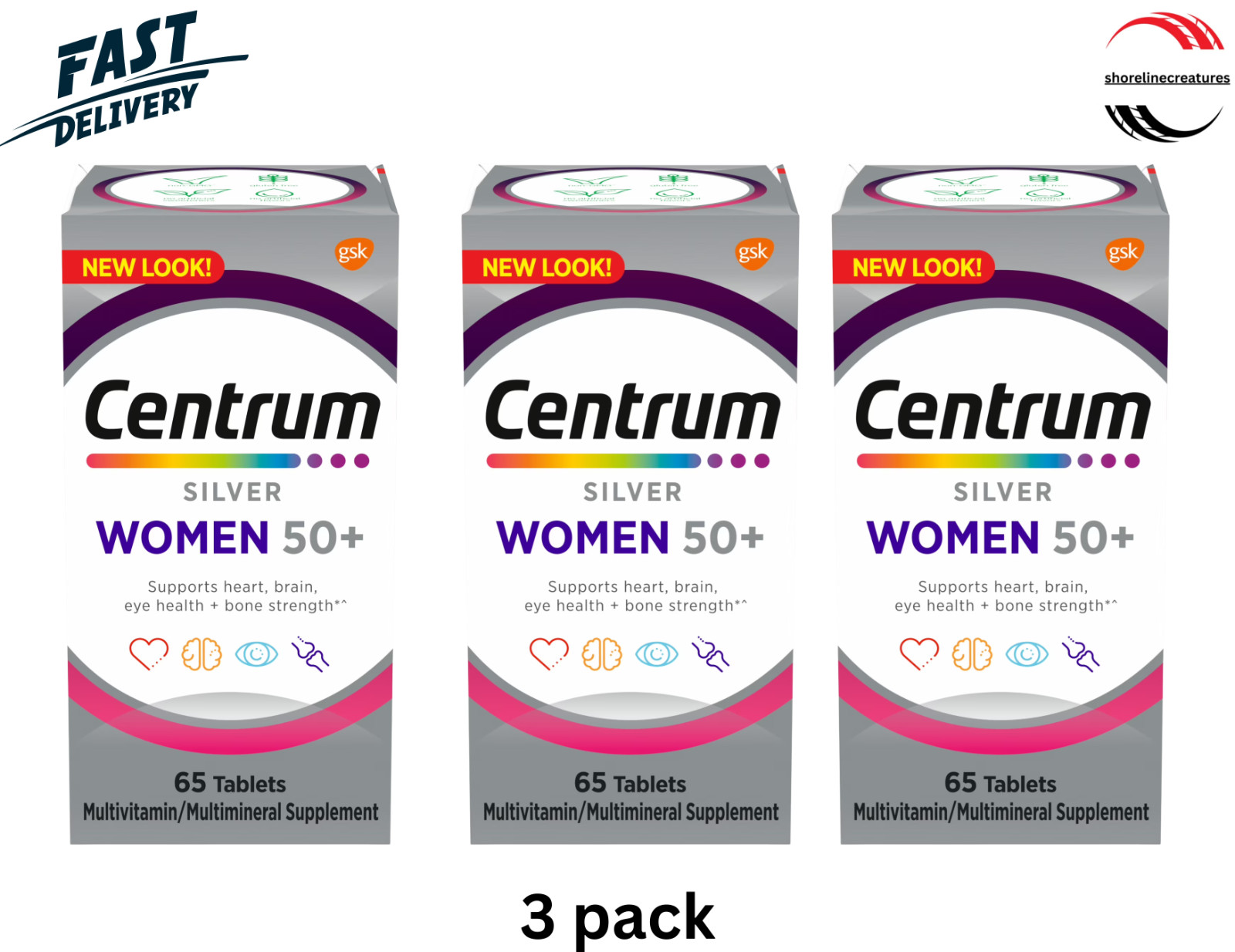 3 Centrum Silver Women 50+ MultiVitamin/Mineral Supplement 65 Each Free Ship$14.00View on eBay
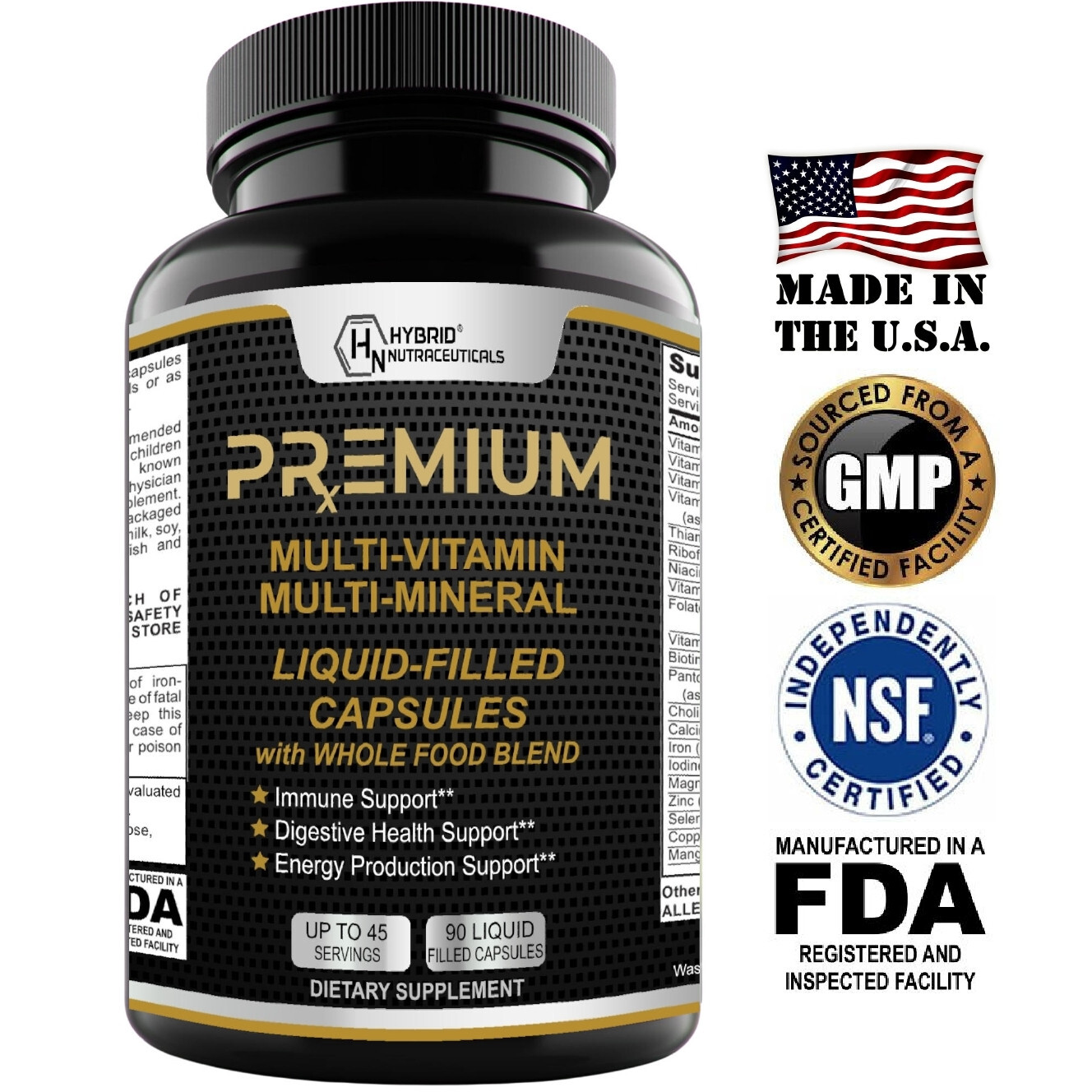 Multivitamin Softgels for Men & Women, Daily Vitamin Mineral 90 Liquid Capsules$19.95Last checked Nov 27, 2026View on eBay
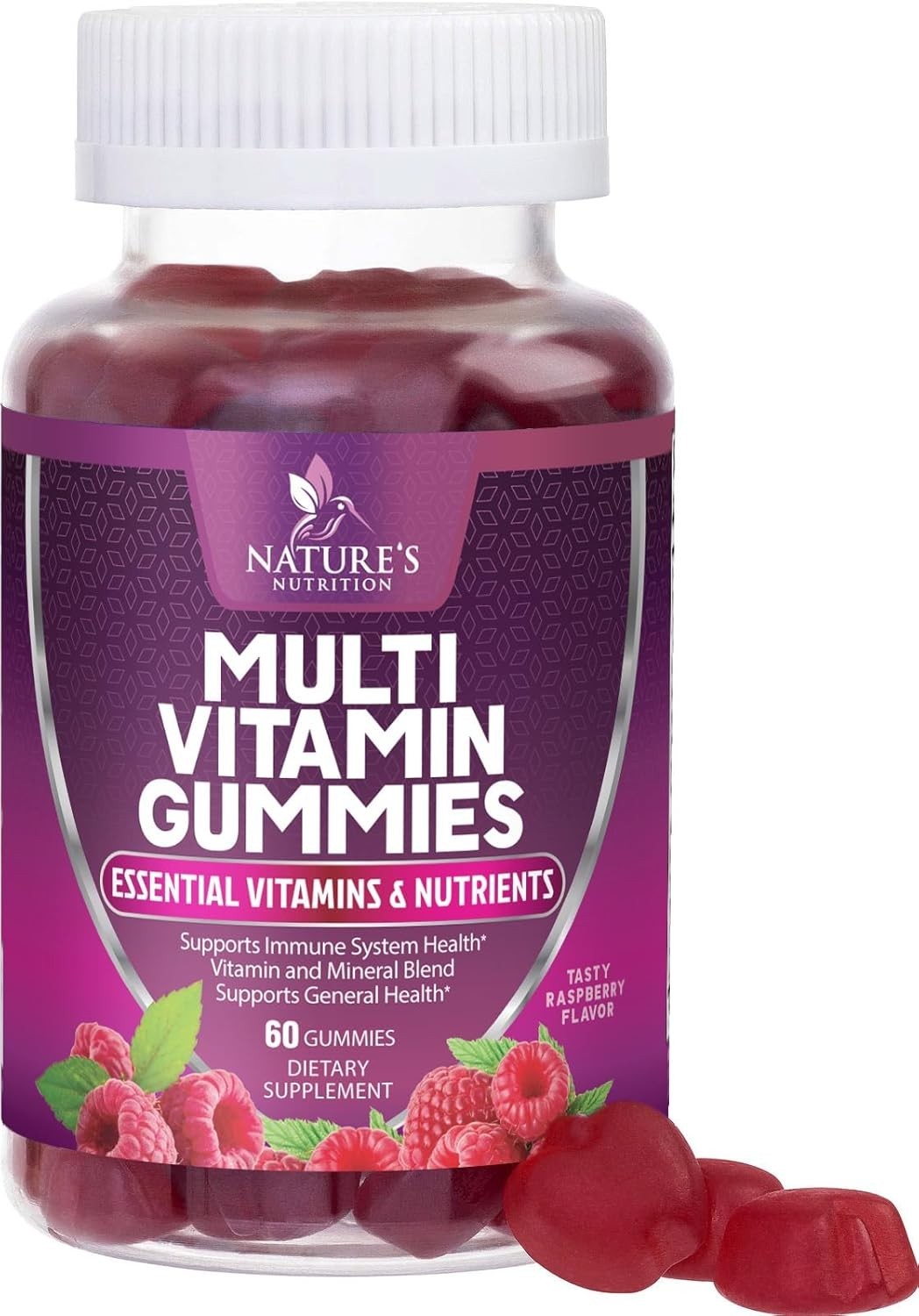 Multivitamin Gummies for Adults, Daily Gummy Vitamins & Minerals for Women & Men$20.82Last checked Nov 26, 2026View on eBay
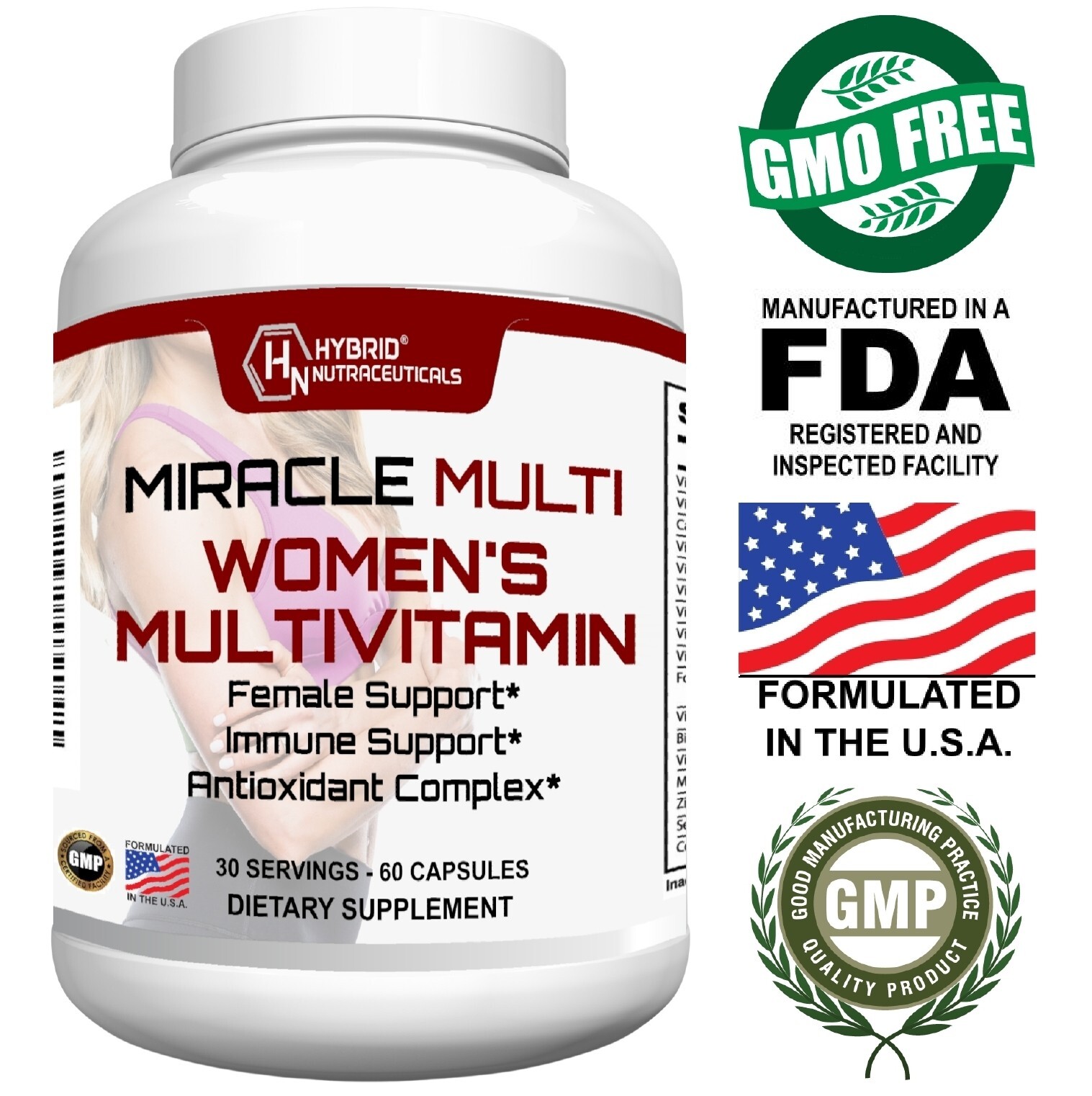 Multivitamin for Women - Blended Vitamin & Mineral Supplement, Immune Support$22.95View on eBay
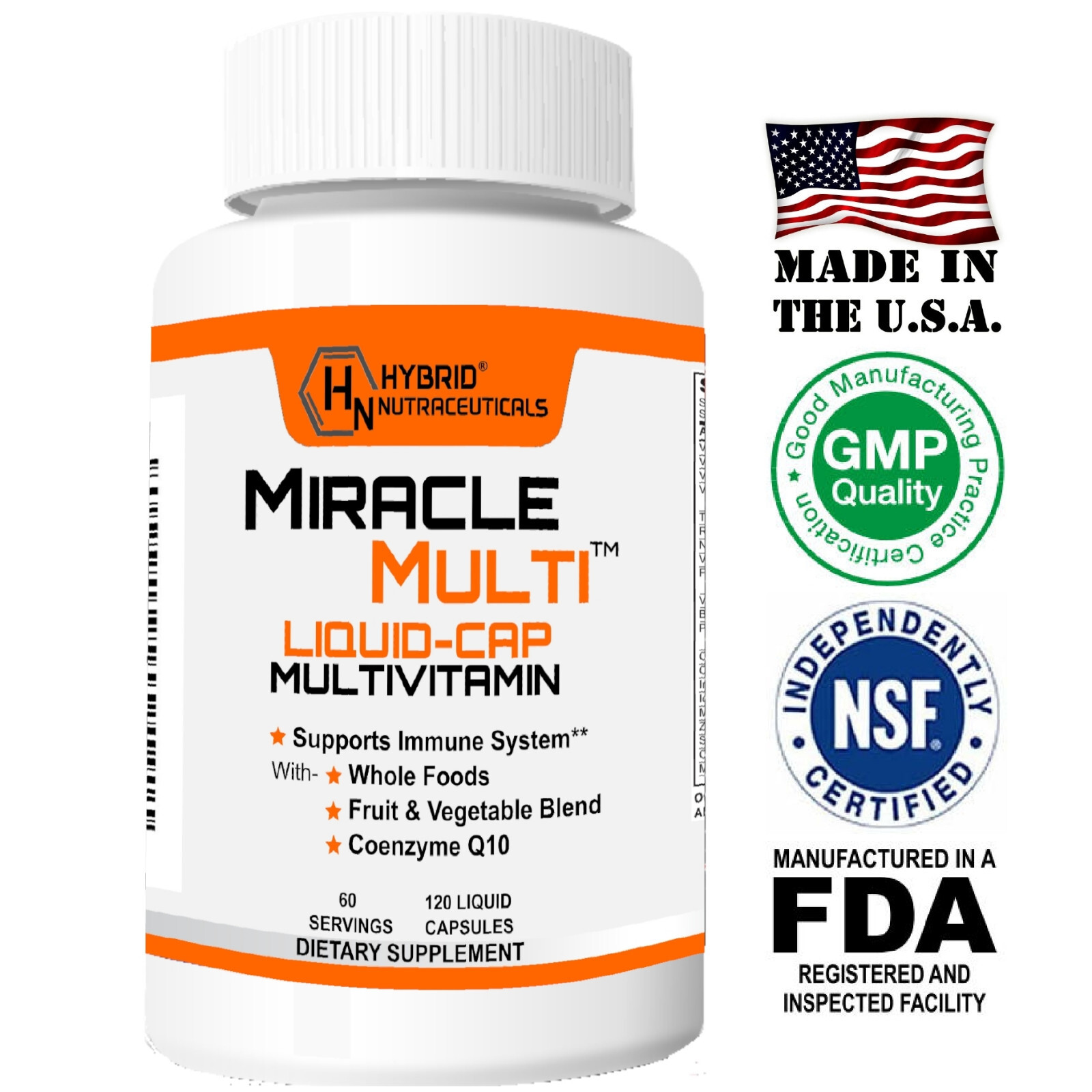 Multivitamin Softgels for Men & Women, Daily Vitamin Mineral 120 Liquid Capsules$25.95View on eBay
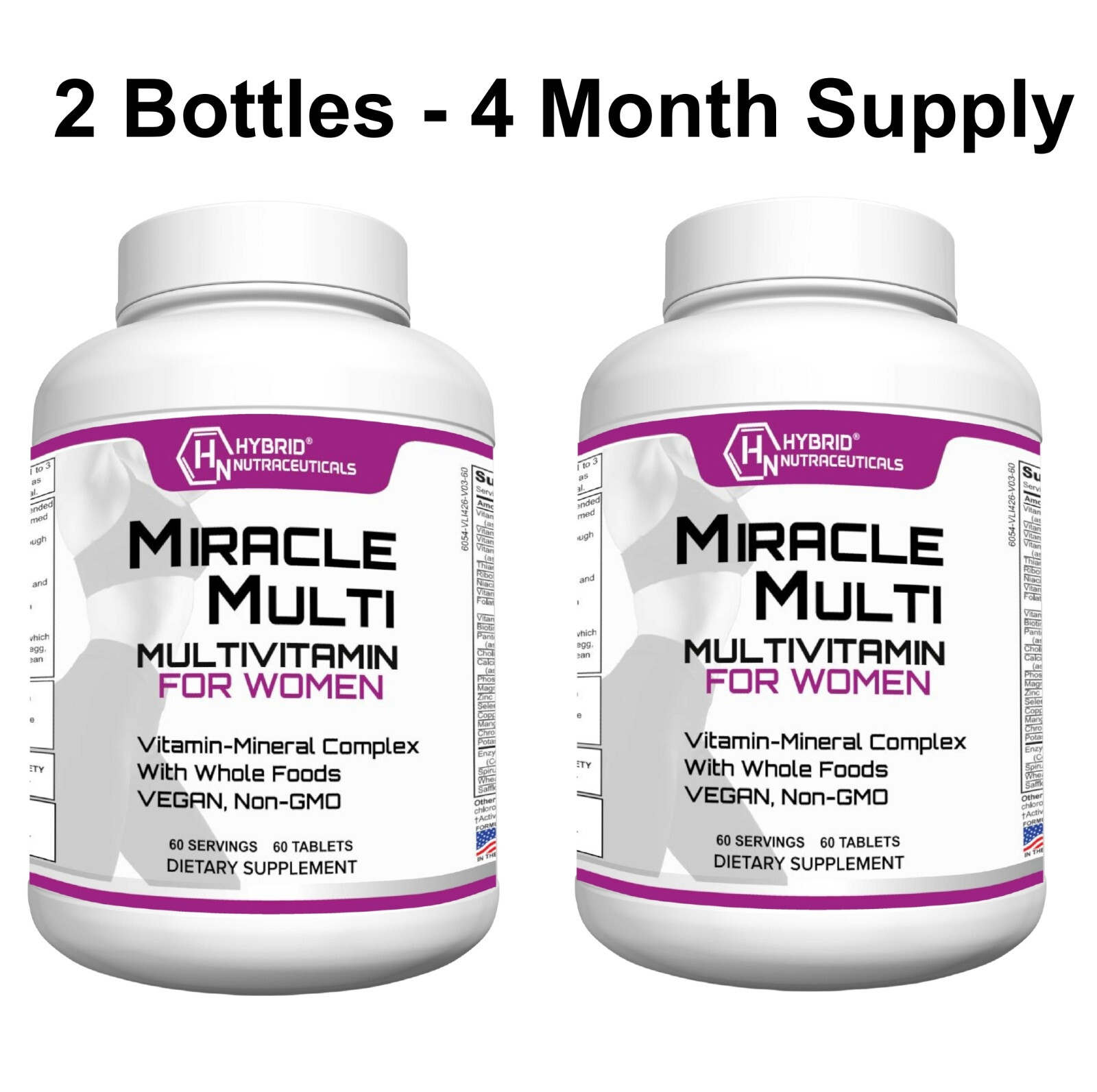 Multivitamin for Women, Blended Vitamin & Mineral Supplements, Immune Support$45.95View on eBay
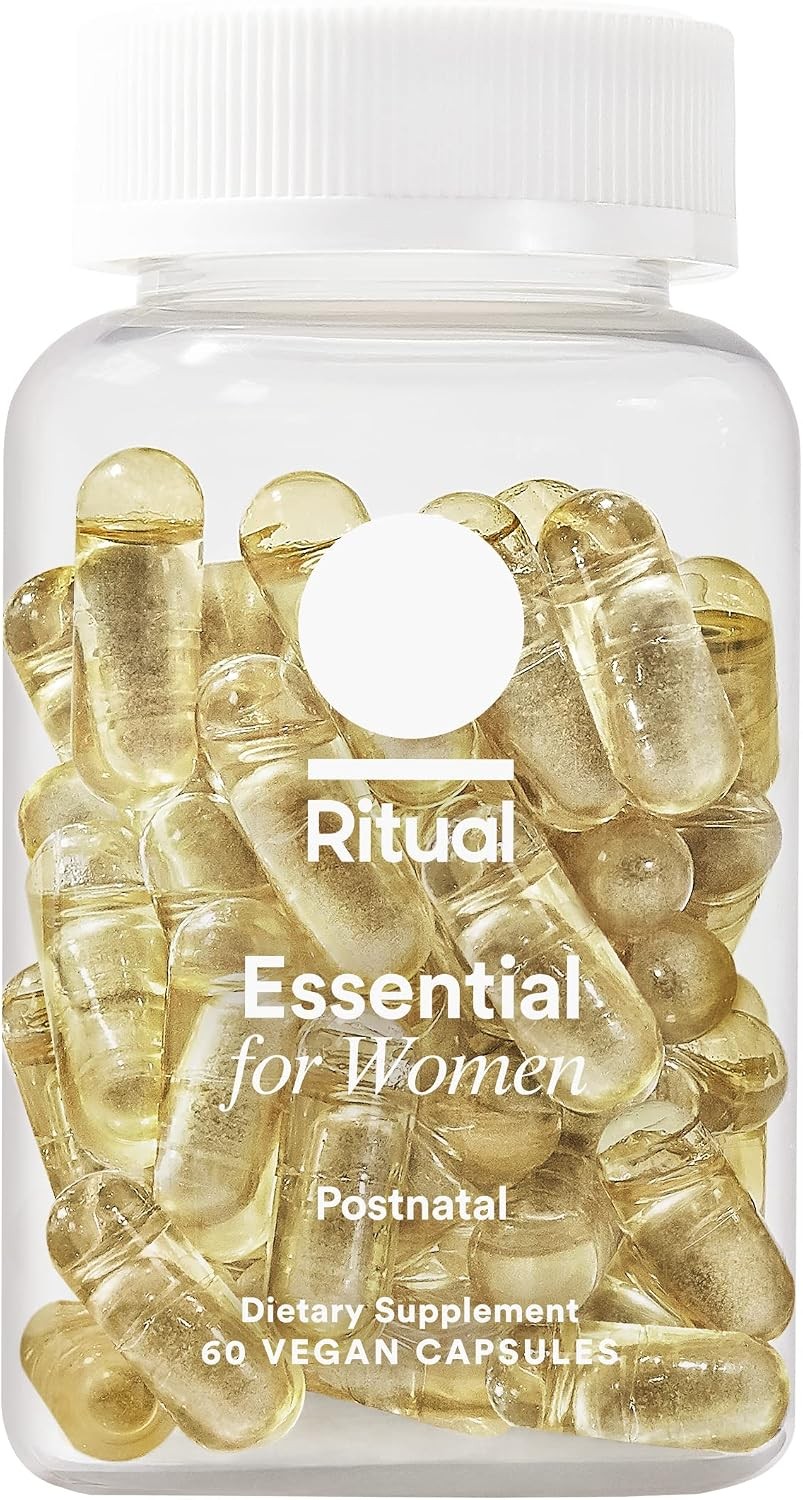 Ritual Postnatal Multivitamin for Women - Key Essential Vitamins and Minerals$47.28View on eBay
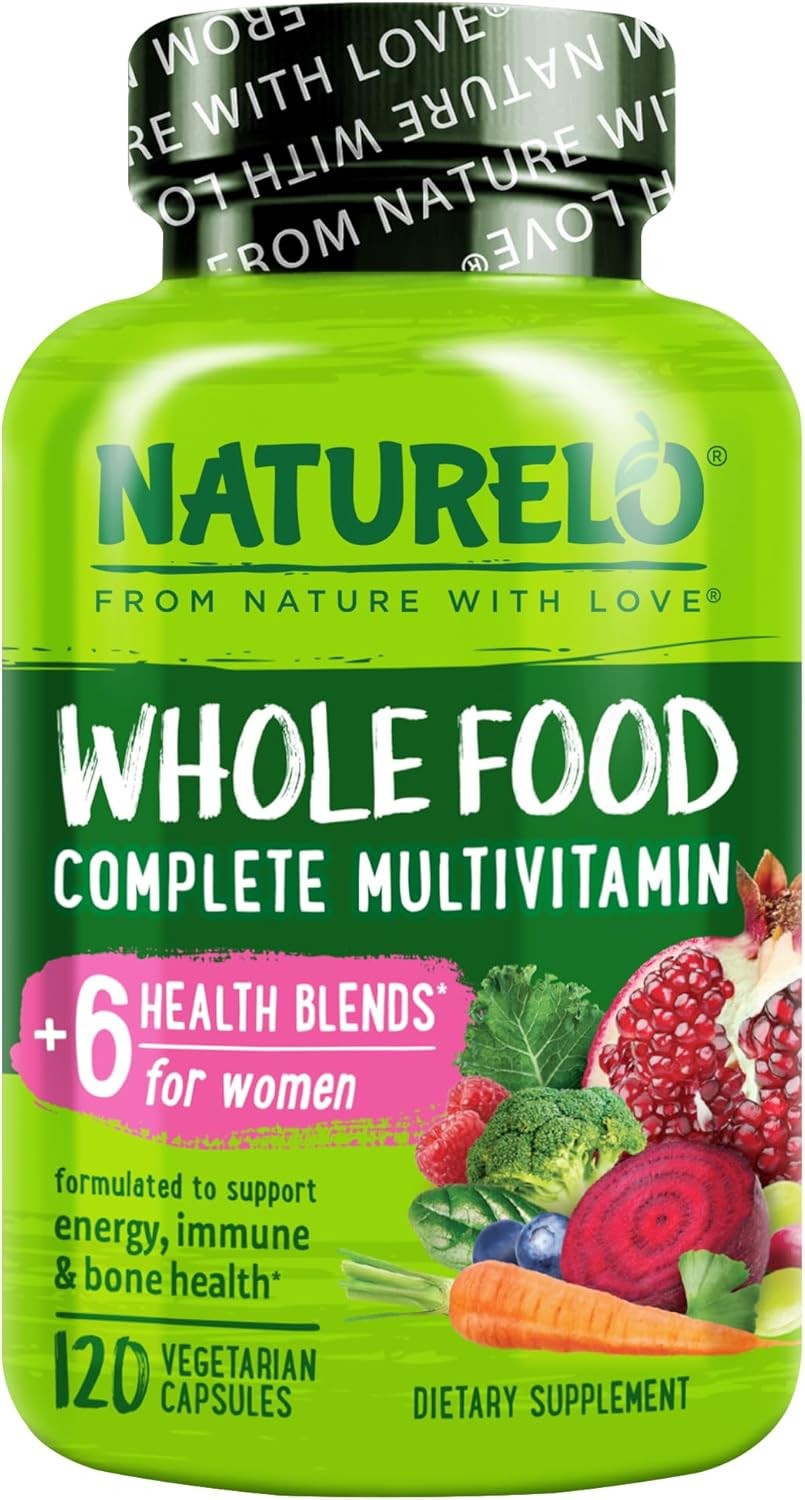 NATURELO Whole Food Multivitamin for Women - with Vitamins, Minerals, & Organi$49.45View on eBay
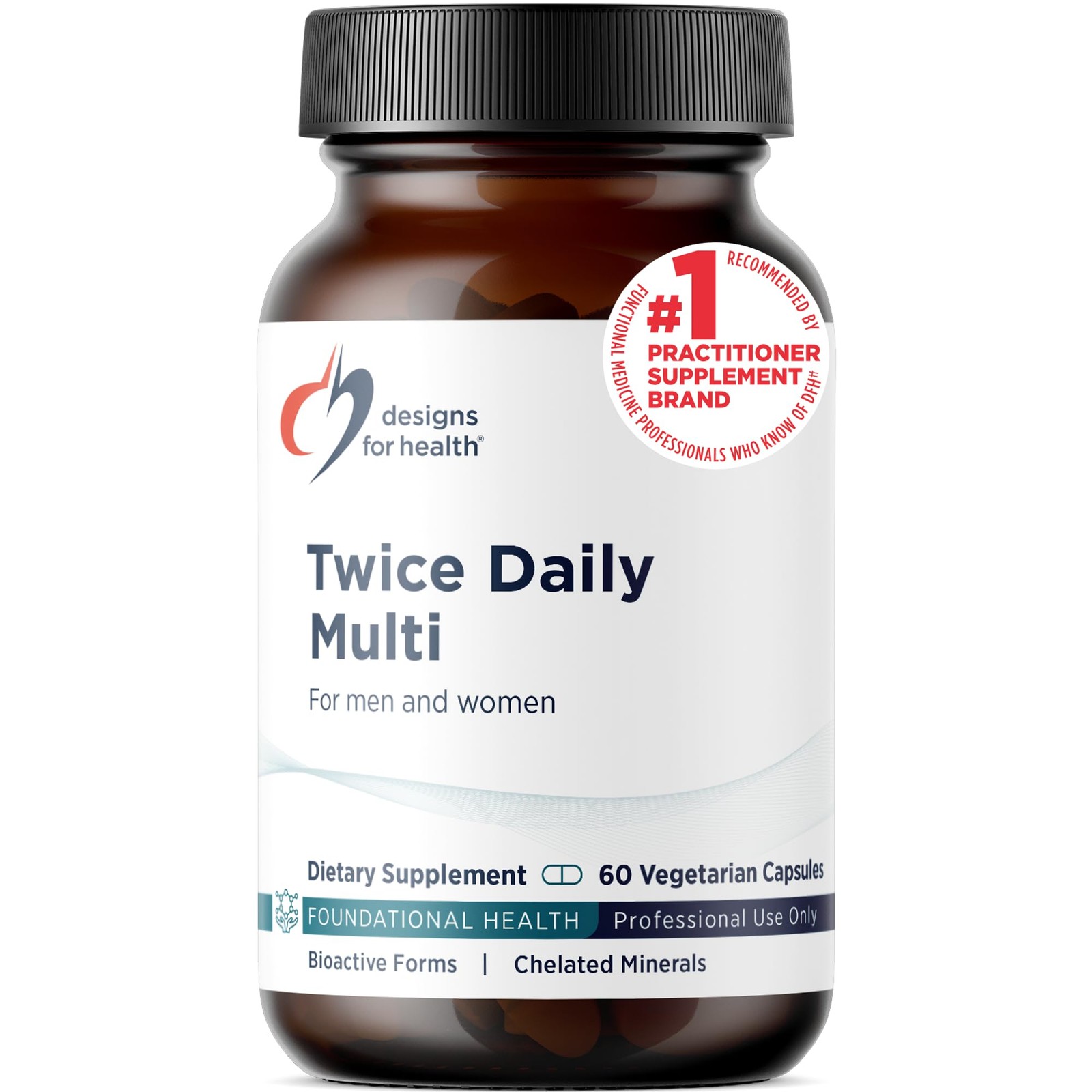 Methylated Multivitamin for Women & Men w/ B12 Folate Vitamin C K D E 60 Caps$66.95View on eBay
 Truehope EMPowerplus Advanced Multivitamin for Women & Men - (Official Listing)$76.99Last checked Nov 24, 2026View on eBay
Highlights
- Iron content is the primary safety differentiator: premenopausal formulas typically contain 18 mg ferrous bisglycinate or ferrous fumarate, while 50+ formulas drop to 0–8 mg to prevent overload.
- Gummies cap mineral loads because calcium, magnesium, and iron are bulky and chalky; most gummies deliver only 2–4 key vitamins and negligible iron, so they suit non-anemic users only.
- Tablets and capsules allow chelated minerals (bisglycinate, citrate) that are better absorbed than oxide forms; look for 'chelated' or 'glycinate' on the label.
- Third-party testing seals (USP, NSF, Informed Choice) are the only reliable verification of label accuracy; without one, actual vitamin D and B12 content can deviate significantly from stated doses.
Best use cases
- Best fit: menstruating women aged 18–50 should choose a tablet or capsule with 18 mg iron, 400 mcg folic acid, and 1000–2000 IU vitamin D3; skip gummies if you have heavy periods or low ferritin.
- Best fit: women 50+ should pick a 50+ formula with 0–8 mg iron, higher calcium (500–600 mg) and vitamin D3 (800–1000 IU), and B12 in methylcobalamin form; avoid any 18 mg iron product unless a doctor confirms deficiency.
- Best fit: pregnant or postnatal women need a dedicated prenatal/postnatal formula with 600 mcg folate (not folic acid alone), 27 mg iron, and 1000 IU D3; a general women's multi does not meet these thresholds and should be skipped.
- Wrong fit: women taking a separate iron supplement, calcium, or vitamin D should not double-up with a women's multi containing those same minerals; choose a low-iron, low-calcium formula to avoid exceeding upper limits.
Buying tips
- Check the iron form and dose first: ferrous bisglycinate is gentler on the stomach than ferrous sulfate; 18 mg is the standard for premenopausal, 0–8 mg for 50+.
- Prefer capsules or tablets over gummies for mineral coverage; gummies typically omit iron and calcium entirely and add 2–4 g sugar per serving.
- Look for vitamin D3 (cholecalciferol) at 1000–2000 IU and B12 as methylcobalamin or cyanocobalamin at 2.4–6 mcg; oxide forms of magnesium and zinc are poorly absorbed—choose citrate or glycinate.
- Third-party seals (USP, NSF, Informed Choice) matter more than megadoses; a 100% Daily Value formula with a seal beats a 500% DV formula without one for daily safety.
Specs
| Iron Content | 0–8 mg (50+) vs 18 mg (premenopausal) |
|---|---|
| Delivery Format | Tablet / capsule / gummy / softgel |
| Vitamin D3 Dose | 600–2000 IU cholecalciferol |
| Third-Party Seal | USP / NSF / Informed Choice verified |
Related searches
What to check before buying
- Confirm your life stage and iron need: menstruating (18 mg iron), perimenopausal (8–18 mg), or postmenopausal (0–8 mg) before selecting a formula tier.
- Count existing supplements: if you already take calcium, vitamin D, or iron separately, choose a women's multi with low or zero amounts of those nutrients.
- Check the serving size and format: tablets often require 2–3 per day, gummies 2–4; confirm you will actually take the full serving to hit label doses.
- Verify the expiration date and storage: softgels and gummies degrade faster in heat; choose tablets or capsules if your home runs warm or humid.
FAQ
Data sources: eBay / Amazon listings and product attribute feeds. Updated Nov 28, 2026.
Some links on this page are affiliate links. If you buy after clicking one, we may earn a commission at no extra cost to you. This does not change which products appear here or their order. Affiliate disclosure.