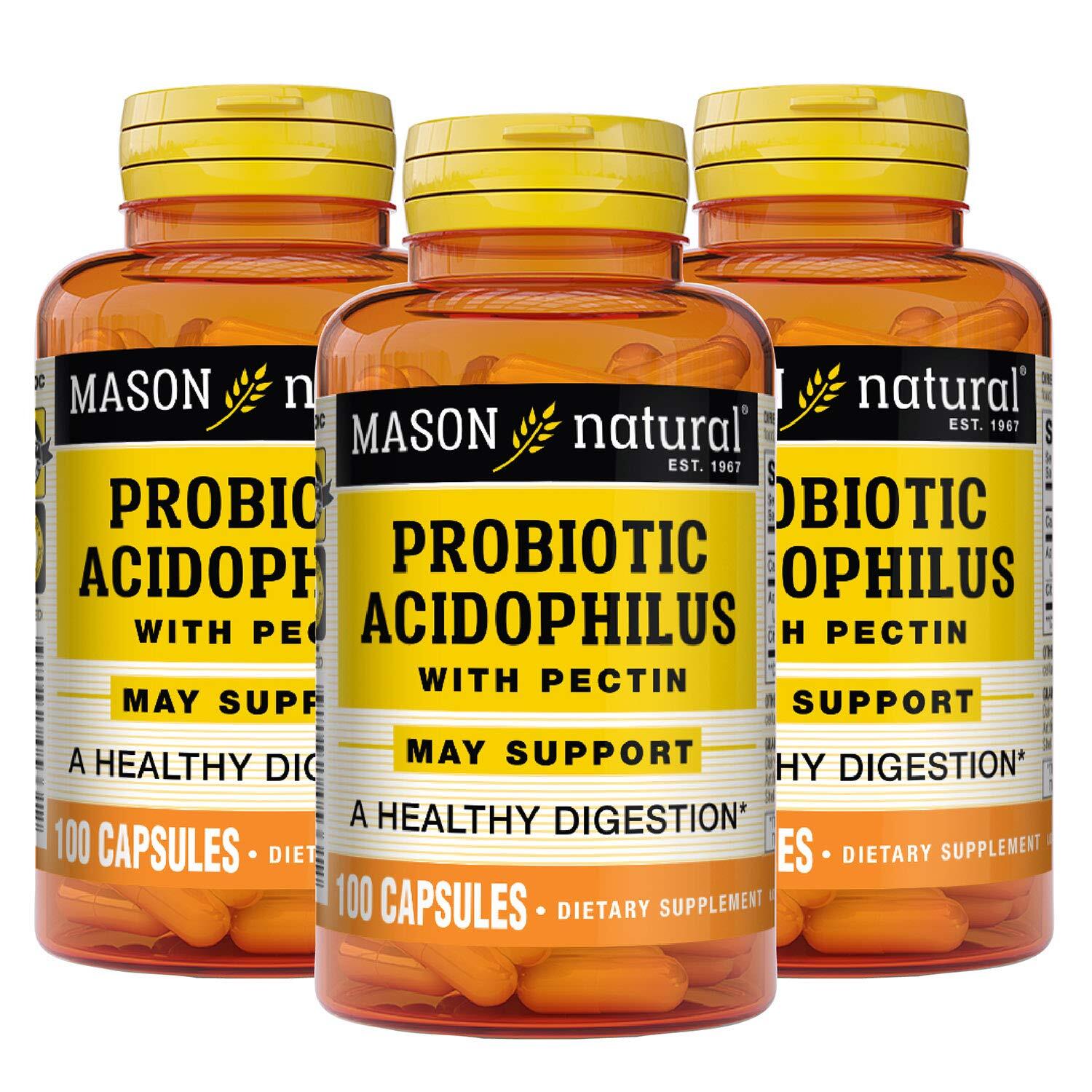

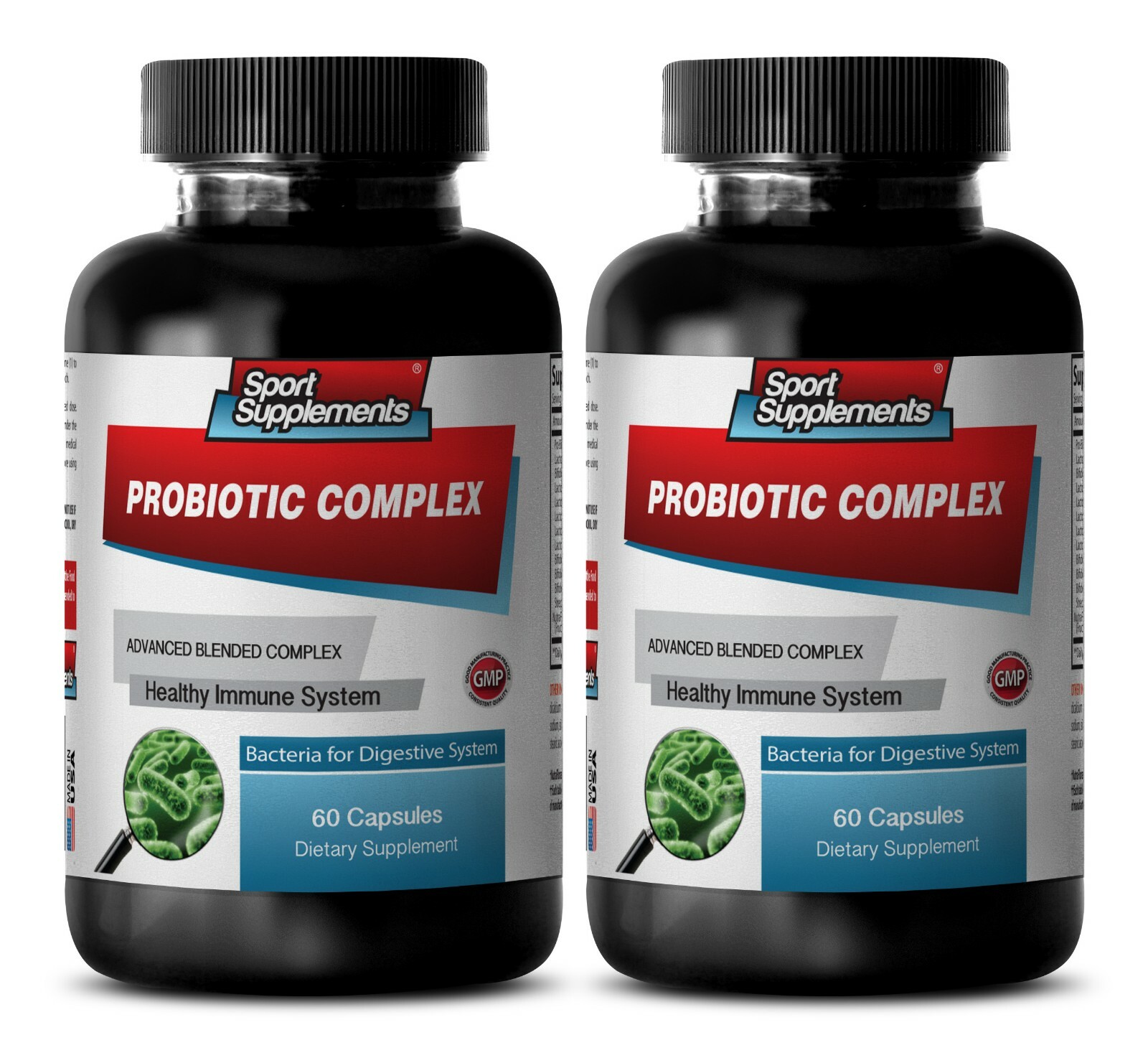
Photos from current listings. Actual item, color, and included accessories may vary.
Natural Probiotic Buying Guide
Natural probiotics are live microbial supplements that support digestive and immune health without synthetic additives, but their efficacy hinges on strain specificity, CFU count at expiry, and delivery format. The core trade-off is between high-CFU multi-strain capsules with delayed-release technology and simpler single-strain powders or tablets that may lack acid resistance. Choose a product with documented strains, a guaranteed potency through expiration, and third-party testing; avoid vague 'proprietary blends' and unverified CFU claims.
Median $45.33
Key takeaways
- CFU counts range from 5 billion to 120 billion per serving; higher counts are not always better—strain diversity and survivability matter more for gut colonization.
- Delayed-release capsules or enteric coatings protect probiotics from stomach acid, while standard capsules and tablets may release bacteria too early, reducing live delivery to the intestines.
- Multi-strain formulas (e.g., 10 strains) more closely mimic natural gut flora than single-strain products like L. acidophilus alone, which is best for targeted support.
At a glance
- Category
- Probiotics & Digestion
- Last updated
- Nov 28, 2026
Current offers
Highlights
- CFU counts range from 5 billion to 120 billion per serving; higher counts are not always better—strain diversity and survivability matter more for gut colonization.
- Delayed-release capsules or enteric coatings protect probiotics from stomach acid, while standard capsules and tablets may release bacteria too early, reducing live delivery to the intestines.
- Multi-strain formulas (e.g., 10 strains) more closely mimic natural gut flora than single-strain products like L. acidophilus alone, which is best for targeted support.
- Prebiotics (e.g., inulin, FOS) are often added to feed probiotics; look for a prebiotic-probiotic combination to enhance engraftment and persistence.
Best use cases
- For daily maintenance and immune support: choose a 10–50 billion CFU multi-strain capsule with delayed release; skip 100+ billion CFU products unless directed by a healthcare provider.
- For women’s specific needs: select formulas containing Lactobacillus crispatus or L. jensenii strains with at least 10 billion CFU, and avoid generic blends lacking vaginal-health strains.
- For antibiotic recovery: pick a high-potency (50–100 billion CFU) multi-strain product with Saccharomyces boulardii, and avoid single-strain acidophilus that may not counter dysbiosis effectively.
- For sensitive stomachs: opt for powder or chewable formats with lower CFU (5–10 billion) and no added prebiotics, skipping capsules with high CFU that can cause bloating.
Buying tips
- Check the CFU count at the time of expiration, not just at manufacture; a product labeled '50 billion at time of manufacture' may have far fewer live cultures by expiry.
- Look for at least 3–5 well-studied strains (e.g., Lactobacillus rhamnosus GG, Bifidobacterium lactis BB-12) rather than undocumented blends; strain identity ensures targeted benefits.
- Choose delayed-release capsules or enteric-coated tablets for delivery past the stomach; powders and standard capsules are better for general use but may have lower survival.
- Verify third-party testing (e.g., NSF, USP) for potency and purity; natural probiotics should be free of allergens and synthetic fillers, especially for sensitive users.
Specs
| CFU Count | 5–120 billion per serving |
|---|---|
| Strain Diversity | Single vs multi-strain (3–10+) |
| Delivery Format | Capsule / tablet / powder / chewable |
| Prebiotic Included | Yes / No (inulin, FOS) |
Related searches
What to check before buying
- Confirm storage requirements: some probiotics require refrigeration to maintain potency, while shelf-stable versions use freeze-drying; match to your storage conditions.
- Check allergen and filler list: natural products should avoid common allergens (dairy, gluten, soy) and artificial colors; read the ingredient panel carefully.
- Ensure the CFU count meets your needs: for daily maintenance, 10–30 billion CFU is sufficient; for therapeutic use, consult a practitioner for higher doses.
- Verify capsule or tablet size: if you have difficulty swallowing, choose smaller capsules, powders, or chewables; 300-count bottles are convenient for long-term use.
FAQ
Data sources: eBay / Amazon listings and product attribute feeds. Updated Nov 28, 2026.
Some links on this page are affiliate links. If you buy after clicking one, we may earn a commission at no extra cost to you. This does not change which products appear here or their order. Affiliate disclosure.