
Photos from current listings. Actual item, color, and included accessories may vary.
Probiotic Adult Buying Guide
Adult probiotics are live-microbe dietary supplements that support digestive and immune health, where efficacy hinges on CFU count at expiry, strain specificity, and delayed-release capsule construction. The primary trade-off is between high-CFU multi-strain blends and spore-based formulas that survive stomach acid without refrigeration. Choose a product with third-party viability testing and clear strain IDs; skip vague 'probiotic blend' labels with no CFU guarantee at expiry.
Median $28.95
Key takeaways
- CFU potency must be guaranteed through expiry, not at manufacture—look for 'CFU at expiration' with a 10-100 billion range for daily adult maintenance.
- Spore-based probiotics (Bacillus subtilis, B. coagulans) are shelf-stable and acid-resistant, while Lactobacillus/Bifidobacterium blends require delayed-release veggie capsules or refrigeration.
- Strain specificity matters: Lactobacillus rhamnosus GG and Bifidobacterium lactis BB-12 have the most human clinical trials for digestive support and immune response.
At a glance
- Category
- Probiotics & Digestion
- Last updated
- Nov 27, 2026
Current offers
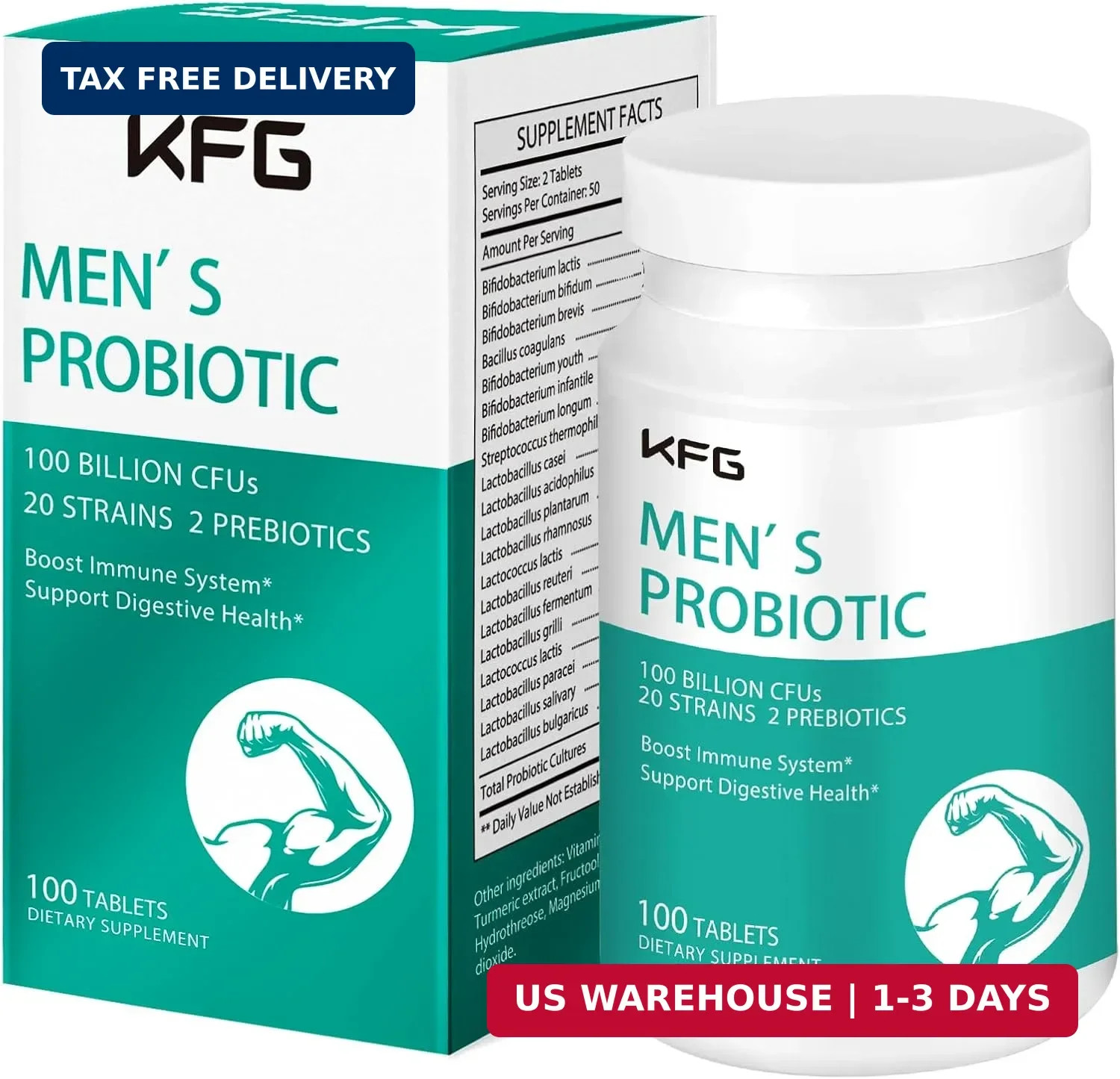 Probiotic Supplement 100 Billion CFU, 20 Strains, 2 Prebiotics and Digestive Enz$11.90View on eBay
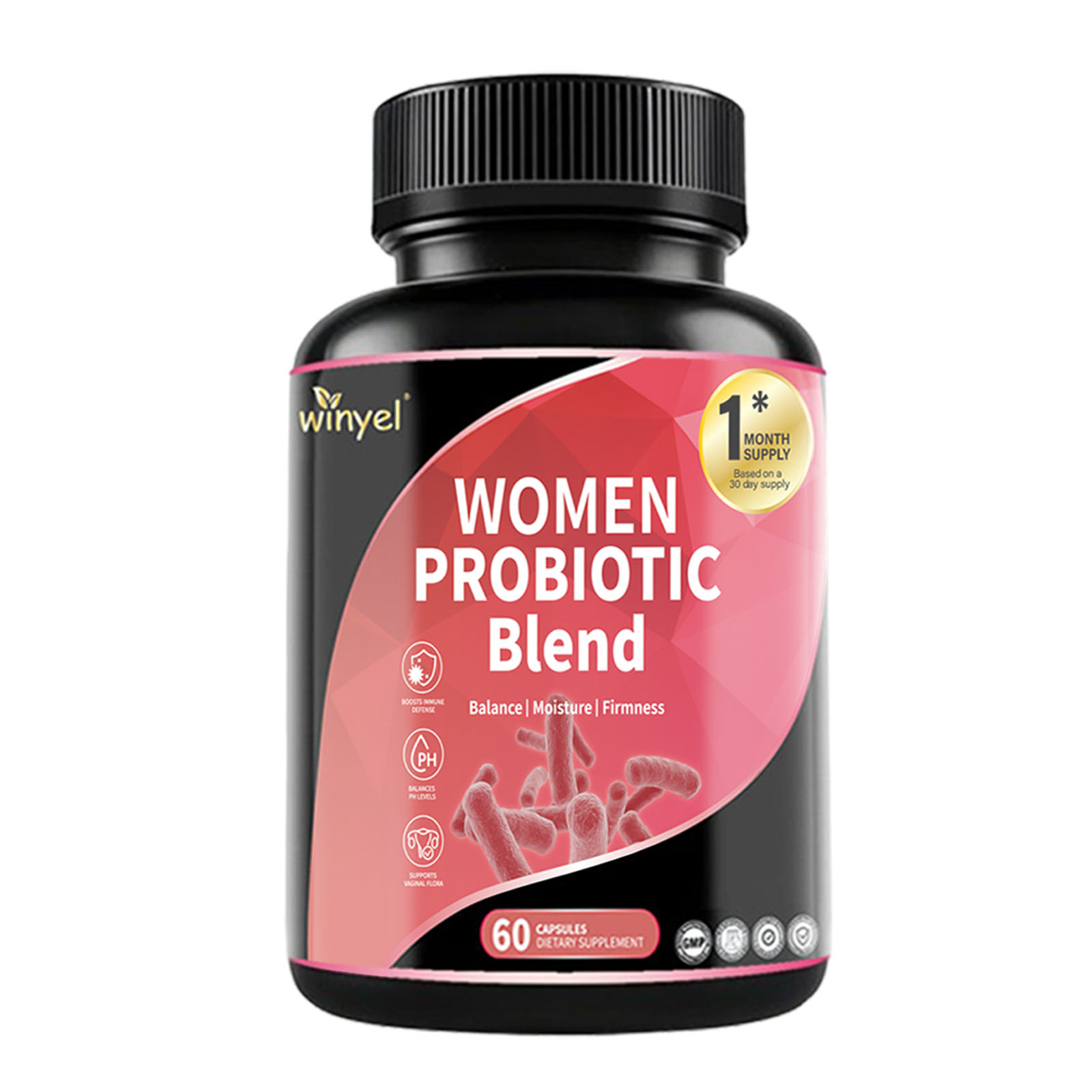 Women's Probiotics For Women PH Balance With Prebiotics, Lactobacillus Probiotic Blend And Herb - Health Supplement, 60 Count$19.99View on Mallflare
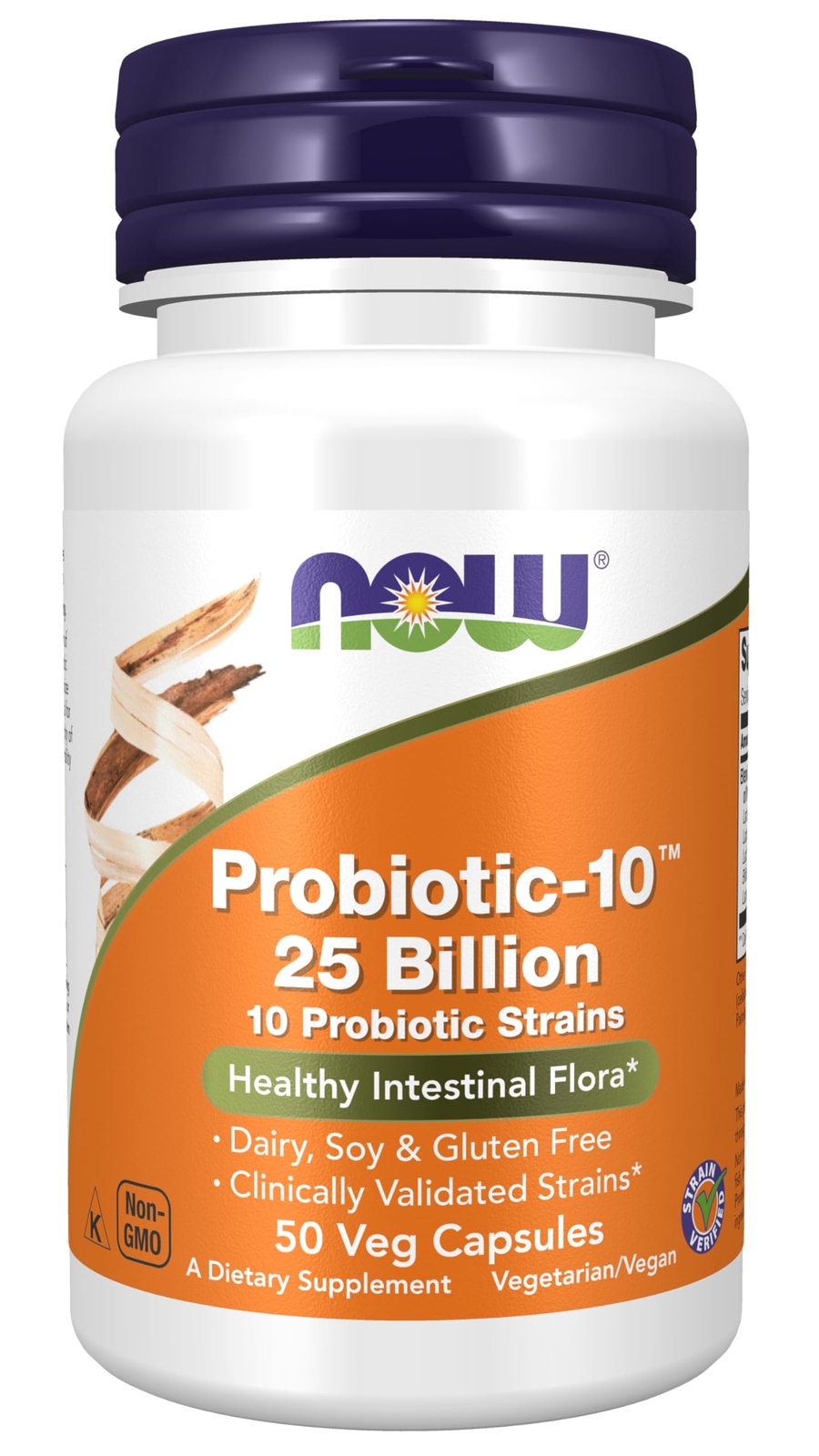 Probiotic 10 Nutritional Supplement 50 Capsules 10 Strains Healthy Digestive ...$19.79Last checked Nov 26, 2026View on eBay
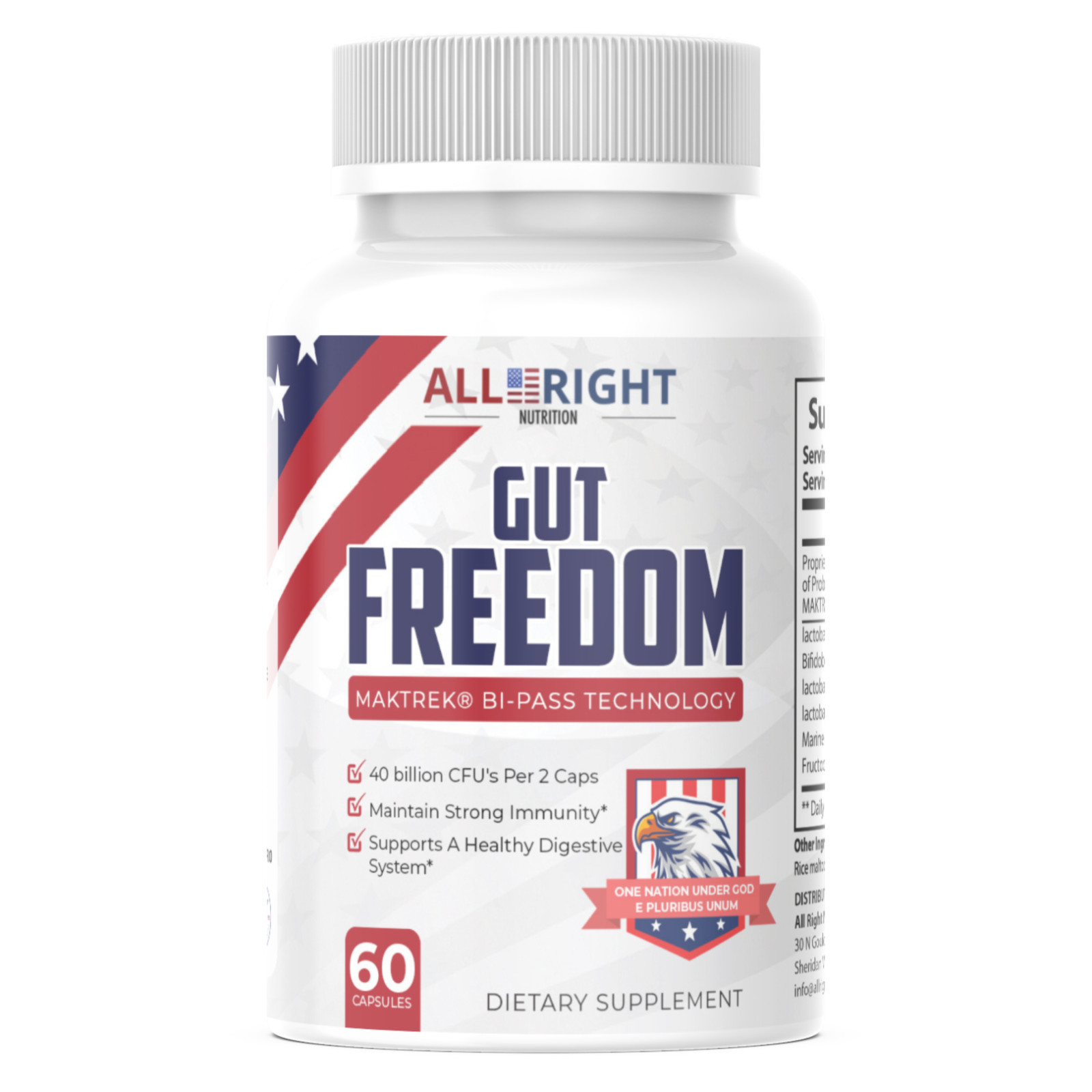 All Right Nutrition GUT FREEDOM Probiotic For Gut Health Dietary Supplement 60$21.95Last checked Nov 24, 2026View on eBay
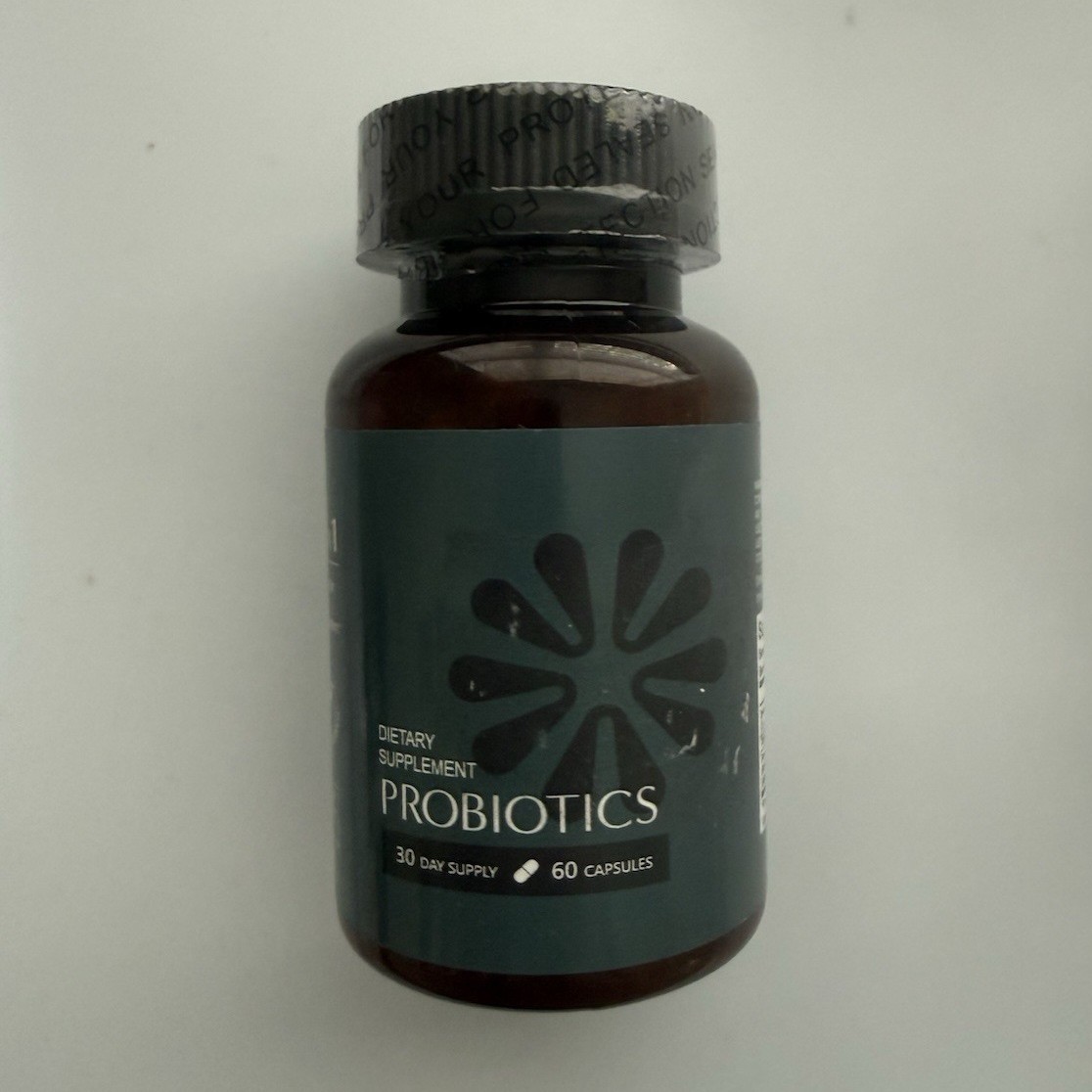 Probiotic Digestive Support Supplement 60 Capsules Vegetarian 30 Day Supply$22.95Last checked Nov 21, 2026View on eBay
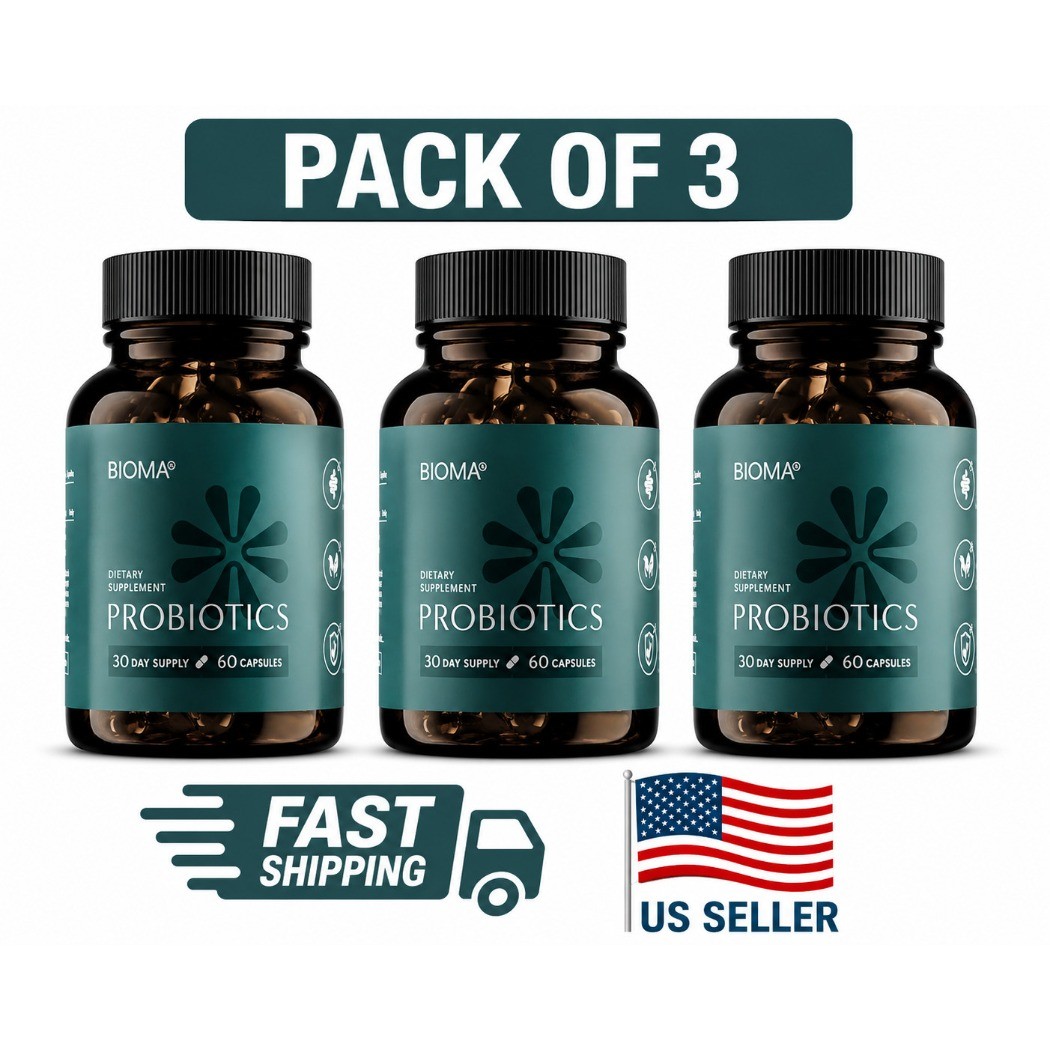 3Pack New Probiotics Dietary Supplement BIOMA Formula for Men and Women$23.66View on eBay
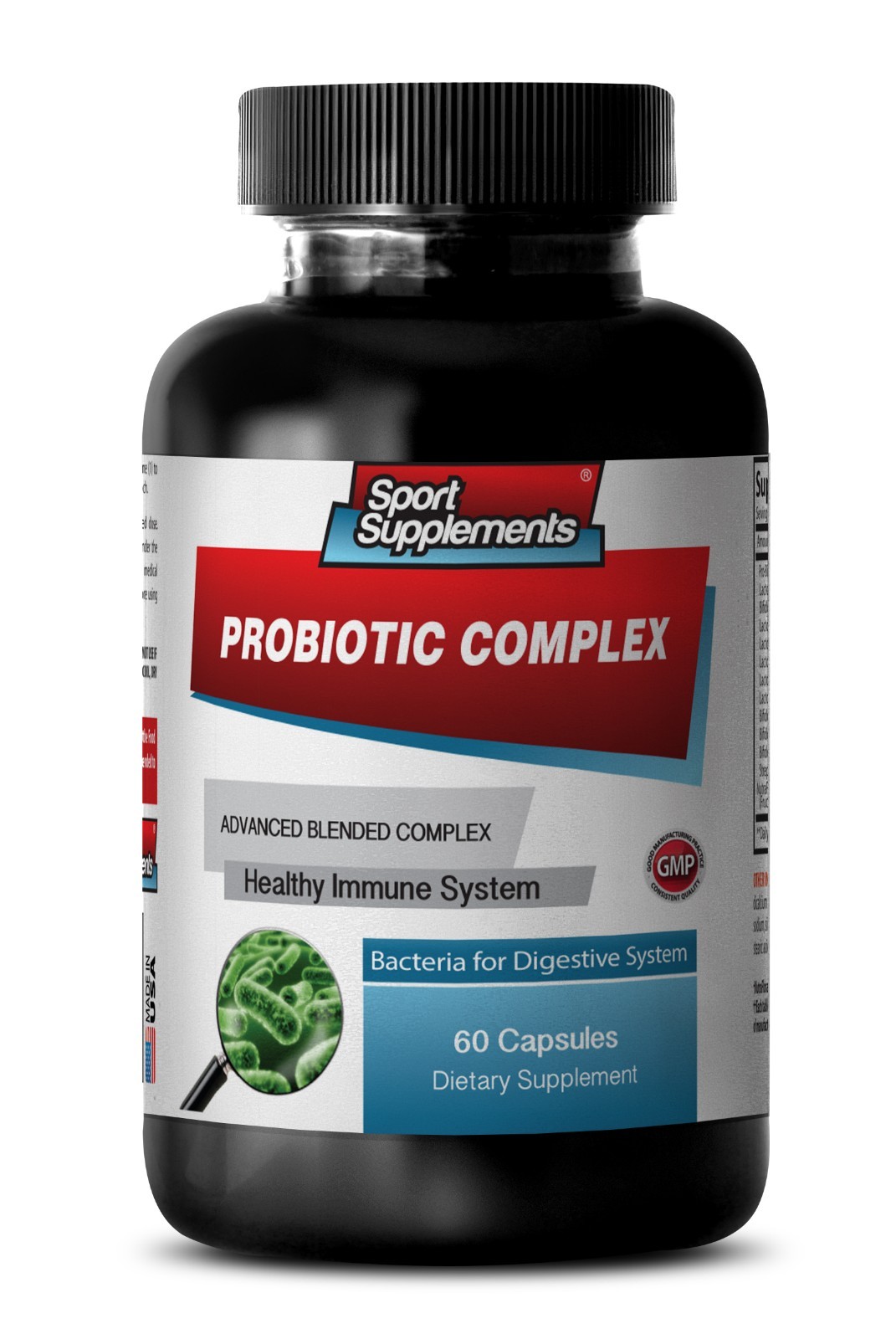 digestive aid supplement - PROBIOTIC COMPLEX - probiotic capsules 1 Bottle$24.54Last checked Nov 20, 2026View on eBay
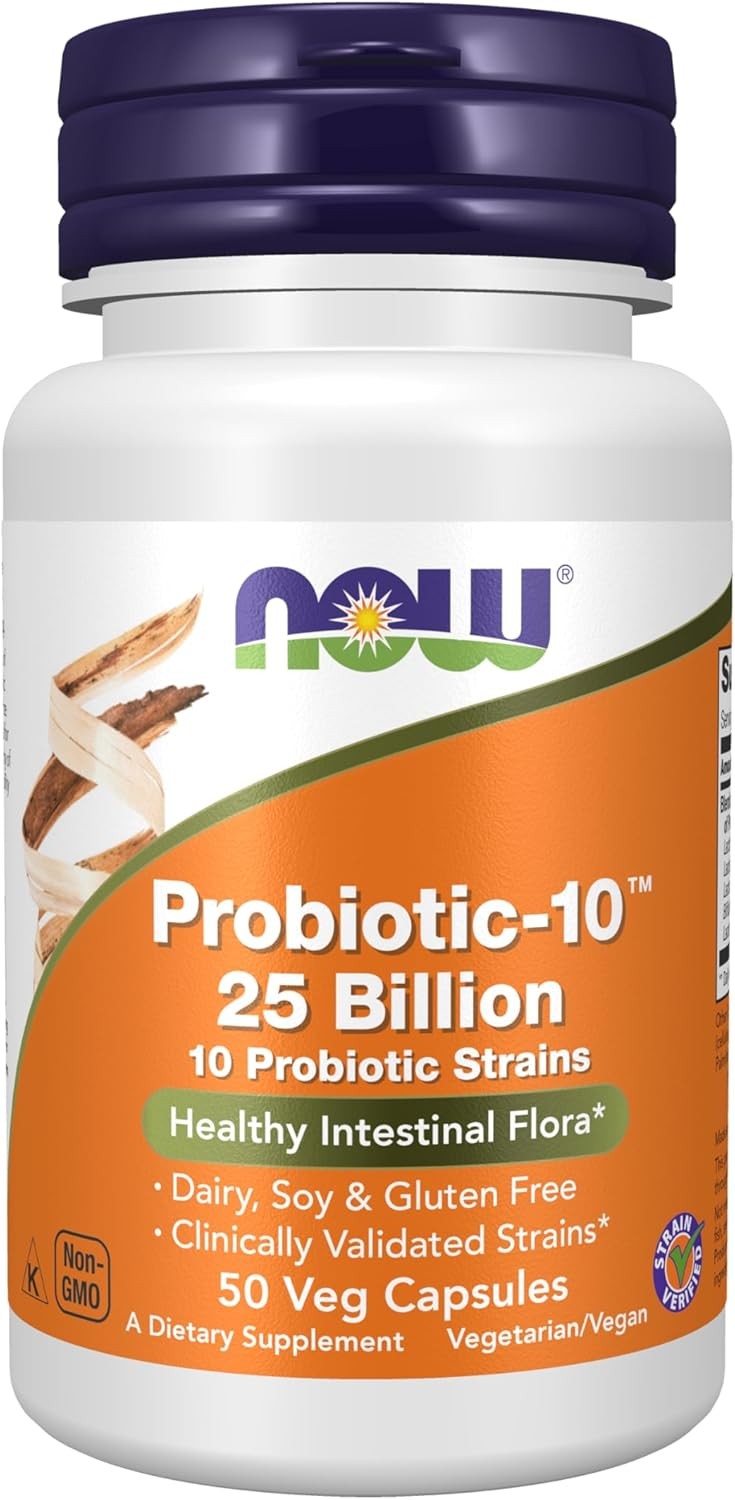 NOW Foods Supplements, Probiotic-10™, 25 Billion, with 10 Probiotic Strains$24.86Last checked Nov 20, 2026View on eBay
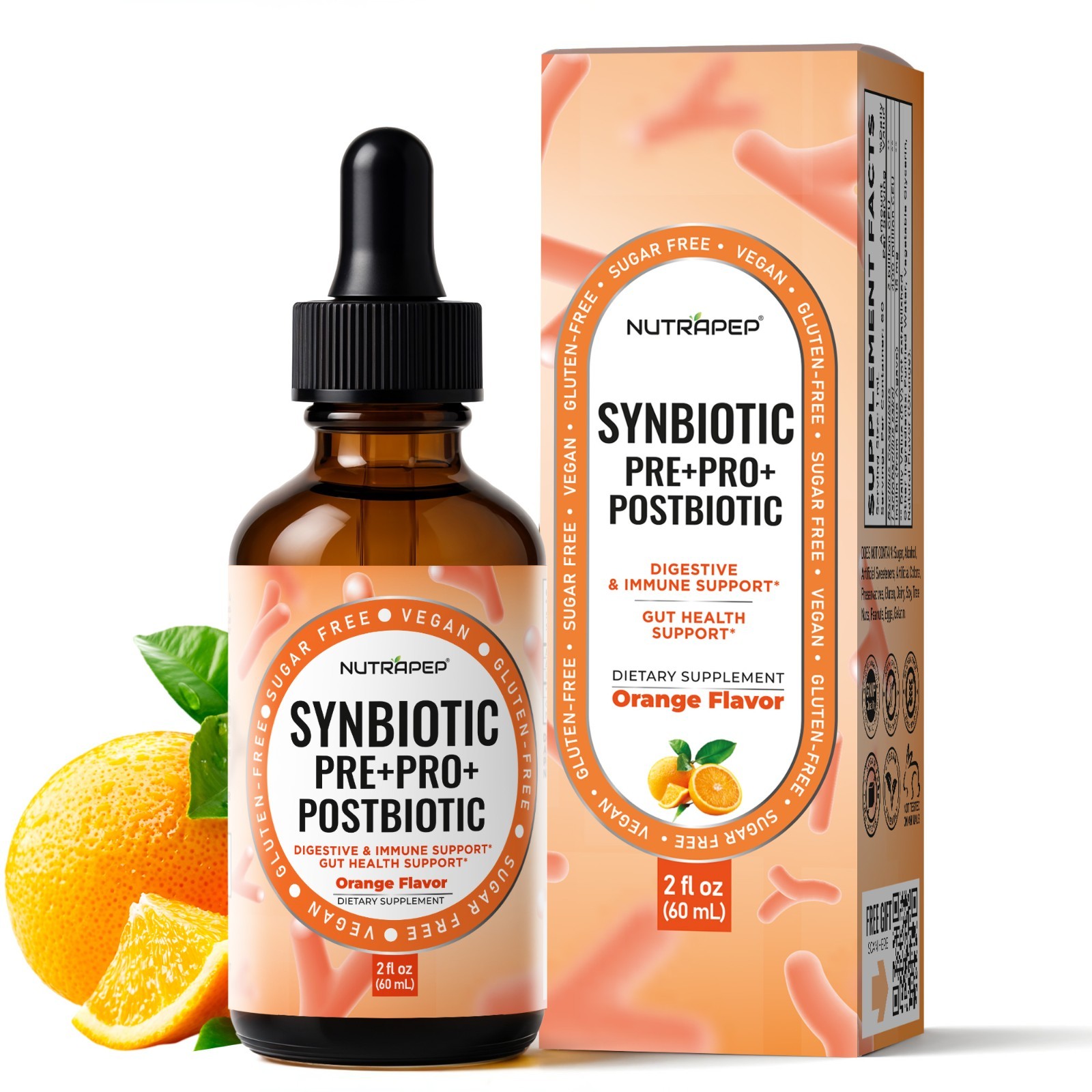 NutraPep Synbiotic Liquid Drops - Probiotic Prebiotic & Postbiotic Supplement$24.99Last checked Nov 24, 2026View on eBay
 NOW Foods Supplements, Clinical GI Probiotic™, 50+ Formula, Strain Verified, 60$25.22Last checked Nov 26, 2026View on eBay
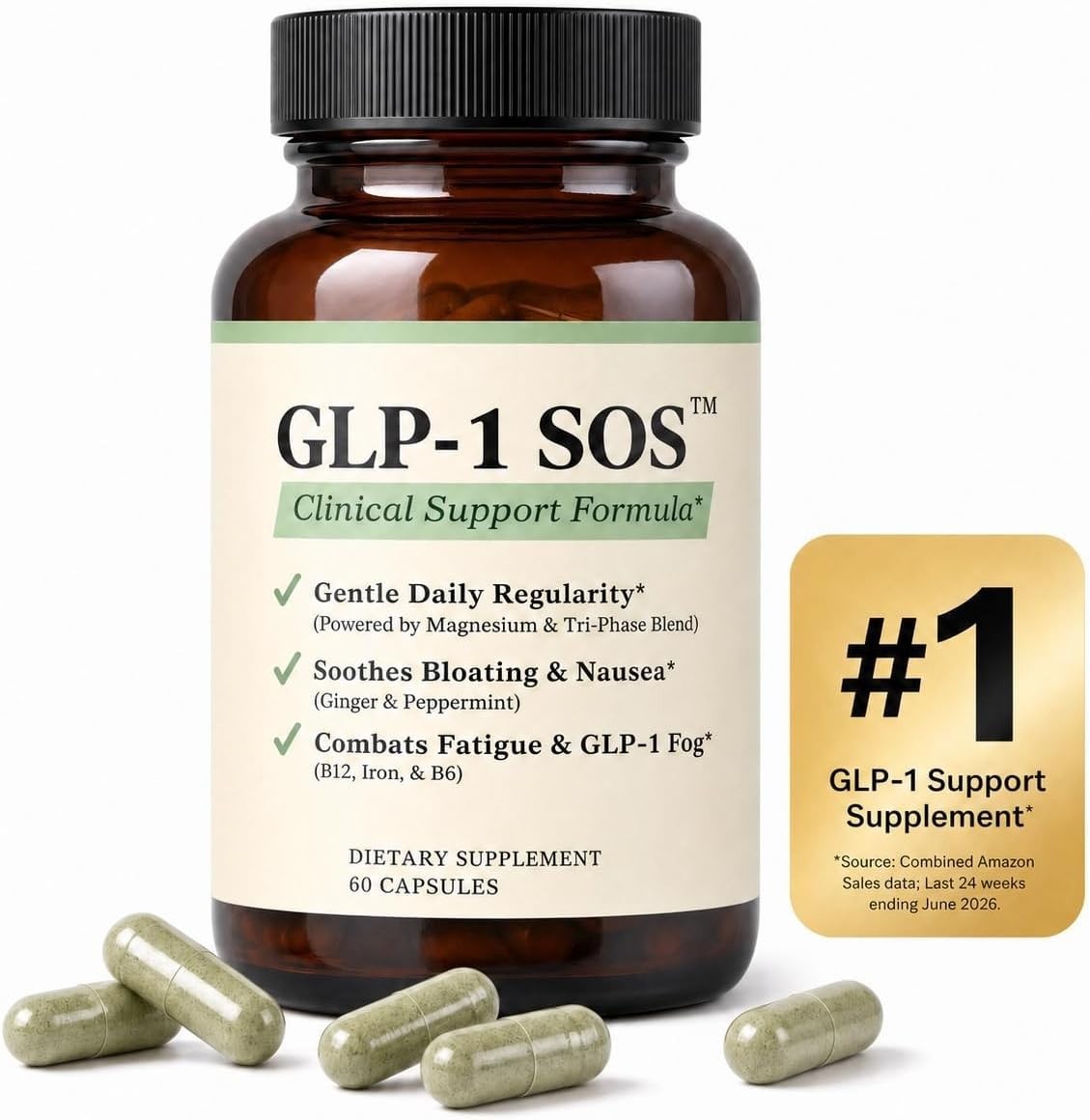 Digestive Support 60 Caps Probiotic Magnesium Ginger B12 Supplement | Free Ship$25.49View on eBay
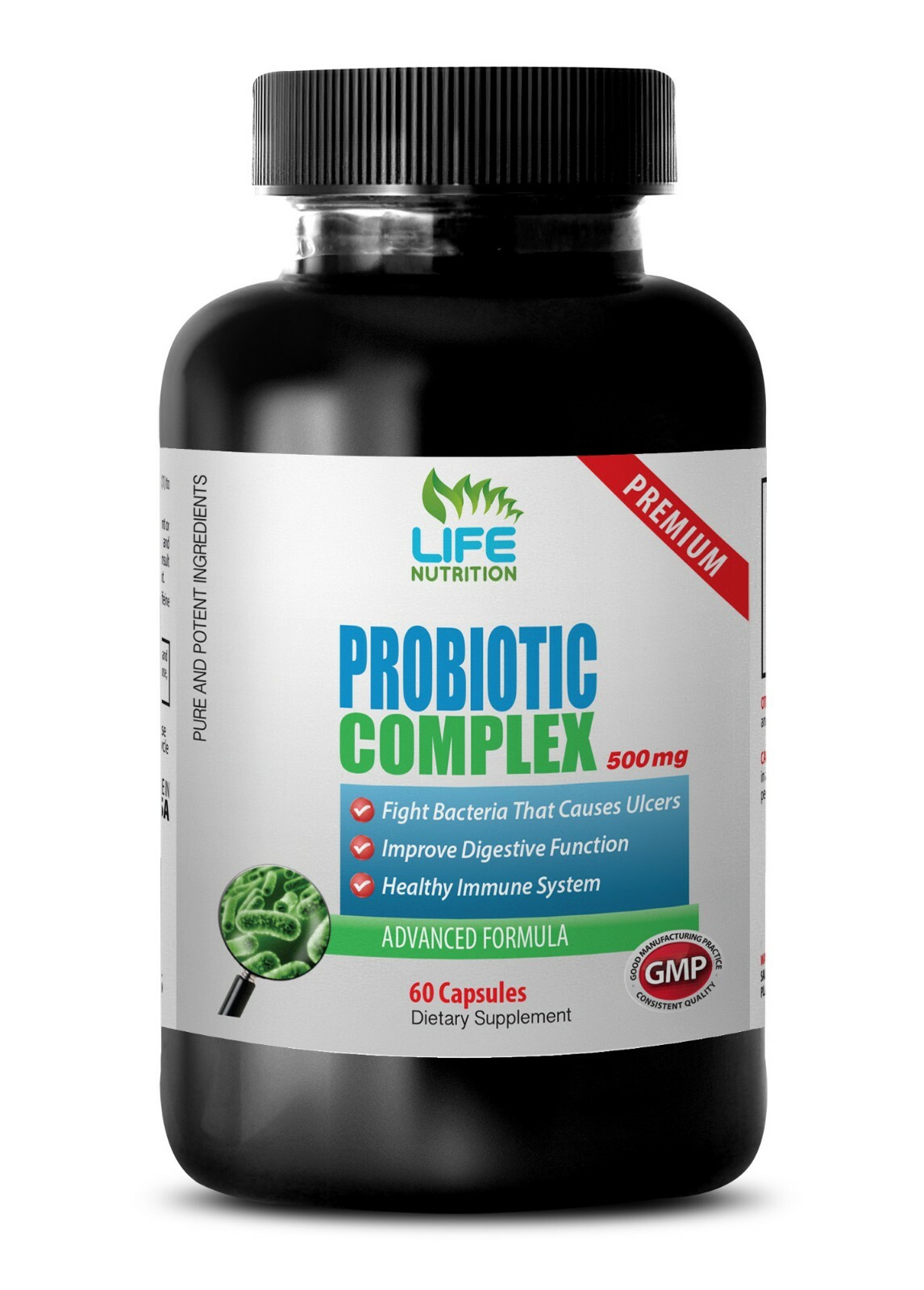 probiotic capsules - PROBIOTIC COMPLEX 500mg - digestive health supplement 1B$25.91Last checked Nov 20, 2026View on eBay
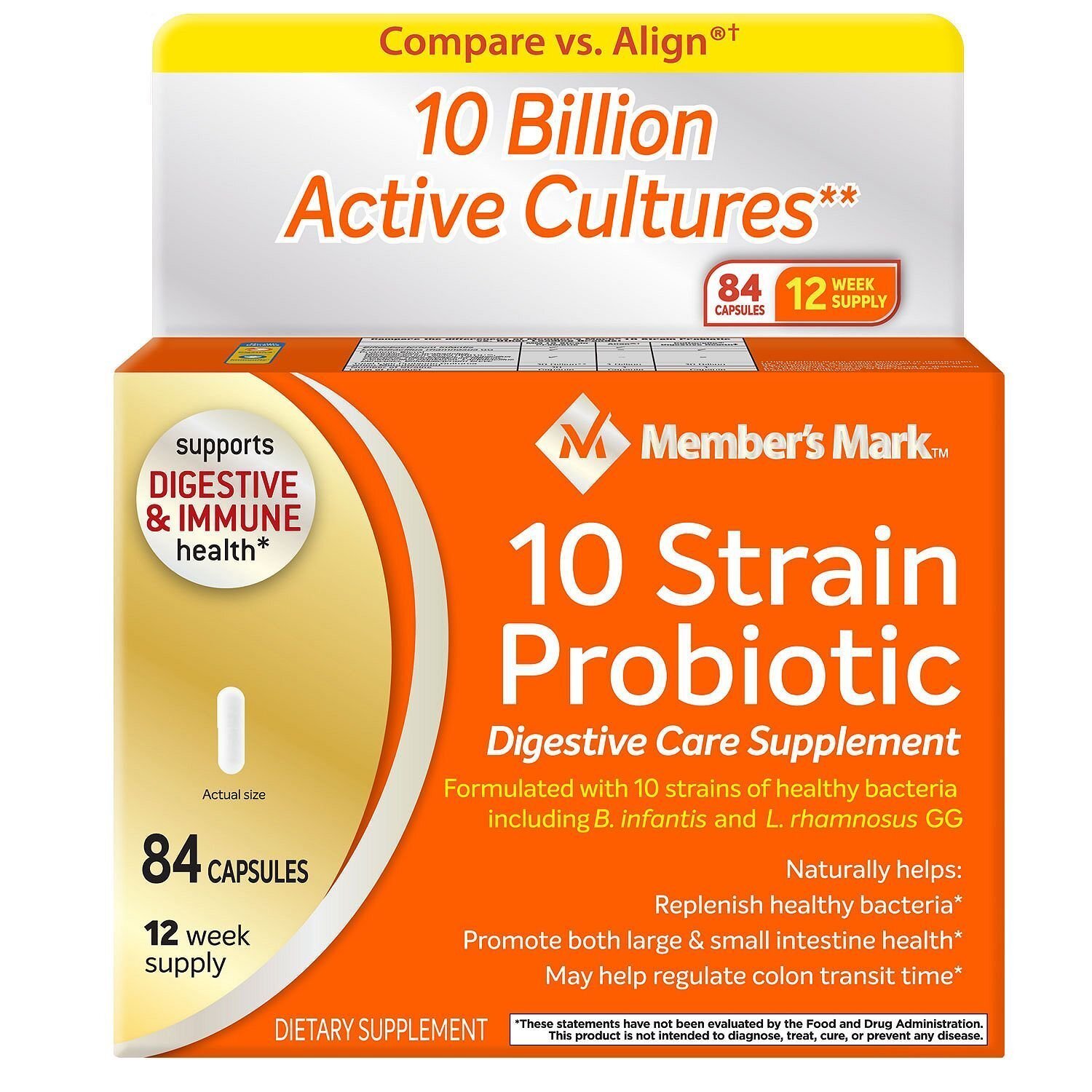 Member's Mark 5x Probiotic Digestive Care Supplement - 2/42ct. Bottles$26.80Last checked Nov 19, 2026View on eBay
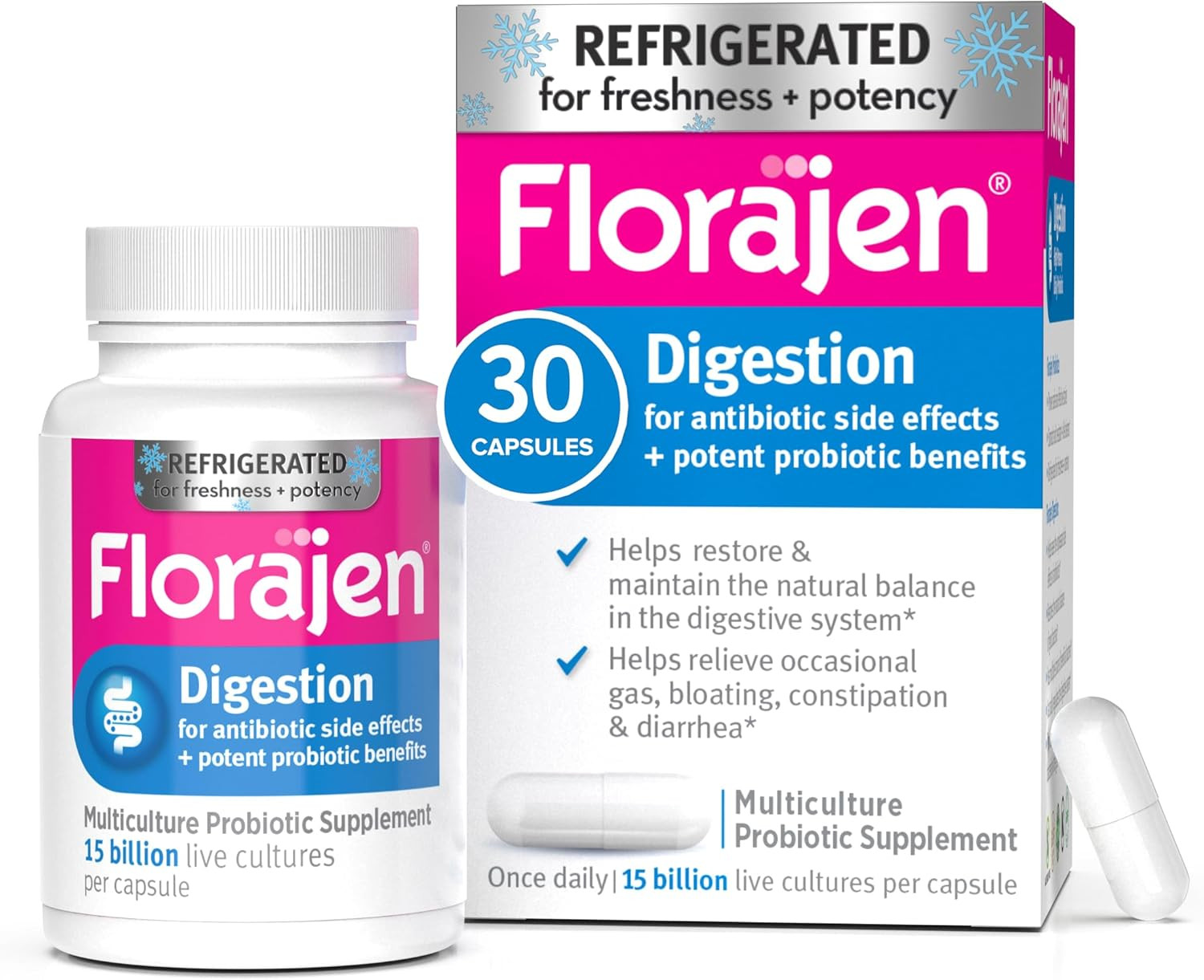 Digestion Probiotics, Gut Health Supplement with Constipation and Bloating Re...$26.95View on eBay
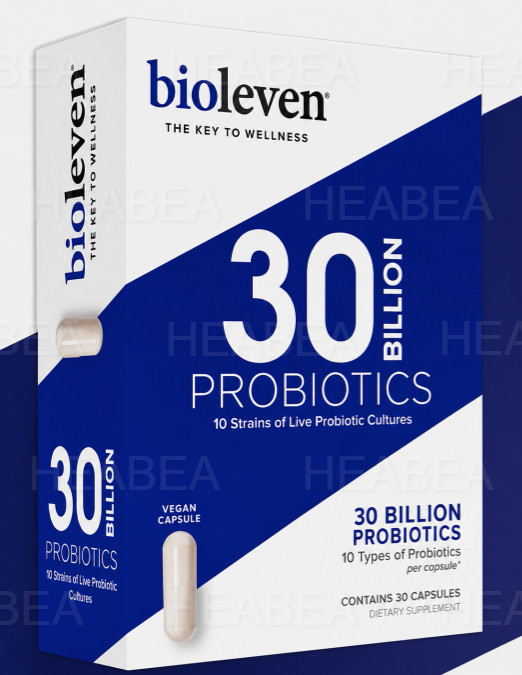 NUTRITIONAL SUPPLEMENT: Bioleven Probiotics 30 Billion Probiotics Per Capsule$28.95Last checked Nov 21, 2026View on eBay
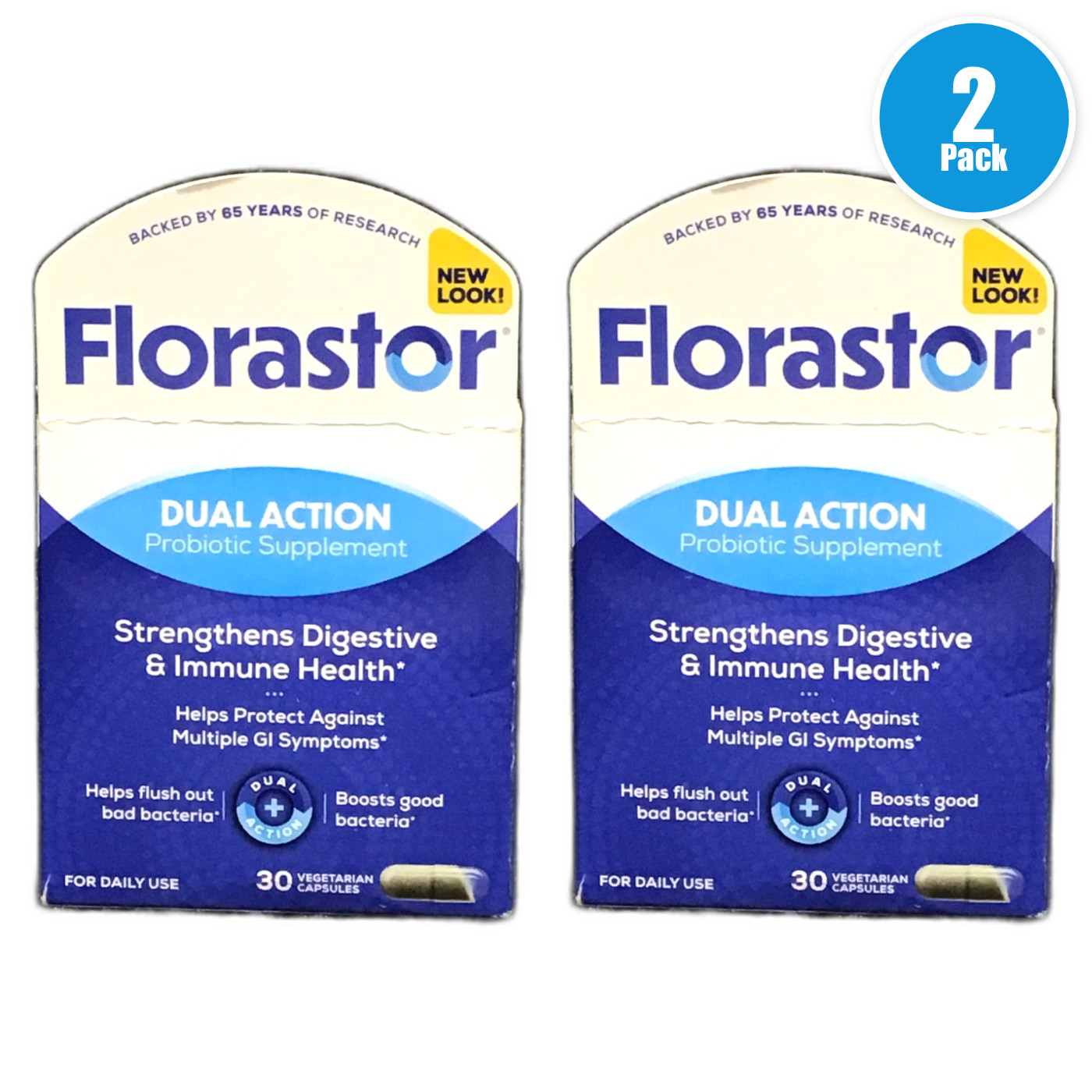 Florastor Daily Dual Action Probiotic Supplement Men Exp 12/27 Pack of 2 New$29.92View on eBay
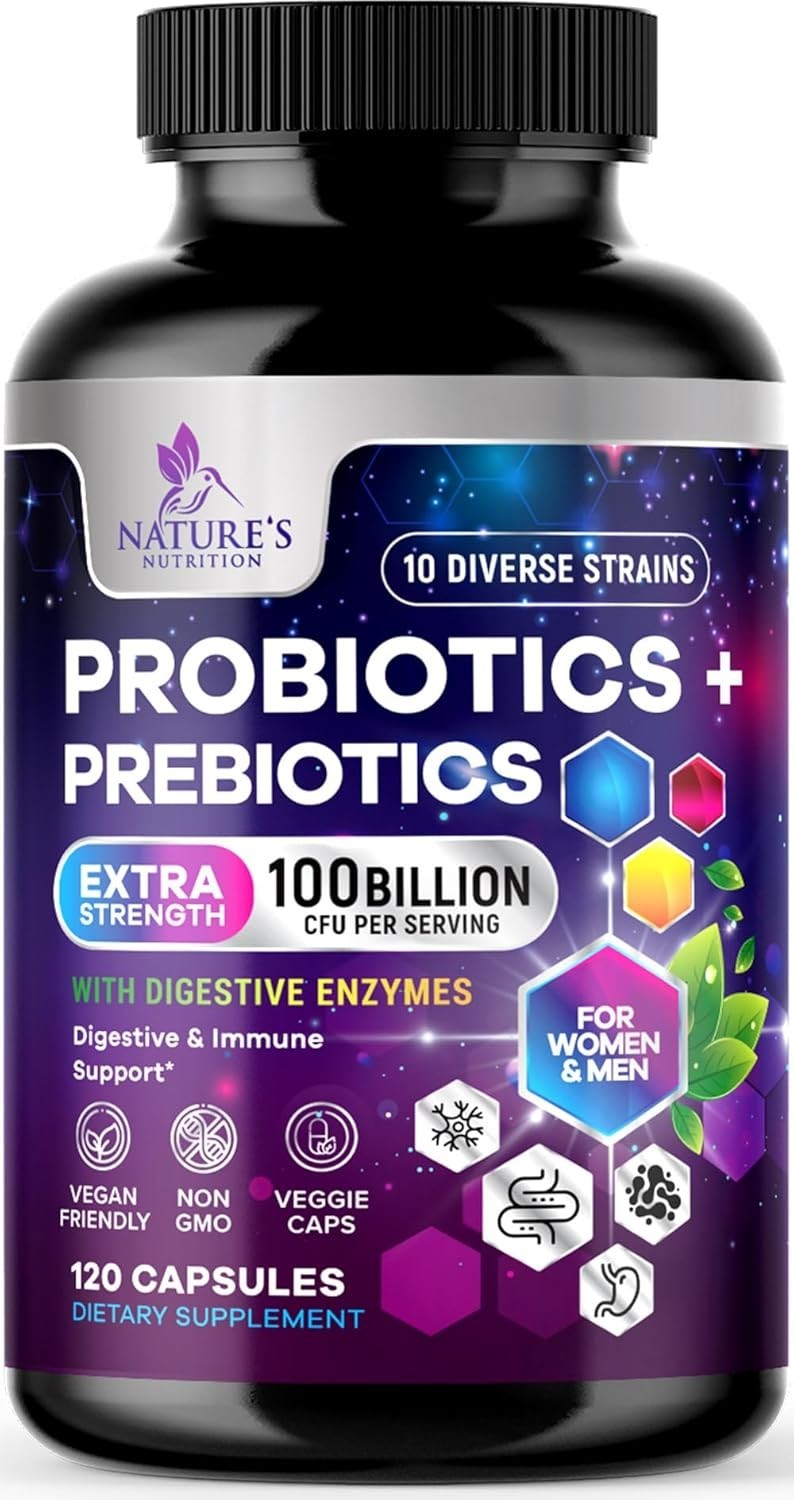 Daily Probiotic and Prebiotic Supplement 100 Billion CFU 10 Diverse Strains$30.02Last checked Nov 24, 2026View on eBay
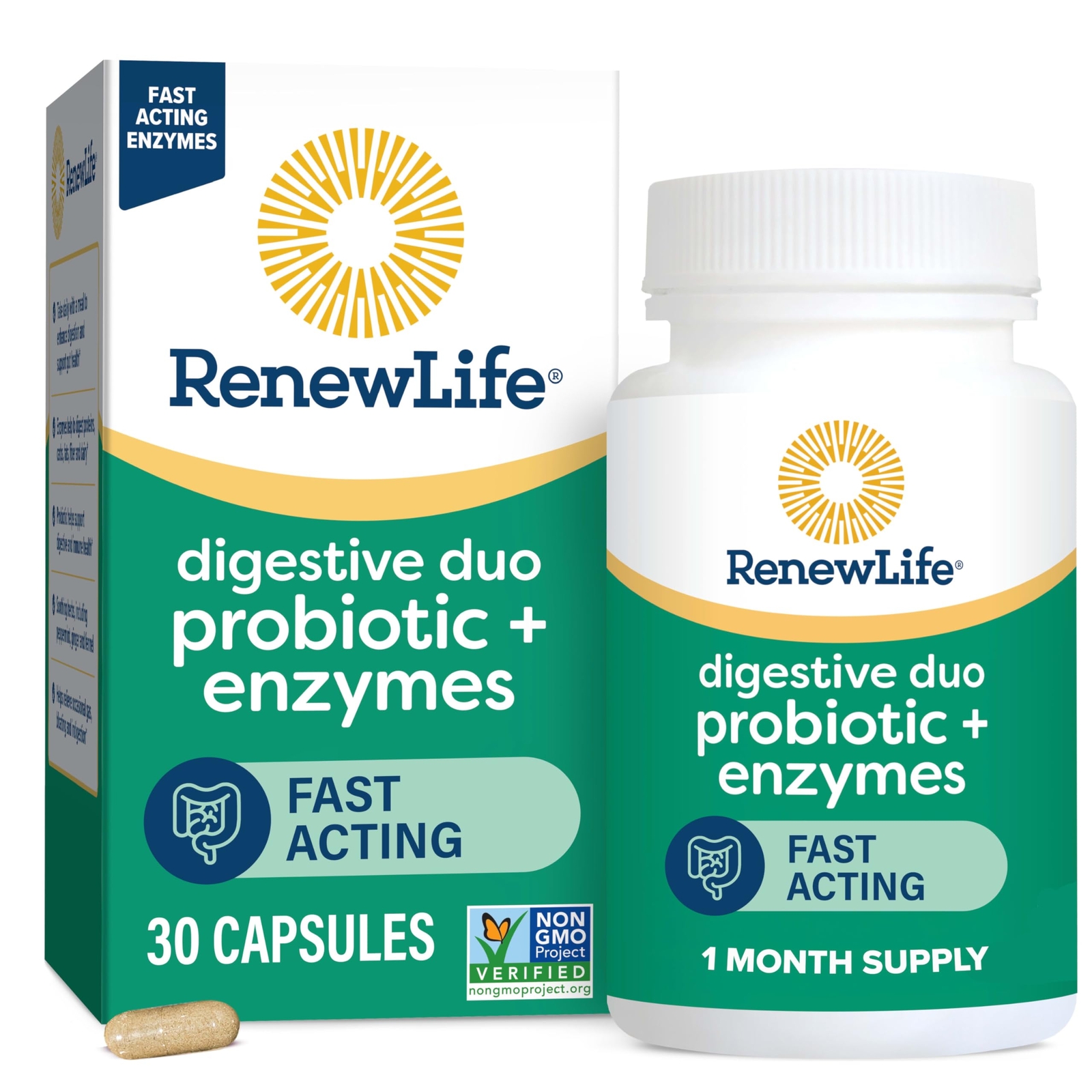 Renew Life Digestive Duo Probiotic Enzymes Supplement 30 Vegetarian Capsules$30.09Last checked Nov 20, 2026View on eBay
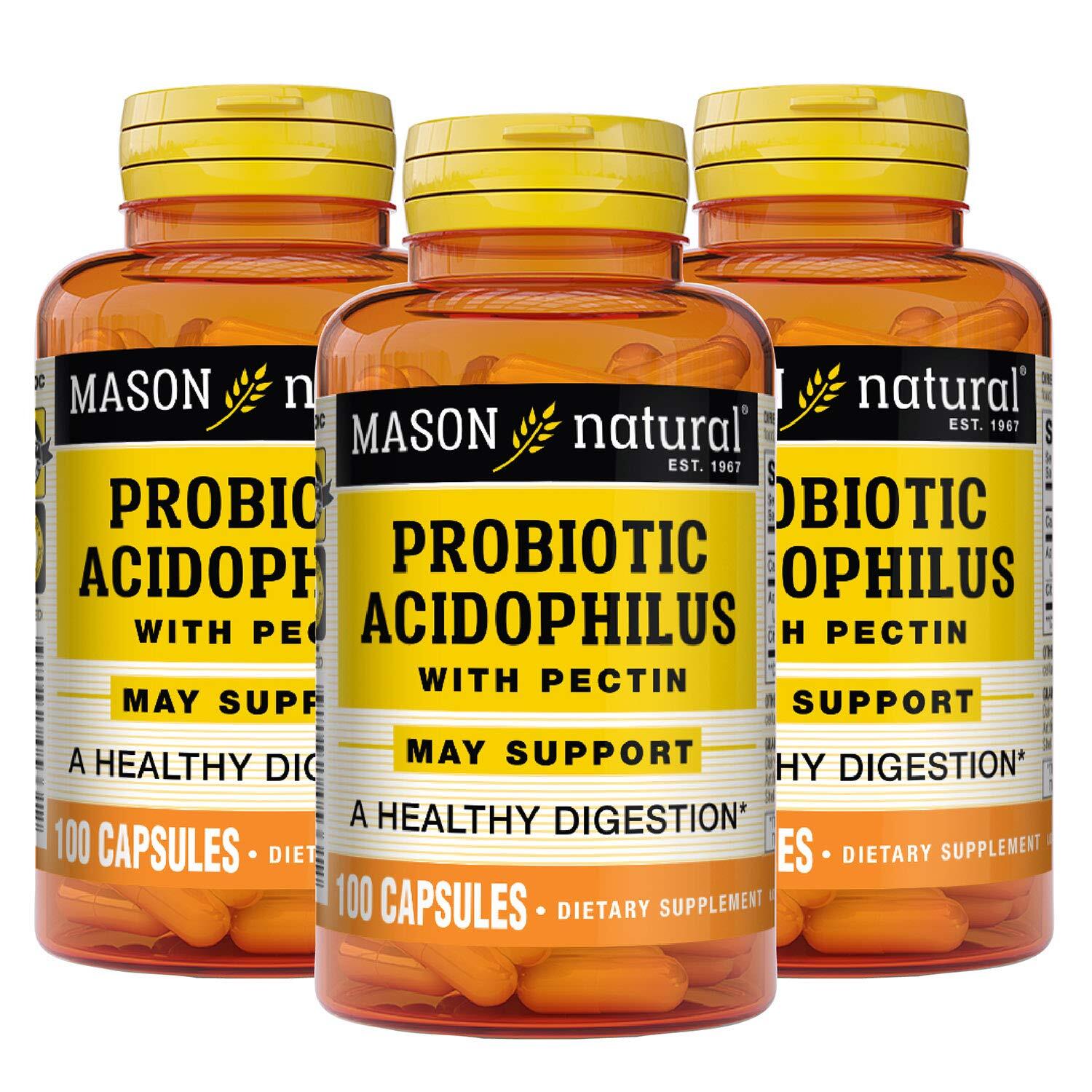 Mason Natural Acidophilus Probiotic Supplement 300 Count Digestive Health Sup...$31.29Last checked Nov 19, 2026View on eBay
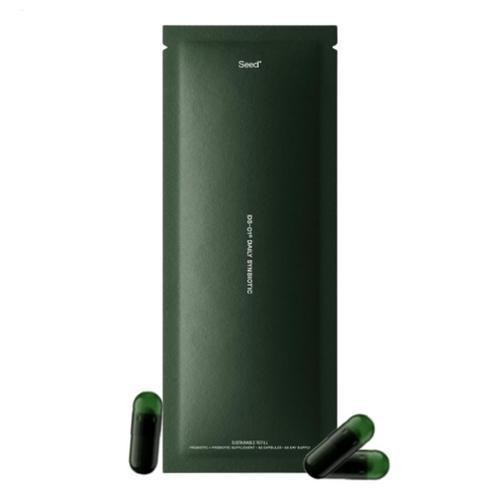 Seed DS-01 Daily Synbiotic Prebiotic & Probiotic Health Supplements 1 Pack$31.99View on eBay
Highlights
- CFU potency must be guaranteed through expiry, not at manufacture—look for 'CFU at expiration' with a 10-100 billion range for daily adult maintenance.
- Spore-based probiotics (Bacillus subtilis, B. coagulans) are shelf-stable and acid-resistant, while Lactobacillus/Bifidobacterium blends require delayed-release veggie capsules or refrigeration.
- Strain specificity matters: Lactobacillus rhamnosus GG and Bifidobacterium lactis BB-12 have the most human clinical trials for digestive support and immune response.
- Delayed-release or enteric-coated capsules protect live cultures from stomach acid; powder or chewable formats expose microbes to gastric pH and reduce viable delivery to the intestine.
Best use cases
- Best fit: daily digestive maintenance—choose a 10-50 billion CFU multi-strain Lactobacillus/Bifidobacterium blend in delayed-release capsules; skip 100+ billion CFU unless directed by a clinician.
- Best fit: travel or no-refrigeration situations—pick a spore-based Bacillus formula with a shelf-stable CFU guarantee; skip refrigerated Lactobacillus bottles for carry-on use.
- Best fit: antibiotic-associated recovery—select Saccharomyces boulardii or a multi-strain product with clinical strain IDs; skip generic 'digestive aid' blends with undisclosed strains.
- Wrong fit: seeking immediate symptom relief—probiotics colonize over weeks, not hours; choose targeted OTC digestive enzymes or antacids for acute discomfort instead.
Buying tips
- Match CFU to goal: 10-50 billion for daily maintenance, 50-100 billion for short-term recovery, and 100+ billion only under clinical guidance—higher CFU is not automatically better.
- Verify strain IDs on the label (e.g., L. rhamnosus GG, B. lactis BB-12); products listing only genus/species without strain designation lack documented clinical backing.
- Choose delayed-release veggie capsules over gelatin or powder for live Lactobacillus blends; spore-based Bacillus products are naturally acid-stable and need no coating.
- Check expiration-date CFU guarantees and third-party testing seals (USP, NSF, or GMP facility); 'at time of manufacture' labels overstate potency by 30-50% by expiry.
Specs
| CFU Strength | 10-100 billion CFU at expiry |
|---|---|
| Strain Type | Lactobacillus/Bifidobacterium vs Bacillus spore |
| Capsule Delivery | Delayed-release veggie vs gelatin vs powder |
| Storage Need | Refrigerated live vs shelf-stable spore |
Related searches
What to check before buying
- Confirm storage: refrigerated Lactobacillus blends need a cool, dry home spot; spore-based Bacillus products stay stable at room temperature.
- Check capsule format against swallowing ability—60-count bottles of large delayed-release capsules may suit some adults better than 300-count bulk with smaller pills.
- Verify no allergen cross-contamination: choose dairy-free, gluten-free, and soy-free formulations if sensitive, since many probiotic cultures are grown on dairy media.
- Match bottle count to usage duration: 30-count for a one-month trial, 60-count for two-month maintenance, and 300-count only if you have verified strain tolerance.
FAQ
Data sources: eBay / Amazon listings and product attribute feeds. Updated Nov 27, 2026.
Some links on this page are affiliate links. If you buy after clicking one, we may earn a commission at no extra cost to you. This does not change which products appear here or their order. Affiliate disclosure.