
Photos from current listings. Actual item, color, and included accessories may vary.
Probiotic Gas Buying Guide
Probiotic gas supplements are live-microbe or spore-based products formulated to reduce intestinal gas, bloating, and irregularity by shifting gut flora and supporting digestion. The primary trade-off is strain specificity and CFU count versus survivability and added digestive enzymes or prebiotics. Choose a product with clinically studied strains at a documented CFU and enteric or spore protection; avoid vague 'digestive aid' blends with undisclosed strains.
Median $27.95
Key takeaways
- Spore-based probiotics (Bacillus subtilis, B. coagulans) survive stomach acid without enteric coating and are shelf-stable at room temperature, unlike many Lactobacillus/Bifidobacterium strains that require refrigeration.
- CFU counts range from 5 billion to 100 billion; gas-specific relief typically targets 10-50 billion CFU with strains like L. plantarum, B. infantis, and S. boulardii that reduce gas-producing bacteria.
- Products combining probiotics with digestive enzymes (lactase, alpha-galactosidase) directly break down gas-causing carbohydrates and often outperform probiotic-only formulas for acute bloating.
At a glance
- Category
- Probiotics & Digestion
- Last updated
- Nov 27, 2026
Current offers
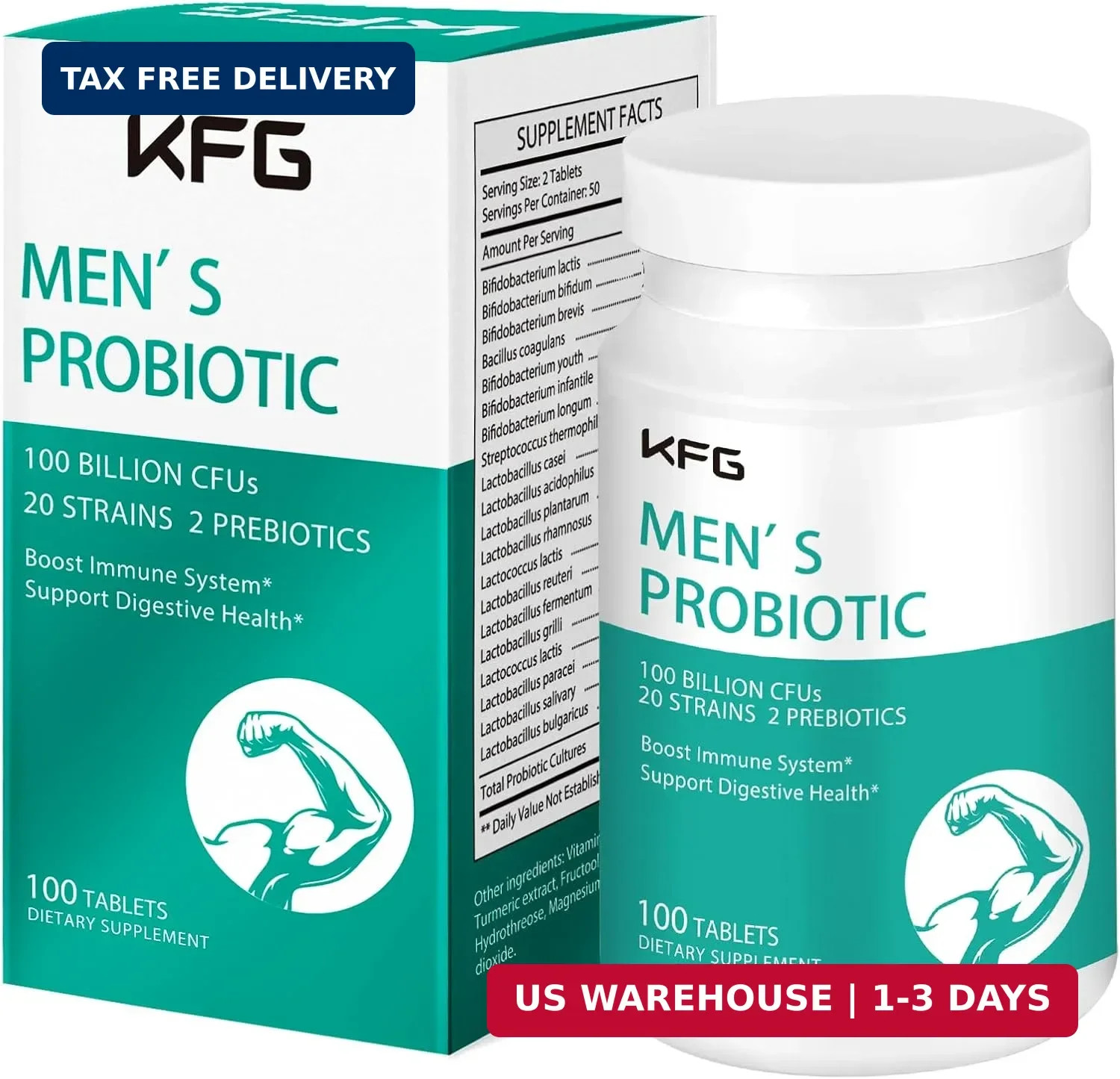 Probiotic Supplement 100 Billion CFU, 20 Strains, 2 Prebiotics and Digestive Enz$11.90View on eBay
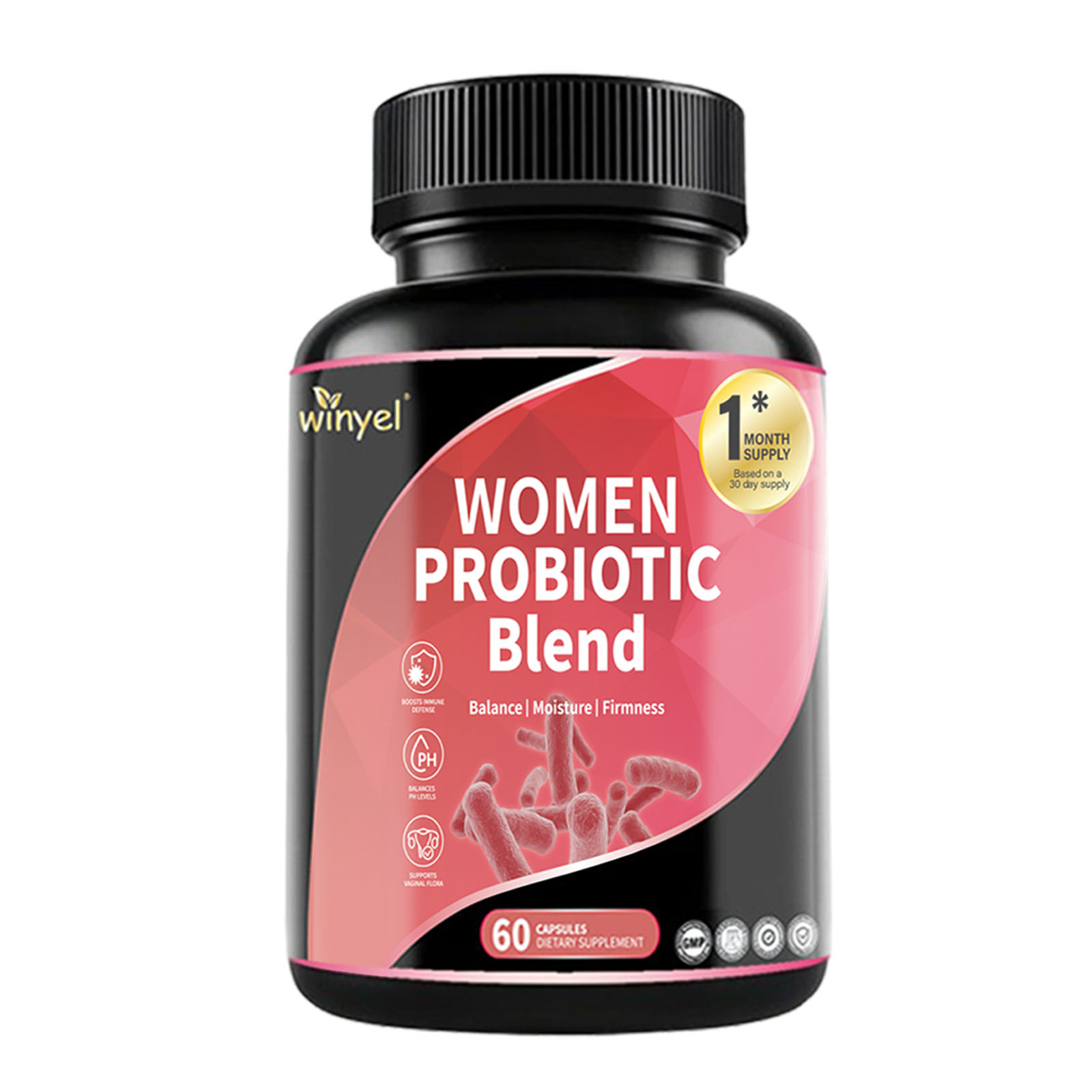 Women's Probiotics For Women PH Balance With Prebiotics, Lactobacillus Probiotic Blend And Herb - Health Supplement, 60 Count$19.99View on Mallflare
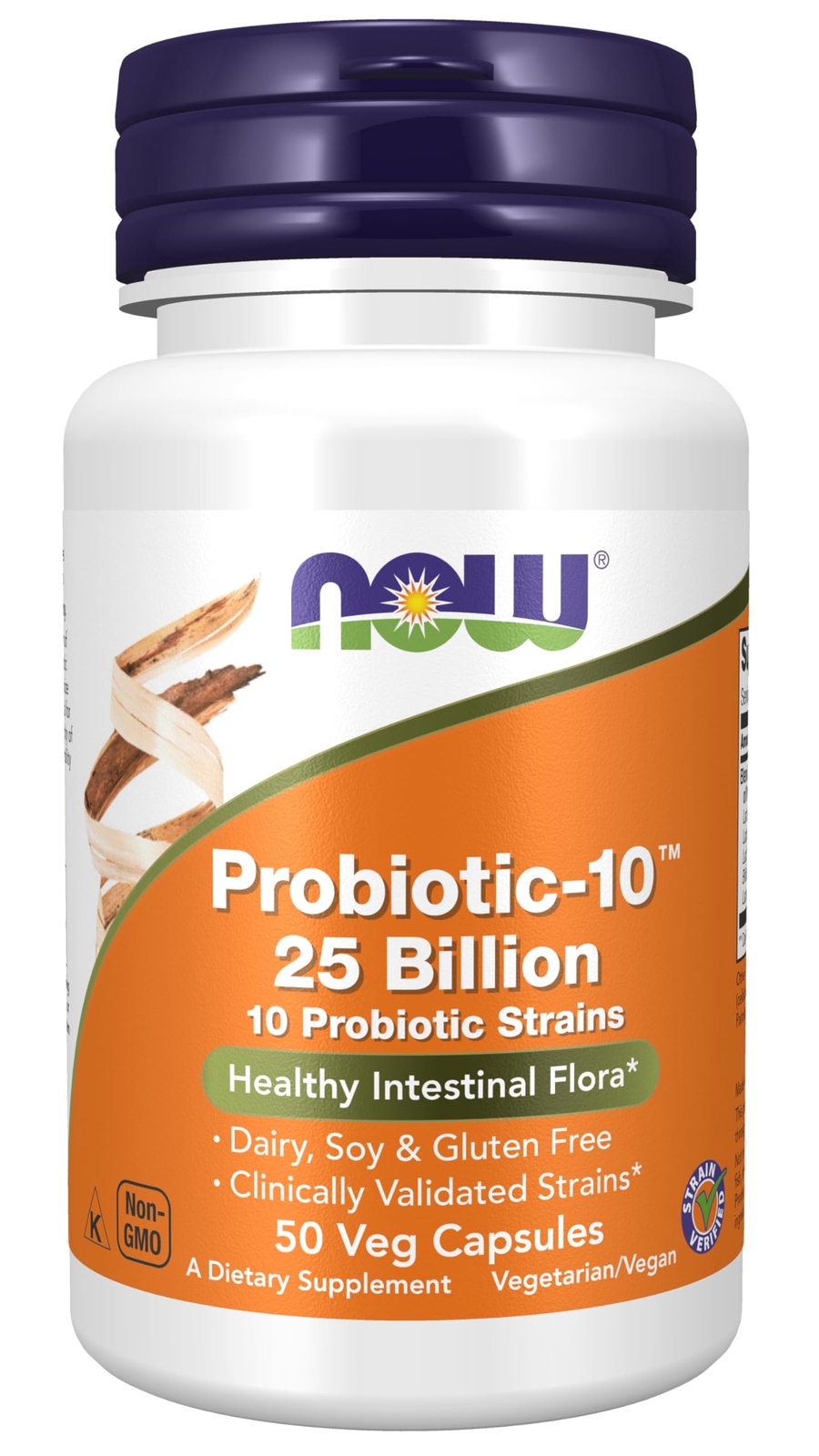 Probiotic 10 Nutritional Supplement 50 Capsules 10 Strains Healthy Digestive ...$19.79Last checked Nov 26, 2026View on eBay
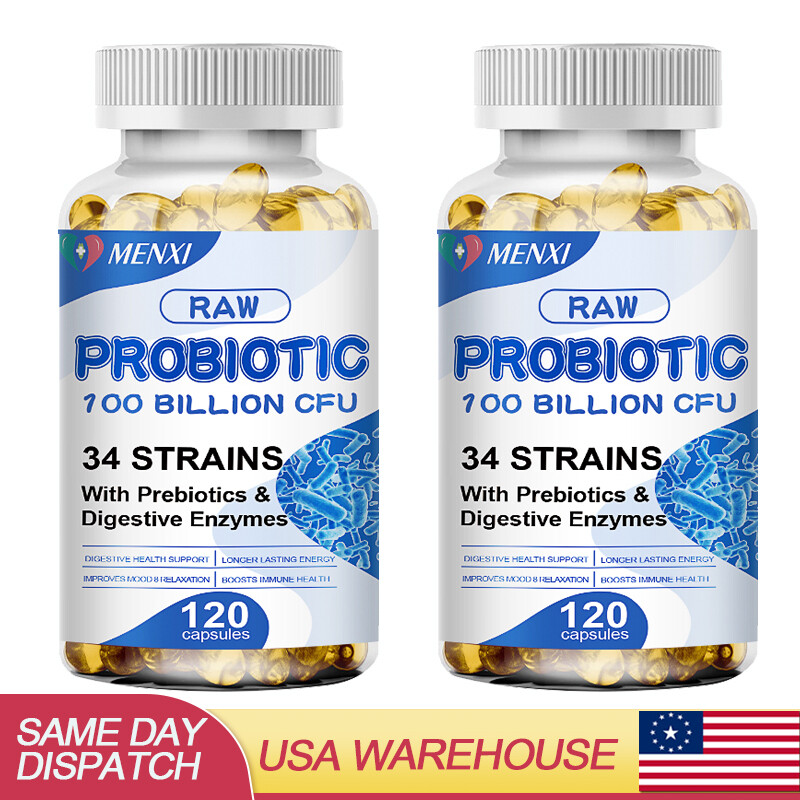 Prebiotic & Probiotics 240 Capsules Gas Digestive Enzymes, Bloating Relief MENXI$21.61View on eBay
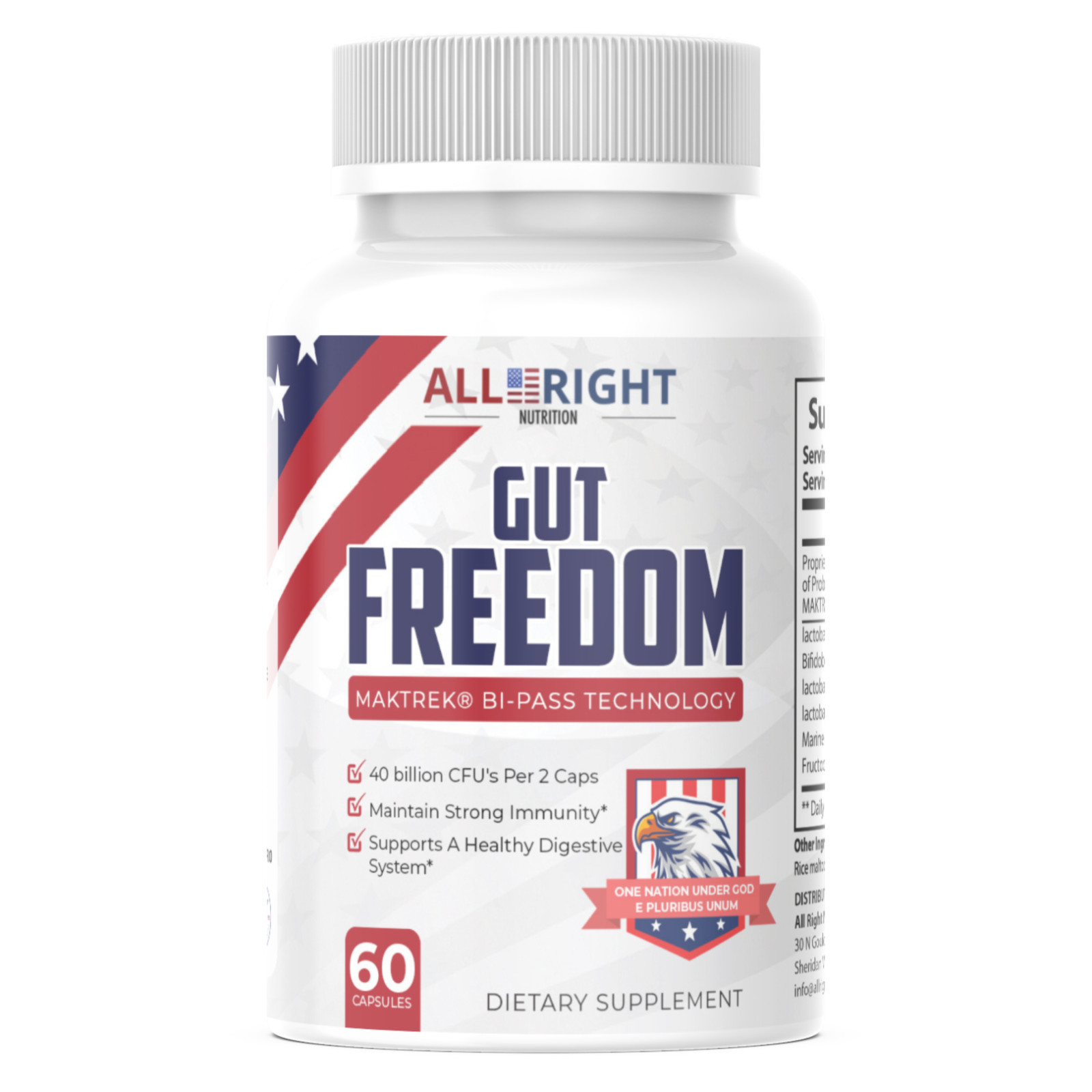 All Right Nutrition GUT FREEDOM Probiotic For Gut Health Dietary Supplement 60$21.95Last checked Nov 24, 2026View on eBay
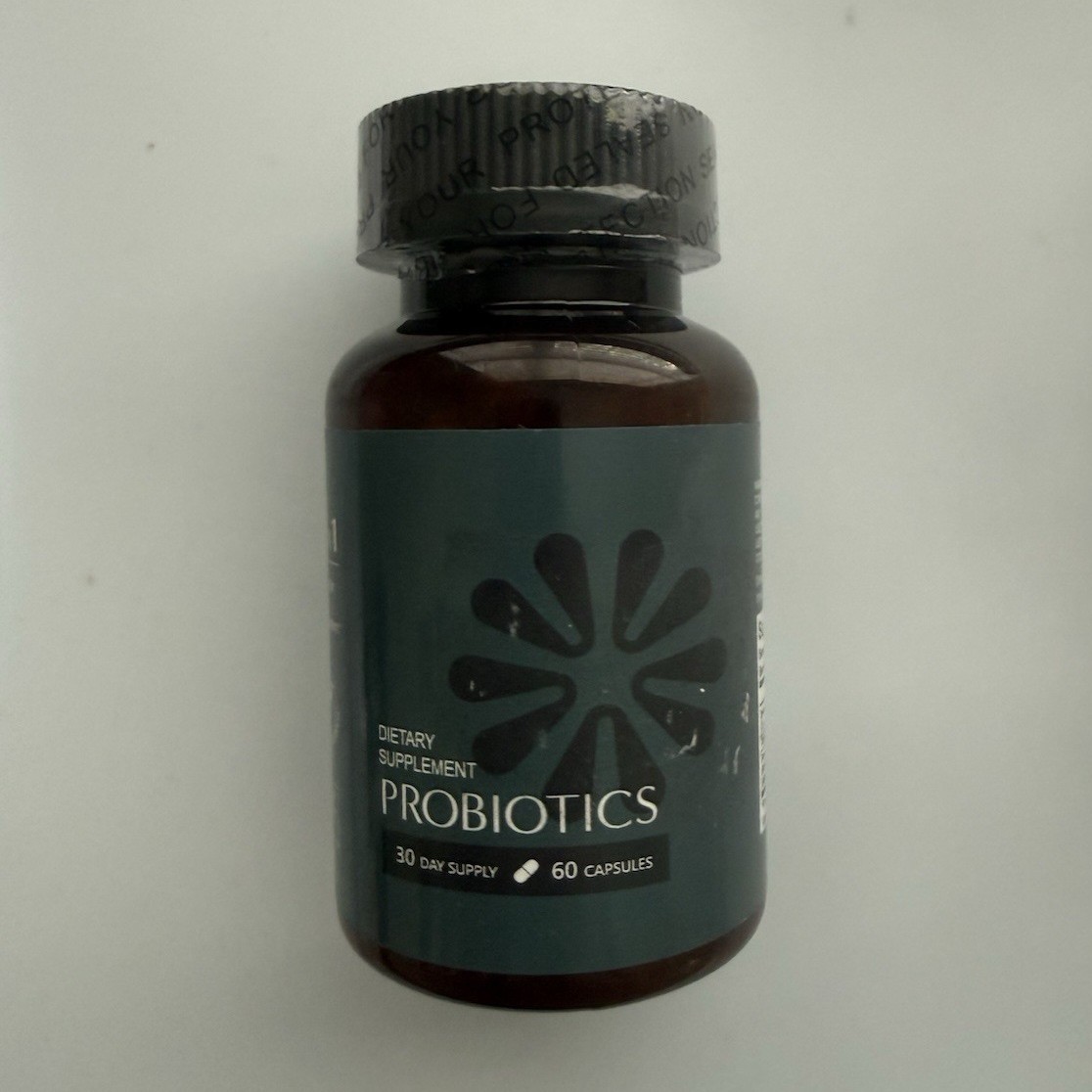 Probiotic Digestive Support Supplement 60 Capsules Vegetarian 30 Day Supply$22.95Last checked Nov 21, 2026View on eBay
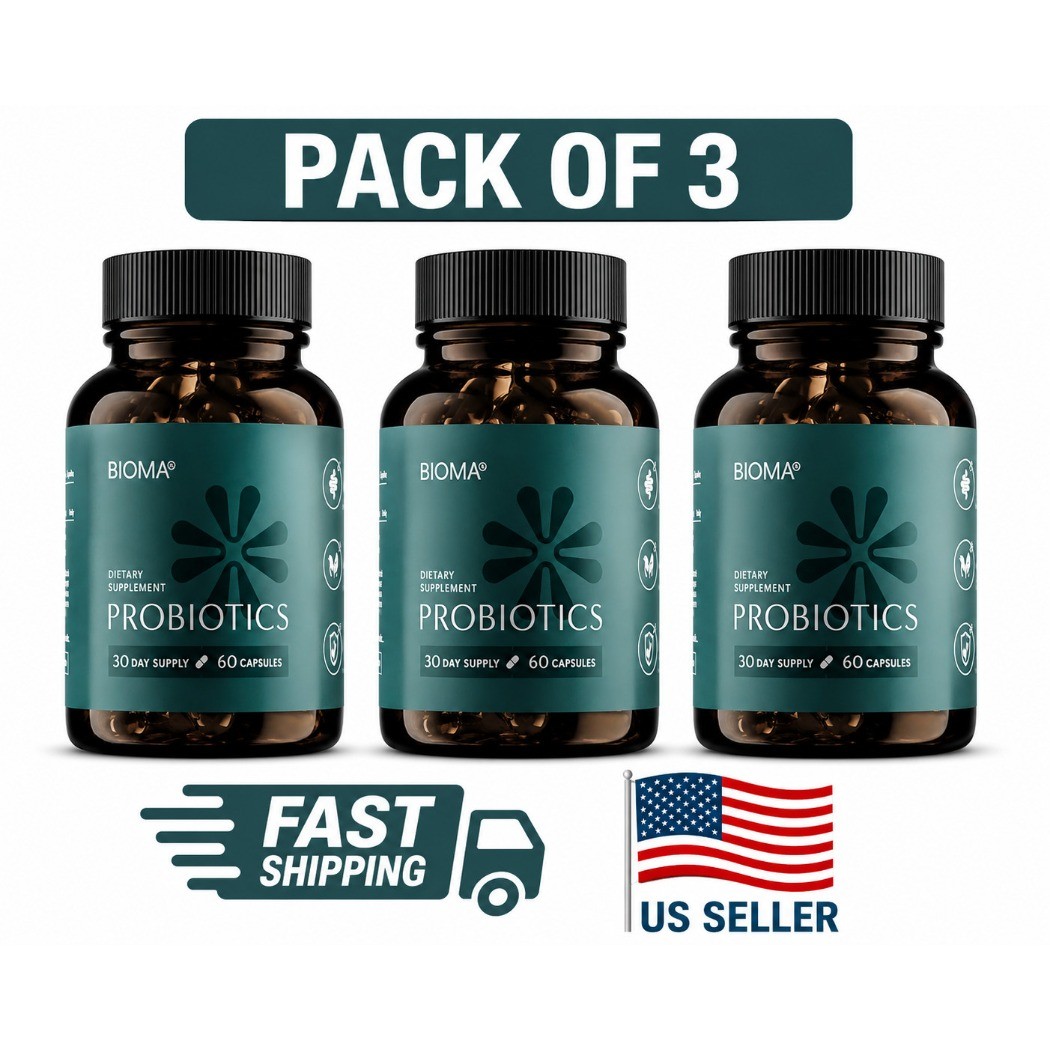 3Pack New Probiotics Dietary Supplement BIOMA Formula for Men and Women$23.66View on eBay
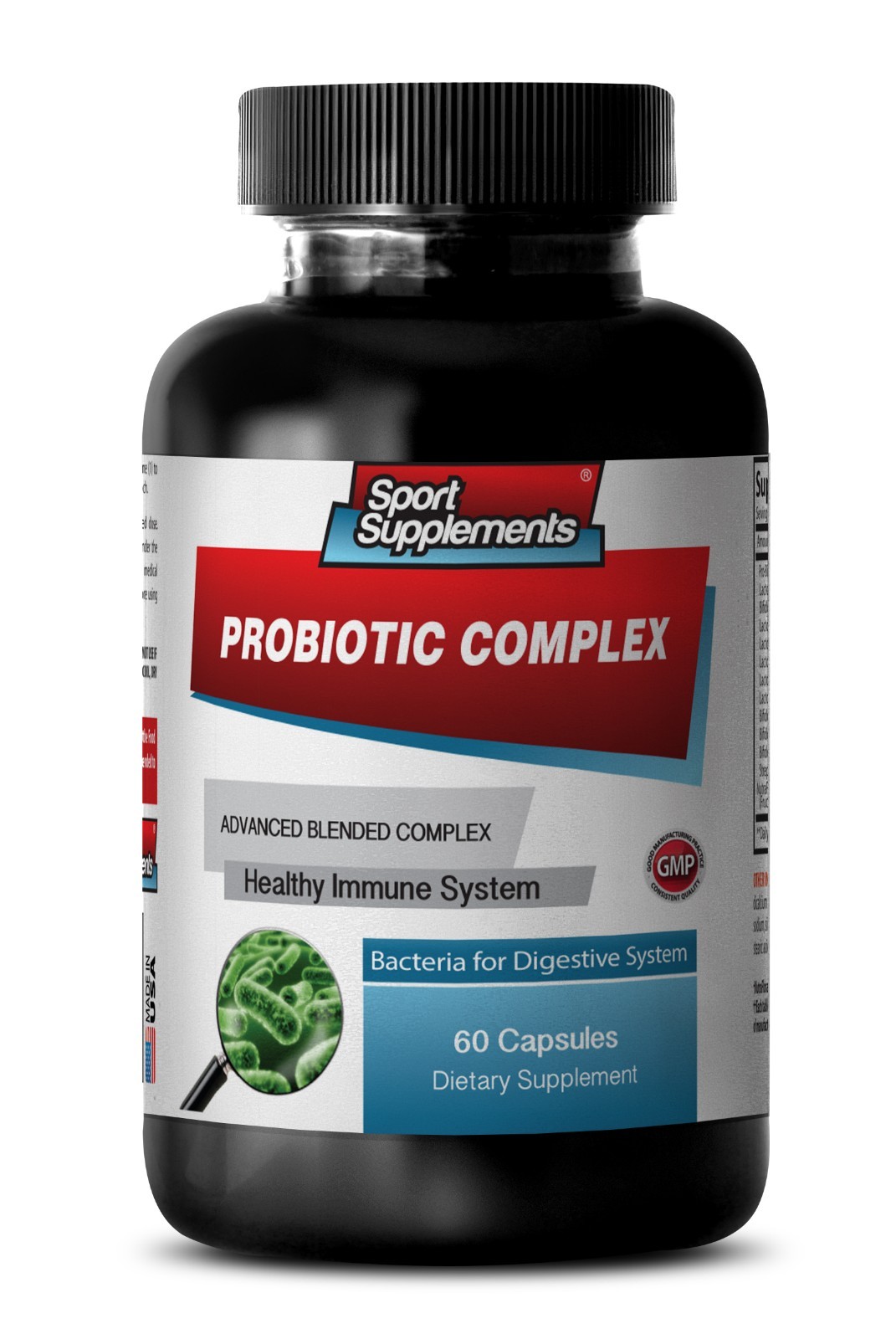 digestive aid supplement - PROBIOTIC COMPLEX - probiotic capsules 1 Bottle$24.54Last checked Nov 20, 2026View on eBay
 NOW Foods Supplements, Probiotic-10™, 25 Billion, with 10 Probiotic Strains$24.86Last checked Nov 20, 2026View on eBay
 NutraPep Synbiotic Liquid Drops - Probiotic Prebiotic & Postbiotic Supplement$24.99Last checked Nov 24, 2026View on eBay
 NOW Foods Supplements, Clinical GI Probiotic™, 50+ Formula, Strain Verified, 60$25.22Last checked Nov 26, 2026View on eBay
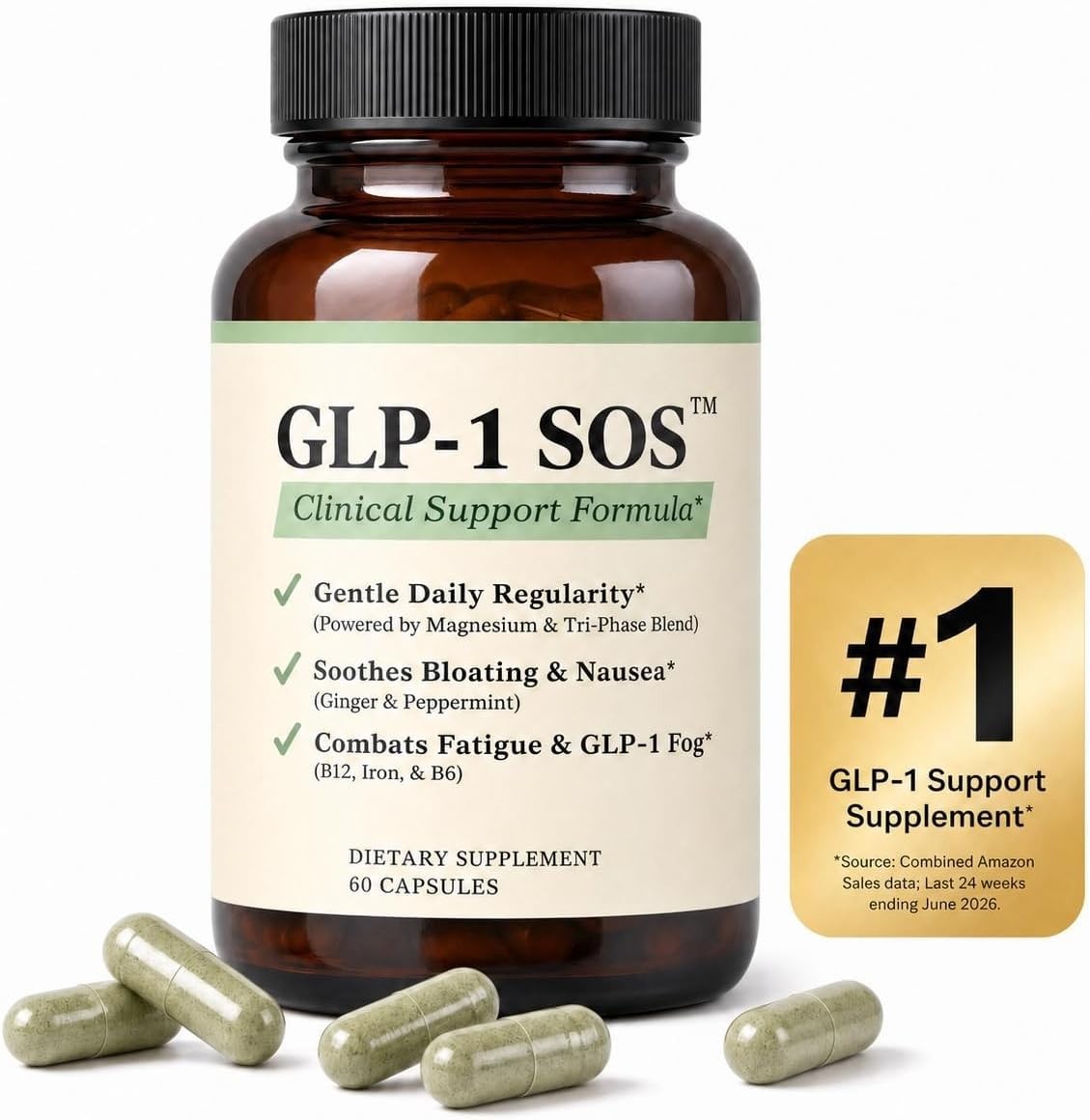 Digestive Support 60 Caps Probiotic Magnesium Ginger B12 Supplement | Free Ship$25.49View on eBay
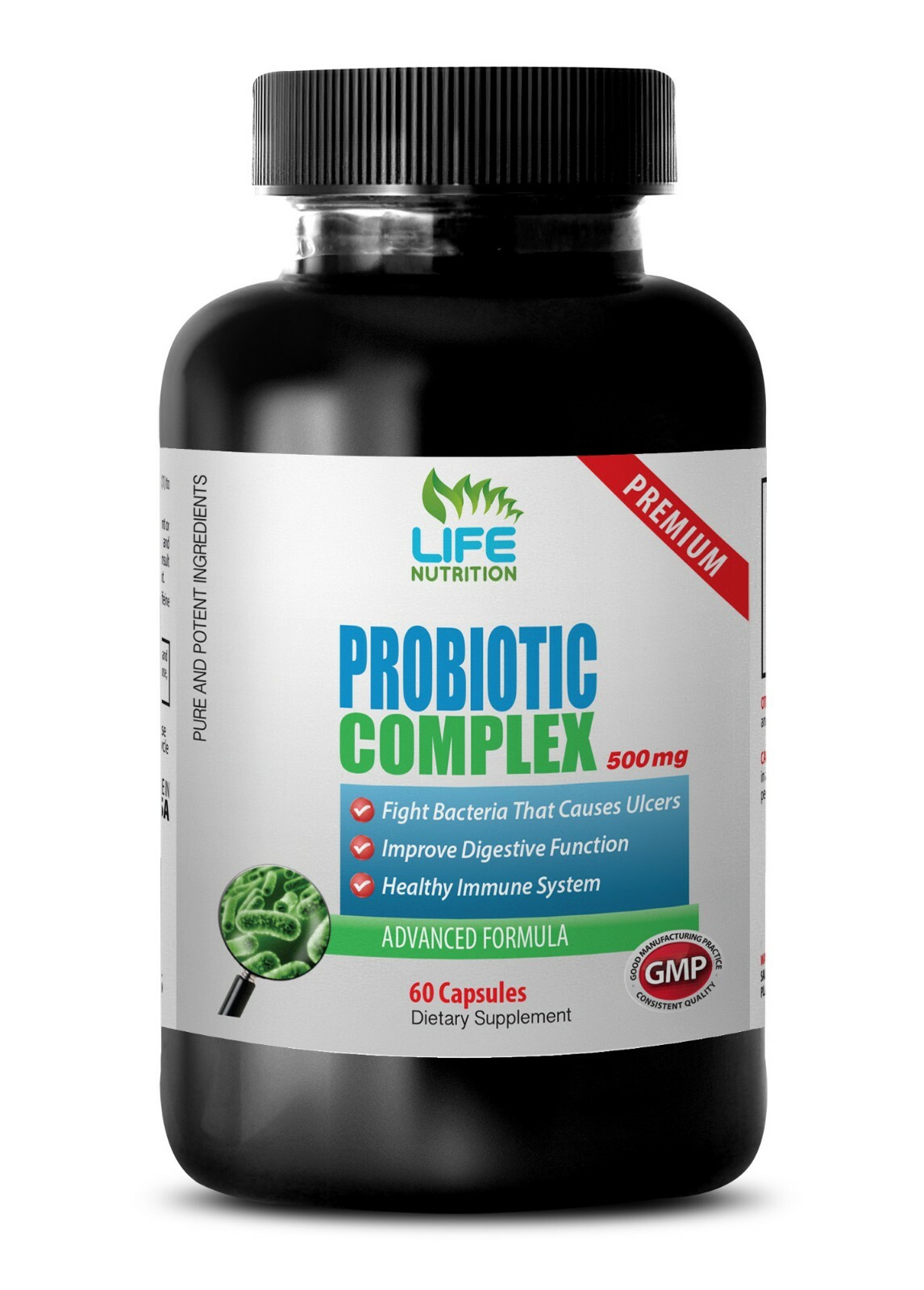 probiotic capsules - PROBIOTIC COMPLEX 500mg - digestive health supplement 1B$25.91Last checked Nov 20, 2026View on eBay
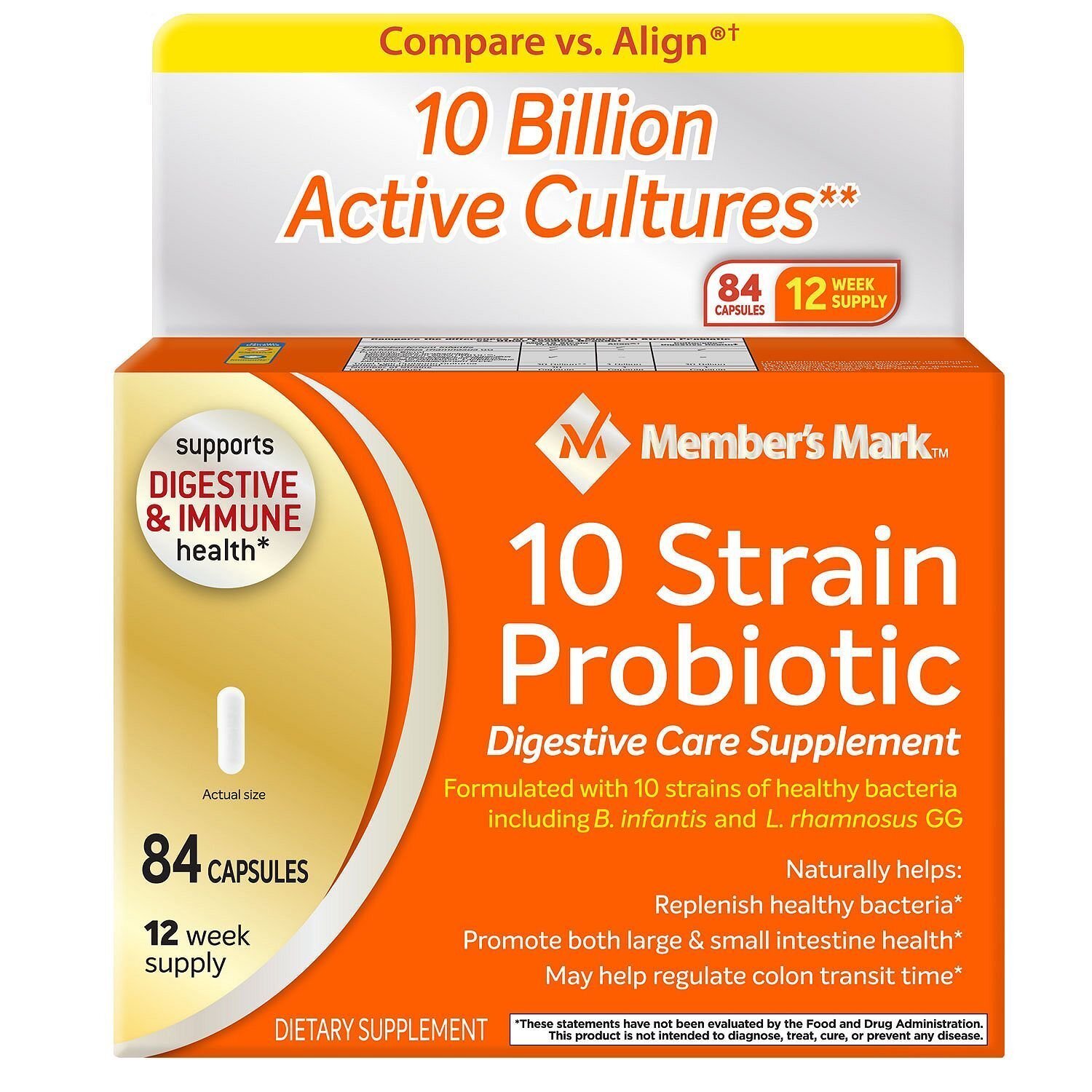 Member's Mark 5x Probiotic Digestive Care Supplement - 2/42ct. Bottles$26.80Last checked Nov 19, 2026View on eBay
 Digestion Probiotics, Gut Health Supplement with Constipation and Bloating Re...$26.95View on eBay
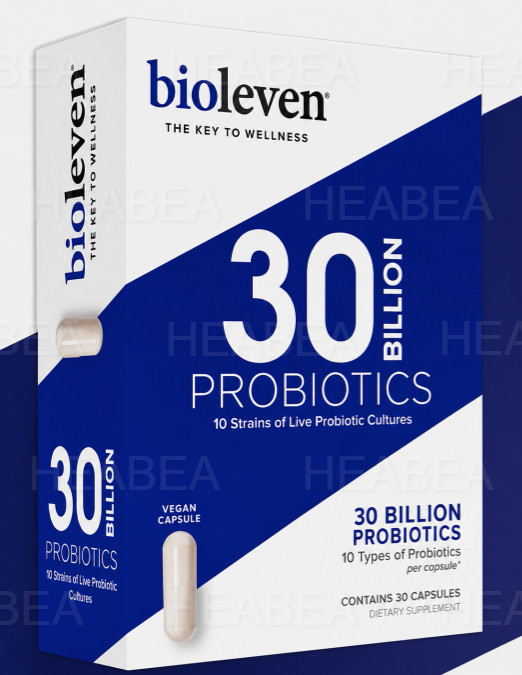 NUTRITIONAL SUPPLEMENT: Bioleven Probiotics 30 Billion Probiotics Per Capsule$28.95Last checked Nov 21, 2026View on eBay
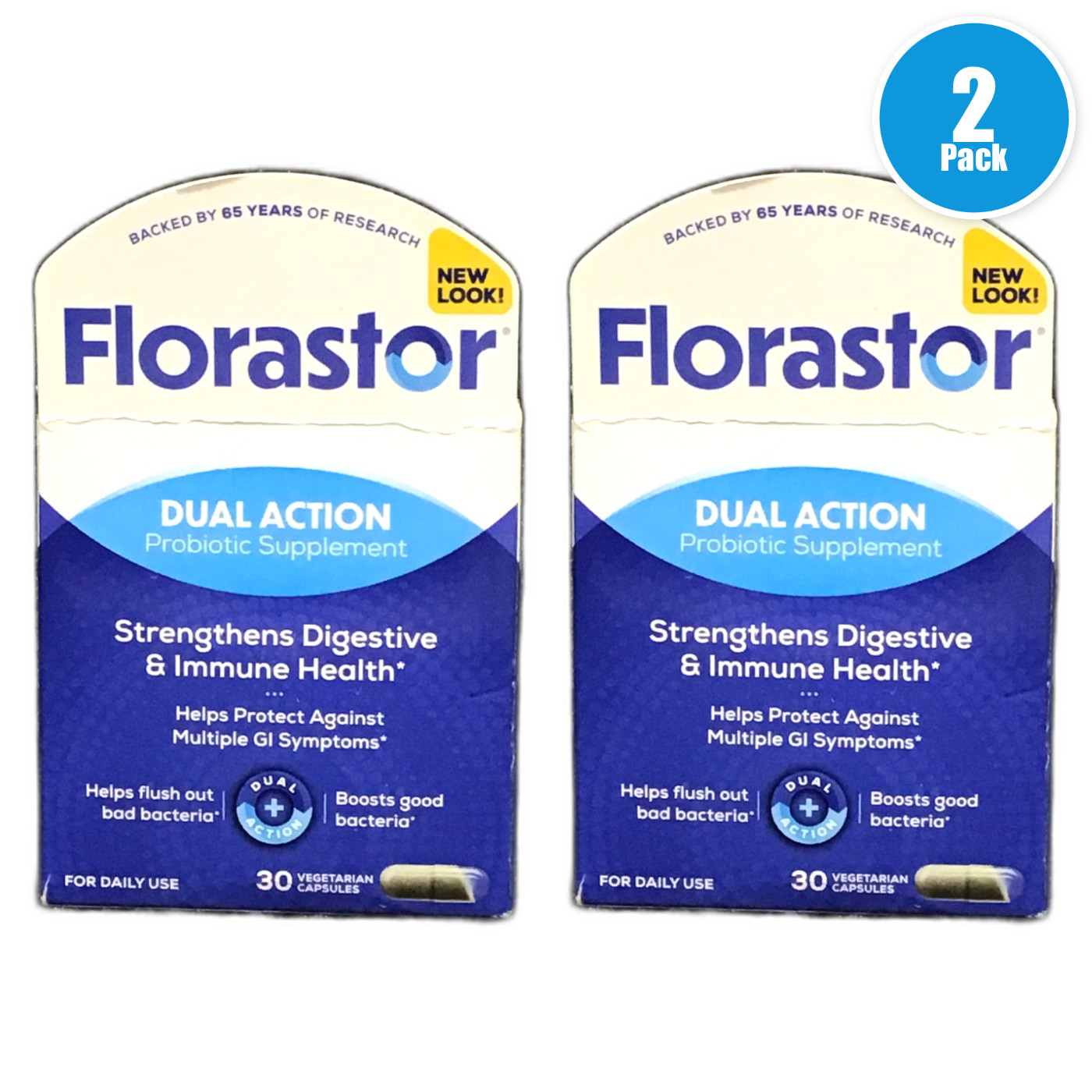 Florastor Daily Dual Action Probiotic Supplement Men Exp 12/27 Pack of 2 New$29.92View on eBay
 Daily Probiotic and Prebiotic Supplement 100 Billion CFU 10 Diverse Strains$30.02Last checked Nov 24, 2026View on eBay
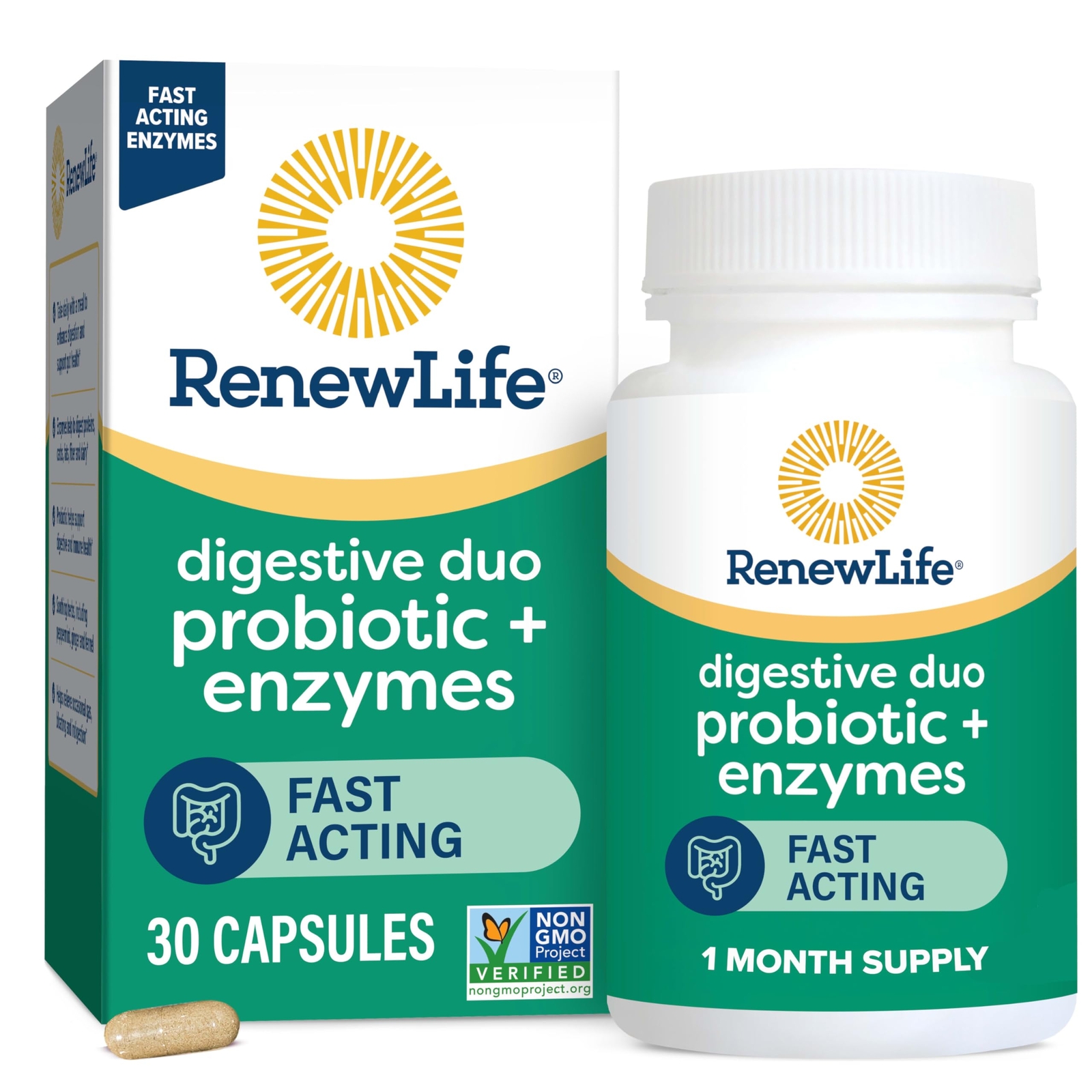 Renew Life Digestive Duo Probiotic Enzymes Supplement 30 Vegetarian Capsules$30.09Last checked Nov 20, 2026View on eBay
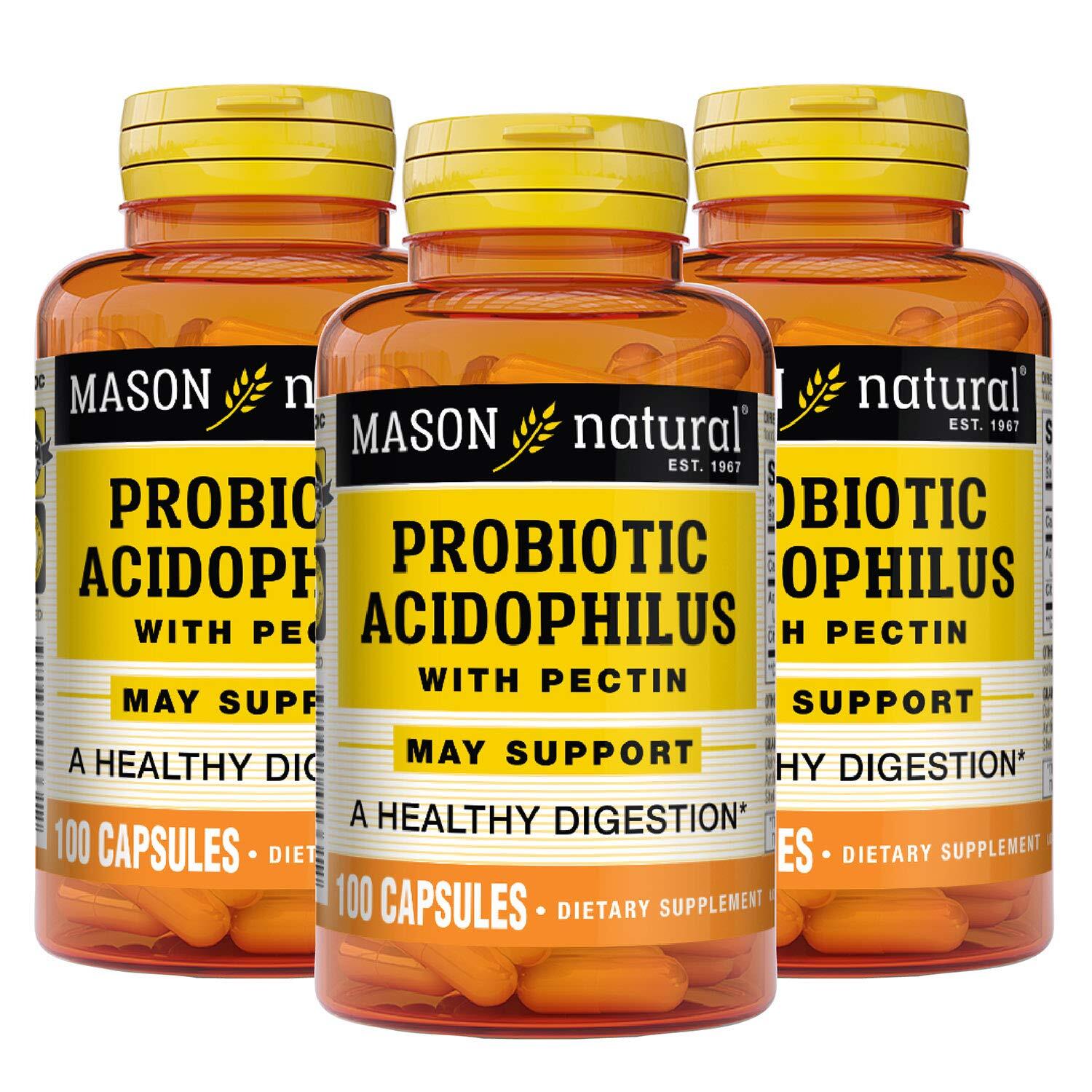 Mason Natural Acidophilus Probiotic Supplement 300 Count Digestive Health Sup...$31.29Last checked Nov 19, 2026View on eBay
Highlights
- Spore-based probiotics (Bacillus subtilis, B. coagulans) survive stomach acid without enteric coating and are shelf-stable at room temperature, unlike many Lactobacillus/Bifidobacterium strains that require refrigeration.
- CFU counts range from 5 billion to 100 billion; gas-specific relief typically targets 10-50 billion CFU with strains like L. plantarum, B. infantis, and S. boulardii that reduce gas-producing bacteria.
- Products combining probiotics with digestive enzymes (lactase, alpha-galactosidase) directly break down gas-causing carbohydrates and often outperform probiotic-only formulas for acute bloating.
- Prebiotic fibers (inulin, FOS) feed beneficial bacteria but can worsen gas initially; gas-relief formulas often omit or minimize prebiotics or pair them with enzymes to offset fermentation.
Best use cases
- Best for chronic bloating and irregularity: choose a multi-strain Lactobacillus/Bifidobacterium blend at 20-50 billion CFU with documented gas-reducing strains and enteric-coated capsules.
- Best for occasional gas after high-fiber meals: pick a digestive enzyme plus probiotic combo with alpha-galactosidase and lactase rather than a high-CFU probiotic alone.
- Best for travelers or those without refrigeration: select a spore-based Bacillus probiotic in a shelf-stable capsule; skip refrigerated Lactobacillus products.
- Wrong fit: avoid mega-dose 100 billion CFU products for simple gas unless directed by a clinician, as high doses can cause temporary bloating and are unnecessary for mild symptoms.
Buying tips
- Match CFU to need: 5-10 billion for maintenance, 20-50 billion for active gas and bloating, and 50-100 billion only for post-antibiotic recovery or clinician-guided use.
- Look for at least one clinically studied gas-reducing strain such as Lactobacillus plantarum LP299v, Bifidobacterium infantis 35624, or Saccharomyces boulardii; avoid blends with no strain designations.
- Choose delayed-release or enteric-coated capsules for Lactobacillus/Bifidobacterium; spore-based Bacillus products do not require coating but should list CFU at end of shelf life, not at manufacture.
- For immediate meal-related gas, prioritize formulas containing alpha-galactosidase (for beans and vegetables) and lactase (for dairy) alongside probiotics rather than probiotics alone.
Specs
| Probiotic Type | Lactobacillus/Bifidobacterium vs Spore |
|---|---|
| CFU Range | 5-100 billion CFU per capsule |
| Added Enzymes | With or without digestive enzymes |
| Storage | Refrigerated vs Shelf-stable |
Related searches
What to check before buying
- Confirm storage requirements: refrigerated Lactobacillus products need a cool, dry fridge; spore-based and shelf-stable formulas must state 'no refrigeration required' and room-temperature stability.
- Check allergen and excipient list: many probiotics contain dairy, soy, or gluten in the fermentation media; select a brand that declares allergen-free or vegan capsules if needed.
- Verify capsule count and dosing schedule: 30-count bottles suit a one-month trial at one capsule daily; 60-120 count bottles fit multi-month or twice-daily regimens.
- Ensure the product lists full strain designations and CFU at expiration, not just at time of manufacture, to guarantee potency through the bottle's life.
FAQ
Data sources: eBay / Amazon listings and product attribute feeds. Updated Nov 27, 2026.
Some links on this page are affiliate links. If you buy after clicking one, we may earn a commission at no extra cost to you. This does not change which products appear here or their order. Affiliate disclosure.