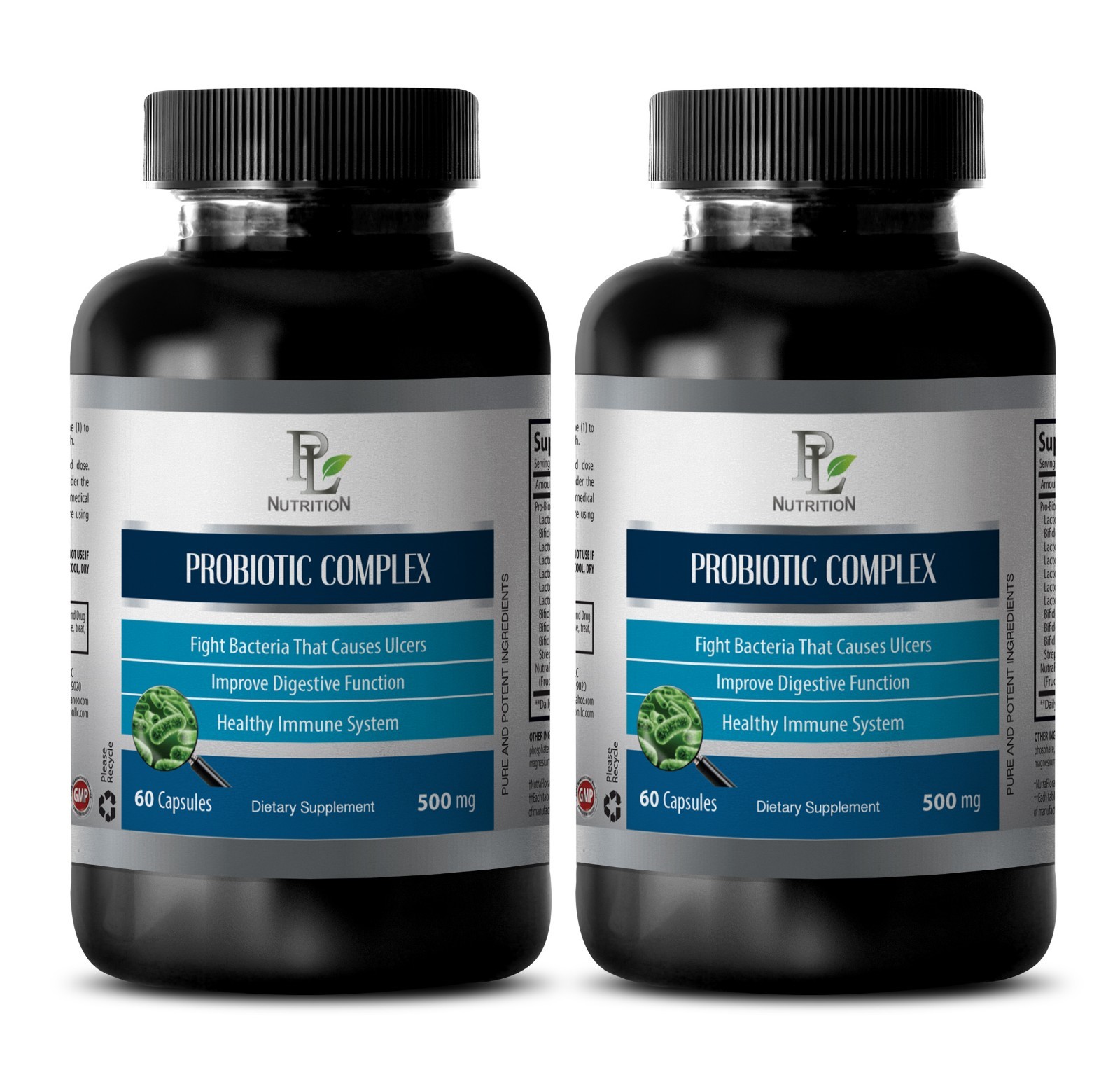

Photos from current listings. Actual item, color, and included accessories may vary.
Probiotic Weight Loss Buying Guide
Probiotic weight loss supplements combine live microbial strains with the hope of shifting gut flora to support metabolism, appetite regulation, and fat storage. The core trade-off is between clinically studied strain specificity (e.g., Lactobacillus gasseri, Bifidobacterium lactis) and vague 'probiotic complex' blends that list CFU counts without naming strains or guaranteeing viability. The decision rule: choose products that disclose genus, species, and strain codes plus a CFU count at time of expiry, and skip any label that hides behind proprietary blends or mega-dose CFU claims without strain-level evidence.
Key takeaways
- Weight-management evidence centers on specific strains: L. gasseri BNR17, L. rhamnosus GG, and B. lactis B-420; generic 'probiotic complex' labels without strain codes cannot be matched to clinical trials.
- CFU counts above 50 billion offer no proven extra weight-loss benefit; 1–10 billion CFU per strain is the typical effective range when viability is guaranteed through expiry.
- Delayed-release capsules or enteric coating protect live bacteria from stomach acid; unprotected powders and chewables lose significant CFU before reaching the intestine.
At a glance
- Category
- Probiotics & Digestion
- Last updated
- Nov 28, 2026
Current offers
Highlights
- Weight-management evidence centers on specific strains: L. gasseri BNR17, L. rhamnosus GG, and B. lactis B-420; generic 'probiotic complex' labels without strain codes cannot be matched to clinical trials.
- CFU counts above 50 billion offer no proven extra weight-loss benefit; 1–10 billion CFU per strain is the typical effective range when viability is guaranteed through expiry.
- Delayed-release capsules or enteric coating protect live bacteria from stomach acid; unprotected powders and chewables lose significant CFU before reaching the intestine.
- Multi-strain formulas with prebiotic fiber (inulin, FOS) support colonization better than single-strain mega-dose products for metabolic outcomes.
Best use cases
- Best fit: daily capsule with 3–10 billion CFU of named L. gasseri or B. lactis strains plus prebiotic fiber for shoppers seeking appetite and metabolic support alongside diet and exercise.
- Wrong fit: 100-billion CFU 'probiotic complex' with no strain codes — high CFU without strain specificity does not translate to weight-loss evidence and may cause gas or bloating.
- Best fit: delayed-release or enteric-coated capsules stored refrigerated for maximum live-cell delivery when the goal is gut colonization rather than transient transit.
- Skip: gummy or chewable probiotics for weight management — low CFU, added sugars, and poor acid survival undermine both viability and metabolic goals.
Buying tips
- Match strain codes to published trials: L. gasseri BNR17 showed reductions in abdominal fat in human studies; L. rhamnosus GG supports weight maintenance; avoid blends without strain-level identification.
- Target 1–10 billion CFU per strain at expiry, not at manufacture; labels stating 'at time of manufacture' overstate potency by 30–50% by the end of shelf life.
- Choose delayed-release or enteric-coated capsules for acid survival; powders and standard capsules lose 60–90% of live bacteria in gastric fluid.
- Look for third-party testing seals (USP, NSF, Informed Choice) and prebiotic pairing (inulin/FOS) to support colonization and label accuracy.
Specs
| Strain Specificity | Genus/species/strain code listed |
|---|---|
| CFU Potency | 1–10 billion per strain at expiry |
| Capsule Delivery | Delayed-release / enteric-coated |
| Prebiotic Pairing | Inulin or FOS included |
Related searches
What to check before buying
- Confirm the label lists genus, species, and strain code (e.g., Lactobacillus gasseri BNR17) plus CFU count guaranteed at expiry — not a proprietary blend.
- Check storage requirements: refrigerated products maintain viability better; shelf-stable requires freeze-drying and moisture-barrier packaging.
- Verify capsule type (delayed-release/enteric) and whether prebiotic fiber is included for colonization support.
- Review allergen and excipient list for dairy, soy, or gluten if sensitive; capsule gelatin vs vegetarian cellulose matters for dietary restrictions.
FAQ
Data sources: eBay / Amazon listings and product attribute feeds. Updated Nov 28, 2026.
Some links on this page are affiliate links. If you buy after clicking one, we may earn a commission at no extra cost to you. This does not change which products appear here or their order. Affiliate disclosure.