
Photos from current listings. Actual item, color, and included accessories may vary.
Probiotic With Digestive Enzyme Buying Guide
A probiotic with digestive enzyme supplement combines live beneficial bacteria (measured in CFU) with enzymes that break down fats, proteins, carbs, and fiber, targeting both gut flora balance and acute digestive discomfort. The core trade-off is CFU strength and strain diversity versus enzyme potency and capsule format: high-CFU products with broad enzyme blends cost more and may require delayed-release capsules to survive stomach acid, while low-CFU or enzyme-only products deliver minimal flora support. The decision rule: choose a product that discloses both CFU count at time of manufacture and enzyme activity units (e.g., DU, SAPU, HUT) with a delayed-release or enteric coating if CFU exceeds 30 billion; skip any label that lists a proprietary blend without CFU or enzyme assay.
Median $34.90
Key takeaways
- CFU tiers separate products: 10-30 billion suits daily maintenance, 50-60 billion targets dysbiosis or post-antibiotic recovery, and 100 billion is a short-term therapeutic dose with higher cost and gas risk.
- Enzyme activity is measured in units (DU for amylase, SAPU for protease, HUT for lipase, CU for cellulase); a minimum of 5,000 DU, 10,000 HUT, 500 SAPU, and 200 CU indicates a clinically meaningful blend.
- Delayed-release or enteric-coated capsules protect live bacteria from gastric acid; uncoated capsules lose 90%+ of CFU before reaching the small intestine, especially above 20 billion CFU.
At a glance
- Category
- Probiotics & Digestion
- Last updated
- Nov 27, 2026
Current offers
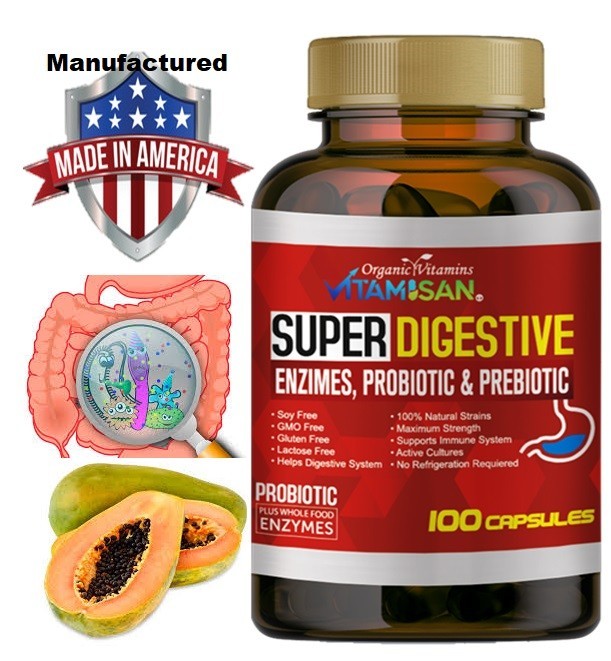 Enhanced Super Digestive Enzymes 100 Cap probiotic prebiotic Digestive Support$20.25View on eBay
 Digestive Enzymes Probiotic Prebiotic 100 wellness formula, daily gut support$20.27View on eBay
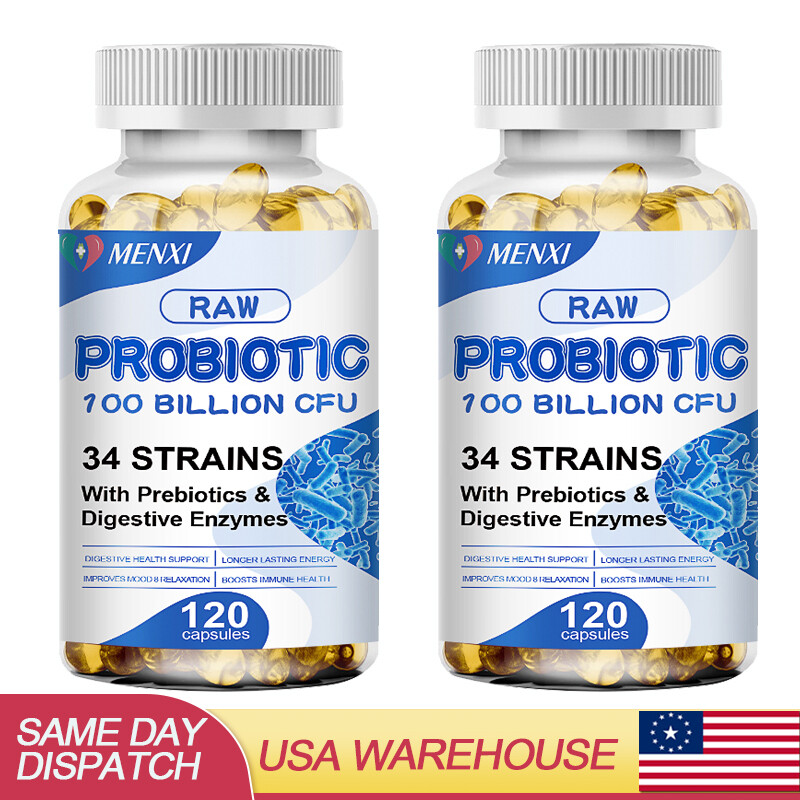 Prebiotic & Probiotics 240 Capsules Gas Digestive Enzymes, Bloating Relief MENXI$21.61View on eBay
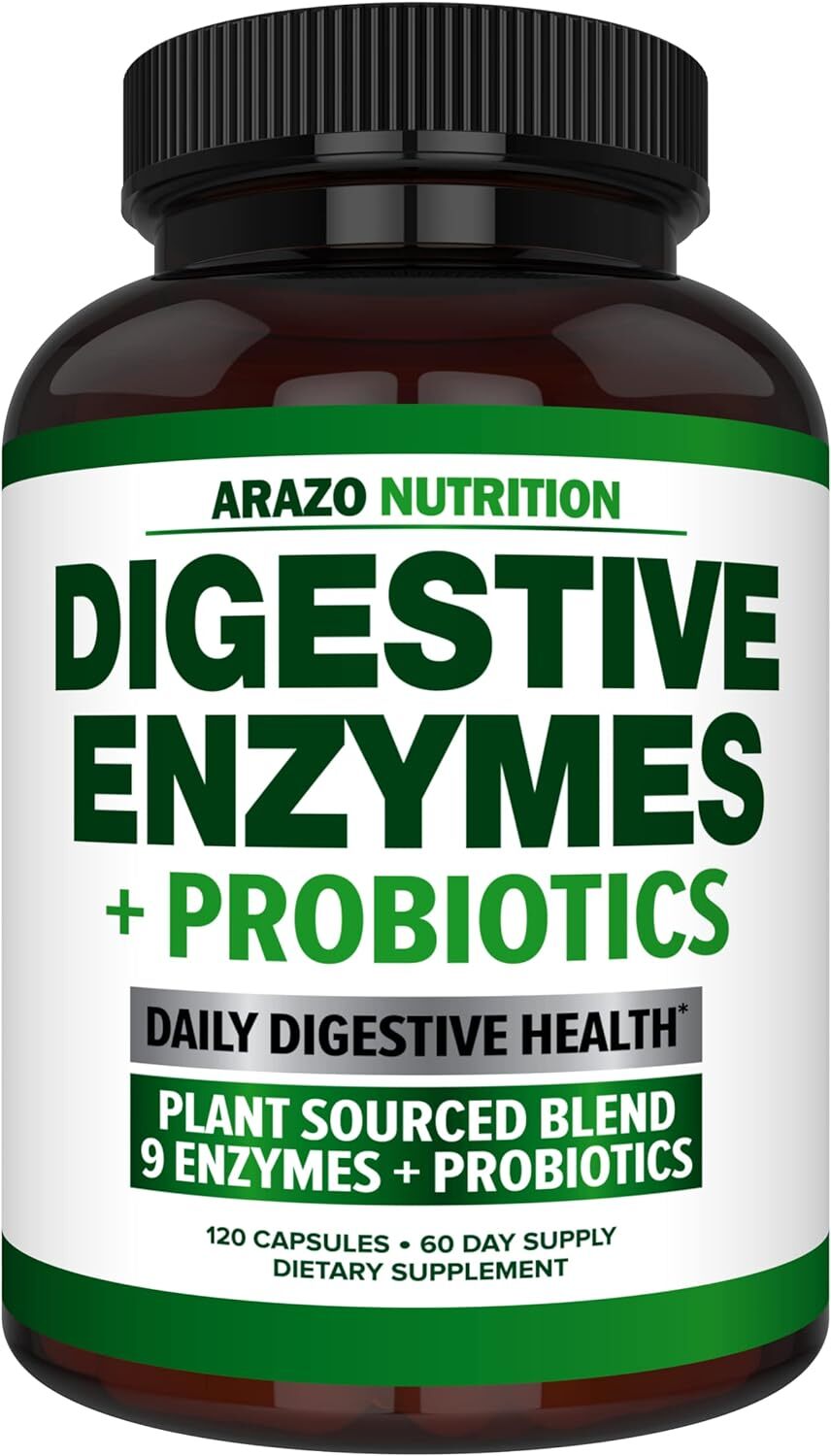 Digestive Enzymes with Probiotics - Multi Enzyme Nutritional Supplement -$24.39Last checked Nov 19, 2026View on eBay
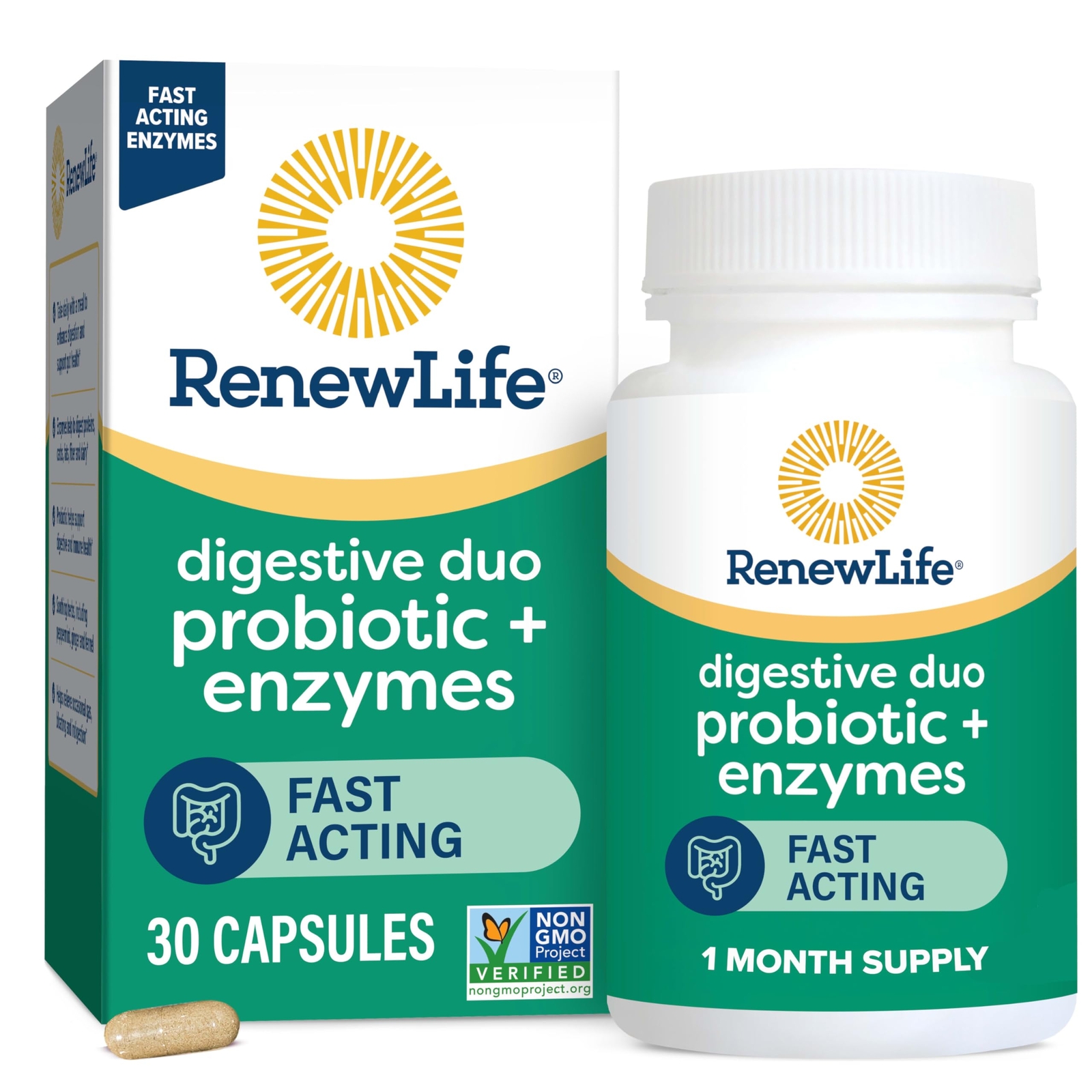 Renew Life Digestive Duo Probiotic Enzymes Supplement 30 Vegetarian Capsules$30.09Last checked Nov 20, 2026View on eBay
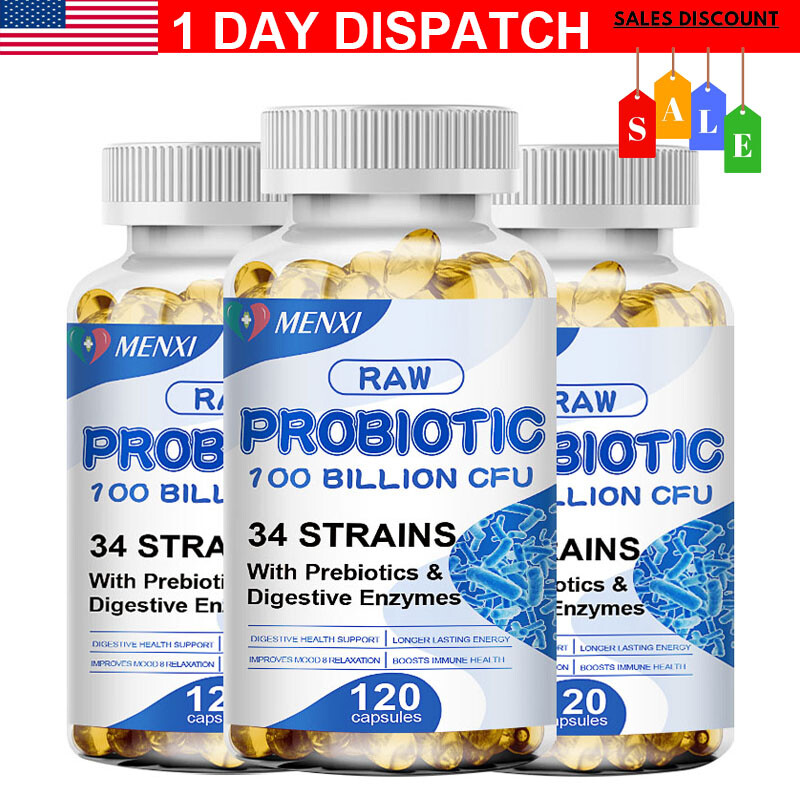 Probiotics Digestive Enzymes 100 Billion CFU Potency Immune Health 360 Capsules$32.99Last checked Nov 18, 2026View on eBay
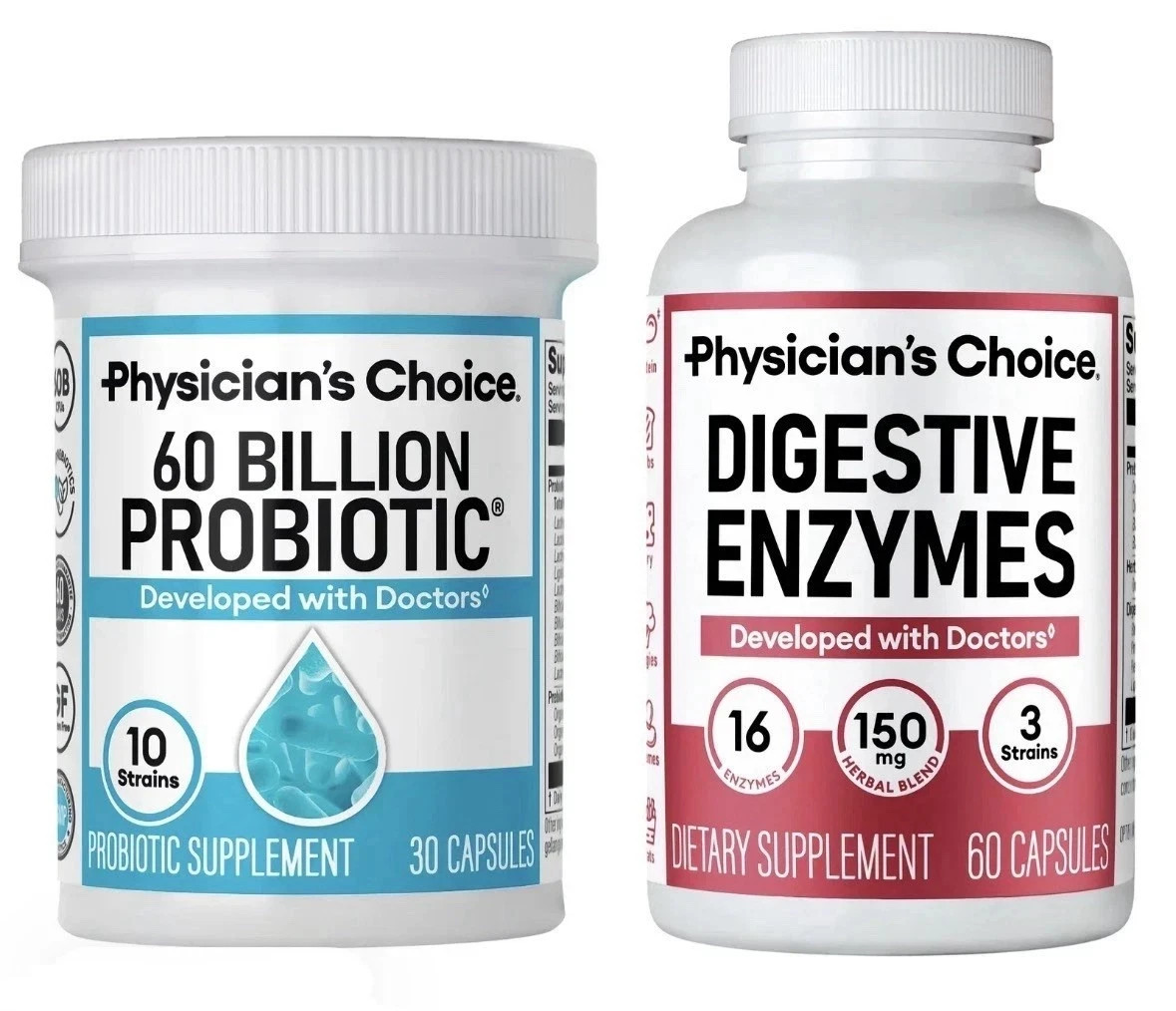 Physician's 60 Choice Billion Probiotic & Digestive Enzymes Bundle USA SELLER++-$34.90View on eBay
 Digestive Enzymes Prebiotic & Probiotics Gas, Constipation & Bloating Relief 120$37.56Last checked Nov 19, 2026View on eBay
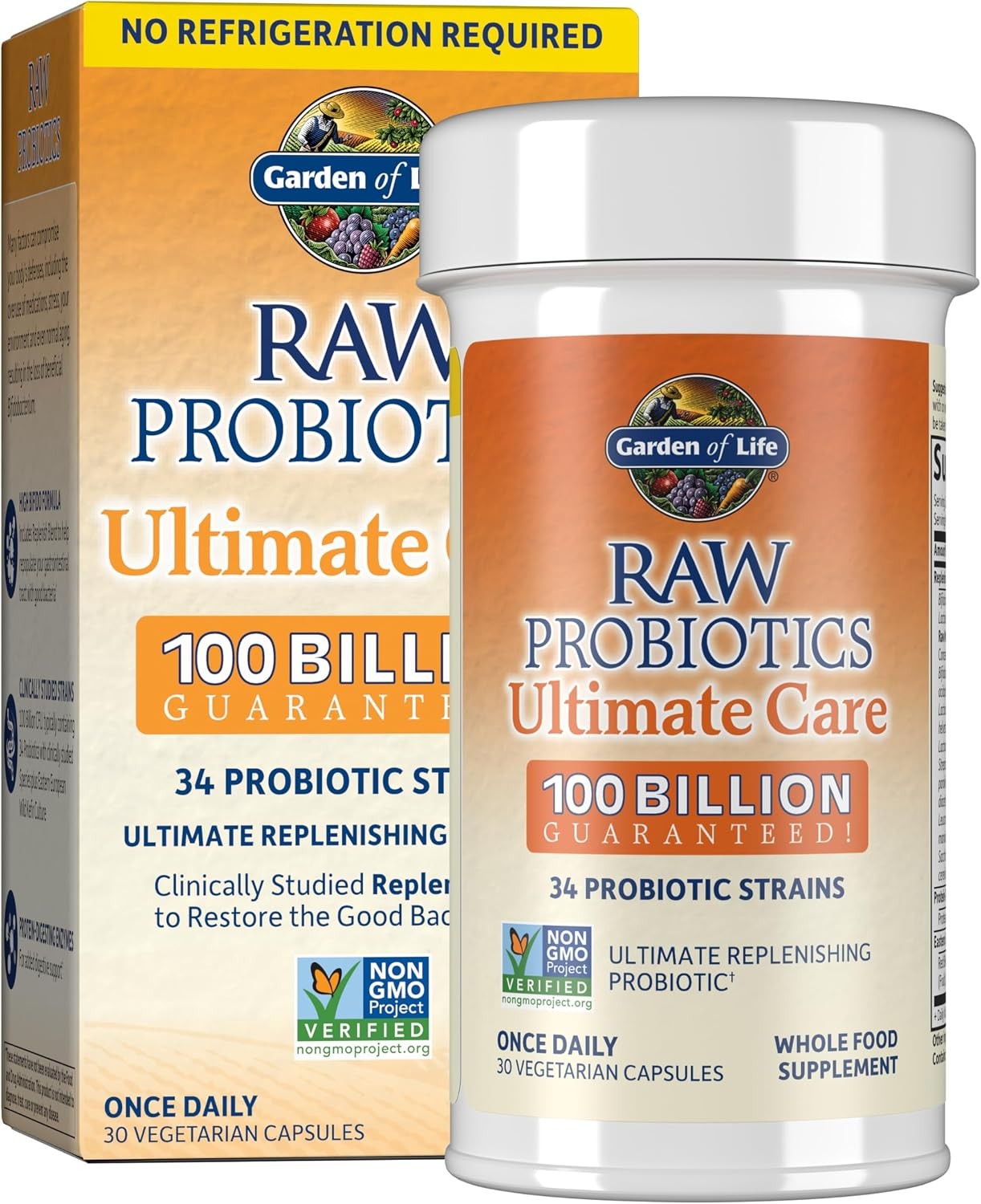 Garden of Life Raw Probiotics for Women and Men with Digestive Enzymes, 100 Bi$42.59View on eBay
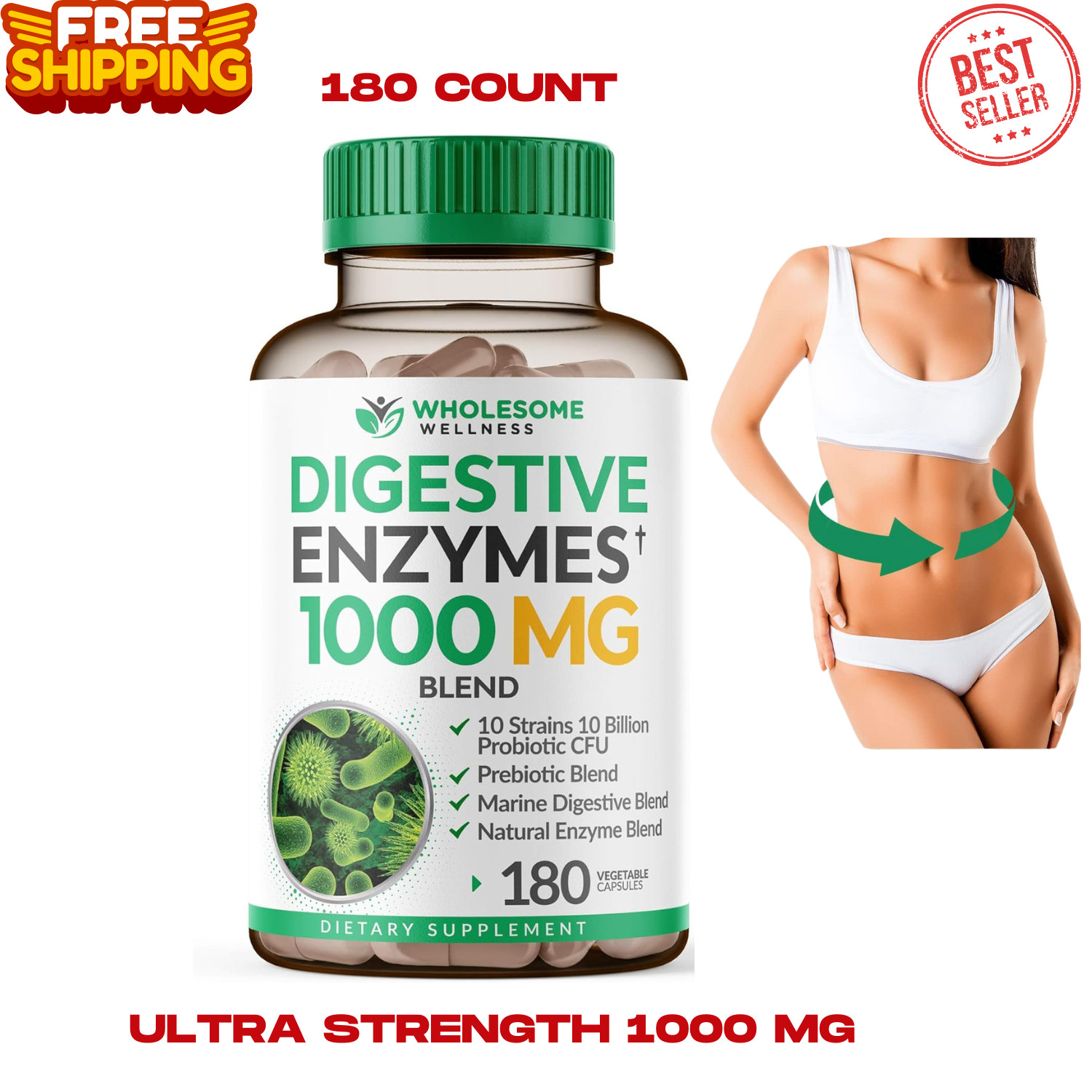 Digestive Enzymes 1000MG Plus Prebiotics & Probiotics Supplement, 180 Capsules$42.74View on eBay
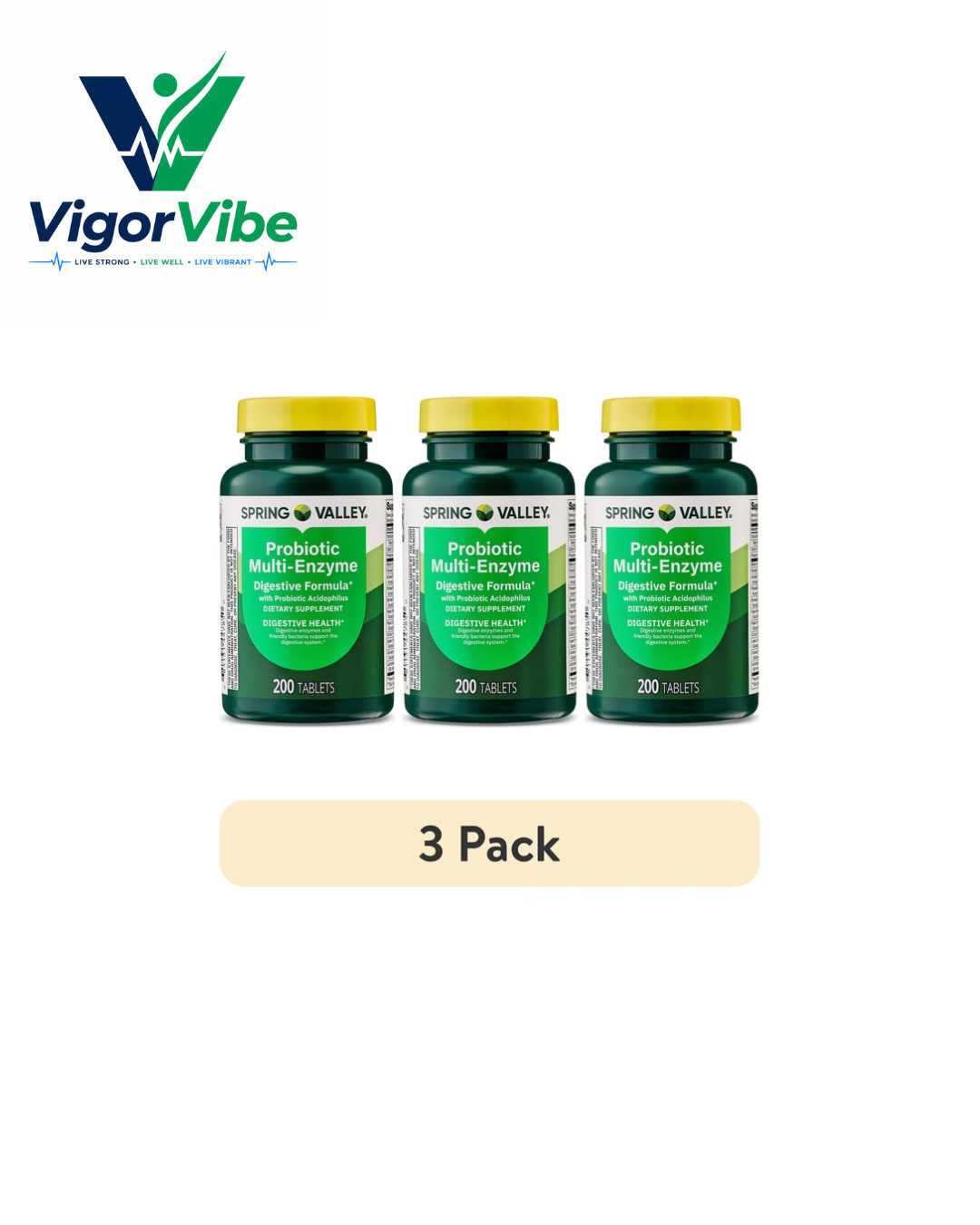 (3 pack) Spring Valley Probiotic Multi-Enzyme Digestive Formula Tablets, 200 CT$50.99Last checked Nov 21, 2026View on eBay
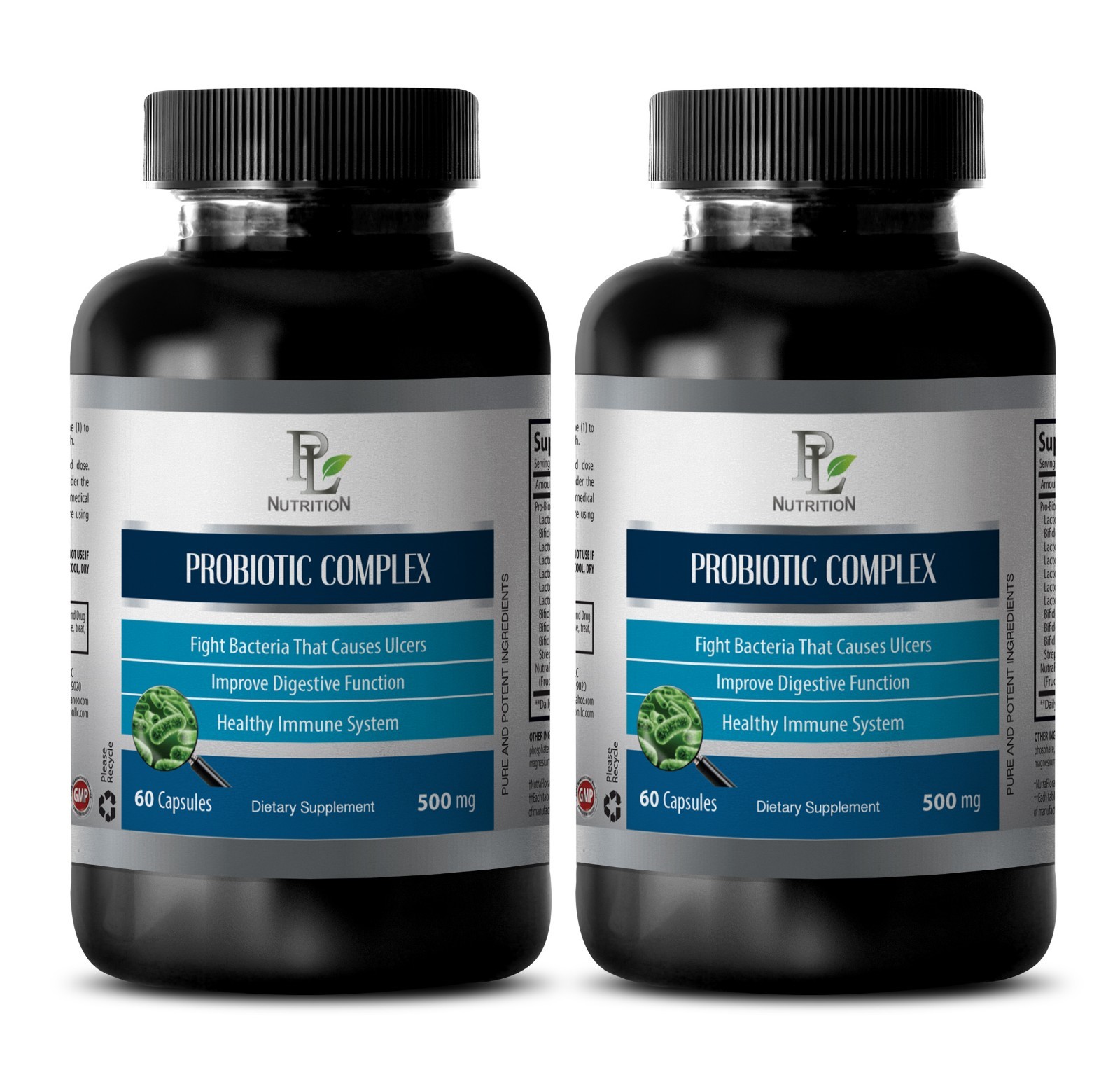 super digestive enzymes - PROBIOTIC COMPLEX 2B - probiotics 100 billion$51.51Last checked Nov 22, 2026View on eBay
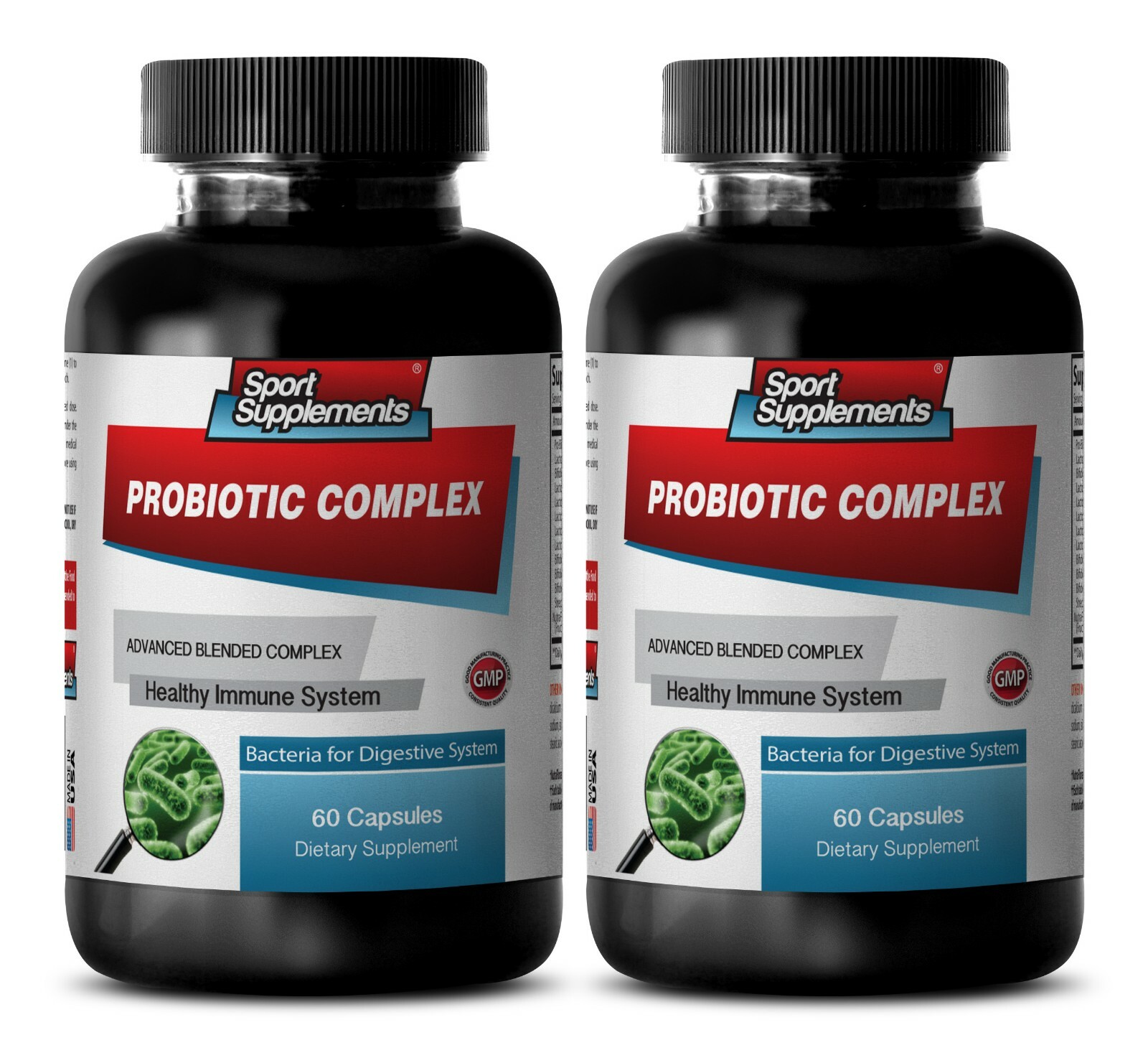 heart health - PROBIOTIC COMPLEX - probiotic with digestive enzymes 2B$59.37Last checked Nov 22, 2026View on eBay
Highlights
- CFU tiers separate products: 10-30 billion suits daily maintenance, 50-60 billion targets dysbiosis or post-antibiotic recovery, and 100 billion is a short-term therapeutic dose with higher cost and gas risk.
- Enzyme activity is measured in units (DU for amylase, SAPU for protease, HUT for lipase, CU for cellulase); a minimum of 5,000 DU, 10,000 HUT, 500 SAPU, and 200 CU indicates a clinically meaningful blend.
- Delayed-release or enteric-coated capsules protect live bacteria from gastric acid; uncoated capsules lose 90%+ of CFU before reaching the small intestine, especially above 20 billion CFU.
- Strain diversity matters more than total CFU count: 8-12 distinct Lactobacillus and Bifidobacterium strains with documented enzyme co-factors outperform single-strain 100 billion products for digestive symptoms.
Best use cases
- Best fit: daily bloating and irregularity after meals — pick a 20-50 billion CFU product with 8+ strains and a full-spectrum enzyme blend (amylase, protease, lipase, cellulase, lactase). Skip enzyme-only products or CFU below 10 billion.
- Best fit: post-antibiotic recovery — choose 50-60 billion CFU with Saccharomyces boulardii plus protease and lactase; avoid 100 billion mega-doses in the first week due to gas and cramping risk.
- Best fit: lactose intolerance or high-fat/high-protein diet — select a formula with lactase at 5,000 ALU or higher and lipase at 10,000 HUT or higher; skip products that list enzymes without assay units.
- Wrong fit: severe acute pancreatitis or diagnosed exocrine pancreatic insufficiency — require prescription pancreatic enzyme replacement (lipase 25,000-50,000 units per dose), not OTC probiotic-enzyme blends; skip all consumer supplements and consult a physician.
Buying tips
- Match CFU to need: 10-30 billion for maintenance, 50-60 billion for active symptoms or antibiotic recovery, 100 billion only under professional guidance for 2-4 weeks.
- Require enzyme assay units on the label; a blend listing only 'digestive enzyme complex' without DU, HUT, SAPU, or CU values is underdosed and not verifiable.
- Choose delayed-release or enteric-coated capsules for any CFU above 30 billion; uncoated capsules release bacteria in stomach acid and reduce viable CFU by 90% or more.
- Prefer 8-12 documented strains over single-strain mega-CFU products; look for Lactobacillus acidophilus, L. rhamnosus, Bifidobacterium lactis, and B. longum with strain designations (e.g., GG, HN019, BB-12).
Specs
| CFU Strength | 10-100 billion CFU per capsule |
|---|---|
| Enzyme Assay Units | DU, HUT, SAPU, CU, ALU |
| Capsule Coating | Delayed-release / enteric vs uncoated |
| Strain Count | 8-12 documented strains |
Related searches
What to check before buying
- Confirm the CFU count is stated 'at time of manufacture' and that the product ships with a desiccant or blister pack; probiotics lose 10-30% CFU per month at room temperature.
- Check the enzyme blend includes at least three of amylase, protease, lipase, cellulase, or lactase with activity units, not just names in a proprietary blend.
- Verify storage requirements: shelf-stable strains (Bacillus, Saccharomyces) tolerate room temperature; most Lactobacillus and Bifidobacterium require refrigeration after opening.
- Review capsule coating: enteric or delayed-release is required for CFU above 30 billion; vegetarian cellulose capsules are preferred over gelatin for broad dietary compatibility.
FAQ
Data sources: eBay / Amazon listings and product attribute feeds. Updated Nov 27, 2026.
Some links on this page are affiliate links. If you buy after clicking one, we may earn a commission at no extra cost to you. This does not change which products appear here or their order. Affiliate disclosure.