
Photos from current listings. Actual item, color, and included accessories may vary.
Refrigerated Probiotic Buying Guide
Refrigerated probiotics are live-culture supplements that require cold storage to maintain labeled CFU potency and strain viability, unlike shelf-stable formats that use freeze-drying or spore-forming strains. The core trade-off is between maximum live-cell delivery (cold-chain products typically guarantee potency through expiration when kept at 2–8°C) and convenience (shelf-stable products survive room temperature but often with lower viable counts at point of use). The clear decision rule: choose refrigerated only if you have a reliable refrigerator, will consume the bottle within its labeled window, and need the specific strains or high CFU counts that cold-chain products deliver — otherwise a shelf-stable probiotic with documented stability is the more practical durable option.
Median $58.00
Key takeaways
- Cold-chain probiotics typically guarantee CFU counts through the expiration date when stored at 2–8°C, while many shelf-stable products guarantee potency only at manufacture, not at purchase.
- Strain selection matters more than CFU alone: Lactobacillus and Bifidobacterium species dominate refrigerated formats, and multi-strain products like Florajen3 combine different genera for broader gut coverage than single-strain acidophilus.
- Refrigerated capsules are often delayed-release or enteric-coated to survive stomach acid; uncoated capsules lose significant viability before reaching the intestine.
At a glance
- Category
- Probiotics & Digestion
- Last updated
- Nov 27, 2026
Current offers
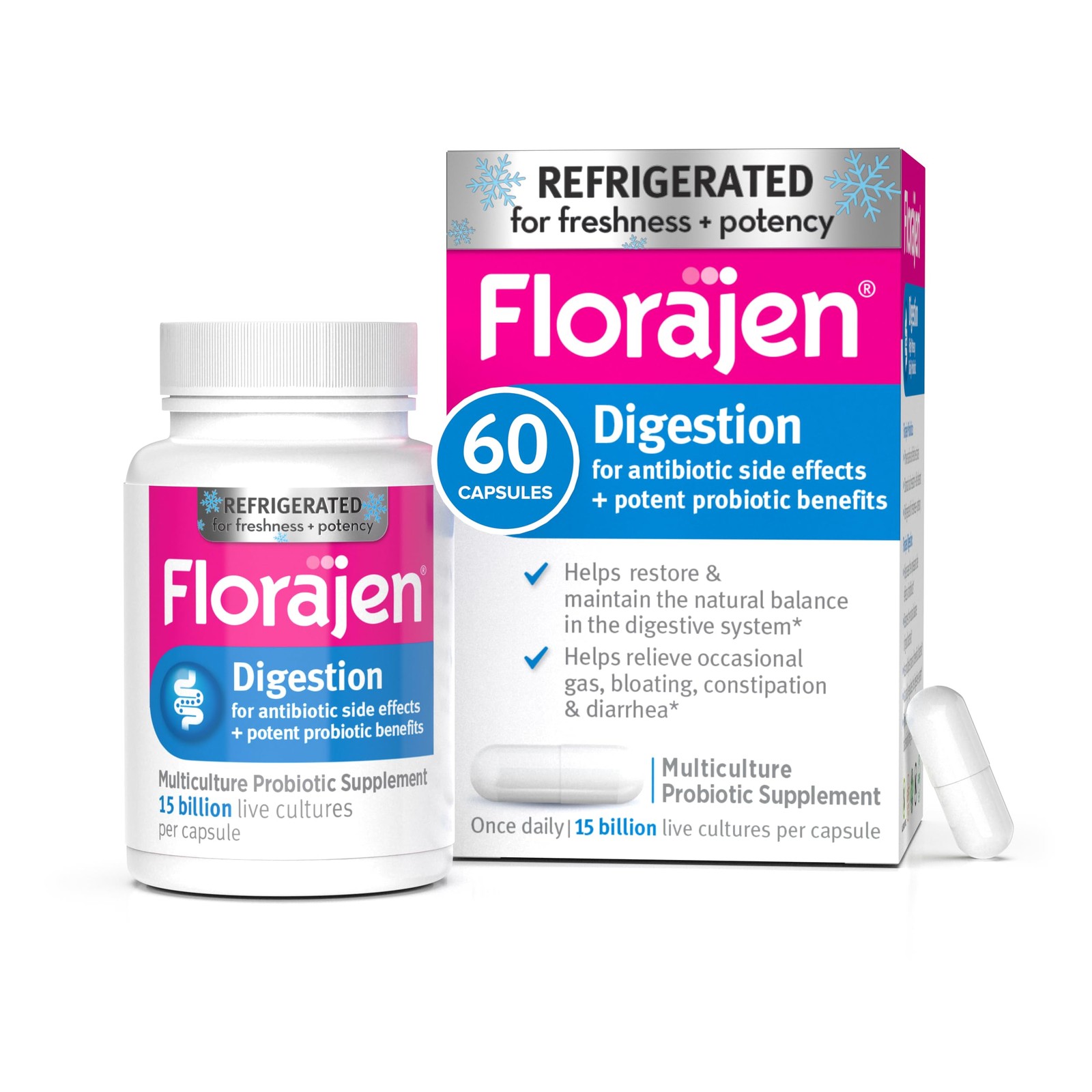 Florajen3 Digestion High Potency Refrigerated Probiotics | Restores Balance i...$46.59Last checked Nov 21, 2026View on eBay
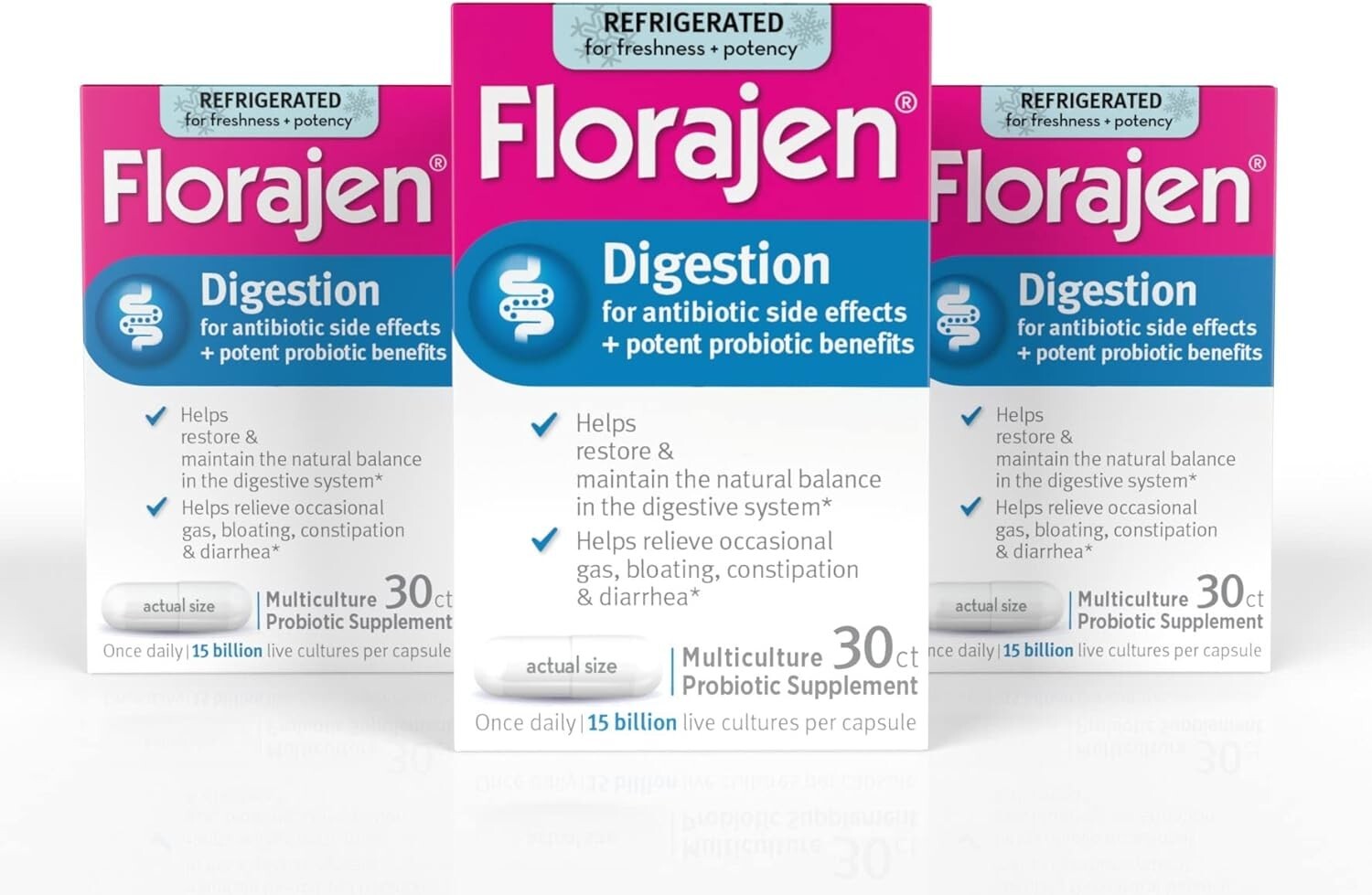 Florajen Digestion Probiotic, Refrigerated Probiotics (Pack of 3)$58.00Last checked Nov 24, 2026View on eBay
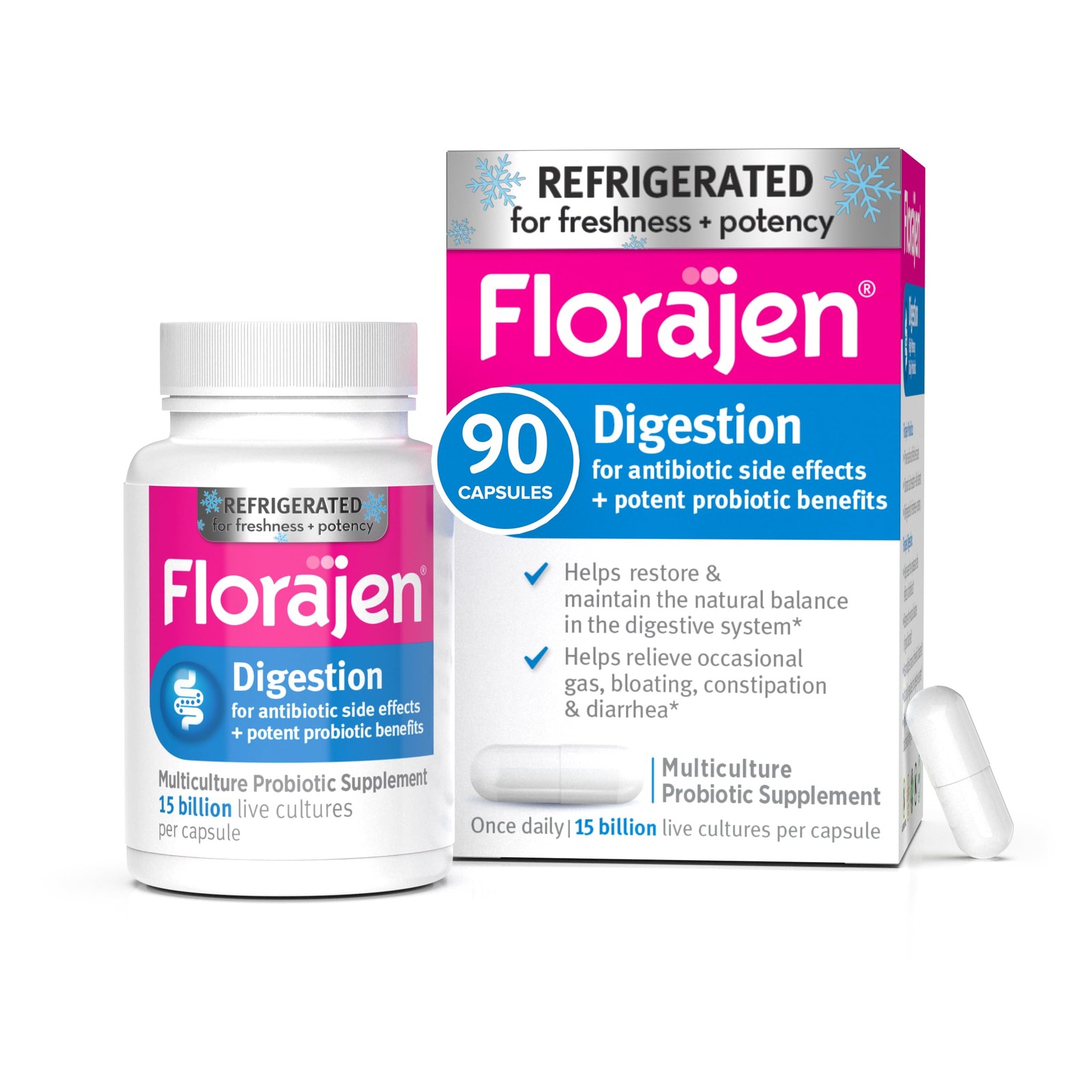 Florajen Digestion Refrigerated Probiotics, Multi Enzyme Supplement, Restores$68.39Last checked Nov 24, 2026View on eBay
Highlights
- Cold-chain probiotics typically guarantee CFU counts through the expiration date when stored at 2–8°C, while many shelf-stable products guarantee potency only at manufacture, not at purchase.
- Strain selection matters more than CFU alone: Lactobacillus and Bifidobacterium species dominate refrigerated formats, and multi-strain products like Florajen3 combine different genera for broader gut coverage than single-strain acidophilus.
- Refrigerated capsules are often delayed-release or enteric-coated to survive stomach acid; uncoated capsules lose significant viability before reaching the intestine.
- Potency tiers matter: 20 billion CFU products suit general maintenance, while 50 billion CFU and above are typically used for short-term therapeutic or post-antibiotic recovery protocols.
Best use cases
- Best fit for refrigerated: daily maintenance with a multi-strain product in the 10–30 billion CFU range if you have consistent refrigerator access and want guaranteed live cultures through expiration.
- Best fit for refrigerated: post-antibiotic or acute digestive recovery protocols using 50+ billion CFU single- or multi-strain products, where cold-chain potency guarantee is worth the inconvenience.
- Wrong fit for refrigerated: travel, office, or gym use without a cooler — choose a shelf-stable spore-based (Bacillus) or freeze-dried product instead.
- Wrong fit for refrigerated: buyers who want the lowest-maintenance option or who will leave the bottle out on the counter — potency degrades rapidly above 8°C and the product becomes an expensive placebo.
Buying tips
- Match CFU tier to goal: 10–30 billion for daily maintenance, 50 billion+ for short-term therapeutic use; higher CFU is not automatically better for routine consumption.
- Check the expiration-date potency guarantee, not the at-manufacture count — refrigerated products should state CFU through expiration when stored at 2–8°C.
- Look for delayed-release or enteric-coated capsules in refrigerated formats; uncoated capsules shed viability in stomach acid regardless of refrigeration.
- Prefer multi-strain products covering Lactobacillus and Bifidobacterium genera over single-strain acidophilus for general digestive support; single-strain is appropriate only for targeted needs.
Specs
| Storage | Refrigerated 2–8°C vs Shelf-stable |
|---|---|
| CFU Potency | 10–30B maintenance / 50B+ therapeutic |
| Strain Profile | Multi-strain vs Single-strain |
| Capsule Delivery | Delayed-release / Enteric-coated |
Related searches
What to check before buying
- Confirm your refrigerator maintains 2–8°C (35–46°F) and that the bottle fits your shelf or door bin without blocking airflow.
- Measure your counter-to-shelf clearance if you plan to keep the bottle in a door bin — many probiotic bottles are taller than standard door shelves.
- Check the supplement facts panel for CFU count at expiration and strain list; a 60-count bottle at one capsule daily is a two-month supply, so match count to your usage window.
- Verify the product ships with a cold pack or insulated mailer if ordered online; refrigerated probiotics exposed to warm transit can lose labeled potency before arrival.
FAQ
Data sources: eBay / Amazon listings and product attribute feeds. Updated Nov 27, 2026.
Some links on this page are affiliate links. If you buy after clicking one, we may earn a commission at no extra cost to you. This does not change which products appear here or their order. Affiliate disclosure.