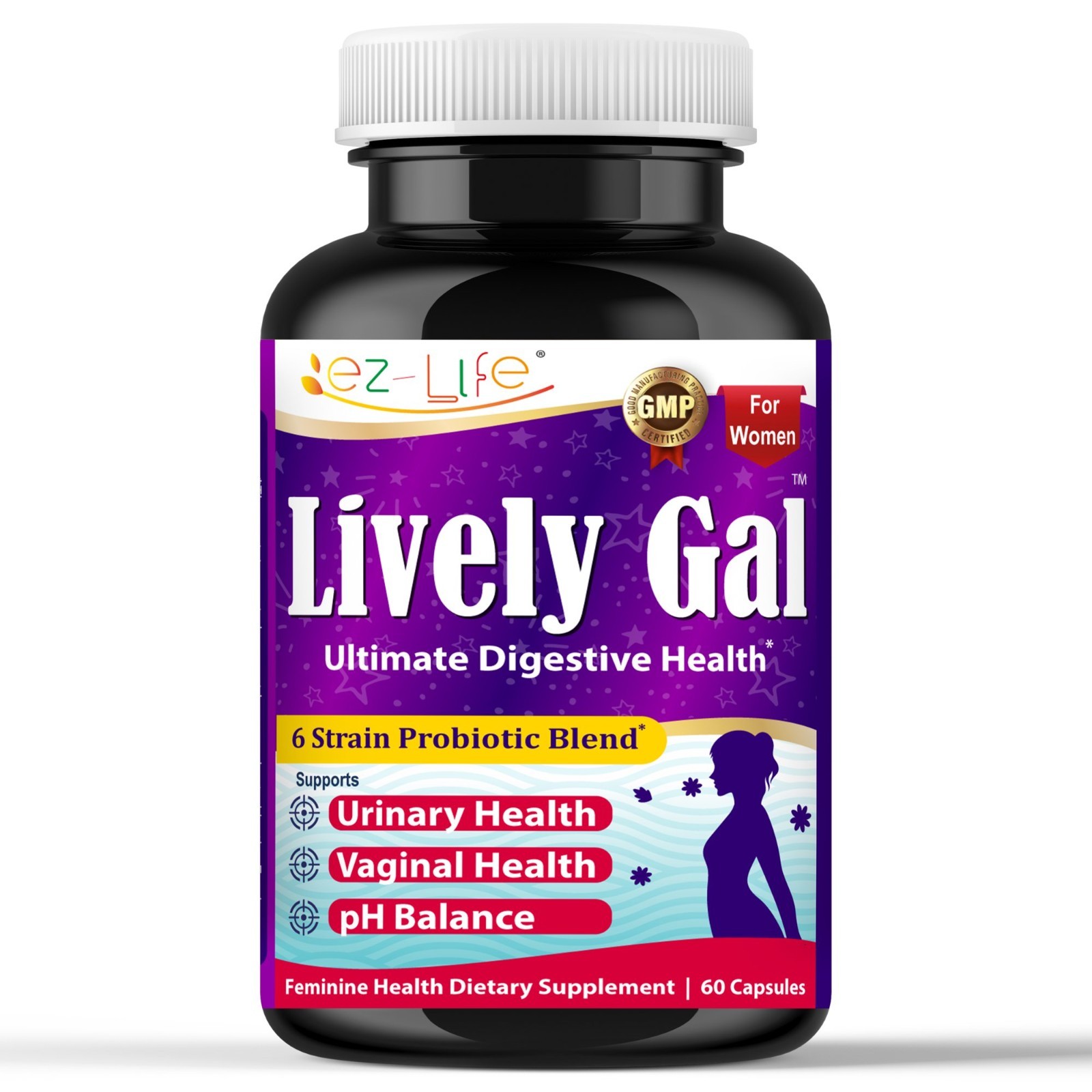

Photos from current listings. Actual item, color, and included accessories may vary.
Vaginal Probiotic Buying Guide
Vaginal probiotics are oral or suppository supplements that deliver specific Lactobacillus strains to support vaginal pH and flora balance. The key trade-off is strain specificity and CFU viability versus generic 'women's probiotic' blends with no vaginal-targeted evidence. Choose products listing Lactobacillus crispatus, L. jensenii, or L. rhamnosus with CFU counts in the billions and delayed-release capsules; skip vague multi-strain blends under 1 billion CFU.
Median $25.74
Key takeaways
- Strain specificity matters: L. crispatus and L. jensenii are dominant in healthy vaginal flora, while generic L. acidophilus blends target gut health only.
- CFU count should be 1–50 billion at time of consumption; look for overage guarantees or CFU verified at expiry, not just at manufacture.
- Delayed-release or acid-resistant capsules protect live cultures through stomach acid; standard gelatin capsules lose significant viability.
At a glance
- Category
- Probiotics & Digestion
- Last updated
- Nov 28, 2026
Current offers
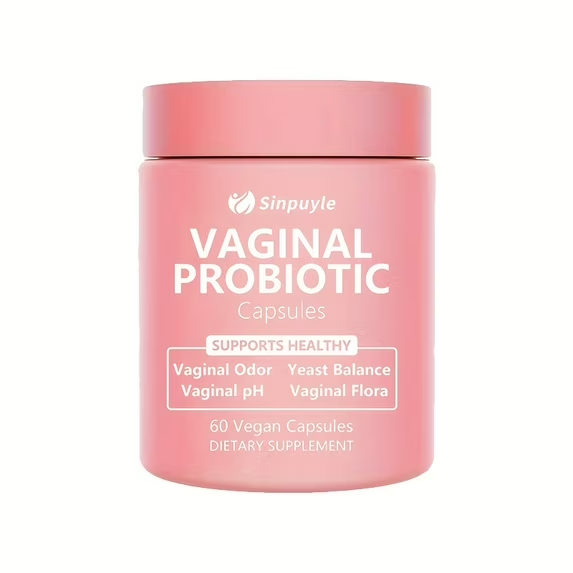
Highlights
- Strain specificity matters: L. crispatus and L. jensenii are dominant in healthy vaginal flora, while generic L. acidophilus blends target gut health only.
- CFU count should be 1–50 billion at time of consumption; look for overage guarantees or CFU verified at expiry, not just at manufacture.
- Delayed-release or acid-resistant capsules protect live cultures through stomach acid; standard gelatin capsules lose significant viability.
- Prebiotics (inulin, FOS) in the formula feed resident flora; products combining probiotics with prebiotics outperform probiotic-only capsules for colonization.
Best use cases
- Best fit: daily maintenance for women prone to pH imbalance or odor — choose a 10–50 billion CFU Lactobacillus crispatus/jensenii capsule with prebiotics.
- Best fit: post-antibiotic or post-yeast-infection recovery — pick a higher-CFU (25–50 billion) multi-strain vaginal probiotic for 30–60 days.
- Wrong fit: anyone expecting immediate symptom relief — probiotics colonize over weeks; acute infections need antifungal or antibiotic treatment first.
- Skip: products labeled only 'women's probiotic' with no vaginal strains listed or CFU under 1 billion — these are generic digestive blends.
Buying tips
- Check the strain list: require Lactobacillus crispatus, L. jensenii, L. rhamnosus, or L. reuteri — not just 'Lactobacillus blend'.
- Match CFU to goal: 1–10 billion for daily maintenance, 25–50 billion for recovery or recurrent imbalance support.
- Choose delayed-release or vegetable cellulose capsules over standard gelatin for acid survival.
- Verify third-party testing or GMP certification on the label; refrigerated shipping is recommended for high-CFU products.
Specs
| Strain Focus | L. crispatus / L. jensenii / L. rhamnosus |
|---|---|
| CFU Range | 1–50 billion at expiry |
| Capsule Type | Delayed-release / acid-resistant |
| Added Prebiotics | Inulin / FOS included or not |
Related searches
What to check before buying
- Confirm the product lists specific vaginal Lactobacillus strains, not just total CFU or 'women's blend'.
- Check capsule type: delayed-release or acid-resistant is required for oral probiotics to reach the vagina.
- Verify storage instructions — many high-CFU probiotics require refrigeration; shelf-stable versions use freeze-dried cultures.
- Ensure the CFU count is guaranteed at expiry, not just at time of manufacture, to avoid underdosed products.
FAQ
Data sources: eBay / Amazon listings and product attribute feeds. Updated Nov 28, 2026.
Some links on this page are affiliate links. If you buy after clicking one, we may earn a commission at no extra cost to you. This does not change which products appear here or their order. Affiliate disclosure.