Health Stack Guide

Health Stack Guide

Nutrition & Supplements Reviews & Buying Guides

Compare nutrition & supplements by use case, features, trade-offs, price, returns, and seller terms before you buy.

Buying guides

Buying guide image
Vitamins & Minerals

Magnesium Anxiety

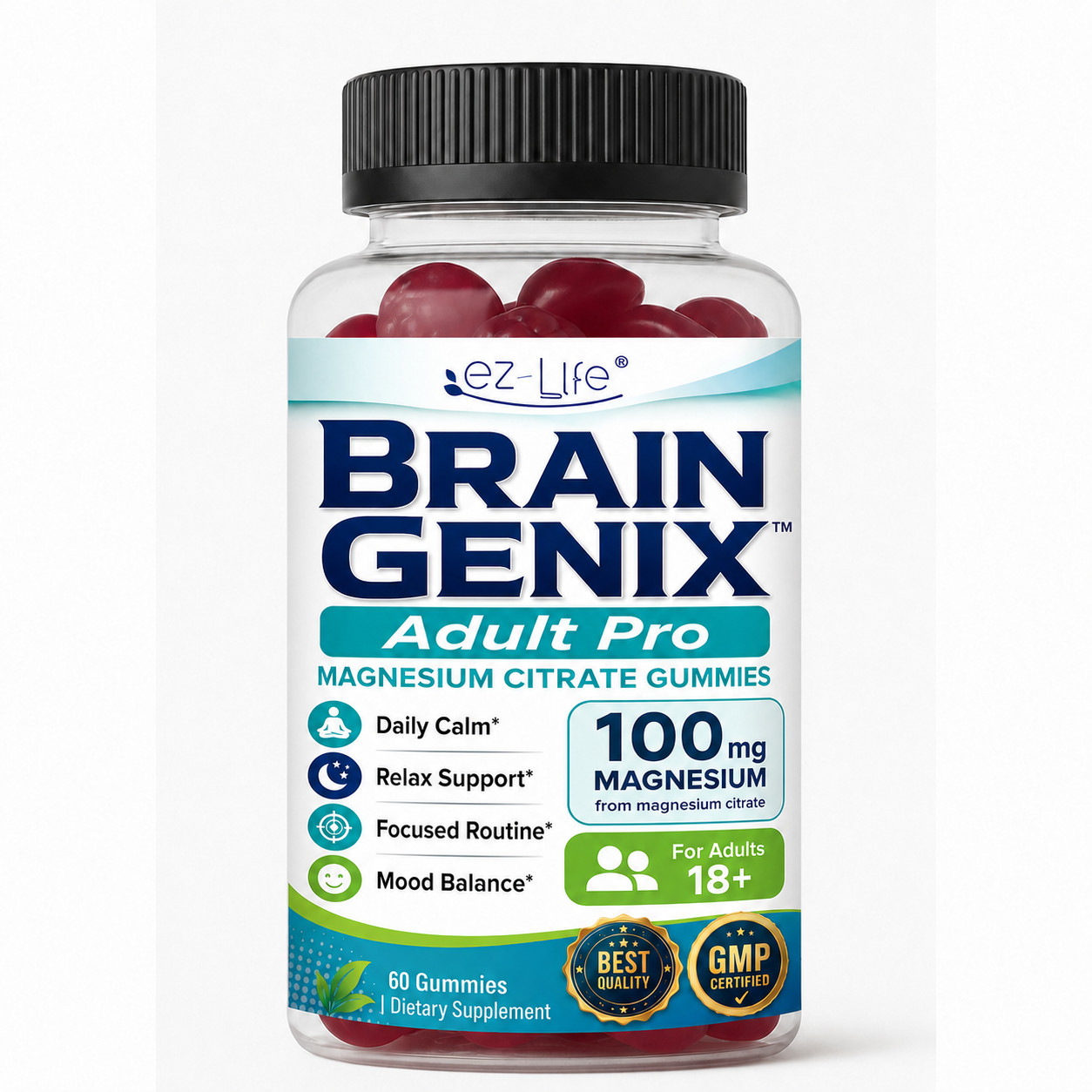
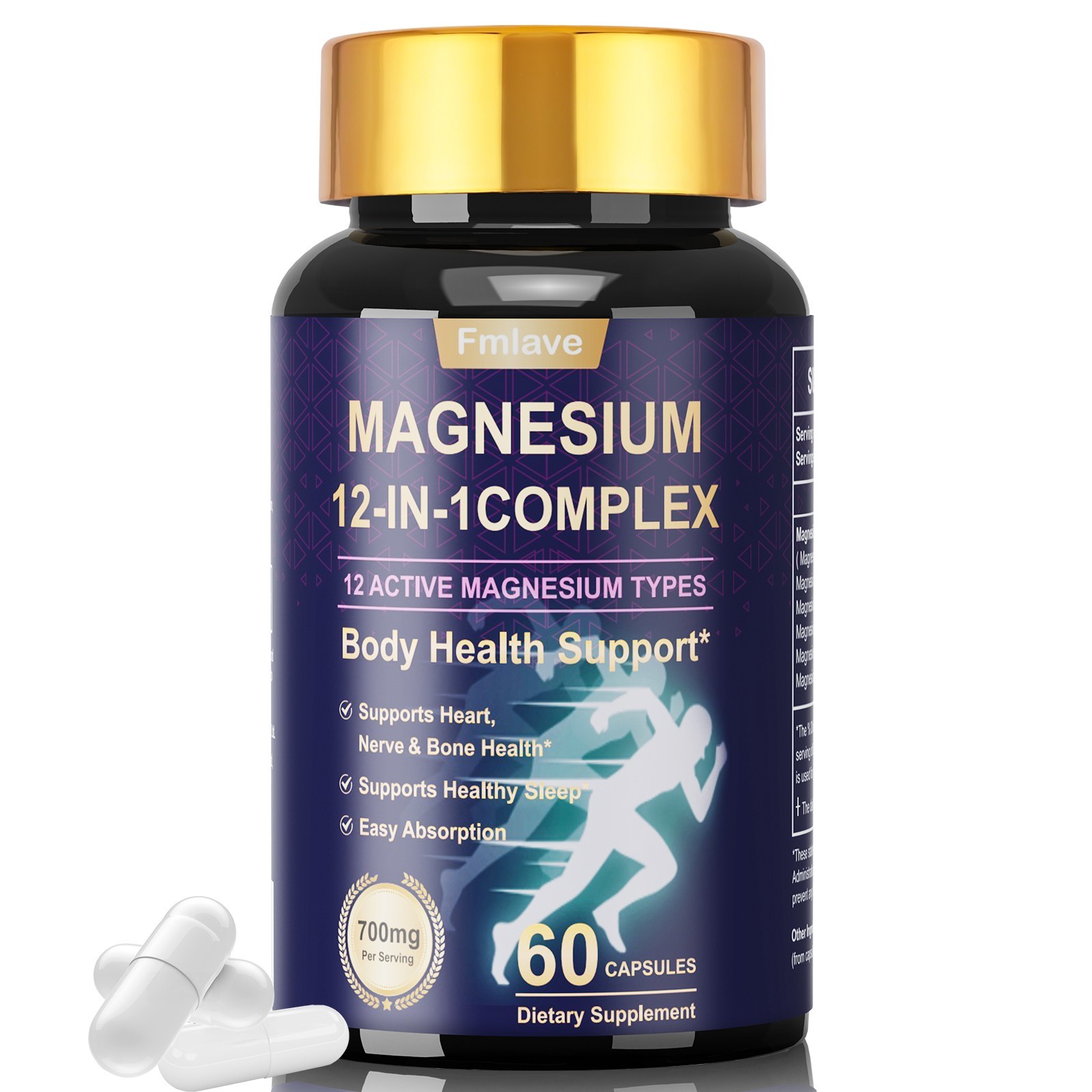
Magnesium for anxiety refers to supplemental forms that support calm, sleep, and stress response, but efficacy depends on the compound's absorption and elemental yield. The core trade-off is chelated forms like glycinate (gentle, high bioavailability) versus oxide/citrate (cheap, laxative, low brain uptake). Choose a chelated or complex formula with a stated elemental dose; avoid oxide-heavy blends or underdosed gummies.
Buying guide image
Vitamins & Minerals

Magnesium Glycinate

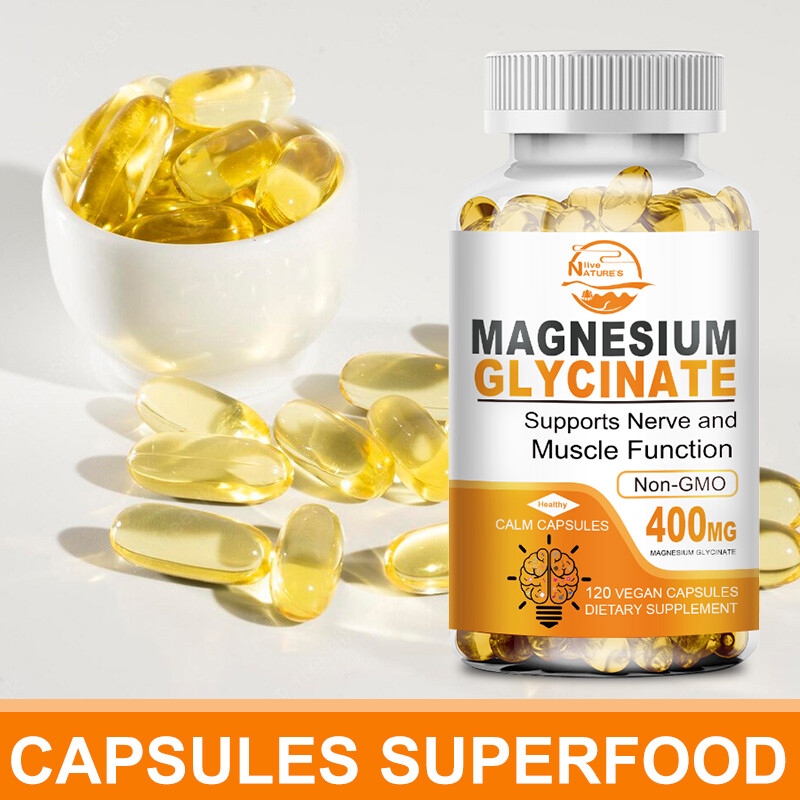
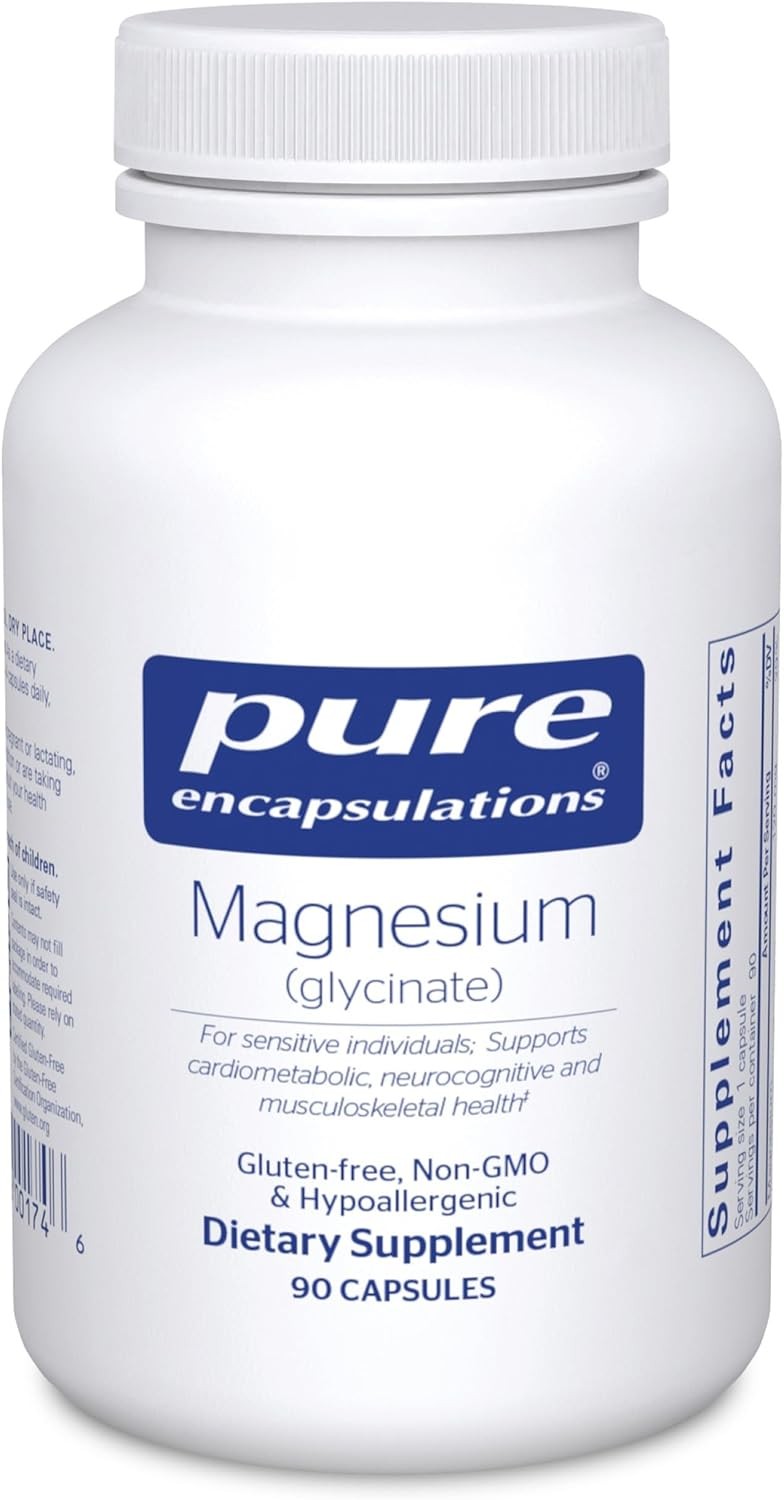
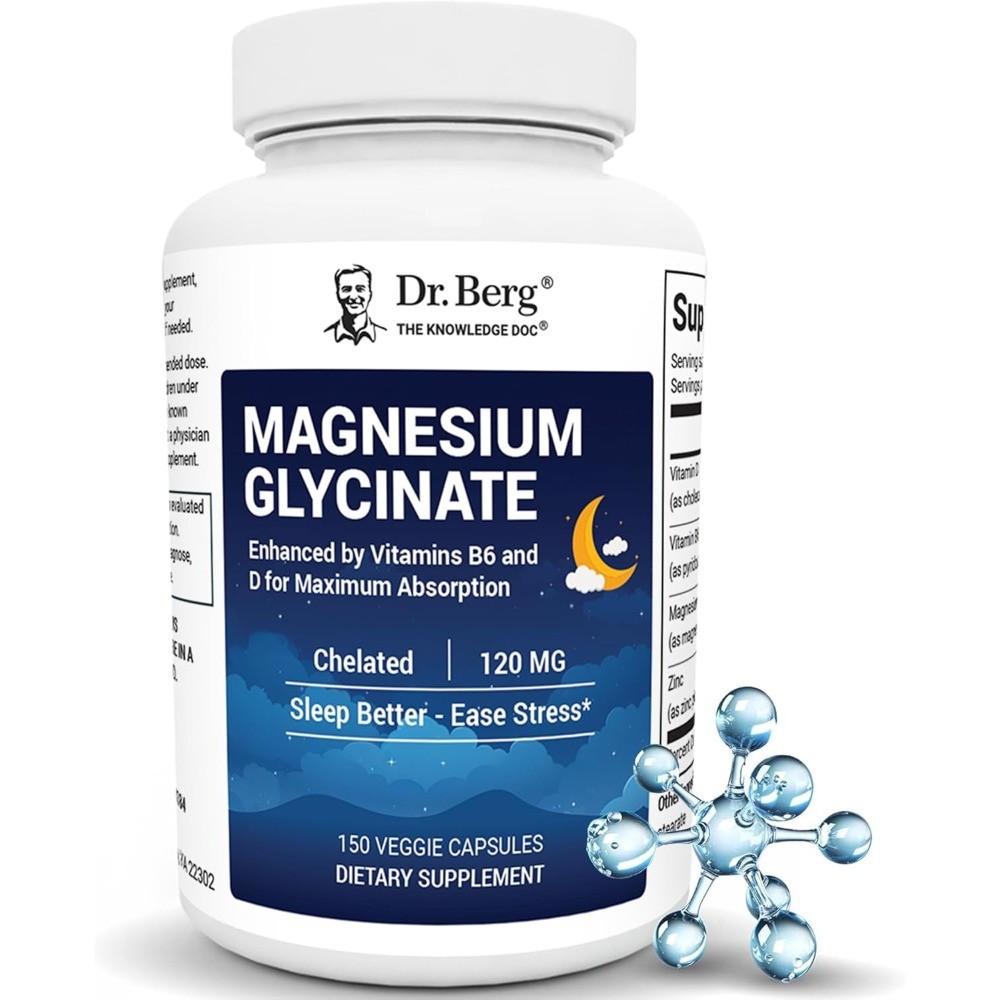
Magnesium glycinate is a chelated mineral supplement where magnesium is bound to the amino acid glycine, prized for high bioavailability and low laxative risk compared with oxide or citrate forms. The core trade-off is elemental magnesium yield per capsule versus chelation purity and dose convenience: high-elemental products deliver 100–200 mg per capsule with minimal fillers, while low-elemental blends require 3–4 capsules to reach a meaningful dose. The decision rule: buy a product that states elemental magnesium per serving and the glycinate percentage; skip products that list only compound weight with oxide or citrate fillers in the blend.

Buying guide image
Meal Replacement Management

Meal Replacement Smoothie

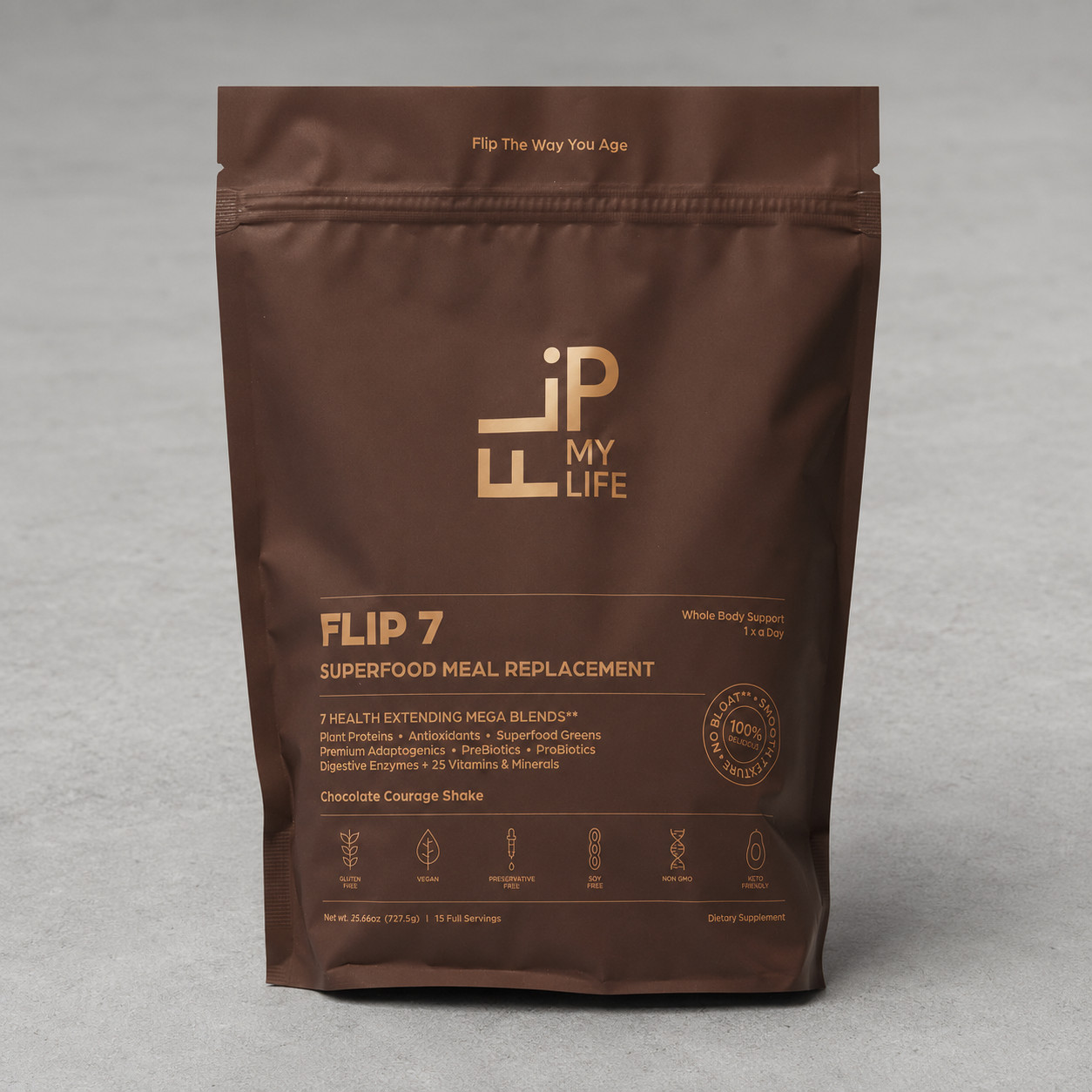
Meal replacement smoothies are powdered or ready-to-drink formulas engineered to deliver a full meal's calories, protein, fiber, and micronutrients in liquid form. The core trade-off is between convenience and satiety: high-protein, high-fiber formulas with slow-digesting carbs keep you full, while sugar-heavy or low-protein mixes spike and crash. Choose a product with at least 15g protein and 5g fiber per serving for weight-loss use; treat sub-10g protein or high-sugar shakes as snacks, not meal replacements.

Buying guide image
Probiotics & Digestion

Probiotic Men

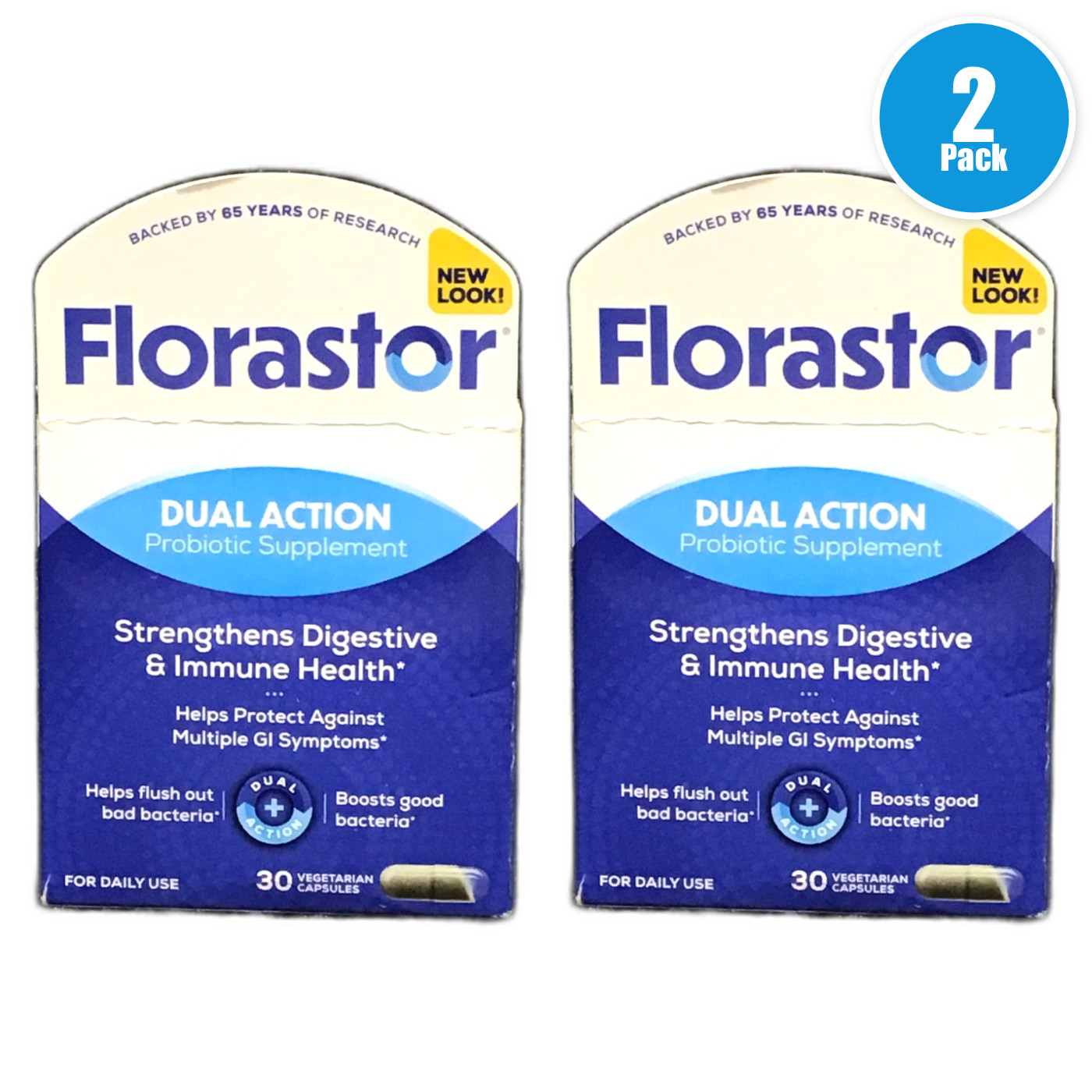
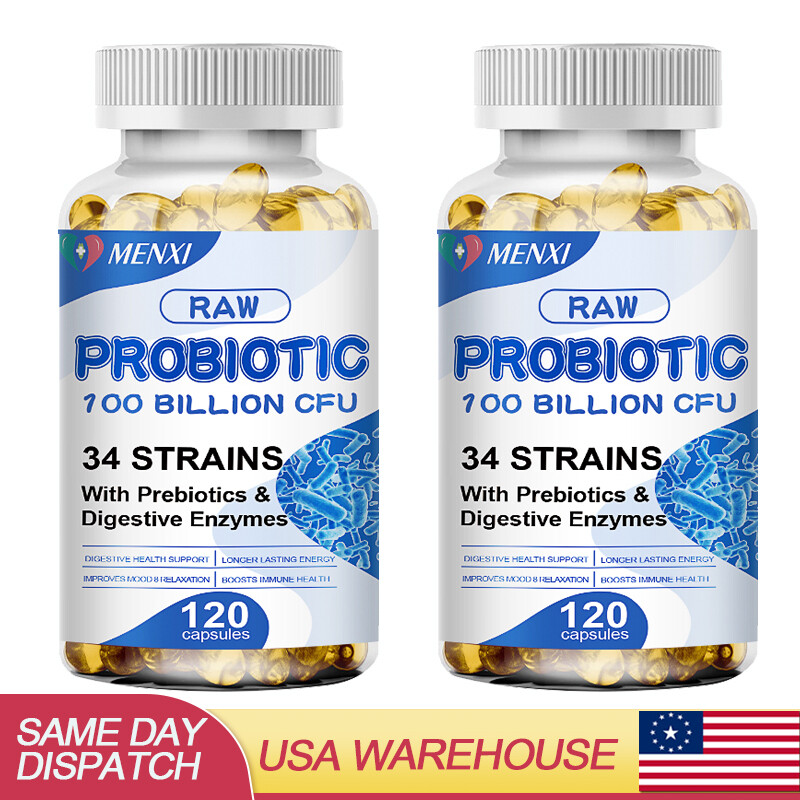
Probiotics for men are multi-strain live-microbe supplements formulated to support digestive regularity, immune function, and sometimes prostate or testosterone-adjacent pathways, sold as capsules, spore-based powders, or acidophilus blends. The core trade-off is CFU count and strain specificity versus survivability and packaging: high-CFU blends look impressive on the label but often underdeliver unless the strains are acid-resistant or spore-forming and the bottle is moisture- and light-protected. Buy spore-based or clinically documented multi-strain capsules in blister or desiccant-lined bottles for real gut colonization; treat generic high-count acidophilus capsules in clear or flimsy bottles as a compromise tier.

Buying guide image
Vitamins & Minerals

Magnesium Sleep

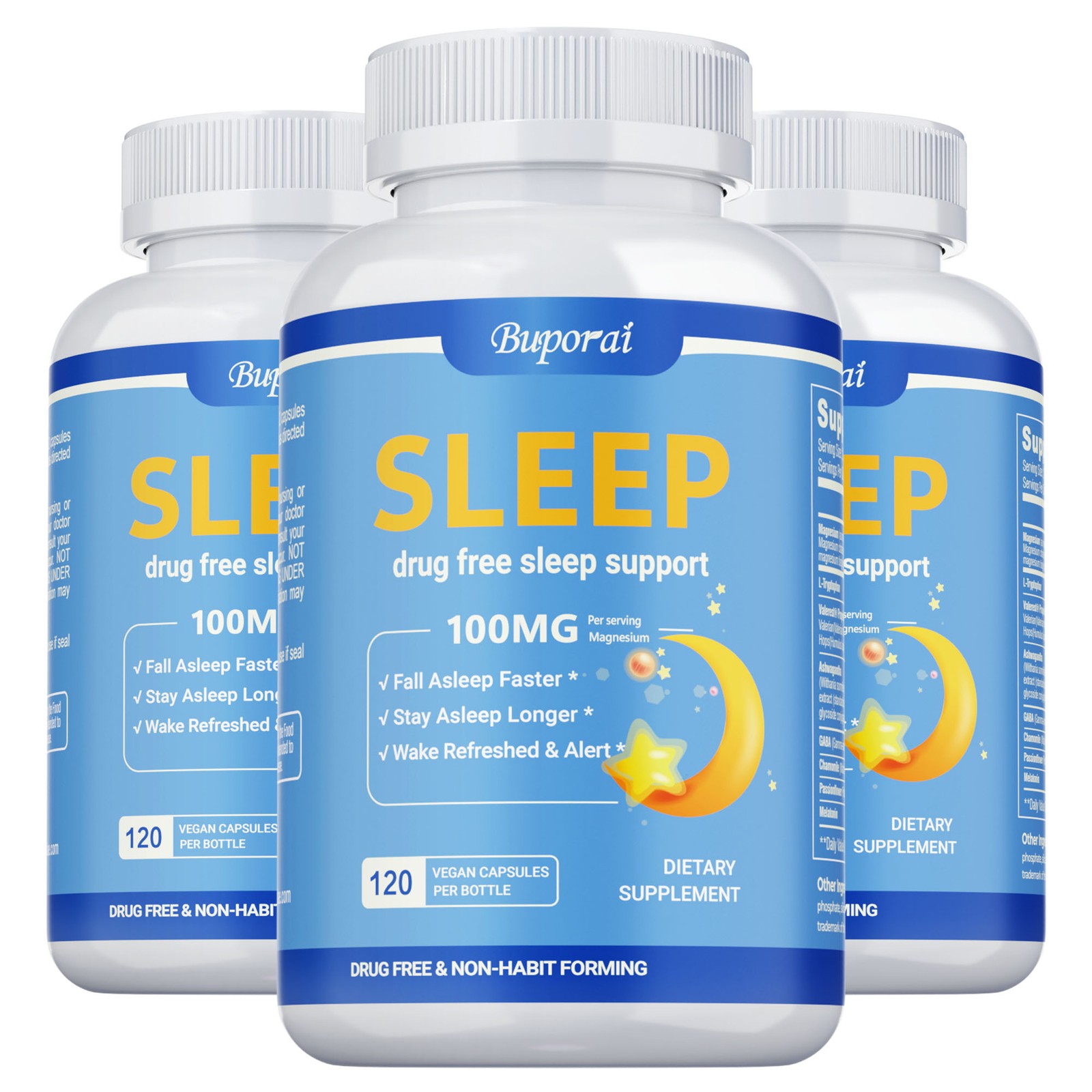
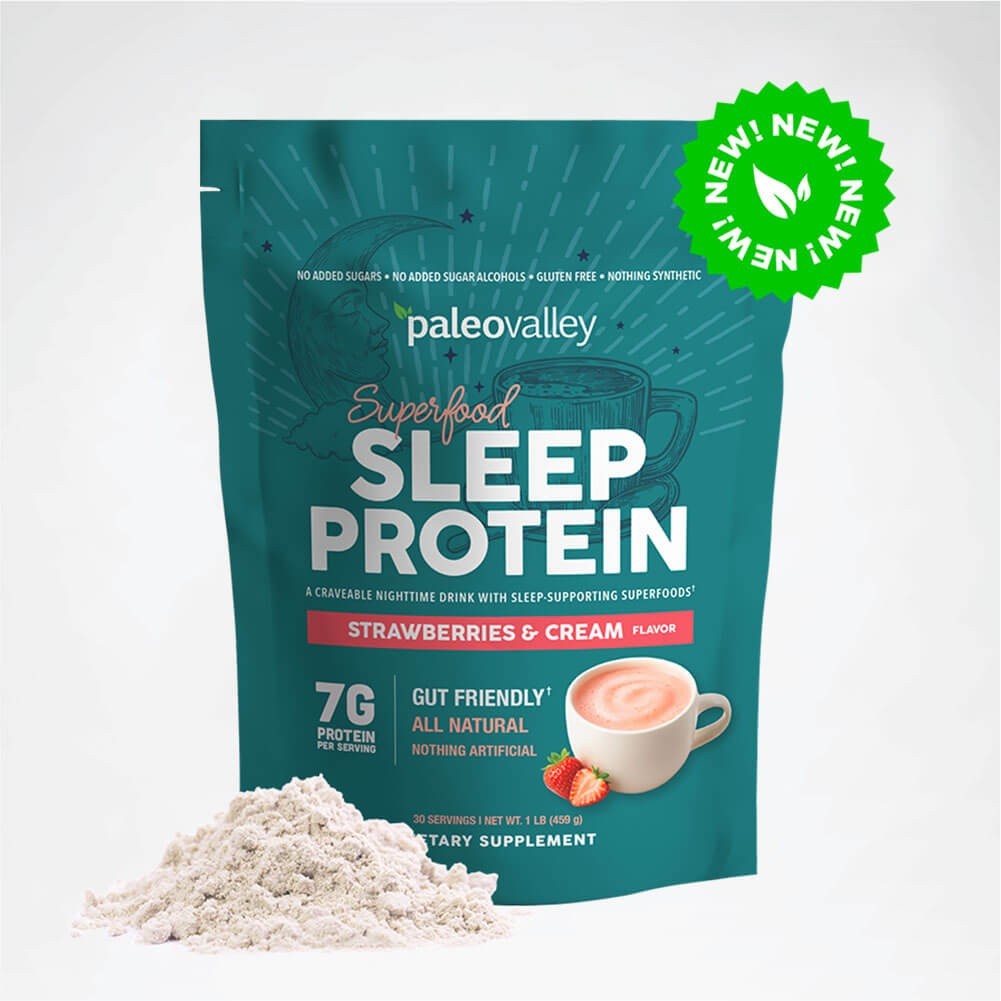
Magnesium sleep supplements are mineral formulas marketed to improve sleep onset and quality, with the primary trade-off being absorption and tolerability: chelated forms (glycinate, citrate) cost more but are gentler on the gut than oxide. The decision rule is simple: choose a chelated magnesium with a clearly stated elemental dose, and avoid oxide-heavy or proprietary-blend sleep products that hide magnesium content behind melatonin and herbal stacks.

Buying guide image
Probiotics & Digestion

Probiotic Gummy

Probiotic gummies are gelatin- or pectin-based chewables that deliver live cultures with prebiotics, often marketed for digestive or women's health. The key trade-off is CFU count and strain specificity versus sugar load, stability, and whether the formula is truly vegan or shelf-stable. Choose a gummy with at least 3 billion CFU at time of manufacture, a named multi-strain blend, and a pectin base if vegan; skip low-CFU, high-sugar, or vague 'proprietary blend' gummies.

Buying guide image
Probiotics & Digestion

Probiotic Gas

Probiotic gas supplements are live-microbe or spore-based products formulated to reduce intestinal gas, bloating, and irregularity by shifting gut flora and supporting digestion. The primary trade-off is strain specificity and CFU count versus survivability and added digestive enzymes or prebiotics. Choose a product with clinically studied strains at a documented CFU and enteric or spore protection; avoid vague 'digestive aid' blends with undisclosed strains.

Buying guide image
Probiotics & Digestion

Probiotic Supplement Women

Women's probiotic supplements are multi-strain live cultures formulated for vaginal pH balance, digestive regularity, and immune support, with CFU count and strain identity being the core quality levers. The primary trade-off is between high-CFU broad-spectrum blends and clinically documented single-strain or synbiotic formulations that cost more per dose. The decision rule: choose products that list full genus-species-strain names and CFU at expiry, and skip vague 'probiotic blend' labels with no strain IDs or potency guarantee.

Buying guide image
Sleep & Stress Supplements

Sleep Aid

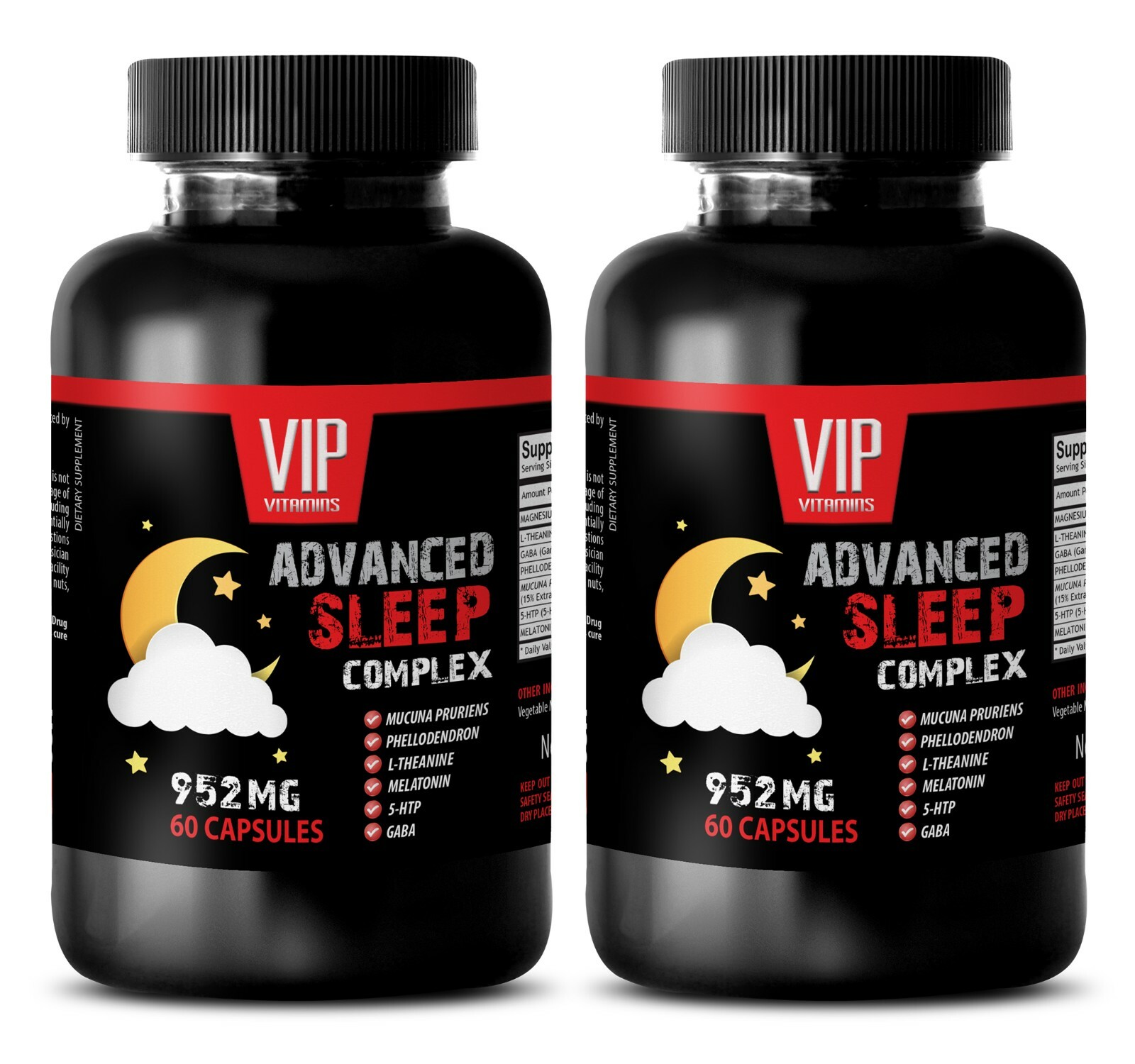
Sleep aids span melatonin, herbal sedatives (valerian, passionflower), 5-HTP, GABA, and antihistamine-based OTC drugs, each with distinct mechanisms and dependency profiles. The core trade-off is onset speed and sedation depth versus next-day grogginess and tolerance buildup; sustained-release and low-dose formulations minimize the latter. Rule: choose single-ingredient, dose-transparent products for occasional use and avoid proprietary blends or antihistamines for nightly use.

Buying guide image
Probiotics & Digestion

Probiotic Adult

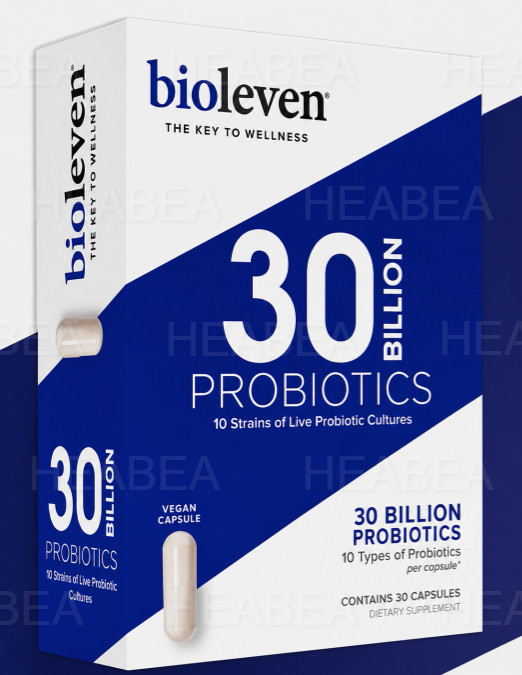
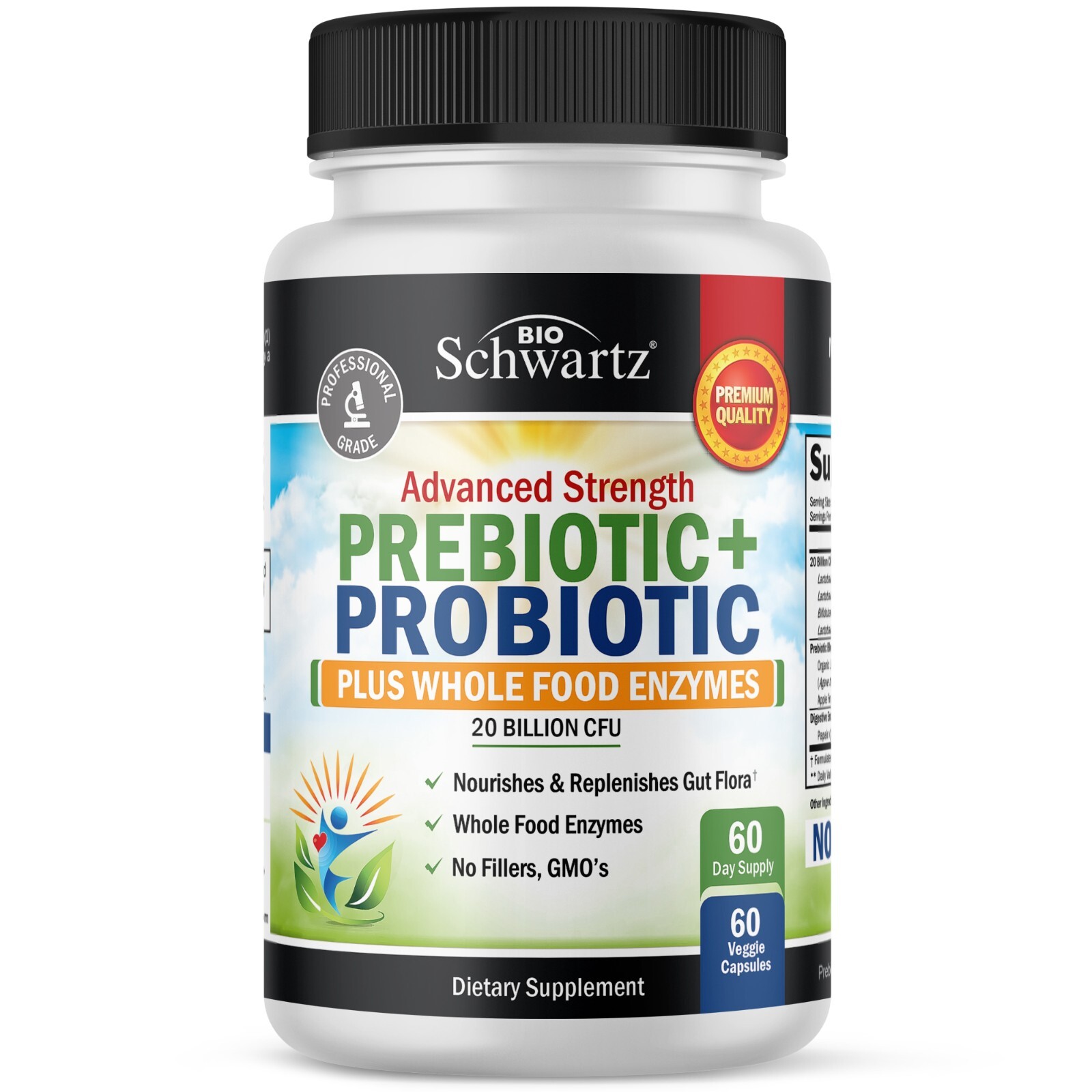
Adult probiotics are live-microbe dietary supplements that support digestive and immune health, where efficacy hinges on CFU count at expiry, strain specificity, and delayed-release capsule construction. The primary trade-off is between high-CFU multi-strain blends and spore-based formulas that survive stomach acid without refrigeration. Choose a product with third-party viability testing and clear strain IDs; skip vague 'probiotic blend' labels with no CFU guarantee at expiry.

Buying guide image
Vitamins & Minerals

Multivitamin With Magnesium

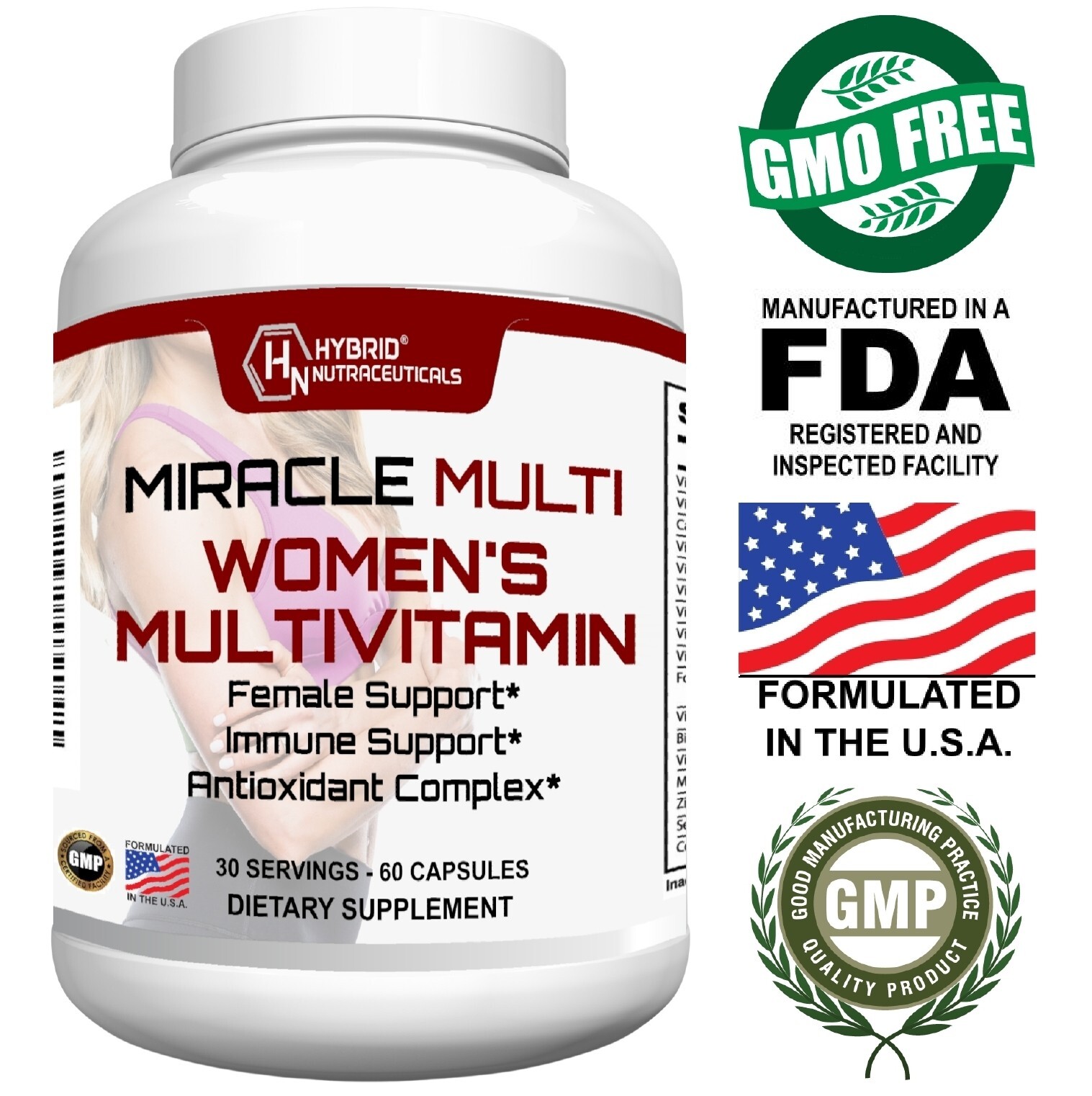
A multivitamin with magnesium combines a broad-spectrum vitamin/mineral base with a meaningful dose of magnesium, typically 50–200 mg elemental per serving. The core trade-off is elemental magnesium yield versus pill burden and GI tolerance: oxide and carbonate deliver high elemental magnesium cheaply but poorly absorbed, while glycinate, citrate, and malate cost more per mg and demand larger capsules. Buy the form and dose that match your bowel tolerance and capsule budget, not the label's total mineral count.

Buying guide image
Sleep & Stress Supplements

Stress Pill

Stress pills are oral supplements marketed to reduce perceived stress and promote calm, typically built around magnesium, adaptogens (ashwagandha, rhodiola), L-theanine, or GABA. The core trade-off is between single-ingredient mineral formulas with clear dosing and multi-ingredient proprietary blends that may underdose actives. Choose single-ingredient products with disclosed elemental doses for predictable effect, and treat sedative-heavy 'sleep complex' blends as night-only products, not daytime stress support.

Buying guide image
Protein Nutrition

Protein Shake

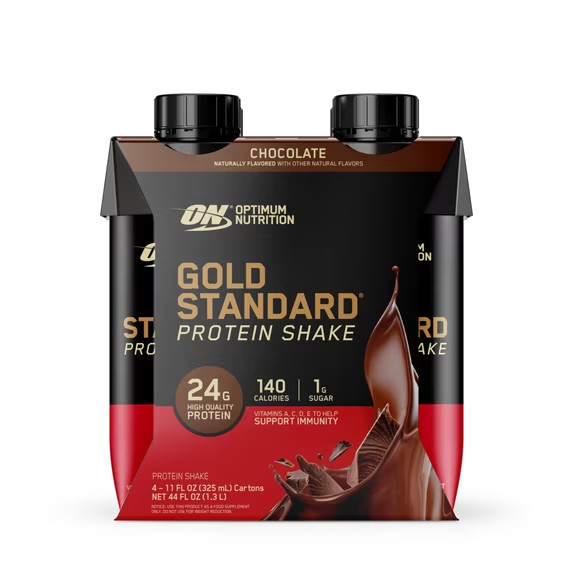
Protein shakes are ready-to-drink (RTD) beverages or powders delivering 15–30 g high-quality protein per serving for weight management, diabetes-friendly nutrition, or teen supplementation. The core trade-off is protein source and added sugar: whey/casein blends digest fast and cheaply, while plant isolates (pea/rice) suit dairy-free diets but often need fiber and B12 fortification. Choose RTD shakes with ≤5 g sugar and ≥20 g protein for weight loss; choose low-glycemic, fiber-fortified shakes for diabetes; choose 15–20 g protein with minimal caffeine for teens.

Buying guide image
Protein Nutrition

Protein Drink

Protein drinks are ready-to-drink shakes or powders that deliver 8–30g of protein per serving for meal supplementation, recovery, or medical nutrition. The decisive trade-off is protein source (whey vs plant vs casein) and whether the formula is a complete meal replacement or a protein-only shake, which dictates digestibility, allergen safety, and calorie load. Choose a shake with at least 15g protein and third-party testing for medical or elderly use; skip 8–10g 'nutrition shakes' if protein density is the goal.

Buying guide image
Sleep & Stress Supplements

Stress Supplement

Stress supplements are ingestible formulations—adaptogens, minerals, and sleep aids—that aim to modulate the body's stress response; the core trade-off is between single-ingredient, dose-transparent products and multi-ingredient blends that may underdose key actives. The decisive rule: choose products that state the exact form and elemental dose of each active (e.g., magnesium glycinate vs oxide, KSM-66 ashwagandha) and skip any blend that hides amounts behind a proprietary matrix.

Buying guide image
Protein Nutrition

Protein Shake Without Artificial Sweetener

Protein shakes without artificial sweeteners rely on natural sweeteners like stevia, monk fruit, or dates, and the main trade-off is between clean-label sweetness and acceptable taste/texture. Durable options use third-party tested protein isolates and high-grade natural sweeteners with no sugar alcohols, while compromises hide maltodextrin or artificial sweeteners under 'natural flavors.' The decision rule: look for a specific natural sweetener named on the label and third-party certification (NSF, Informed Choice) to separate genuine clean-label shakes from marketing claims.

Buying guide image
Sleep & Stress Supplements

Stress Vitamin

Stress vitamins are dietary supplements combining adaptogens, B-complex, magnesium, or herbal extracts marketed to modulate cortisol and calm the nervous system. The core trade-off is between clinically dosed single-ingredient formulas with verified potency and proprietary blends that hide individual doses behind a single 'stress complex' number. Buy single-ingredient products with disclosed elemental doses (e.g., magnesium glycinate 200–400 mg, ashwagandha 300–600 mg KSM-66) and skip any label that lists a blend total without per-herb breakdown.

Buying guide image
Sports Performance

Creatine Brand

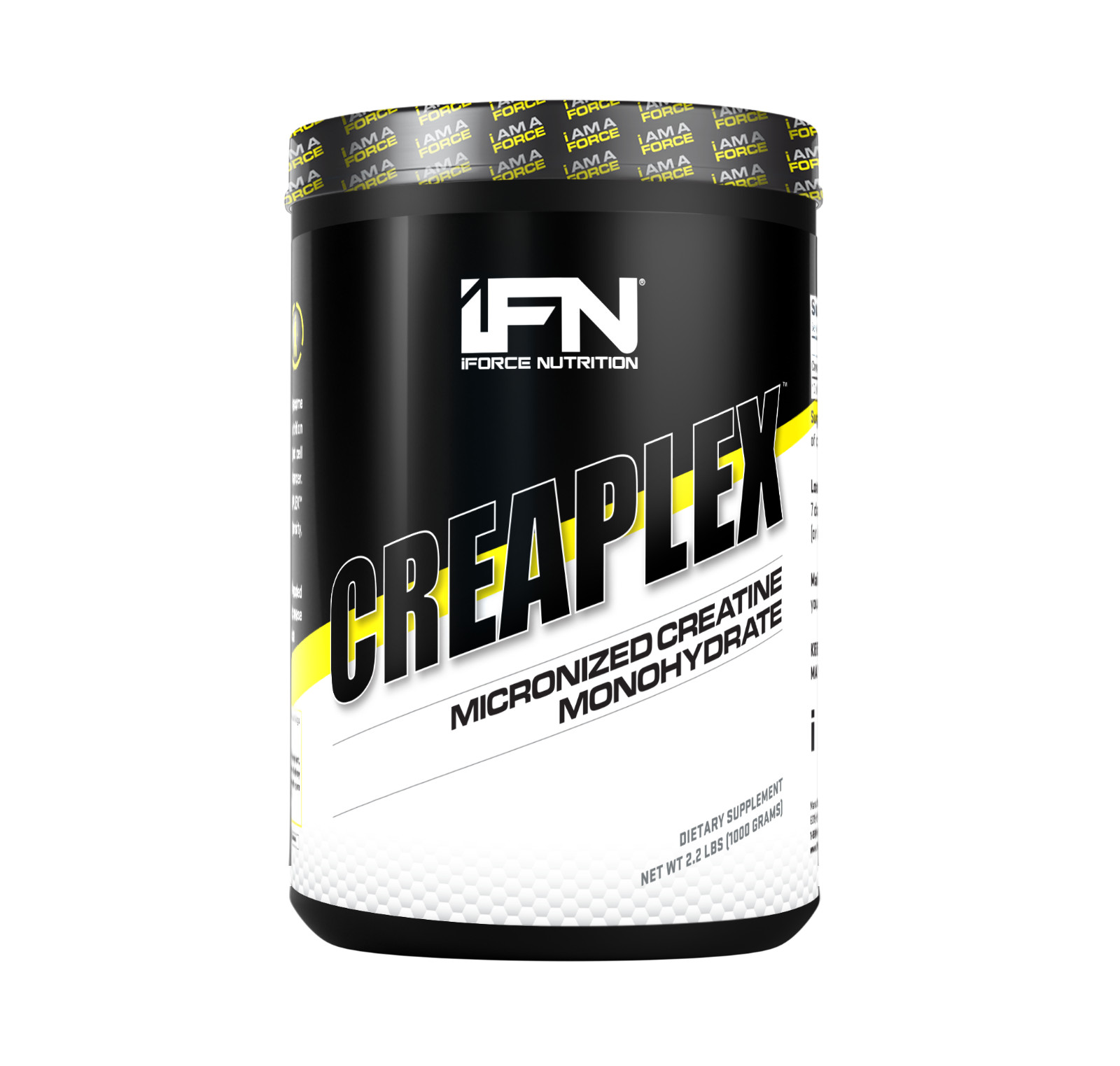
Creatine brands all sell the same active molecule, so the real decision is monohydrate grade, dose accuracy, and third-party testing, not marketing claims. The durable choice is a Creapure or micronized monohydrate with 5 g per serving and a batch certificate; compromises hide behind proprietary blends, gummies, and 1 g capsules that force double-digit pill counts.

Buying guide image
Probiotics & Digestion

Probiotic Prebiotic Women

Women's probiotic-prebiotic supplements combine live microbial strains with prebiotic fibers to support vaginal pH, urinary tract, and digestive health, but the category spans 30–100+ billion CFU capsules, gummies, and herb-enhanced blends with vastly different stability and evidence profiles. The core trade-off is potency and strain specificity versus delivery format, since high-CFU capsules demand cold-chain or delayed-release tech while gummies trade dose ceiling for compliance. Buy capsules with documented Lactobacillus strains and a prebiotic fiber when pH and gut support are the goal; choose gummies only for taste-driven adherence, and skip mega-CFU blends without strain transparency.

Buying guide image
Sports Performance

Creatine

Creatine is a sports supplement whose performance and value hinge almost entirely on form (monohydrate vs. alternative salts), dose per serving, and third-party purity testing. The core trade-off is price and evidence (monohydrate is cheapest and most studied) versus convenience and digestibility (gummies, creatine HCL, or blends cost more with thinner evidence). The decision rule: buy plain creatine monohydrate with 3–5 g elemental creatine per serving and independent testing; skip proprietary blends and low-dose capsules unless you have a specific compliance reason.

You may also like

Finding more guides for you…