Health Stack Guide

Health Stack Guide

Nutrition & Supplements Reviews & Buying Guides

Compare nutrition & supplements by use case, features, trade-offs, price, returns, and seller terms before you buy.

Buying guides

Buying guide image
Sports Performance

Type Creatine

Creatine is a sports-performance supplement sold in several chemical forms—monohydrate, hydrochloride, nitrate, and buffered blends—that differ mainly in solubility, GI tolerance, and cost per effective dose. The primary trade-off is between monohydrate's proven efficacy and low cost versus premium forms that claim better absorption but lack equivalent long-term evidence. The decision rule: buy monohydrate unless you have specific GI distress or solubility needs, and treat all other forms as optional upgrades only when third-party tested and dose-equivalent.
Buying guide image
Sports Performance

10 Creatine

Top 10 creatine products are multi-ingredient or single-source creatine supplements marketed as comprehensive performance enhancers. The primary trade-off is between proprietary blends with unlisted dosages and single-ingredient creatine monohydrate with verified purity and exact dosing. Choose a product with a disclosed 3–5 g creatine dose per serving and third-party purity testing; skip blends that hide creatine behind a proprietary matrix.

Buying guide image
Sports Performance

5 Creatine

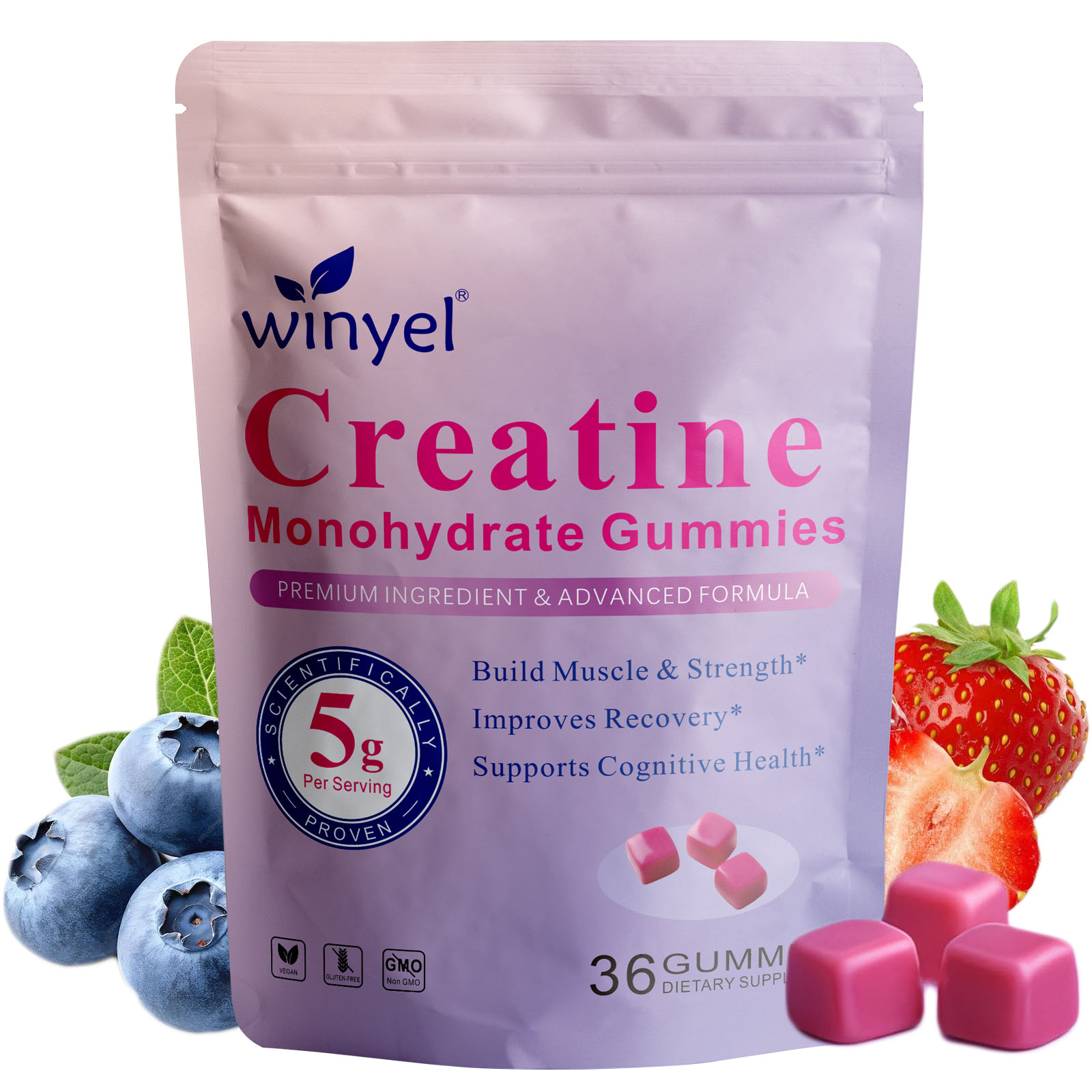
Creatine is a sports-performance supplement whose benefits depend on delivering 3–5 g of bioavailable creatine per day, with monohydrate being the most researched and cost-effective form. The key trade-off is between established monohydrate powders and newer delivery formats like gummies or blends, where dose per serving and added ingredients determine actual efficacy. Choose monohydrate (ideally Creapure or micronized) for proven strength and muscle gains, and treat flavored blends or gummies as convenience formats only if they deliver a full 3–5 g dose without excessive sugar or fillers.

Buying guide image
Sports Performance

Creatine At

Creatine buyers face a crowded field of monohydrate powders, capsules, gummies, and multi-ingredient blends, each with different dosing realities and purity standards. Matching the delivery format to your daily routine matters more than chasing exotic blends, while third-party testing and actual creatine content per serving separate credible products from underdosed novelty candies. Sizing and serving-count math determines how long a tub or bottle actually lasts.

Buying guide image
Sleep & Stress Supplements

Sleep Medicine

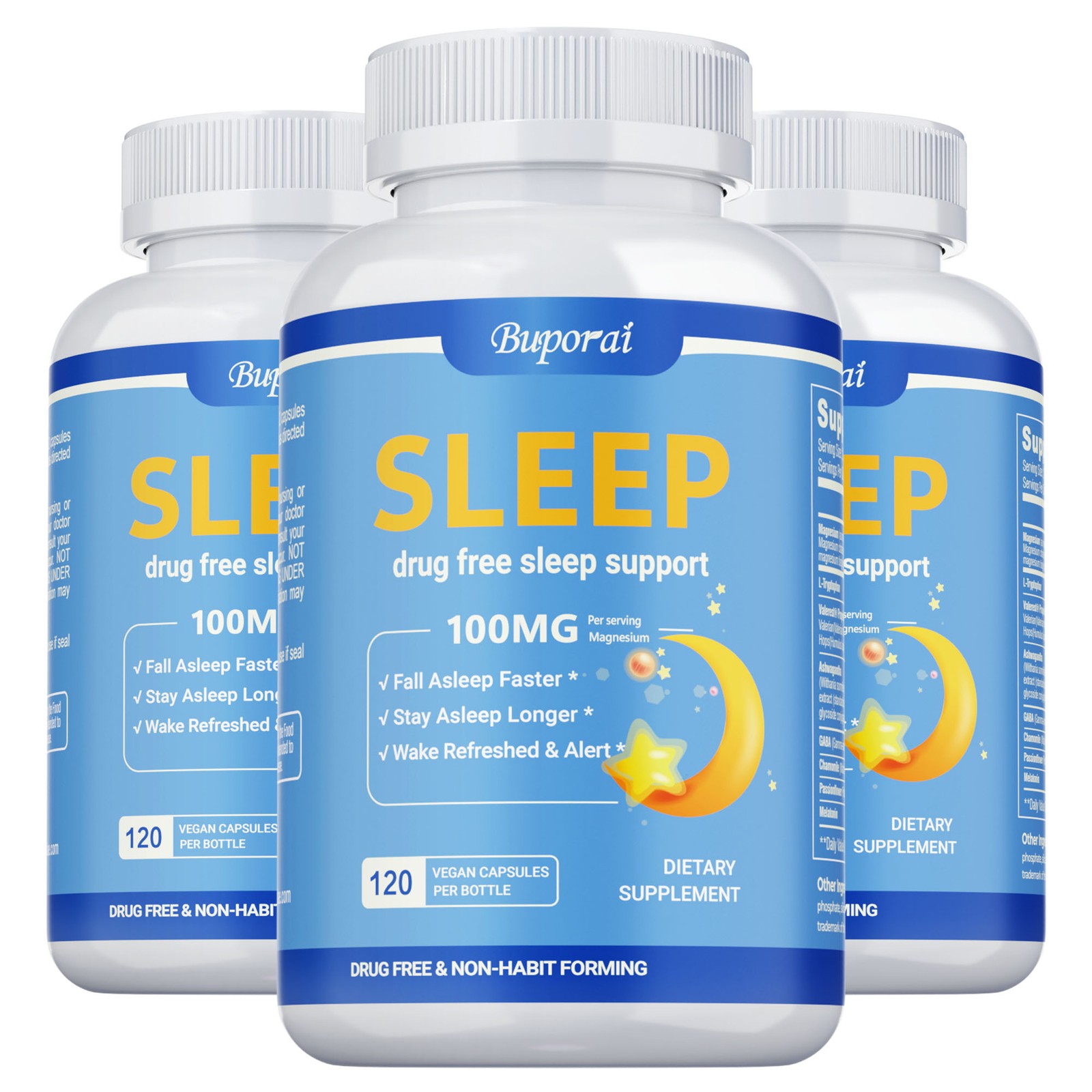
Sleep medicine spans single-ingredient actives like melatonin and 5-HTP to multi-herb nighttime complexes, and the core trade-off is dose transparency versus proprietary-blend opacity. The decisive rule: choose products that disclose exact milligrams per active and match the mechanism (melatonin for circadian timing, 5-HTP for serotonin support, herbal blends for wind-down), and skip 14-in-1 gummies or '952mg complex' labels that hide per-ingredient dosing.

Buying guide image
Protein Nutrition

High Protein Shake

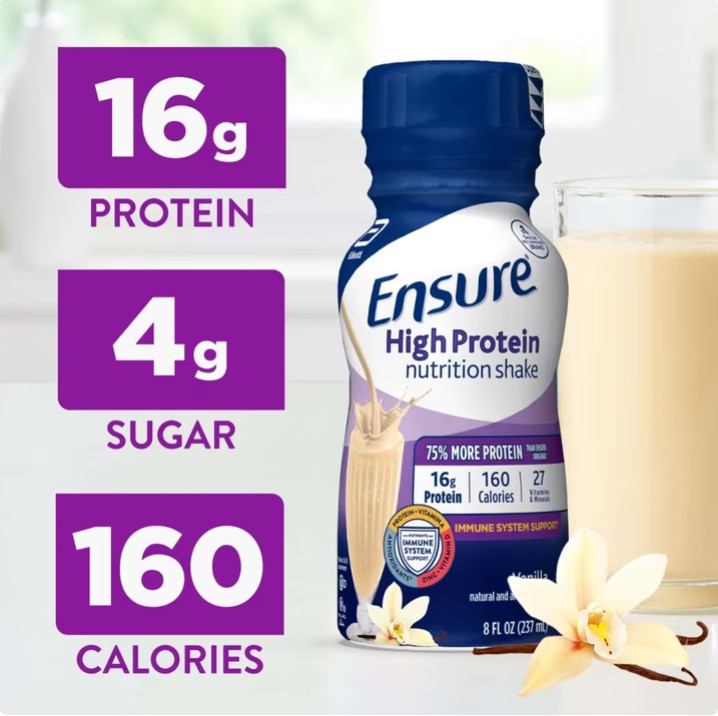
High protein shakes are ready-to-drink or powder-based nutrition beverages delivering 15–30g+ protein per serving for weight management, muscle support, and meal replacement. The core trade-off is protein density versus added sugar, artificial sweeteners, and calorie load—most mainstream RTD shakes anchor at 20g protein per 8oz while clinical/weight-loss formulas push 30g in 11oz. The decision rule: prioritize protein-to-calorie ratio (≥10g protein per 100 calories) and fiber content; anything below 15g protein per serving or above 12g sugar is a snack, not a protein shake.

Buying guide image
Sleep & Stress Supplements

Sleep Aid Adult With Anxiety

Sleep aids for adults with anxiety sit at the intersection of sedative-hypnotics, calming botanicals, and neurotransmitter support—each with a different mechanism and dependency profile. The core trade-off is onset speed versus next-day impairment and habit-forming potential. Choose single-ingredient, dose-transparent formulas with clinical backing for predictable results; avoid proprietary blends and antihistamine-based sedatives for nightly anxiety-driven insomnia.

Buying guide image
Vitamins & Minerals

Multivitamin Tablet

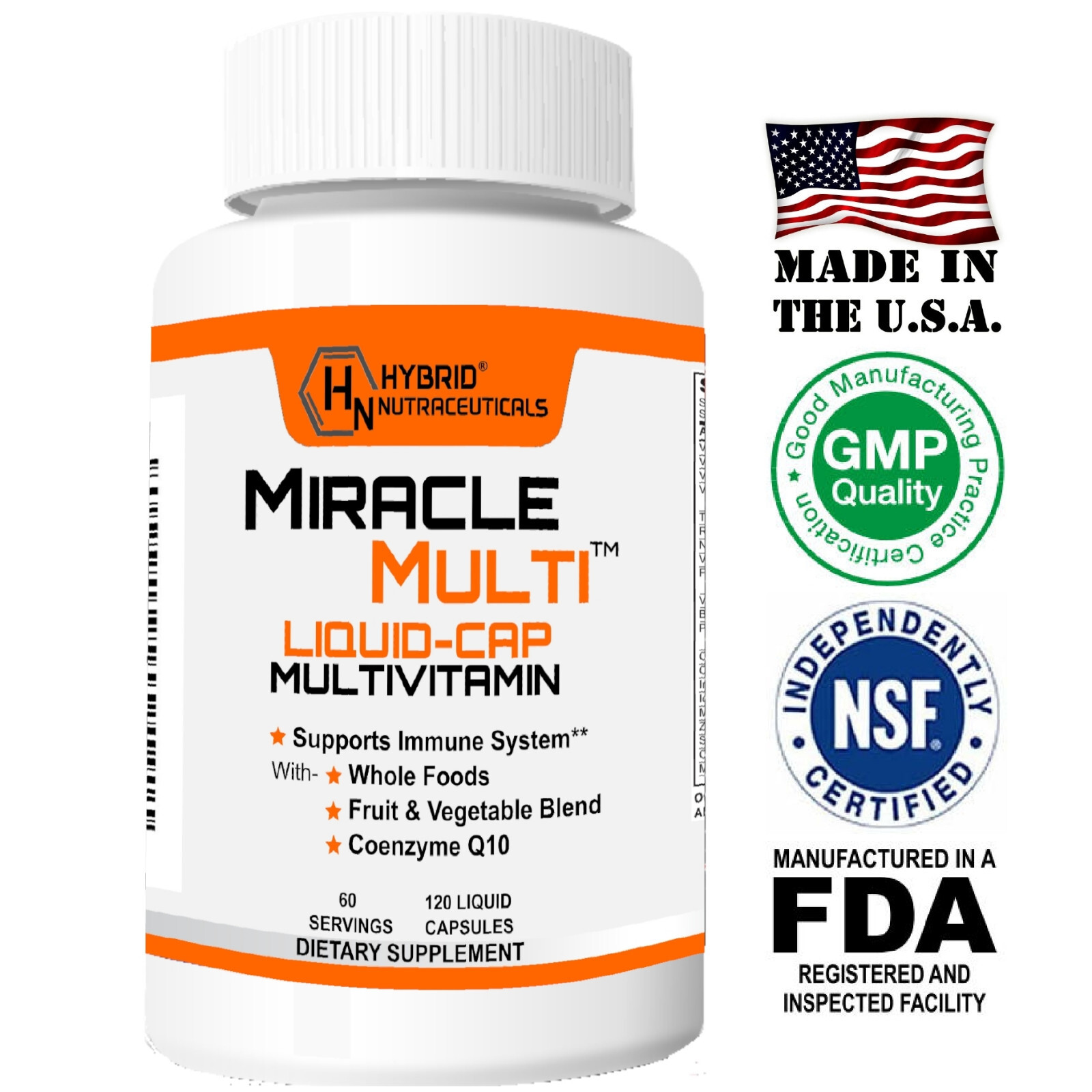
Multivitamin tablets are daily micronutrient supplements whose value hinges on matching form (tablet vs capsule vs gummy) and nutrient dose to your age, sex, and diet. The core trade-off is between convenient all-in-one formulas and targeted nutrient delivery—larger tablets often pack more minerals, while smaller or gummy formats sacrifice mineral load. Choose tablets with bioavailable forms (methylated B12, chelated minerals) and third-party testing; skip prop blends and mega-dose formulas without clinical rationale.

Buying guide image
Protein Nutrition

Protein Shake Weight Loss

Protein shakes for weight loss are ready-to-drink (RTD) beverages or powders formulated to deliver high protein with controlled calories, used as meal replacements or satiety-boosting snacks. The key trade-off is protein dose versus sugar and calorie load: many RTDs pack 20–30g protein but vary widely in added sugar (0–15g) and total calories (100–250), while powders let you control dose but require mixing. The decision rule: choose RTDs with ≥20g protein, ≤5g added sugar, and ≤200 calories per bottle for weight-loss use; skip anything with >8g added sugar or protein <15g, which behave more like sugary snacks than satiety tools.

Buying guide image
Protein Nutrition

Protein Shake Diabetic

Protein shakes for diabetics are liquid nutrition products formulated to minimize postprandial glucose spikes while delivering adequate protein. The primary trade-off is between low glycemic impact (low sugar, high fiber) and protein density (grams per serving) versus total carbohydrate load. Choose shakes with ≤5g total carbs, ≥15g protein, and ≥3g fiber; skip those with >10g carbs or added maltodextrin.

Buying guide image
Sleep & Stress Supplements

Sleep Aid Adult With Anxiety Over The Counter

Over-the-counter sleep aids for adults with anxiety span three distinct architectures: immediate-sedation melatonin, serotonin-pathway modulators like 5-HTP, and multi-ingredient stress-complex blends that include cortisol-regulating adaptogens. The core trade-off is onset speed versus next-day residue versus dependency risk—melatonin acts fast with minimal hangover, while sedating antihistamines and high-dose blends deliver heavier sleep at the cost of grogginess. The decision rule: choose single-ingredient, dose-controlled products when you need predictable onset, and only pick multi-herb complexes when label transparency discloses every ingredient amount.

Buying guide image
Protein Nutrition

Whey Protein

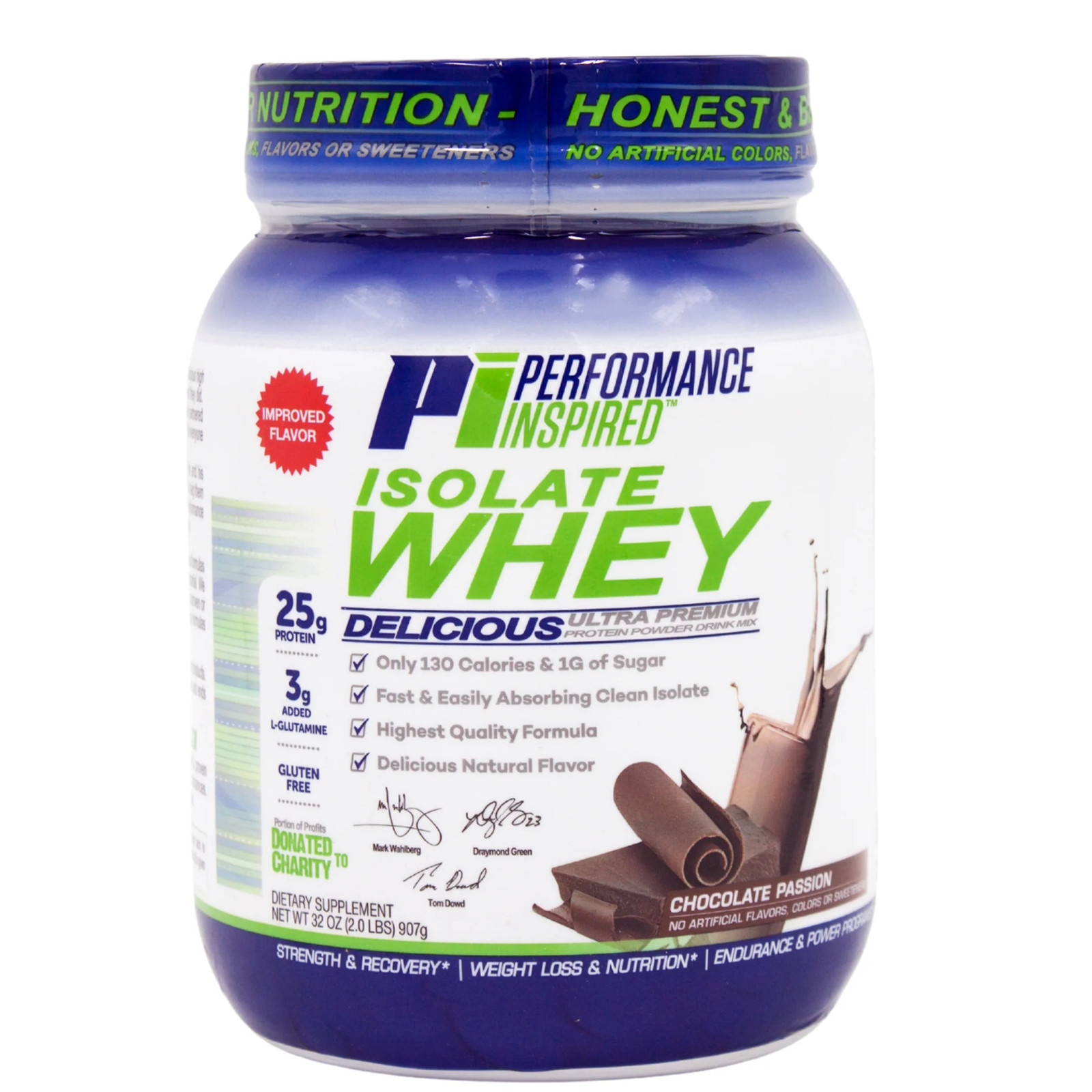
Whey protein is a fast-absorbing dairy protein filtered into concentrate, isolate, or hydrolysate, with purity and lactose content traded against cost. Isolate and hydrolysate deliver 90%+ protein with <1g lactose, while concentrates sit at 70-80% protein and 2-5g lactose per scoop. The durable rule: buy isolate for lactose sensitivity or cutting phases, concentrate for budget-friendly bulking, and skip proprietary blends that hide protein per scoop.

Buying guide image
Protein Nutrition

On Whey Protein

On whey protein refers to whey-based protein powders and ready-to-drink shakes used for muscle recovery, daily protein supplementation, and sports nutrition. The primary trade-off is between protein purity and absorption speed (isolate/hydrolysate) versus cost and taste (concentrate/blends). The clear decision rule: choose a product with at least 20g protein per serving and a full amino acid profile; avoid proprietary blends that hide protein content or fillers that dilute efficacy.

Buying guide image
Protein Nutrition

100 Whey Protein

100% whey protein is a powdered supplement made from whey, a complete dairy protein with all essential amino acids, and the '100%' label signals whey as the sole protein source rather than a blend with casein, soy, or fillers. The core trade-off is filtration purity versus cost: whey protein isolate (WPI) delivers 90%+ protein by weight with minimal lactose and fat, while whey protein concentrate (WPC) at 70–80% protein costs less and retains more immunoglobulins and lactose. Buy isolate or a WPI-dominant blend if you are lactose-sensitive, cutting calories, or per-serving protein density matters; choose concentrate if you tolerate dairy and prioritize value per gram of protein.

Buying guide image
Protein Nutrition

Quality Whey Protein

Quality whey protein is defined by protein density per scoop, raw-material grade (isolate vs concentrate vs hydrolysate), and third-party testing for heavy metals and amino spiking. The critical trade-off is cost per gram of protein against lactose content and mixability, not brand prestige. Choose a tested isolate or concentrate with at least 24g protein and under 2g sugar per 30g scoop; skip any product that hides protein sources behind proprietary blends or lacks batch testing.

Buying guide image
Vitamins & Minerals

Women Vitamin

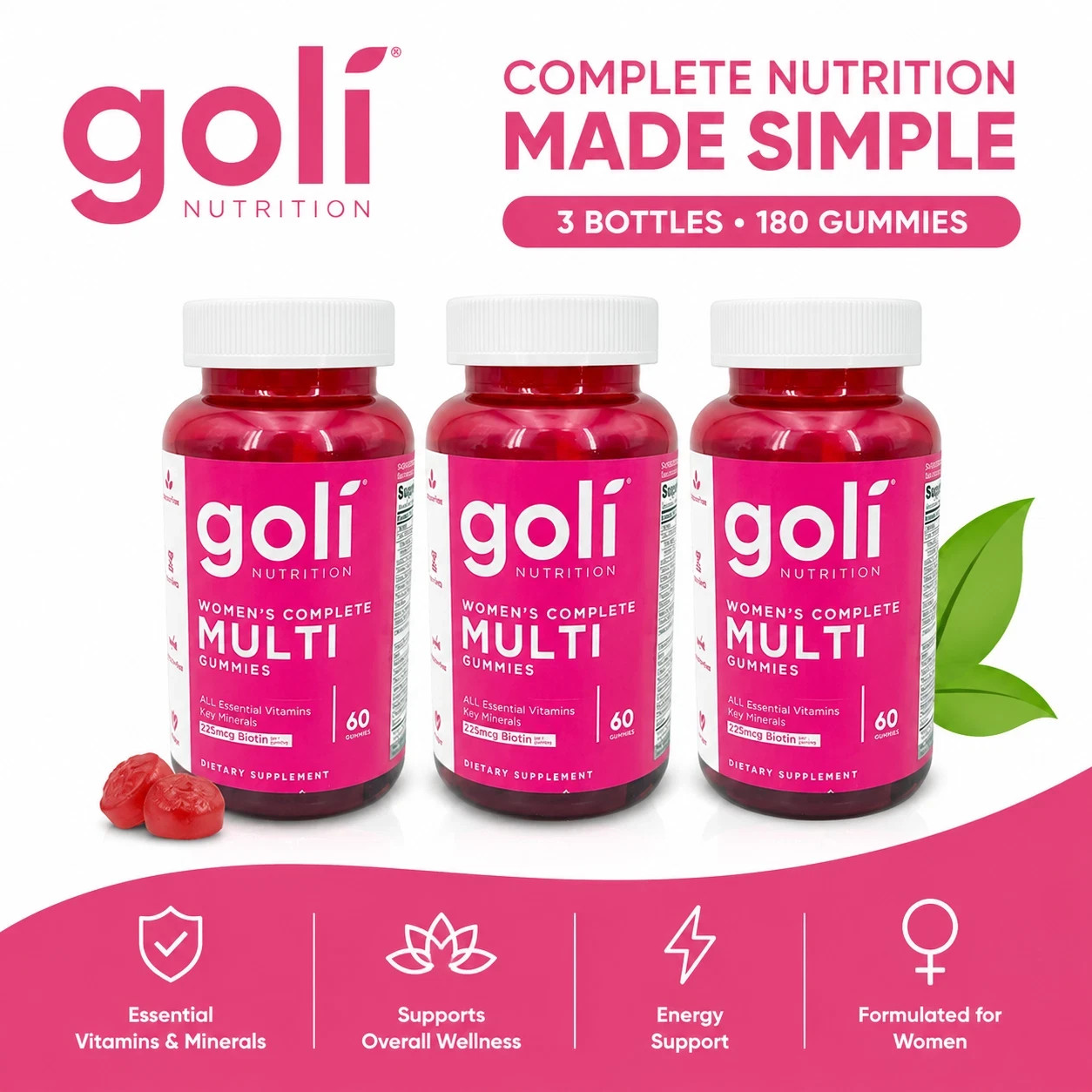
Women's vitamins are dietary supplements formulated to close nutrient gaps common in female physiology, with the core trade-off being whole-food or chelated forms at higher cost versus synthetic isolates in mass-market multis. Durable, evidence-backed options disclose full potency per serving, use bioavailable forms like methylfolate and chelated iron, and third-party test for heavy metals; compromises hide behind proprietary blends and underdosed 'fairy dust' actives.

Buying guide image
Sports Performance

Testosterone Booster

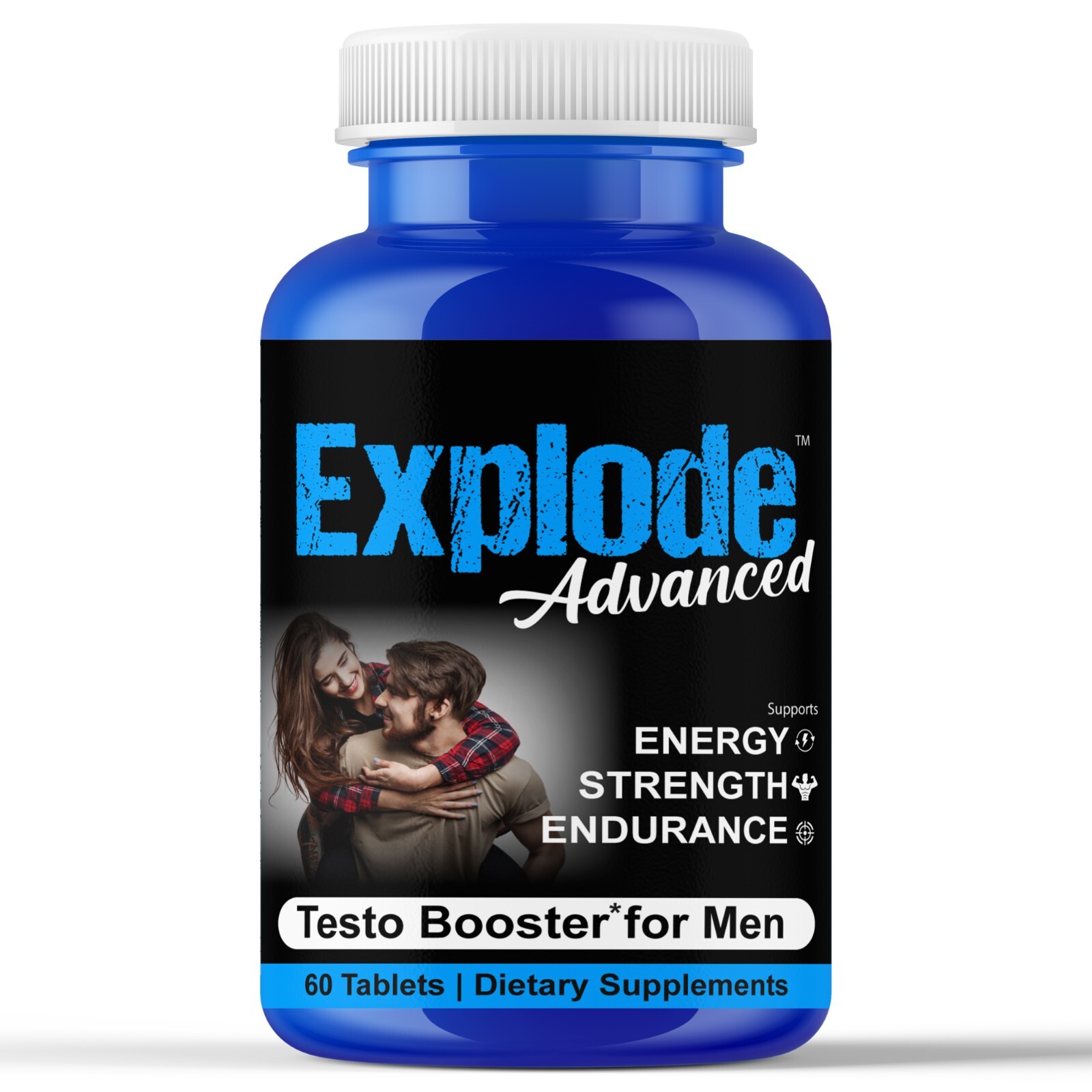
Testosterone boosters are dietary supplements marketed to support natural hormone production, energy, and muscle growth, but they range from evidence-backed single ingredients to proprietary blends with underdosed fillers. The core trade-off is between transparent, clinically studied ingredient doses and cheap stimulant-heavy formulas that rely on caffeine and tribulus for perceived effect. The decision rule: buy only products that disclose full ingredient amounts per serving and use at least 3-5g of creatine or 3-6g of D-aspartic acid or 500mg+ of standardized ashwagandha; skip any label that hides doses behind a proprietary blend or relies solely on tribulus or herbal stimulants.

Buying guide image
Vitamins & Minerals

Multivitamin Men

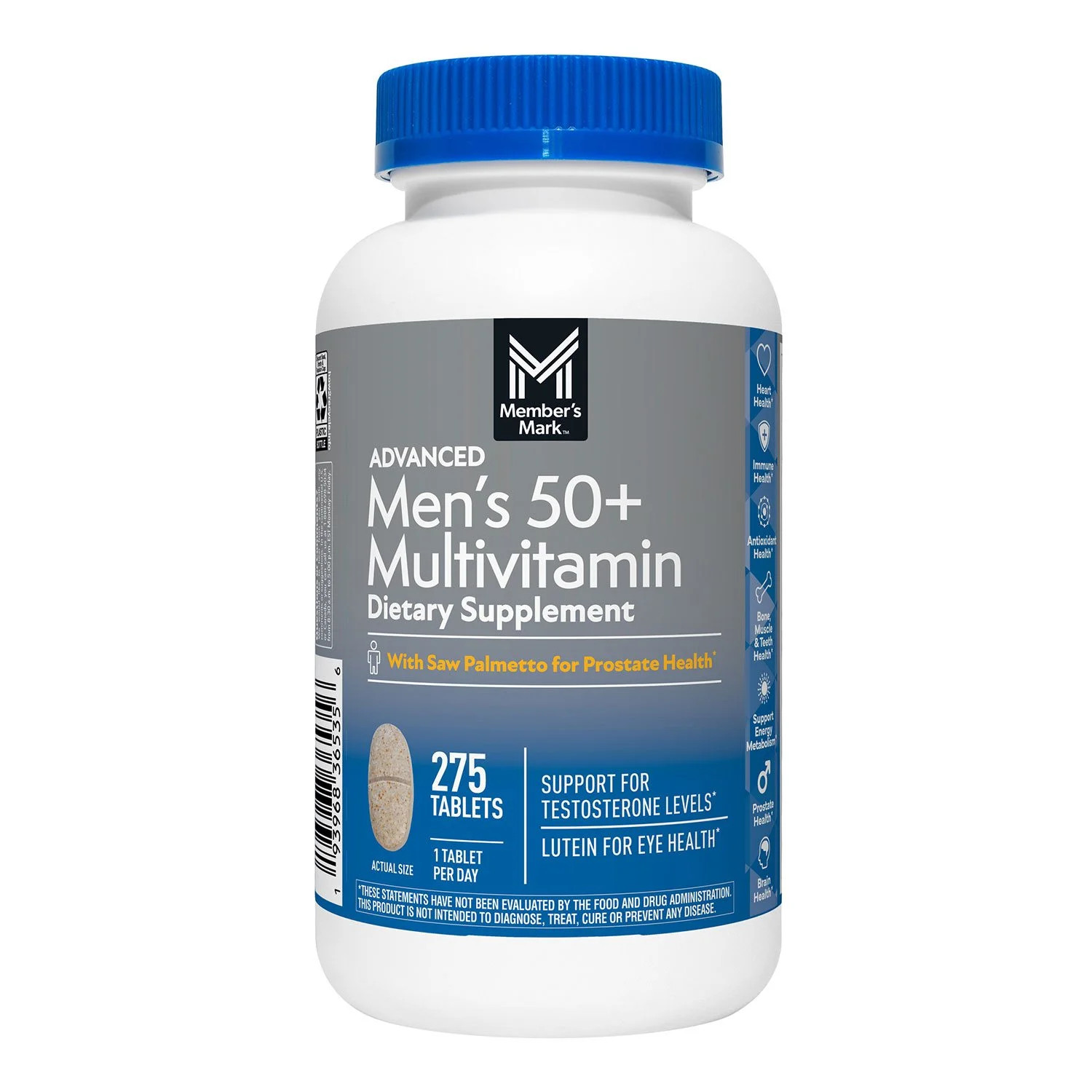
Men's multivitamins are daily micronutrient formulas that fill dietary gaps, with the main trade-off being ingredient form and dose versus pill count and cost. Formulas using methylated B vitamins, chelated minerals, and clinically studied doses deliver better absorption and results than fairy-dusted blends. The decision rule: choose a product with transparent doses (not proprietary blends) and third-party testing (NSF, USP) for a reliable daily baseline.

Buying guide image
Sports Performance

Creatine Monohydrate

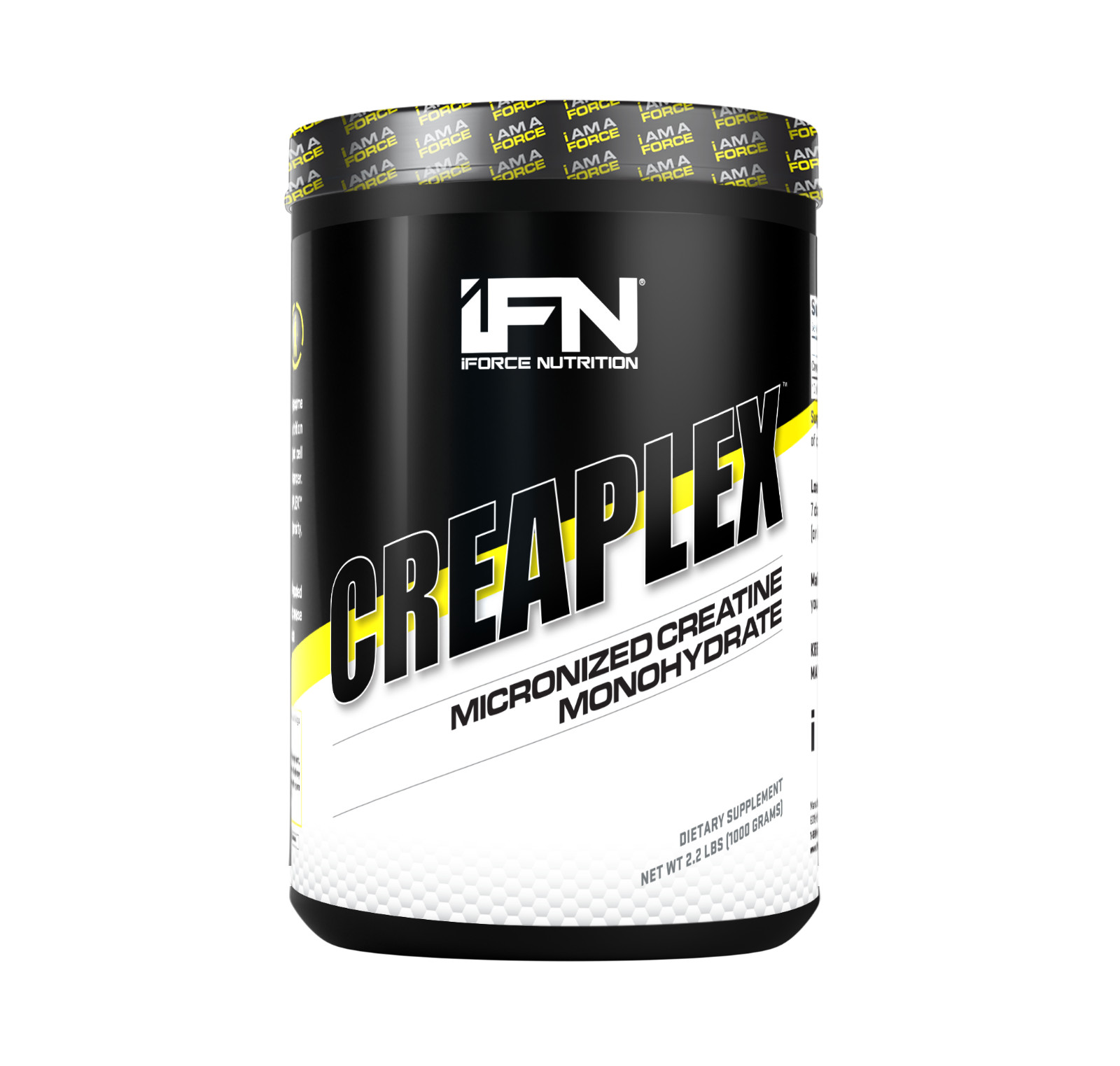
Creatine monohydrate is a tasteless, water-soluble supplement that raises muscle phosphocreatine stores to support repeated high-intensity efforts and strength gains. The only meaningful trade-off is particle form and additive load: micronized monohydrate dissolves cleaner with fewer GI complaints than coarse monohydrate, while pre-mixed or candy formats dilute dose accuracy with sugar and fillers. Buy unflavored 100% monohydrate at a verified 5 g serving, and skip any formula where creatine is not the first and dominant ingredient.

Buying guide image
Probiotics & Digestion

Prebiotic

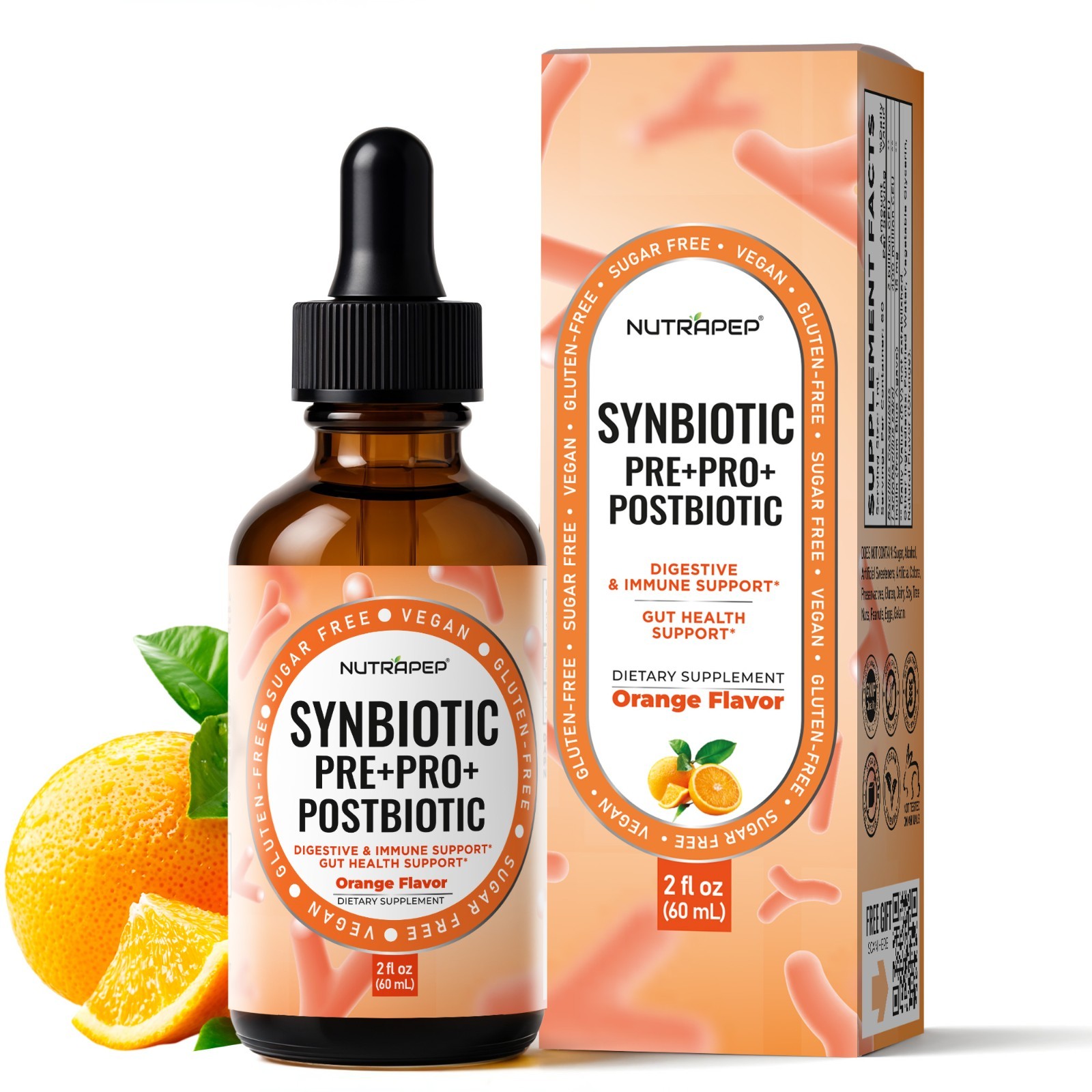
Prebiotics are non-digestible fibers and compounds that selectively feed beneficial gut bacteria, distinct from probiotics which supply live microbes. The core trade-off is fiber specificity versus tolerability: inulin/FOS and GOS are well-studied but can cause gas in sensitive guts, while resistant starch and PHGG are gentler but require higher doses. Choose a prebiotic with a disclosed fiber type and gram-level dose per serving; skip vague 'prebiotic blend' labels that hide amounts.

You may also like

Finding more guides for you…