Health Stack Guide

Health Stack Guide

Nutrition & Supplements Reviews & Buying Guides

Compare nutrition & supplements by use case, features, trade-offs, price, returns, and seller terms before you buy.

Buying guides

Buying guide image
Sports Performance

Creatine Take

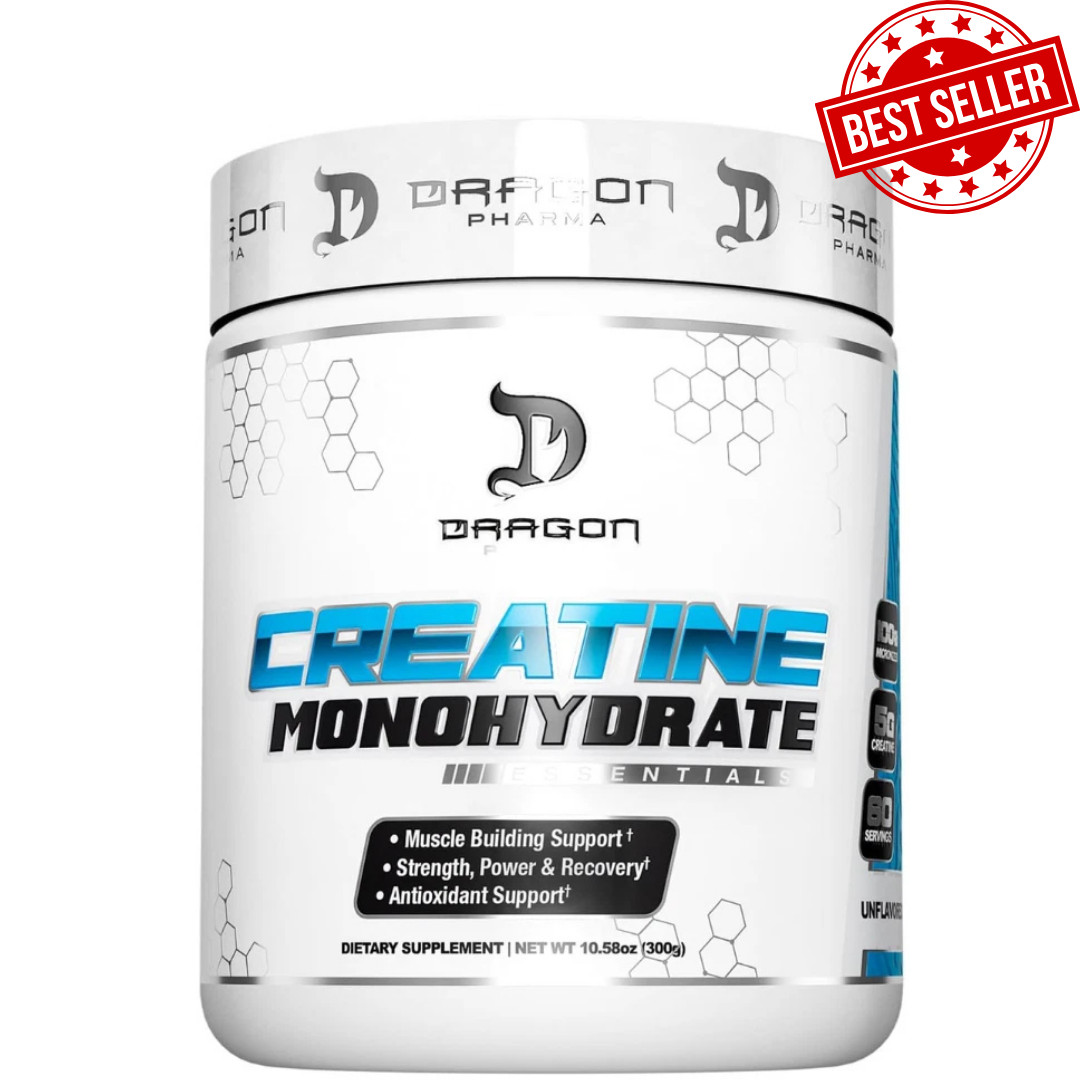
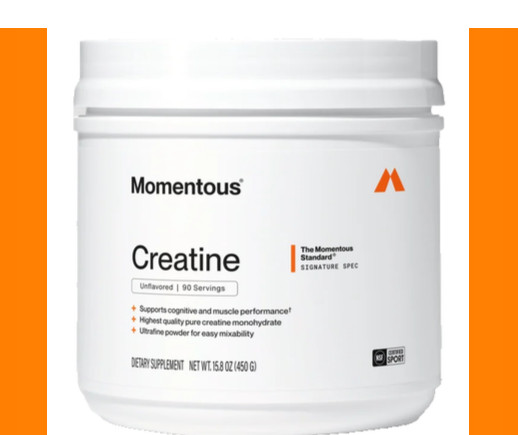
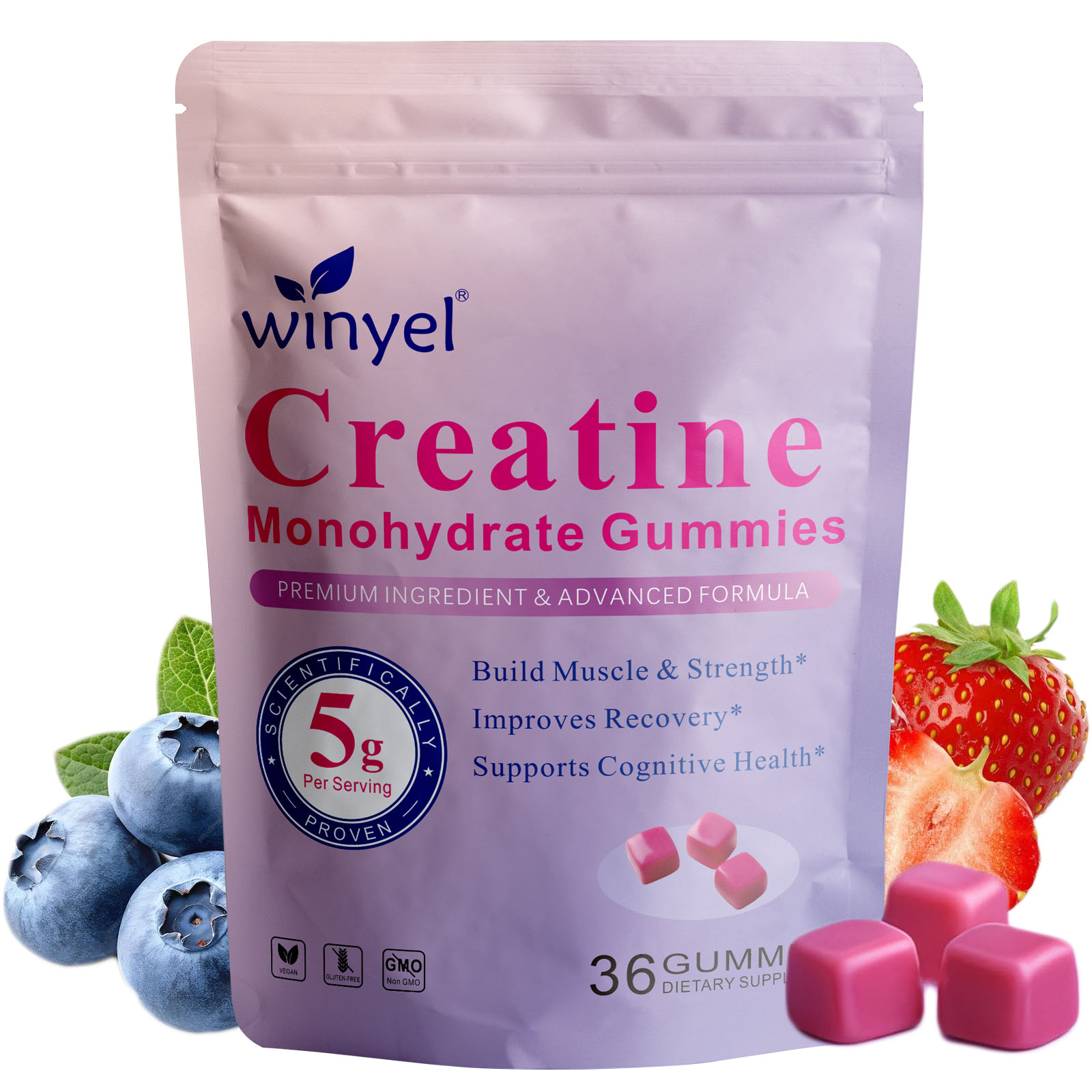
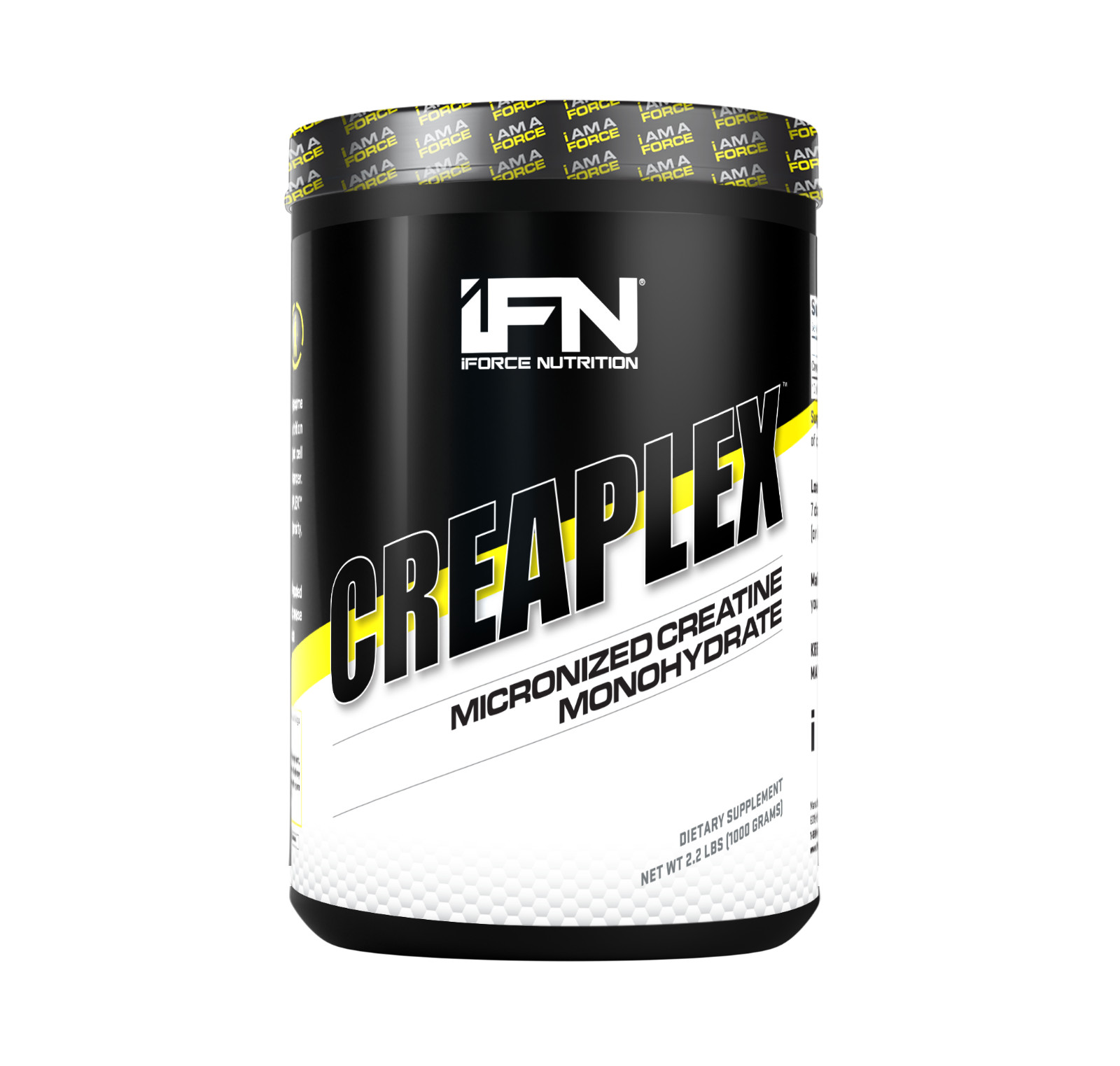
Creatine is a researched sports supplement most commonly sold as creatine monohydrate powder or capsules, used to increase phosphocreatine stores for short-burst power output. The decisive trade-off is form and dose transparency: plain monohydrate at a verified 3-5 g serving beats proprietary candy, complex, or blended products that hide creatine content behind other ingredients. Choose single-ingredient monohydrate (ideally micronized, third-party tested) and skip anything that cannot state exact grams of creatine per serving.
Buying guide image
Sports Performance

Creatine Men

Creatine for men refers to supplemental creatine—most commonly monohydrate—used to support strength, power output, and muscle recovery. The decisive trade-off is dose accuracy and ingredient purity versus convenience formats: powder delivers precise 5 g servings cheaply, while capsules and gummies trade higher cost and lower per-serving payload for portability. Buy monohydrate with third-party testing and a disclosed 5 g dose; skip proprietary blends, underdosed gummies, and unverified bulk powders.

Buying guide image
Sports Performance

Creatine Use

Creatine is a sports supplement whose only proven ergogenic form is creatine monohydrate, dosed at 3–5 g daily to saturate muscle phosphocreatine stores for strength and power output. The buying trade-off is purity and dose accuracy versus format convenience: plain micronized monohydrate powder delivers the most grams per unit cost, while gummies, capsules, and blends charge a premium for adherence and often underdose. The decision rule: buy third-party-tested monohydrate at a verified 5 g serving; skip creatine HCl, nitrate, blends, and any product hiding creatine dose in a proprietary matrix.

Buying guide image
Sports Performance

Creatine World

Creatine is the most evidence-backed sports supplement for strength, power, and lean mass, but its effectiveness hinges on form, dose, and purity rather than brand marketing. The primary trade-off is between monohydrate (cheap, proven, potentially gritty) and newer forms or delivery methods (gummies, HCl, blends) that cost more but may aid compliance. The decision rule: buy third-party-tested creatine monohydrate in powder form at a 3–5 g daily dose unless you have a specific reason (convenience, GI sensitivity) to pay for an alternative.

Buying guide image
Meal Replacement Management

Meal Replacement Protein Powder

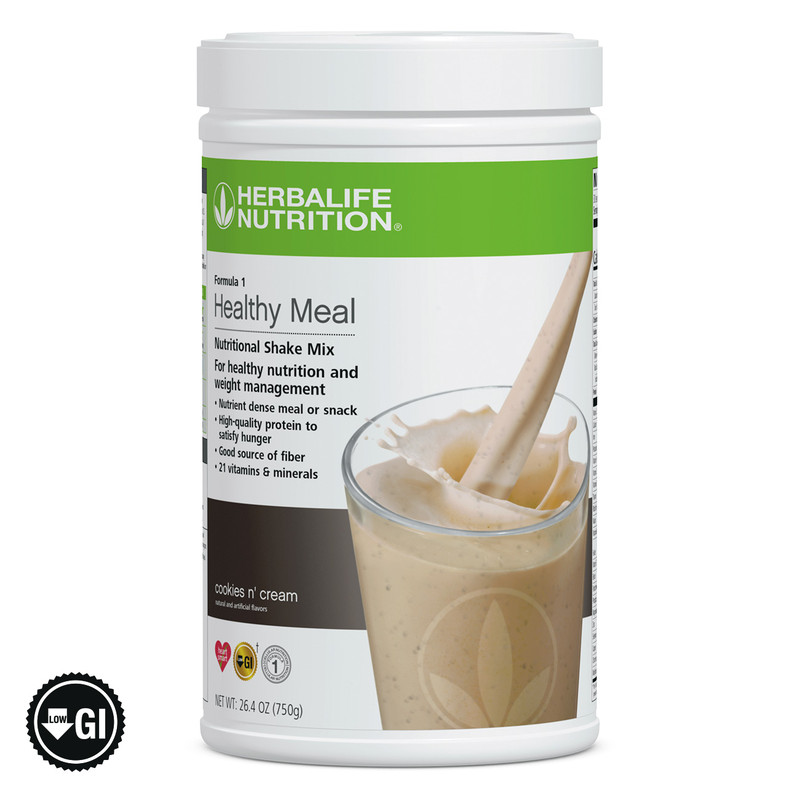
Meal replacement protein powders combine protein, carbs, fats, and micronutrients into a single shake intended to replace a meal. The core trade-off is protein source and completeness: whey/casein blends digest fast and taste creamy, while plant blends (pea/rice/soy) need careful amino acid pairing to match digestibility. The decisive rule is label transparency — a true meal replacement lists 15–30 g protein, 200–400 kcal, and at least 20% DV for 15+ vitamins/minerals per serving; anything less is a protein supplement, not a meal.

Buying guide image
Sports Performance

Creatine Pill

Creatine pills are a solid-dosage form of creatine monohydrate (or alternative salts) that trade larger capsule counts for portability and no-mixing convenience. The primary trade-off is capsule load and excipient fillers versus the higher dose-per-gram efficiency of powder, with monohydrate in capsules remaining the only form with a robust evidence and purity standard. Choose capsules only if you need 3–5 g per day from a Creapure or third-party-tested monohydrate; skip pills if you need 5 g+ doses without swallowing 6–10 capsules.

Buying guide image
Sleep & Stress Supplements

Sleep And Stress Supplement

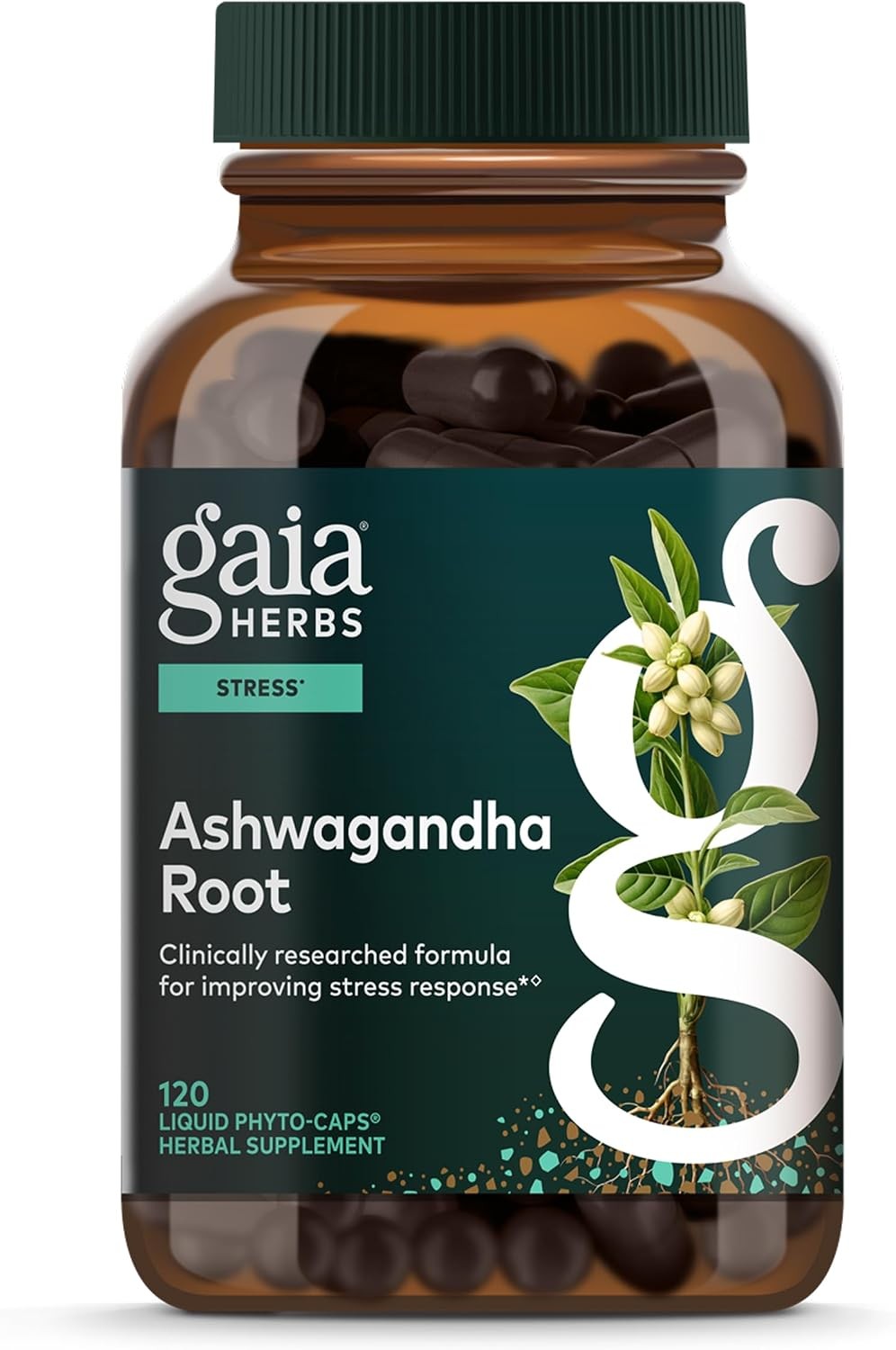
Sleep and stress supplements span three distinct mechanisms: acute sleep onset (melatonin), calmative neurotransmitter support (L-theanine, GABA, 5-HTP), and adaptogenic cortisol regulation (ashwagandha, rhodiola). The core trade-off is onset speed versus next-day residual grogginess versus long-term adrenal safety, so match the ingredient class to whether your problem is falling asleep, staying asleep, or a chronically wired stress state.

Buying guide image
Meal Replacement Management

Protein Meal Replacement

Protein meal replacements are powdered or bar formats engineered to deliver 15–30 g of protein with added vitamins, minerals, and fiber to stand in for a full meal. The core trade-off is protein source and dose versus added sugar, artificial sweeteners, and digestibility—whey and casein offer complete amino profiles and fast mixing, while plant blends (pea, rice, soy) need careful combining to match bioavailability and often carry grittier texture. The decision rule: prioritize products listing a complete protein source at ≥20 g per serving with ≤5 g added sugar and third-party testing; treat sub-15 g protein or sugar-heavy “meal” shakes as snacks, not replacements.

Buying guide image
Meal Replacement Management

Shake

Meal replacement shakes are powdered or ready-to-drink (RTD) beverages engineered to deliver a controlled matrix of protein, carbohydrates, fats, fiber, vitamins, and minerals per serving. The primary trade-off is between whole-food-derived macronutrient density (higher satiety, lower glycemic impact, clean-label ingredients) and highly processed fast-absorbing formulas (higher protein per calorie, longer shelf life, lower cost per serving). Choose RTD shakes only for convenience-critical scenarios like travel or post-workout; choose powder for cost efficiency and adjustable dosing; skip any product that lists maltodextrin or corn syrup solids as the first or second ingredient if your goal is satiety or blood sugar management.

Buying guide image
Vitamins & Minerals

Eye Vitamin

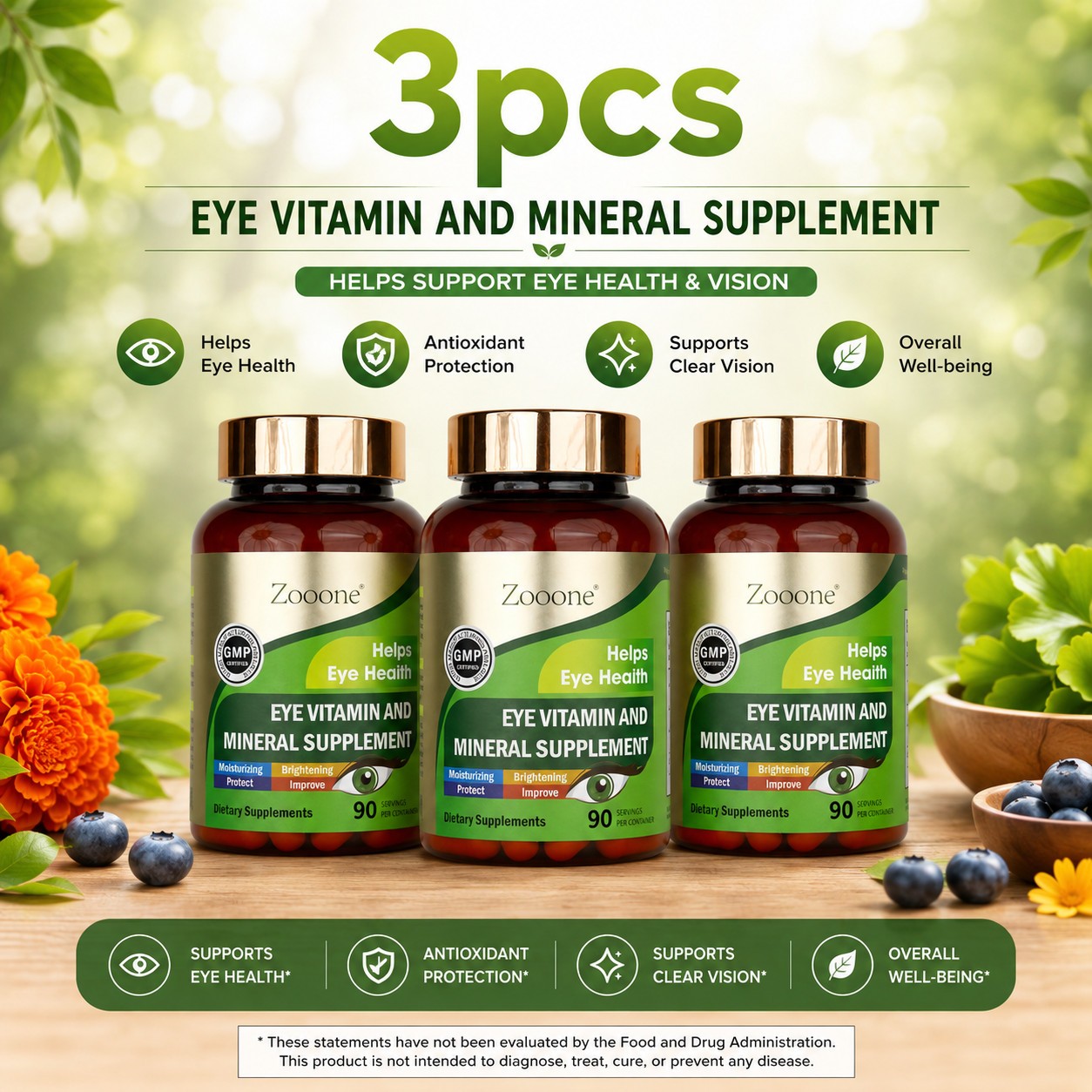
Eye vitamins are dietary supplements formulated with carotenoids (lutein, zeaxanthin), antioxidant vitamins (C, E), and trace minerals (zinc, copper) to support macular pigment density and visual function. The central trade-off is between evidence-backed AREDS2-type formulas with clinically relevant doses and underdosed blends that list ingredients but not meaningful amounts. The decision rule: choose a product that discloses exact per-serving milligrams of lutein, zeaxanthin, and zinc, and skip any label that hides ingredient quantities behind a proprietary blend.

Buying guide image
Vitamins & Minerals

Daily Vitamin

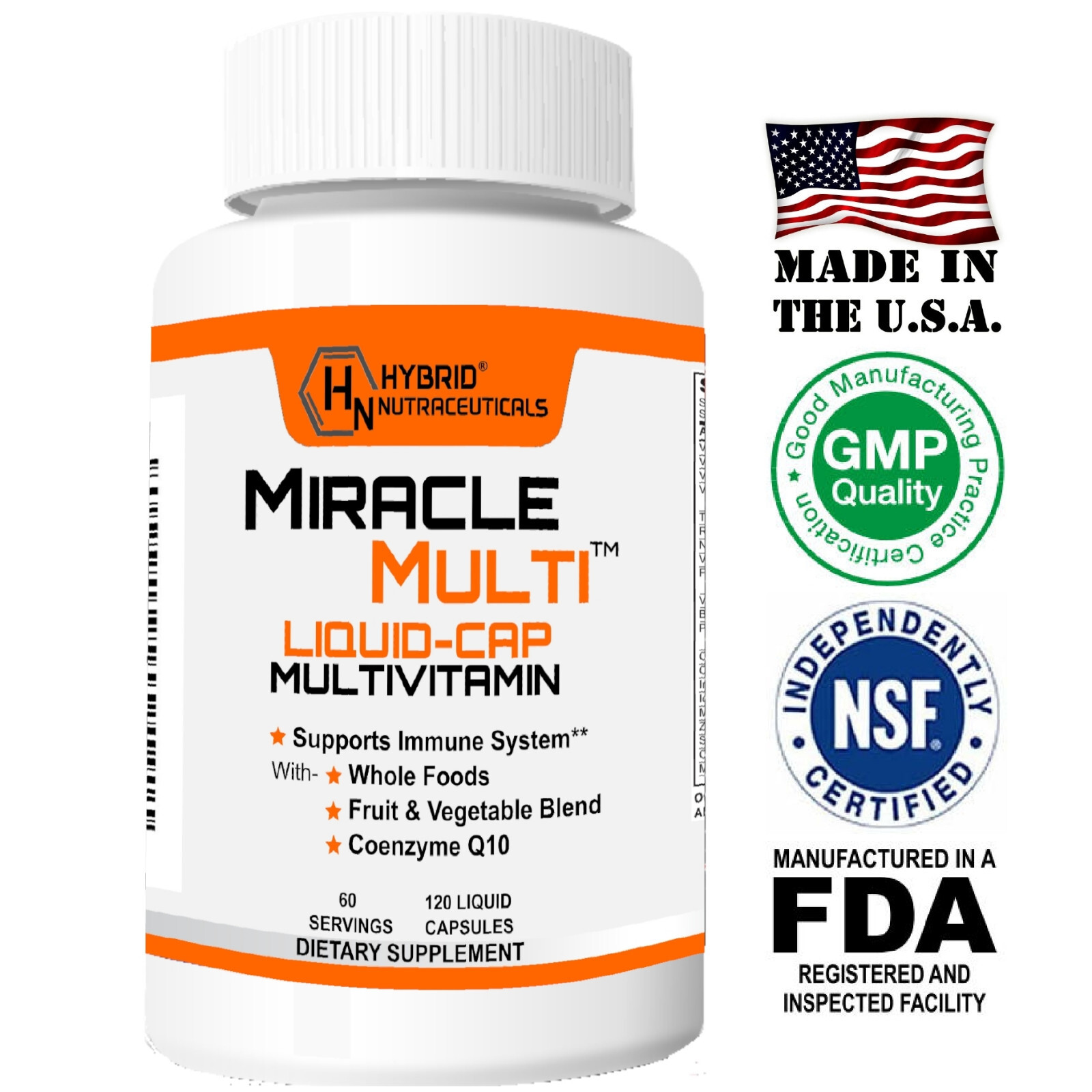
A daily vitamin is a once-daily multivitamin/mineral supplement formulated to fill nutritional gaps, and the core trade-off is between broad, low-potency coverage and targeted, higher-potency formulas that may exceed upper limits for some nutrients. The decisive rule: choose a product that discloses every nutrient's %DV and form (e.g., methylfolate vs folic acid, chelated minerals), matches your age/sex/life stage, and avoids megadose 'high potency' blends unless a clinician has flagged a specific deficiency.

Buying guide image
Sleep & Stress Supplements

Stress Relief Supplement

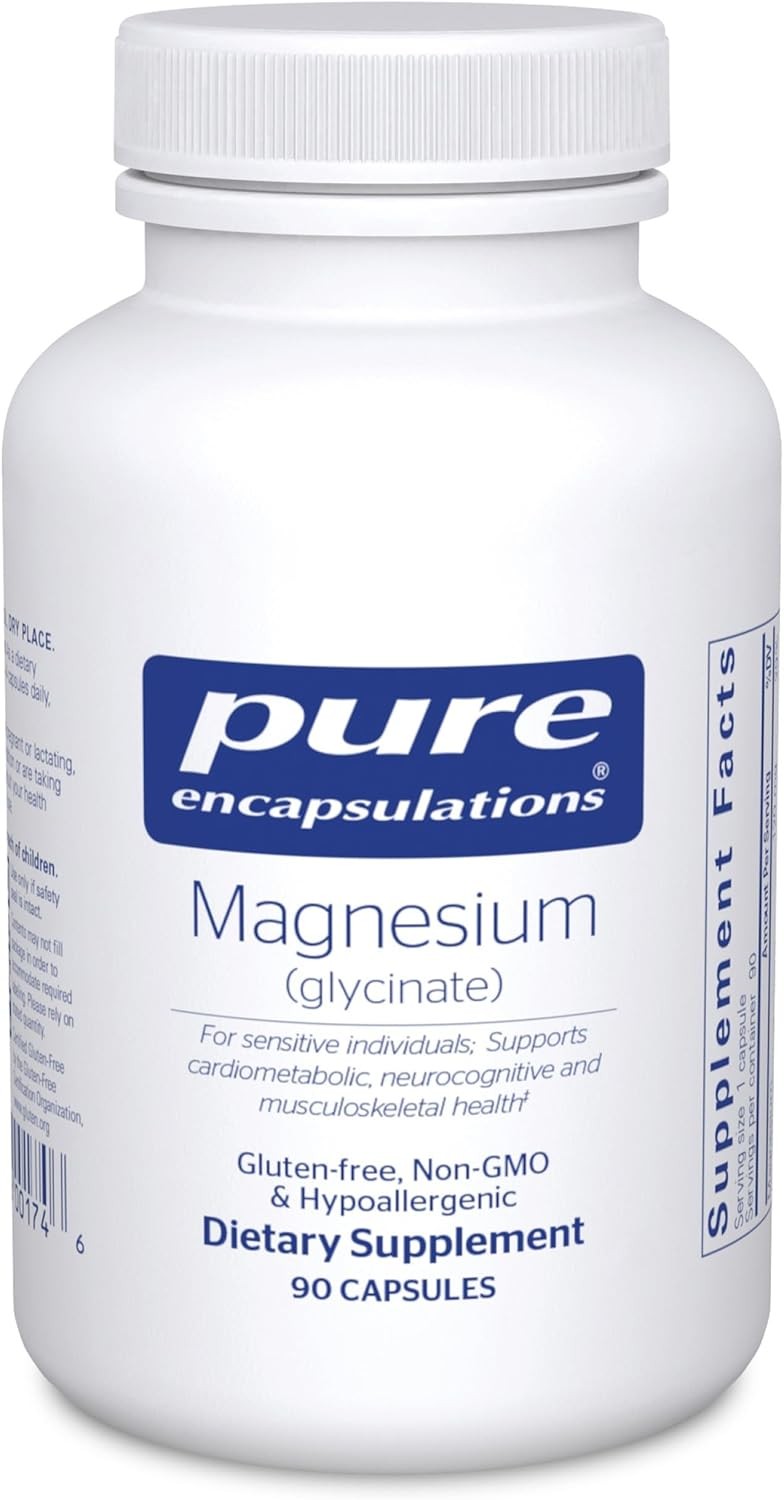
Stress relief supplements are ingestible formulations (capsules, tablets, gummies, powders) built around adaptogens, minerals, or amino acids that modulate the cortisol stress response. The core trade-off is between single-ingredient clinical doses (magnesium glycinate, ashwagandha KSM-66) and 'fairy-dusted' multi-ingredient blends that list many actives but underdose each. The decision rule: buy products that disclose standardized extract percentages and per-serving elemental/active milligrams, and skip proprietary blends that hide doses behind a single 'blend' number.

Buying guide image
Vitamins & Minerals

Men Multivitamin

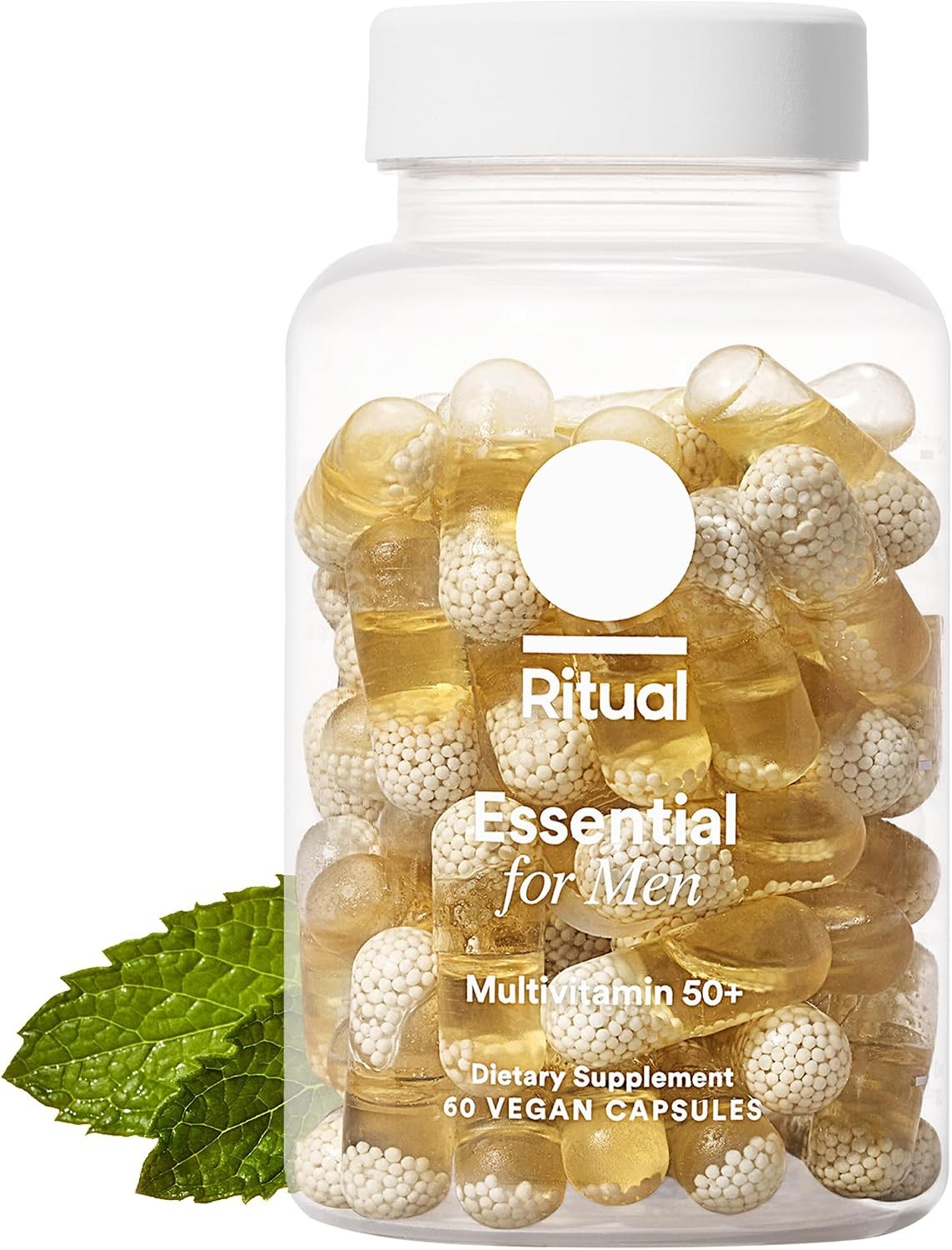
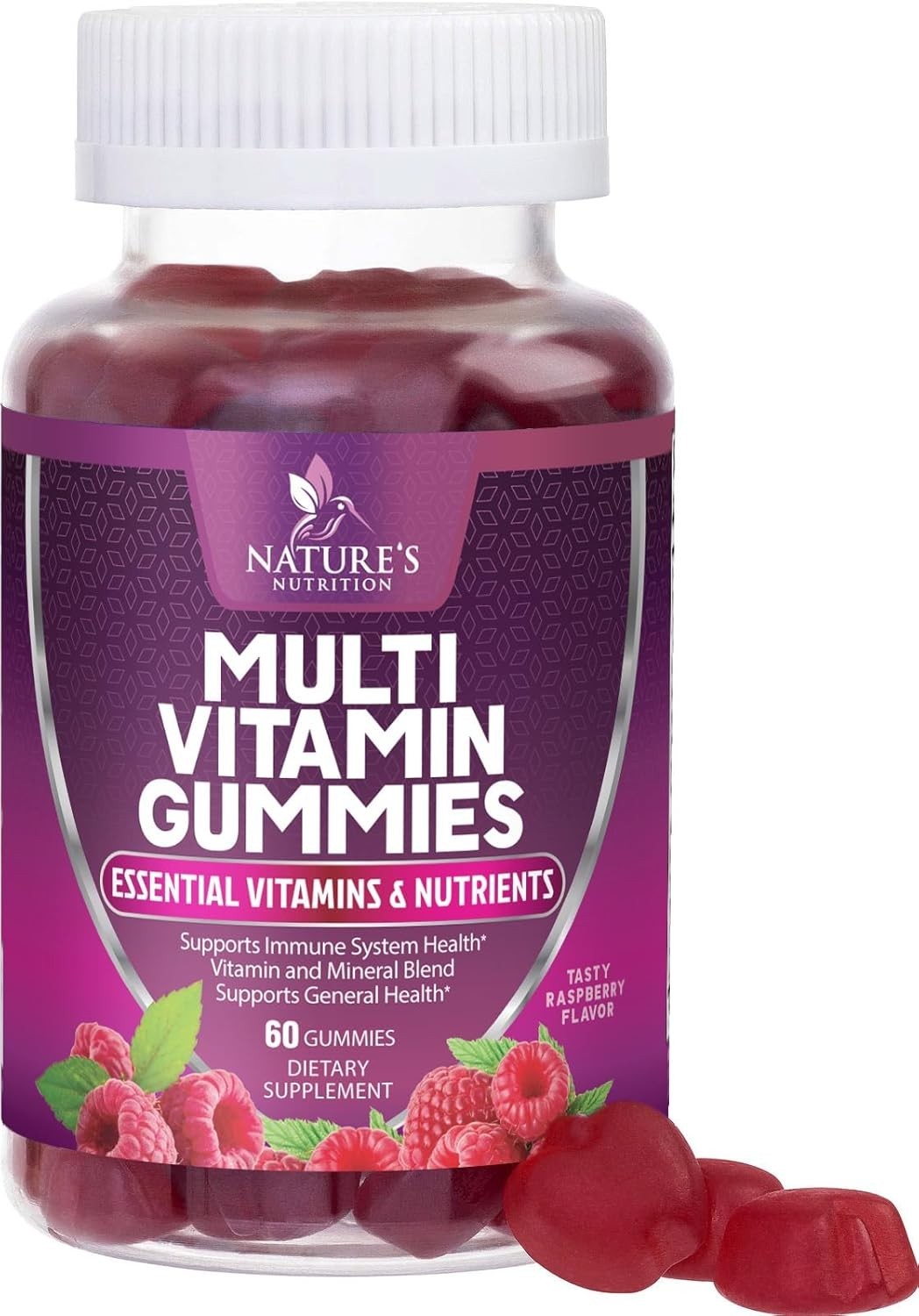
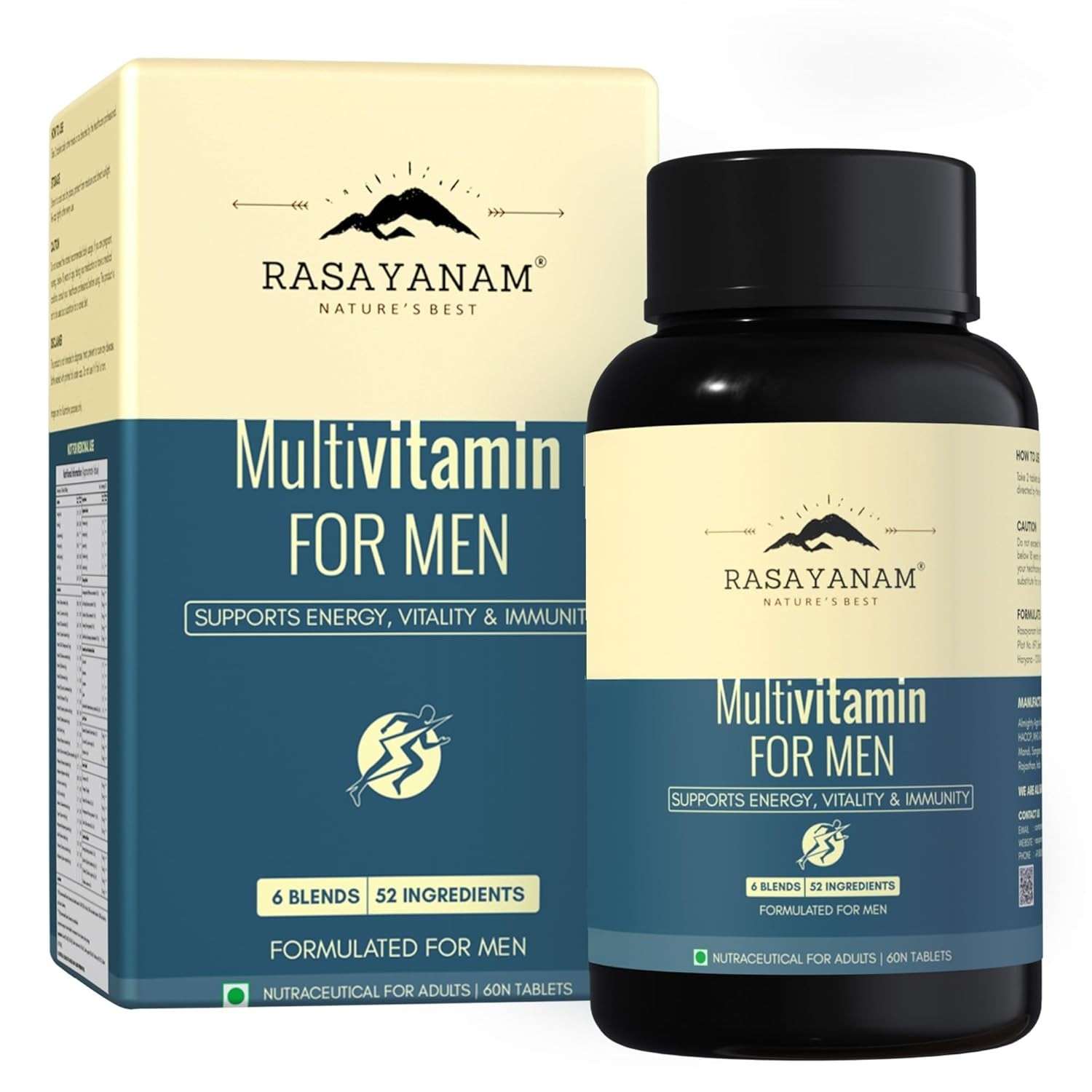
Men's multivitamins are daily micronutrient blends formulated around male RDIs, typically with higher zinc, selenium, and B-vitamin levels and little to no iron. The core trade-off is delivery format and age targeting: tablets and capsules allow dense, precise doses and prostate or heart support add-ins, while gummies cap mineral payload and often omit iron and high zinc. Buy a men-specific tablet or capsule with third-party testing for adult men, choose a 50+ formula after age 50, and skip unisex gummies as a primary daily multi.

Buying guide image
Sports Performance

Creatine Supplement

Creatine is a sports supplement with the strongest evidence base for strength and lean-mass gains, and the market is dominated by creatine monohydrate in micronized or standard powder form. The core trade-off is purity and dose certainty versus price and flavoring: unflavored monohydrate delivers 5 g per serving at the lowest cost per gram, while capsules and blends trade potency for convenience. The decision rule is simple: buy third-party-tested creatine monohydrate with a declared 5 g dose, and skip proprietary blends, low-dose capsules, and 'complex' formulas that dilute the active ingredient.

Buying guide image
Vitamins & Minerals

Vitamin Men

Men's multivitamins are daily micronutrient formulas dosed to male RDIs, primarily distinguished by delivery form (capsule, tablet, gummy, soft chew) and age/activity tier. The core trade-off is label potency and third-party verification versus the compliance friction of large tablets or the sugar load and limited mineral content of gummies. Buy a cGMP-made, third-party-tested product matching your age tier (18–49 vs 50+) and skip mega-dose 'high potency' blends that exceed tolerable upper intake levels without a blood test.

Buying guide image
Protein Nutrition

Protein Powder

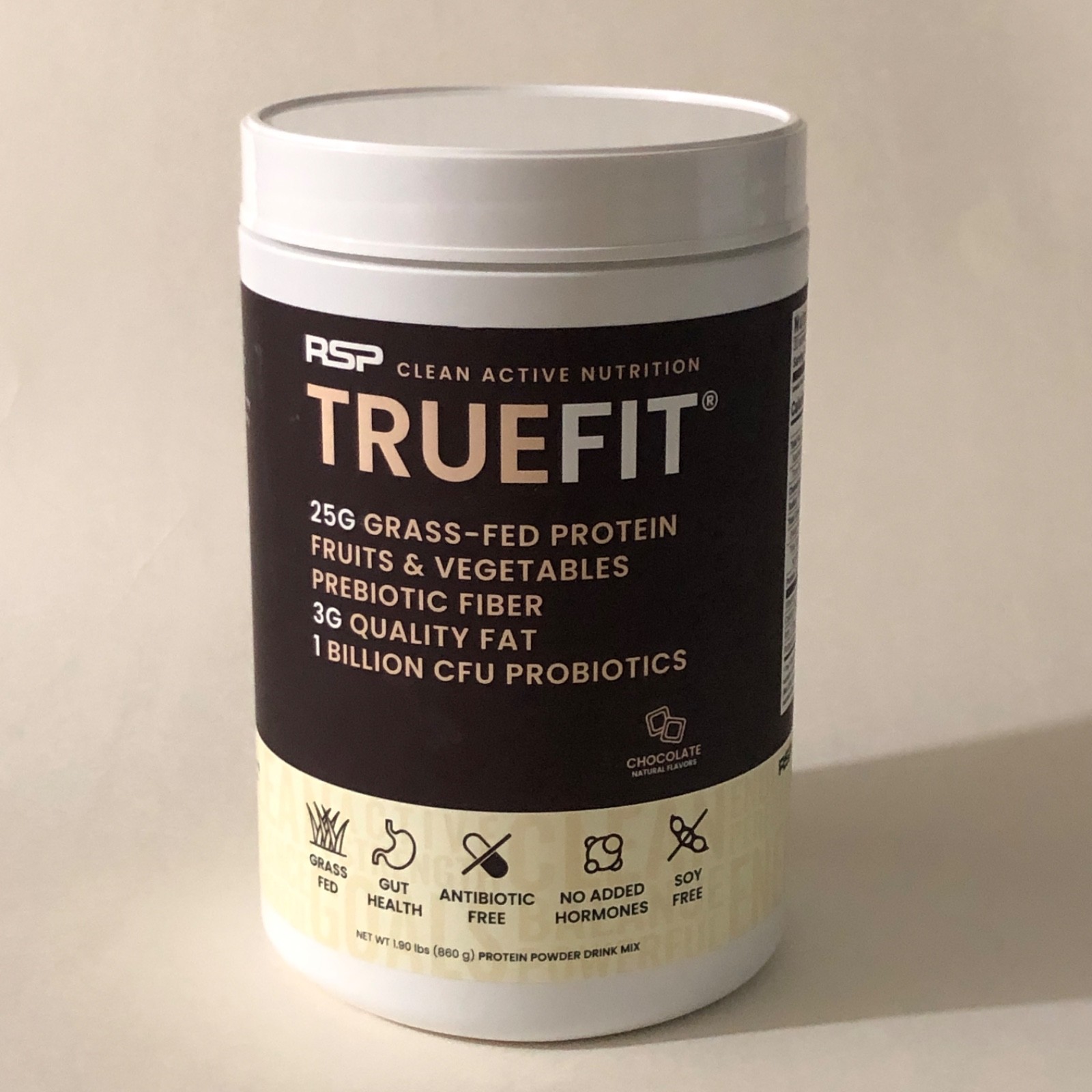
Protein powder is a concentrated source of whey, casein, plant, or collagen protein used to hit daily protein targets for muscle gain, recovery, or general nutrition. The core trade-off is protein quality and absorption speed versus cost per serving and digestive tolerance. Choose a transparently dosed whey isolate or blend for lean mass and recovery; choose plant or collagen only when dietary restrictions or joint/skin goals explicitly outweigh muscle-protein needs.

Buying guide image
Vitamins & Minerals

Men Vitamin

Men's vitamins are daily micronutrient supplements formulated around male-specific needs—higher zinc, selenium, and B-vitamin levels, often with saw palmetto for prostate support—rather than the iron-heavy blends sold to women. The primary trade-off is delivery format and potency: gummies are pleasant but cap mineral content, while capsules and tablets deliver full-dose minerals but demand swallowing and can vary in absorption form (oxide vs chelate). The decision rule is simple: men under 50 following a mixed diet need a well-dosed once-daily multivitamin with chelated zinc and no iron; men over 50 or with prostate concerns should step up to a 50+ formula with saw palmetto and higher vitamin D; anyone seeking hair, skin, or nail benefits should skip the multivitamin aisle and buy a dedicated biotin/collagen product.

Buying guide image
Sports Performance

Creatine Mono

Creatine monohydrate is the most researched sports supplement for strength, power, and lean mass, and all effective products use the same active molecule. The real trade-off is not the molecule but the delivery format and purity: micronized powder dissolves better and causes less GI distress, while capsules and gummies cost more per gram and often underdose. Choose a third-party-tested, micronized monohydrate powder with 5 g per serving; skip proprietary blends, creatine HCl, and candy formats that deliver less than 3 g of monohydrate.

Buying guide image
Protein Nutrition

On Protein Powder

Protein powder is a concentrated protein supplement used to meet daily protein targets, with the core trade-off being protein source purity and digestibility versus added fillers, sugars, and cost per serving. Durable, effective options list a complete amino acid profile, transparent protein-per-scoop math, and third-party testing, while compromises hide behind proprietary blends and oversized scoops that inflate serving size.

Buying guide image
Vitamins & Minerals

Vitamin D3 Supplement

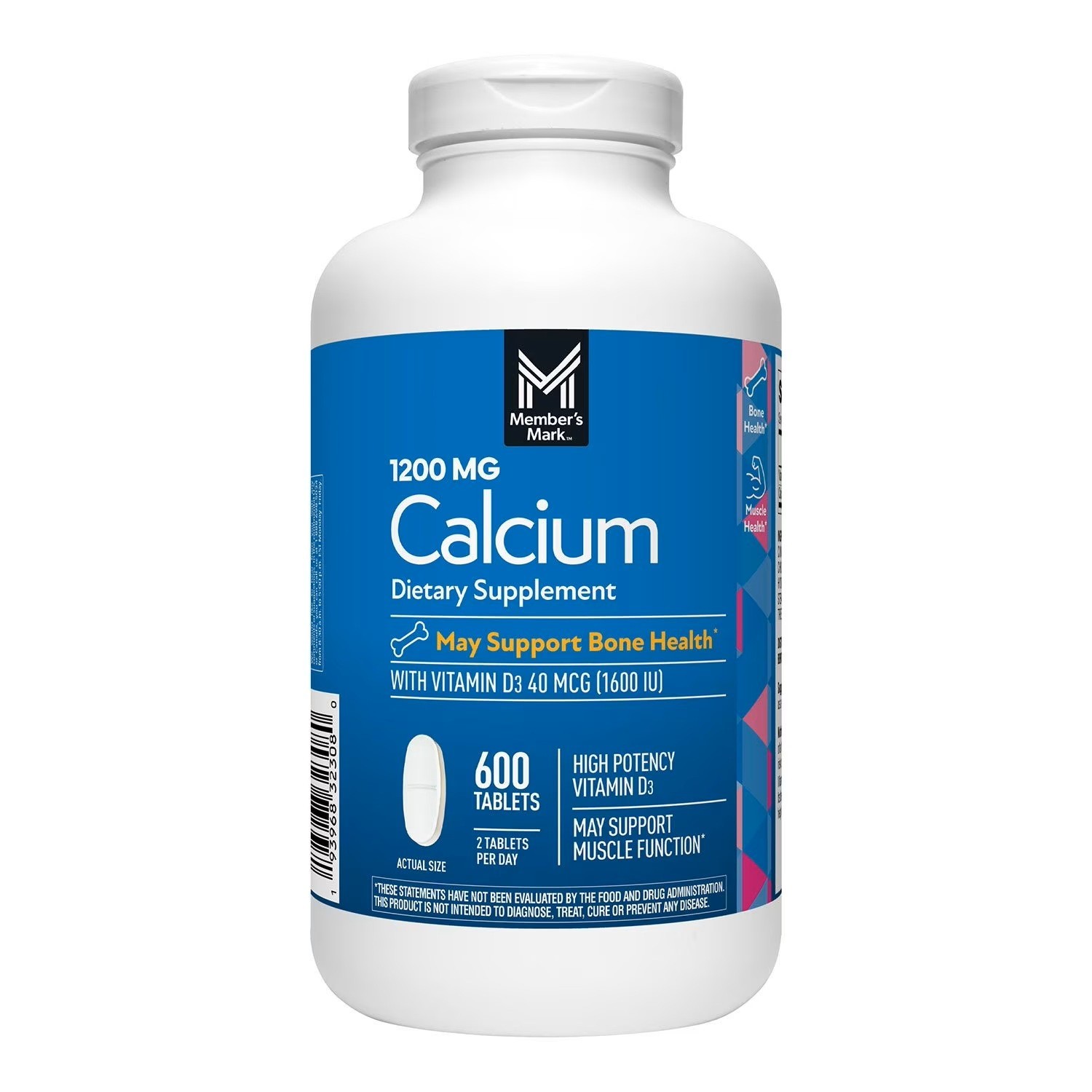
Vitamin D3 (cholecalciferol) supplements correct or prevent insufficiency when sun exposure and diet fall short; the decisive quality trade-offs are dose accuracy, carrier oil and delivery form, and whether D3 is paired with K2 for calcium routing. Choose a single-ingredient D3 with a stated IU/mcg conversion and an oil base for reliable absorption; skip proprietary blends and multi-herb 'drops' that bury D3 in unquantified formulas.

You may also like

Finding more guides for you…