Health Stack Guide

Health Stack Guide

Nutrition & Supplements Reviews & Buying Guides

Compare nutrition & supplements by use case, features, trade-offs, price, returns, and seller terms before you buy.

Buying guides

Buying guide image
Sports Performance

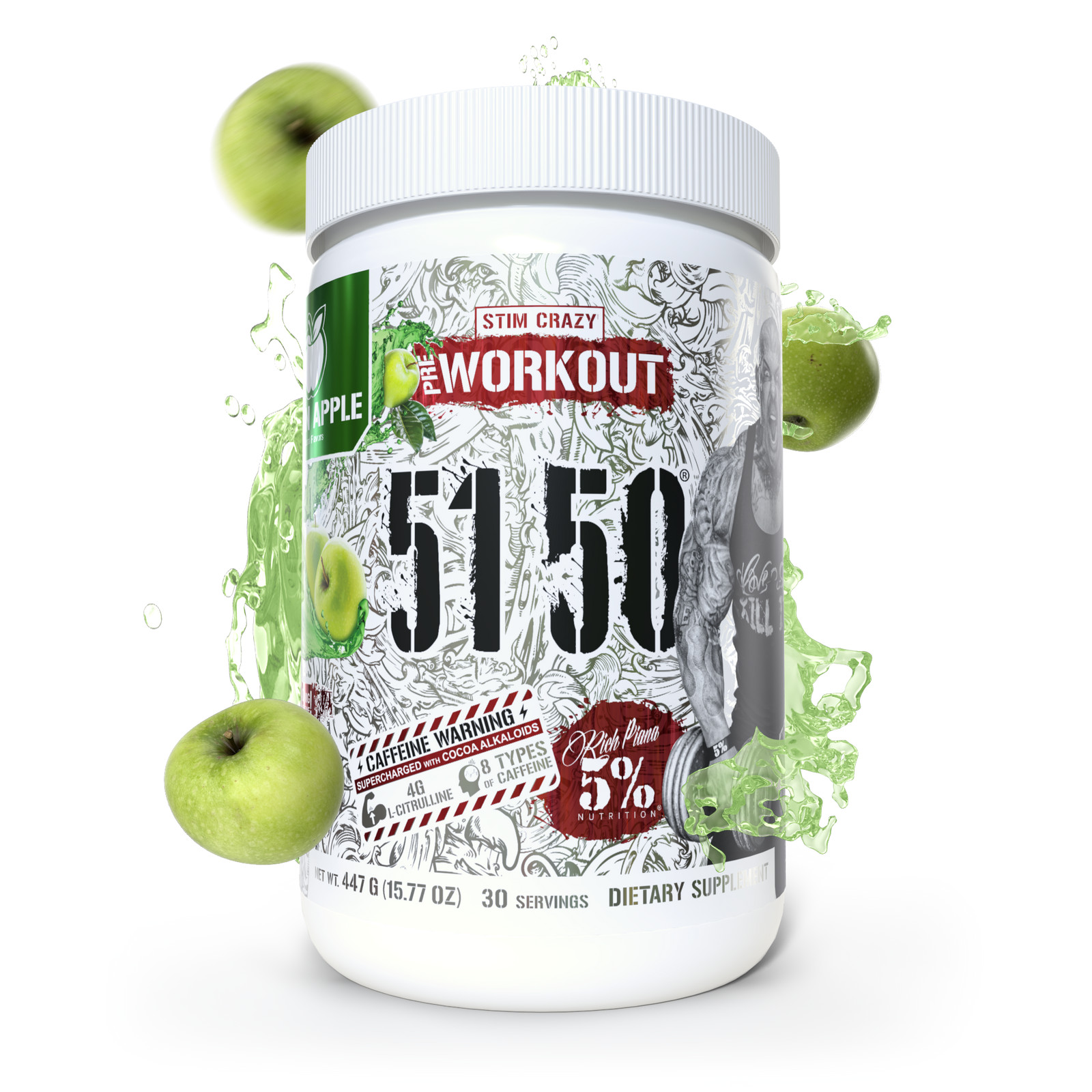
Pre Workout With Creatine

Pre workout with creatine combines a stimulant/performance blend with creatine monohydrate in one scoop, saving time but limiting your ability to dose each ingredient independently. The core trade-off is creatine dose versus stimulant intensity: clinical creatine efficacy requires 3–5 g per serving, while many 'high-stim' formulas underdose creatine or omit it entirely. Choose a product that discloses 3–5 g creatine monohydrate per scoop and matches your caffeine tolerance; skip proprietary blends that hide creatine content or push caffeine beyond 350 mg.
Buying guide image
Sports Performance

Pre Workout Without Creatine

Creatine-free pre-workouts deliver acute performance via stimulants, nitric oxide boosters, and buffers rather than chronic ATP loading, so formula design and dose accuracy decide effectiveness. The key trade-off is stimulant intensity versus pump and endurance support, with caffeine and beta-alanine being the non-negotiable active ingredients. Choose a transparent-label product with third-party testing and 3–6 g beta-alanine plus 150–300 mg caffeine; skip proprietary blends and underdosed amino-only powders.

Buying guide image
Probiotics & Digestion

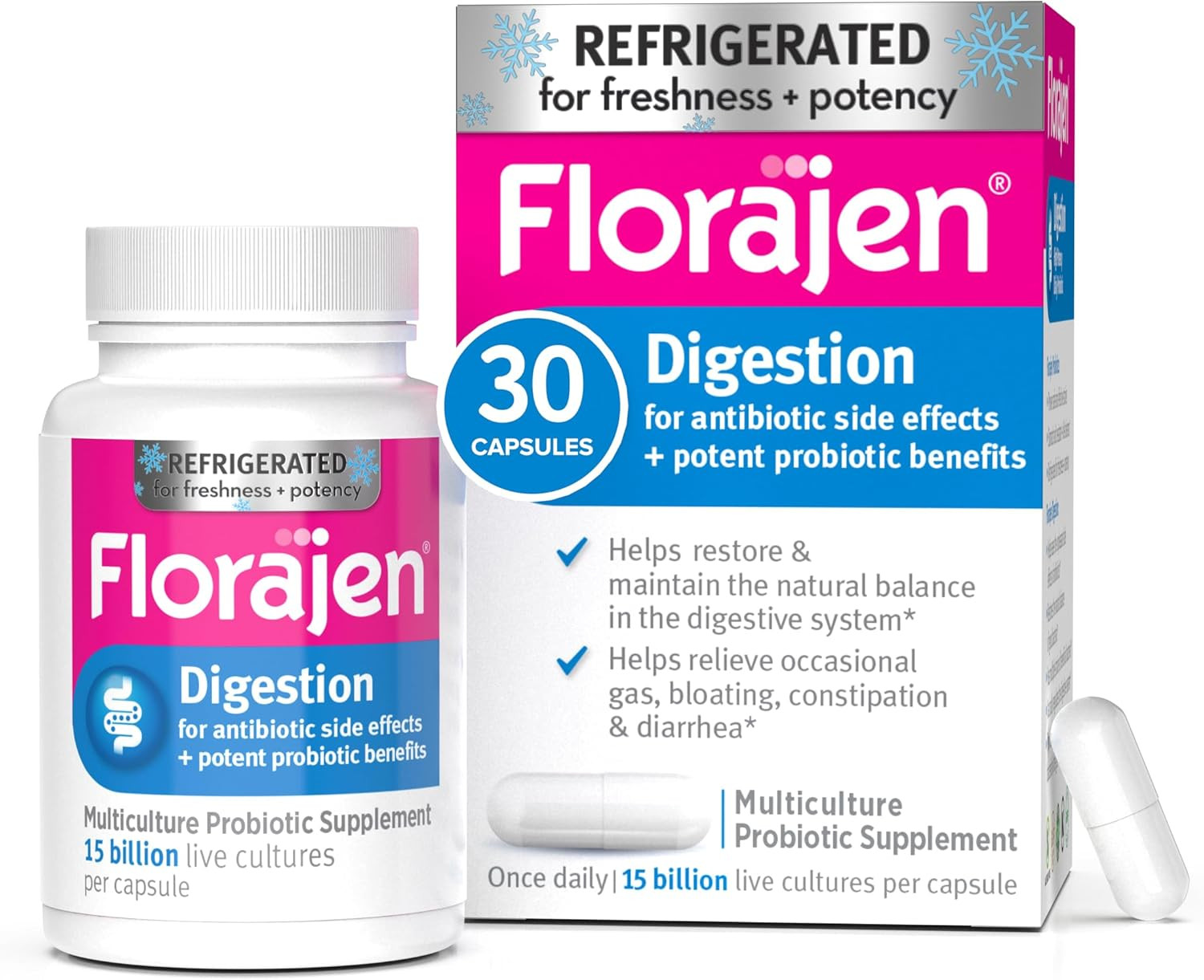
Gut Probiotic

Gut probiotics are live microbial supplements taken to support digestive balance, regularity, and overall gut health. The core trade-off is CFU count and strain diversity versus capsule quality and shelf stability: high-CFU products can be ineffective if strains are poorly protected, while well-formulated mid-range options often outperform flashy megadose labels. The decision rule: prioritize verified strain identity (genus/species/strain code), delayed-release or spore-based delivery, and third-party testing over raw CFU numbers alone.

Buying guide image
Probiotics & Digestion

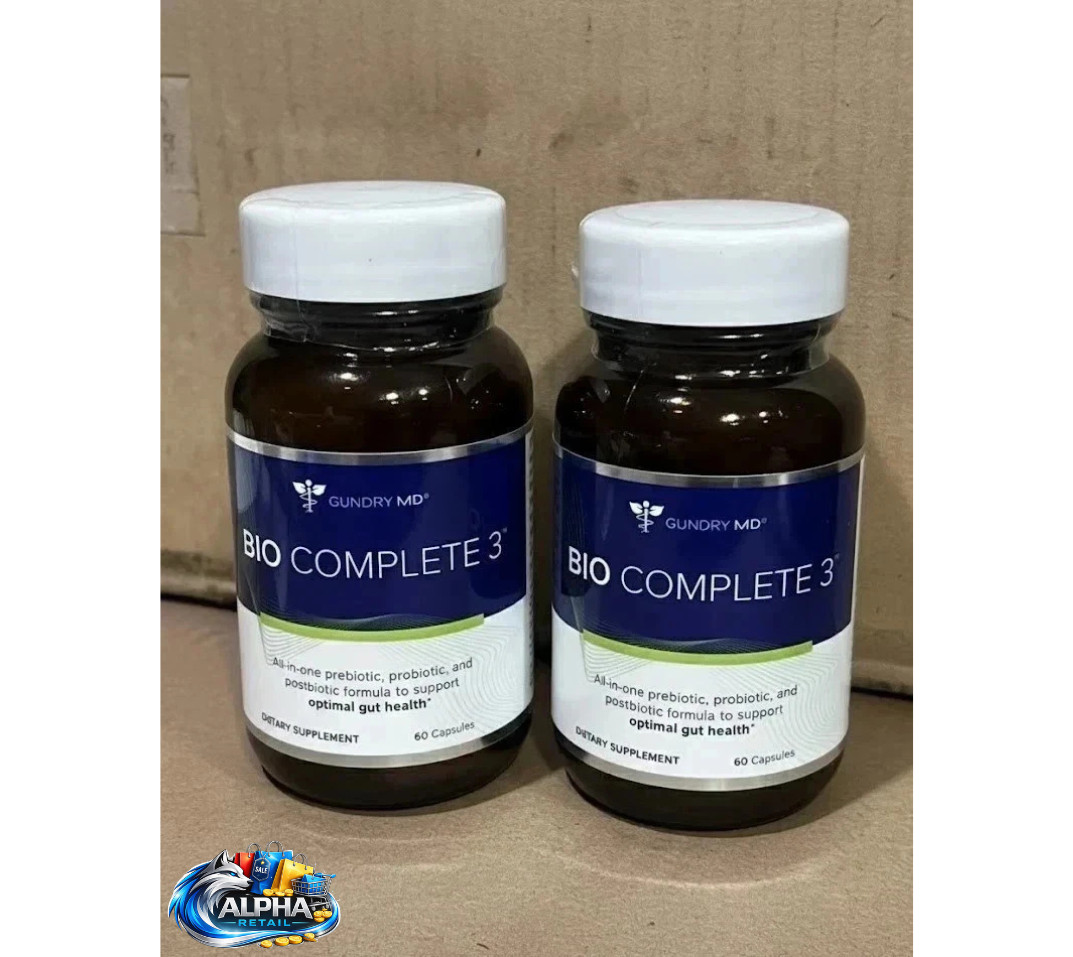
Gut Health Supplement

Gut health supplements are probiotic and prebiotic formulations intended to support digestive balance, regularity, and overall gastrointestinal comfort. The main trade-off is between broad multi-strain CFU counts and clinically studied spore-based or single-strain formulas that survive stomach acid. Choose a product with a disclosed CFU count at expiration and third-party testing over vague 'all-in-one' blends that hide strain identity.

Buying guide image
Vitamins & Minerals

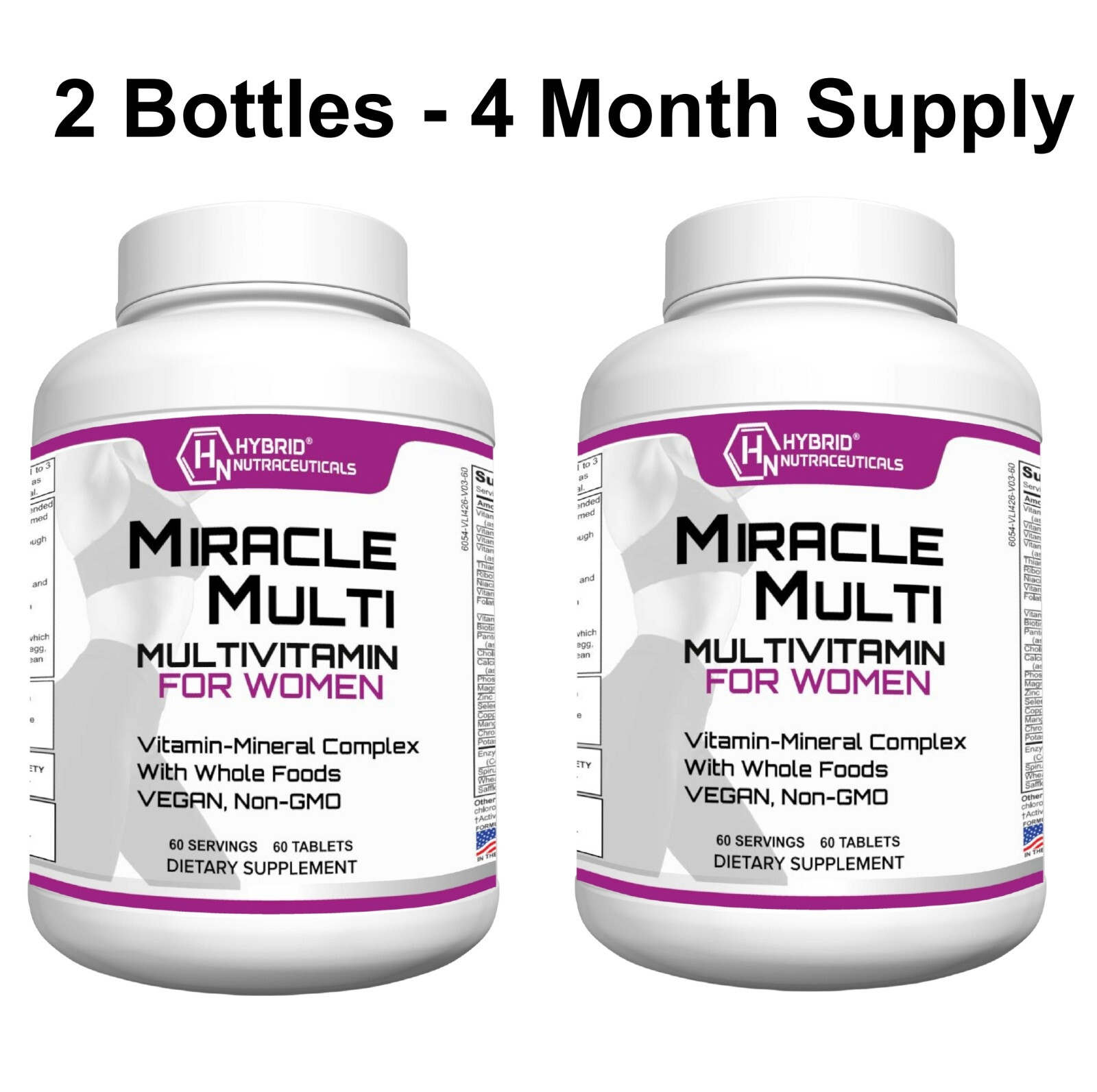
Women 50 Multivitamin

Women 50+ multivitamins are formulated to address age-related nutrient gaps—calcium, vitamin D3, B12, and iron reduction—rather than general adult needs. The core trade-off is between compressed one-a-day tablets with poor mineral absorption and split-dose or chelated formulas that cost more but deliver better bioavailability. Choose a product with clinically relevant D3 (≥1000 IU), chelated or citrate minerals, and no iron unless your doctor advises it; skip any 'one-a-day' with iron and oxide-bound minerals.

Buying guide image
Vitamins & Minerals

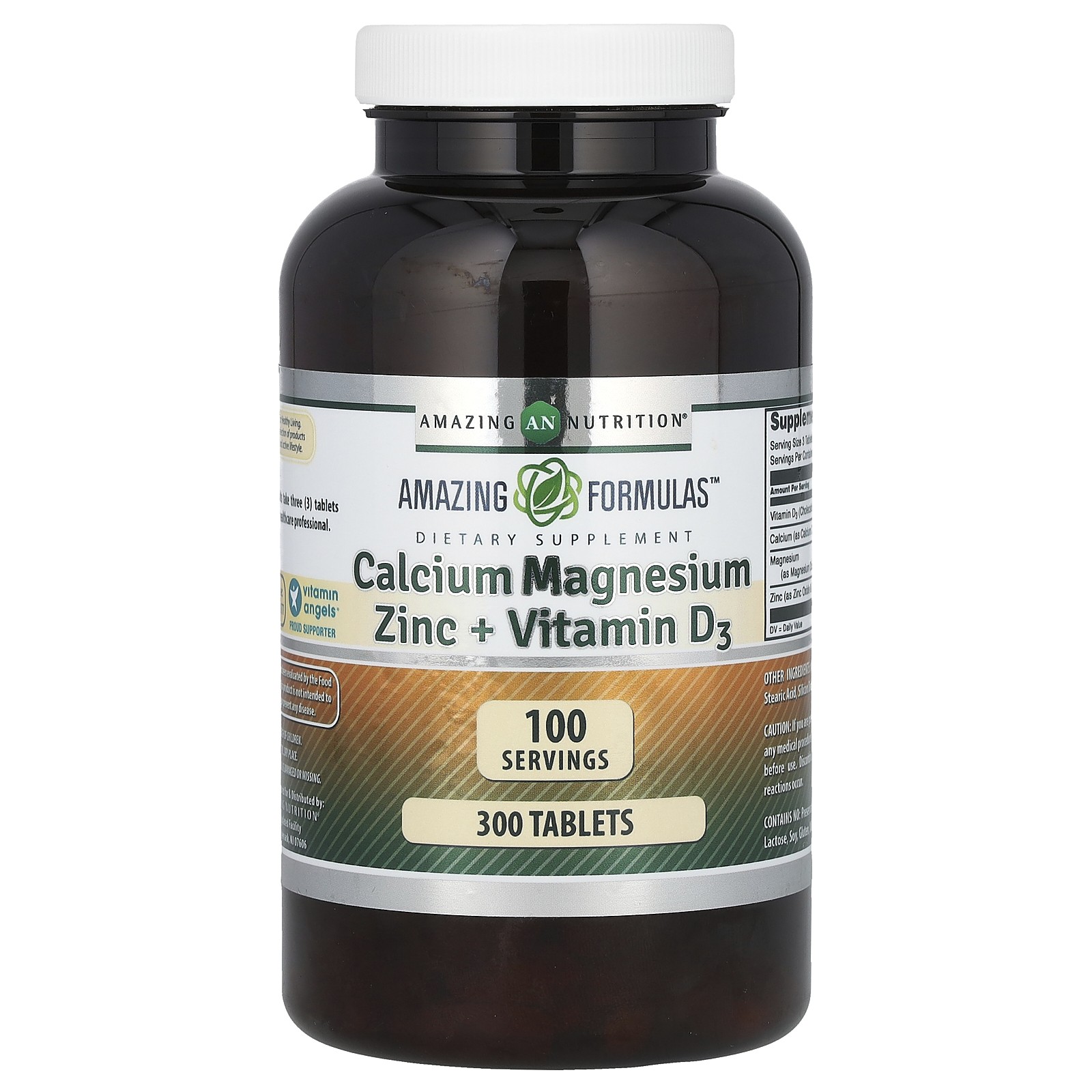
Zinc And Magnesium

Zinc and magnesium are essential minerals commonly paired in supplements for immune, sleep, and muscle support, but absorption and tolerability vary sharply by form. The core trade-off is mineral form (oxide and aspartate vs chelated glycinate and citrate) and dose per capsule, which determine how much you actually absorb and whether you get stomach upset. Buy chelated or organic-salt forms at moderate elemental doses for daily use; treat oxide-heavy or mega-dose single-mineral products as short-term or targeted options, not baseline daily picks.

Buying guide image
Protein Nutrition

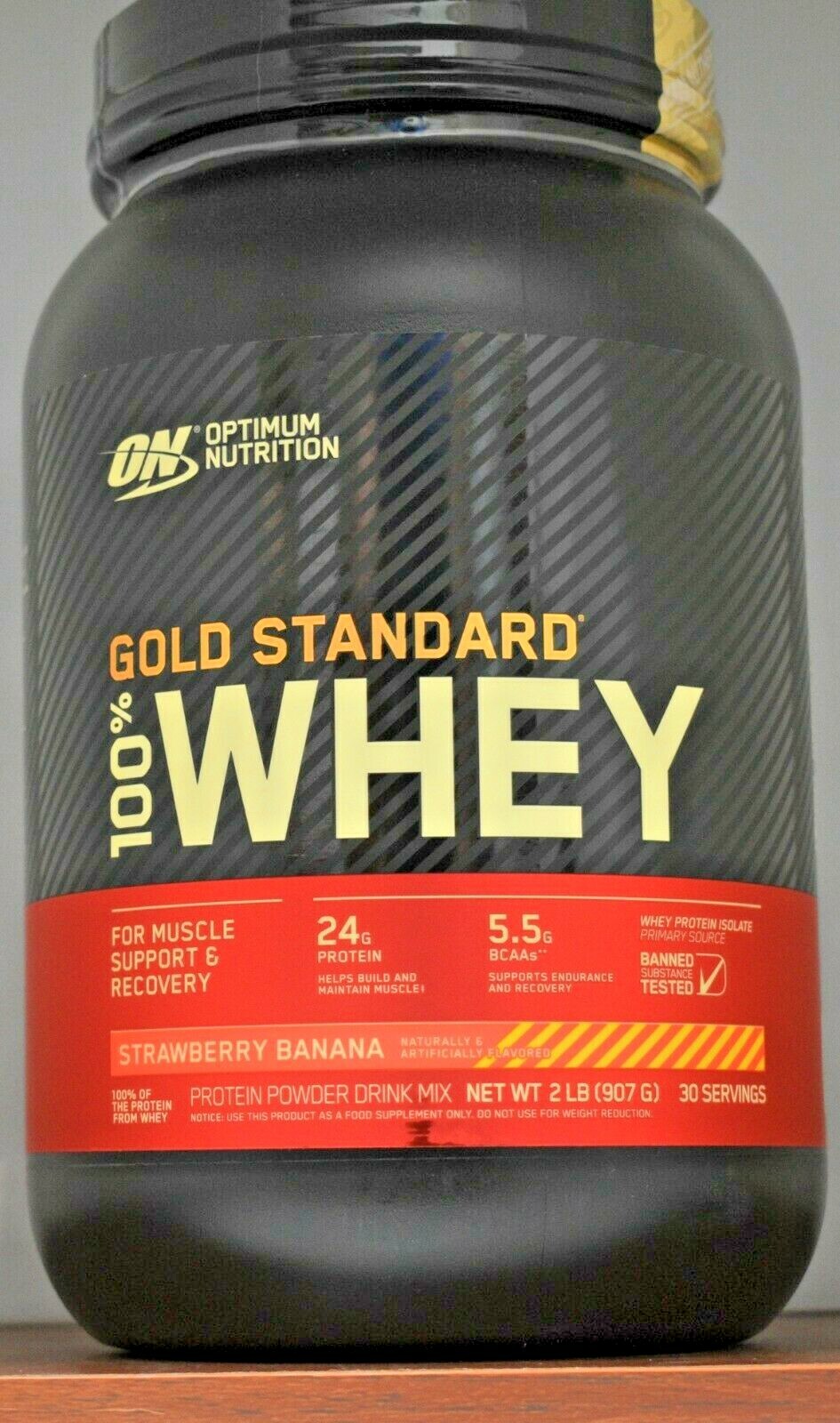
Gold Standard Protein

Gold Standard Protein refers to Optimum Nutrition's flagship line of whey protein powders and ready-to-drink shakes, distinguished by their whey isolate-primary blend and instantized mixing. The key buying trade-off is between the faster-absorbing 100% Whey (isolate/concentrate blend) and the slower-digesting Gold Standard Casein, each suited to different timing and goals. Choose based on your protein timing needs and digestive tolerance, not on flavor marketing.

Buying guide image
Meal Replacement Management

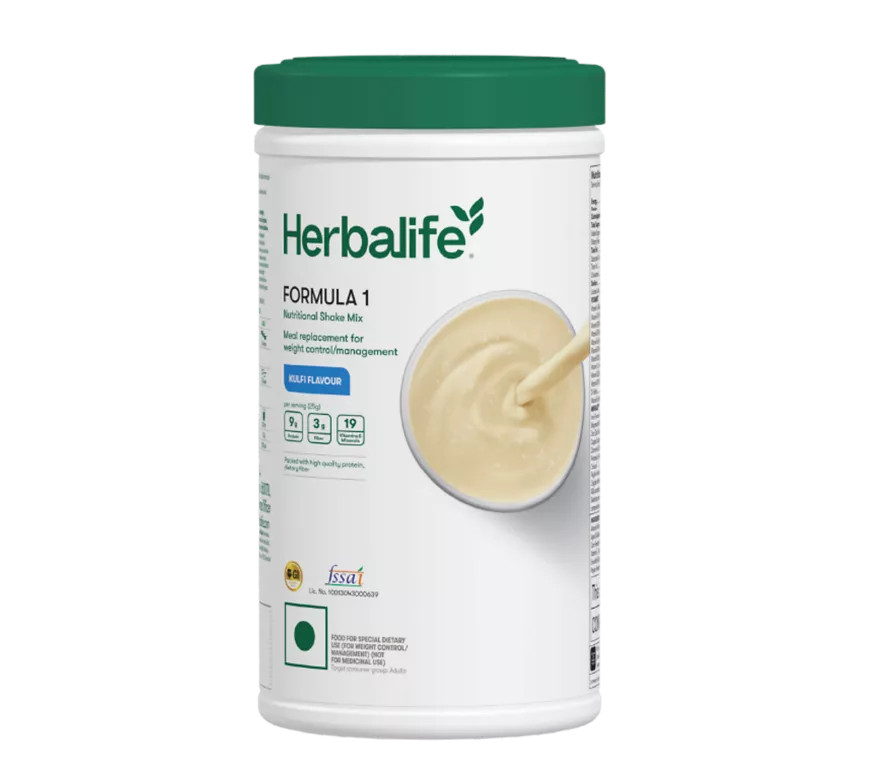
Herbalife Shake

Herbalife Shake refers specifically to the Formula 1 Healthy Meal Nutritional Shake Mix, a powder meal-replacement line sold in canisters and single-serve sachets across multiple global formulations. The core buyer trade-off is between genuine Formula 1 canisters (500 g or 750 g, full ingredient panel, batch-coded) and unauthorized resale or expired stock, which is why lot codes and canister weight are the primary authenticity signals. The decision rule: buy sealed Formula 1 in 500 g or 750 g canisters with a visible expiration date at least 12 months out, and avoid loose sachets, repackaged powder, and 'weight loss pack' bundles from unverified resellers.

Buying guide image
Vitamins & Minerals

Energy Vitamin

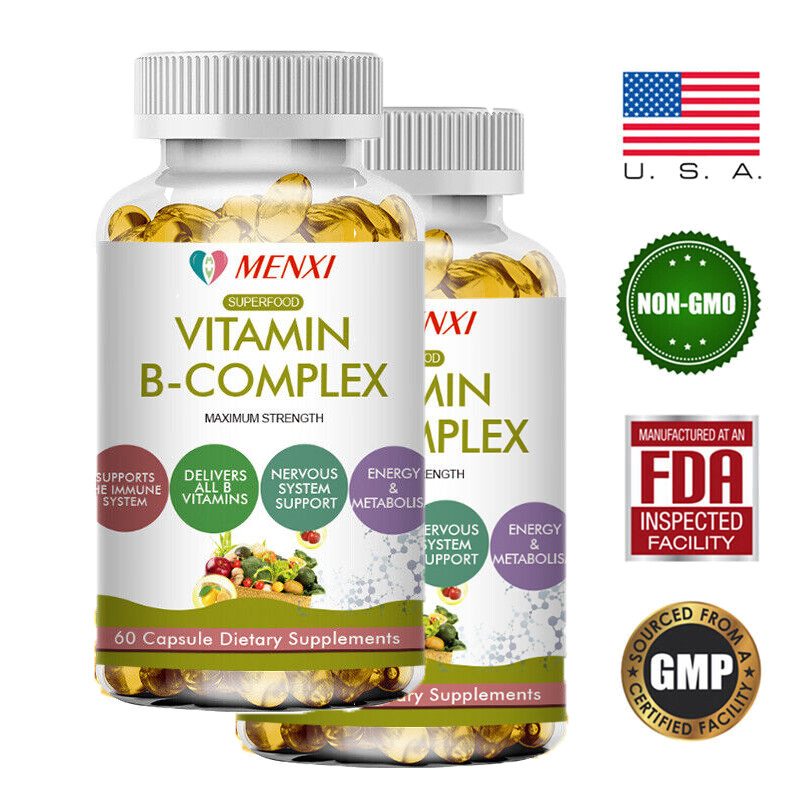
Energy vitamins are dietary supplements marketed to support normal energy metabolism, typically built around B-complex vitamins (B12, B6, folate, niacin, riboflavin, thiamine) with optional add-ons like CoQ10, iron, or adaptogens. The core trade-off is between clinically meaningful doses of well-absorbed vitamin forms (methylcobalamin, methylfolate, pyridoxal-5-phosphate) and underdosed proprietary blends padded with caffeine or sugar. The decision rule: buy a product that discloses every active dose in absolute units (mcg/mg), uses bioavailable vitamin forms, and avoids stimulant masking — skip any label hiding behind a 'proprietary blend' or 'energy complex' with no per-ingredient numbers.

Buying guide image
Protein Nutrition

Nutrition Protein Powder

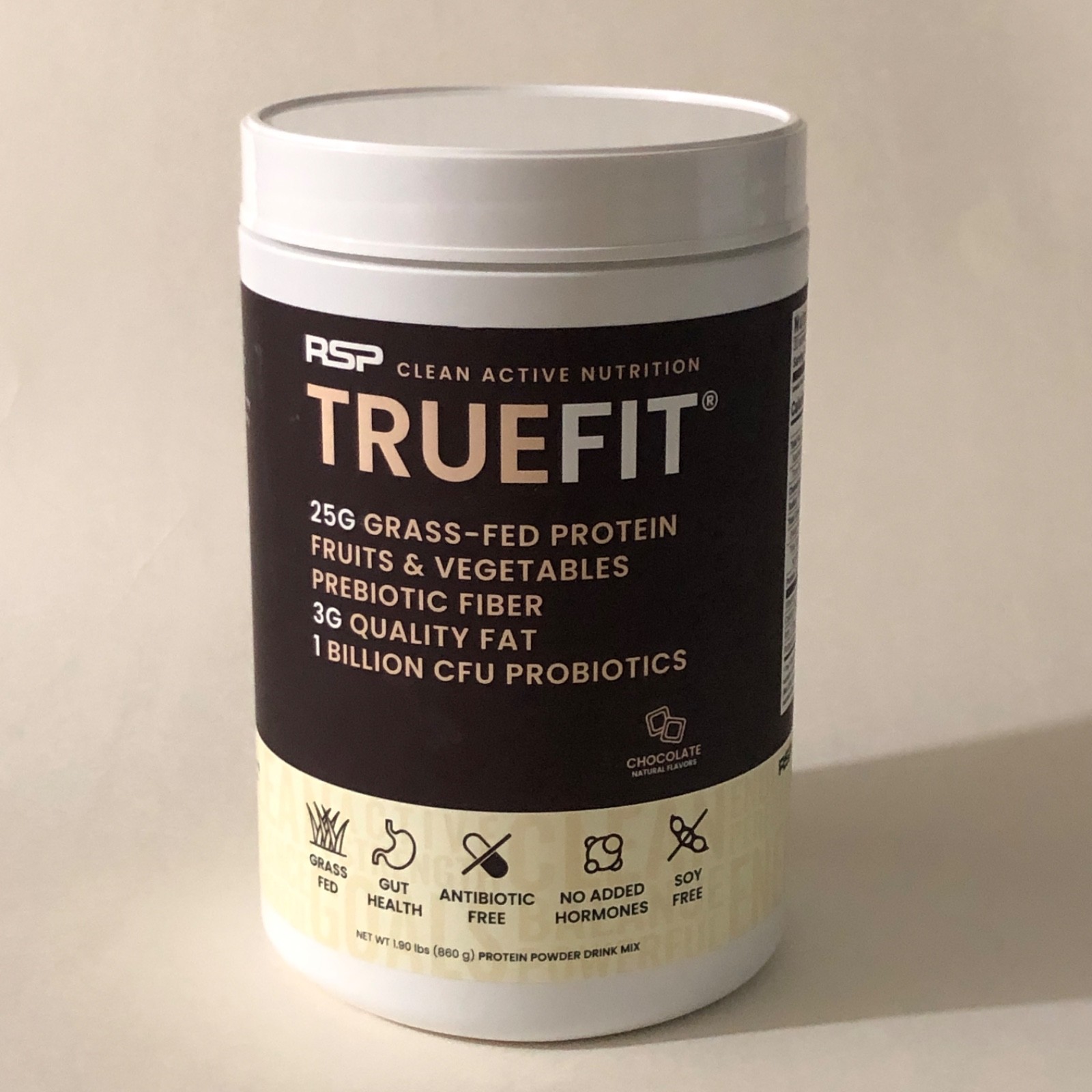
Nutrition protein powder is a concentrated protein source—whey, casein, plant, or collagen—used to hit daily protein targets and support muscle repair, satiety, or joint/skin health. The core trade-off is protein purity and absorption speed versus digestive comfort and cost per gram; isolate and hydrolysate tiers filter more lactose and carbs, while concentrates and plant blends trade purity for fiber and lower cost. The decision rule: pick a protein type matched to your goal (fast whey isolate for post-workout, slow casein for overnight, plant blend for dairy-free, collagen for connective tissue)—skip any product that hides protein percentage or uses proprietary blends without gram-level disclosure.

Buying guide image
Vitamins & Minerals

Essential Vitamin

Essential vitamins are the micronutrients the body cannot synthesize in sufficient amounts and must obtain from diet or supplementation—typically A, B-complex, C, D, E, and K, plus key minerals like zinc, magnesium, and iodine. The core trade-off is between broad, low-potency 'all-in-one' multivitamins and targeted, well-dosed formulas with bioavailable forms (e.g., methylfolate vs folic acid, chelated minerals vs oxides). The decision rule: pick a formula whose label discloses every compound form and %DV per serving at or below tolerable upper limits—opaque 'proprietary blends' and mega-dose megapills are the compromises to skip.

Buying guide image
Sports Performance

Sport Nutrition

Sport nutrition covers the evidence-based supplements athletes use to fuel performance, speed recovery, and meet daily micronutrient needs. The core trade-off is between single-ingredient, third-party-tested staples (creatine monohydrate, whey isolate, electrolytes) and multi-ingredient proprietary blends that obscure doses. Buy single-ingredient products with disclosed gram-level doses and NSF Certified for Sport or Informed Sport seals; skip proprietary blends and testosterone-booster marketing.

Buying guide image
Meal Replacement Management

Slimfast Original Meal Replacement Shake

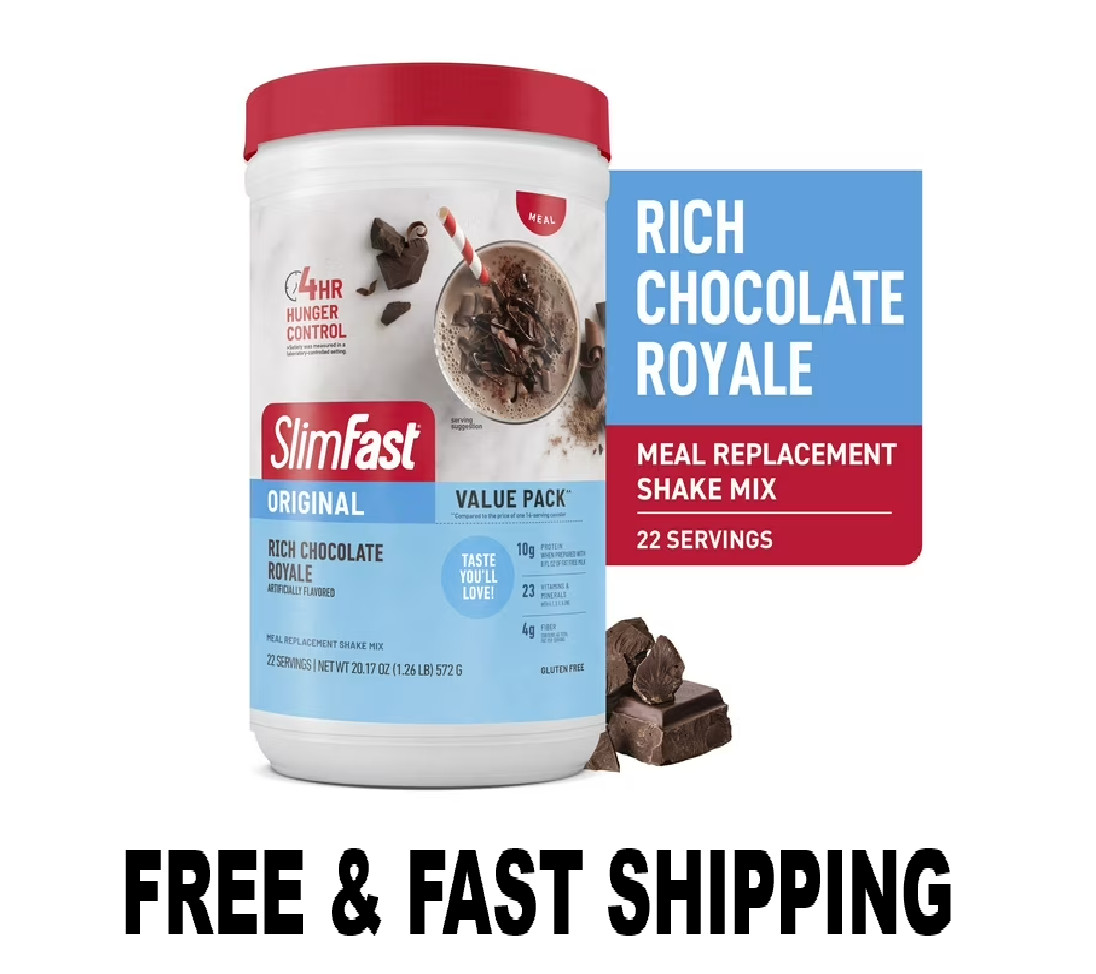
SlimFast Original is a powdered meal-replacement shake built on a low-calorie, high-protein-per-serving model that replaces one or two meals daily, not a protein supplement or a whole-food substitute. The decisive trade-off is scoop-to-water dilution versus satiety: smaller tubs and lower net weight mean fewer 34g servings, so compare cost per serving and protein per 100g rather than tub size. Buyers should pick the 12.83 oz or 20.18 oz powder only when they accept a 200-calorie, roughly 20g-protein shake as a structured meal swap, and skip it entirely if they expect a full meal's micronutrient profile or need whole-food fiber.

Buying guide image
Sleep & Stress Supplements

Magnesium Sleep And Stress

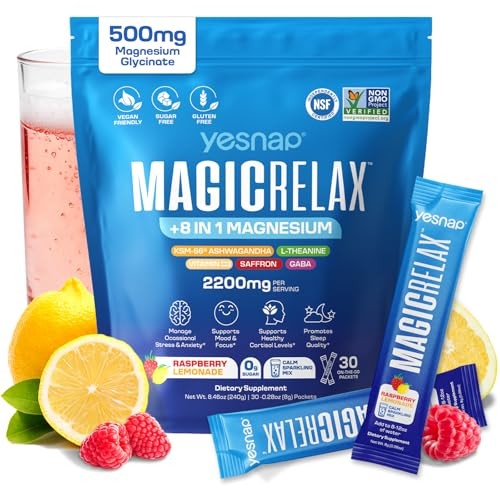
Magnesium sleep and stress supplements are mineral formulas marketed to support relaxation, sleep quality, and stress response, with the primary trade-off being the magnesium form (glycinate, citrate, oxide, threonate) that determines absorption, GI tolerance, and whether it actually helps sleep versus just bowels. The clear decision rule: choose chelated forms like glycinate or threonate for sleep and stress without laxative effects, and avoid oxide or citrate if you need gentle, non-disruptive dosing.

Buying guide image
Vitamins & Minerals

Multivitamin With Iron

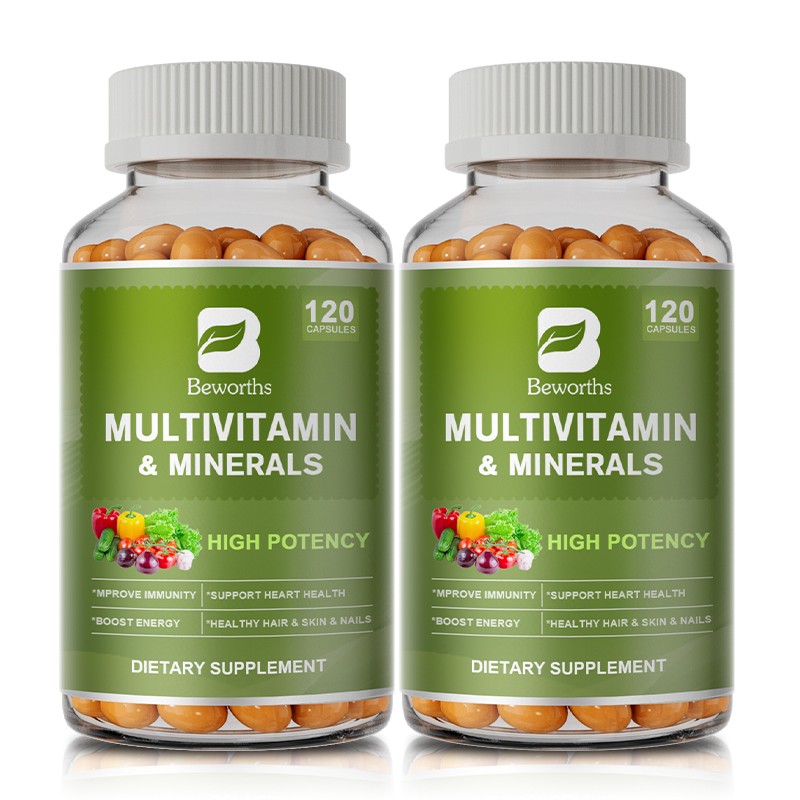
A multivitamin with iron supplies the full daily micronutrient baseline plus a meaningful dose of elemental iron, so the core trade-off is iron form and dose versus gastric tolerance, not brand prestige. Ferrous salts (sulfate, fumarate, gluconate) dissolve cheaply but cause constipation and nausea in many adults, while chelated or carbonyl iron delivers better absorption with fewer GI effects at a higher cost per tablet. The decision rule: pick a labeled elemental-iron dose you actually need (roughly 18 mg for adult men and postmenopausal women, 27 mg for menstruating or pregnant women), and reject any product that hides iron behind 'from ferrous sulfate' labeling without stating milligrams of elemental iron.

Buying guide image
Sports Performance

Testosterone Booster Men

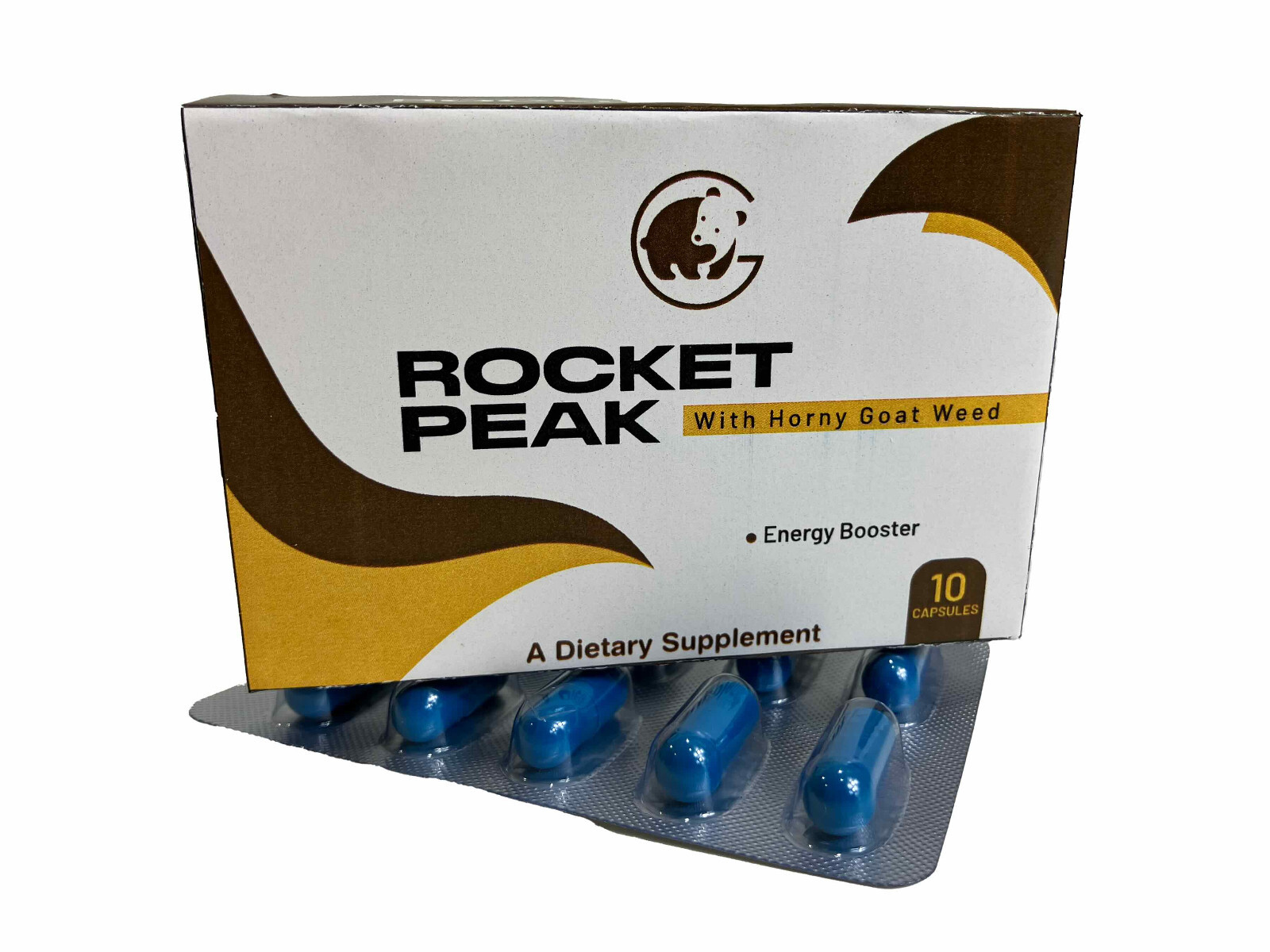
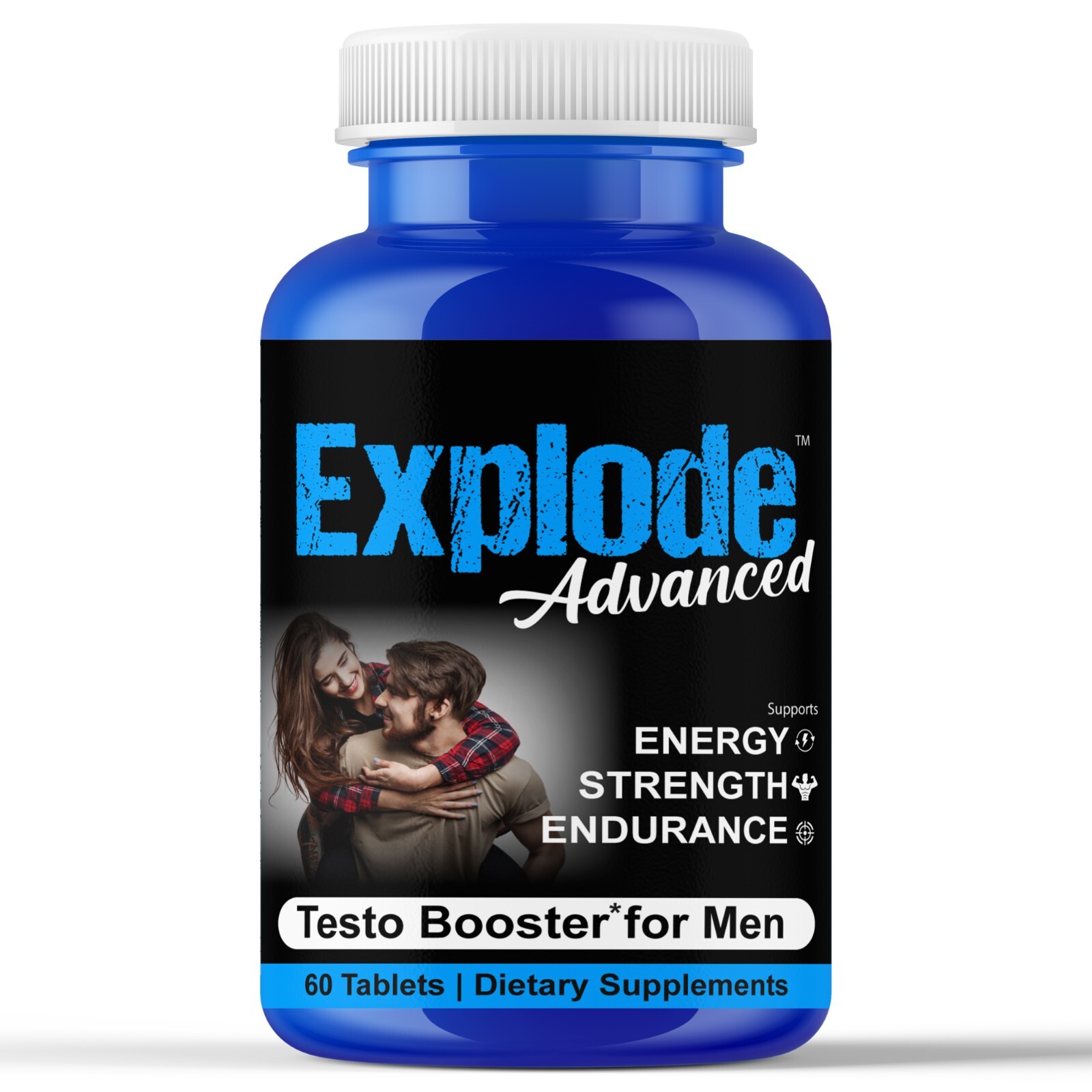
Testosterone boosters are dietary supplements marketed to support natural testosterone production, energy, and libido, but efficacy hinges on clinically studied ingredient doses rather than proprietary blends. The primary trade-off is transparency versus hype: products with disclosed, evidence-backed dosages (e.g., 3-6 g D-AA, 500 mg Tribulus) justify consideration, while 'male enhancement' capsules with undisclosed blends are marketing-first compromises. The decision rule: choose formulas listing every ingredient and dose, third-party tested for purity, and skip any product that hides amounts behind a 'proprietary blend' or promises drug-like results.

Buying guide image
Protein Nutrition

Optimum Nutrition Protein

Optimum Nutrition protein means the Gold Standard line: whey isolate/concentrate blends, 100% casein micellar powders, and ready-to-drink shakes. The key trade-off is whey blend vs pure isolate (cost per gram of protein vs lactose/fat content) and tub format vs single-serve RTD. Choose isolate or hydrolyzed whey if you are lactose-sensitive or cutting; choose the standard blend for everyday value at 24g protein per scoop.

Buying guide image
Vitamins & Minerals

Multivitamin Without Iron

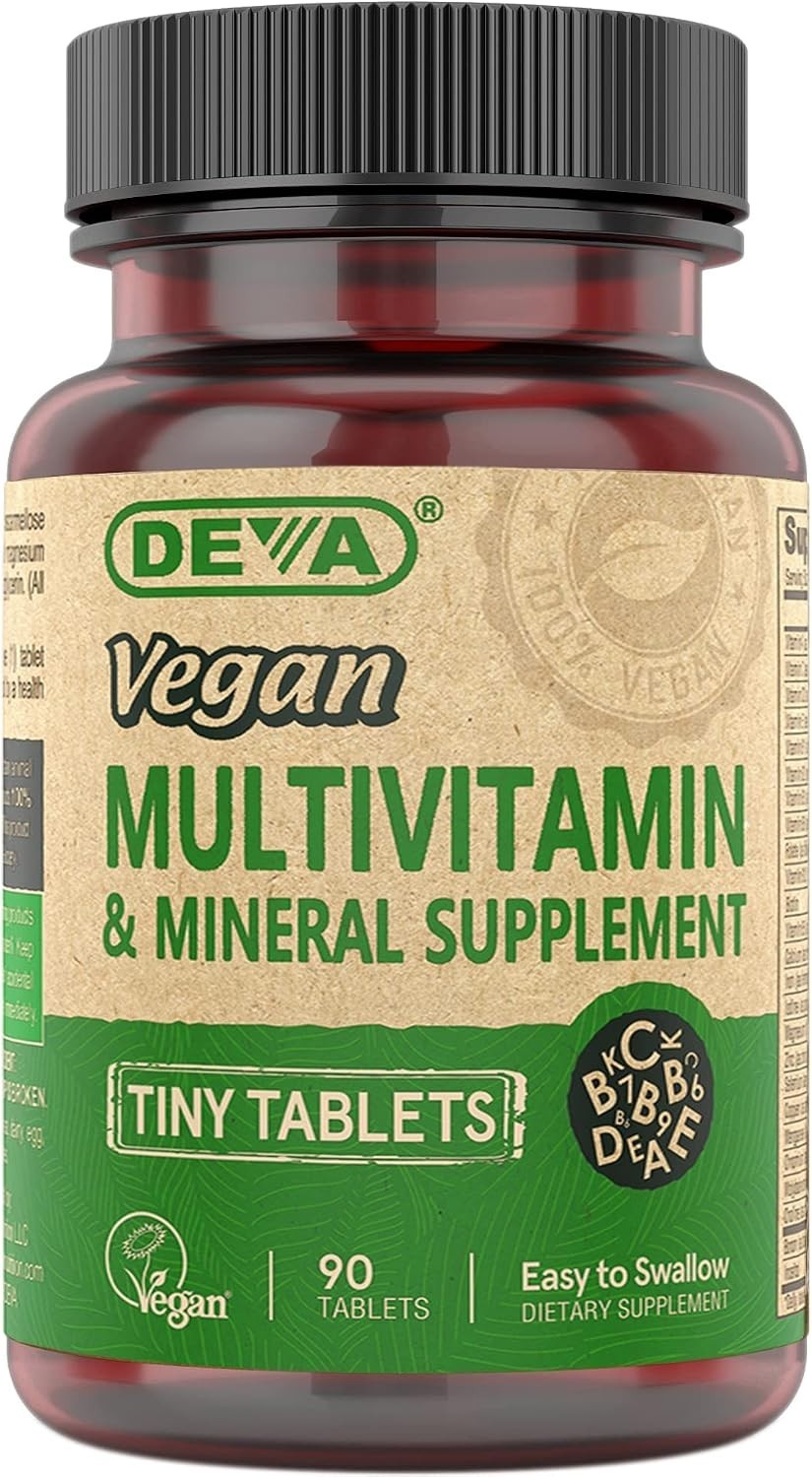
Iron-free multivitamins are daily formulas that deliver essential vitamins and minerals while omitting iron, a mineral that can accumulate to toxic levels in people with hereditary hemochromatosis or other absorption disorders. The core trade-off is between tablet size and nutrient density: "tiny tablet" and whole-food formulas usually cap at 100% DV for most vitamins and omit minerals like calcium and magnesium to stay small, while full-size iron-free multis can include broader mineral profiles. The decision rule is simple: if you need iron removal for medical reasons, choose a formula that clearly states "iron-free" and discloses vitamin A, D, and B12 forms; skip any product that hides iron content behind a "complete" label.

Buying guide image
Probiotics & Digestion

Gut Health Product

Gut health products are oral supplements built on three architectures: single-strain probiotics, multi-strain probiotic+prebiotic blends, and gut-lining support formulas with herbs or postbiotics. The core trade-off is strain specificity and CFU potency at manufacture versus capsule count, packaging format, and stability through shipping and storage. Durable, well-formulated options disclose genus, species, and strain codes with a CFU count at expiry; compromise products hide strain identity behind proprietary blends or inflate CFU numbers without delivery protection.

Buying guide image
Protein Nutrition

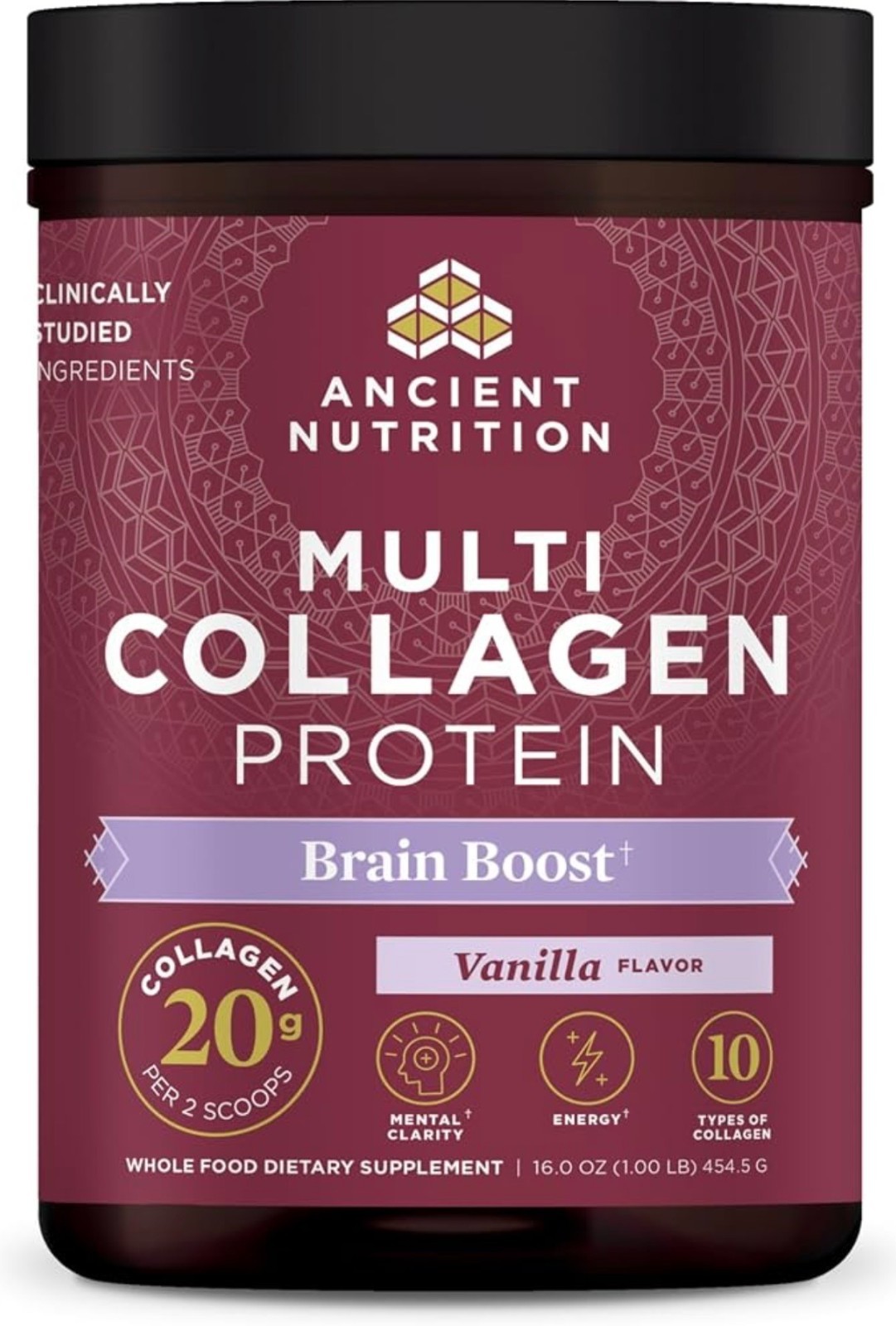
Ancient Nutrition Multi Collagen Protein

Ancient Nutrition Multi Collagen Protein is a powdered supplement combining hydrolyzed collagen peptides from multiple animal sources (bovine, chicken, fish, eggshell) plus vitamin C, marketed for skin, joint, and gut support. The core trade-off is source diversity and added vitamin C versus lower protein density per scoop—hydrolyzed peptides are more bioavailable, but collagen is an incomplete protein and should not replace a complete protein source. Choose based on source count, flavor, and serving size (scoop weight determines actual protein grams), not marketing claims.

You may also like

Finding more guides for you…