Health Stack Guide

Health Stack Guide

Nutrition & Supplements Reviews & Buying Guides

Compare nutrition & supplements by use case, features, trade-offs, price, returns, and seller terms before you buy.

Buying guides

Buying guide image
Protein Nutrition

Quality Protein Powder

Quality protein powder is a concentrated protein supplement judged on protein density per scoop, complete amino acid profile, and absence of unnecessary fillers or heavy-metal risk. The core trade-off is between isolate purity and digestibility versus concentrate cost and mixability, with third-party testing separating safe, label-accurate products from unverified blends. Choose isolate or hydrolyzed whey for lactose sensitivity and fast absorption, concentrate for budget and sustained release, and always prioritize products with transparent amino spiking tests and heavy-metal screening.
Buying guide image
Protein Nutrition

5 Protein Powder

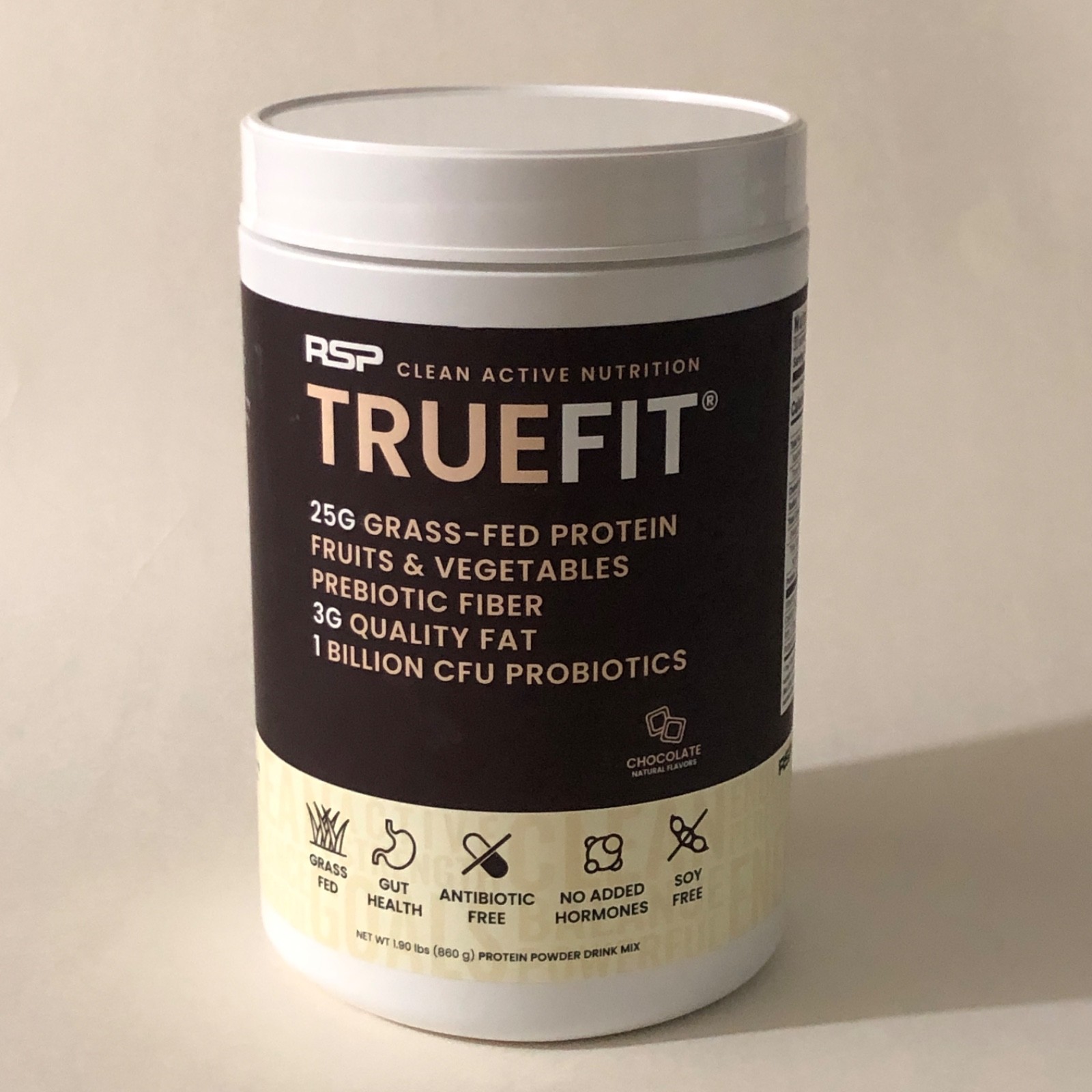
Protein powder is a concentrated protein supplement used to meet daily protein targets, with the primary trade-off being protein source and processing level versus cost per serving and digestive tolerance. Whey isolate and hydrolysate deliver higher protein by weight with less lactose, while whey concentrate and collagen offer lower cost or specific amino acid profiles. The clear decision rule: buy a product that states protein grams per serving and scoop size on the label, and treat any powder without a transparent amino acid or protein-per-100g figure as a compromise.

Buying guide image
Protein Nutrition

Protein Powder Without Artificial Sweetener

Protein powder without artificial sweetener is a category where the sweetener system determines both GI tolerance and label transparency: options range from unflavored isolates to stevia/monk-fruit blends. The core trade-off is taste palatability versus digestive comfort and additive avoidance. Buy unflavored or naturally sweetened (stevia, monk fruit, coconut sugar) if you want clean labels; avoid sucralose/acesulfame-K blends if you're sensitive to sugar alcohols or artificial additives.

Buying guide image
Sleep & Stress Supplements

Magnesium

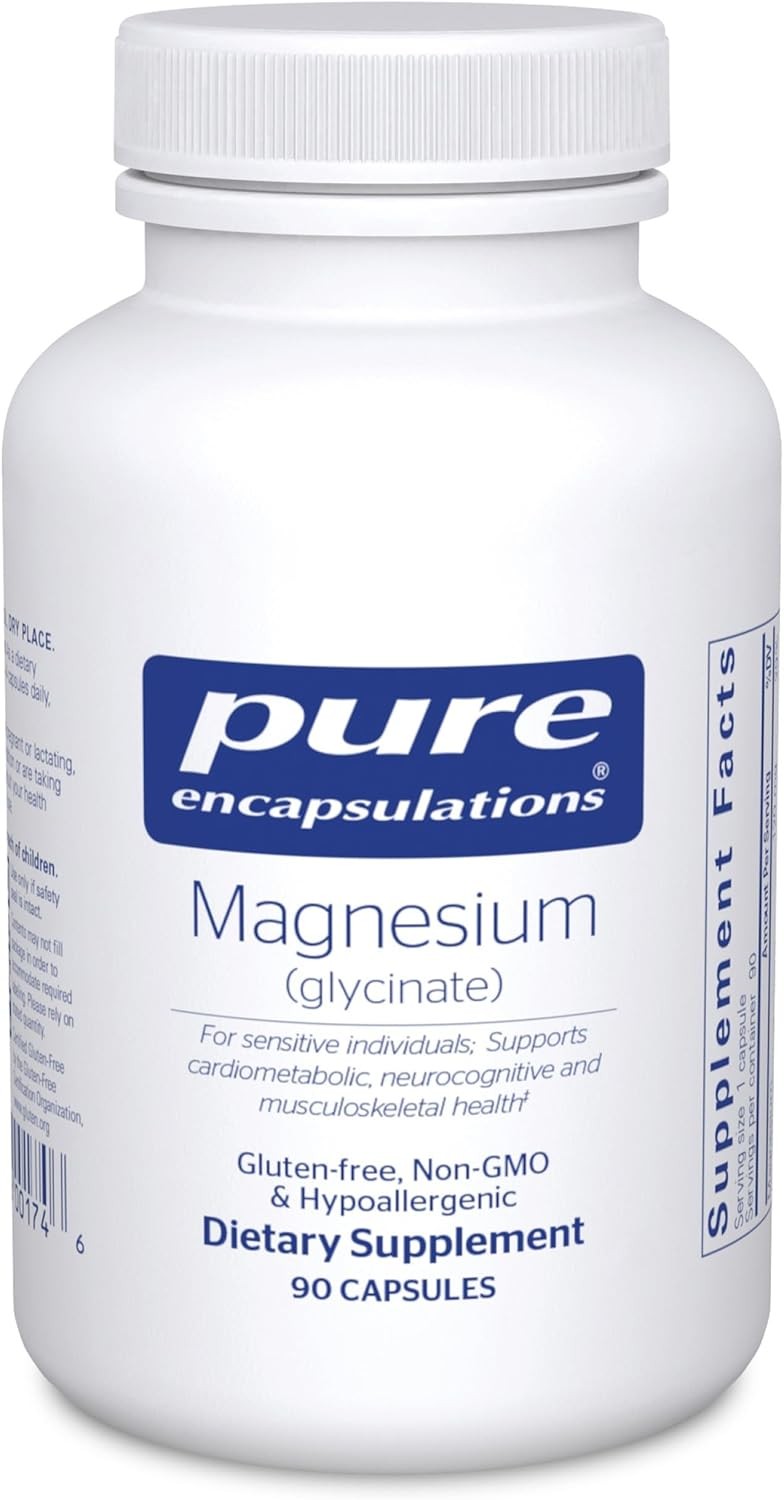
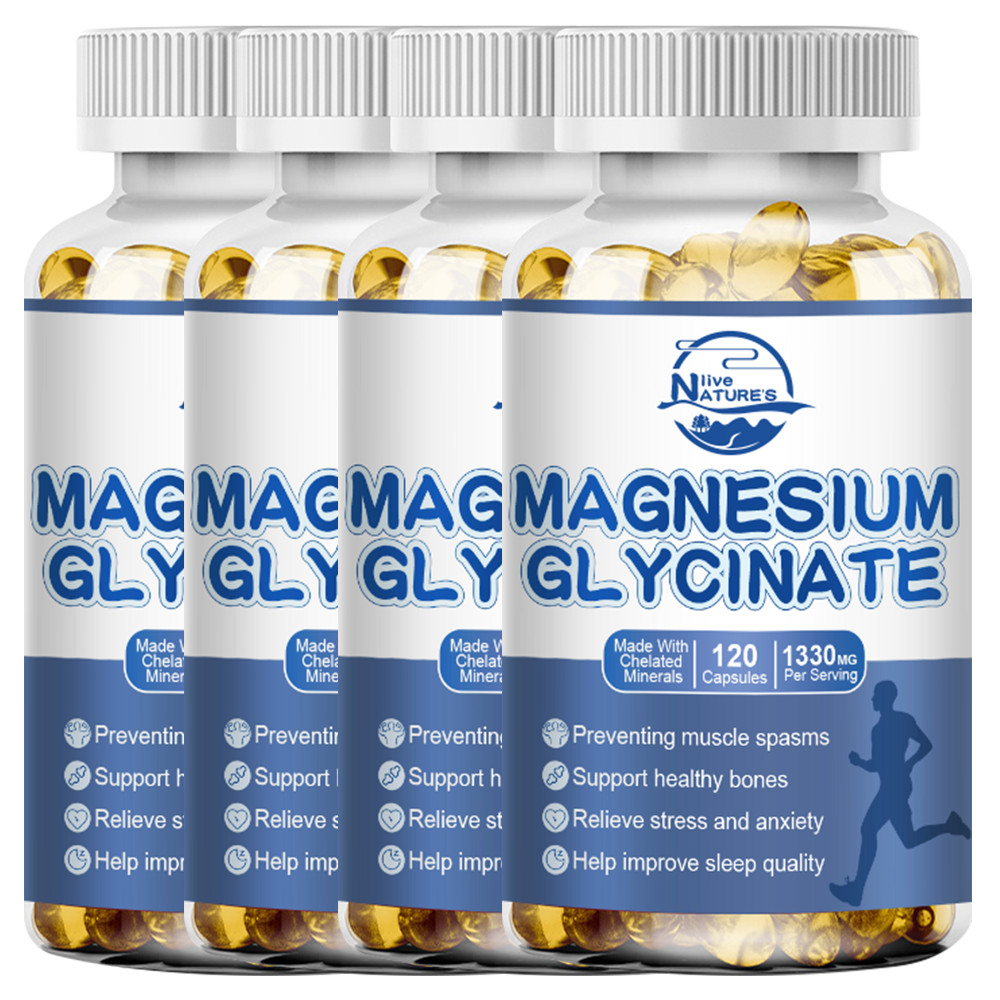
Magnesium supplements for sleep and stress are mineral products where the chelate form (glycinate, citrate, oxide) and elemental yield per capsule determine both tolerability and effect. The primary trade-off is absorption and GI comfort versus price per elemental milligram, with glycinate leading for calming without laxation. Choose chelated forms at verified elemental doses for sleep support; skip oxide-heavy blends unless constipation relief is the goal.

Buying guide image
Meal Replacement Management

Slimfast Meal Replacement Powder

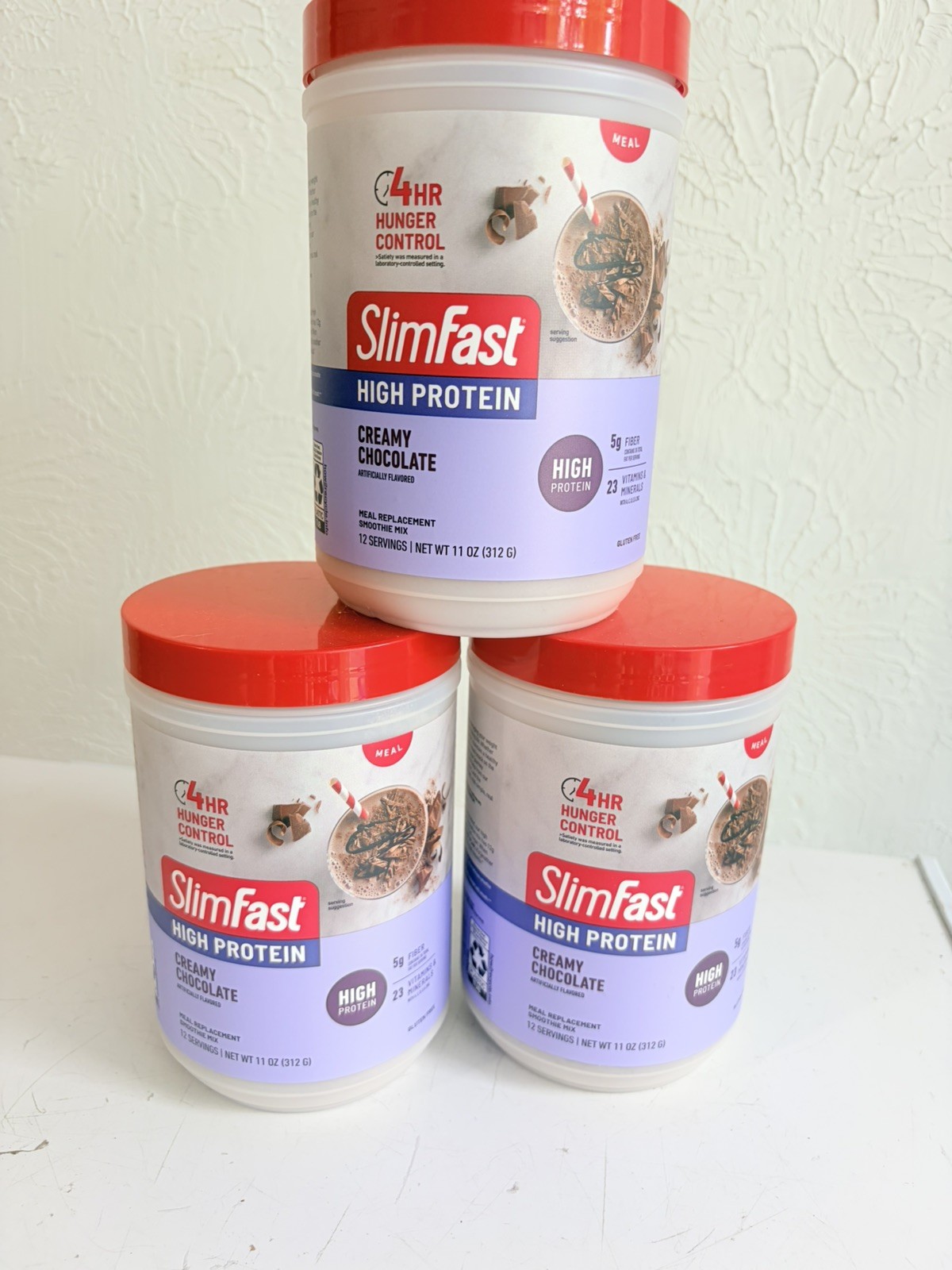
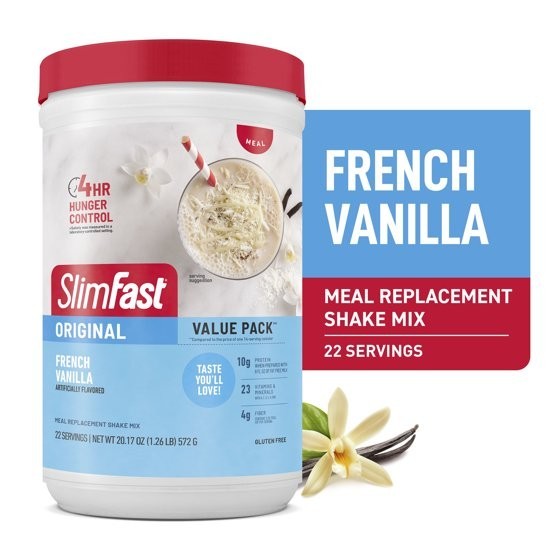
SlimFast Meal Replacement Powder is a whey-and-soy protein blend designed to replace one or two meals per day, typically delivering around 200 calories, 20g protein, and 5g fiber per serving. The core trade-off is between the smaller 12.83 oz canister (14 servings, lower upfront commitment) and the larger 20.18 oz canister (22 servings, better per-serving value) — both share the same Original formula. Choose based on your daily meal-replacement cadence and whether you need single-canister trials or multi-week supply; avoid any listing that cannot confirm the canister size and serving count.

Buying guide image
Sleep & Stress Supplements

Ashwagandha

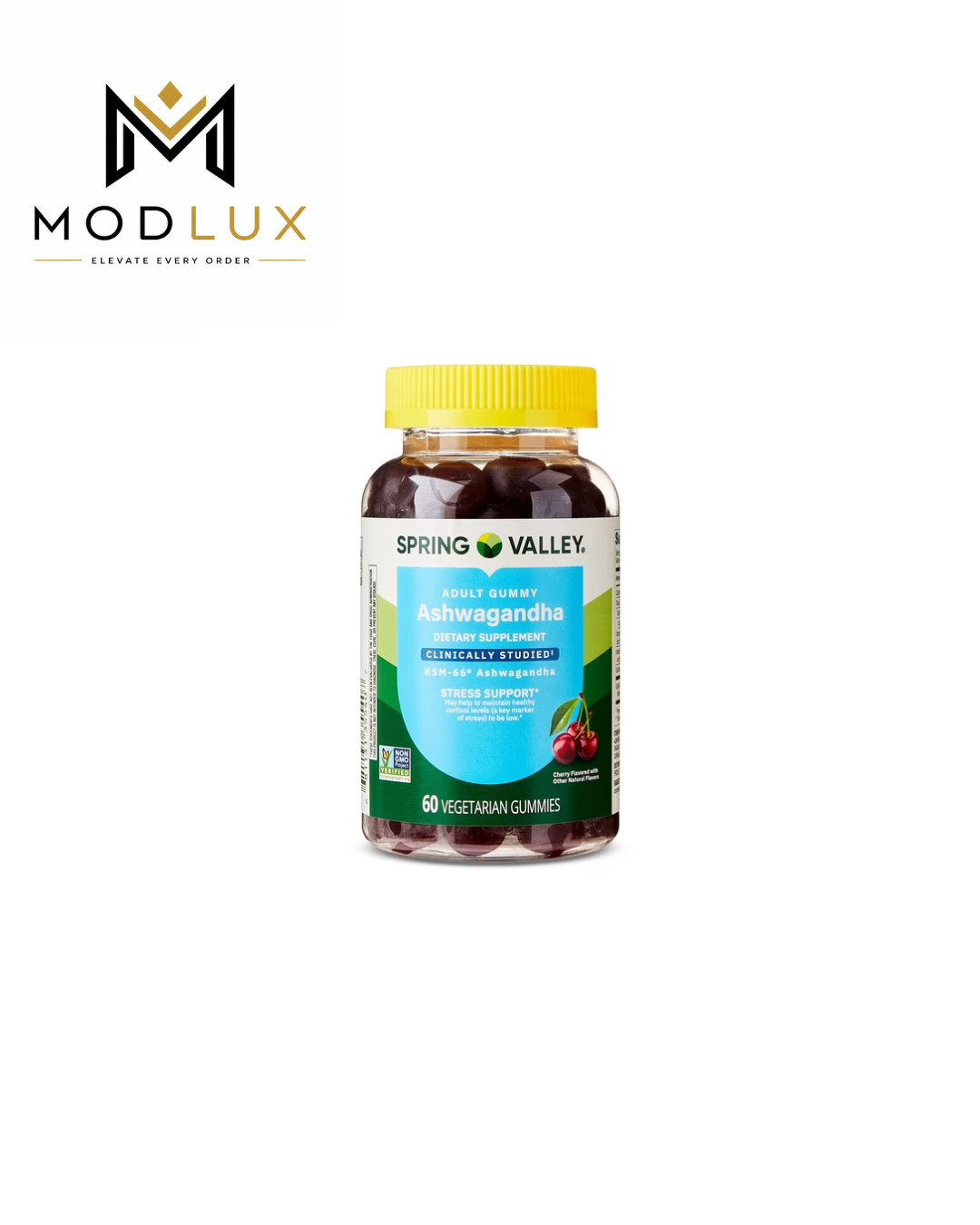
Ashwagandha is an adaptogenic root (Withania somnifera) sold as root powder, standardized extract, gummies, tablets, or drink mixes, and the central buying trade-off is extract standardization versus whole-root material: clinical stress and sleep research uses concentrated withanolide extracts at defined percentages, while raw root powders vary widely in potency. The decisive rule is to buy a product that states its extract ratio or withanolide percentage and a third-party purity test, not a label that only says 'ashwagandha' with no standardization number.

Buying guide image
Vitamins & Minerals

Multivitamin Women

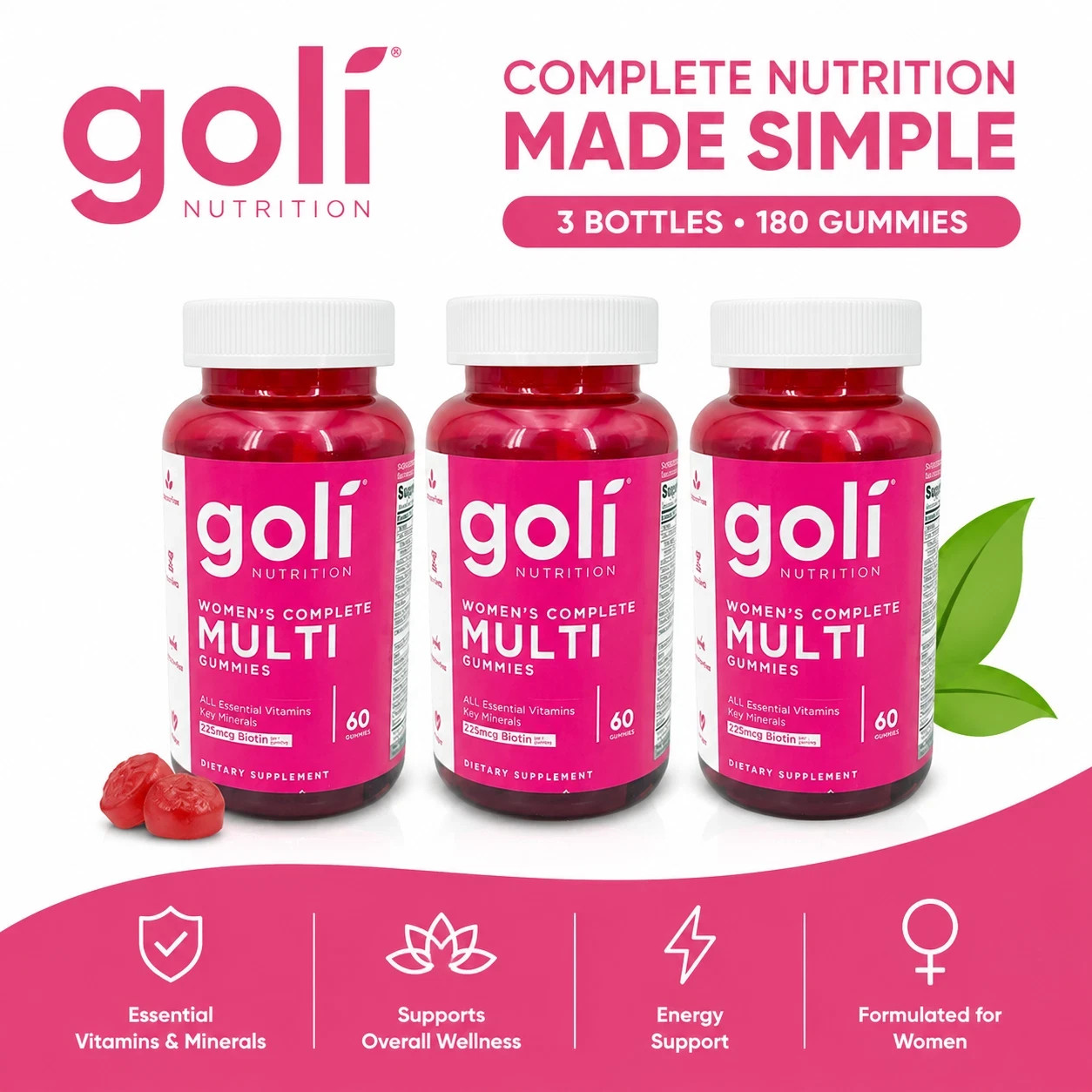
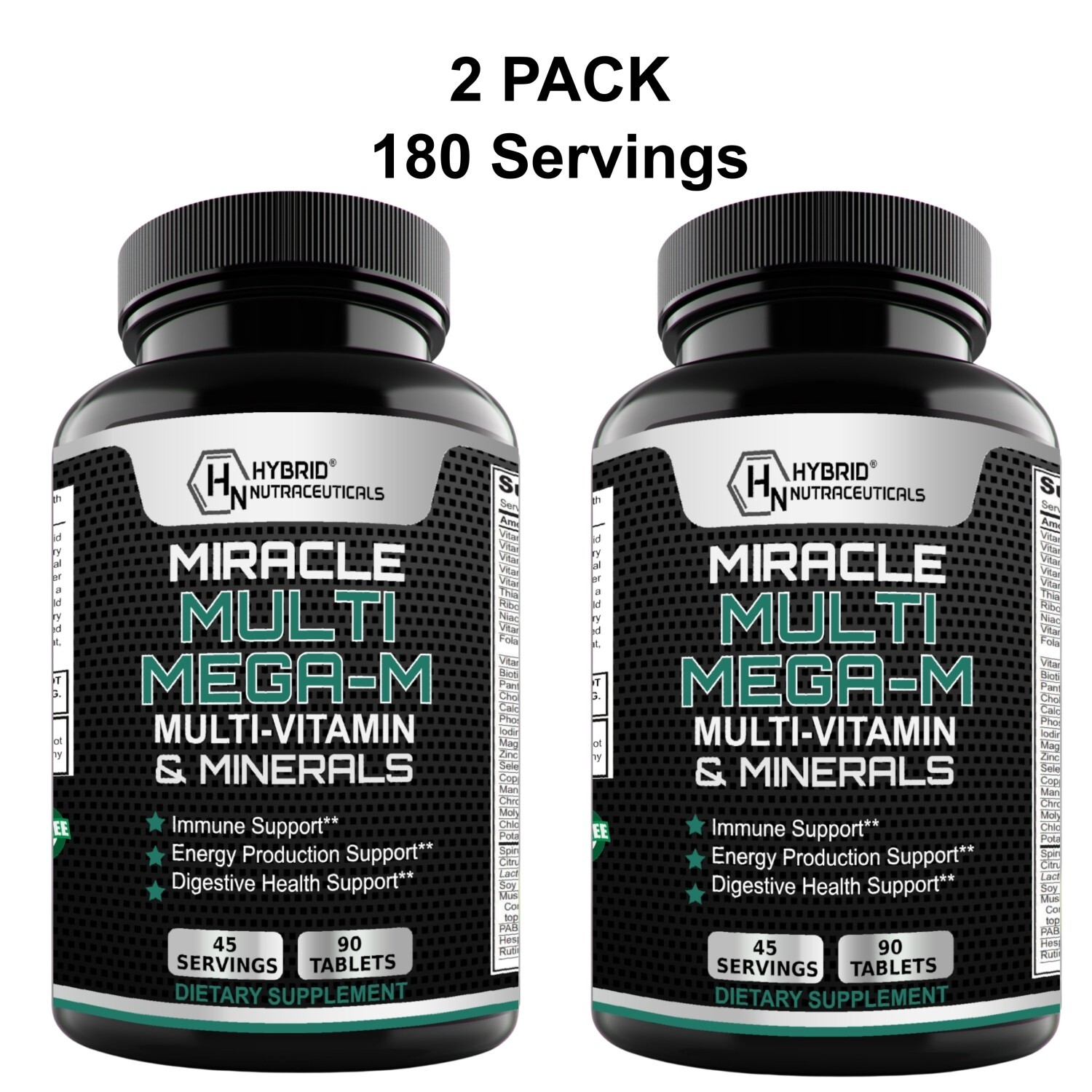
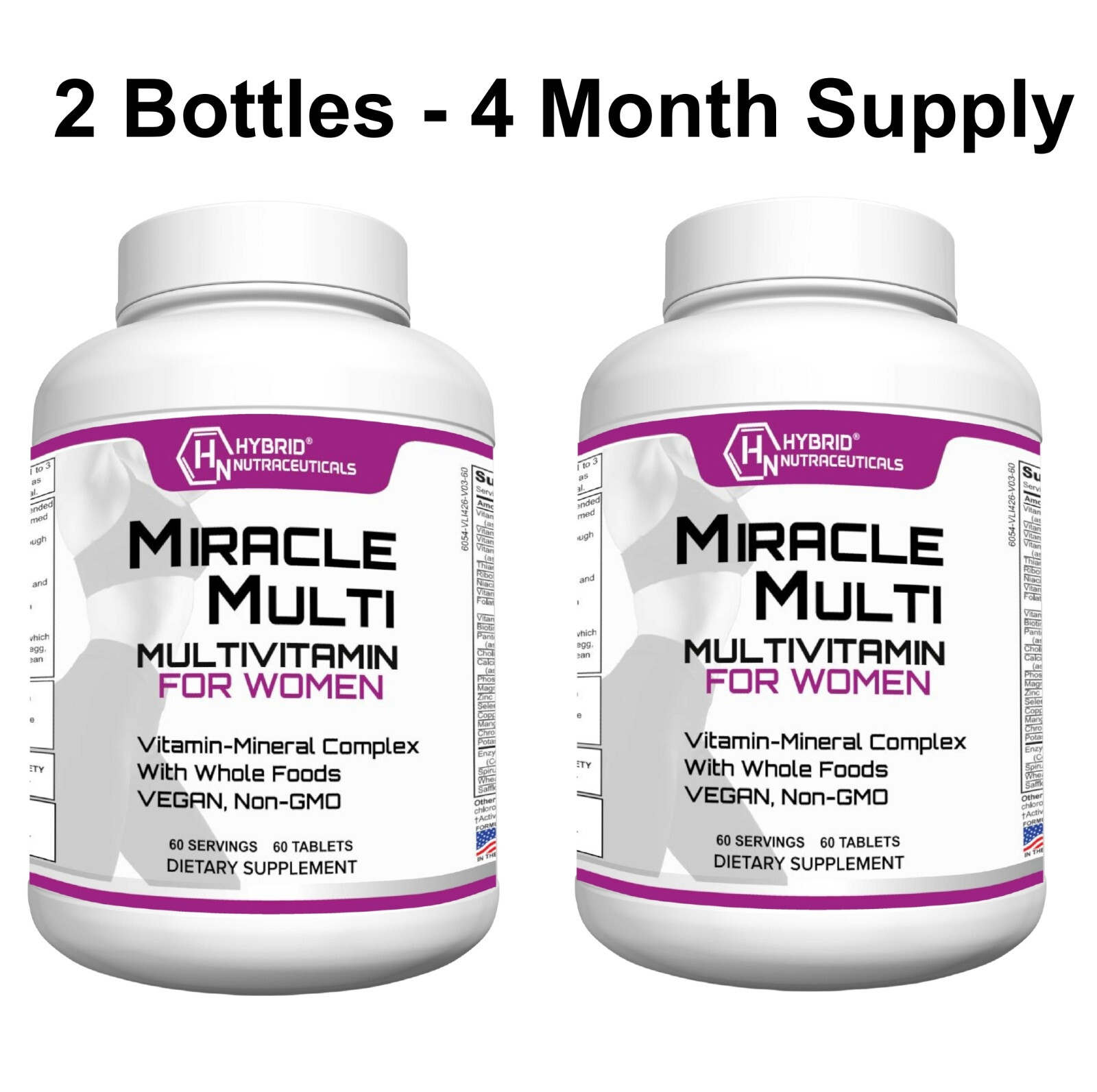
Women's multivitamins are daily micronutrient blends formulated to fill common dietary gaps, with the core trade-off being absorption-friendly forms (methylated B12, chelated minerals) versus cheap oxide/carbonate salts that pass through poorly. The decisive rule: choose a product that discloses every vitamin and mineral amount per serving in bioavailable forms, and skip proprietary blends or megadose formulas unless a clinician directed them.

Buying guide image
Vitamins & Minerals

Vitamin Women

Women's multivitamins are daily micronutrient formulas dosed for female life stages, from iron-heavy teen and premenopausal blends to iron-free 50+ and prenatal tiers. The core trade-off is label accuracy and third-party testing versus fillers, sugar load, and underdosed proprietary blends. Buy a USP- or NSF-verified formula matched to your age and menstrual status, and skip unverified megadose or single-ingredient 'hair/skin' capsules marketed as complete multivitamins.

Buying guide image
Sports Performance

Creatine Monohydrate Supplement

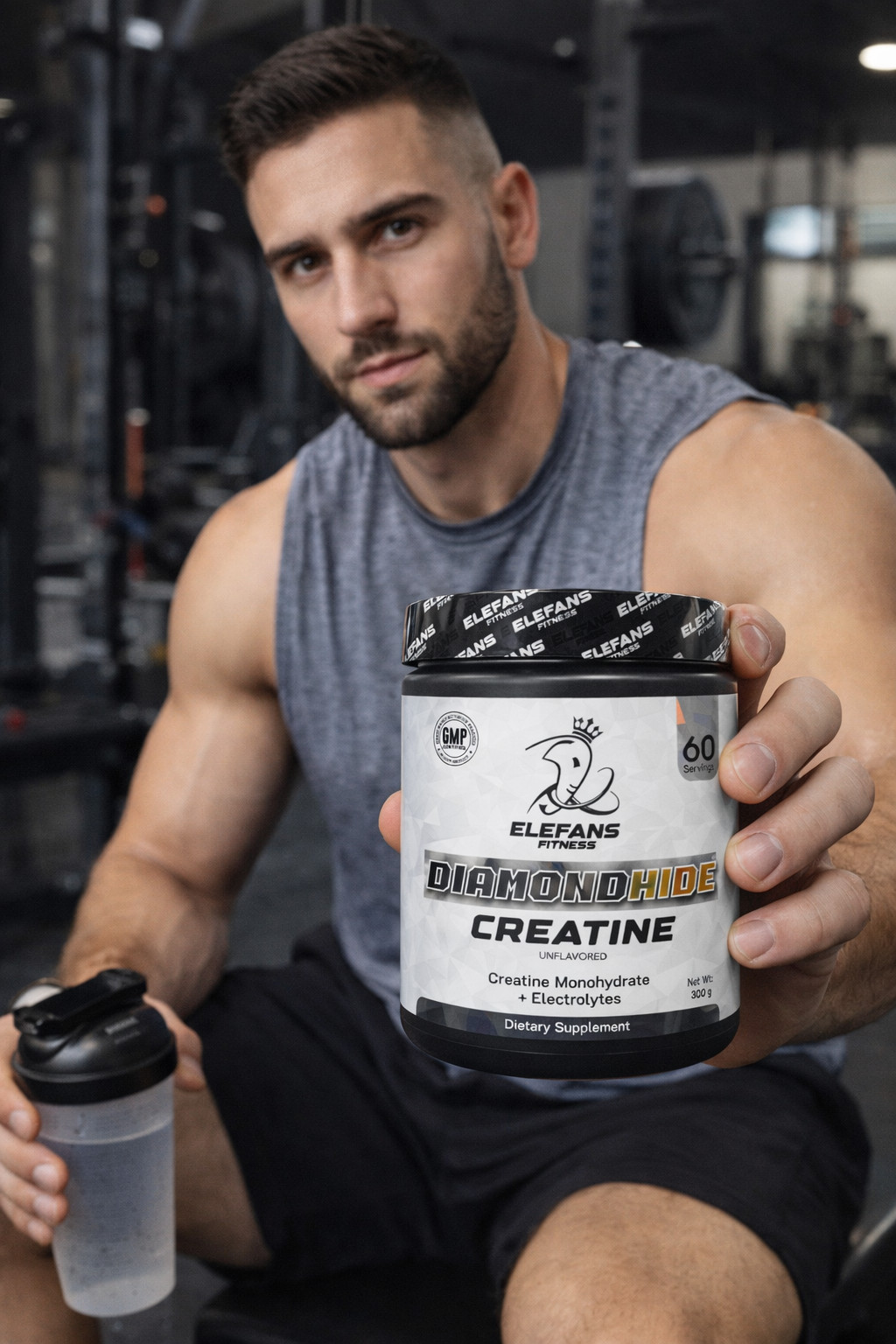
Creatine monohydrate is the most research-backed sports supplement for strength, power, and lean mass, available as micronized powder, capsules, tablets, or gummies. The core trade-off is purity and dose accuracy versus convenience, with micronized powder offering the best cost-per-gram and fastest absorption. Choose third-party tested monohydrate in the 3–5 g daily range; skip proprietary blends, candy formats, and underdosed capsules.

Buying guide image
Vitamins & Minerals

Vitamin Supplement Men

Men's vitamin supplements are daily micronutrient formulas that fill dietary gaps, with the key trade-off between highly bioavailable forms (methylated B vitamins, chelated minerals, softgels/capsules) and cheap oxide/carbonate fillers in compressed tablets. The decision rule: choose a formula that discloses vitamin D3 and K2 amounts, uses chelated or citrate minerals, and matches your delivery preference (capsule/softgel for absorption, gummy for adherence) — skip proprietary blends that hide dosages.

Buying guide image
Probiotics & Digestion

Probiotic With Digestive Enzyme

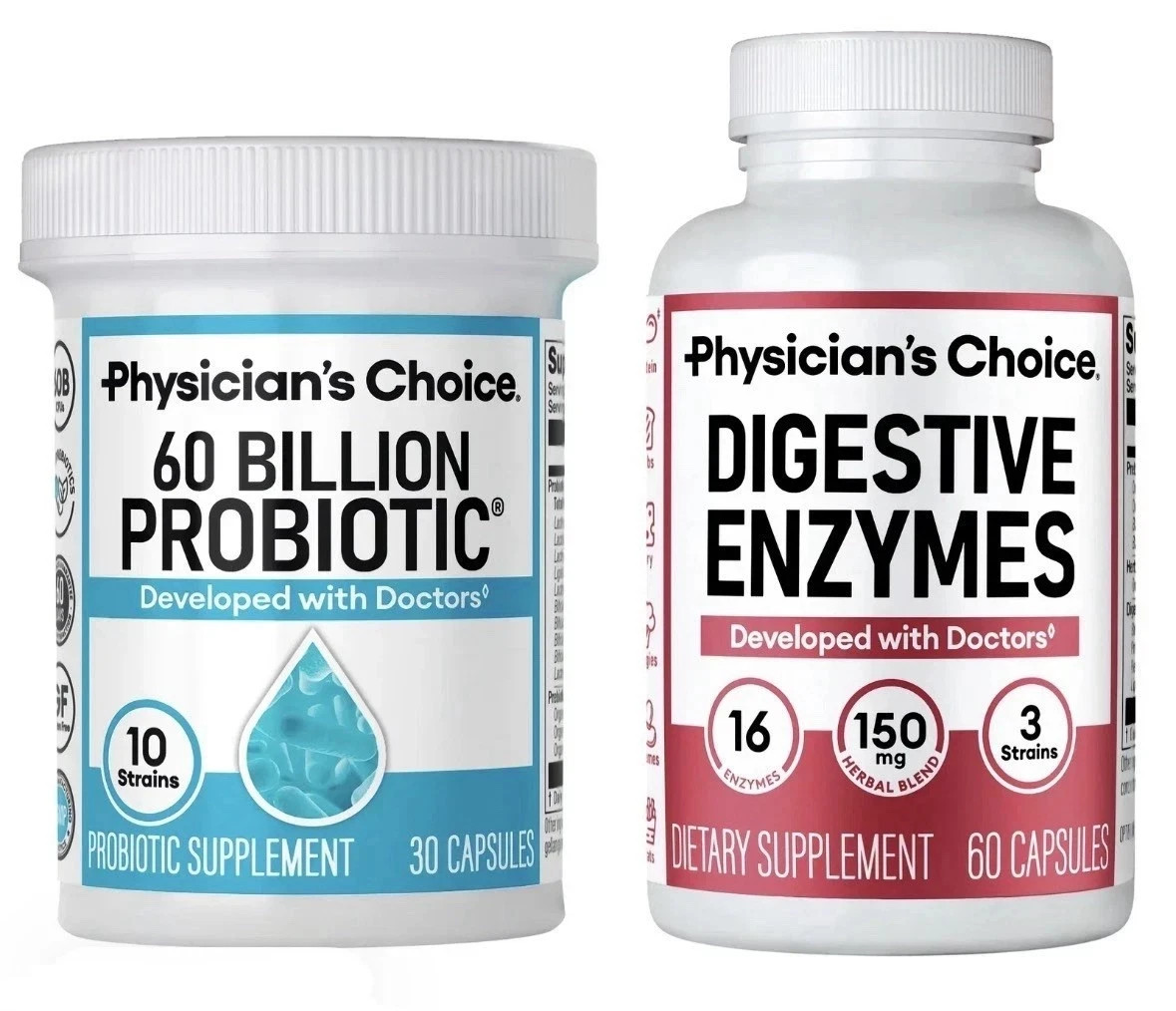
A probiotic with digestive enzyme supplement combines live beneficial bacteria (measured in CFU) with enzymes that break down fats, proteins, carbs, and fiber, targeting both gut flora balance and acute digestive discomfort. The core trade-off is CFU strength and strain diversity versus enzyme potency and capsule format: high-CFU products with broad enzyme blends cost more and may require delayed-release capsules to survive stomach acid, while low-CFU or enzyme-only products deliver minimal flora support. The decision rule: choose a product that discloses both CFU count at time of manufacture and enzyme activity units (e.g., DU, SAPU, HUT) with a delayed-release or enteric coating if CFU exceeds 30 billion; skip any label that lists a proprietary blend without CFU or enzyme assay.

Buying guide image
Probiotics & Digestion

Daily Probiotic

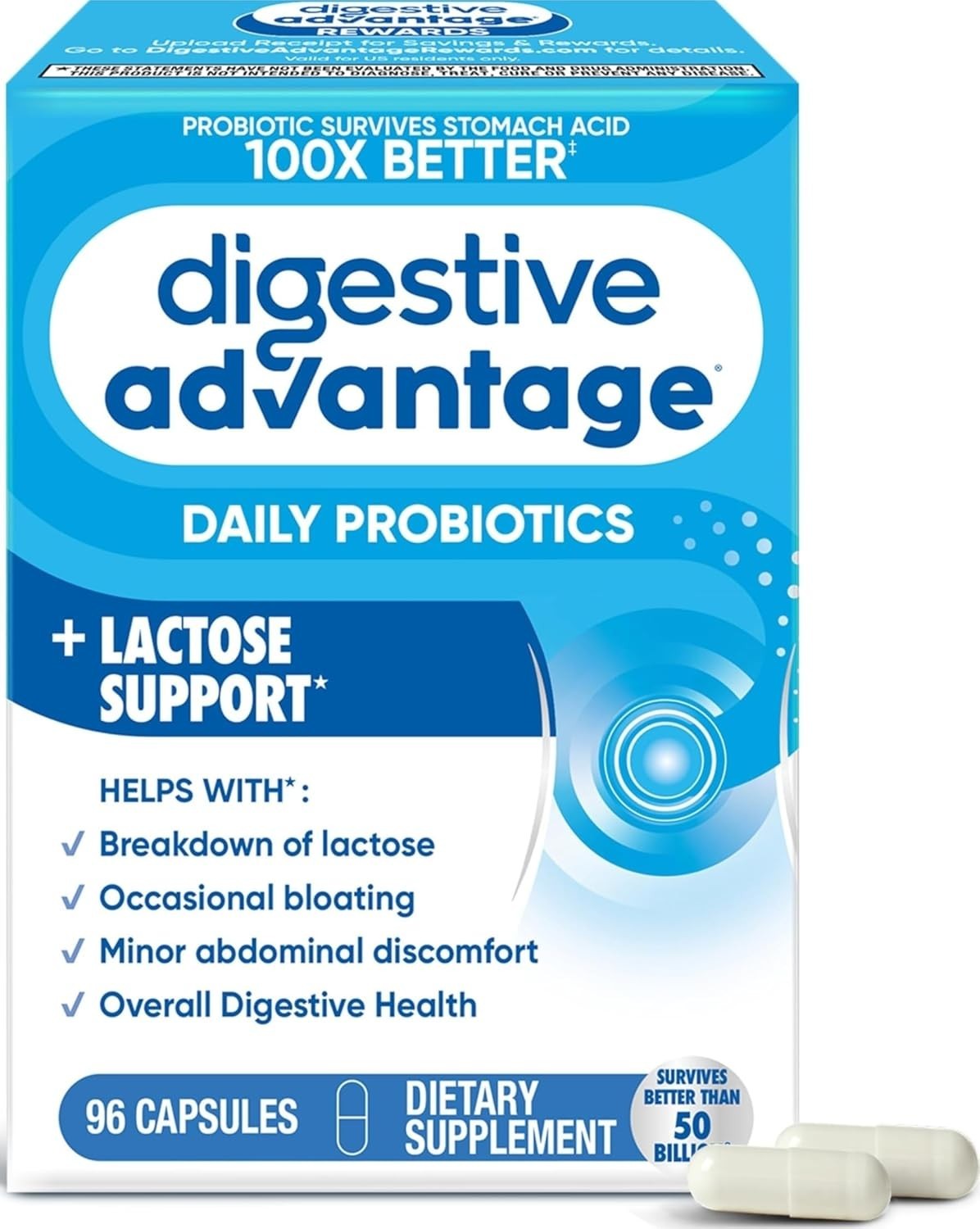
Daily probiotics are multi-strain live-culture supplements taken once per day to support digestive balance, regularity, and immune signaling. The central buying trade-off is CFU strength versus strain specificity: high-CFU blends (50-100 billion) suit post-antibiotic or traveler use, while 5-30 billion single-species formulas are smarter for sensitive daily maintenance. The durable rule is simple: pick a labeled CFU count at end of shelf life, a named genus-species strain list, and a delivery format (capsule or delayed-release) matching your tolerance — skip unlabeled 'proprietary blend' counts.

Buying guide image
Meal Replacement Management

High Protein Meal Replacement Shake

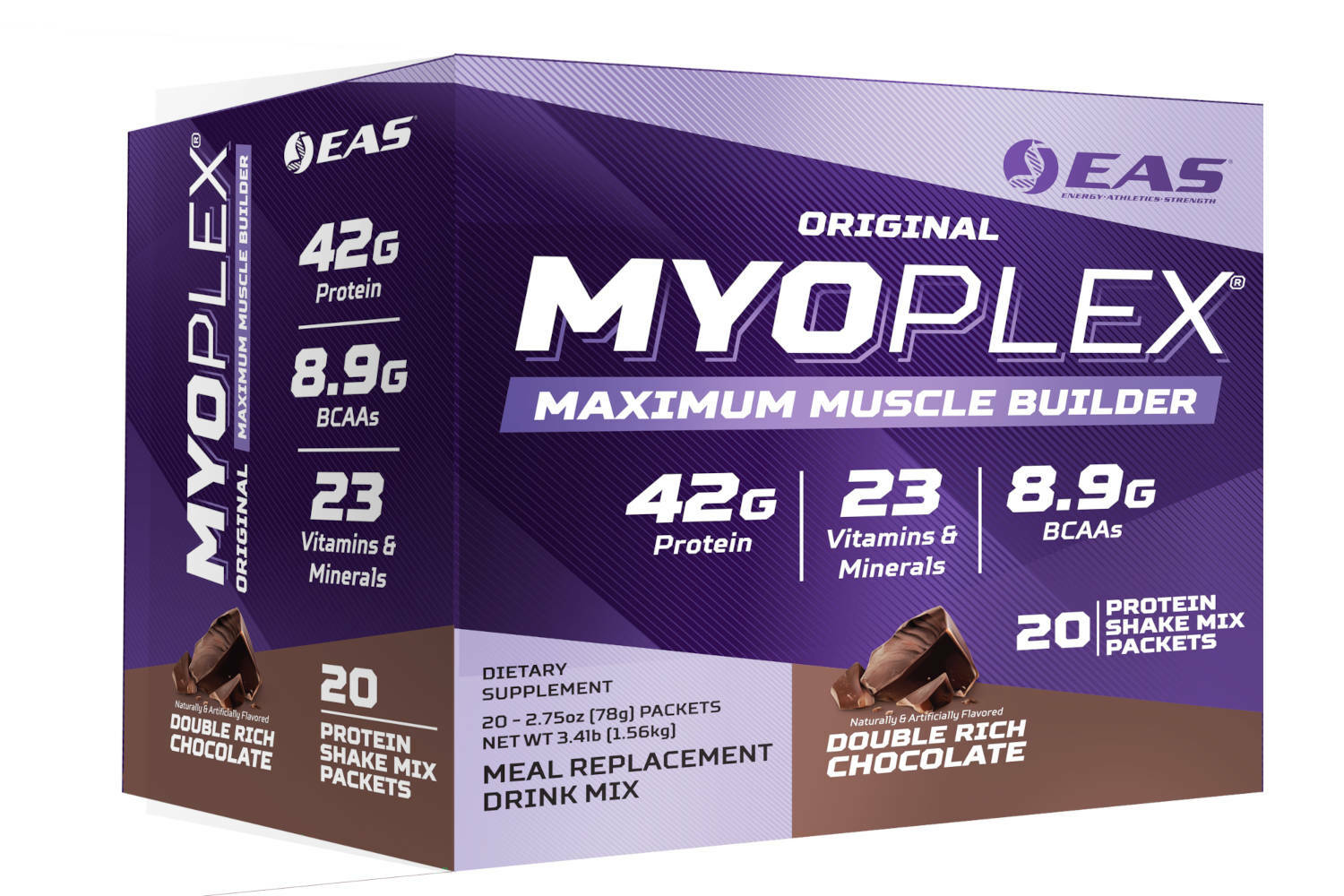
High-protein meal replacement shakes are powdered or ready-to-drink (RTD) formulas engineered to deliver 15–30 g of protein per serving alongside a full micronutrient panel, replacing a meal rather than just supplementing one. The core trade-off is protein source and processing: fast-digesting whey/casein blends give complete amino profiles but can cause GI distress in lactose-sensitive users, while plant blends (pea/rice/soy) offer dairy-free tolerance at lower leucine density unless precisely combined. The decision rule: choose RTD for portion control and zero-prep convenience; choose powder for cost-per-serving and customizable macros, but only if the blend lists a complete protein or complementary plant sources and at least 15 g protein per 200–300 kcal serving.

Buying guide image
Protein Nutrition

Isolate Protein

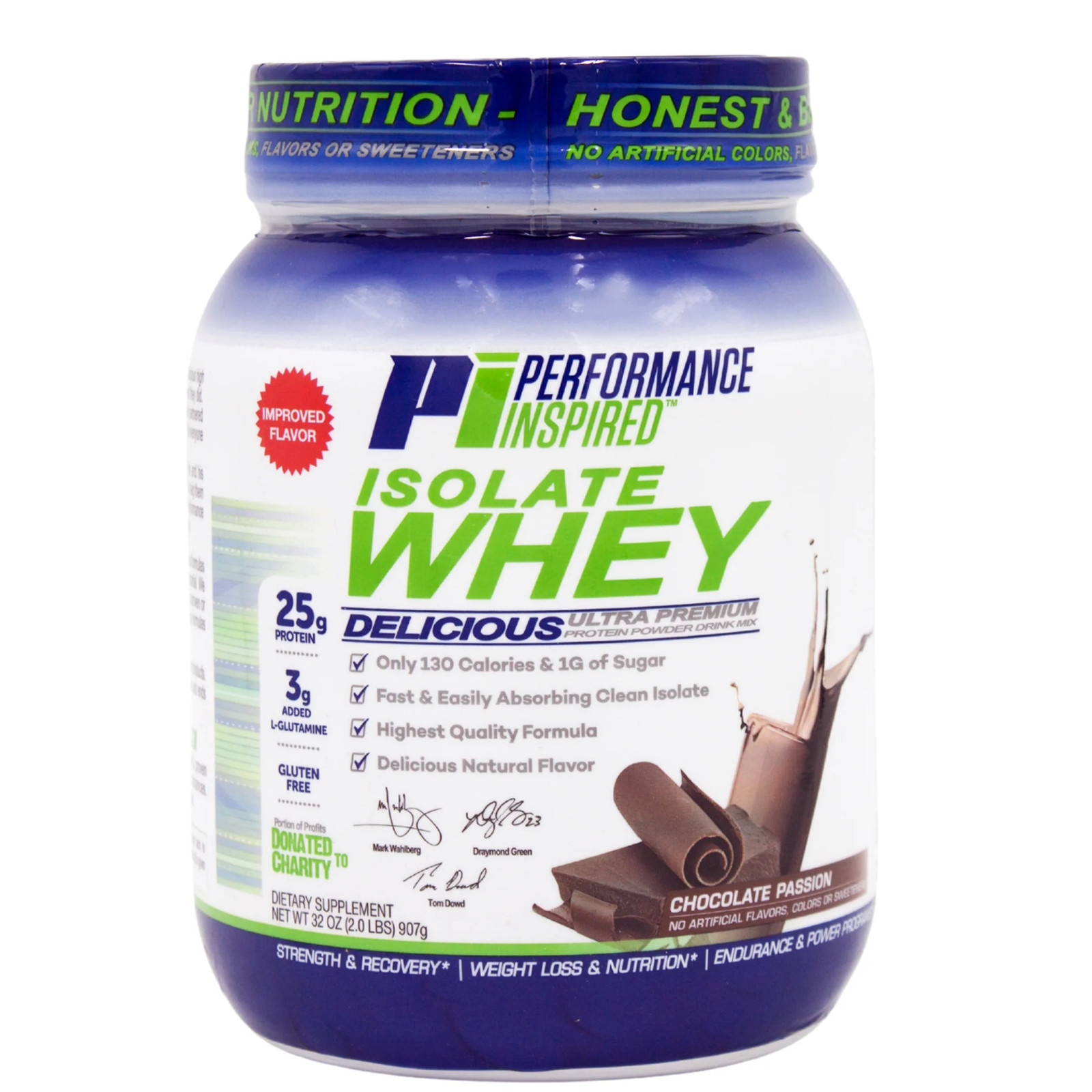
Isolate protein is a filtered protein powder (whey, soy, or other sources) with most fat and lactose removed, typically delivering 25–30g protein and near-zero sugar per scoop. The trade-off is filtration method—ion-exchange vs cross-flow microfiltration vs hydrolyzed—which determines purity, digestibility, and cost, while grass-fed and clear formats command a premium. Choose hydrolyzed or cross-flow whey isolate for fast absorption and lactose sensitivity; skip ion-exchange isolates if you have dairy issues or want the cleanest label.

Buying guide image
Meal Replacement Management

Protein Powder

Protein powder spans clear functional tiers: fast-absorbing whey isolates and concentrates for post-workout and smoothie use, multi-source vegan blends for plant-based diets, and meal-replacement formulations that add fiber, vitamins and thickeners. The core trade-off is protein density and absorption speed versus digestive comfort, allergen profile, and how well the powder dissolves in water or milk. Choose an isolate or blend at 20–30 g protein per scoop for lean muscle and smoothies, and a fortified meal-replacement powder only when you need a full calorie- and micronutrient-controlled meal.

Buying guide image
Sports Performance

Amino Acid Supplement

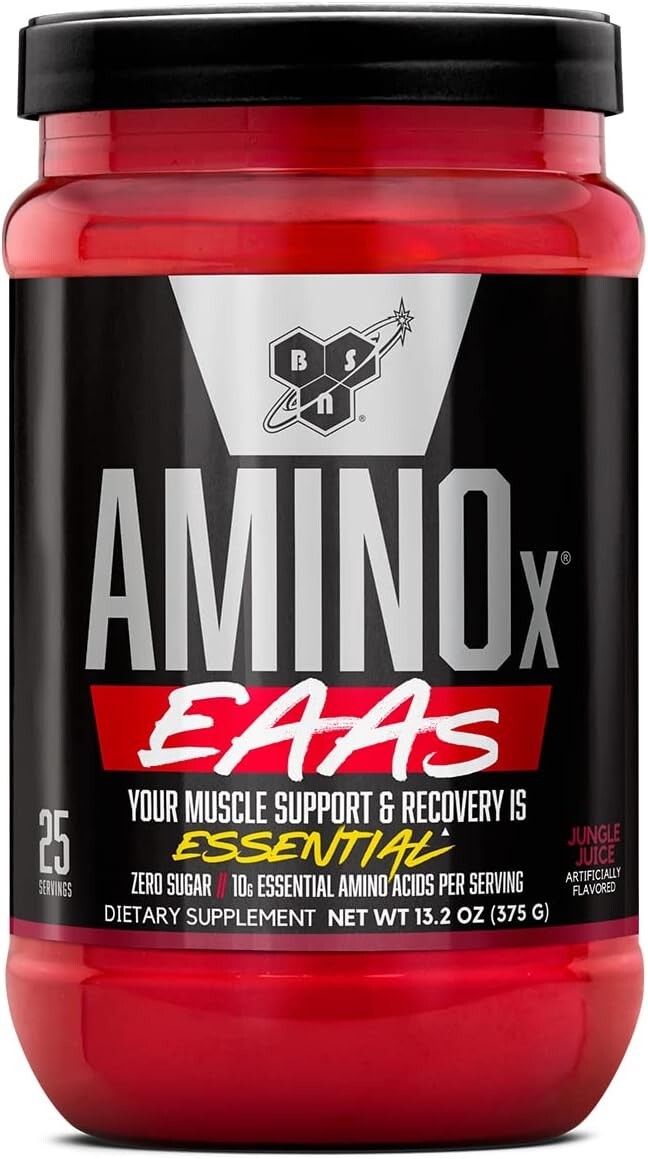
Amino acid supplements are isolated or blended free-form amino acids—most commonly BCAAs (leucine, isoleucine, valine) or full EAAs (all nine essential)—sold as powders, capsules, or ready-to-mix sticks to support muscle protein synthesis, endurance, and recovery. The core trade-off is completeness versus dose: BCAAs are cheaper and flavored for sipping, but only EAAs supply the full essential set needed to build new muscle protein. Choose a full-spectrum EAA at a clinically meaningful total dose (≥5 g) if muscle growth is the goal; choose a BCAA only for intra-workout flavoring or when dietary protein is already high.

Buying guide image
Sports Performance

Pre Workout

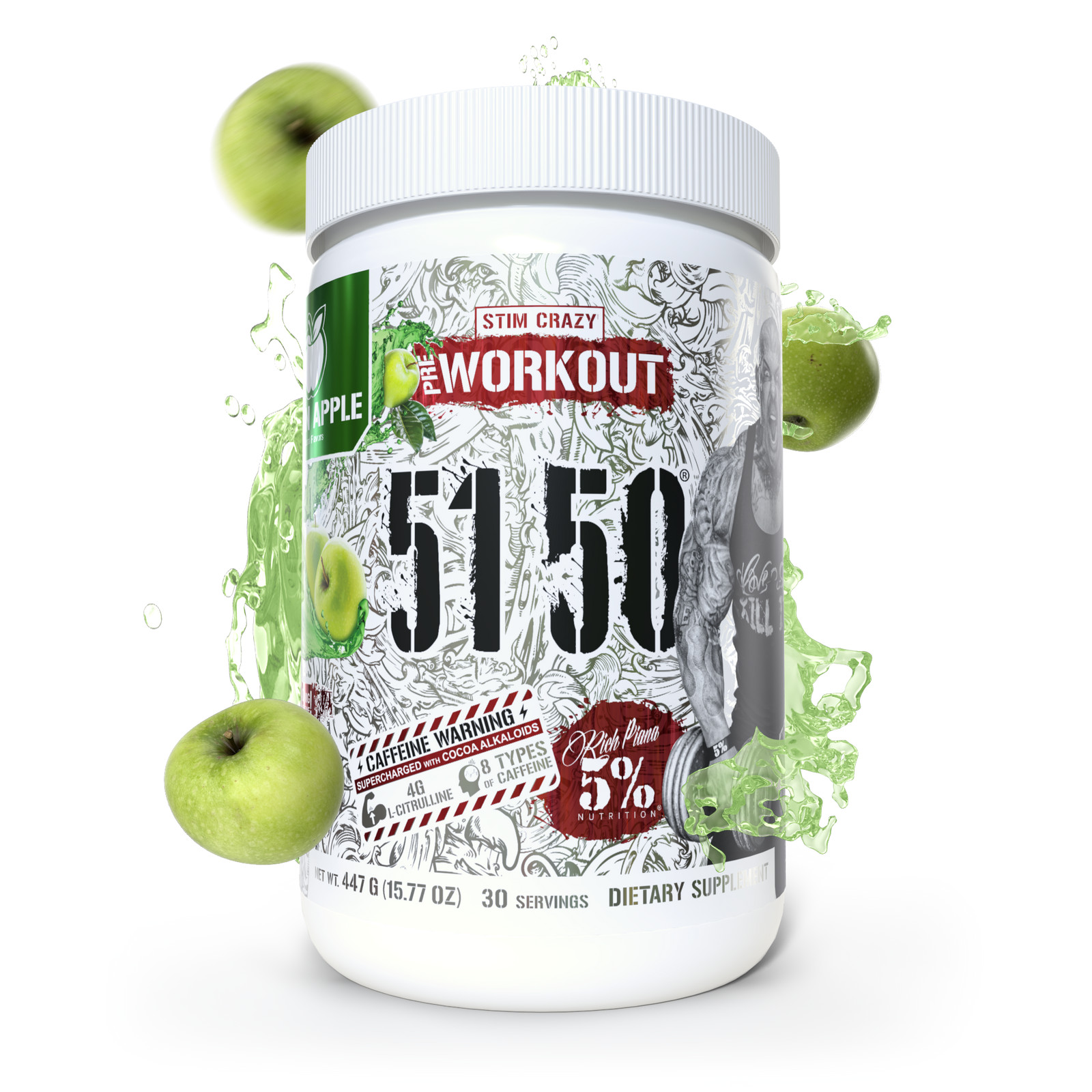
Pre-workout supplements are performance blends built around stimulants, nitric-oxide boosters, and ergogenic aids like creatine and beta-alanine. The core trade-off is stimulant intensity versus pump and endurance: high-stim formulas (300-400mg caffeine) drive focus but risk jitters, while stim-free or pump-focused formulas suit evening lifters and the caffeine-sensitive. The decision rule is simple: match the formula to your training time and caffeine tolerance, and insist on disclosed doses for the ingredients that actually work.

Buying guide image
Sleep & Stress Supplements

Magnesium Supplement

Magnesium supplements for sleep and stress vary mainly by form (glycinate, citrate, oxide, threonate) and dose, which determine absorption, GI tolerance, and whether the product actually supports relaxation or just digestion. The decisive rule: choose chelated glycinate for sleep/stress, citrate for constipation-prone users, and avoid oxide or blended 'complexes' that hide low-bioavailability filler.

Buying guide image
Probiotics & Digestion

Probiotic Women Gut Health

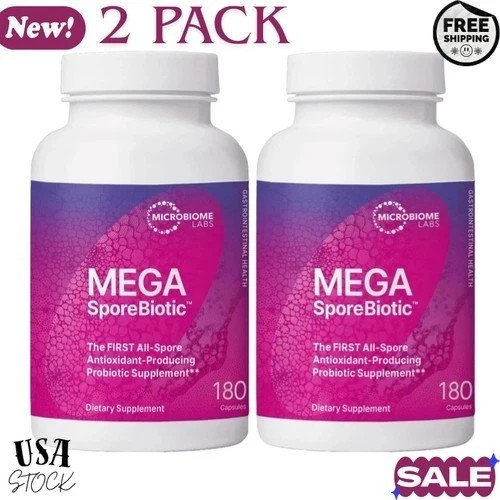
Probiotic supplements for women's gut health combine live microbial strains with prebiotic fibers to support digestion, regularity, and vaginal flora balance. The primary trade-off is between CFU potency and strain specificity versus shelf stability and delivery format: high-CFU capsules often require refrigeration, while shelf-stable gummies and spore-based formulas sacrifice some diversity for convenience. The clear decision rule is to match strain profile and CFU count to your main symptom—occasional bloating, antibiotic recovery, or intimate flora support—and to reject products that list only total CFU without naming genera and strains.

Buying guide image
Vitamins & Minerals

Women Multivitamin

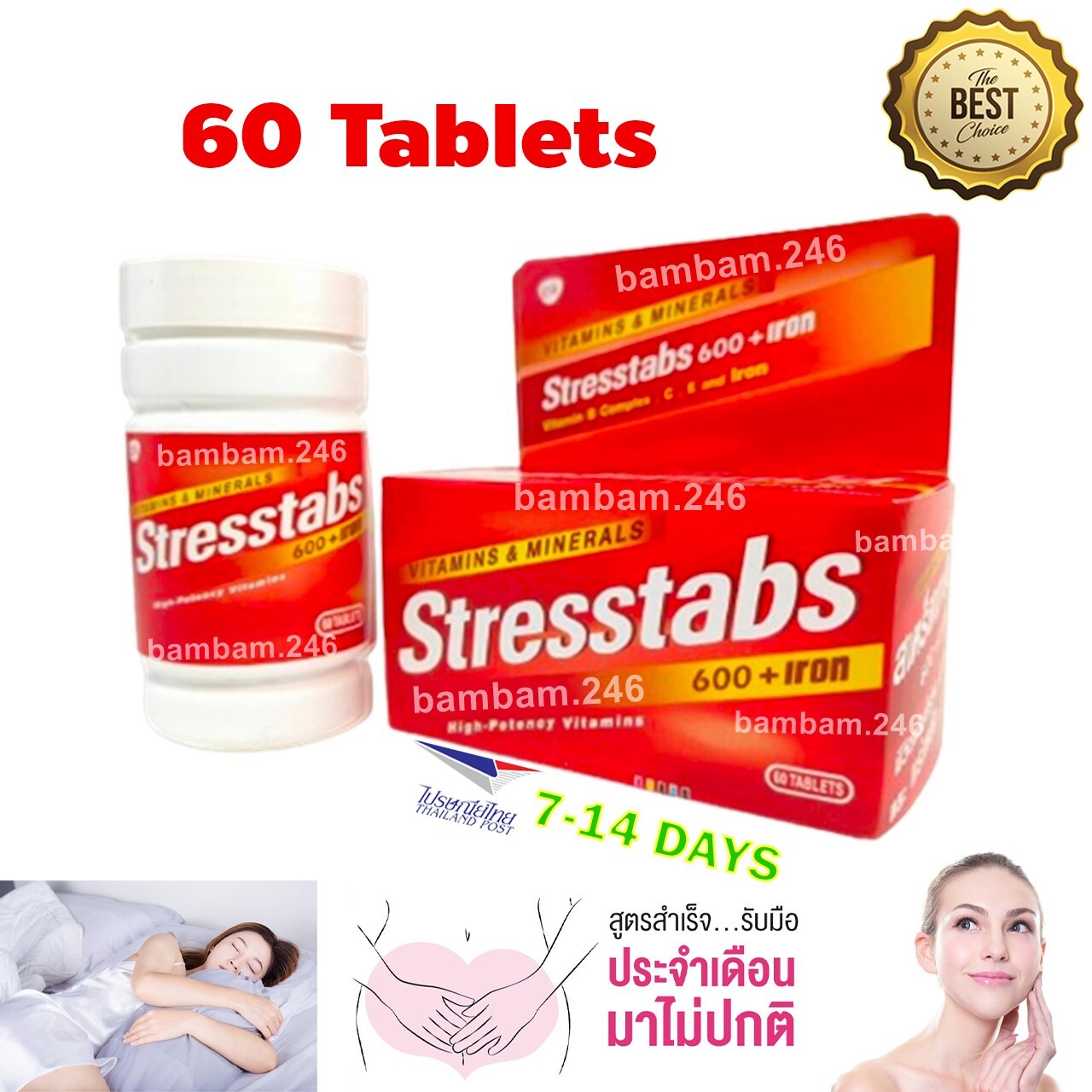
Women's multivitamins are daily supplements formulated to fill nutritional gaps specific to female physiology, with key trade-offs between iron content (needed for menstruating women but risky post-menopause) and delivery format (tablets, capsules, gummies, softgels). The decision rule: match the iron dose to your life stage (18–50 with periods needs 18 mg iron; 50+ needs 0–8 mg) and avoid gummies if you need meaningful mineral doses, since gummies cannot pack therapeutic calcium, magnesium, or iron without exceeding sugar limits.

You may also like

Finding more guides for you…