Health Stack Guide

Health Stack Guide

Nutrition & Supplements Reviews & Buying Guides

Compare nutrition & supplements by use case, features, trade-offs, price, returns, and seller terms before you buy.

Buying guides

Buying guide image
Protein Nutrition

High Protein Drink

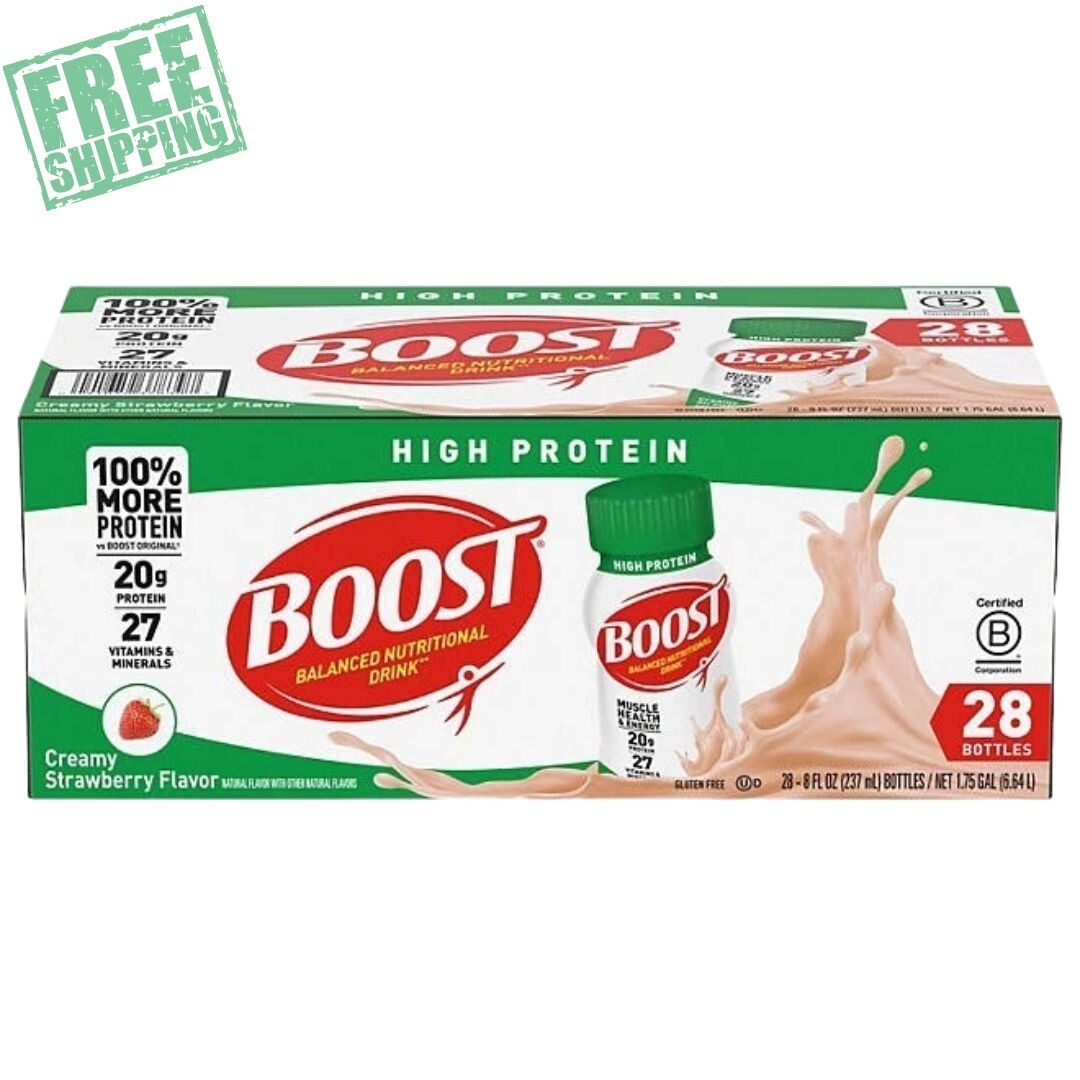
High-protein drinks are ready-to-drink shakes and powders delivering 15–30g protein per serving for meal supplementation, post-workout recovery, or medical nutrition. The core trade-off is protein source and density versus sugar, calories, and added vitamins: dairy-based RTDs (whey/casein) offer complete amino profiles but require refrigeration and have shorter shelf life, while plant or collagen options may be incomplete proteins. The decision rule: choose an RTD with at least 20g complete protein and ≤5g added sugar for daily nutrition, or a powder with ≥20g protein and third-party testing (NSF Certified for Sport) for sport stacking.
Buying guide image
Protein Nutrition

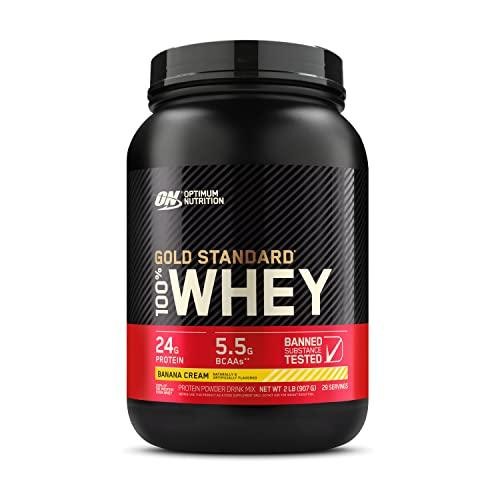
Optimum Nutrition Gold Standard

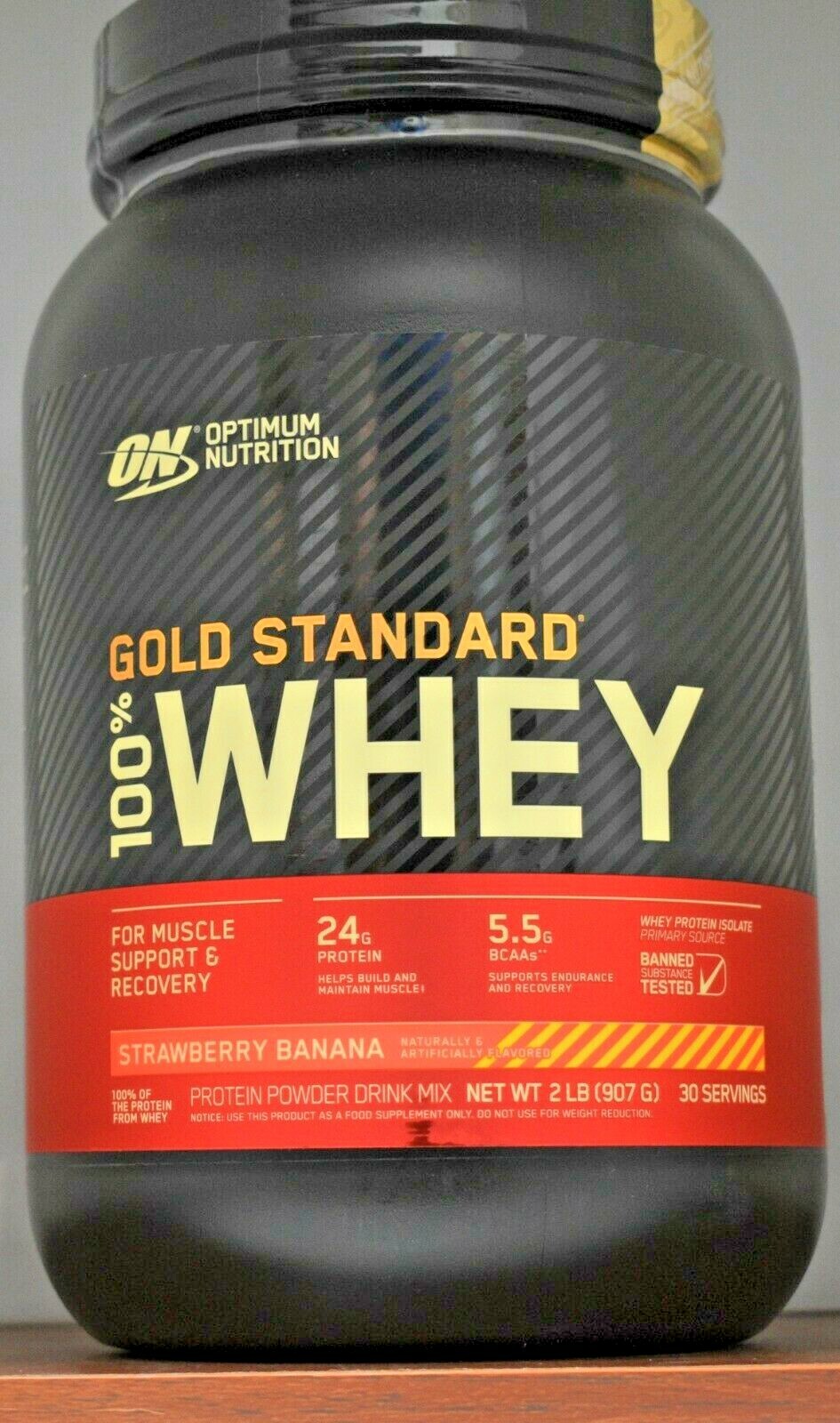
Optimum Nutrition Gold Standard is a whey protein line built on a fast-digesting whey isolate, concentrate, and peptide blend, with variants for slower casein and ready-to-drink formats. The core trade-off is protein purity and absorption speed versus cost and digestive comfort, so the durable pick is a 100% Whey tub with whey isolate as the first ingredient, while flavored blends or casein are purpose-specific compromises.

Buying guide image
Protein Nutrition

Fairlife Shake

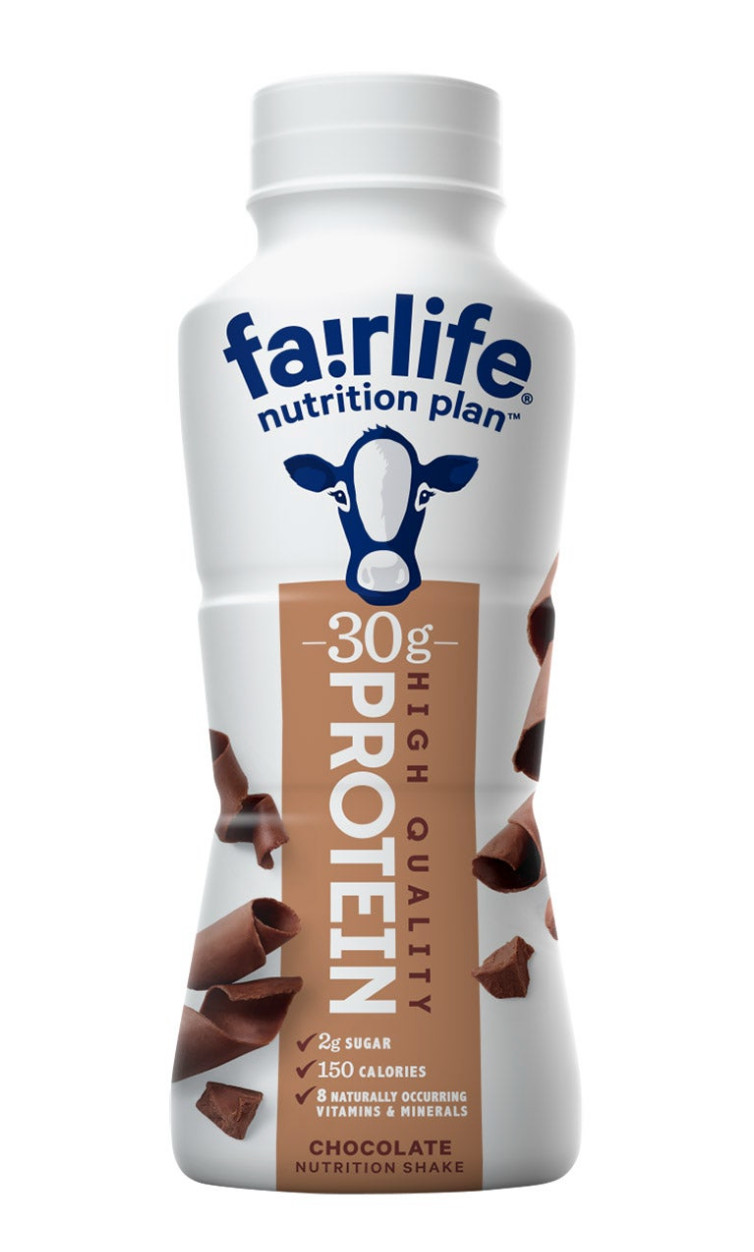
Fairlife Nutrition Plan shakes are ultra-filtered, lactose-free dairy beverages delivering 30g of complete protein per 11.5 fl oz bottle, positioned between whole-food shakes and basic whey RTDs. The core trade-off is cost per gram of protein versus convenience, lactose tolerance, and taste—Fairlife's cold-filtration process removes lactose and sugars while concentrating protein. Choose Fairlife when you need a lactose-free, low-sugar, high-protein ready-to-drink with clean dairy sourcing; skip it if you want plant-based, budget whey concentrates, or mass-gainer calorie loads.

Buying guide image
Protein Nutrition

Fairlife Protein Shake

Fairlife protein shakes are ultra-filtered dairy-based ready-to-drink shakes that deliver 30g or 42g of high-quality protein per bottle with lactose-free formulations and low sugar. The primary trade-off is protein density versus calorie load and sweetness: 42g Core Power elite bottles are for post-workout recovery, while 30g Nutrition Plan bottles fit meal-replacement and snack budgets. The decision rule is simple: choose 42g for muscle recovery and 30g for everyday protein gaps; skip if you need shelf-stable plant-based or zero-dairy options.

Buying guide image
Vitamins & Minerals

Vitamin Pack

Vitamin packs are pre-portioned daily sachets combining a multivitamin with targeted minerals, omega-3s, or condition-specific nutrients, sold as 30-day supply boxes. The core trade-off is ingredient form and dose transparency versus convenience: premium packs use chelated minerals, methylated B vitamins, and triglyceride-form omega-3, while budget packs rely on oxide salts and cyanocobalamin with filler-heavy blends. Choose third-party-tested packs with disclosed elemental doses and USP or NSF certification; skip proprietary-blend sachets that hide individual nutrient amounts.

Buying guide image
Sleep & Stress Supplements

Melatonin

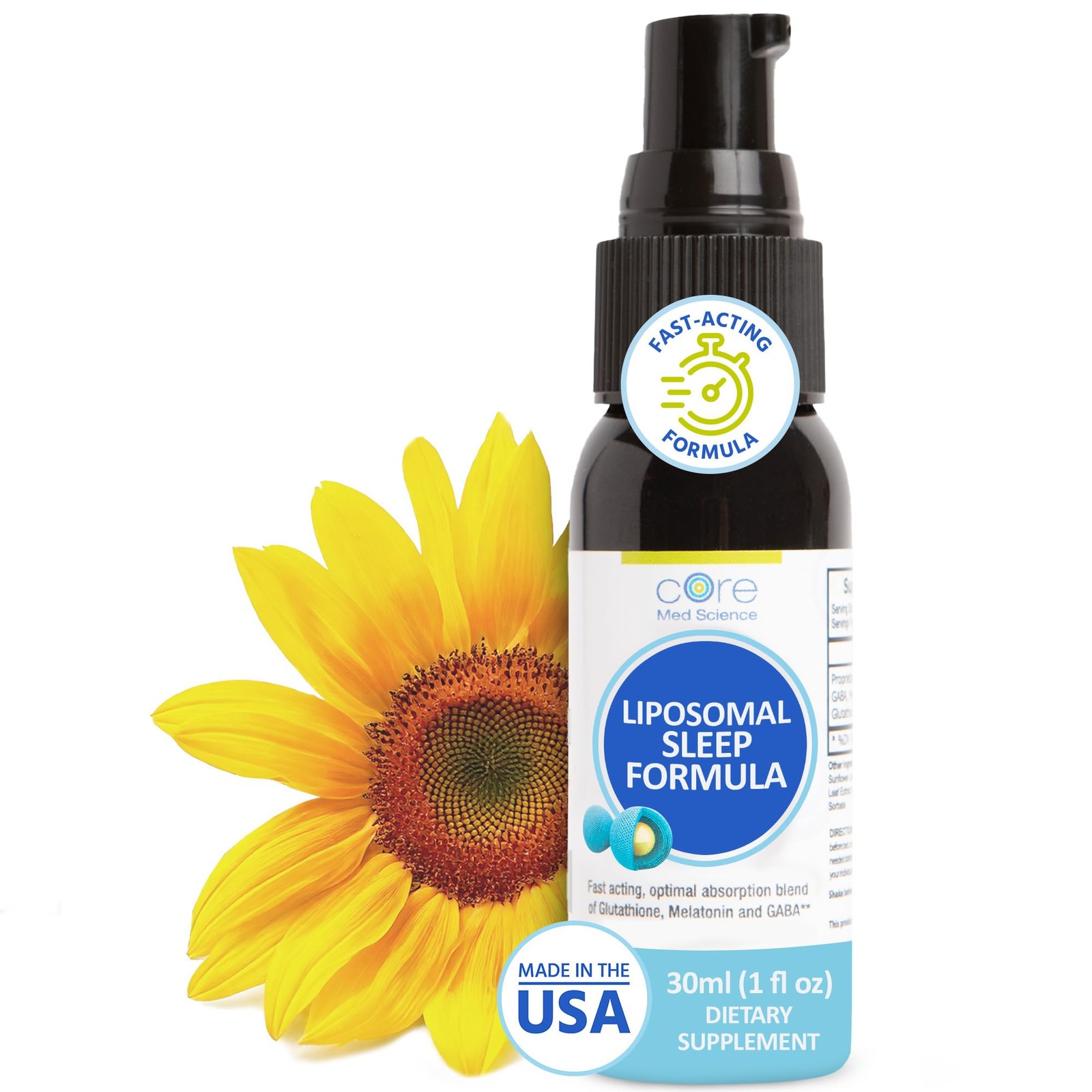
Melatonin is a hormone supplement used to signal sleep onset and adjust circadian timing, available as tablets, capsules, gummies, liquids, and combination formulas. The critical trade-offs are dose accuracy (0.5–10 mg), delivery form (immediate vs extended release), and whether single-ingredient or multi-ingredient blends match your needs. Choose single-ingredient melatonin with third-party testing for straightforward sleep-onset support; choose blends only when a specific secondary ingredient (GABA, valerian, magnesium) addresses a documented deficiency or symptom.

Buying guide image
Vitamins & Minerals

Zinc Supplement

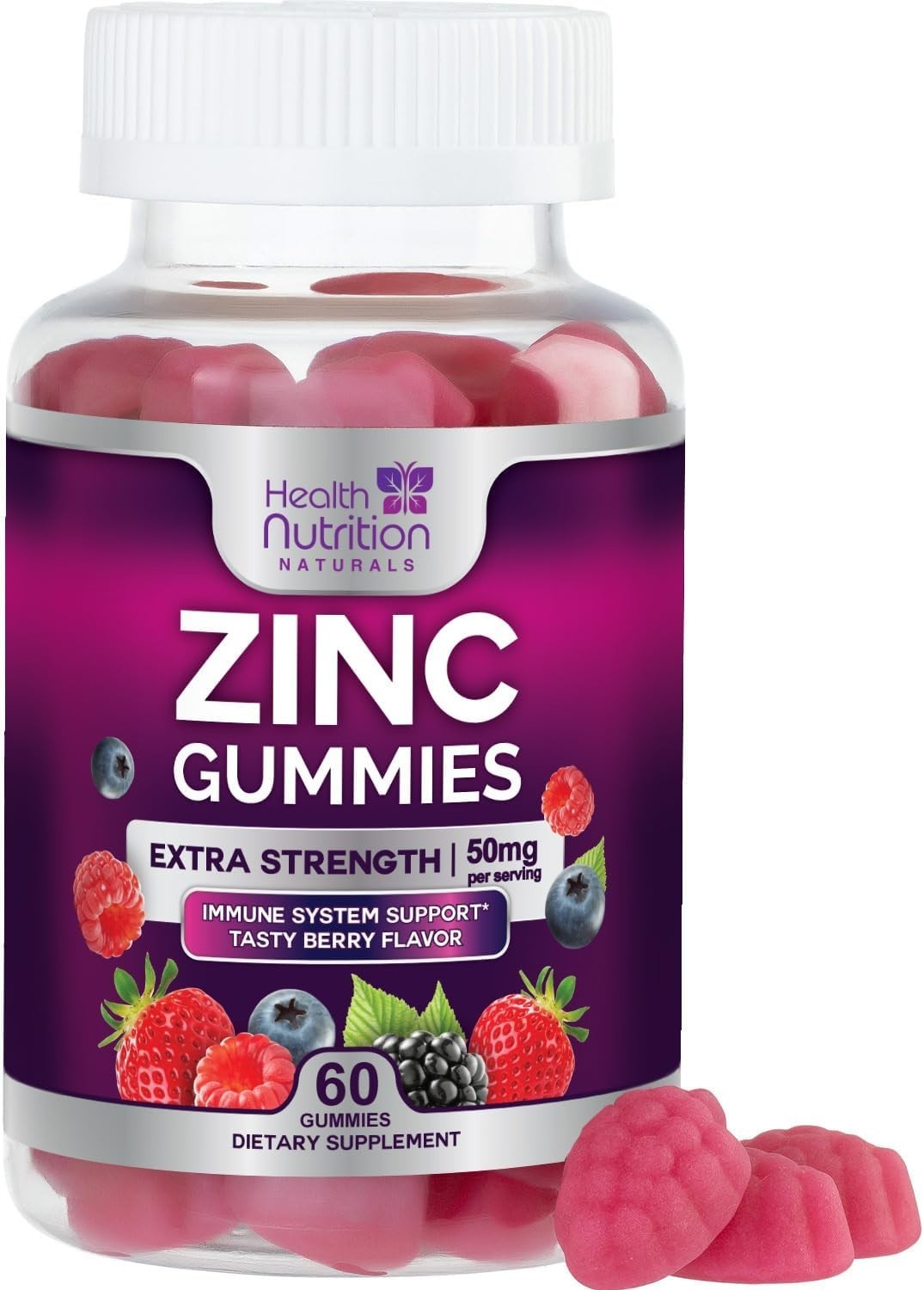
Zinc supplements are mineral products where the elemental zinc dose and the salt form (gluconate, citrate, picolinate, oxide) determine both absorption and gastrointestinal tolerance. The core trade-off is potency versus bioavailability: oxide is cheap and concentrated but poorly absorbed, while chelated forms cost more and are gentler. The clear rule is to match the elemental zinc amount to your goal (immune support vs. deficiency correction) and never exceed the tolerable upper intake level of 40 mg/day long-term without medical supervision.

Buying guide image
Protein Nutrition

Ancient Nutrition Protein

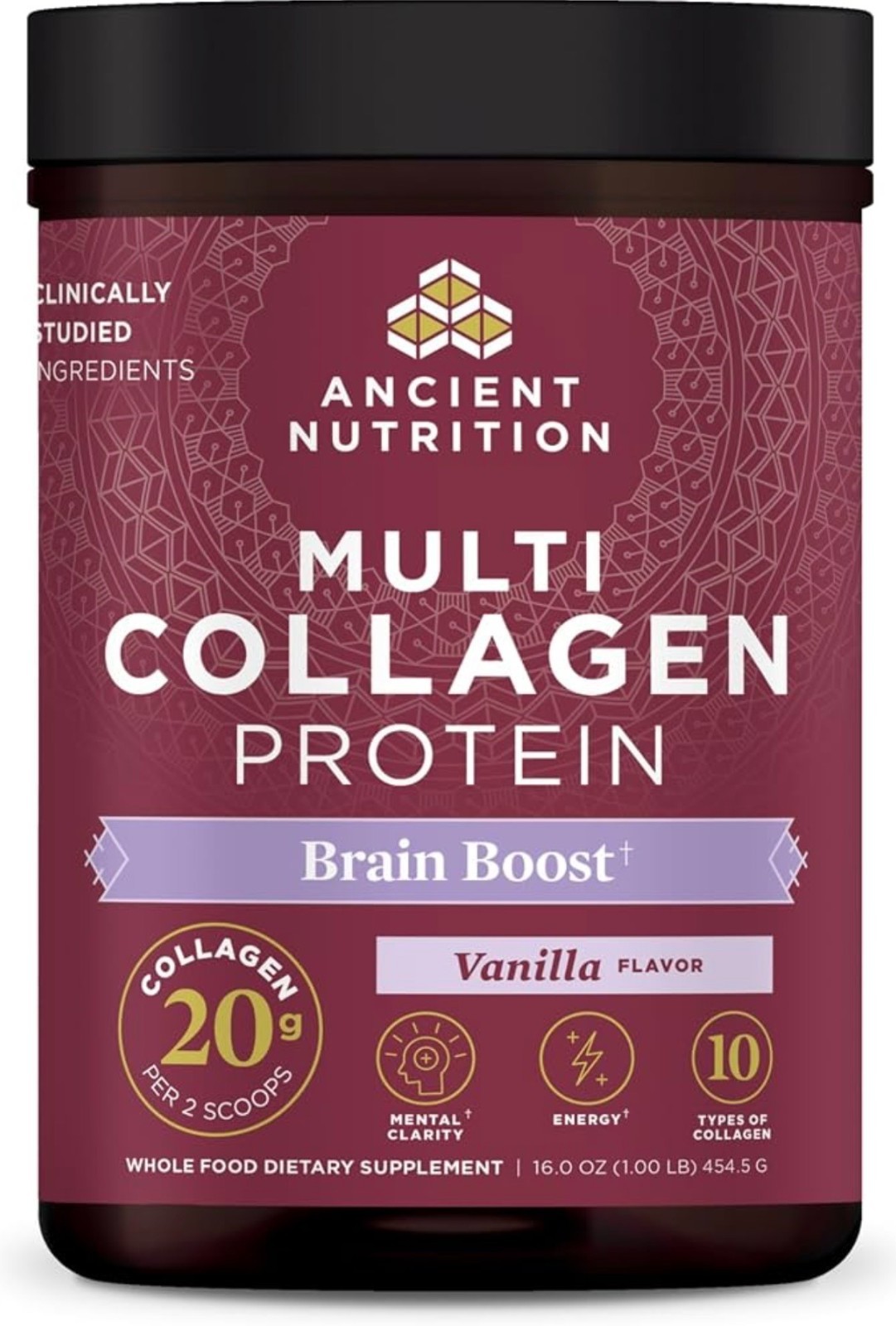
Ancient Nutrition protein powders split into two distinct architectures: multi-collagen peptides (10 types, bovine/chicken/fish/egg) for joint, skin, and gut support, and whey protein for muscle recovery. The primary trade-off is collagen's incomplete amino acid profile (low leucine, no tryptophan) versus whey's complete profile, so the decision rule is simple: choose collagen for structural and gut benefits, choose whey for lean mass and post-workout repair.

Buying guide image
Vitamins & Minerals

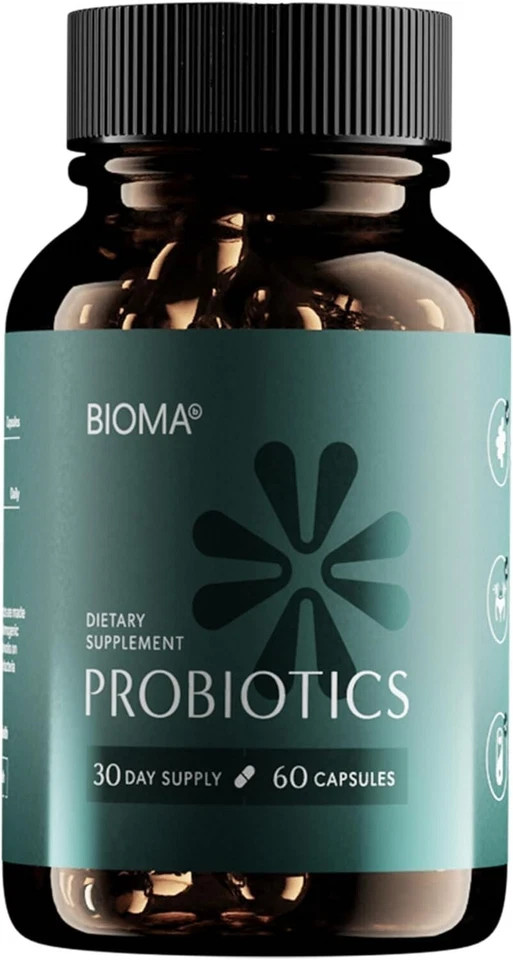
Bioma Probiotic

Bioma Probiotic is a shelf-stable, multi-strain probiotic supplement marketed for daily digestive and gut-health support, typically sold in 60-capsule bottles with a blend of Lactobacillus and Bifidobacterium plus prebiotic fiber. The core buying trade-off is CFU potency and strain transparency versus delivery format: capsule count, delayed-release vs standard capsules, and whether the label discloses strains at the genus-species-strain level. Buy only formulations that list full strain designations and CFU at expiry, not just 'at time of manufacture,' and treat single-bottle purchases with short expiration dates as trial sizes rather than a durable regimen.

Buying guide image
Protein Nutrition

Optimum Nutrition Protein Powder

Optimum Nutrition protein powders span whey isolate, whey blend, casein, and mass gainer formulas, so the key trade-off is absorption speed and protein density versus cost per serving. Choose Gold Standard 100% Whey for fast post-workout recovery, Gold Standard 100% Casein for overnight muscle preservation, and Serious Mass only if you need a high-calorie bulk.

Buying guide image
Protein Nutrition

Whey Protein Powder

Whey protein powder is a dairy-derived supplement used to hit daily protein targets, with the core trade-off being protein-per-scoop and filtration purity versus cost and digestive tolerance. Concentrate (WPC) delivers roughly 70-80% protein with lactose and fat, while isolate (WPI) pushes 85-90%+ with most lactose filtered out; hydrolyzed whey is pre-digested for faster absorption. The decision rule is simple: choose a concentrate at 24g protein and 1-2g sugar per scoop for general use, but step up to a certified isolate if you are lactose-sensitive, cutting calories, or need the purer amino profile.

Buying guide image
Vitamins & Minerals

Vitamin C Supplement

Vitamin C supplements range from plain ascorbic acid to buffered mineral salts and whole-food complexes, and the primary trade-off is GI tolerance versus potency per dose. The decision rule: choose a buffered or liposomal form if you have a sensitive stomach, and choose plain ascorbic acid or ascorbate salts when you want high-dose economy and confirmed USP or NSF certification.

Buying guide image
Protein Nutrition

Optimum Protein Powder

Optimum Nutrition protein powders center on Gold Standard 100% Whey, a whey isolate-primary blend, with Serious Mass as a high-calorie gainer and Gold Standard Casein as a slow-digesting nighttime option. The core trade-off is protein-per-scoop and digestion speed versus calories, carbs, and cost per serving. Buy Gold Standard Whey for lean daily protein, Casein for overnight recovery, and Serious Mass only if you genuinely need a caloric surplus.

Buying guide image
Vitamins & Minerals

Daily Vitamin Men

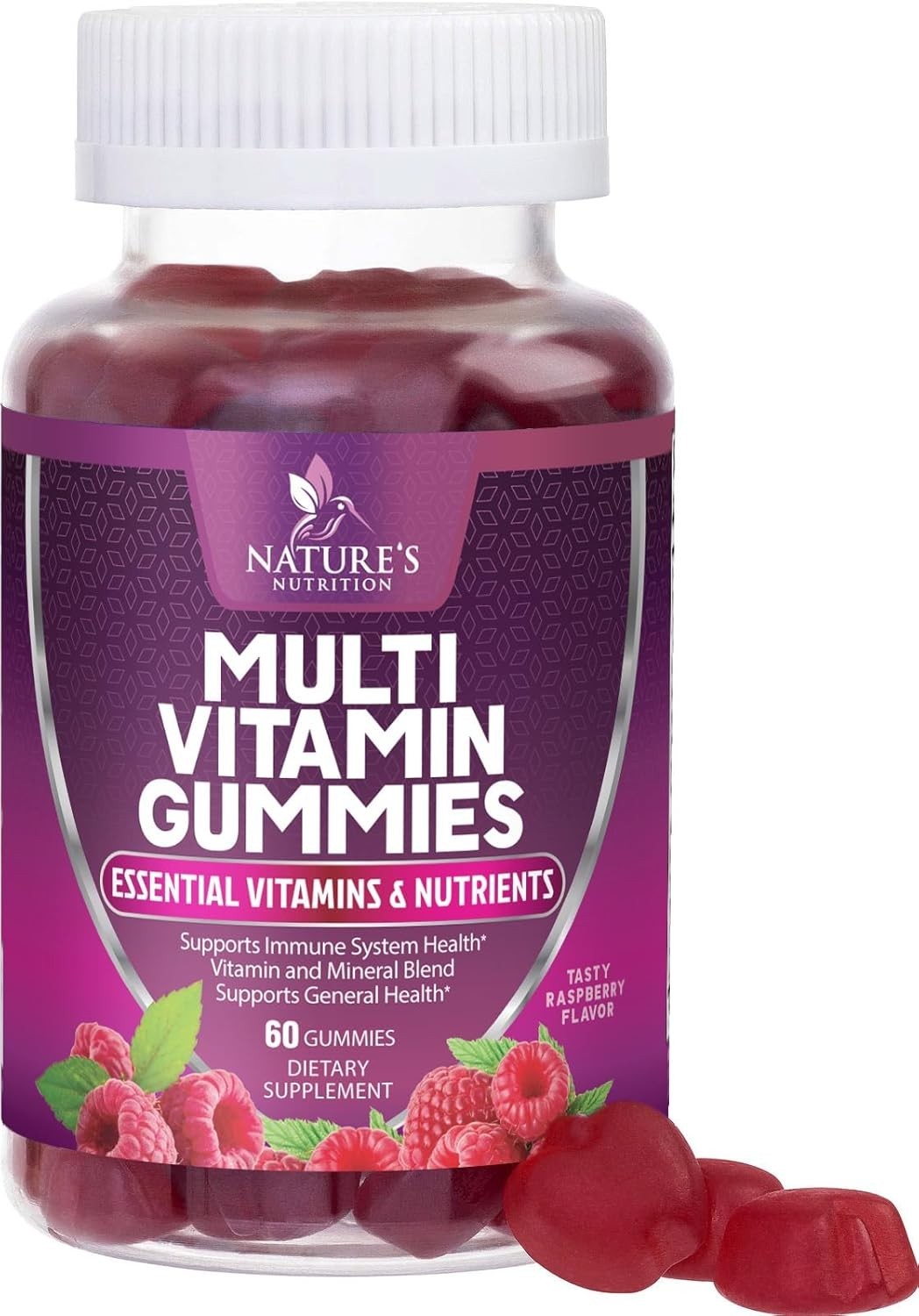
Daily vitamins for men are multivitamin/mineral formulas dosed for adult male needs, available as tablets, capsules, softgels, gummies, and packs. The primary trade-off is between ingredient completeness and potency (tablets/capsules/packs) versus convenience and swallowability (gummies/softgels), with gummies typically lacking minerals like iron, zinc, and magnesium. The clear decision rule: choose a tablet, capsule, or pack when you need full mineral coverage and clinically relevant doses; choose gummies only if you accept a narrower nutrient profile and added sugar.

Buying guide image
Protein Nutrition

Protein Drink Diabetic

Protein drinks for diabetics are ready-to-drink shakes or powders formulated to deliver protein with minimal impact on blood glucose, using either low-glycemic sweeteners or controlled carbohydrate content. The core trade-off is between high protein dose (20-30g) and added sugars or sugar alcohols that can spike or upset digestion; low-carb, high-protein formulas with fiber and minimal sugar are the durable choice. Choose a drink with under 5g net carbs and 15g+ protein per serving, avoiding maltodextrin or sucrose-heavy blends.

Buying guide image
Sleep & Stress Supplements

Ashwagandha Gummy

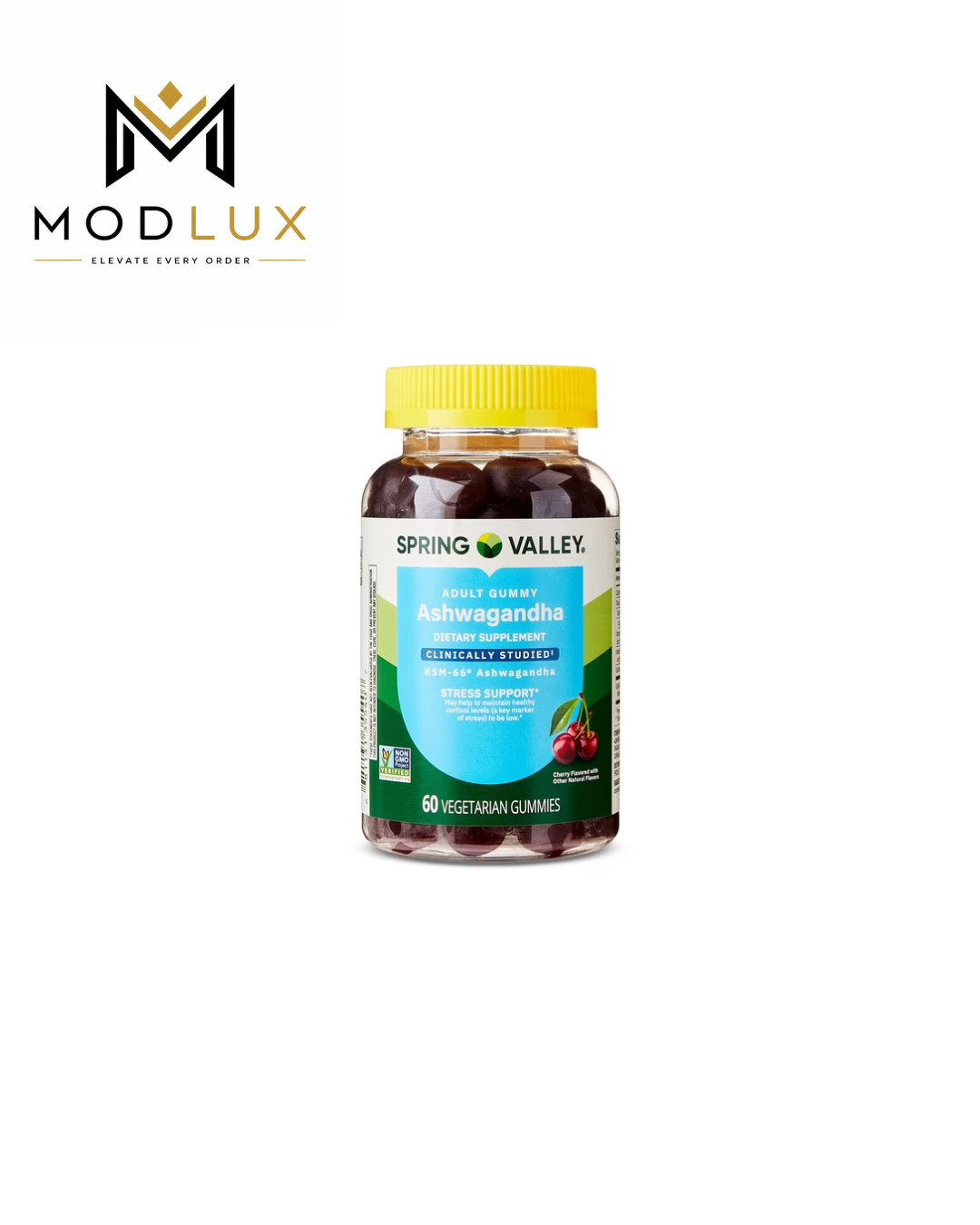
Ashwagandha gummies are chewable adaptogen supplements that deliver a measured dose of Withania somnifera root or extract, usually combined with a sweetener and sometimes magnesium or L-theanine. The decisive trade-off is not the gummy format itself but the labeled extract ratio, root-only versus root-and-leaf sourcing, and whether the formula includes an absorption aid such as black pepper or a complementary calming agent. Buy whole-root or standardized root-extract gummies with a clear withanolide percentage when you want the adaptogen effect; skip candy-like blends that list ashwagandha last or omit extract ratios.

Buying guide image
Sports Performance

On Micronized Creatine

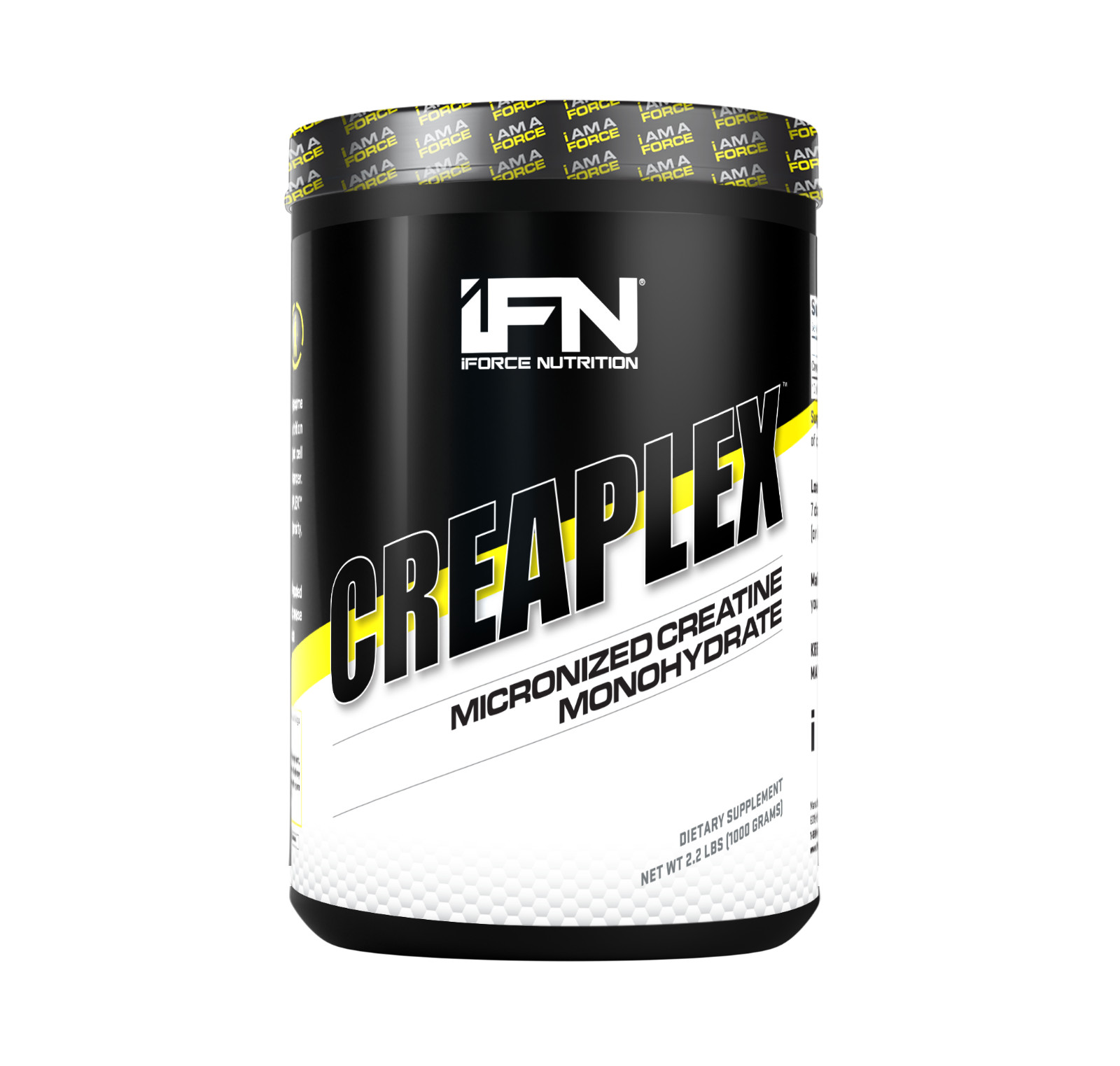
Micronized creatine is monohydrate that has been mechanically reduced to a finer particle size, which improves mixability and reduces grit but does not change the active molecule or its 5 g daily dose. The only real trade-off is particle fineness versus cost per gram and packaging format, because every micronized product supplies the same creatine monohydrate. Buy any product that states 100% creatine monohydrate with 5 g elemental creatine per serving and skips proprietary blends, flavor fillers that dilute the dose, or vague 'creatine complex' labels.

Buying guide image
Meal Replacement Management

Herbalife Meal Replacement Shake

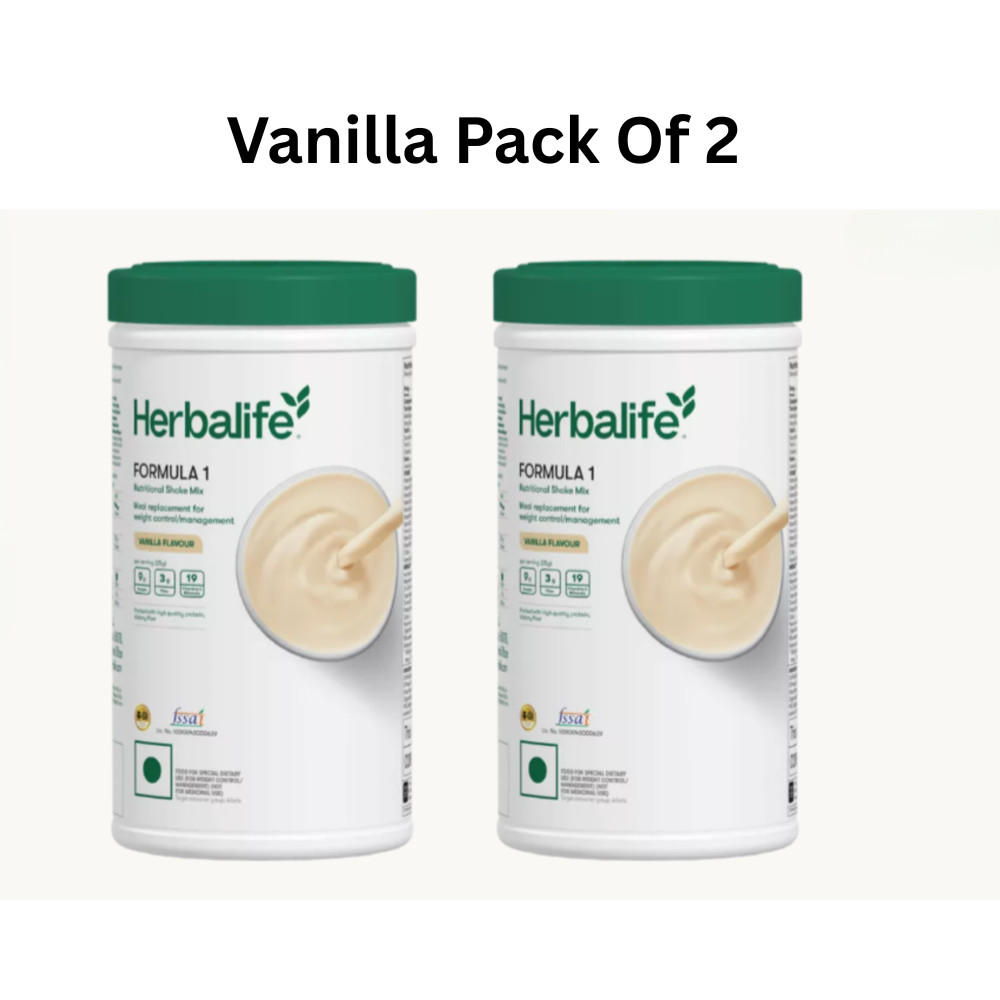
Herbalife Formula 1 is a soy-protein-based meal replacement shake powder sold in 500 g canisters, positioned as a calorie-controlled meal with added vitamins and minerals. The primary trade-off is protein density and micronutrient completeness versus added sugars and fiber, which vary by flavor and market formulation. Buy the 500 g canister only if you need a 200-calorie meal anchor with roughly 20 g protein; skip it if you require a high-protein, low-sugar standalone shake.

Buying guide image
Meal Replacement Management

Herbalife Meal Replacement

Herbalife Formula 1 is a powdered meal-replacement shake built around a soy-protein and fiber base, positioned for calorie-controlled weight management. The primary trade-off is between the standard Formula 1 canister (soy protein isolate, ~200 kcal per serving with water) and the Formula 1 Healthy Meal tubs that add more protein and a creamier texture at a higher per-serving cost. The clear rule: buy sealed, dated 500 g canisters of original Formula 1 for baseline meal replacement; step up to Healthy Meal only if you need higher protein per shake and are willing to pay more per serving.

Buying guide image
Vitamins & Minerals

Vegan Vitamin Women

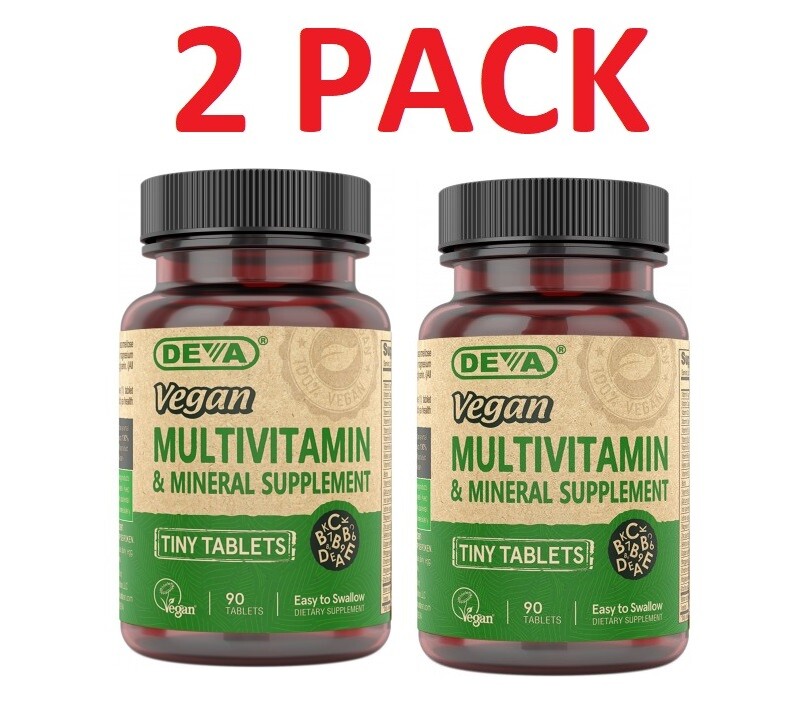
Vegan vitamin formulas for women must source B12, D3, iron, and omega-3 from non-animal origins while matching female life-stage nutrient demands. The core trade-off is between compact, whole-food-derived tablets and larger doses with higher bioavailability; formulations using methylated B12 and lichen D3 are the durable standard. Choose a product with third-party vegan certification and transparent iron content—skip ambiguous 'vegetarian' labels and unstated D3 sources.

You may also like

Finding more guides for you…