Health Stack Guide

Health Stack Guide

Nutrition & Supplements Reviews & Buying Guides

Compare nutrition & supplements by use case, features, trade-offs, price, returns, and seller terms before you buy.

Buying guides

Buying guide image
Vitamins & Minerals

Biotin

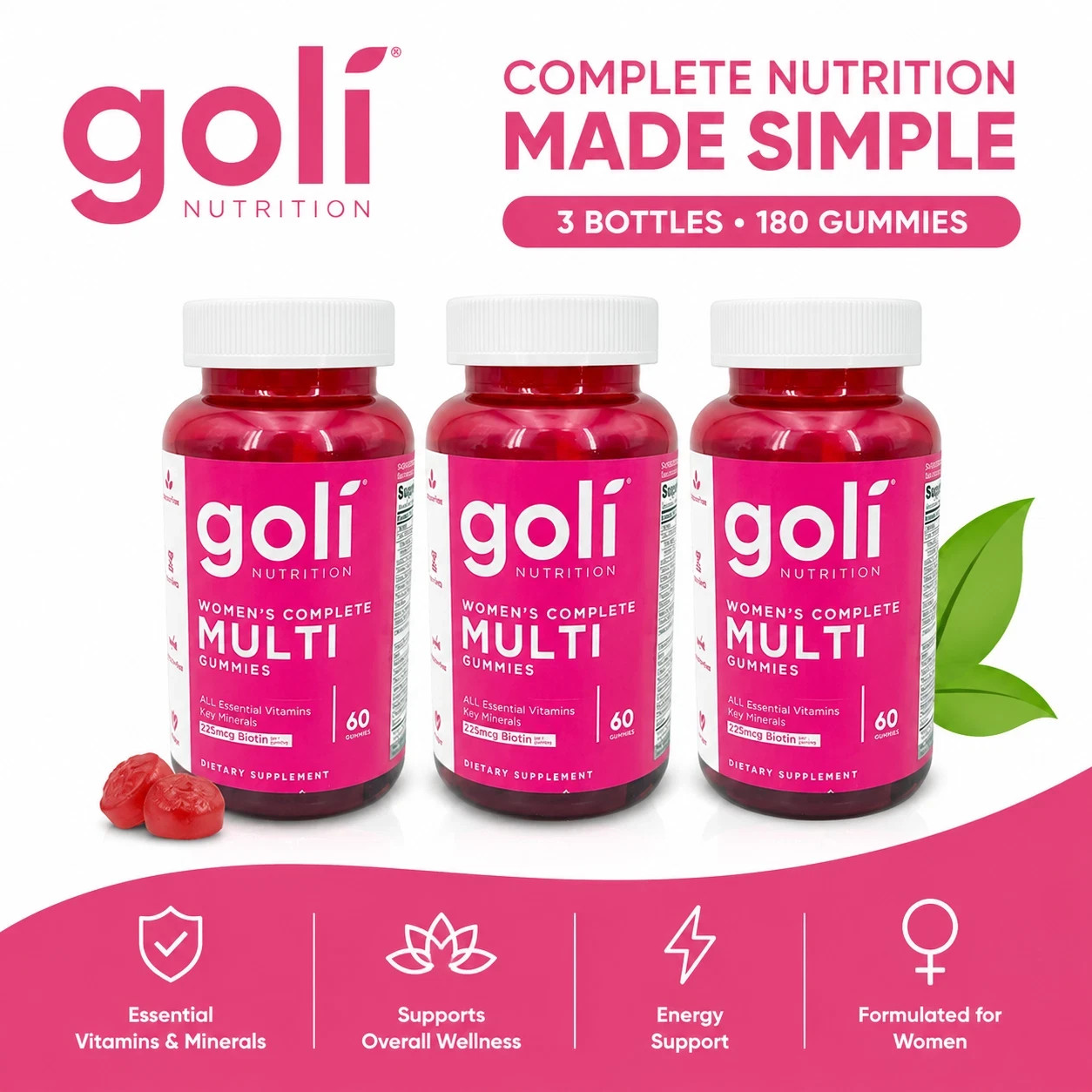
Biotin (vitamin B7) supplements span simple single-ingredient capsules, combination hair-skin-nail blends with collagen or keratin, and multi-vitamin gummies where biotin is one of many actives. The core trade-off is dose transparency versus delivery format: capsules and softgels can state exact mcg per serving, while gummies and chews often bury biotin in a proprietary blend and add sugar. Choose a product that lists biotin mcg per serving on the Supplement Facts panel; skip any formula that hides biotin inside a 'hair blend' without a number.
Buying guide image
Vitamins & Minerals

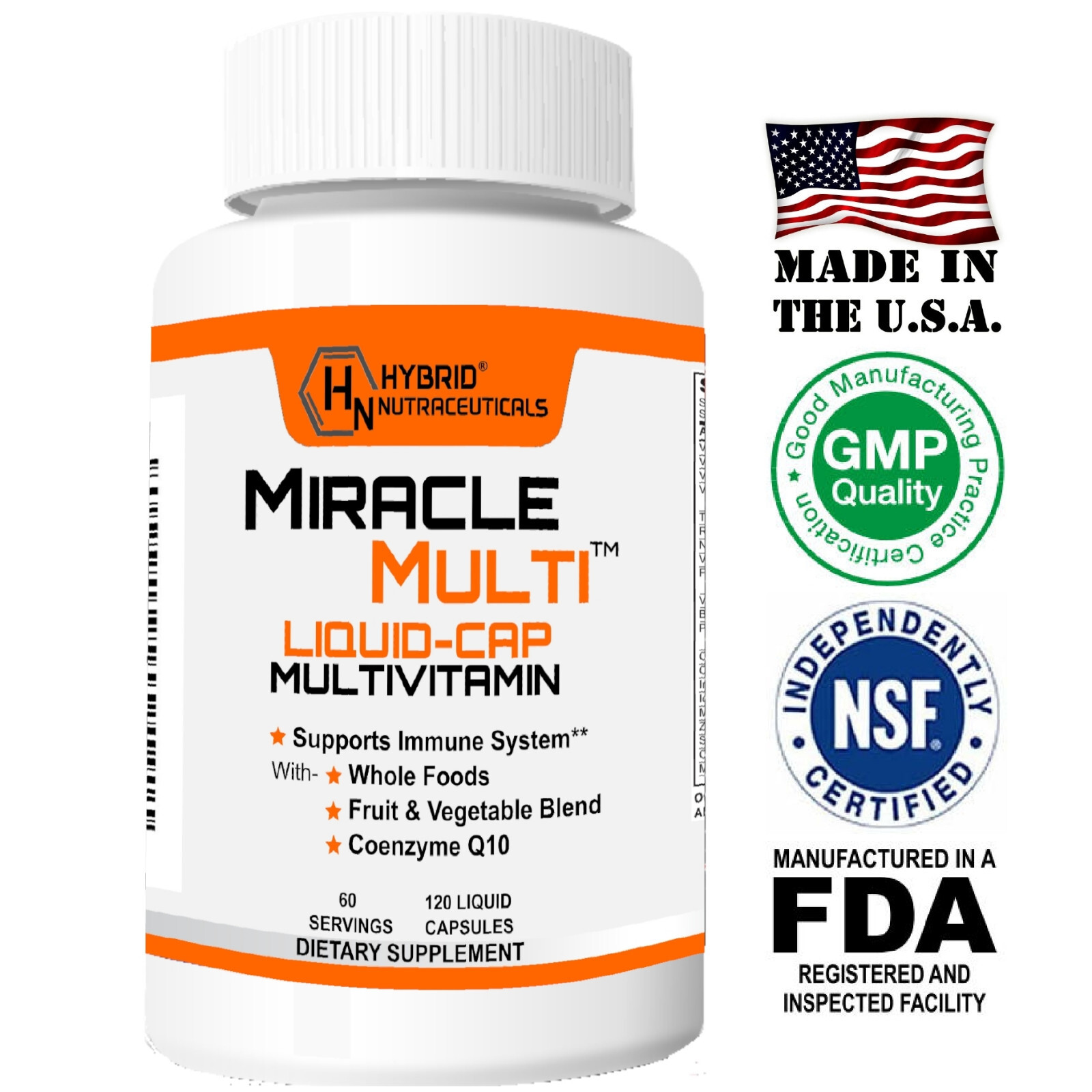
Men Daily Vitamin

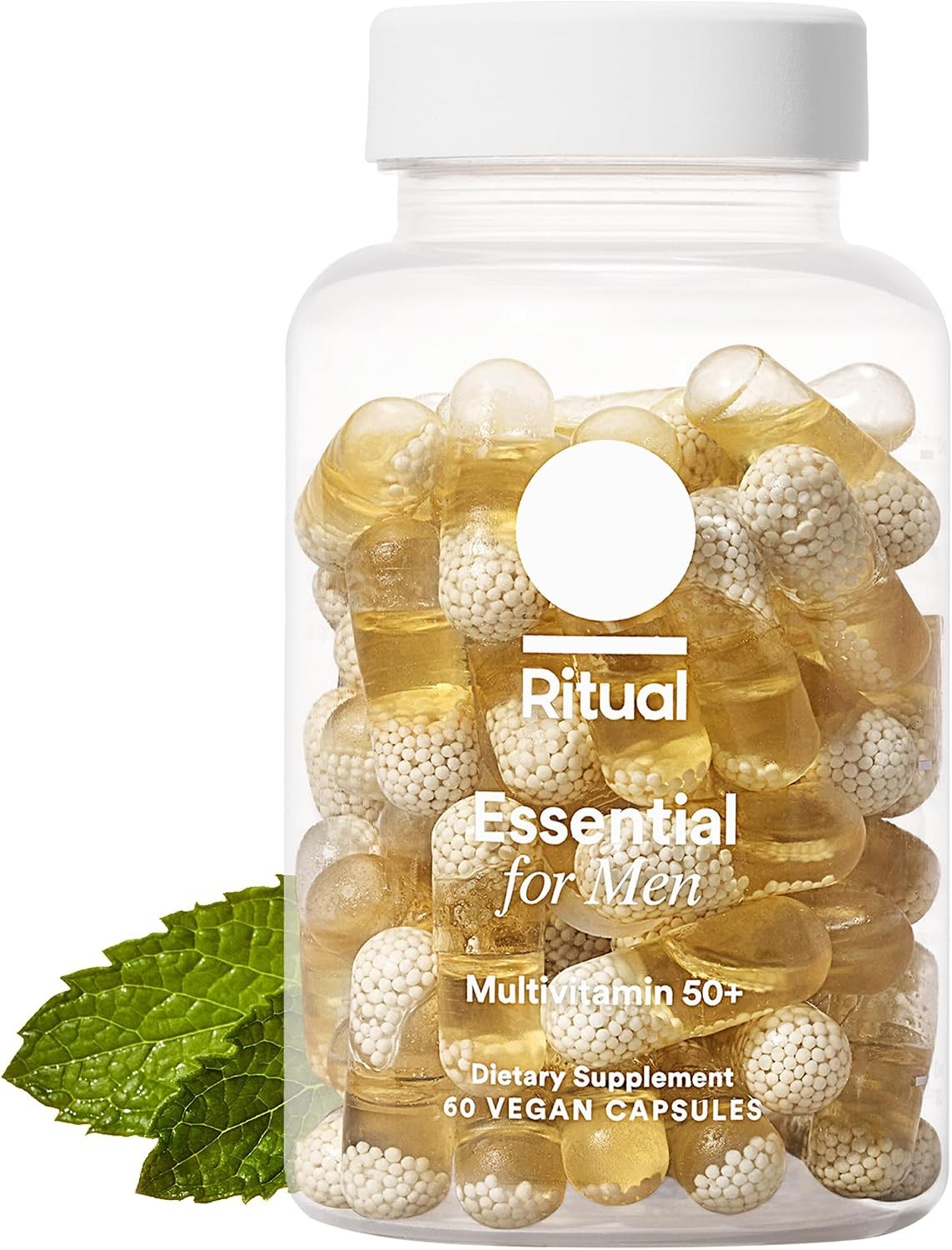
Men's daily vitamins are once-daily multivitamin/mineral formulas dosed for adult male RDIs, delivered as tablets, capsules, softgels, or gummies. The core trade-off is nutrient form and potency versus delivery format: tablets and capsules carry higher mineral loads and iron-free formulas, while gummies cap out on dose and rely on sugar-based binders. Choose a tablet/capsule with chelated minerals and third-party testing for best absorption; choose a gummy only if compliance is the barrier and you accept lower mineral content.

Buying guide image
Sleep & Stress Supplements

Stress Anxiety Relief Supplement

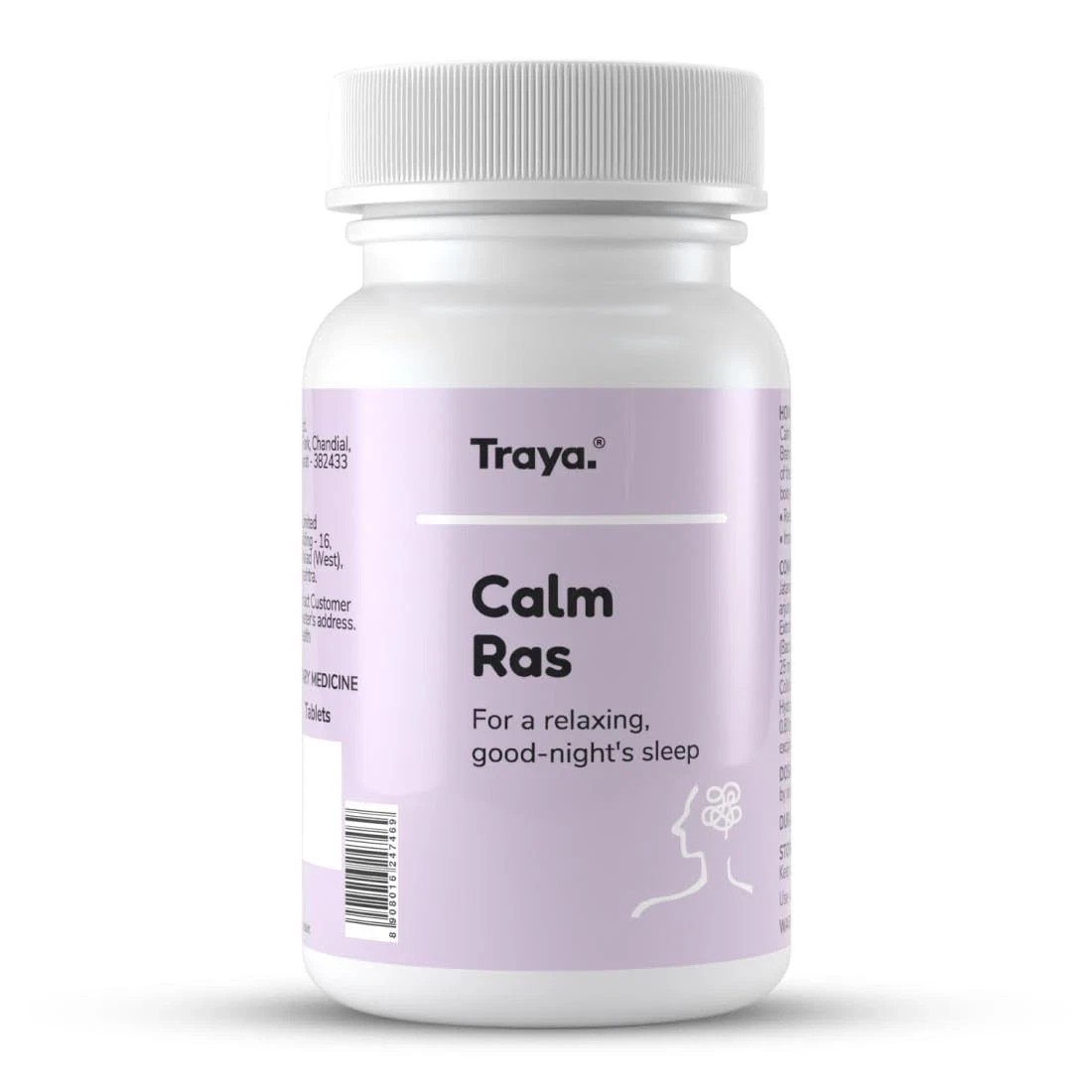
Stress and anxiety relief supplements are oral formulations (single-ingredient mineral, adaptogen, or multi-herb blends) intended to modulate the body's stress response. The primary trade-off is between fast-acting, single-compound products with clear dosing and multi-ingredient proprietary blends that may offer broader support but often hide per-herb amounts. The clear decision rule: choose products that disclose the exact form and dose of each active ingredient, and skip any proprietary blend that lists total milligrams without per-ingredient breakdown.

Buying guide image
Vitamins & Minerals

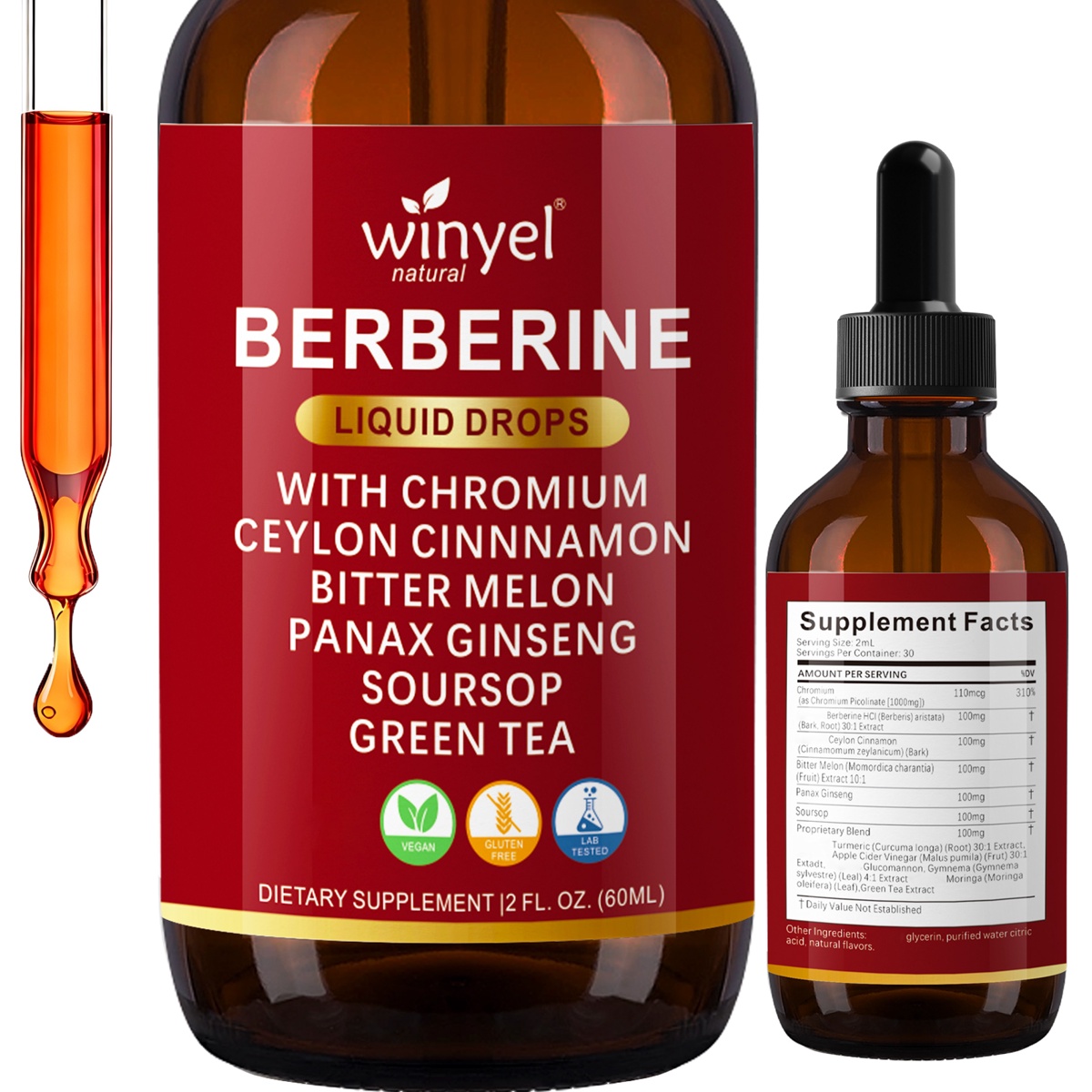
Berberine With Ceylon Cinnamon

Berberine with Ceylon cinnamon is a supplement pairing an alkaloid extract (berberine) with true cinnamon (Cinnamomum verum) for metabolic and blood-sugar support. The primary trade-off is extract standardization and delivery format: capsules with defined berberine HCl content versus liquid drops with variable dosing and added fillers. Choose capsules with third-party testing and declared berberine content; treat multi-ingredient liquid drops as convenience products, not clinical doses.

Buying guide image
Vitamins & Minerals

Calcium And Vitamin D Supplement

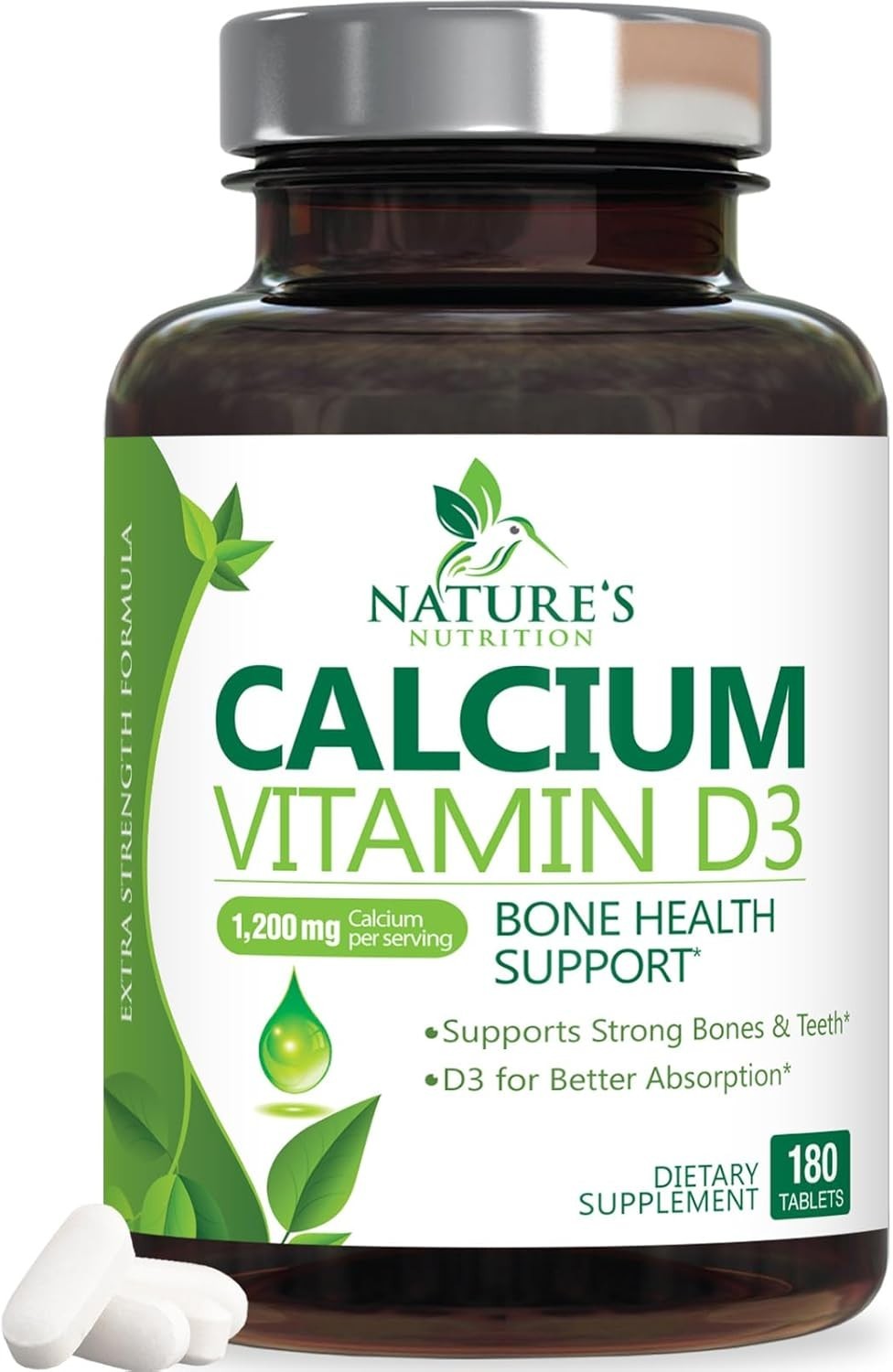
Calcium and vitamin D supplements combine a mineral source with the hormone-like vitamin that drives intestinal calcium absorption, and the critical trade-off is elemental calcium dose versus absorbability and GI tolerance. The decisive rule: match the elemental calcium per serving to your dietary gap (usually 500–600 mg), choose citrate for low stomach acid or carbonate for cost and convenience with food, and confirm vitamin D3 at 400–1,000 IU per dose with third-party purity testing.

Buying guide image
Vitamins & Minerals

Joint Supplement

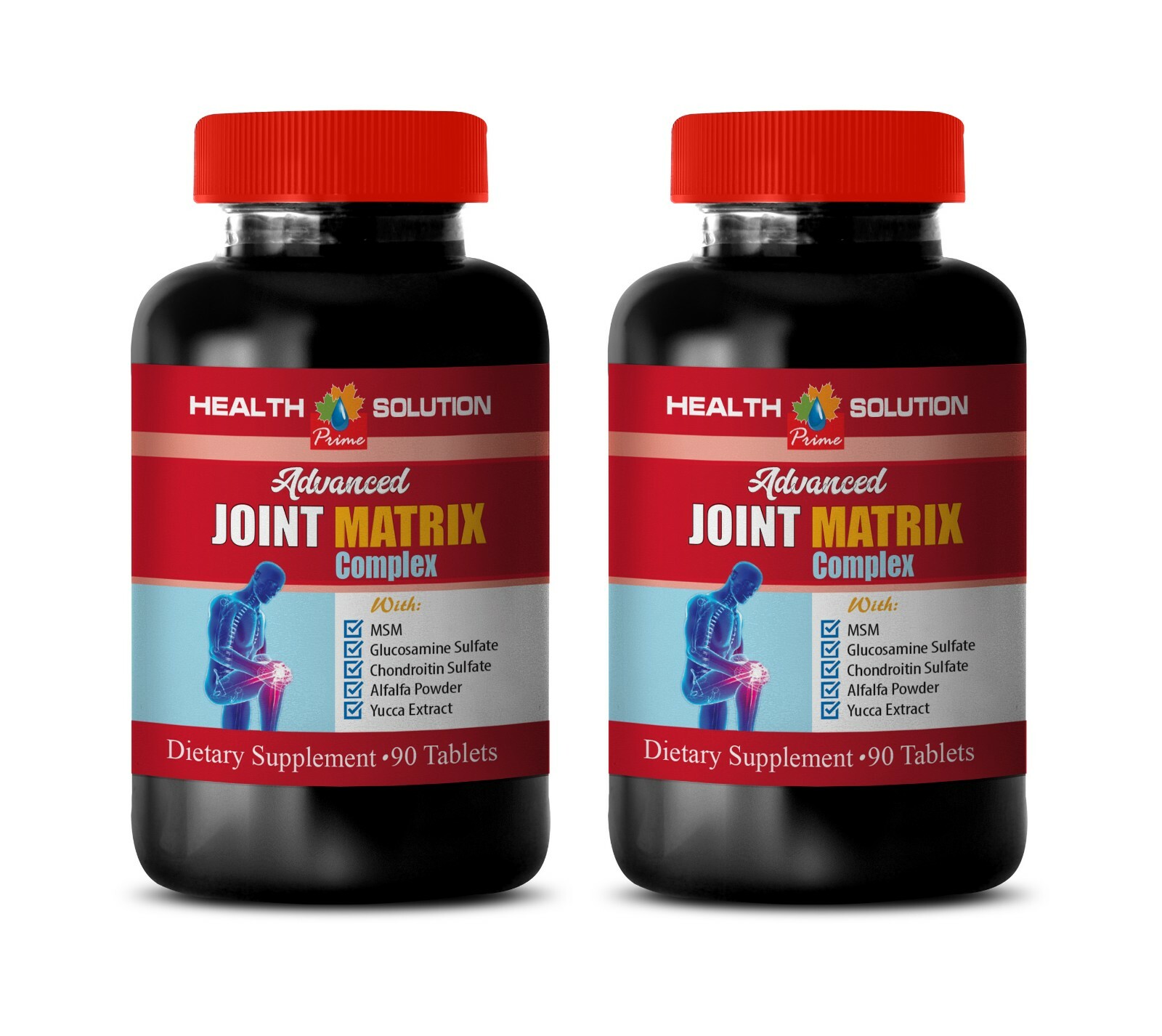
Joint supplements are oral dietary formulas that combine structural building blocks like glucosamine, chondroitin, and MSM with anti-inflammatory botanicals like turmeric and saffron. The core trade-off is between single-ingredient high-dose formulas that target one pathway and multi-ingredient blends that cover lubrication, cartilage support, and inflammation at lower per-ingredient doses. Buyers should choose a formula whose primary active matches their joint issue—cartilage wear, stiffness, or inflammatory pain—and skip vague proprietary blends that hide ingredient amounts.

Buying guide image
Protein Nutrition

Gold Standard Whey Protein Powder

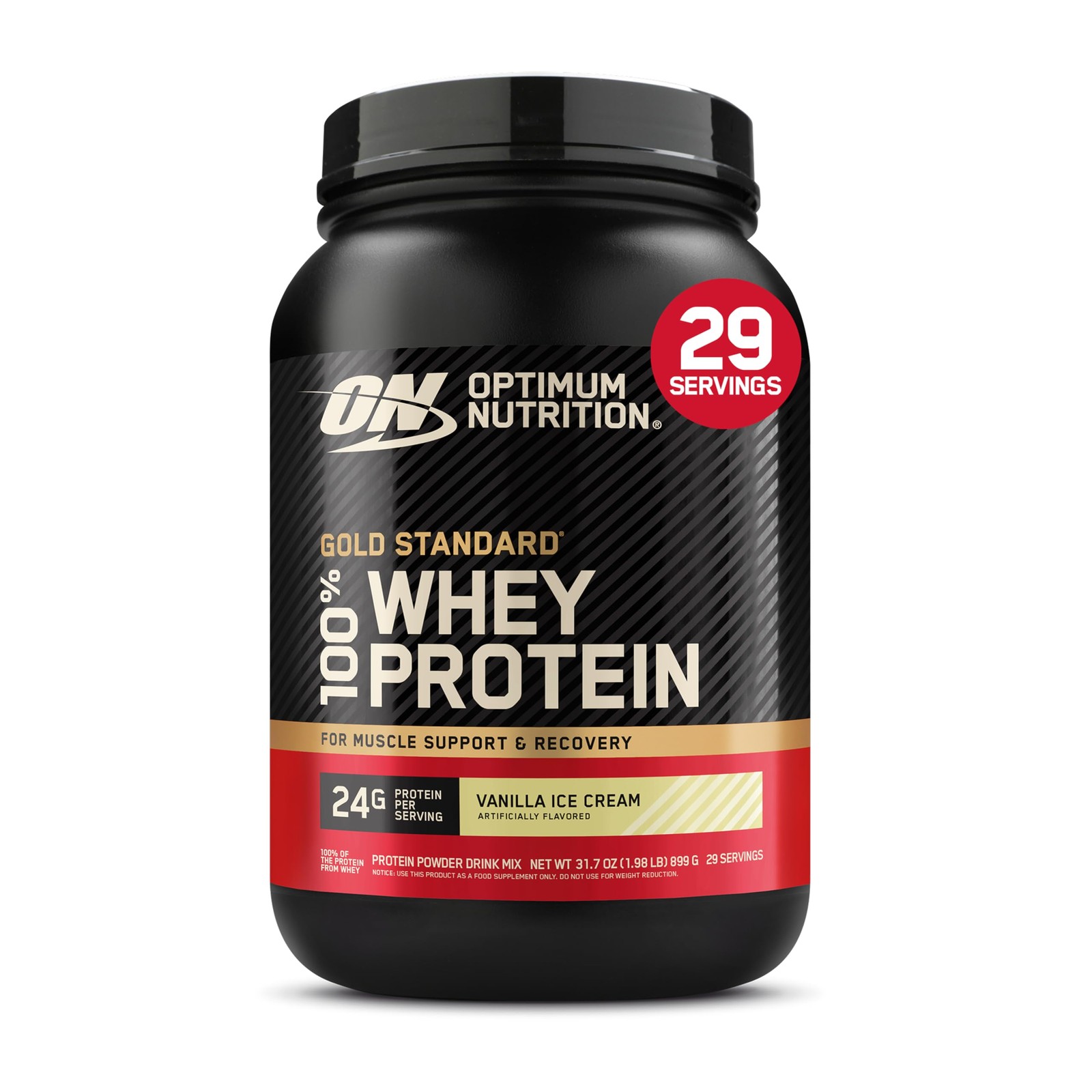
Gold Standard 100% Whey is a whey protein isolate-primary blend (WPI, WPC, peptides) standardized to roughly 24 g protein and 5.5 g BCAAs per 30 g scoop. The decisive trade-off is protein purity and mixability versus cost per pound and flavor-system fillers, and the clear rule is: buy the isolate-rich blend for post-workout and lactose-sensitive users, skip pure concentrates when digestibility or gram-for-gram protein density matters.

Buying guide image
Vitamins & Minerals

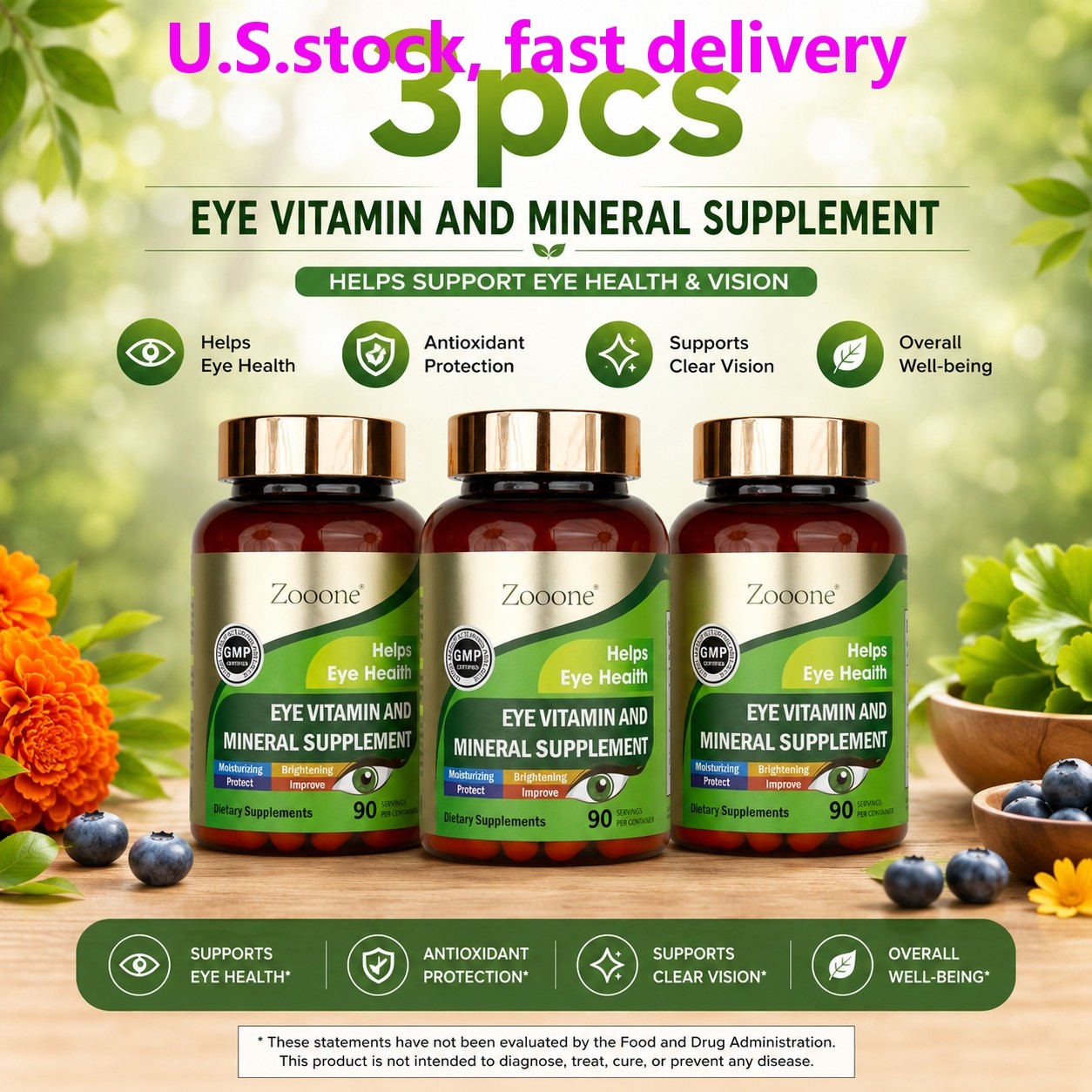
Eye Health Vitamin

Eye health vitamins are dietary supplements built around carotenoids (lutein, zeaxanthin), antioxidant vitamins (C, E), and trace minerals (zinc, copper) that concentrate in the macula and support visual function. The core buyer trade-off is dose-form and delivery: softgel oil-suspension formulas versus dry capsules, and standalone lutein versus full AREDS-style multi-nutrient blends. The decision rule is simple: match the formula to your need — AREDS2-type ratios for age-related macular support, 10 mg+ free lutein with zeaxanthin for daily blue-light and macular density support — and reject products that hide doses behind proprietary blends.

Buying guide image
Sleep & Stress Supplements

Stress And Anxiety Supplement

Stress and anxiety supplements span three real architectures: single-mineral magnesium (glycinate/citrate/oxide), adaptogenic herb blends (ashwagandha, rhodiola, L-theanine), and Ayurvedic multi-herb formulas. The decisive trade-off is elemental dose and chelation form versus proprietary-blend opacity—buyers should reject any product that hides milligram amounts behind a 'proprietary blend' and choose chelated minerals or standardized extracts with named actives.

Buying guide image
Vitamins & Minerals

Liquid Multivitamin Women

Liquid multivitamins for women are water- or oil-based supplements designed for faster absorption and easier swallowing than tablets, but the segment splits sharply between broad-spectrum daily formulas and single-nutrient or beauty-focused liquids. The core trade-off is formulation breadth versus dosing precision: a true multivitamin must cover the full A–Z micronutrient panel at meaningful percentages, while 'liquid drops' and 'beauty drinks' often deliver only 2–5 actives. The decision rule: choose a broad-spectrum 16–32 fl oz liquid with a complete vitamin/mineral panel and transparent %DV, and skip collagen, cayenne, or single-mineral liquids if your goal is daily micronutrient coverage.

Buying guide image
Probiotics & Digestion

Probiotic Women Vaginal Health

Vaginal-health probiotics are oral supplements built around Lactobacillus strains (especially L. crispatus, L. jensenii, L. rhamnosus, L. reuteri) meant to support vaginal pH and flora, not just gut digestion. The core trade-off is clinical strain specificity versus CFU hype: high-CFU multi-strain digestive blends often lack the vaginal-colonizing strains that matter. The decision rule: pick products that name the vaginal strains and dose them in the billions, and skip generic 'women's probiotic' blends that list only total CFU.

Buying guide image
Sports Performance

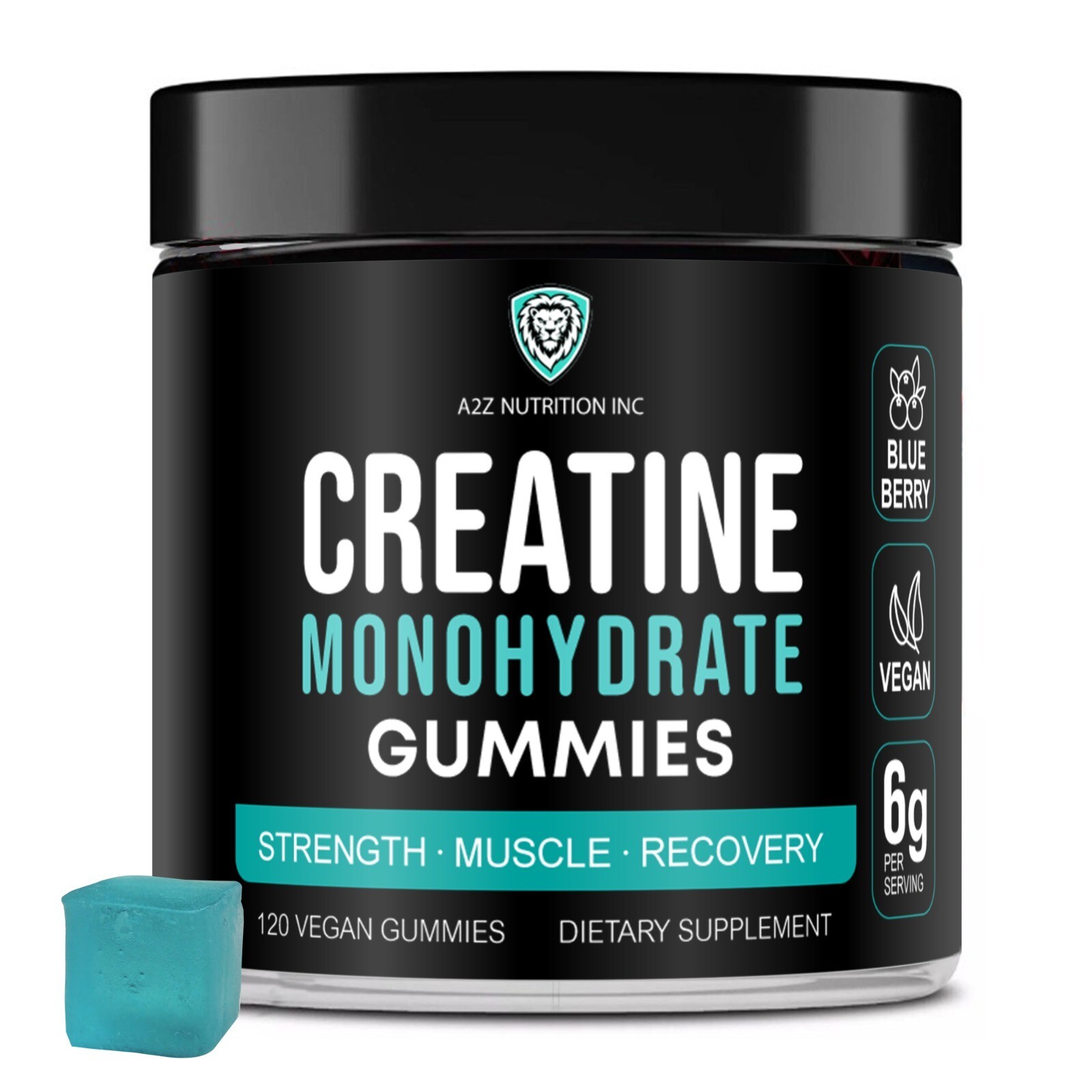
Creatine Chew

Creatine chews are a convenient, portable alternative to powder, delivering creatine monohydrate in a gummy or chewable form. The primary trade-off is between taste, sugar content, and actual creatine dose per serving, as many products underdose or use low-quality fillers. Choose chews with a verified 3–5 g dose of creatine monohydrate per serving and minimal added sugar; skip products that obscure the dose or rely on proprietary blends.

Buying guide image
Sleep & Stress Supplements

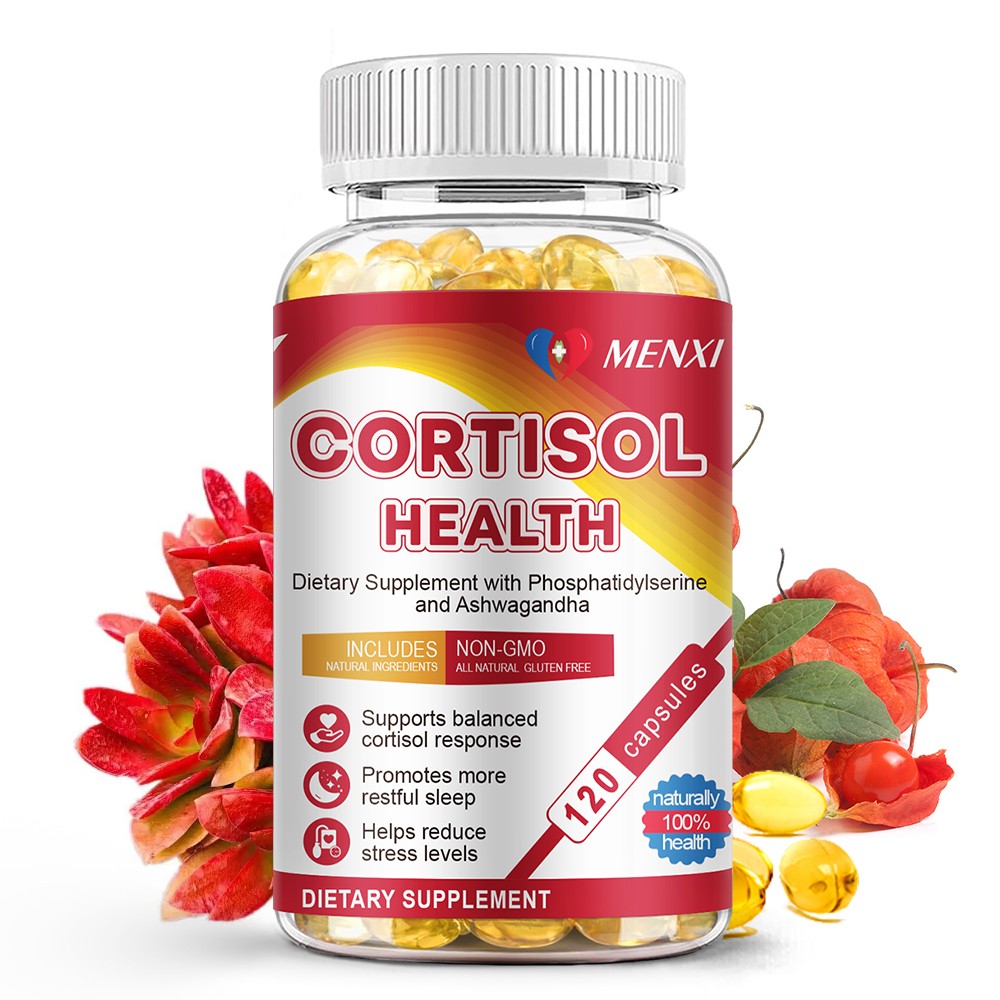
Cortisol Blocker

Cortisol blocker supplements are adaptogen- and mineral-based formulas marketed to modulate stress-hormone response and support sleep, with efficacy driven by ingredient standardization and dose rather than proprietary blends. The core trade-off is transparency: clinically studied extracts with disclosed percentages (KSM-66 ashwagandha, 5% withanolides) and elemental mineral doses versus opaque 'cortisol cocktails' that hide amounts behind prop blends. The decision rule: buy only formulas that name the extract, specify standardization, and state elemental mineral doses per serving — skip any label listing a blend without per-ingredient quantities.

Buying guide image
Vitamins & Minerals

Berberine And Cinnamon

Berberine and cinnamon supplements combine the alkaloid berberine with Ceylon or cassia cinnamon, often alongside chromium, bitter melon, or gymnema, to support glucose metabolism and weight management. The key trade-off is standardization and form: capsules with verified berberine HCl content and true Ceylon cinnamon versus liquid drops with undisclosed extraction ratios and added fillers. Choose capsules from brands disclosing berberine percentage and cinnamon species; treat flavored liquid drops and 10-in-1 blends as convenience products, not clinical-grade options.

Buying guide image
Sports Performance

Creatine Powder

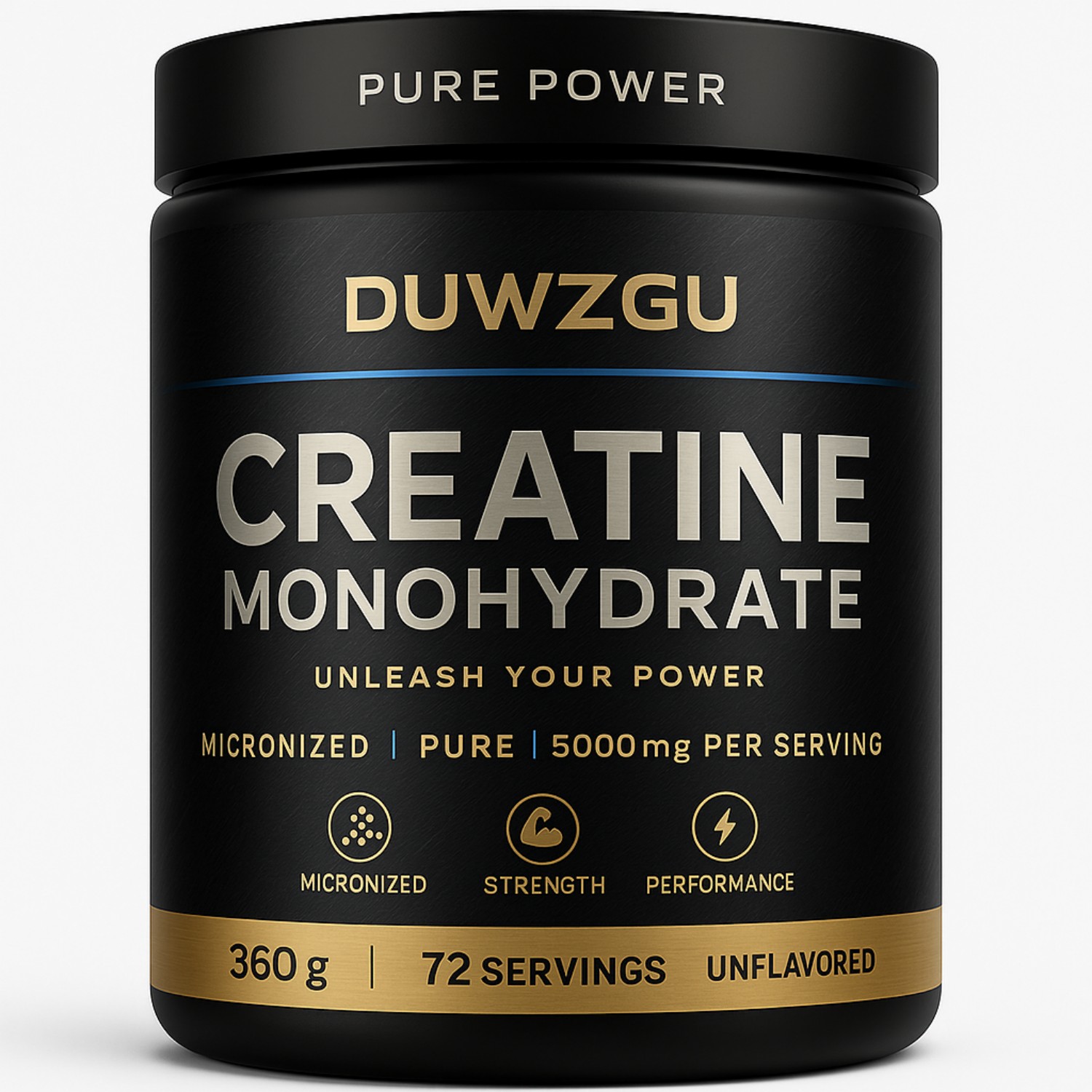
Creatine powder is a sports-performance supplement where the primary trade-off is monohydrate purity and particle size versus added flavors, blends, and proprietary forms that raise cost without proven superiority. Buy plain micronized creatine monohydrate with a third-party purity test and 5 g dosing; skip candy, proprietary blends, and low-dose capsules marketed as powder equivalents.

Buying guide image
Vitamins & Minerals

Hair And Nail Vitamin

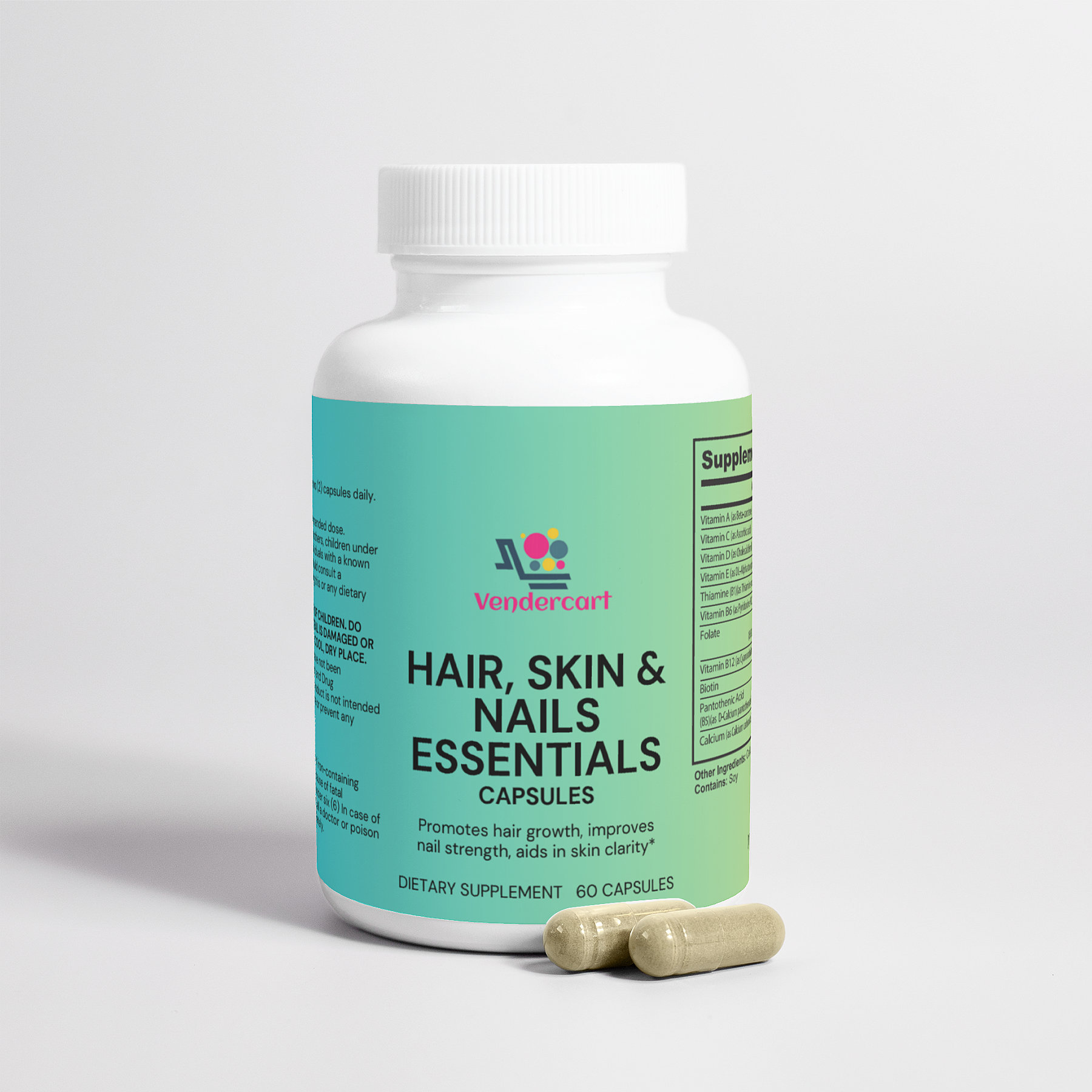
Hair and nail vitamins are oral supplements combining biotin (B7) with collagen, keratin, and micronutrients to support keratin infrastructure. The critical trade-off is dosage potency versus absorption and ingredient synergy—high-megadose biotin without cofactors is marketing, while clinical-range biotin with collagen peptides and mineral cofactors drives results. Choose third-party-tested products with 5,000–10,000 mcg biotin and 250–500 mg collagen per serving; skip unverified megadose 25,000 mcg formulas and gummy-only options that lack mineral cofactors.

Buying guide image
Protein Nutrition

Fairlife Chocolate Protein Shake

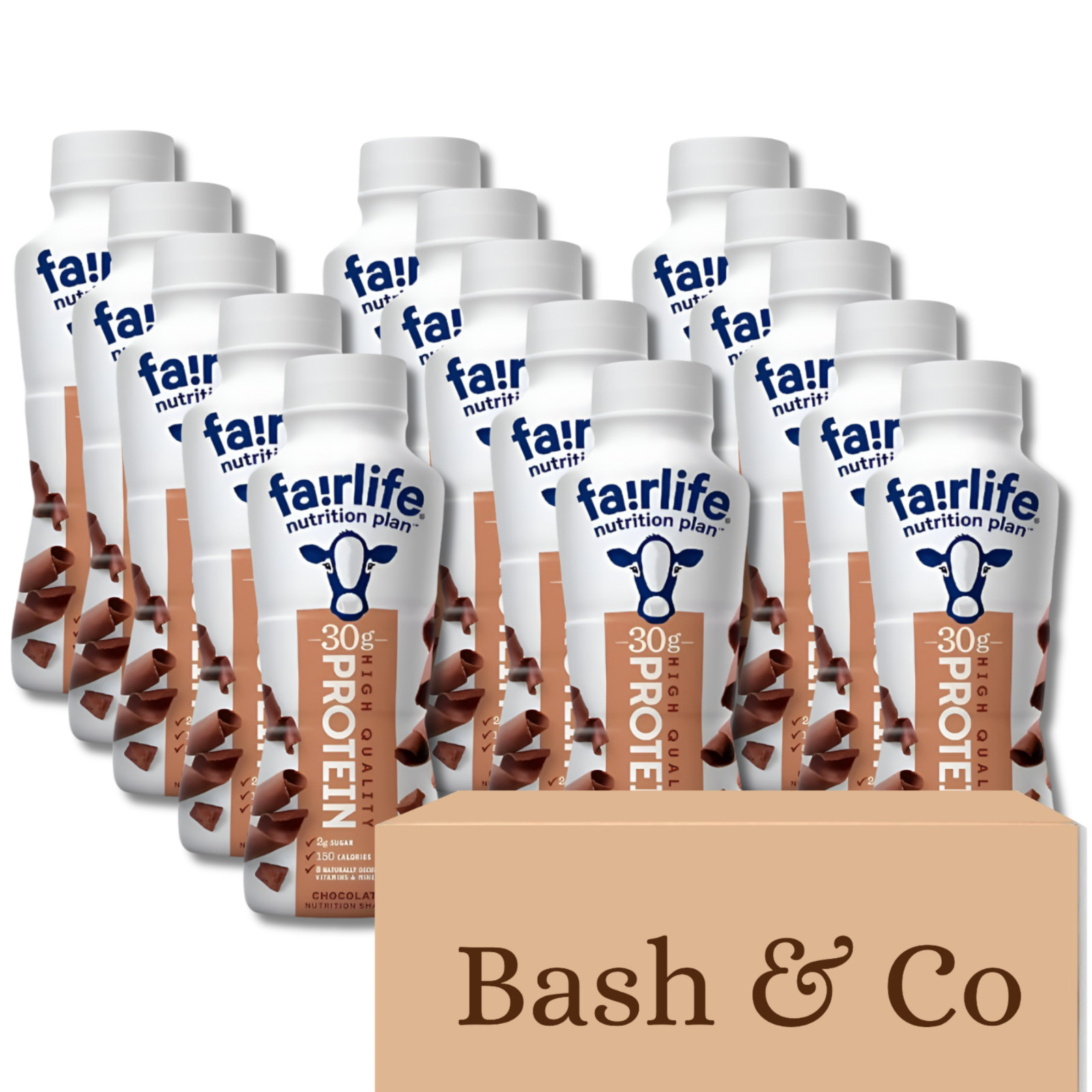
Fairlife Chocolate Protein Shake is a ready-to-drink, ultra-filtered milk-based beverage delivering 30g of complete protein per 11.5 fl oz bottle with lactose-free formulation and no added sugar. The core trade-off is between the convenience and taste of a chilled, dairy-based RTD versus shelf-stable plant or whey isolates that require no refrigeration. Choose Fairlife when you need a creamy, low-sugar chocolate shake with intact casein/whey for post-workout or meal replacement; skip it if you need vegan, shelf-stable, or budget-per-gram pricing.

Buying guide image
Vitamins & Minerals

Vitamin E Capsule

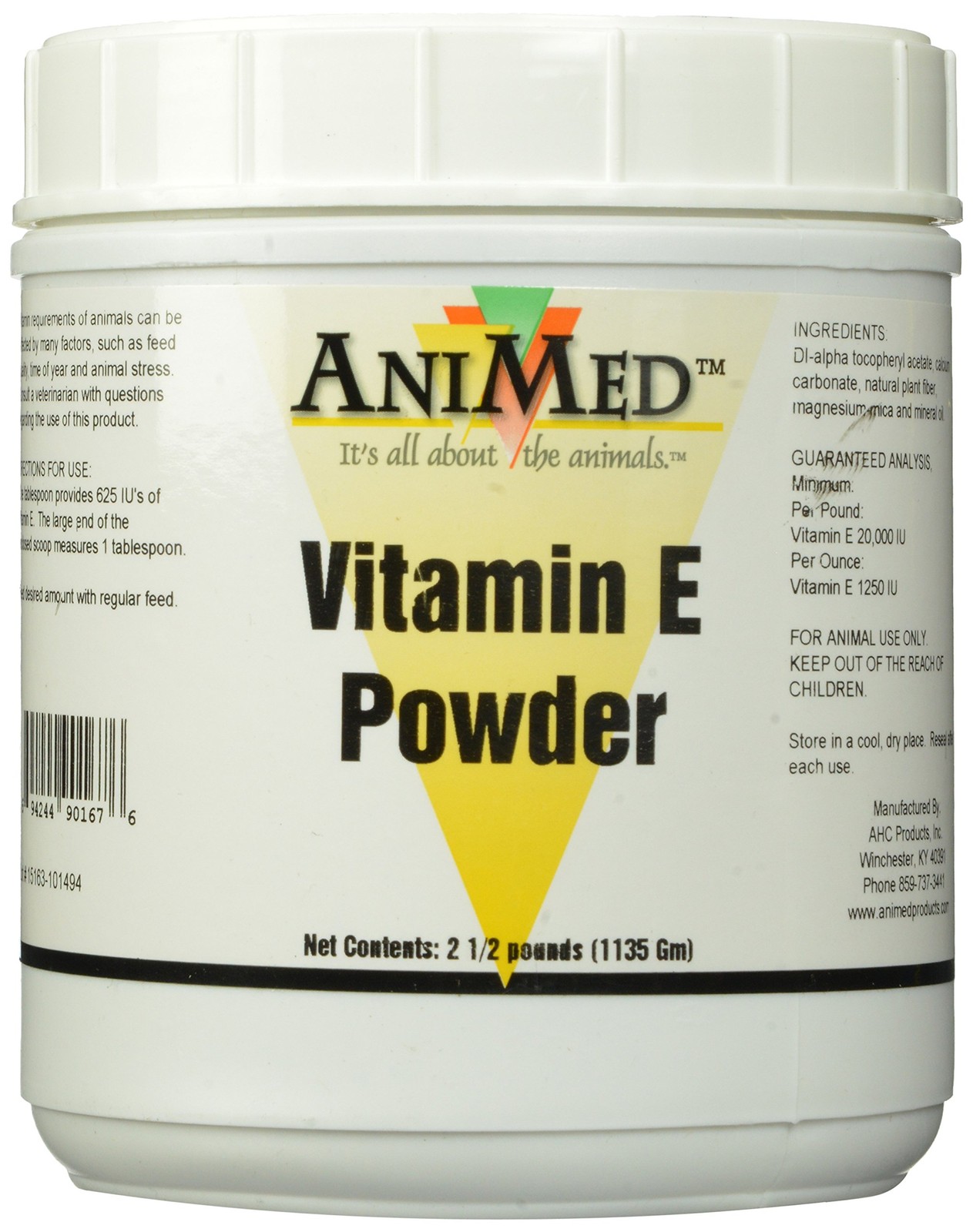
Vitamin E capsules deliver tocopherols/tocotrienols as fat-soluble antioxidants, with the key trade-off being natural d-alpha-tocopherol (higher bioavailability, usually 400 IU per softgel) versus synthetic dl-alpha-tocopherol (cheaper, requires roughly double the IU for equivalent effect). Choose naturally sourced softgels in oil for skin and general antioxidant support, and skip dry-powder tablets or blended eye formulas when your goal is vitamin E itself.

Buying guide image
Protein Nutrition

Vanilla Whey Protein Powder

Vanilla whey protein powder is a flavored dairy protein concentrate or isolate used for post-workout recovery, meal supplementation, and macro-friendly recipes. The core trade-off is protein purity versus digestive tolerance: concentrates (WPC) retain lactose and fats at lower cost, while isolates (WPI) filter out most lactose and carbs for a leaner, faster-absorbing scoop. Choose an isolate or grass-fed A2 whey if you are lactose-sensitive or cutting; choose a concentrate blend if you want a richer vanilla flavor and lower cost per serving.

Buying guide image
Vitamins & Minerals

Biotin Supplement

Biotin (vitamin B7) supplements are marketed for hair, skin, and nail support, but the segment splits into plain biotin and multi-nutrient hair-skin-nails formulas. The key trade-off is dose versus delivery format: high-mcg softgels and capsules deliver therapeutic biotin, while gummies trade potency for adherence and often add other actives. Choose a capsule or softgel with 5,000-10,000 mcg biotin for a focused hair goal, or a gummy with 2,500-5,000 mcg if you want a daily habit stack.

You may also like

Finding more guides for you…