Health Stack Guide

Health Stack Guide

Nutrition & Supplements Reviews & Buying Guides

Compare nutrition & supplements by use case, features, trade-offs, price, returns, and seller terms before you buy.

Buying guides

Buying guide image
Vitamins & Minerals

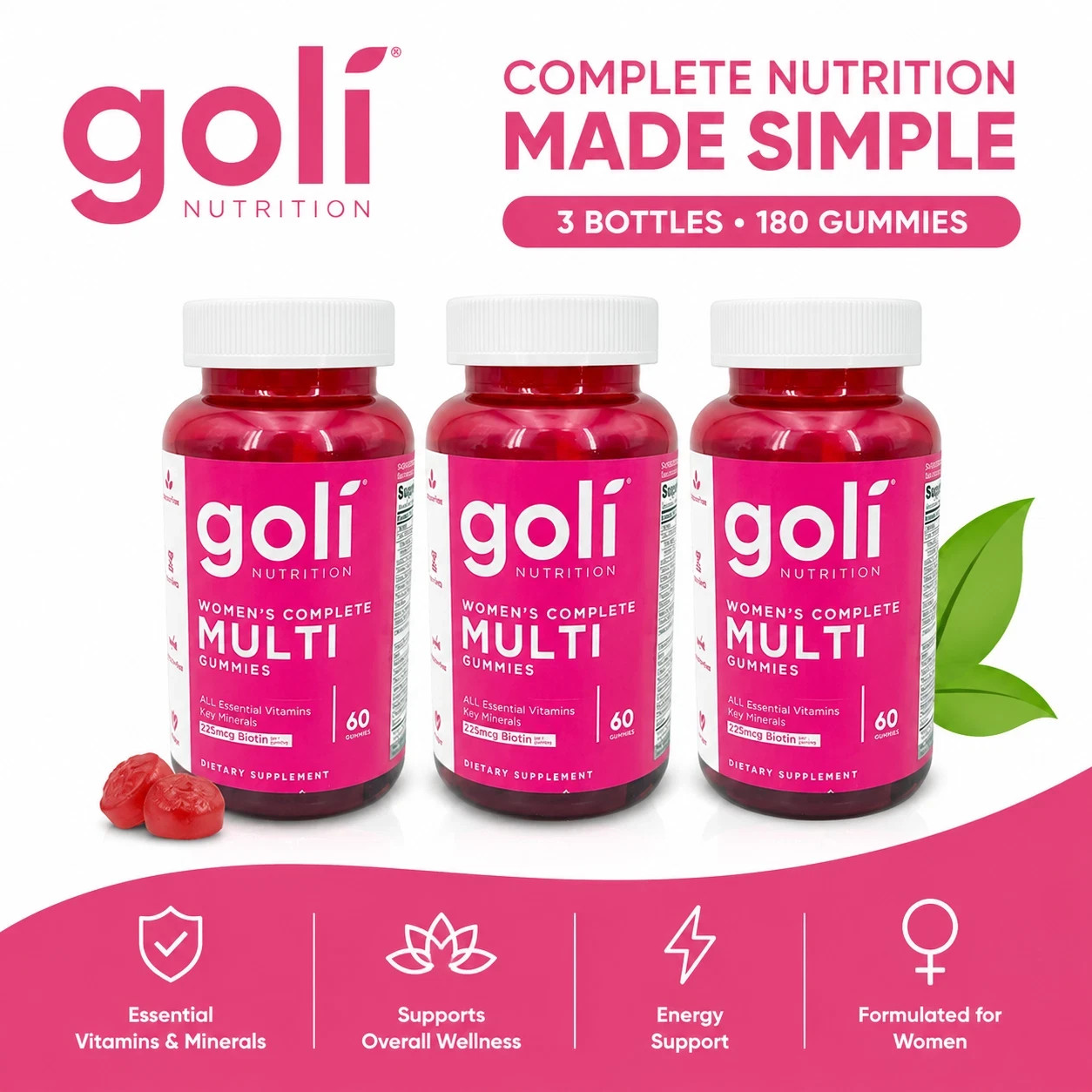
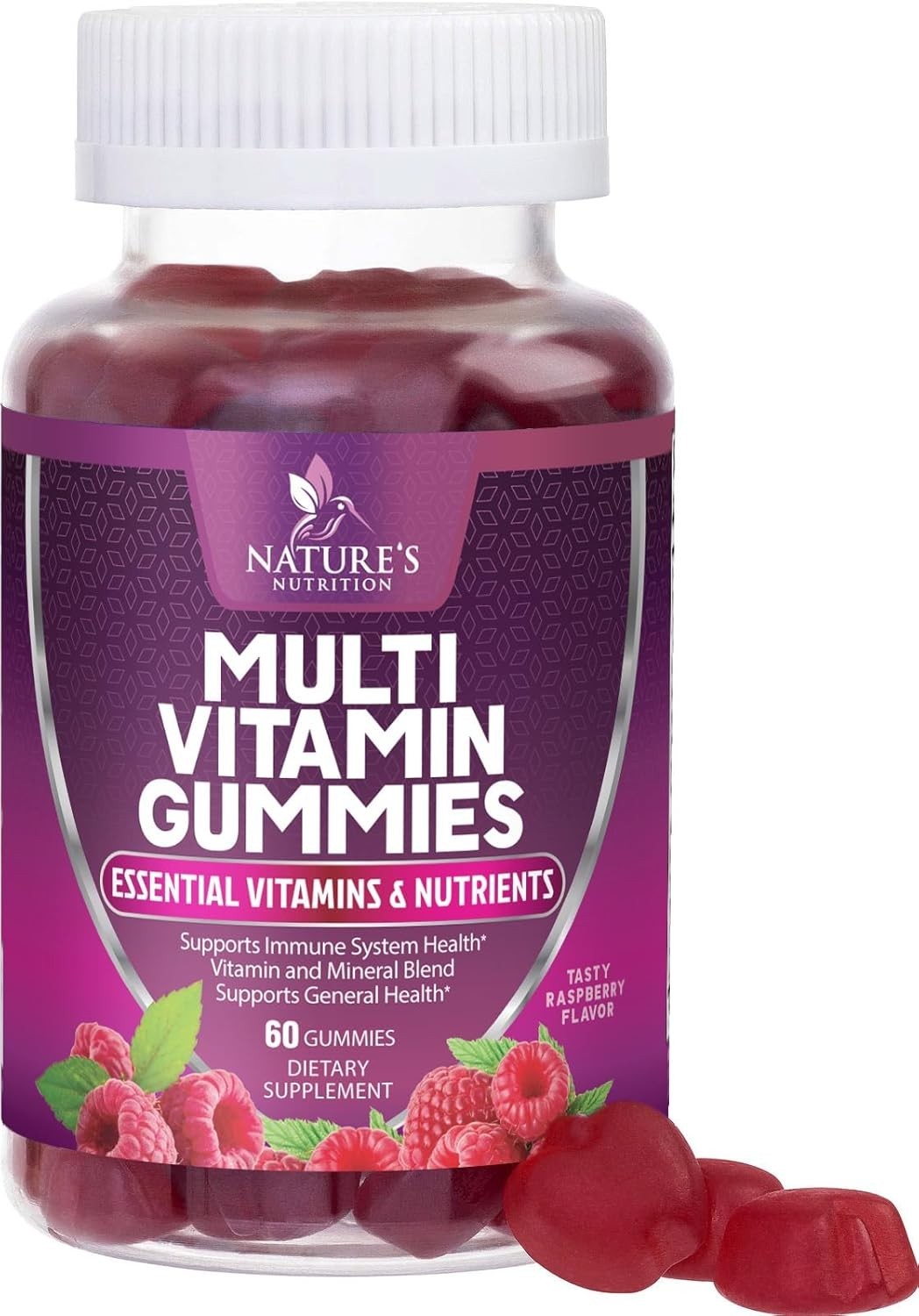
Gummy Vitamin Women

Women's gummy multivitamins are chewable dietary supplements formulated to close common nutrient gaps (vitamin D, B12, iron, biotin) with a candy-like delivery format; the core trade-off is between sugar-free or low-sugar pectin bases versus sugar-heavy gelatin gummies that carry fewer active micronutrients per bite. The decision rule: choose pectin-based, third-party-tested gummies with 100% DV of D3, B12, and iodine for daily use, and treat high-sugar gelatin gummies with under 10 vitamins as candy-tier compromises.
Buying guide image
Vitamins & Minerals

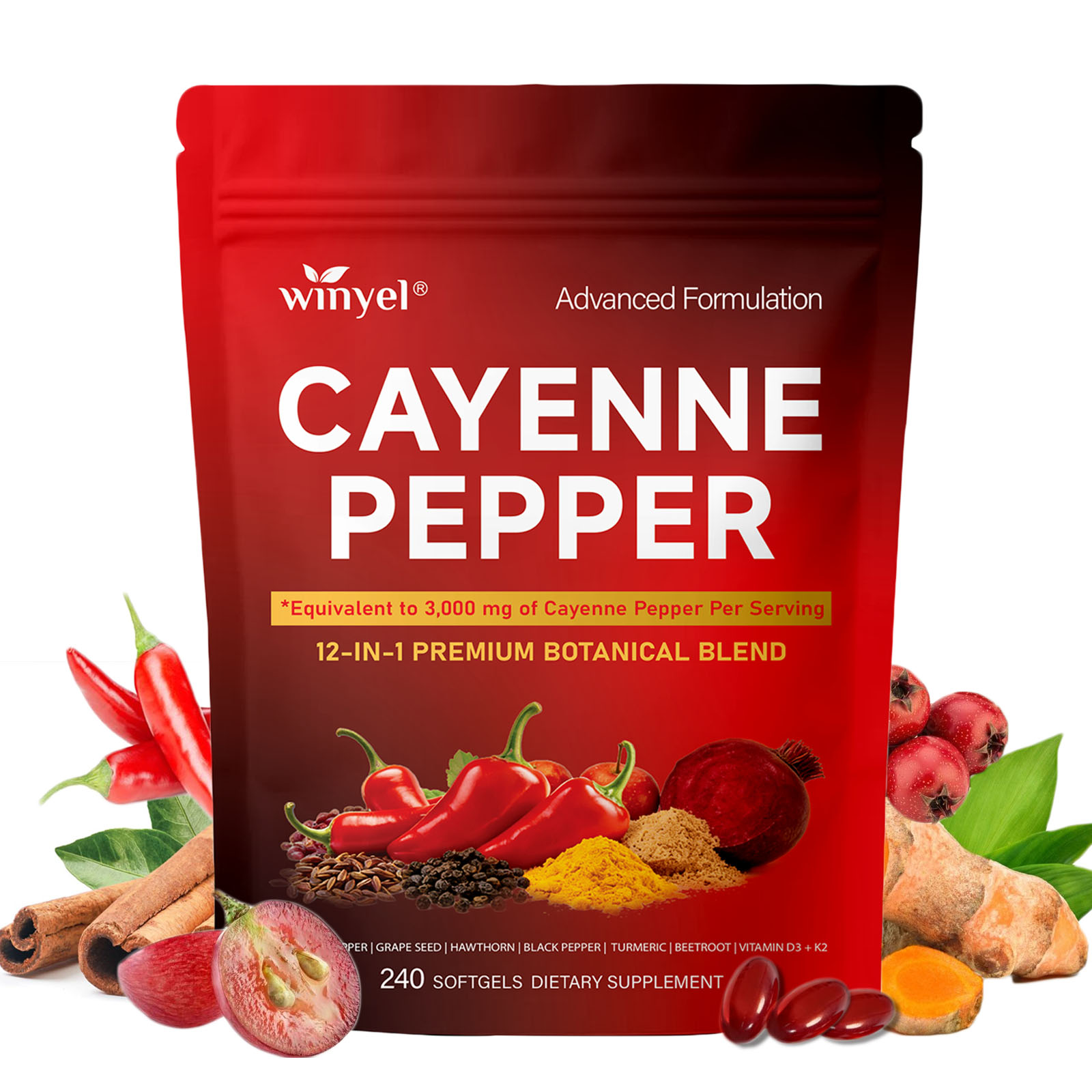
Vitamin D3 And K2 Supplement

Vitamin D3 and K2 supplements pair cholecalciferol with menaquinone to support calcium absorption and arterial health, but form and dose determine efficacy. The key trade-off is oil-based softgels or liquids with verified MK-7 versus dry tablets or gummy multivitamins using low-dose MK-4 or synthetic D2. Choose a product stating D3 (cholecalciferol) and MK-7 (menaquinone-7) with a per-serving dose, and skip combination herbal drops that bury these vitamins in a proprietary blend.

Buying guide image
Sleep & Stress Supplements

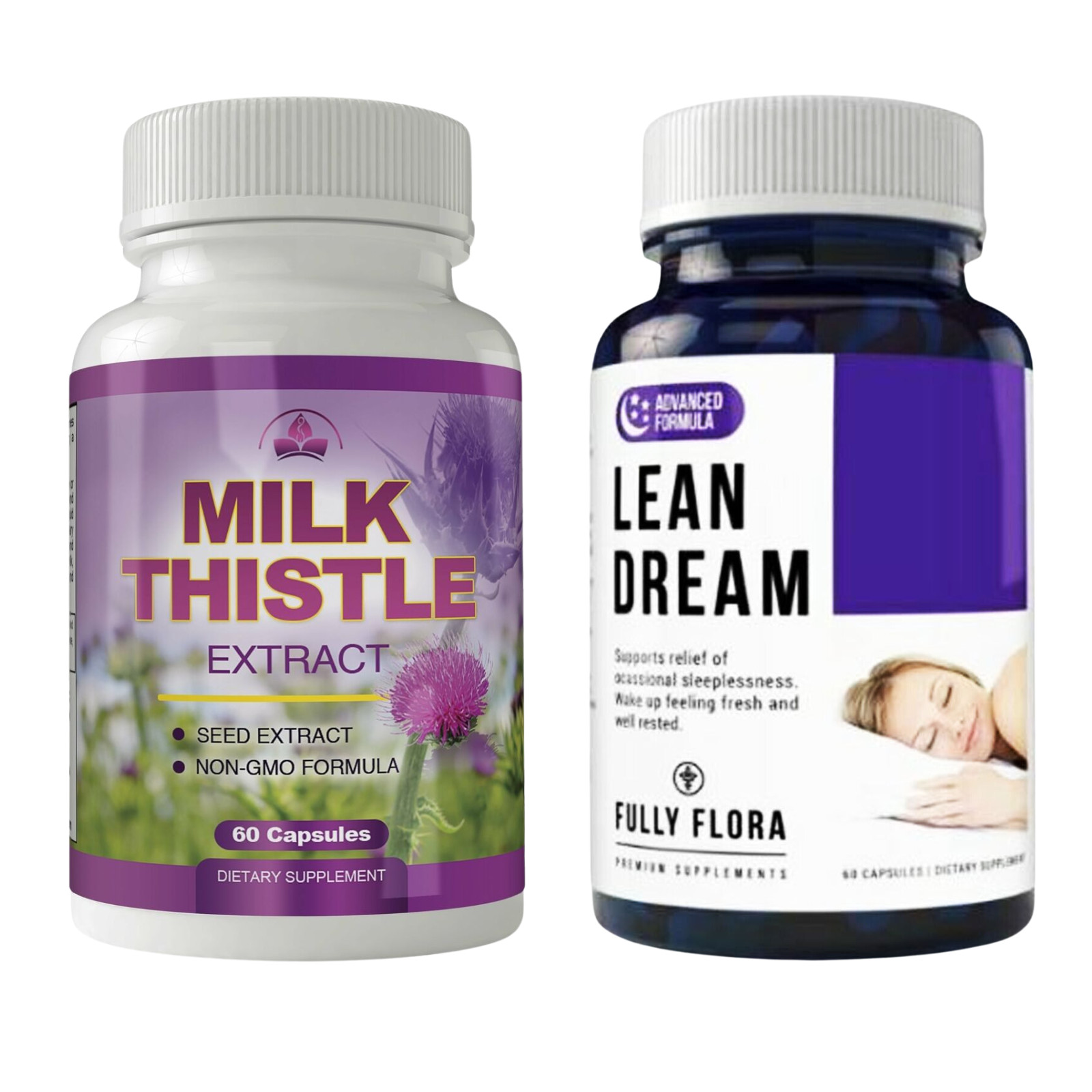
Natural Sleep Aid

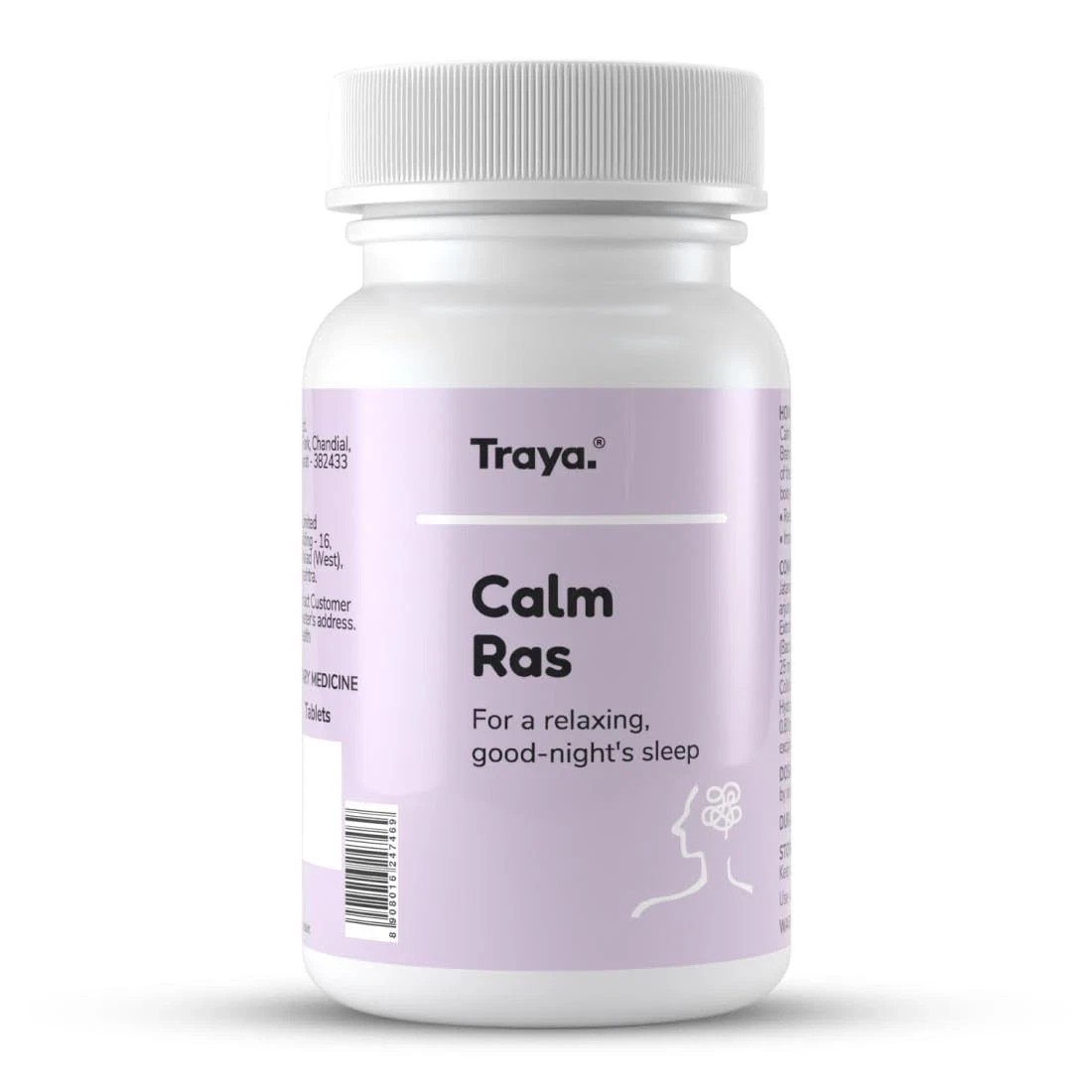
Natural sleep aids are non-prescription formulations—herbal extracts, amino acids, and minerals—designed to shorten sleep latency and improve sleep quality without the dependency risks of prescription sedatives. The primary trade-off is between single-ingredient clinical doses (standardized to a specific active compound) and multi-ingredient 'proprietary blends' that often underdose each component. The decision rule: choose products that disclose exact per-ingredient milligram amounts and standardization markers; skip any formula that hides doses inside a blend or lists more than 8 ingredients without clinical justification.

Buying guide image
Vitamins & Minerals

Skin Vitamin

Skin vitamins are oral supplements combining collagen, biotin, vitamins A/C/E, zinc, and hyaluronic acid to support dermal structure, barrier function, and photoaging defense. The critical trade-off is deliverable dose and molecular form: hydrolyzed collagen peptides and retinyl esters outperform undosed proprietary blends, while gummies cap active payload and often omit zinc or vitamin C. Choose capsules or softgels for therapeutic doses of collagen (2.5–10 g) and biotin (≥5,000 mcg) with cofactor vitamins; skip sugar-heavy gummies and single-ingredient biotin if your goal is measurable skin texture or elasticity.

Buying guide image
Protein Nutrition

Plant Protein

Plant protein powders and bars deliver protein from pea, soy, rice, hemp, or blends, with the main trade-off being protein density and amino-acid completeness versus digestibility and additive load. Durable, effective options useisolated or fermented proteins with complete essential amino acid profiles and minimal fillers, while compromises rely on low-protein blends, added sugars, or poorly digestible protein sources. The clear decision rule: pick a product with at least 20 g protein per serving from a complete or blended source, third-party testing, and no more than 2–3 g added sugar; skip anything below 15 g protein or with sugar as the first ingredient.

Buying guide image
Vitamins & Minerals

Hair Vitamin Men

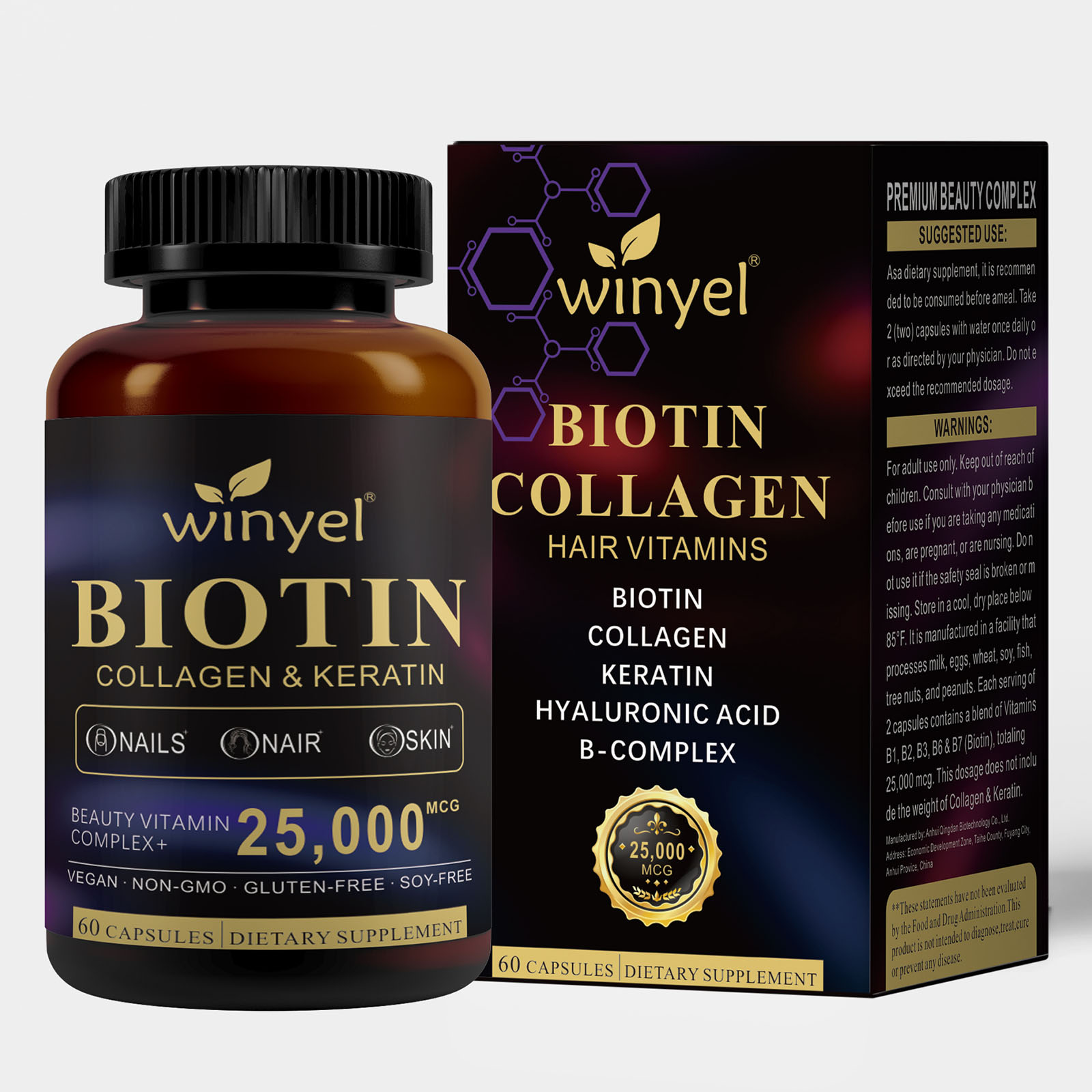
Hair vitamins for men are oral supplements that supply biotin, collagen, keratin, and B-complex cofactors intended to support the hair growth cycle when a nutritional gap exists. The core trade-off is between megadose biotin-only formulas and broader multi-nutrient blends: high-dose biotin (10,000–25,000 mcg) can distort thyroid and cardiac lab tests, while collagen and keratin deliver amino-acid substrate rather than a direct follicle signal. The decision rule: choose a blend whose nutrient forms and doses are individually justified, and skip any product that hides behind a single megadose ingredient without supporting evidence.

Buying guide image
Vitamins & Minerals

Berberine With Cinnamon

Berberine with cinnamon pairs the alkaloid berberine—clinically studied for glucose and lipid metabolism—with cinnamon, usually Ceylon, for synergistic blood-sugar support. The decisive trade-off is not the cinnamon type alone but berberine dose per serving, standardized extract percentage, and delivery form: capsules deliver consistent 500–1500 mg doses, while liquid drops often underdose and rely on propietary blends. Choose capsules with standardized berberine HCl or dihydroberberine and a declared cinnamon species; treat drops and 10-in-1 blends as convenience formats, not clinical-dose products.

Buying guide image
Vitamins & Minerals

Vitamin E Supplement

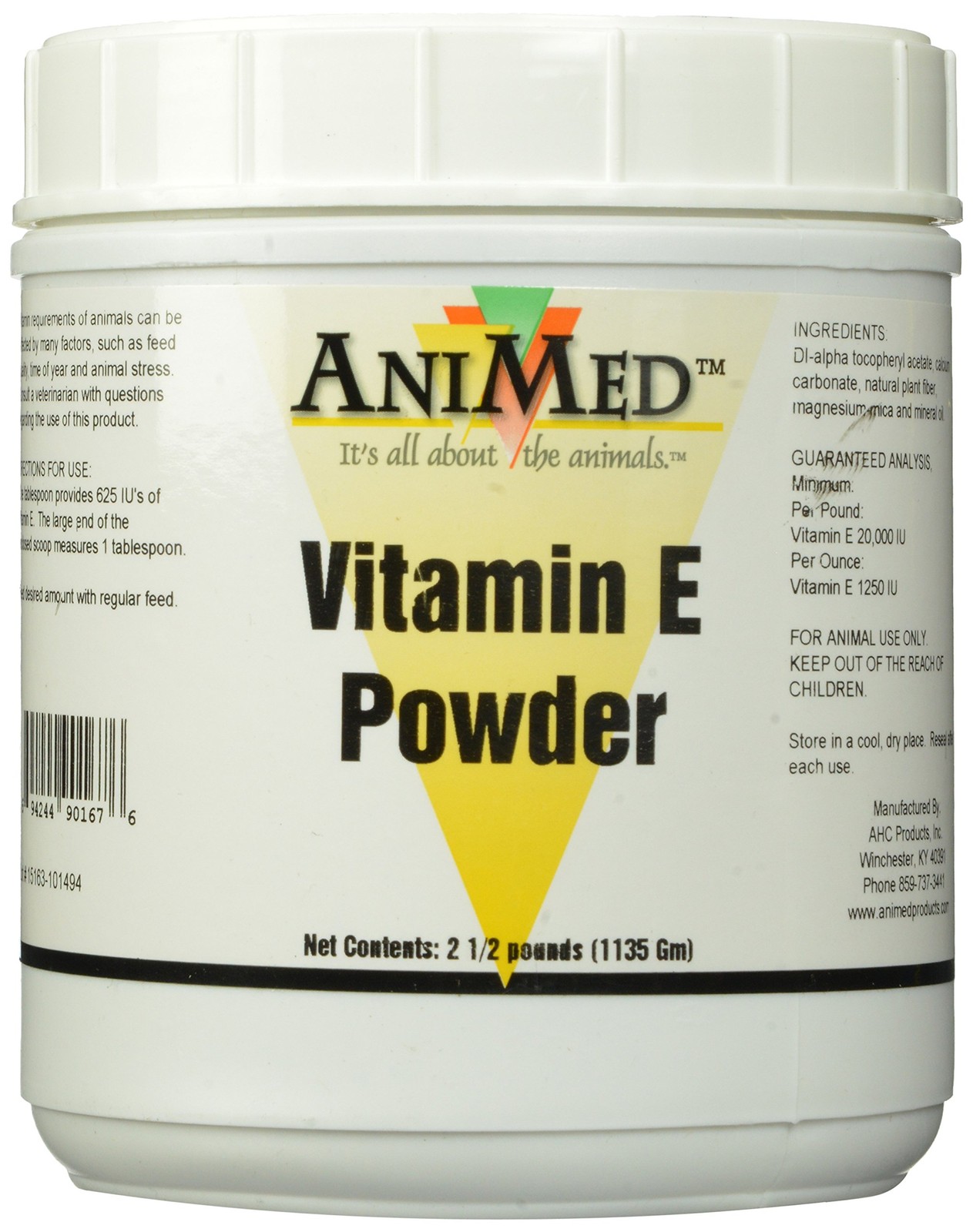
Vitamin E supplements deliver tocopherols and tocotrienols in natural or synthetic forms, with the primary trade-off between cheap synthetic dl-alpha-tocopherol and pricier natural mixed tocopherols/tocotrienols that better match food sources. The decisive rule: choose a supplement listing d-alpha-tocopherol or mixed tocopherols at 200-400 IU per dose for general antioxidant support, and reserve tocotrienol fractions for targeted vascular or neuro support.

Buying guide image
Vitamins & Minerals

Multivitamin Tablet Women

Women's multivitamin tablets are daily micronutrient supplements formulated to fill dietary gaps, with the core trade-off being iron content: formulas with iron suit menstruating women, while iron-free versions target peri/menopausal women and those with elevated iron stores. Choose a tablet with third-party testing (USP, NSF, or Informed Choice), clinically relevant doses of D3, B12, and chelated minerals, and an iron level matched to your menstrual status rather than a megadose 'high potency' label.

Buying guide image
Vitamins & Minerals

Hair Multivitamin

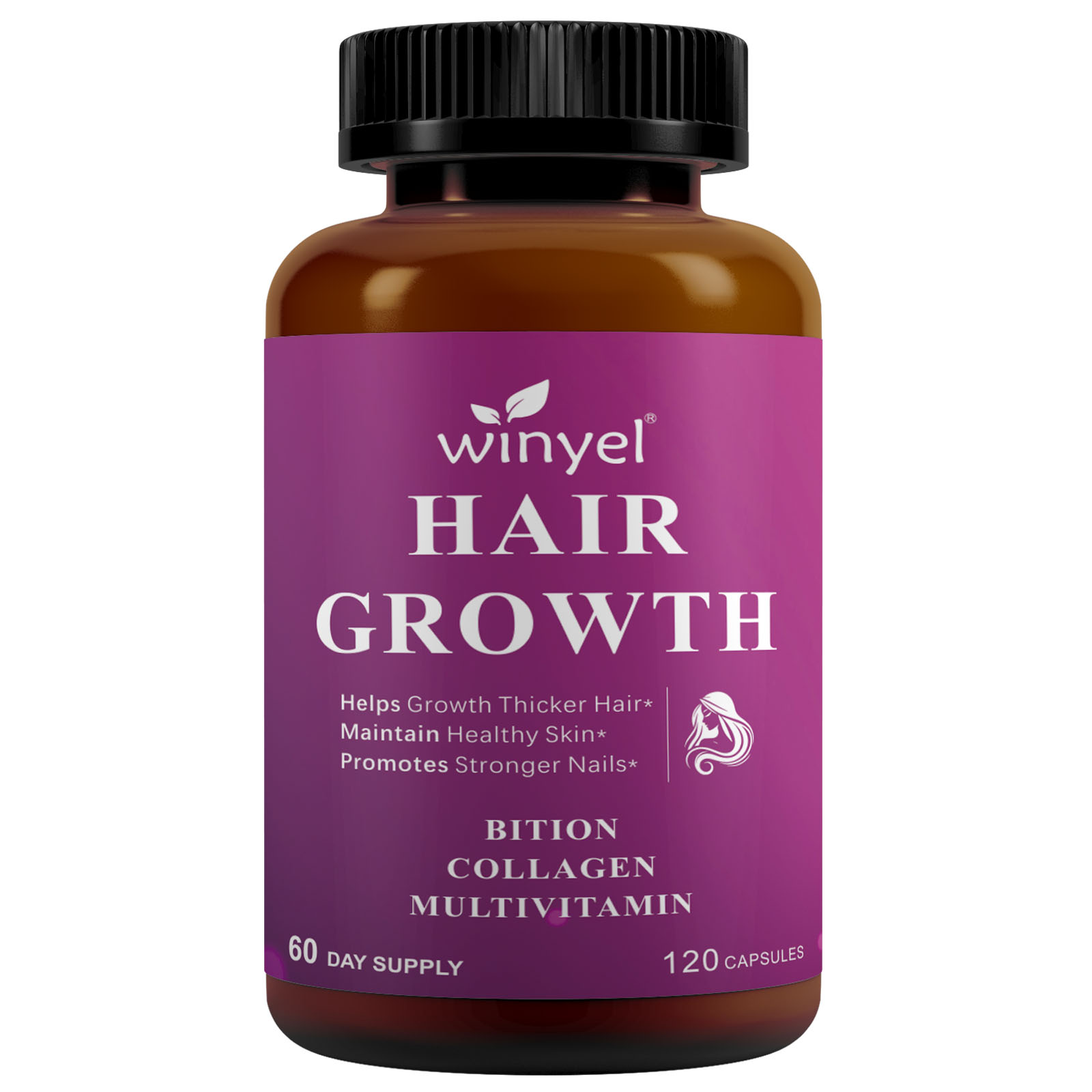
Hair multivitamins are oral supplements combining biotin, collagen, and supporting vitamins/minerals to support normal hair growth and strength. The core trade-off is dose and form: high-dose biotin (5,000–25,000 mcg) with collagen and keratin versus low-dose gummy blends that are mostly sugar and B-vitamins. Choose softgel/capsule products with transparent potency (biotin mcg, collagen mg, keratin mg) and third-party testing; skip gummies or proprietary blends that hide doses.

Buying guide image
Sleep & Stress Supplements

Anxiety And Stress Supplement

Anxiety and stress supplements range from single-ingredient mineral or amino-acid formulas to multi-herb adaptogen blends, and the core trade-off is either proven, dose-dependent actives (magnesium glycinate, L-theanine, ashwagandha KSM-66) or proprietary 'feel-calm' blends with no standardized marker. Buy single-ingredient or clearly standardized extracts when you need predictable daily dosing; treat unstandardized ayurvedic or 'calm' blends as optional add-ons, not primary therapy.

Buying guide image
Probiotics & Digestion

Refrigerated Probiotic

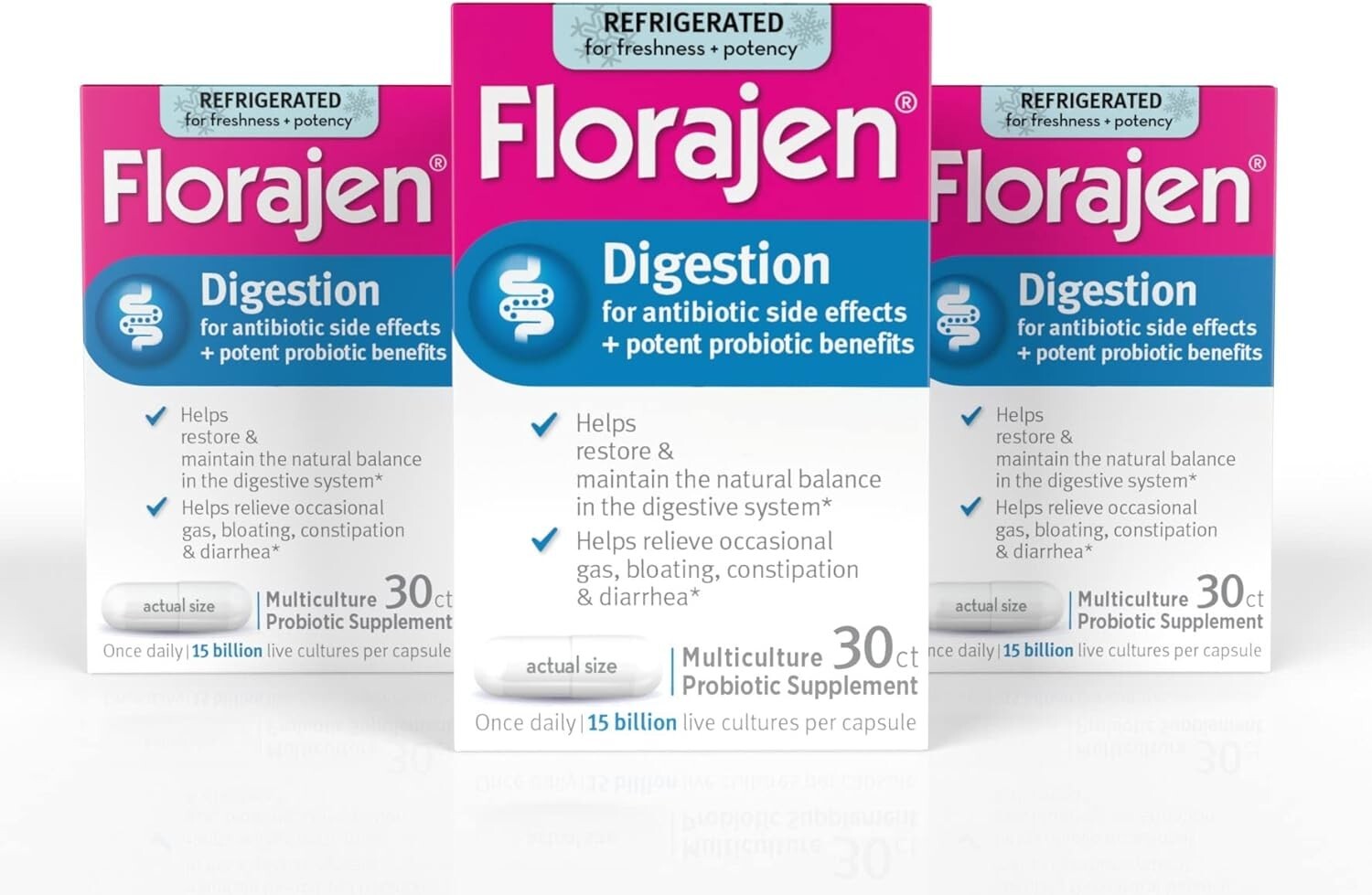
Refrigerated probiotics are live-culture supplements that require cold storage to maintain labeled CFU potency and strain viability, unlike shelf-stable formats that use freeze-drying or spore-forming strains. The core trade-off is between maximum live-cell delivery (cold-chain products typically guarantee potency through expiration when kept at 2–8°C) and convenience (shelf-stable products survive room temperature but often with lower viable counts at point of use). The clear decision rule: choose refrigerated only if you have a reliable refrigerator, will consume the bottle within its labeled window, and need the specific strains or high CFU counts that cold-chain products deliver — otherwise a shelf-stable probiotic with documented stability is the more practical durable option.

Buying guide image
Sports Performance

Pure Creatine

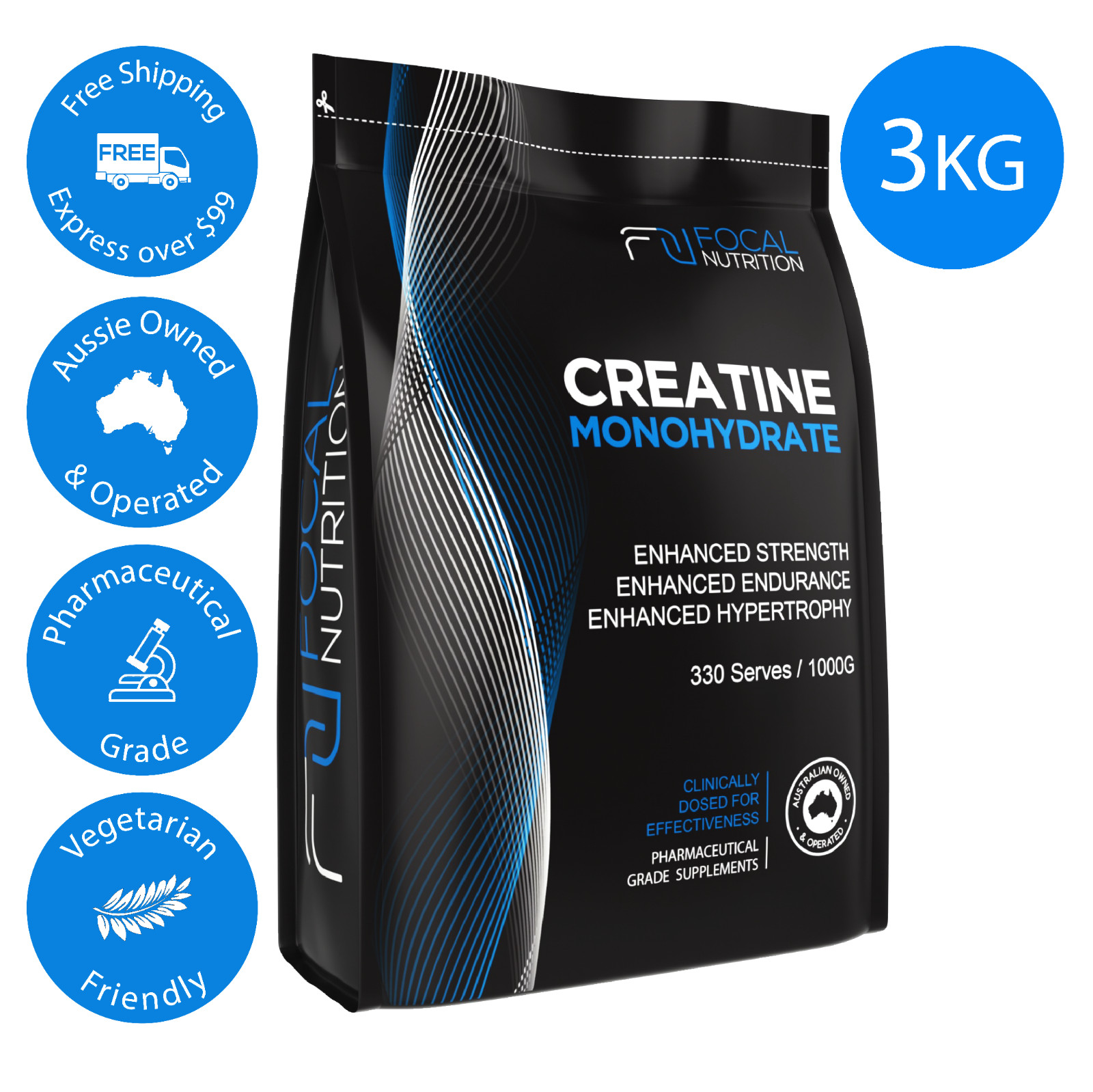
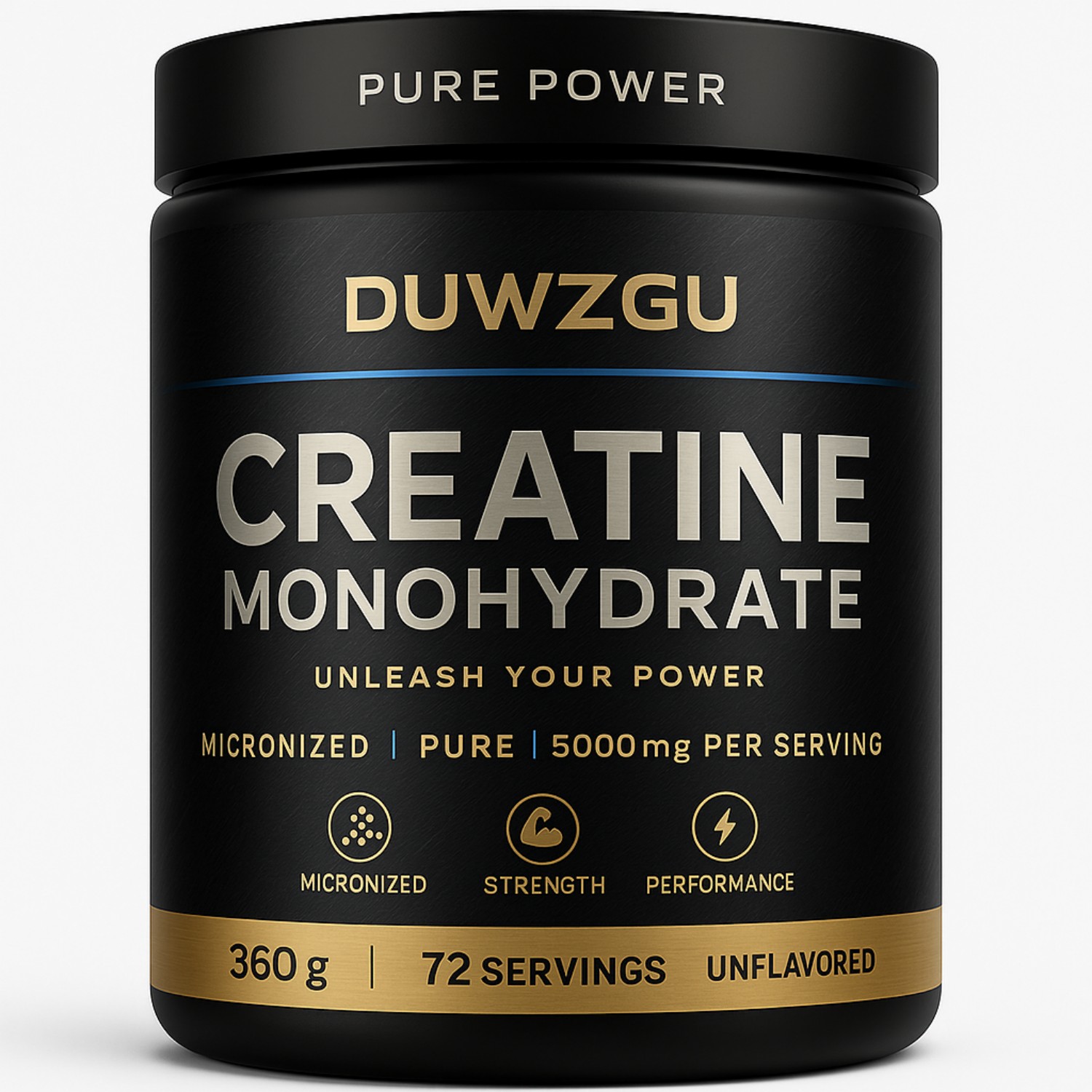
Pure creatine means creatine monohydrate without proprietary blends or added fillers, and the market splits between micronized powder, unmicronized powder, and capsuled forms. The key trade-off is cost per gram versus mixability and convenience: bulk powder delivers the cheapest effective dose, while capsules cost more but remove scooping and taste issues. Buy powder if you tolerate the texture and want the lowest cost per serving; buy capsules only if you will actually take them consistently at an equivalent 3–5 g daily dose.

Buying guide image
Vitamins & Minerals

Berberine Night

Berberine Night refers to berberine supplements positioned for evening use, typically berberine HCl or berberine phytosome combined with cinnamon, chromium, or bitter melon for glucose and metabolic support. The core trade-off is dose form and purity: standardized berberine HCl capsules at 500–1500 mg deliver proven alkaloid content, while liquid drops and proprietary blends often underdose the active and add unproven extras. Choose capsules with disclosed berberine standardization and third-party testing; treat flavored liquid drops and mega-blends as convenience products, not clinical-strength berberine.

Buying guide image
Vitamins & Minerals

Berberine Take

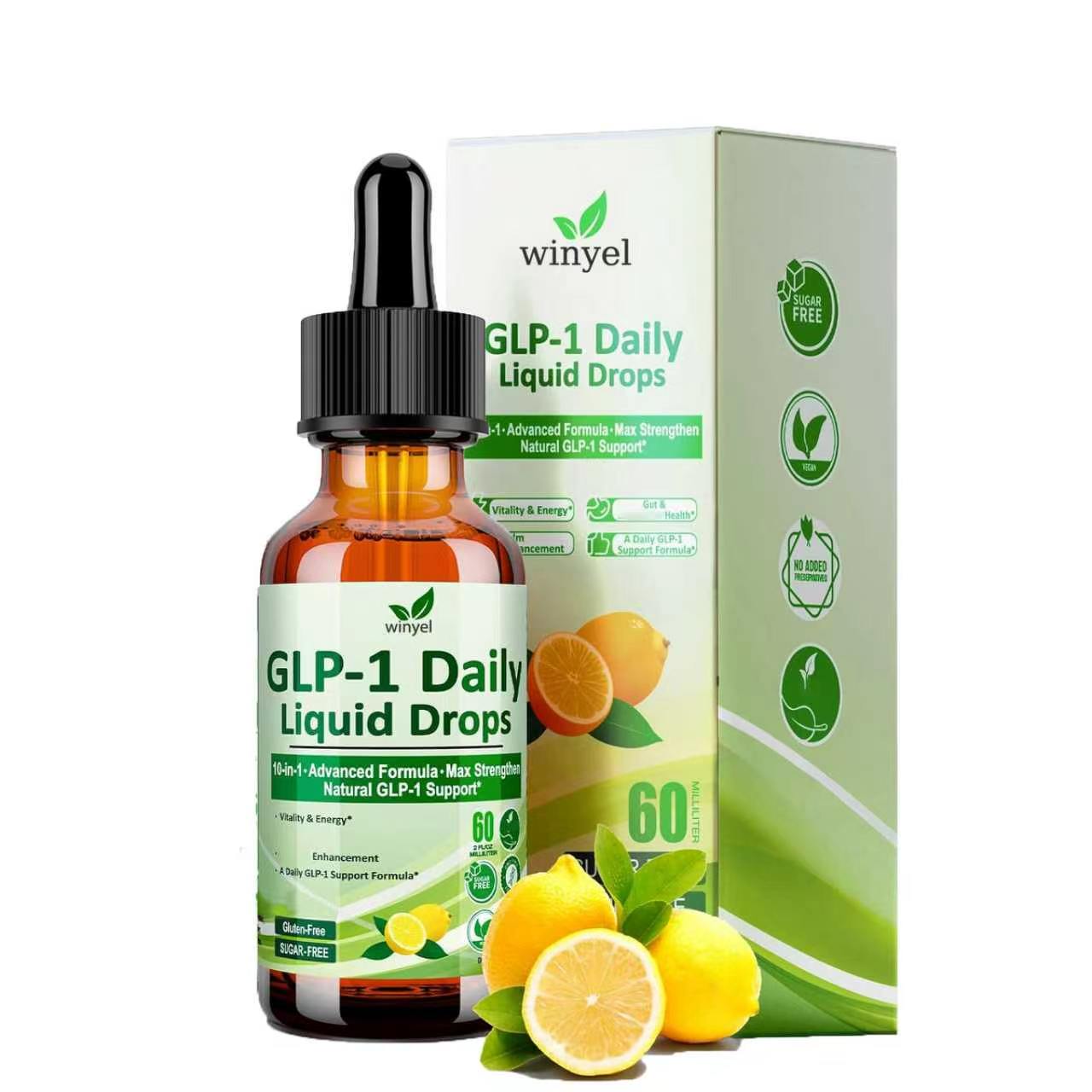
Berberine is a plant-derived alkaloid supplement used to support glucose and lipid metabolism, commonly dosed at 500 mg two to three times daily. The primary trade-off buyers face is between standardized berberine HCl capsules (higher dose per serving, verified potency) and liquid drops or multi-ingredient blends that may under-deliver active berberine while adding cinnamon, chromium, or herbal fillers. Choose standardized berberine HCl or berberine sulfate capsules with third-party testing; treat liquid drops and 'GLP-1' blends as convenience formats only if the label states actual berberine mg per serving.

Buying guide image
Vitamins & Minerals

Biotin Gummy

Biotin gummies are chewy dietary supplements delivering biotin (vitamin B7), often with collagen or companion vitamins, marketed for hair, skin, and nail support. The core trade-off is between candy-like palatability and actual dosing accuracy, vegan pectin vs. animal gelatin bases, and whether 'hair growth' claims are backed by 5,000–10,000 mcg biotin doses or diluted multi-vitamin blends. Rule: pick a gummy that discloses exact biotin mcg per serving, uses pectin for vegan diets, and avoids added sugars above 2 g per gummy—skip vague 'hair skin nails' blends with undisclosed potency.

Buying guide image
Vitamins & Minerals

Quality Berberine Supplement

Quality berberine supplements are standardized botanical extracts sold for metabolic support, where the decisive trade-off is between verified high-purity berberine (HCl or dihydroberberine) with third-party testing and cheap raw powder with undisclosed extract ratios. The clear rule: choose a product that states its berberine form, extract standardization, and independent purity testing; skip any label that lists only 'berberine root powder' or a proprietary blend.

Buying guide image
Vitamins & Minerals

Berberine With Food

Berberine is an alkaloid supplement used for metabolic and blood-sugar support, and the "with food" question hinges on whether you take it as a capsule or a liquid drop. The core trade-off is absorption and GI tolerance versus convenience and dose accuracy: capsules deliver standardized milligrams that are best taken with a meal, while liquid drops absorb faster but carry alcohol/sugar carriers and dosing variance. Choose a third-party-tested capsule with a clear berberine HCl or dihydroberberine dose if you want predictable with-food timing; treat multi-ingredient drops as convenience products, not dose-controlled berberine.

Buying guide image
Sports Performance

5 Creatine Powder

Creatine monohydrate is the most research-backed sports supplement for strength, power, and lean mass, and the powder segment is defined almost entirely by raw material grade, particle size, and third-party purity testing. The primary trade-off is micronized vs standard mesh: finer powder dissolves better and reduces GI distress but costs more, while unmicronized creatine can be gritty and clump. Buy only Creapure or NSF Certified for Sport products with a single ingredient—creatine monohydrate—and skip proprietary blends, liquid creatine, and HCl formulations that lack equivalent evidence.

Buying guide image
Meal Replacement Management

Vegan Meal Replacement Shake

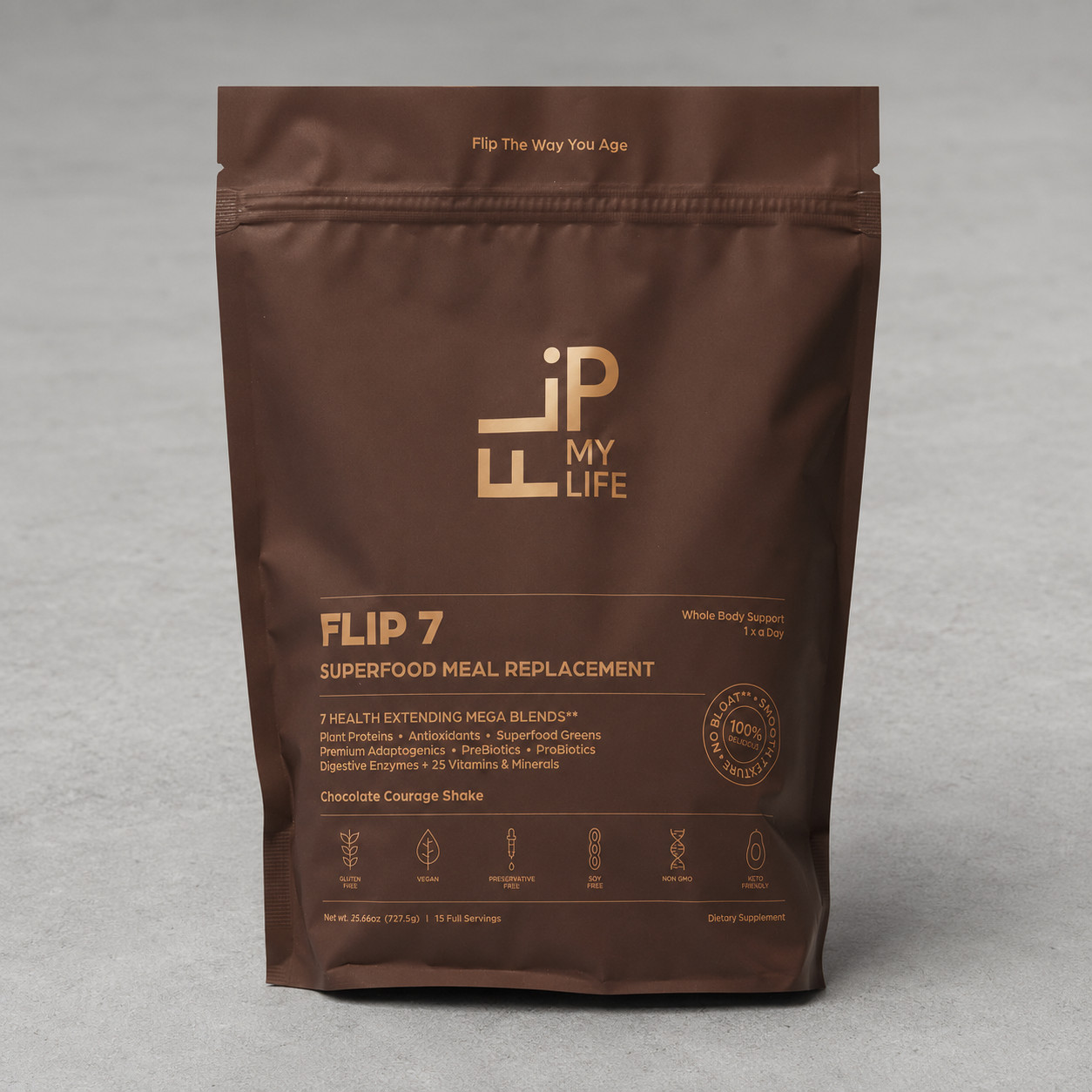
Vegan meal replacement shakes are powdered drink mixes that replace a meal with plant-based protein, fiber, vitamins, and minerals rather than serving as a simple protein boost. The core trade-off is between whole-food ingredient density (more fiber, phytonutrients, but grittier texture and higher cost) versus isolated-protein smoothness (cleaner mouthfeel but weaker micronutrient profile). Choose a shake only if it delivers at least 15g complete plant protein, 5g fiber, and a full vitamin-mineral panel per serving; skip any product that is just pea protein with a multivitamin sprinkle.

You may also like

Finding more guides for you…