Health Stack Guide

Health Stack Guide

Nutrition & Supplements Reviews & Buying Guides

Compare nutrition & supplements by use case, features, trade-offs, price, returns, and seller terms before you buy.

Buying guides

Buying guide image
Sports Performance

Micronized Creatine

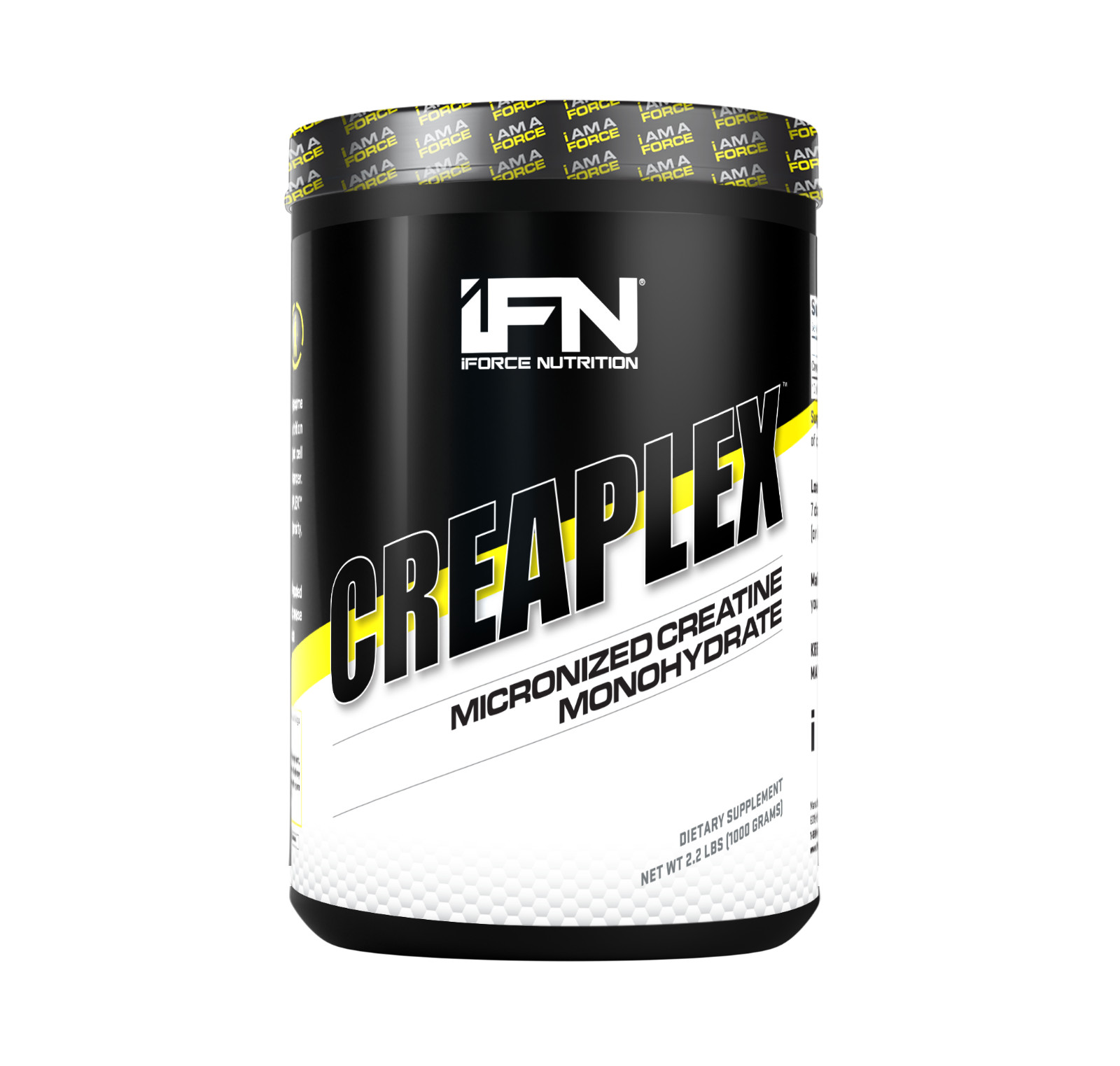
Micronized creatine is simply creatine monohydrate that has been mechanically processed into finer particles to improve mixability and reduce GI discomfort, without changing the underlying molecule. The only meaningful trade-off is particle size and purity versus price: micronized powder dissolves more readily but costs more than standard monohydrate, while capsules trade convenience for lower dose-per-gram efficiency. The decision rule is simple: buy any product that discloses 5 g creatine monohydrate per serving with a third-party purity seal (Creapure or NSF Certified for Sport); skip proprietary blends, flavored formulas with added sugar, and capsules if you need cost-efficient 5 g dosing.
Buying guide image
Sleep & Stress Supplements

Magnesium Stress Relief

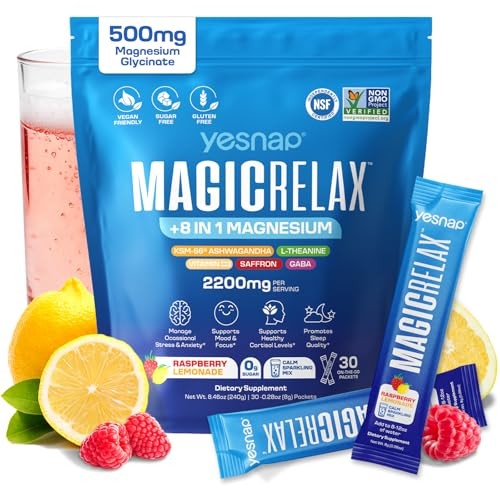
Magnesium stress relief supplements are mineral formulas where the compound form dictates absorption, GI tolerance, and target use—glycinate for calming sleep support, citrate for regularity, oxide for cost-effective bulk. The core trade-off is elemental magnesium dose versus chelate purity: high-milligram labels often hide oxide fillers, while true chelates deliver less elemental magnesium per capsule but far better tolerance. Buy bisglycinate or glycinate with elemental magnesium stated on the label; skip 'complex' blends and mega-dose 2307mg labels that are compound weight, not elemental.

Buying guide image
Vitamins & Minerals

Immuno 150 Immune Support Supplement

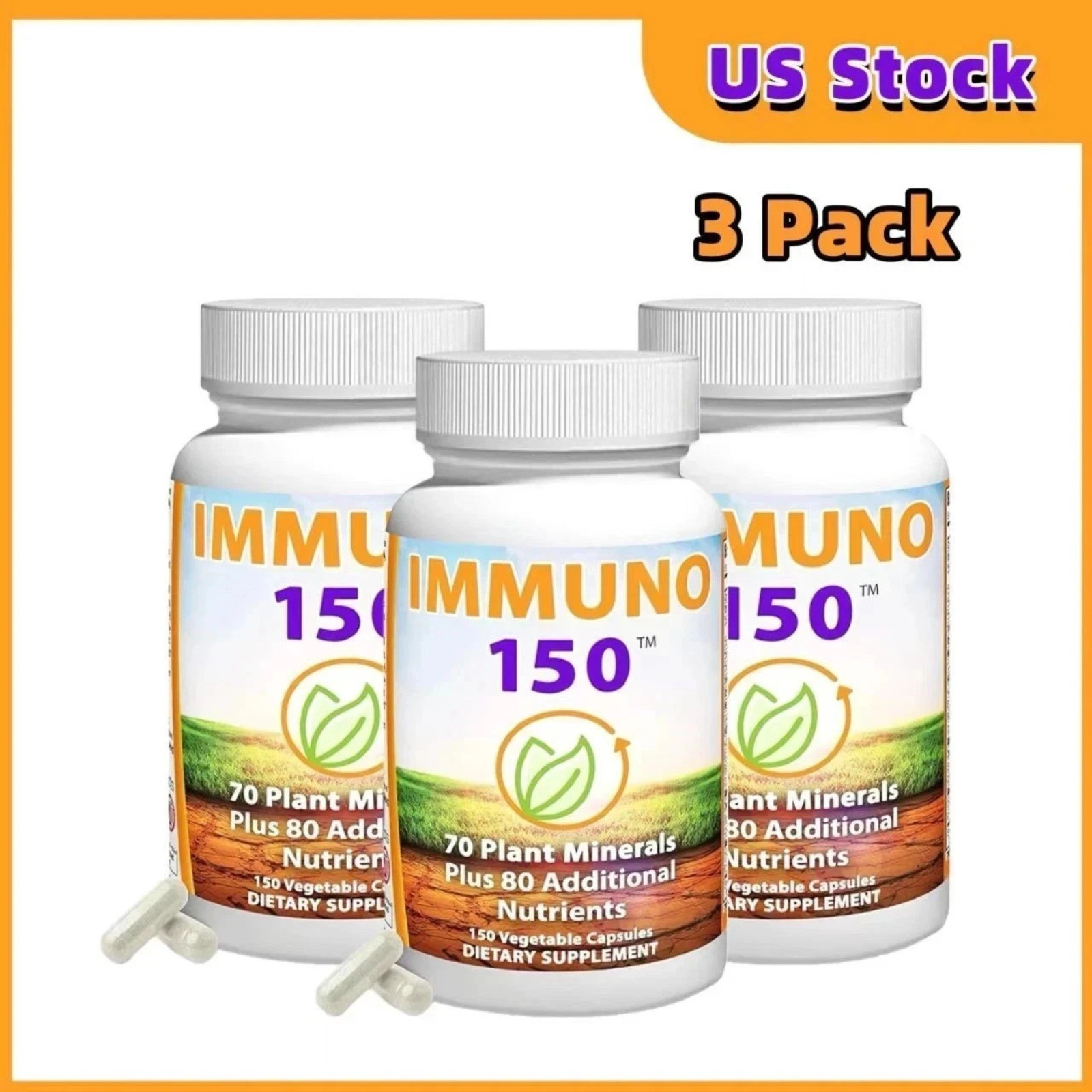
Immuno 150 is a plant-mineral-based immune support supplement marketed in 150-capsule bottles, typically built around a fulvic/humic mineral complex rather than megadose vitamins. The key buying trade-off is label transparency and mineral source quality versus proprietary-blend opacity, since plant-derived trace minerals vary widely in concentration and assay. Choose single bottles with lot dates and full supplement facts if you want to trial it; avoid multi-packs from resellers that cannot confirm expiration or authenticity.

Buying guide image
Vitamins & Minerals

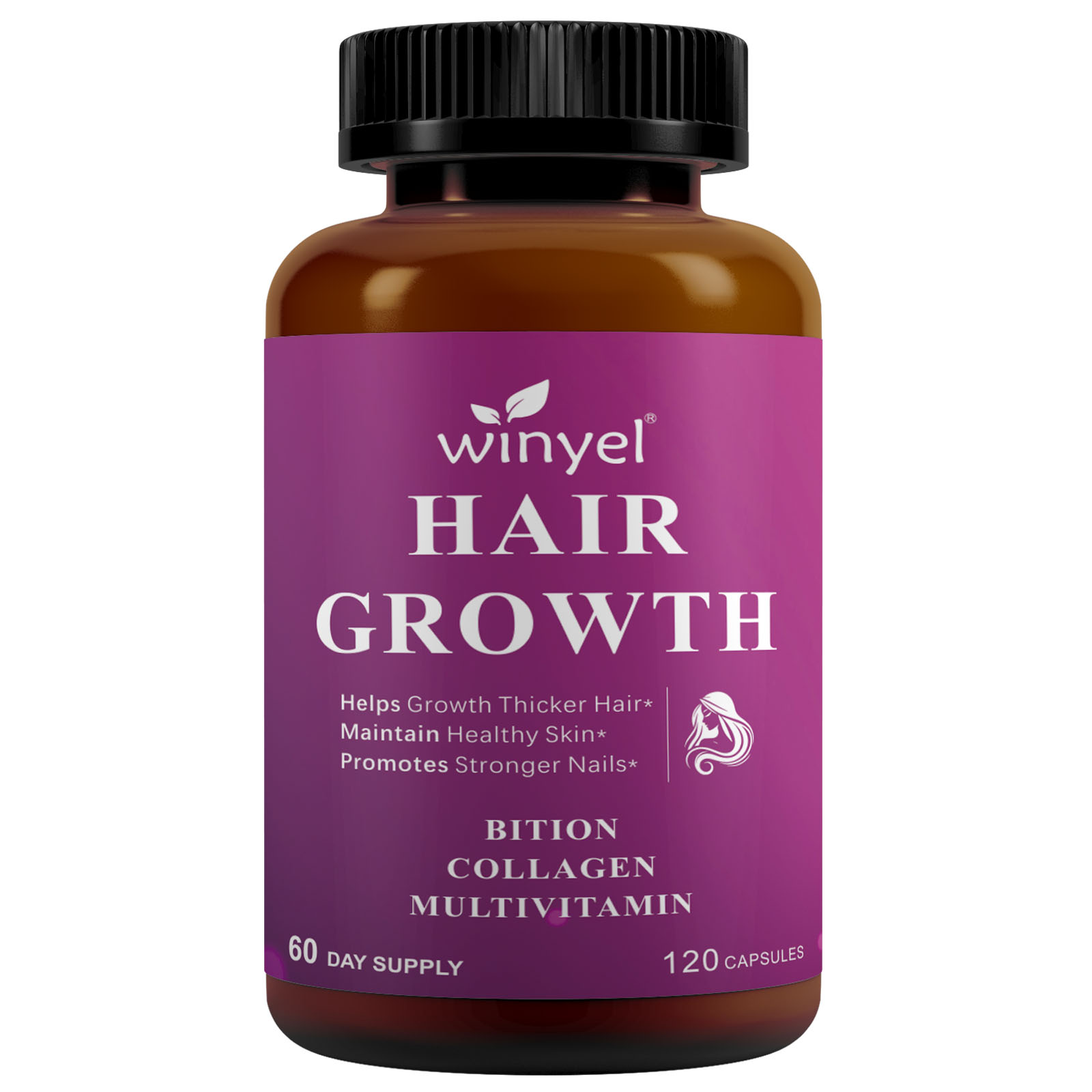
Hair Vitamin

Hair vitamins are oral supplements combining biotin (B7) with collagen, keratin, and other micronutrients to support the hair growth cycle and shaft strength. The key trade-off is ingredient form and dose: clinical doses of biotin (5000–10000 mcg) and hydrolyzed collagen (2.5–10 g) cost more than fairy-dust blends, while gummies and soft chews almost always underdose biotin and omit collagen entirely. The decision rule: choose capsules or softgels with ≥5000 mcg biotin and a named collagen type plus a B-complex backbone; skip gummies if you want meaningful collagen or keratin intake.

Buying guide image
Protein Nutrition

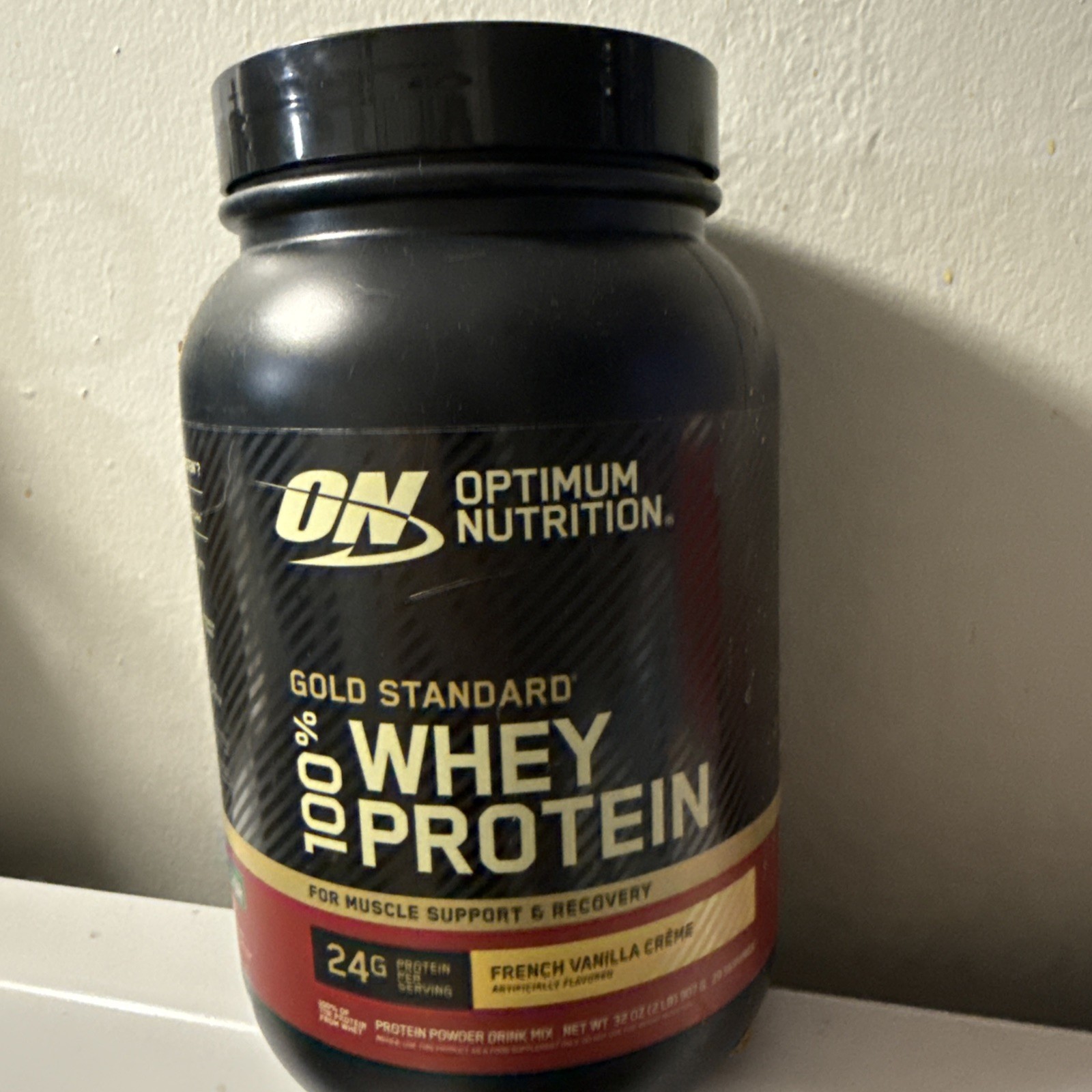
Optimum Nutrition Whey Protein

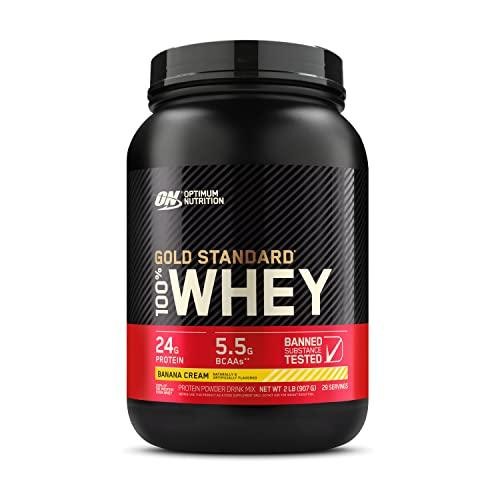
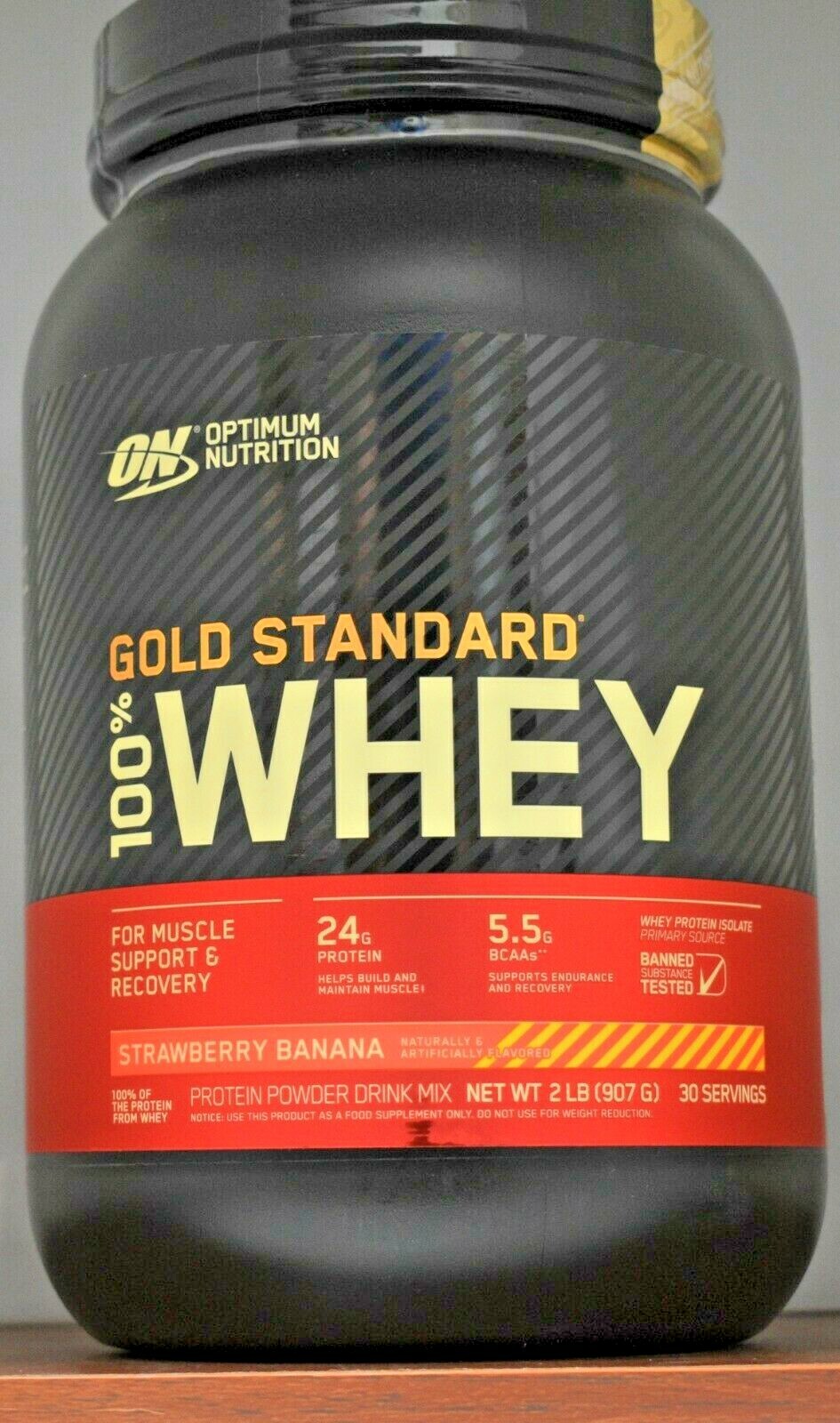
Optimum Nutrition Whey Protein is a flavored whey-based powder used to increase daily protein intake, built around whey isolate, concentrate, and peptide blends rather than a single ingredient. The core trade-off is protein-per-scoop and mixability against cost and lactose load: Gold Standard 100% Whey blends isolate, concentrate, and peptides for broad value, while all-isolate formulas raise the protein share and lower carbs and lactose. Choose by label protein per serving and scoop size, not by flavor or tub size.

Buying guide image
Vitamins & Minerals

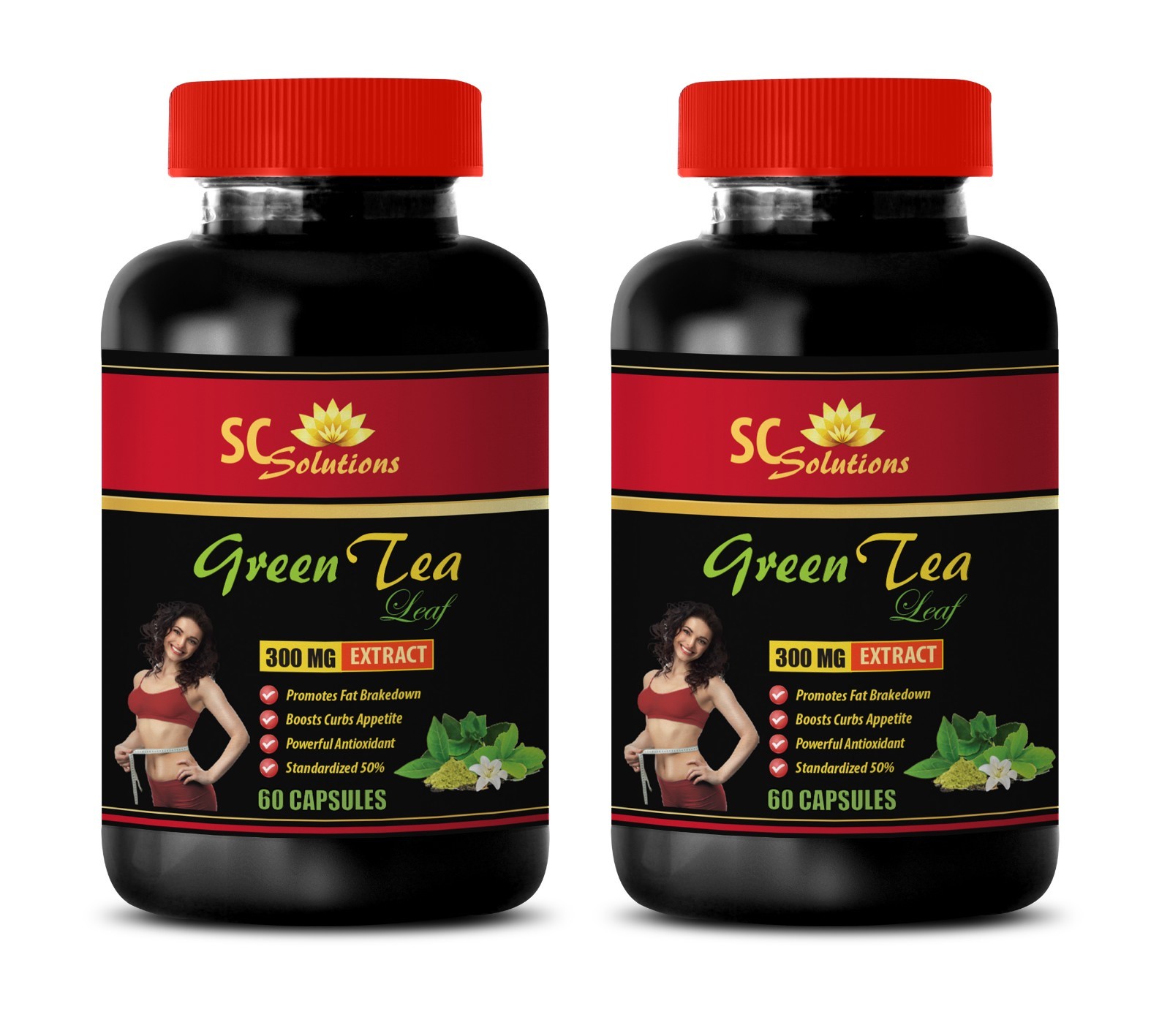
Green Tea Supplement

Green tea supplements deliver concentrated catechins (EGCG) and caffeine, but the market splits sharply between standardized extracts with verified polyphenol percentages and vague 'green tea leaf' blends that list no active markers. The core trade-off is EGCG potency versus caffeine load and liver-safety ceiling: a 300–500 mg extract at 50–98% EGCG is a different product class than 1,000 mg of whole-leaf powder. Buy only when the label states EGCG percentage per capsule and the decaffeinated status; skip any product whose front label leads with weight-loss or appetite-suppressant claims over the standardized extract number.

Buying guide image
Vitamins & Minerals

Vitamin D Supplement

Vitamin D supplements are cholecalciferol (D3) or ergocalciferol (D2) products used to correct or prevent insufficiency, and the core trade-off is between dose accuracy, carrier oil absorption, and form (D3 vs D2, capsule vs tablet vs softgel). The decisive rule: choose D3 in a fat-based softgel or oil-filled capsule at a labeled IU you can titrate, and avoid chalky D2 tablets or 'bone health' combo products whose D dose is too low to move blood levels.

Buying guide image
Protein Nutrition

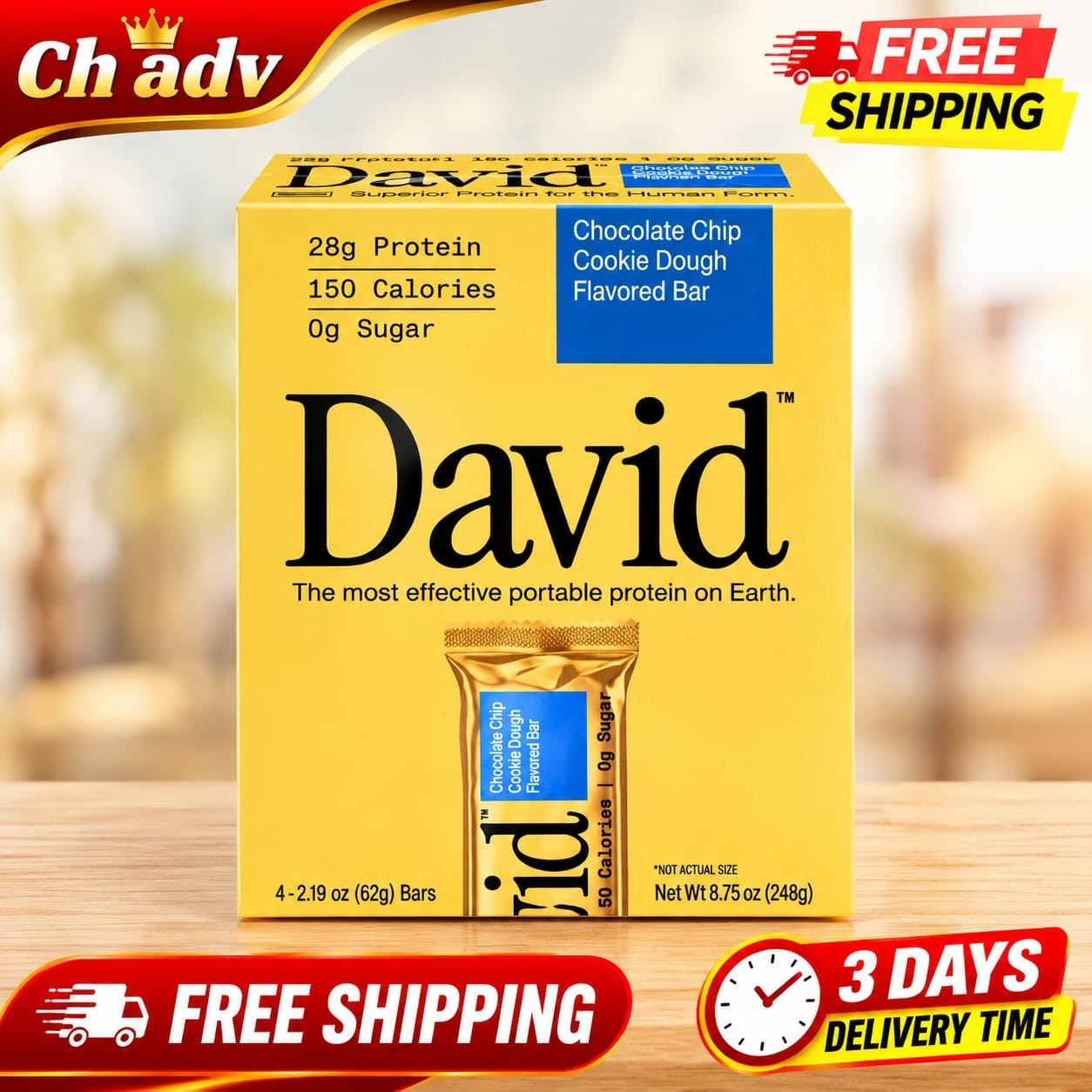
Protein Bar

Protein bars are engineered snack foods where protein source, carbohydrate binder, and fiber system dictate both macro profile and texture stability. The core trade-off is between high-protein density (whey/collagen isolates, 20-30g per bar) and whole-food palatability (nut/date bases, lower protein). Durable, label-transparent options list complete protein sources and fiber types; compromise bars hide collagen or sugar-alcohol loads behind front-label claims.

Buying guide image
Sleep & Stress Supplements

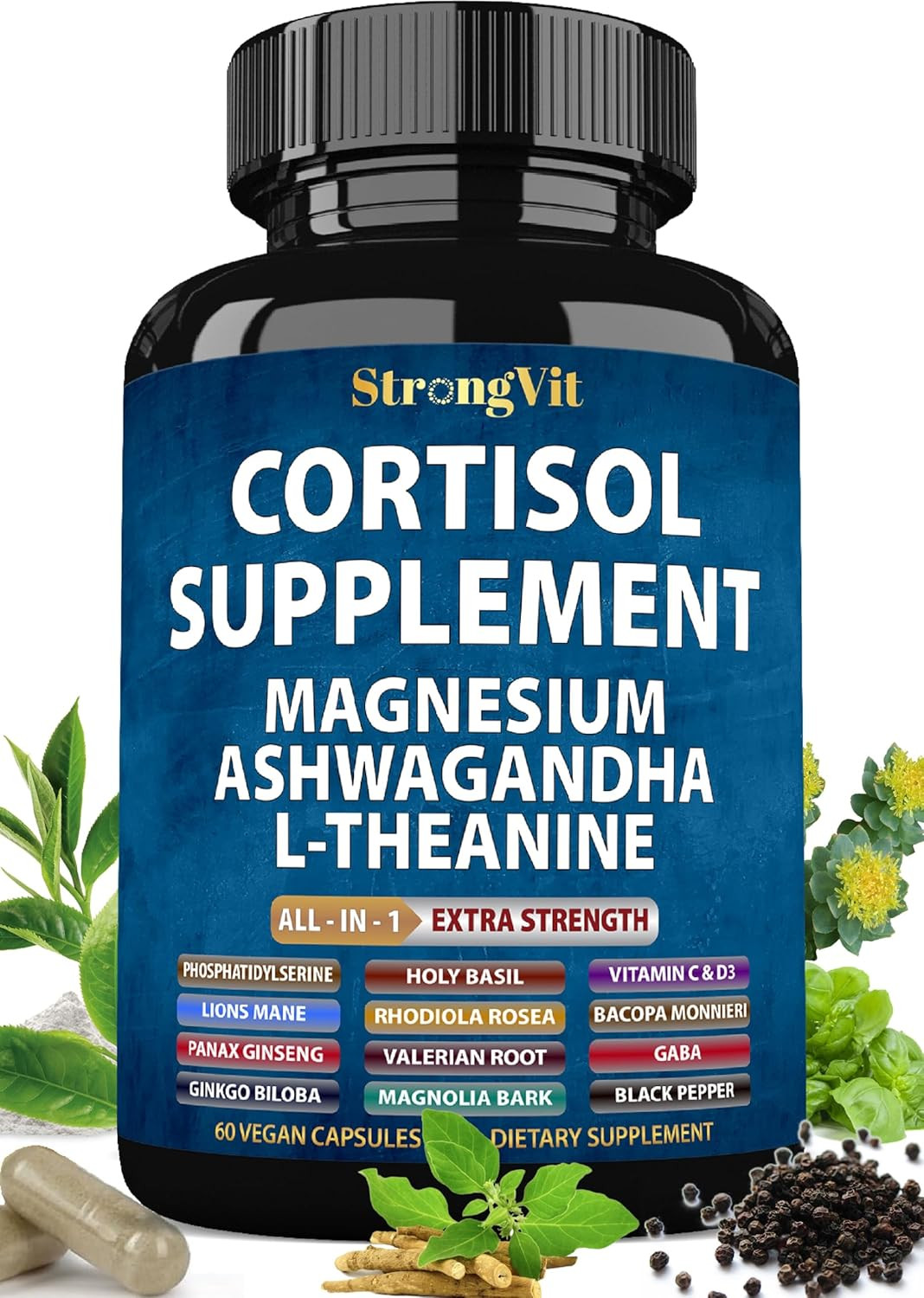
Cortisol Supplement

Cortisol supplements are adaptogen-based formulas marketed to modulate the stress hormone cortisol, typically combining ashwagandha, magnesium, and L-theanine to support calm energy and sleep. The core trade-off is between proprietary blends that hide doses and standardized, clinically studied extracts—only the latter let you match research-backed thresholds. Choose standardized extracts with disclosed milligram amounts; skip undisclosed blends and stimulant-laced 'cortisol blockers' that trade a short buzz for adrenal strain.

Buying guide image
Vitamins & Minerals

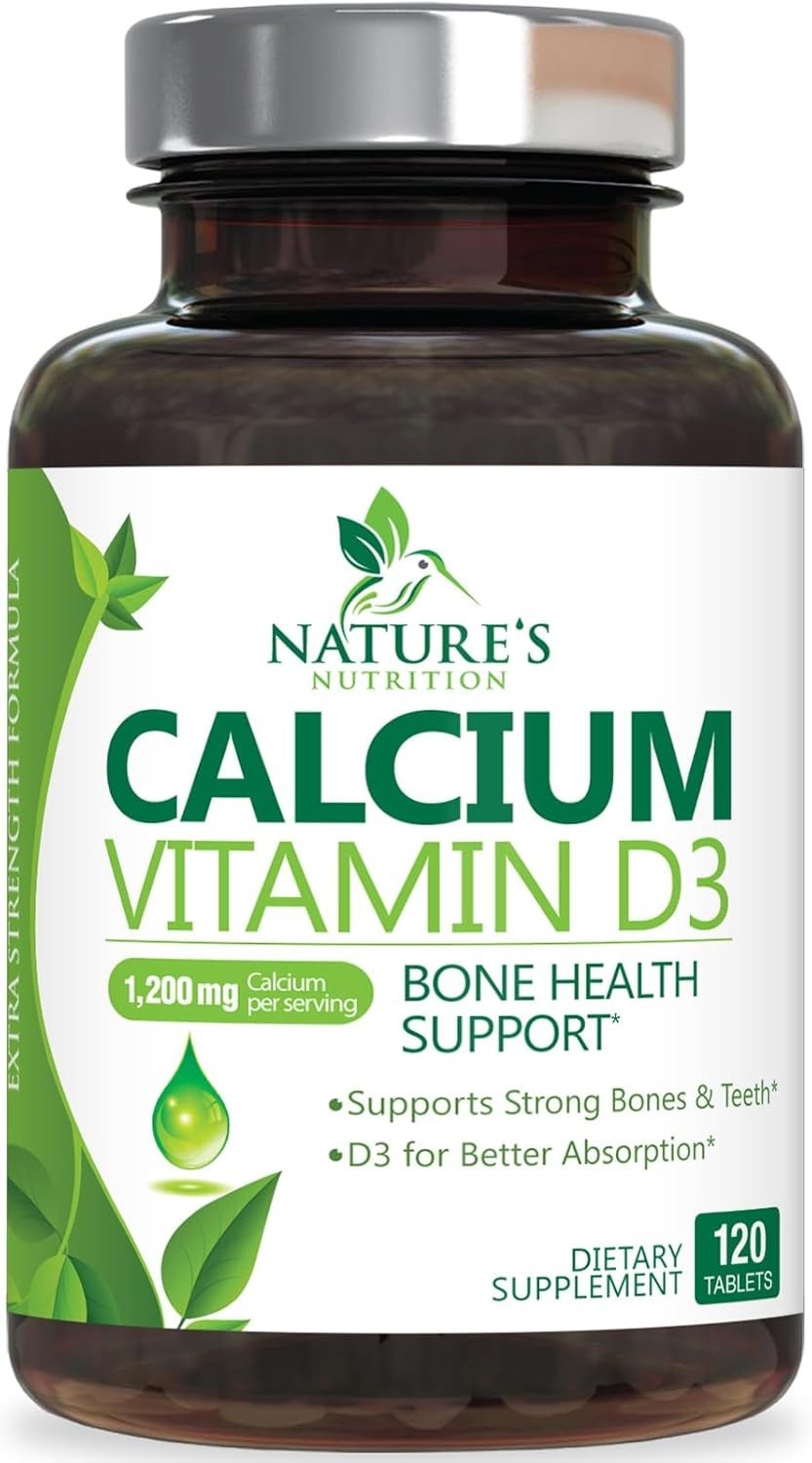
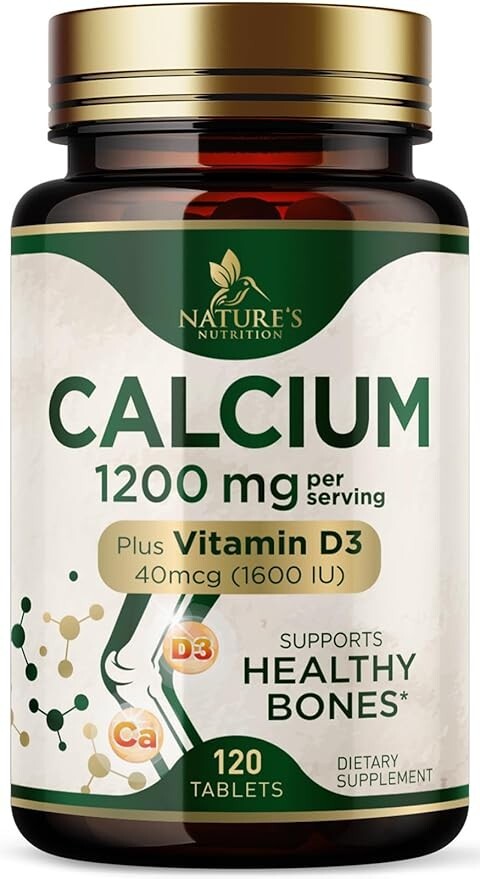
Bone Vitamin

Bone vitamins combine calcium, vitamin D3, and often vitamin K2 or magnesium to support bone mineral density and reduce fracture risk. The primary trade-off is between calcium carbonate (cheap, high elemental calcium, needs stomach acid) and calcium citrate (better absorbed without food, lower elemental calcium per pill), plus the form and dose of D3 and K2. Choose carbonate with food for cost efficiency if you have normal stomach acid; choose citrate, D3+K2, and magnesium if you have low acid, take acid reducers, or want a comprehensive bone matrix formula.

Buying guide image
Vitamins & Minerals

Daily Vitamin Women

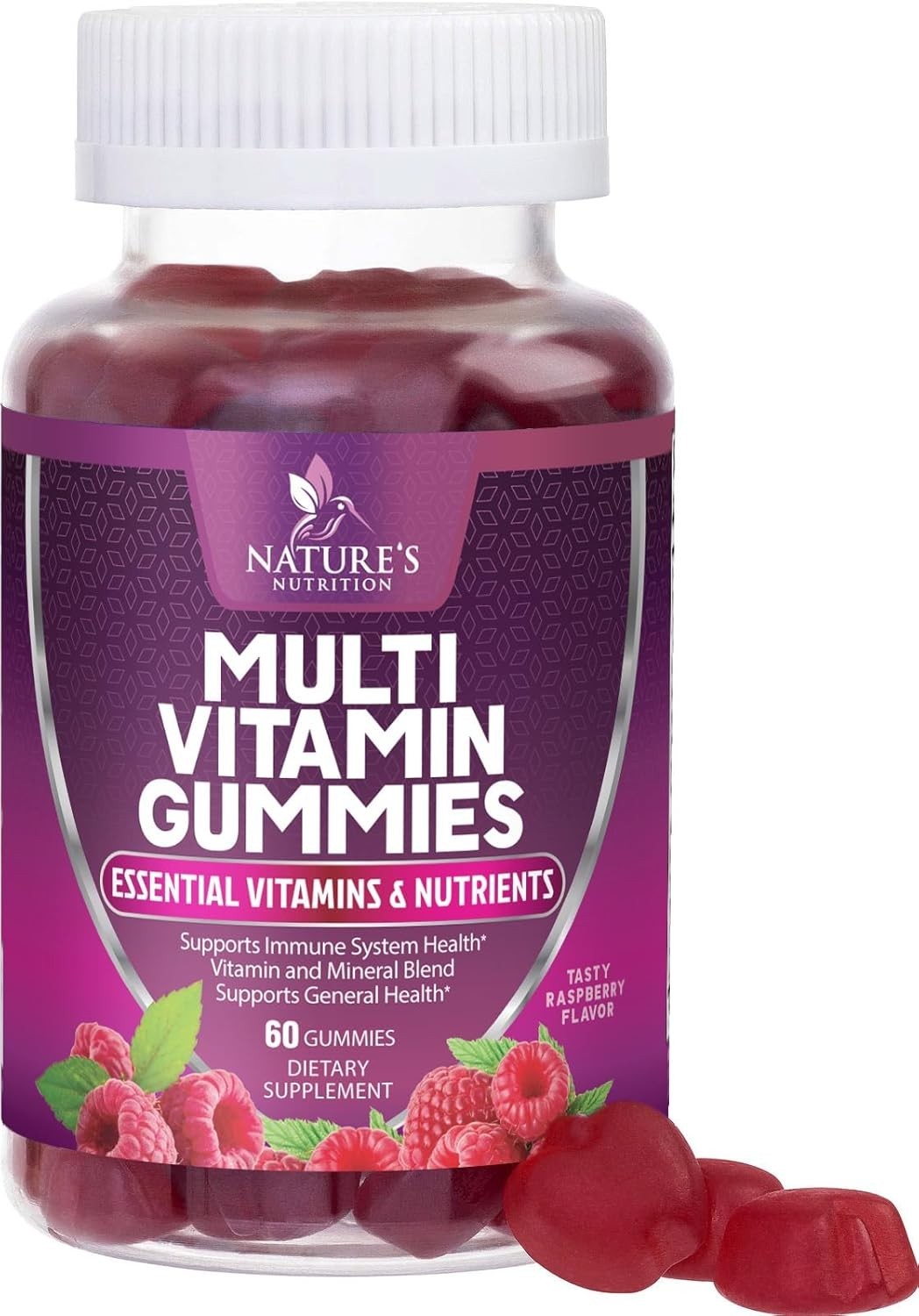
Daily vitamins for women are multivitamin-mineral formulas dosed to close common nutrient gaps—iron, folate, calcium, vitamin D—rather than to deliver megadoses. The key trade-off is form (tablet, capsule, softgel, gummy) versus label accuracy: gummies and softgels often underdeliver iron and calcium, while tablets/capsules can pack full doses but need stomach tolerance. Choose a tablet or capsule with third-party verification and ≥100% DV of D, B12, and folate if you need iron and full mineral coverage; choose a gummy only if you accept lower mineral content and prioritize adherence.

Buying guide image
Vitamins & Minerals

Zinc

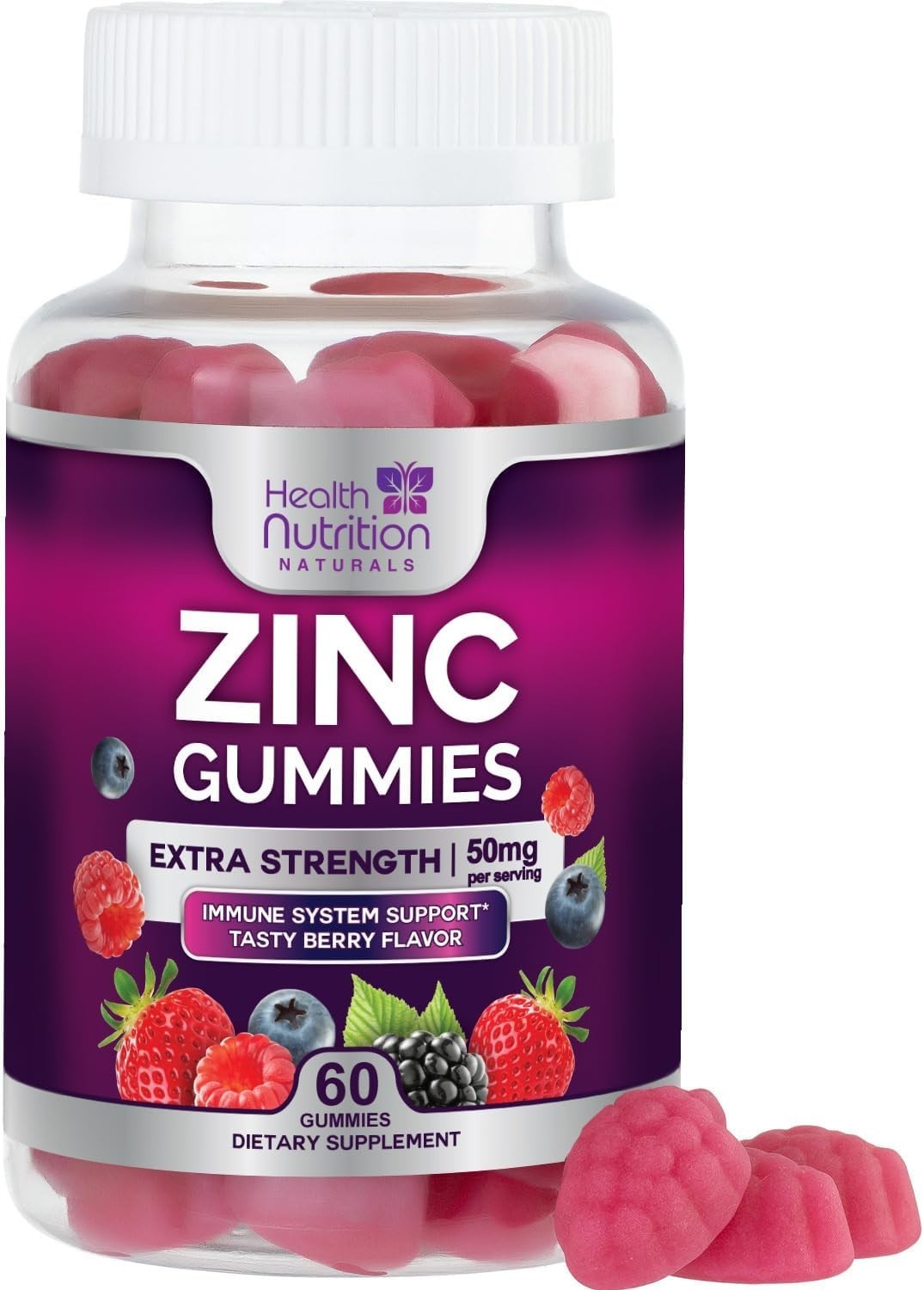
Zinc is an essential trace mineral sold as standalone supplements or in multivitamin blends, with the primary trade-off being elemental dose versus absorption form and stomach comfort. Durable, well-absorbed options use chelated zinc (picolinate, glycinate, citrate) at 15–30 mg elemental, while high-potency 50 mg oxide tablets are cheap but poorly absorbed and often nauseating. The clear decision rule: choose chelated forms at 15–30 mg for daily maintenance, and reserve 50 mg only for short-term therapeutic use under guidance.

Buying guide image
Protein Nutrition

Gold Standard Protein Powder

Gold Standard 100% Whey is a whey protein blend (whey isolate, concentrate, and peptides) used for post-workout recovery and daily protein supplementation. The primary trade-off is protein source purity (isolate vs. blend) versus cost per serving and flavor variety; buyers should prioritize a whey isolate-dominant blend with third-party testing for banned substances and a complete amino acid profile, and avoid proprietary blends with undisclosed protein sources or added fillers.

Buying guide image
Vitamins & Minerals

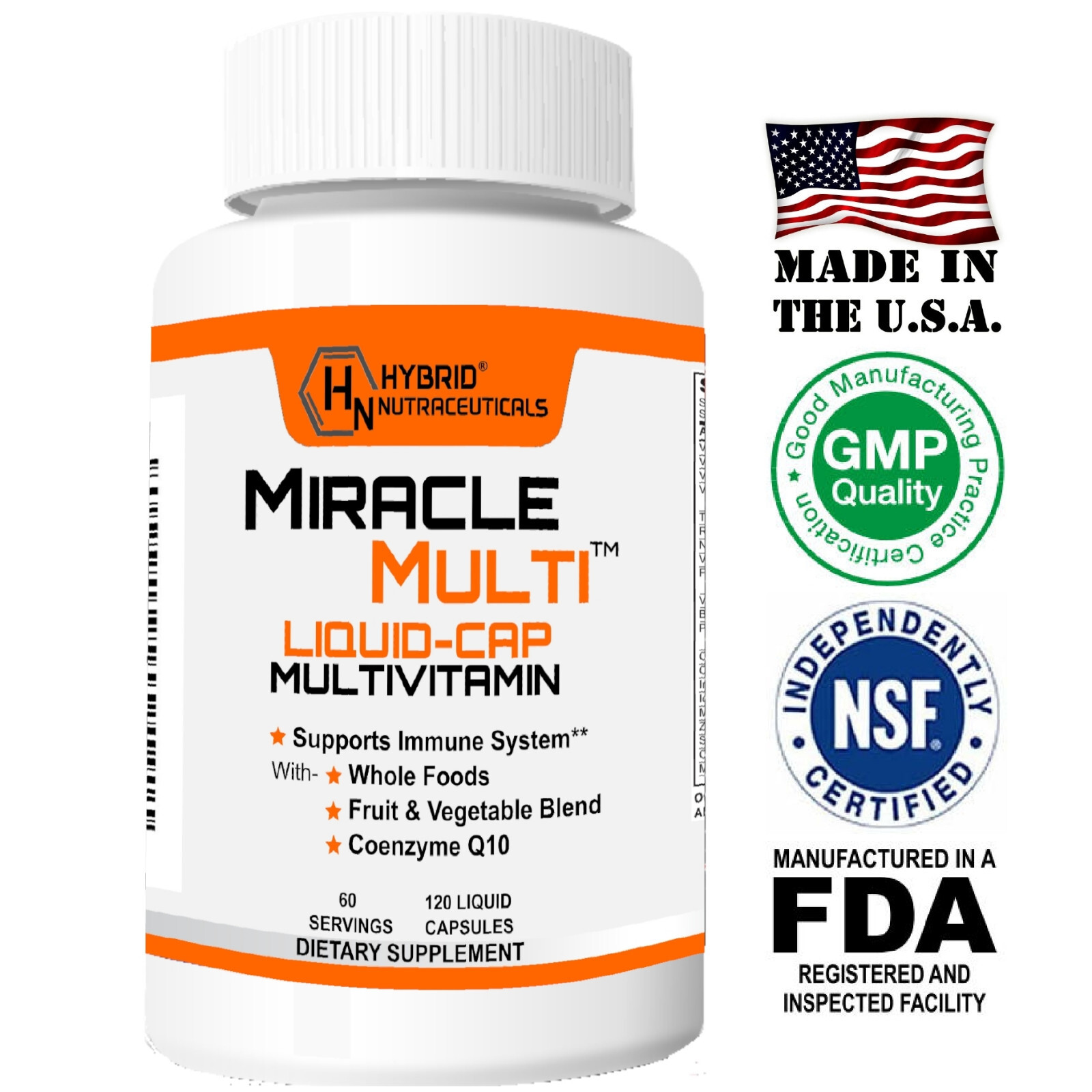
Daily Multivitamin Men

A men's daily multivitamin is a once-daily supplement formulated to close nutrient gaps in the male diet, with the main trade-off being absorbable, bioavailable forms at clinical doses versus underdosed, poorly absorbed compounds that just hit label minimums. The decision rule: choose products that disclose actual elemental mineral amounts, use chelated or active vitamin forms, and match the formula to your age band and diet; skip any label that hides behind 'blends' or totals without potency.

Buying guide image
Vitamins & Minerals

Berberine Supplement

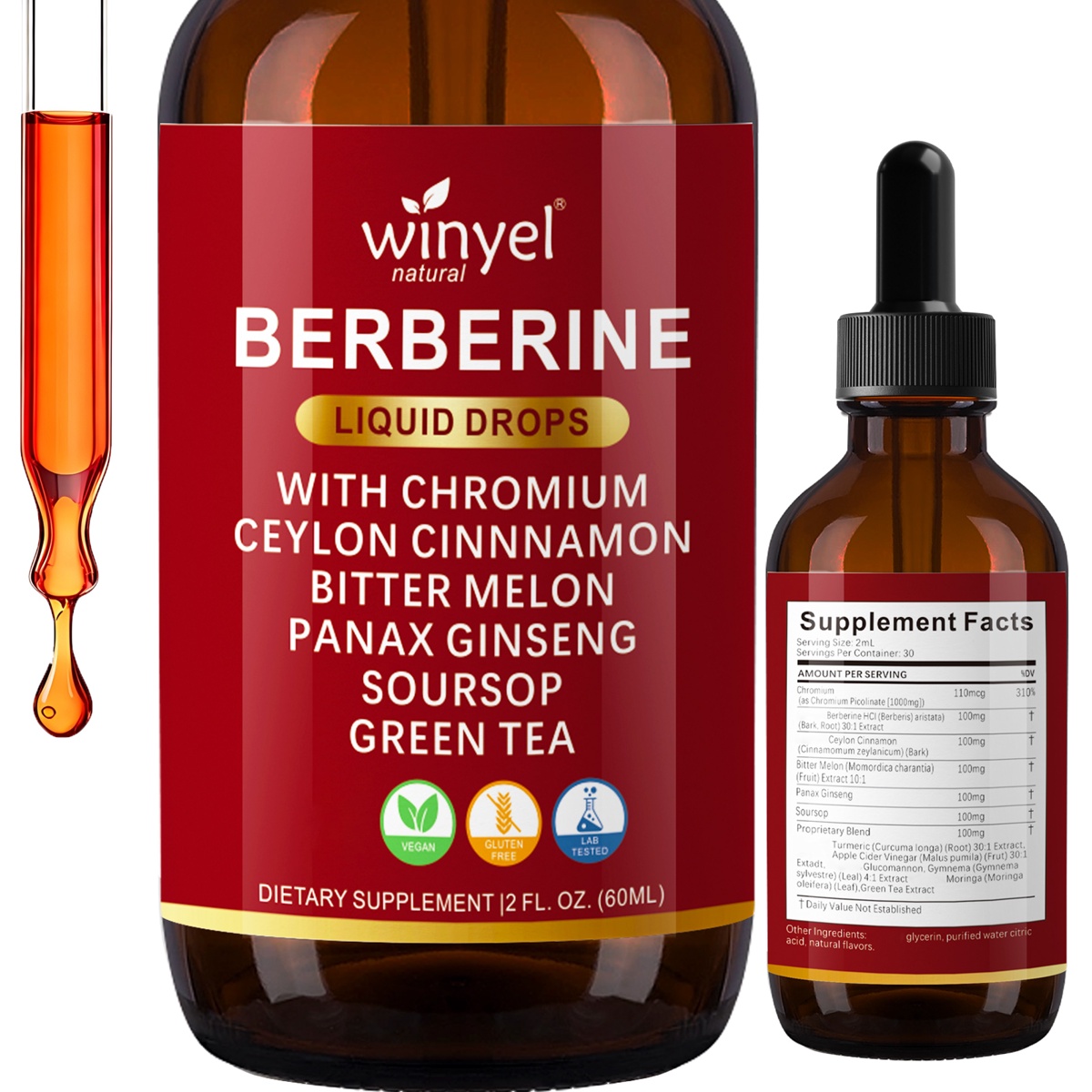
Berberine supplements are botanical extracts standardized to the alkaloid berberine, typically delivered as berberine HCl or berberine phytosome in capsule or liquid form. The core trade-off is extract purity and standardization versus multi-ingredient 'kitchen-sink' blends that dilute the active dose. Choose a product that states a standardized berberine percentage and a per-serving elemental dose; skip blends where berberine appears after several other herbs in the ingredient list.

Buying guide image
Protein Nutrition

Optimum Nutrition Gold Standard Whey Protein

Gold Standard Whey is a whey protein isolate/concentrate blend built on a 24g protein, 5.5g BCAA per-scoop profile, with durability defined by its sealed tub, scoop consistency, and blend ratio rather than flavor marketing. The core trade-off is isolate-heavy fast absorption and mixability versus concentrate's lower cost and slight lactose load—buyers paying for leanness should choose isolate-dominant tiers, while budget bulk buyers accept concentrate blends. The decision rule: confirm the protein source panel (isolate first vs concentrate first), the tub's factory seal and lot date, and the per-scoop gram weight before choosing flavor or size.

Buying guide image
Sleep & Stress Supplements

Stress Anxiety Supplement

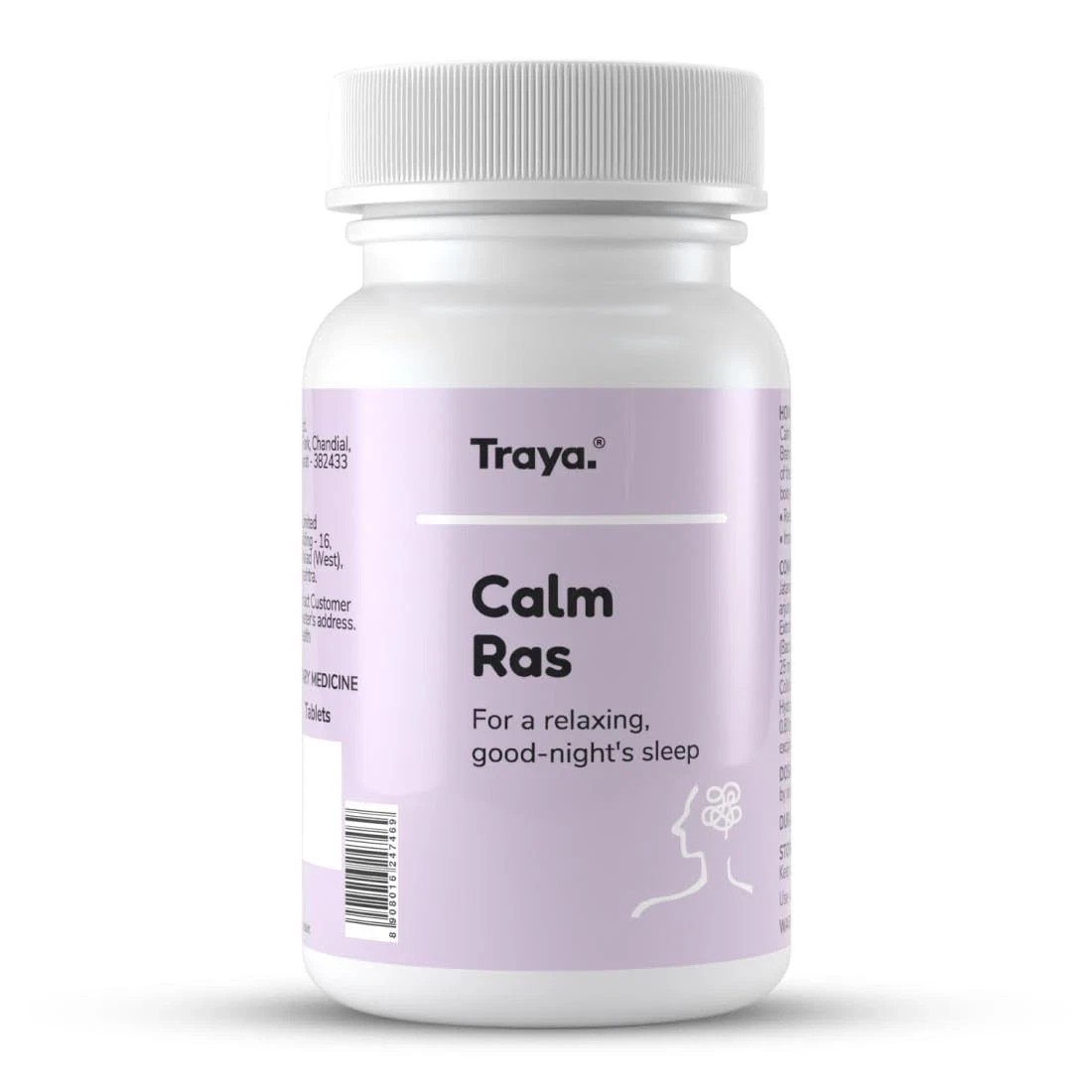
Stress and anxiety supplements are oral formulations centered on magnesium, adaptogens, or Ayurvedic blends that aim to modulate the body's stress response. The core trade-off is between single-ingredient mineral supplements with standardized elemental dosing and multi-herb proprietary blends with variable extract ratios. Choose single-ingredient minerals or standardized extracts when you need verifiable potency; treat unstandardized proprietary blends as speculative until the label discloses extract ratios and elemental yield.

Buying guide image
Vitamins & Minerals

Berberine

Berberine is an alkaloid supplement sold as a metabolic-support aid, primarily for blood-sugar and lipid management, with weight-loss marketing layered on top. The core trade-off is between standalone high-purity berberine (typically berberine HCl) and multi-ingredient blends that dilute per-serving berberine dose with cinnamon, chromium, or bitter melon. Choose a product that states berberine extract standardization and per-capsule dose; skip blends that hide berberine behind a long 'proprietary' list.

Buying guide image
Protein Nutrition

Equate Protein Shake

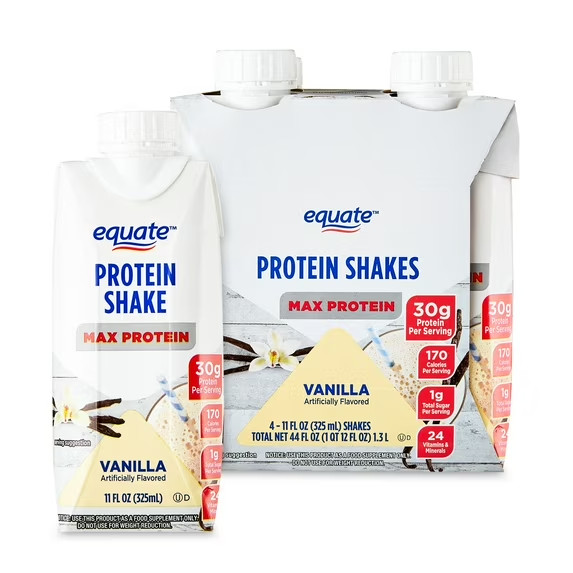
Equate protein shakes are ready-to-drink nutritional beverages sold in 8 oz and 11 fl oz bottles, with the 11 oz 'Max' line delivering higher protein per bottle than the standard line. The core trade-off is protein density versus sugar and calorie load: standard shakes balance protein with lower calories, while Max shakes push protein to 30 g but add sugar and calories. Choose Max only if you need a high-protein meal replacement; choose standard 8 oz for a lighter snack or post-workout top-up.

Buying guide image
Protein Nutrition

Optimum Nutrition Whey Gold Standard

Optimum Nutrition Gold Standard 100% Whey is a whey protein blend built on whey isolate as the primary source, with whey concentrate and peptides rounding out the formula. The core buying trade-off is protein-per-scoop and mixability versus cost per serving: isolate-dominant blends dissolve cleaner and deliver more protein per calorie, while concentrate-heavy formulas foam and carry more lactose. The decisive rule is simple—buy Gold Standard for its isolate-first blend and third-party testing reputation, but size your tub by serving count per week, not by label weight.

You may also like

Finding more guides for you…