Health Stack Guide

Health Stack Guide

Nutrition & Supplements Reviews & Buying Guides

Compare nutrition & supplements by use case, features, trade-offs, price, returns, and seller terms before you buy.

Buying guides

Buying guide image
Vitamins & Minerals

Hair Vitamin Women

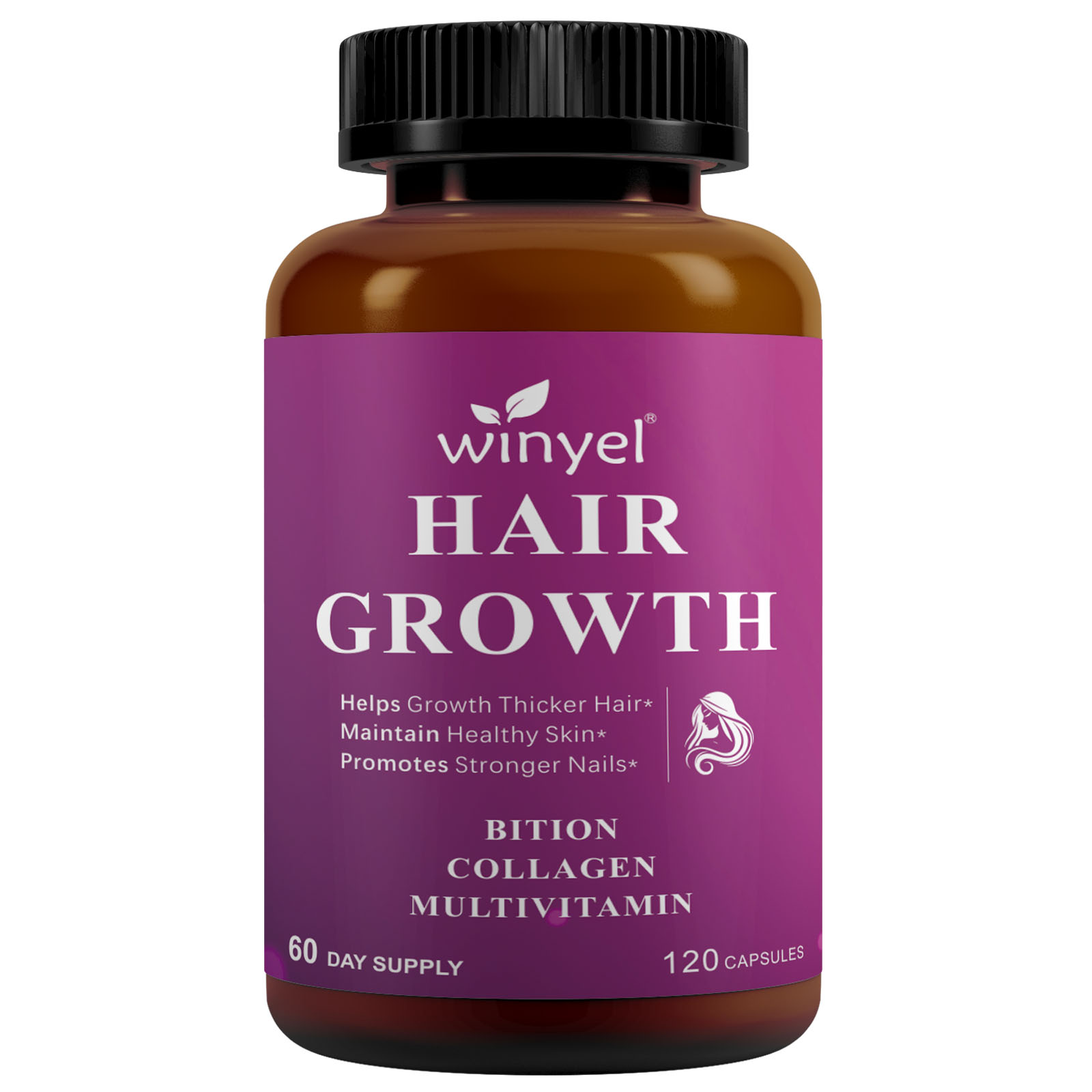
Hair vitamins for women are oral supplements combining biotin, collagen, keratin, and cofactors marketed to support the hair growth cycle, thickness, and strand strength. The core trade-off is between high-dose single-nutrient formulas (cheap but often over-dosed biotin) and balanced multi-nutrient complexes with clinically relevant cofactors like iron, zinc, and vitamin D. The clear decision rule: pick a formula that lists absolute elemental doses per serving and includes iron/zinc/vitamin D, and skip any product that hides behind a proprietary blend or exceeds 10,000 mcg biotin without medical supervision.
Buying guide image
Vitamins & Minerals

Energy Vitamin Men

Energy vitamins for men are dietary supplements marketed to support daily vitality, typically combining B-complex vitamins, caffeine, or adaptogens with a base multivitamin. The key trade-off is between stimulant-driven quick energy (caffeine, guarana) and nutrient-repletion formulas (B12, iron, magnesium) that address deficiency-related fatigue; stimulant blends risk jitters and tolerance, while repletion formulas only help if you are actually deficient. The decision rule: choose a third-party-tested B-complex or multivitamin if your diet is inconsistent, and skip proprietary stimulant blends unless you need acute pre-workout or pre-shift alertness.

Buying guide image
Protein Nutrition

Whey Protein Drink

Whey protein drinks span ready-to-drink (RTD) shakes and powders blended with water, differing mainly in protein source (concentrate vs isolate), filtration purity, and added carbs/fats. The core trade-off is convenience versus macro efficiency: RTDs deliver portioned, shelf-stable protein but often carry stabilizers and sugars, while powders give higher protein-per-calorie and dose flexibility. Choose an RTD for grab-and-go post-workout or meal replacement, and a powder for customizable, cost-efficient daily protein targets.

Buying guide image
Protein Nutrition

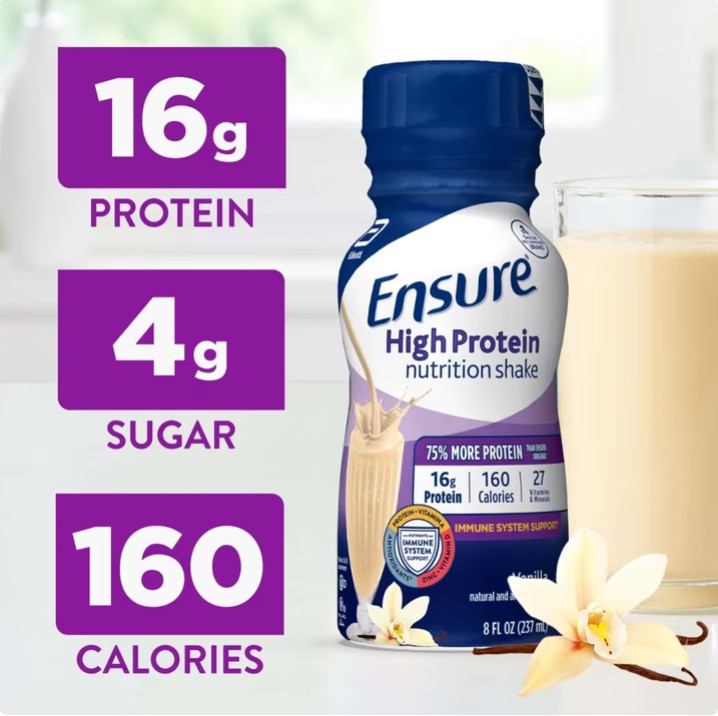
Ensure High Protein Shake

Ensure High Protein Shakes are ready-to-drink nutrition shakes delivering 16–30 g of protein per bottle, designed for meal supplementation and post-workout recovery. The key trade-off is protein density versus sugar and fiber content: the classic 8 fl oz line offers 16 g protein with low sugar, while the 18 fl oz 'Max Protein' variant reaches 30 g but adds more calories and sugar. Buy the 8 oz 24-pack for daily maintenance and portion control; choose the 18 oz only if you need a full meal replacement.

Buying guide image
Protein Nutrition

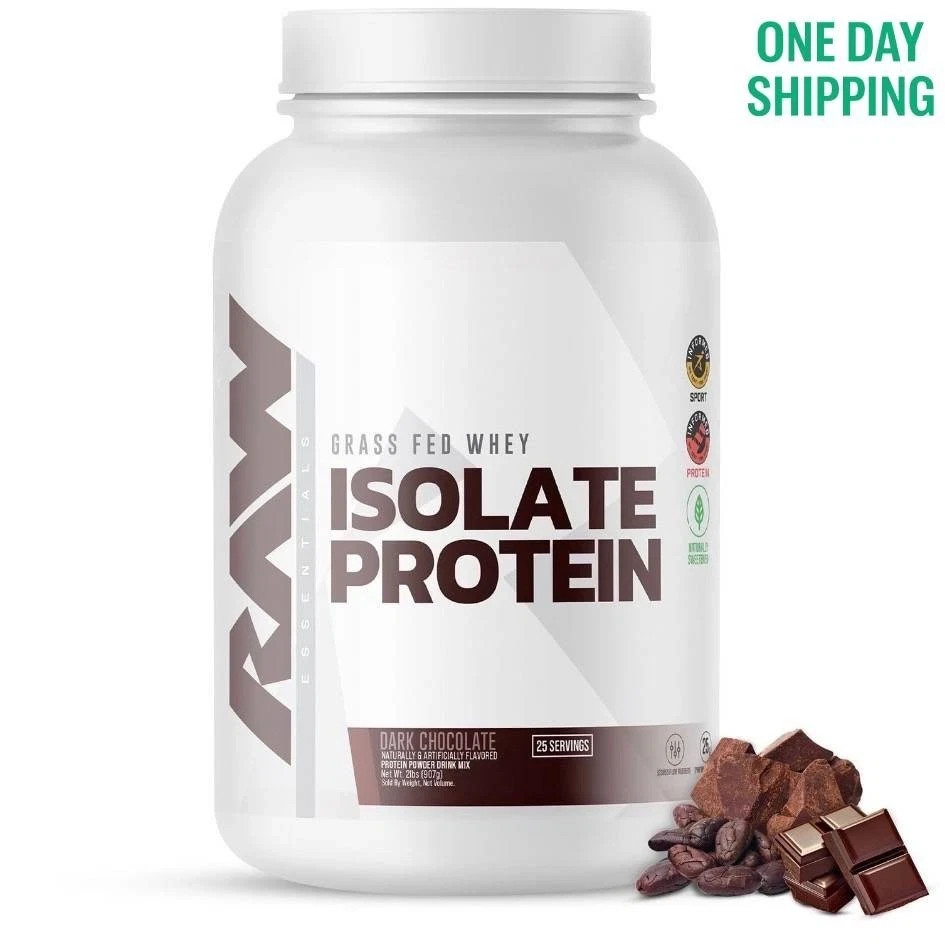
Raw Nutrition Protein

Raw Nutrition protein refers to the brand's ready-to-drink shakes and grass-fed whey isolate powders, built around fast-digesting protein for post-workout recovery. The core trade-off is convenience (RTD) versus cost-per-serving and formulation control (powder isolate). Buy the RTD only for on-the-go dosing; buy the grass-fed isolate powder when you want 25g protein per scoop with minimal carbs and fat.

Buying guide image
Probiotics & Digestion

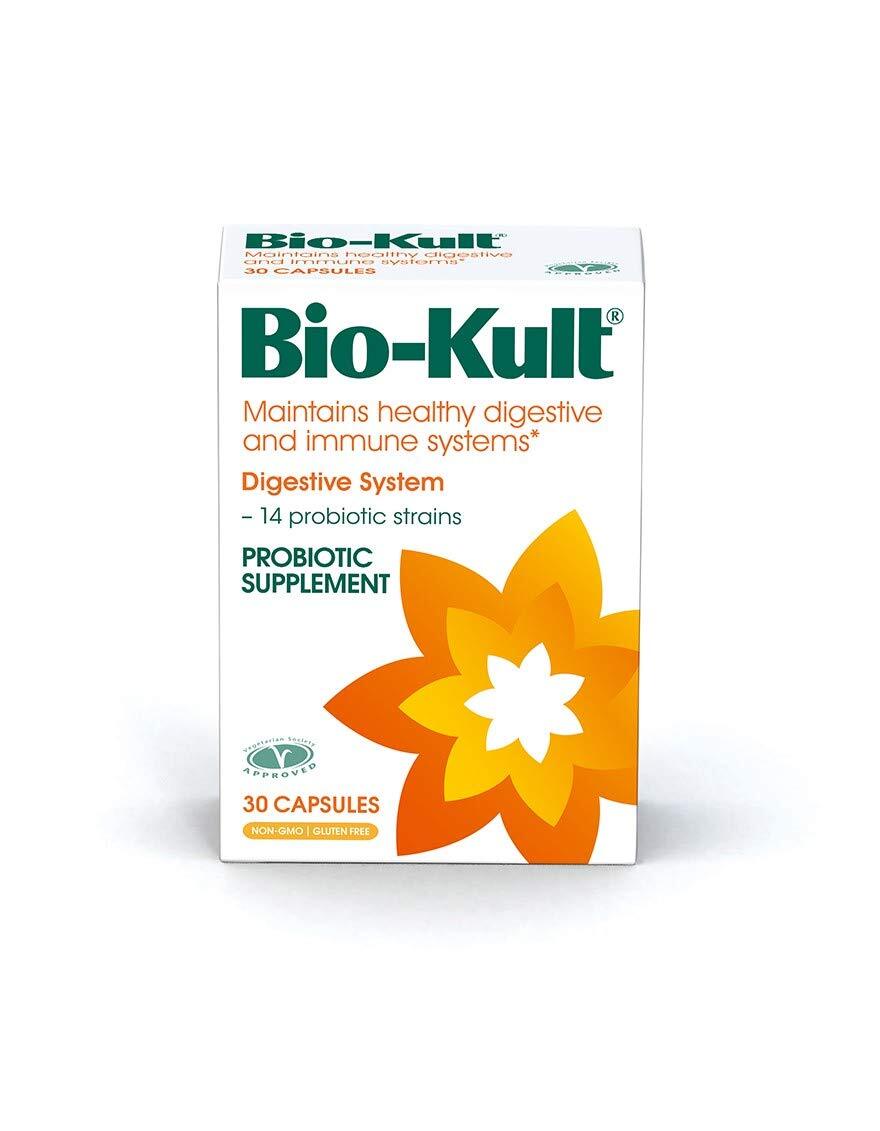
Natural Probiotic

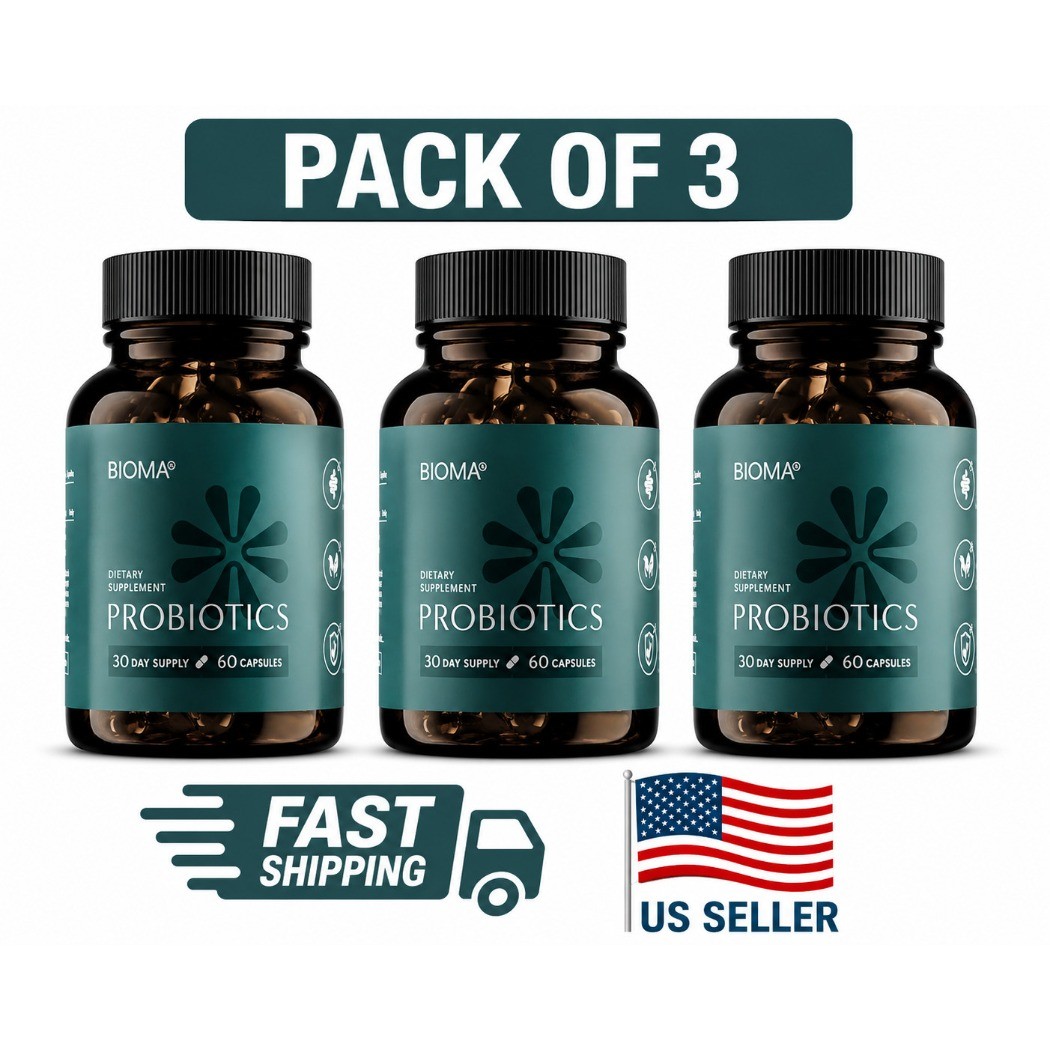
Natural probiotics are live microbial supplements that support digestive and immune health without synthetic additives, but their efficacy hinges on strain specificity, CFU count at expiry, and delivery format. The core trade-off is between high-CFU multi-strain capsules with delayed-release technology and simpler single-strain powders or tablets that may lack acid resistance. Choose a product with documented strains, a guaranteed potency through expiration, and third-party testing; avoid vague 'proprietary blends' and unverified CFU claims.

Buying guide image
Vitamins & Minerals

Gut Health Vitamin

Gut health vitamins are targeted micronutrient and probiotic formulas meant to support digestive lining integrity, motility, and microbiome balance—not general multivitamins. The core trade-off is between single-strain/single-nutrient products with clear dosing versus broad 'gut blend' capsules that hide proprietary blends behind underdosed ingredients. The durable rule: buy formulas that disclose CFU counts at expiry, named probiotic strains, and chelated or active vitamin forms (methylfolate, zinc carnosine, butyrate) rather than vague herbal blends.

Buying guide image
Vitamins & Minerals

Hair Growth Tablet

Hair growth tablets are oral supplements that combine biotin, collagen, saw palmetto, and B-vitamins to support the hair growth cycle, but their efficacy hinges on ingredient form and dose rather than marketing claims. The core trade-off is between high-dose single-nutrient formulas (biotin 10,000–25,000 mcg) that may skew lab tests and multi-ingredient blends that target the follicle environment with saw palmetto or marine collagen. Choose a tablet with clinically studied actives at effective doses and third-party testing; skip proprietary blends that hide ingredient amounts.

Buying guide image
Sports Performance

Creatine Monohydrate Powder

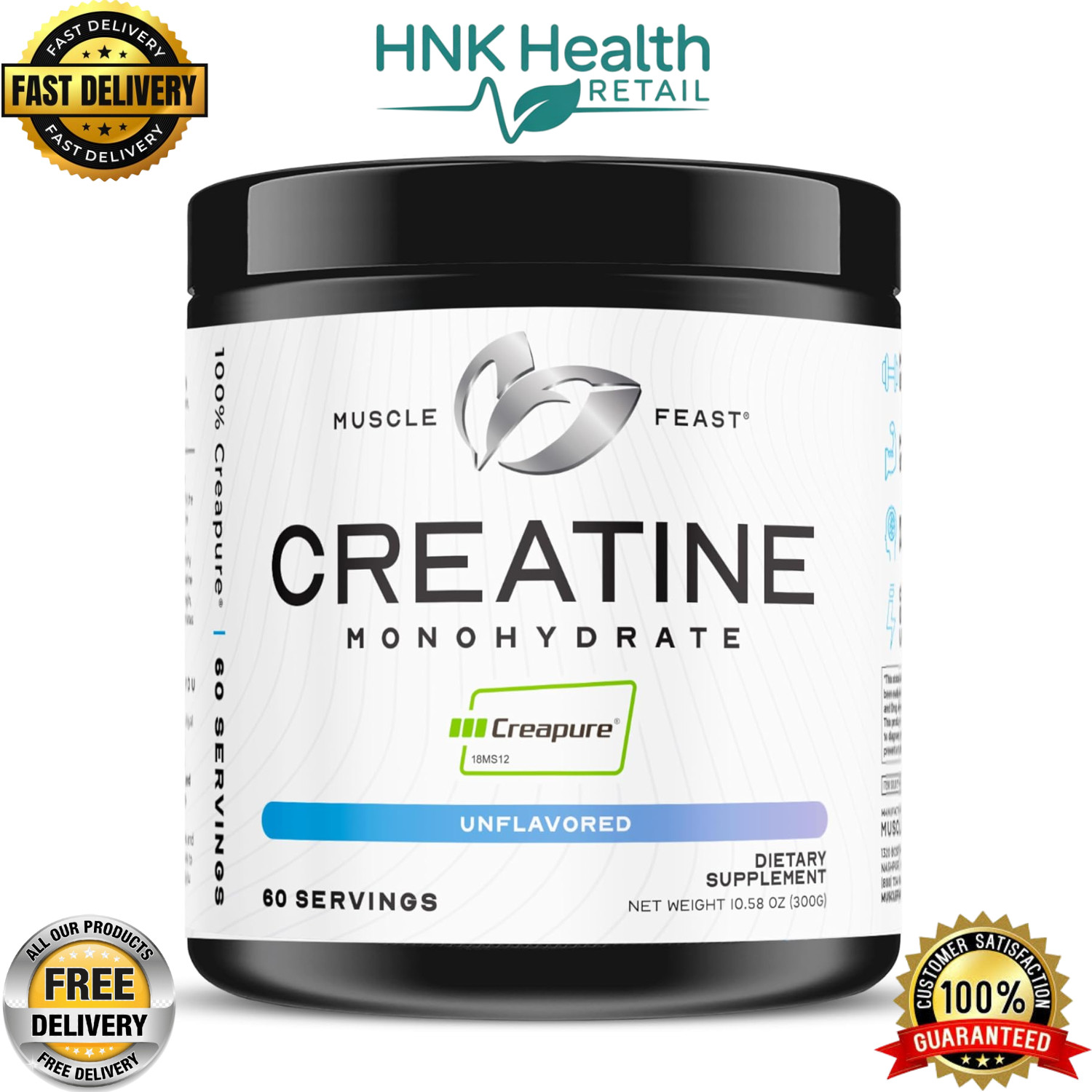
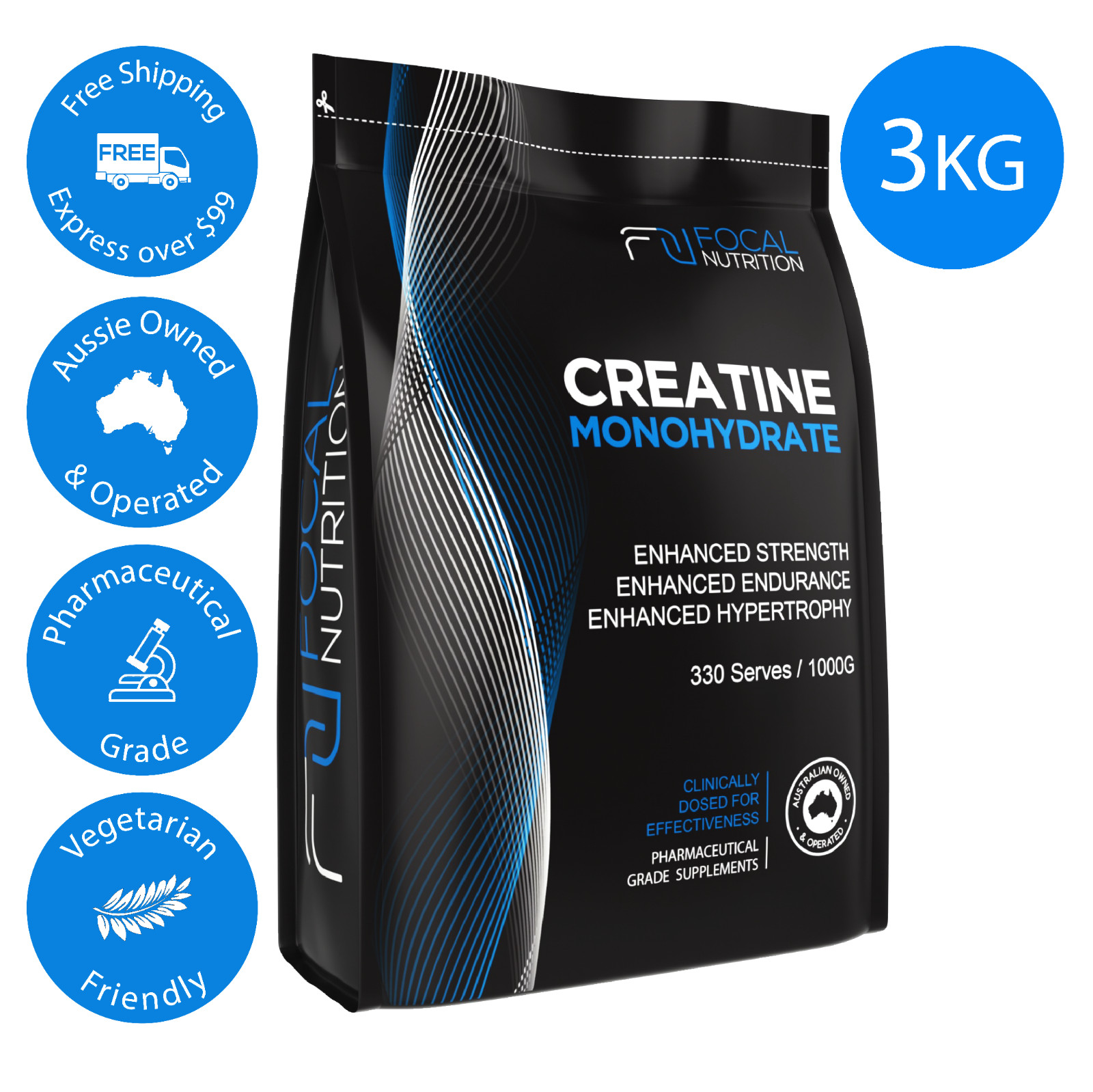
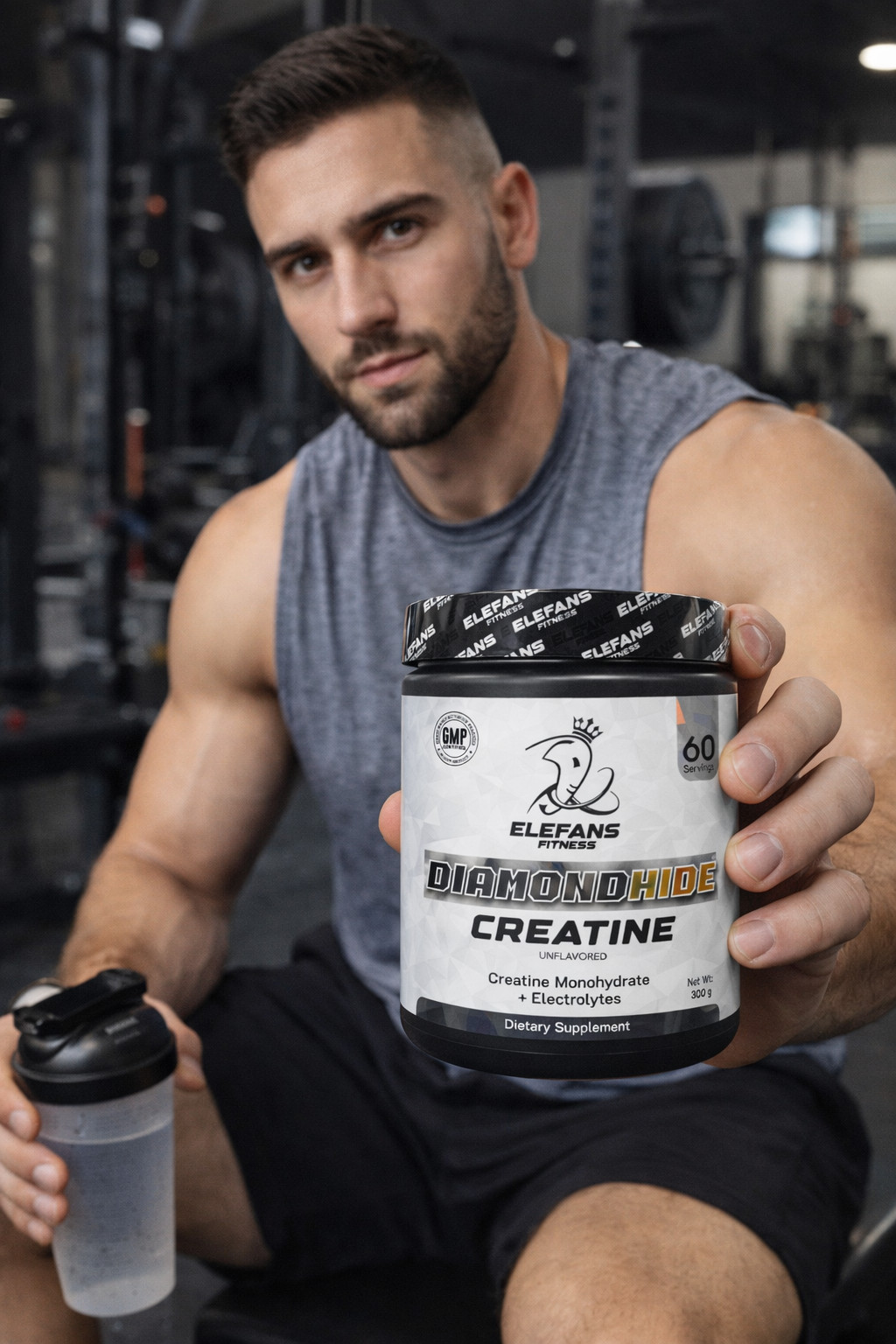
Creatine monohydrate powder is the most evidence-backed strength and muscle supplement, and the main trade-off is raw material grade (Creapure vs generic) and particle size (micronized vs standard) versus cost. Choose Creapure or micronized monohydrate for purity and mixability, and skip gummies or proprietary blends that dose below the 3–5 g clinical threshold.

Buying guide image
Meal Replacement Management

Protein Drink

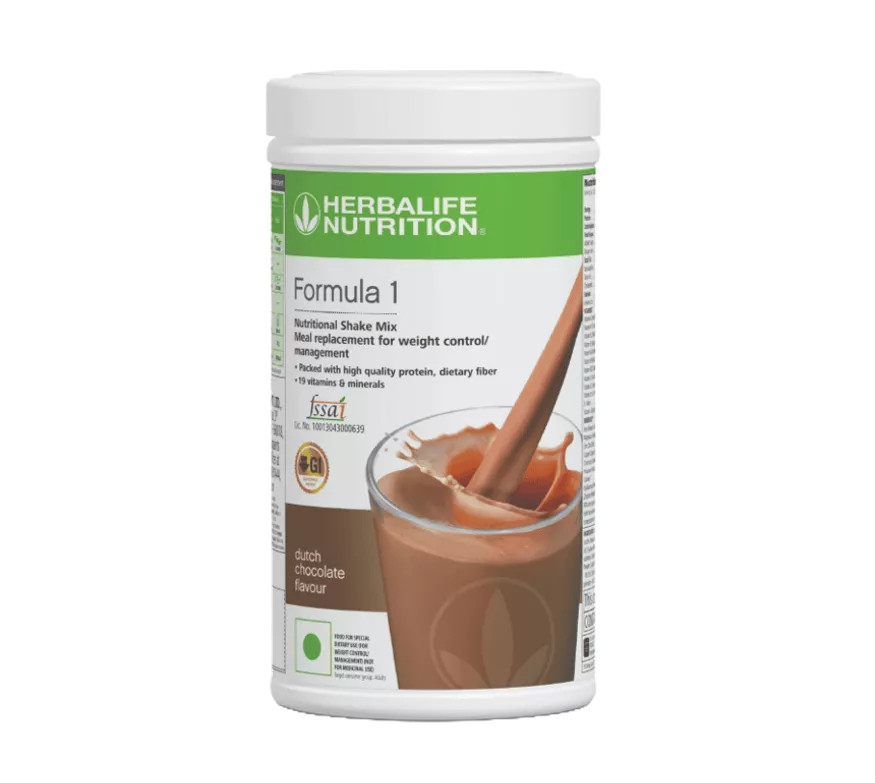
Protein drinks span ready-to-drink shakes, powders, and meal-replacement formulations, and the core trade-off is protein source and density versus added sugar, calories, and micronutrient completeness. The clear decision rule: for weight gain, choose a shake with at least 20 g high-Bioavailability protein (whey or soy) and 200+ calories per serving; for weight management, choose 15–20 g protein with under 5 g sugar and 150–250 calories.

Buying guide image
Meal Replacement Management

Protein Smoothie

Protein smoothies are ready-to-drink (RTD) or powdered meal replacements that deliver 9–30g of protein per serving, with the core trade-off being protein density versus added sugar and artificial ingredients. Durable, effective options are those with 20g+ protein, minimal added sugar, and a complete amino acid profile—skip shakes that are mostly sugar or lack key vitamins.

Buying guide image
Protein Nutrition

Nutritional Drink Senior

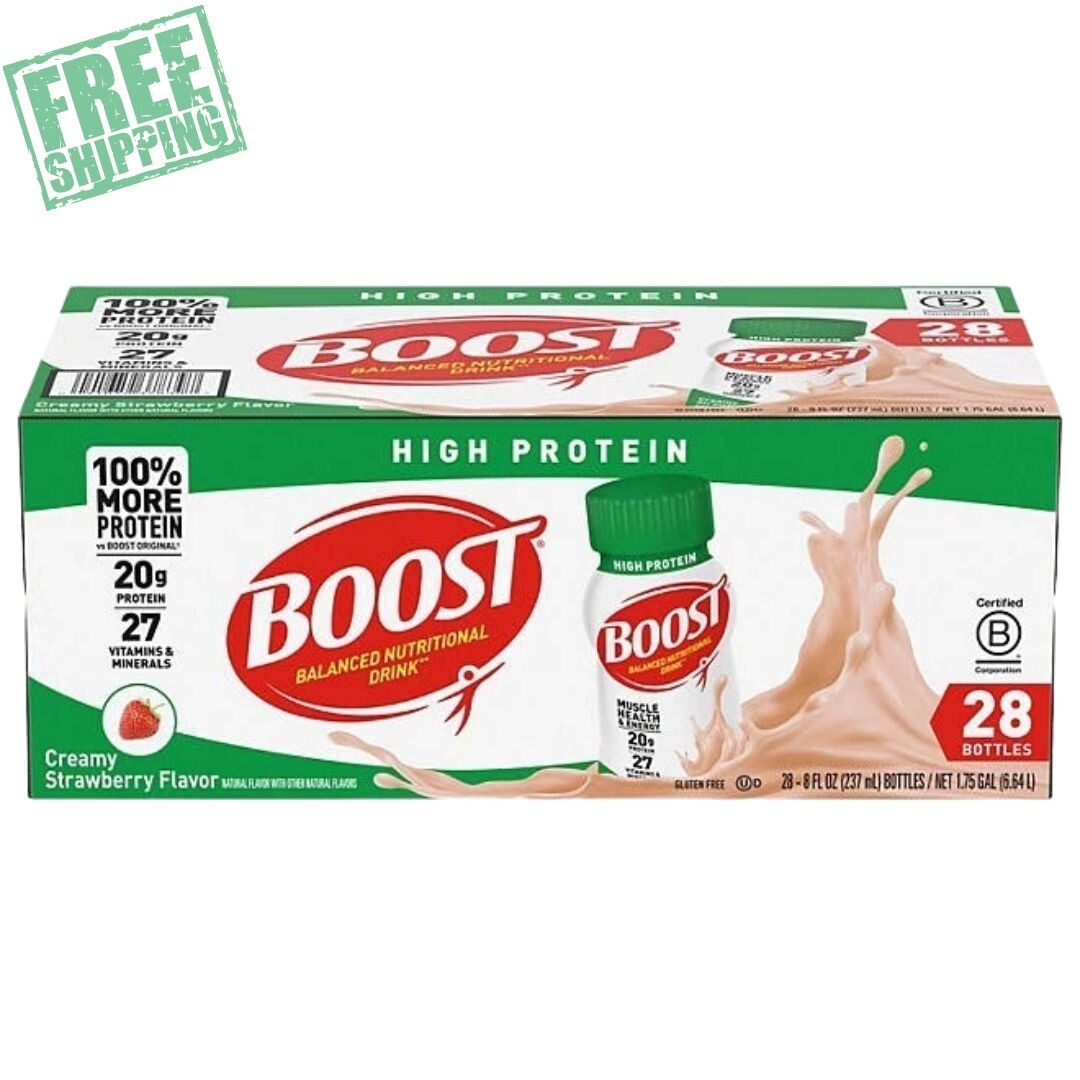
Senior nutritional drinks are meal-replacement or supplement beverages formulated with higher protein, added vitamins, and minerals to address age-related nutrient gaps and muscle loss. The key trade-off is protein density versus glycemic load and volume: high-protein (20g per 8 oz) options support muscle maintenance but may contain added sugars, while lower-protein or organic shakes suit lighter supplementation. Choose based on your daily protein target, sugar tolerance, and whether the drink is a snack or meal replacement.

Buying guide image
Sports Performance

Allmax Nutrition

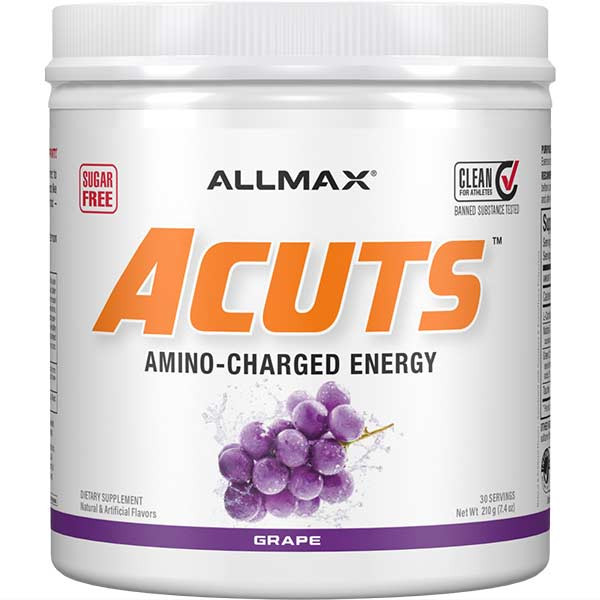
Allmax Nutrition is a supplement brand spanning creatine, recovery aminos, and sleep/electrolyte formulas, where the decisive trade-off is monohydrate purity and dose per serving versus proprietary blends that hide active amounts. Buy single-ingredient products with disclosed 3–5 g creatine or chelated mineral doses; skip flavored blends marketed for 'energy' or 'fat-burning' when you need a measured performance dose.

Buying guide image
Sleep & Stress Supplements

Ashwagandha With Black Pepper

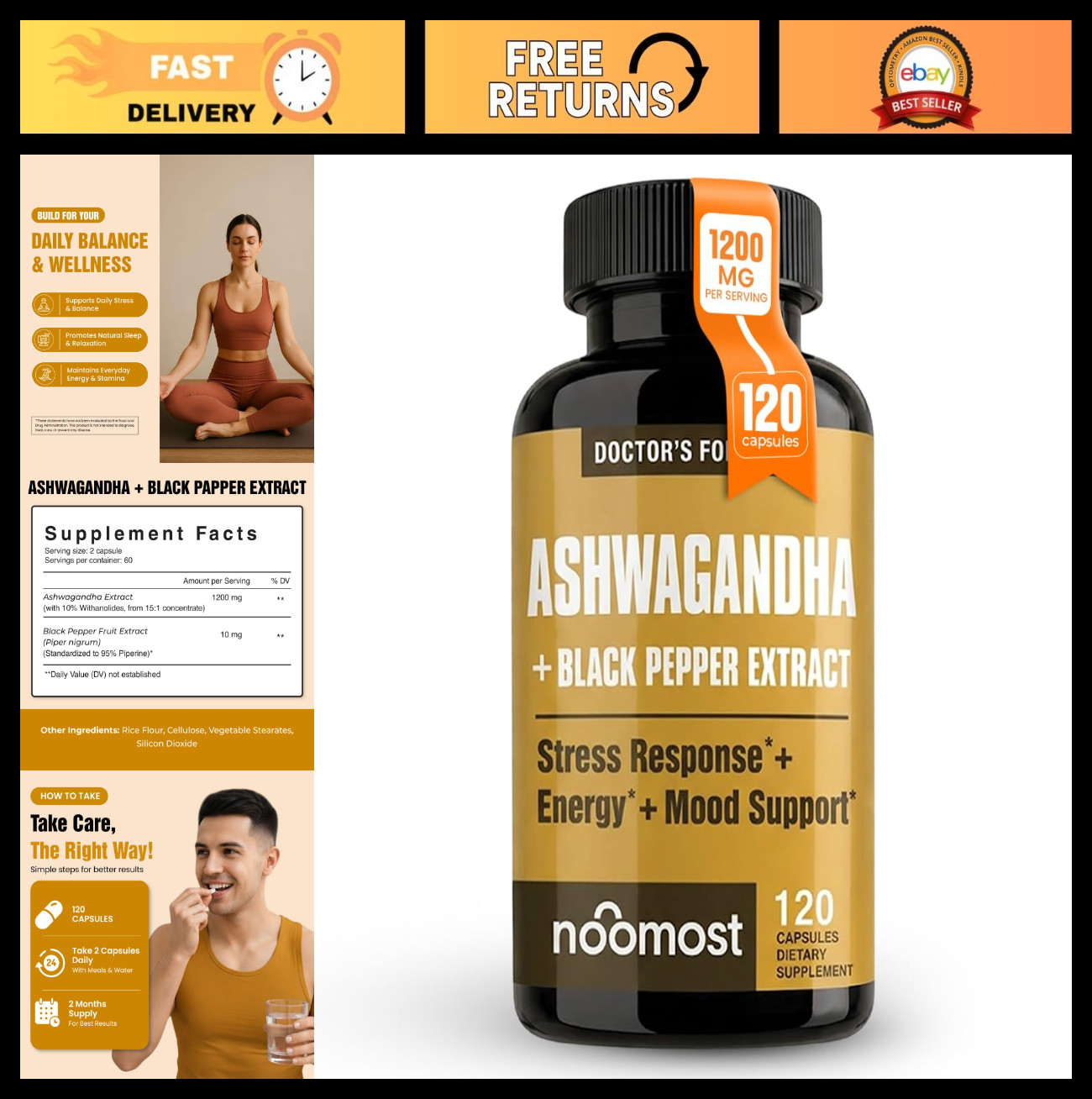
Ashwagandha with black pepper pairs a root extract with piperine, a compound in black pepper that can increase curcuminoid and alkaloid bioavailability by slowing liver and intestinal metabolism. The core trade-off is standardized withanolide content versus added piperine dose, because underdosed extracts force higher capsule counts while excessive piperine can irritate the gut. Buy a product that states withanolide percentage and piperine milligrams per serving; skip any label that lists only total milligrams of raw root powder.

Buying guide image
Vitamins & Minerals

Multivitamin Athlete

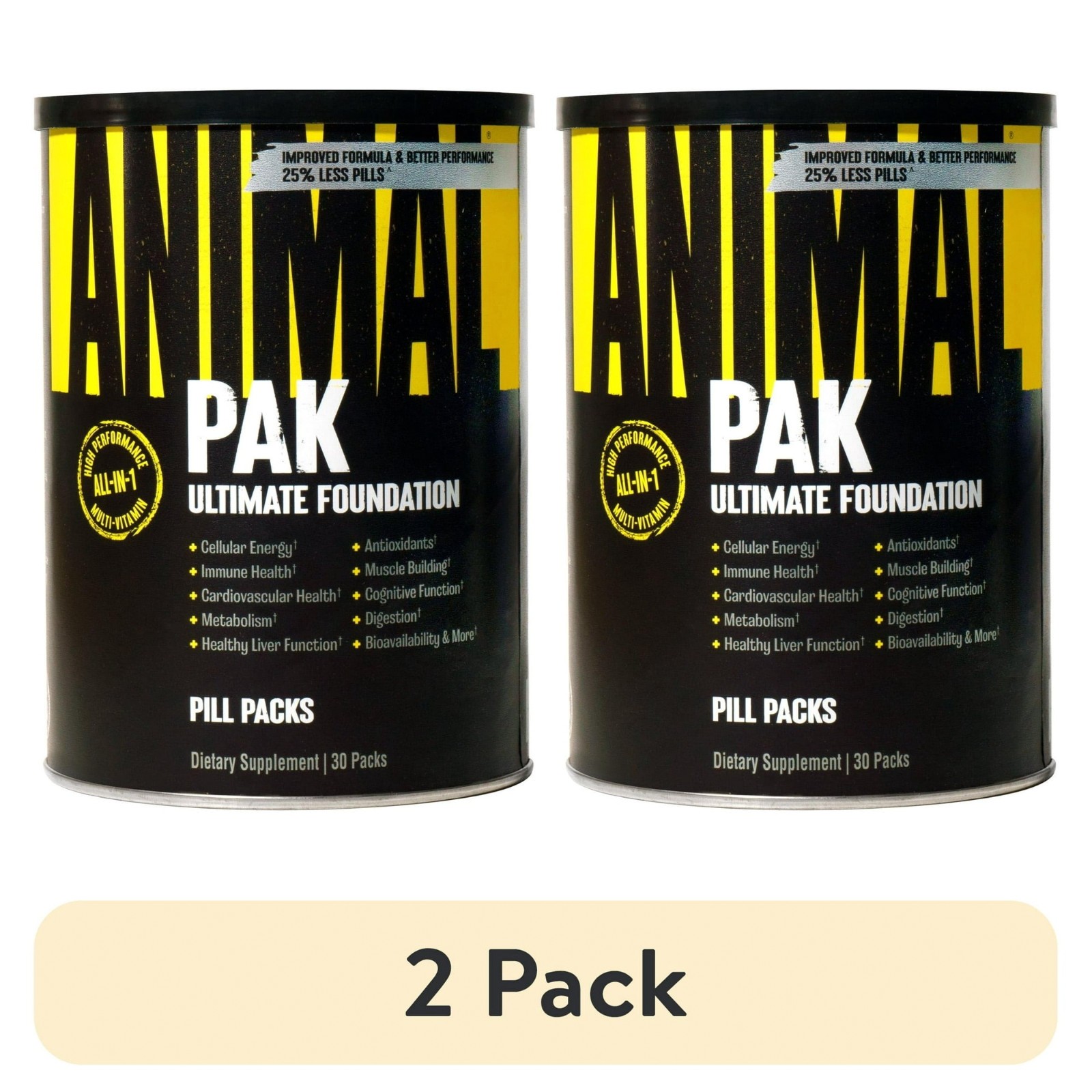
Athlete multivitamins are micronutrient formulas engineered around the higher sweat losses, oxidative stress, and recovery demands of training, delivered either as tablets/capsules or single-serve packets. The core trade-off is between broad, high-dose packet systems (more micronutrients and extras, but bulky and costly) and streamlined tablet formulas (cheaper per day, but narrower coverage). Buy packets only if you want a complete daily performance pack; buy tablets if you want a lean, consistent baseline without redundant extras.

Buying guide image
Protein Nutrition

Grass Fed Whey Protein

Grass-fed whey protein is a dairy supplement where cattle graze on pasture, yielding milk with a different fatty acid profile and often stricter sourcing standards; the main trade-off is between isolate (higher protein by weight, lower lactose, higher cost) and concentrate (more carbs/fat, lower cost). The clear decision rule: choose an isolate if you are lactose-sensitive or cutting calories, choose a concentrate if you want a creamier texture and lower cost per serving, and always confirm third-party testing for heavy metals.

Buying guide image
Sports Performance

Natural Supplement

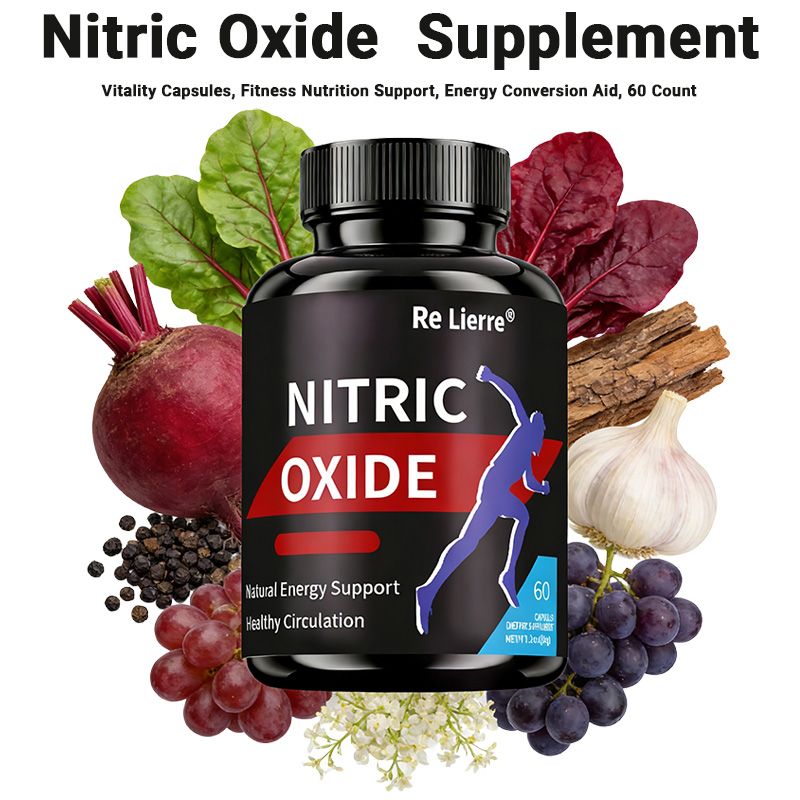
Natural supplements for sports performance span creatine, BCAAs, nitric oxide boosters, beta-alanine, and protein — each with distinct evidence tiers and manufacturing quality trade-offs. The core decision is between clinically dosed, third-party-tested single ingredients and underdosed proprietary blends that hide quantities behind flashy labels. Buy single-ingredient products with disclosed doses and NSF Certified for Sport or Informed Sport testing; skip blends that list ingredients without amounts or carry no third-party seal.

Buying guide image
Sports Performance

Workout Creatine

Workout creatine is a sports supplement used to increase phosphocreatine availability for short, high-intensity efforts and support recovery across resistance and interval training. The core trade-off is delivery format and purity: bulk monohydrate powder offers the highest dose-per-cost and third-party testing transparency, while gummies and flavored blends trade potency and simplicity for convenience and taste. Choose monohydrate powder with documented purity for serious training; choose gummies only when adherence matters more than precision dosing.

Buying guide image
Sports Performance

Unflavored Creatine

Unflavored creatine is a single-ingredient sports supplement delivering 3–5 g of creatine monohydrate per serving with no flavoring or sweeteners, so it mixes into any beverage or food. The core trade-off is raw-material grade and particle processing: Creapure-certified or micronized monohydrate dissolves cleanly and tests low for impurities, while generic or unmicronized powder grits and may carry higher contaminant risk. The decision rule is simple: buy a monohydrate with a named certification (Creapure, Informed Sport, or third-party COA) and micronized particle size; skip flavored blends, HCl, and proprietary matrix products marketed as 'unflavored'.

Buying guide image
Probiotics & Digestion

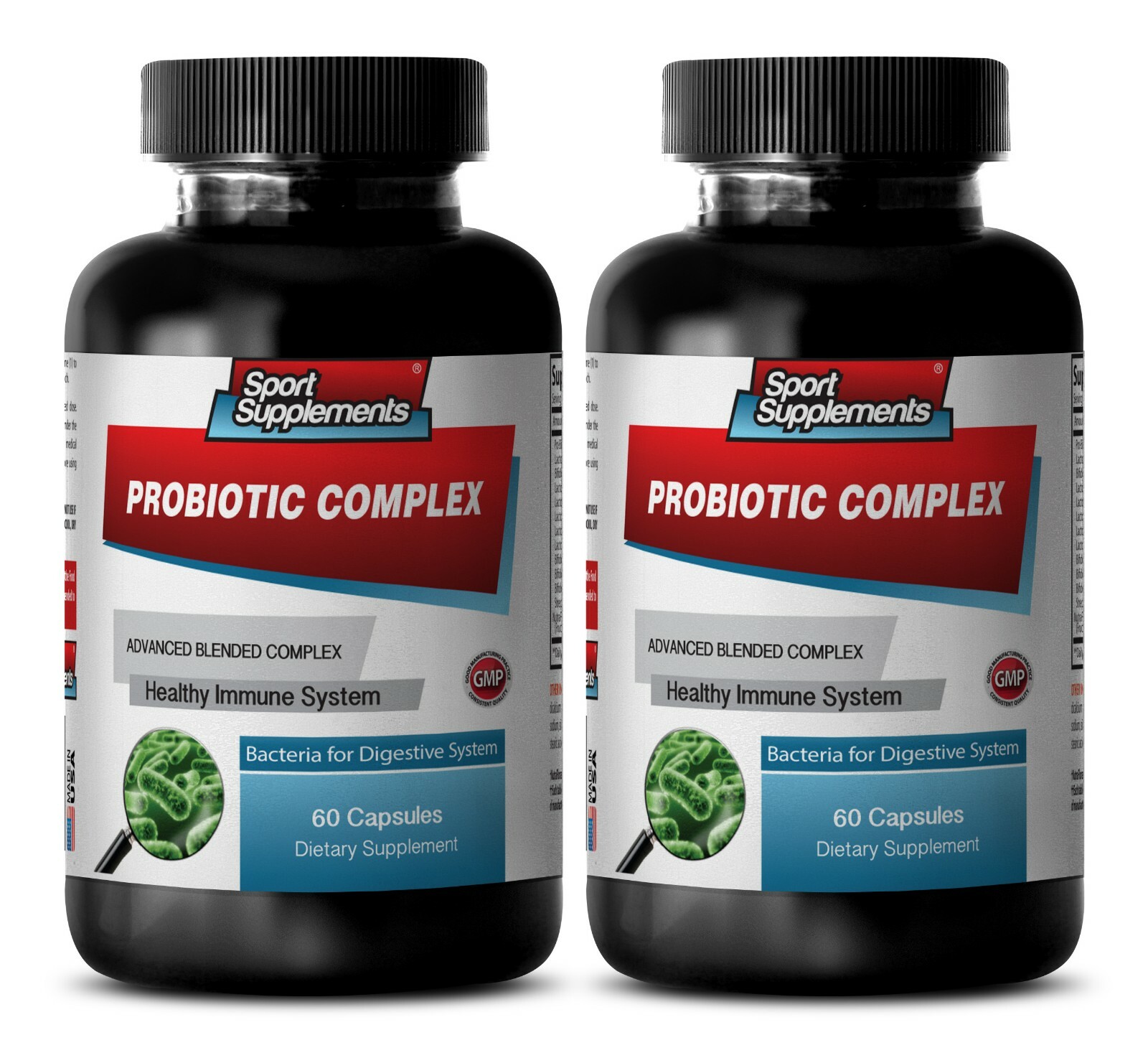
Dietary Supplement

Dietary supplement probiotics are live-microorganism capsules, powders, or gummies formulated to deliver defined CFU counts of specific bacterial strains to the gut. The primary trade-off is CFU potency and strain specificity versus capsule survivability and shelf stability—high-count products only work if the delivery format protects viable cells through stomach acid. The decision rule: choose supplements that disclose genus, species, and strain IDs plus a CFU count guaranteed through expiry, and skip any product that lists only 'probiotic blend' with no strain-level transparency or viability protection.

You may also like

Finding more guides for you…