Health Stack Guide

Health Stack Guide

Nutrition & Supplements Reviews & Buying Guides

Compare nutrition & supplements by use case, features, trade-offs, price, returns, and seller terms before you buy.

Buying guides

Buying guide image
Vitamins & Minerals

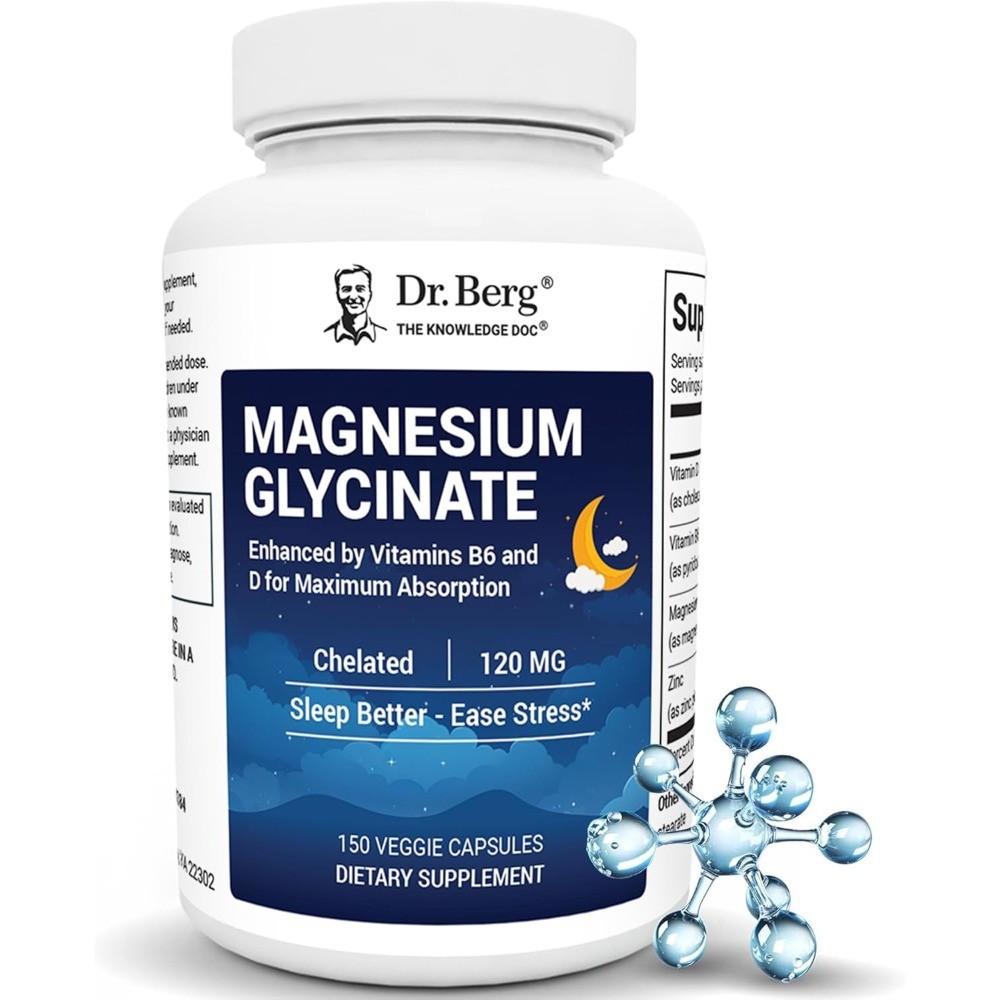
Vitamin D And Magnesium

Vitamin D and magnesium are synergistic nutrients: magnesium is a required cofactor for activating vitamin D, and vitamin D supports magnesium absorption. The key trade-off is chelation and dose form—magnesium glycinate is gentle but low-elemental, while oxide/citrate deliver more elemental magnesium at lower cost but with GI risk. Decision rule: choose a chelated magnesium (glycinate, malate, taurate) paired with D3 (cholecalciferol) in a 2:1 to 4:1 elemental magnesium-to-D3 ratio for daily maintenance.
Buying guide image
Protein Nutrition

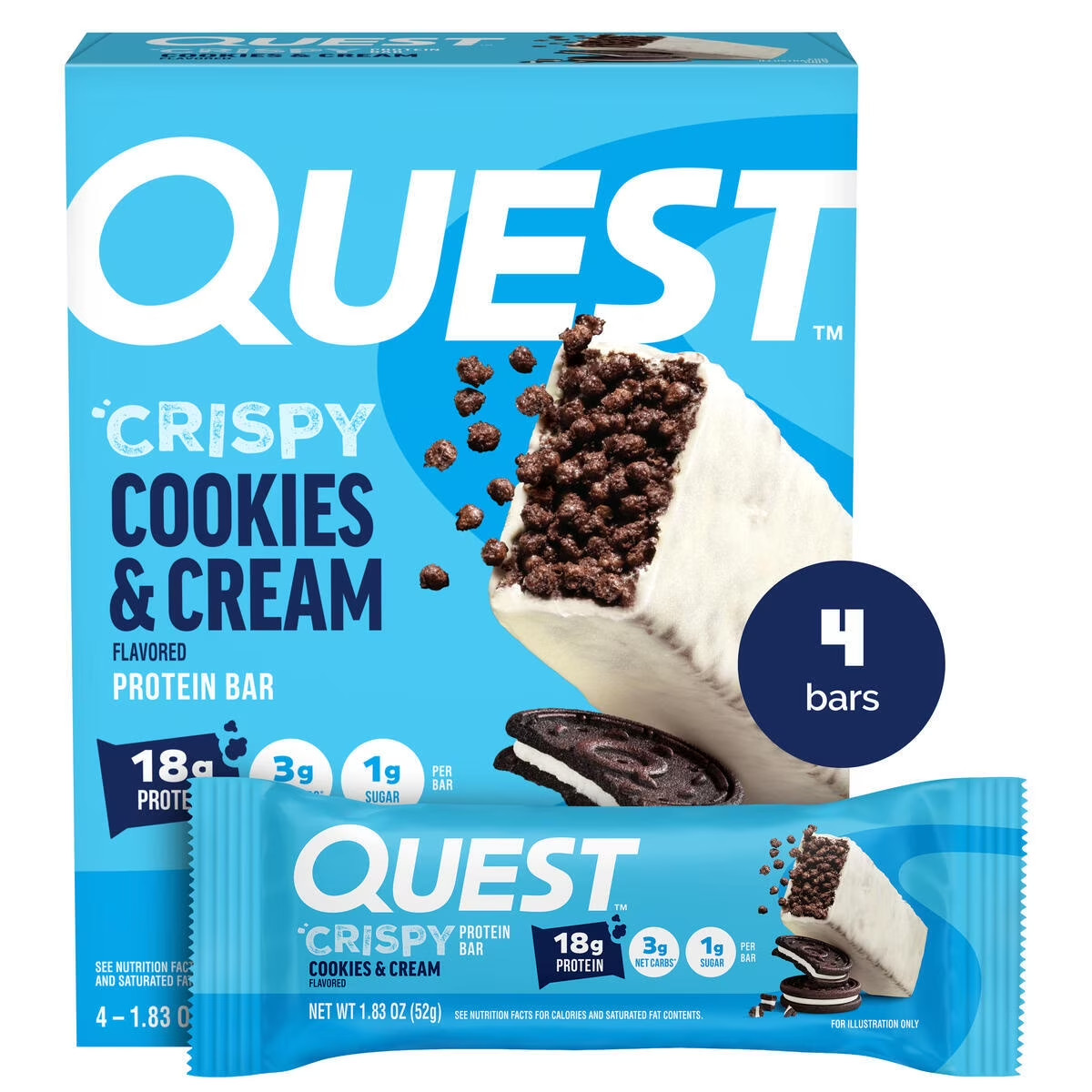
Cookie And Cream Protein Bar

Cookie and cream protein bars are high-protein, low-sugar snack bars flavored to mimic the taste of crushed chocolate sandwich cookies in a creamy matrix. The core trade-off is between protein source and fiber type versus the realism and texture of the cookie-and-cream flavor, which often relies on sugar alcohols, inulin, or dairy powders that affect both taste and digestive tolerance. The decision rule: choose bars whose first protein source is a complete dairy protein (whey or milk isolate) and whose sugar alcohol load stays low if you eat them daily, and skip any bar whose protein blends are collagen- or gelatin-based if muscle recovery is the goal.

Buying guide image
Sports Performance

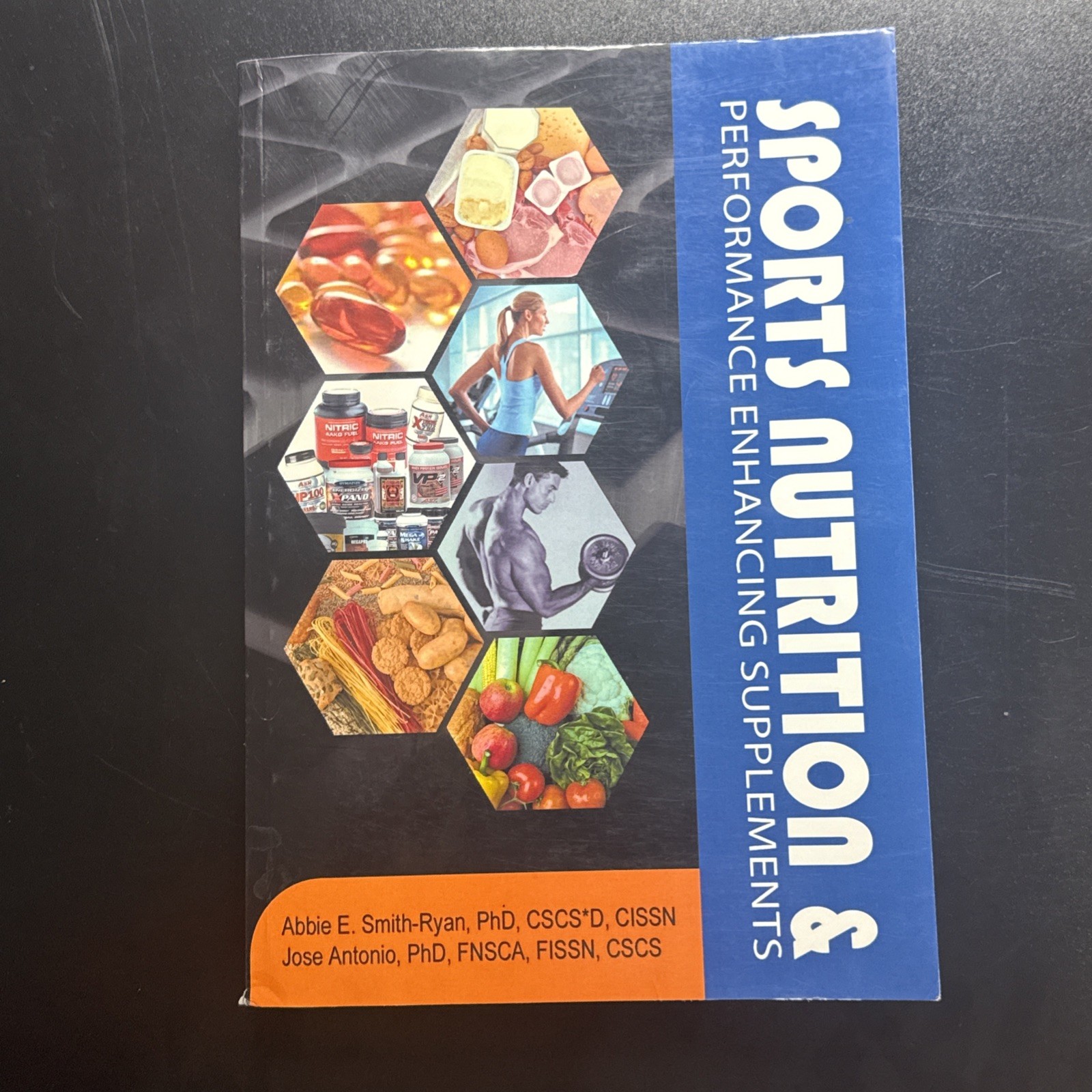
Sport Performance Supplement

Sports performance supplements are concentrated nutritional compounds engineered to enhance output, recovery, or endurance via a defined active ingredient. The core trade-off is between clinically validated, third-party-tested formulations with precise dosing and loose bulk powders or underdosed blends with undisclosed fillers. Buy only products that state exact active ingredient grams per serving and carry NSF Certified for Sport or Informed Sport testing; skip any label using proprietary blends for its primary actives.

Buying guide image
Probiotics & Digestion

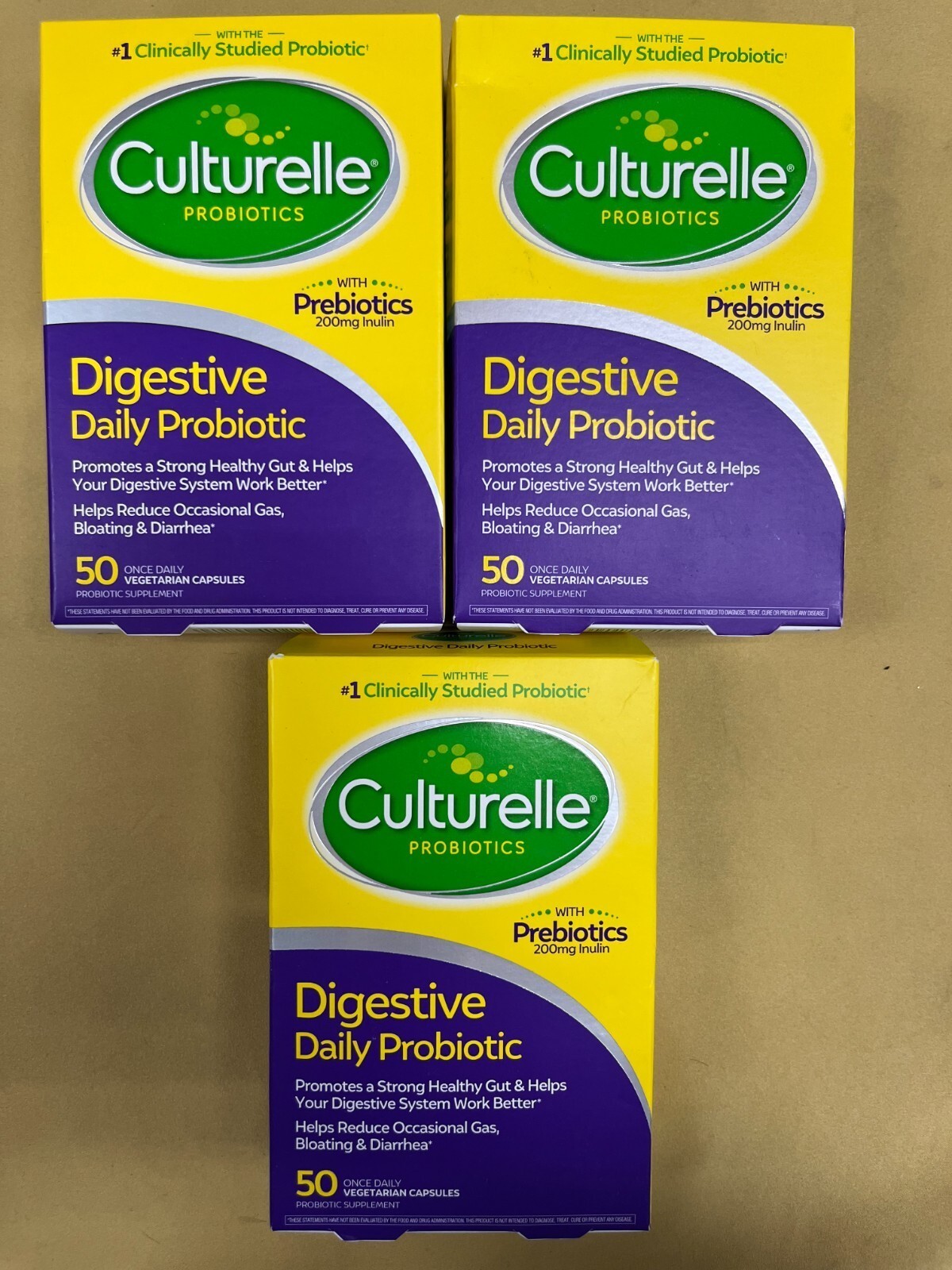
Culturelle Probiotic

Culturelle is a probiotic brand built around the clinically studied Lactobacillus rhamnosus GG (LGG) strain, and its core product line differentiates by CFU count, delivery format, and whether it includes a prebiotic fiber blend. The primary trade-off is strain specificity and survivability versus multi-strain breadth — Culturelle prioritizes a single well-researched strain with guaranteed potency through expiry. Buyers should select the tier matching their age group and digestive goal, and avoid generic multi-strain blends if they specifically want LGG-backed immune and digestive support.

Buying guide image
Protein Nutrition

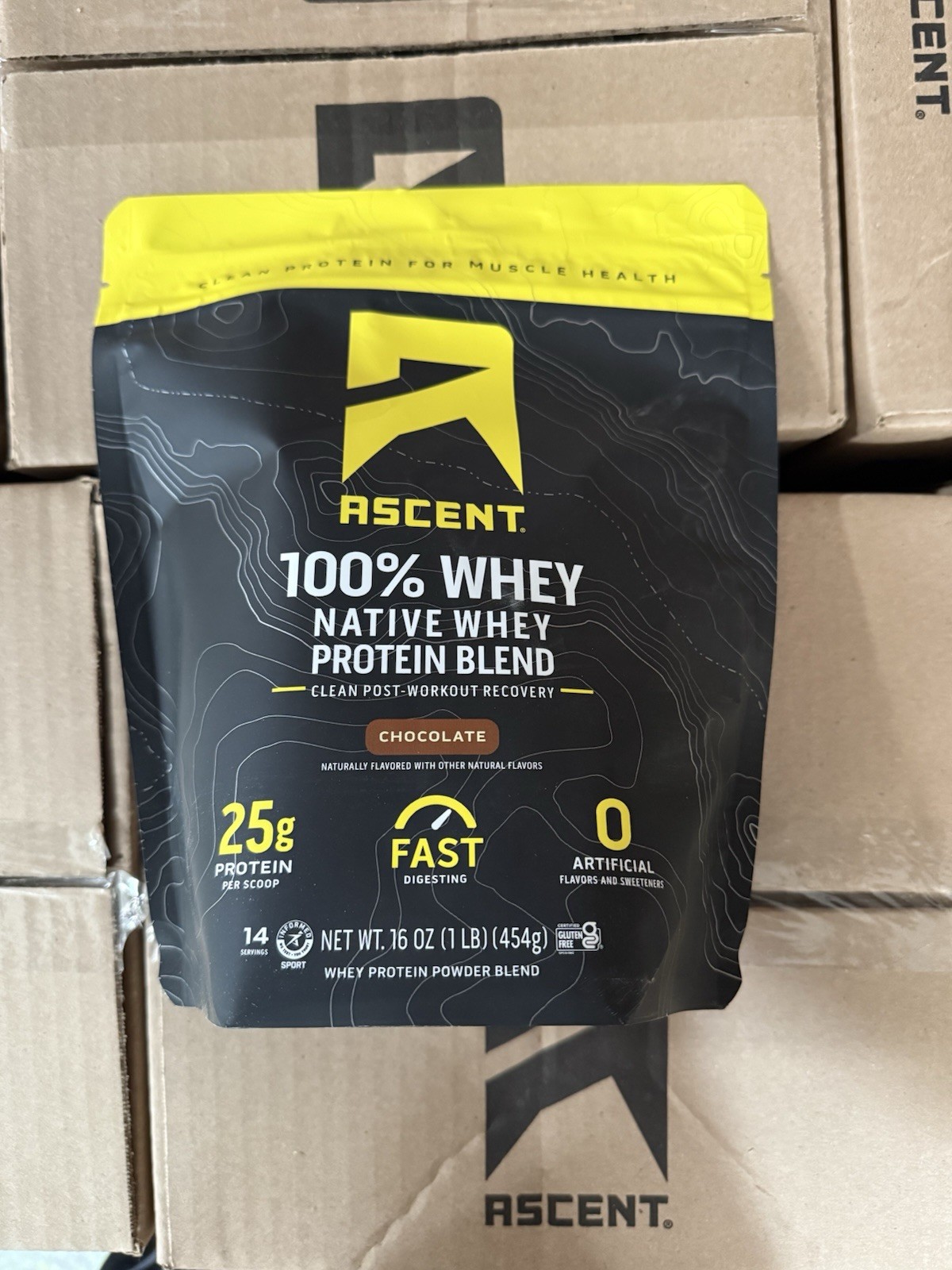
Ascent Whey Protein

Ascent Whey Protein is a line of native whey isolate and blend powders positioned around clean labeling, third-party testing, and leucine-forward dosing for post-workout recovery. The core trade-off is native whey isolate (higher protein per scoop, lower lactose, faster digestion) versus a whey blend (isolate plus concentrate, slightly more carbs and fat, lower cost per gram of protein). Decide by your lactose tolerance and recovery goal: pick isolate for lean, fast-absorbing protein; pick blend only if you tolerate dairy well and want a budget-friendly daily shake.

Buying guide image
Sleep & Stress Supplements

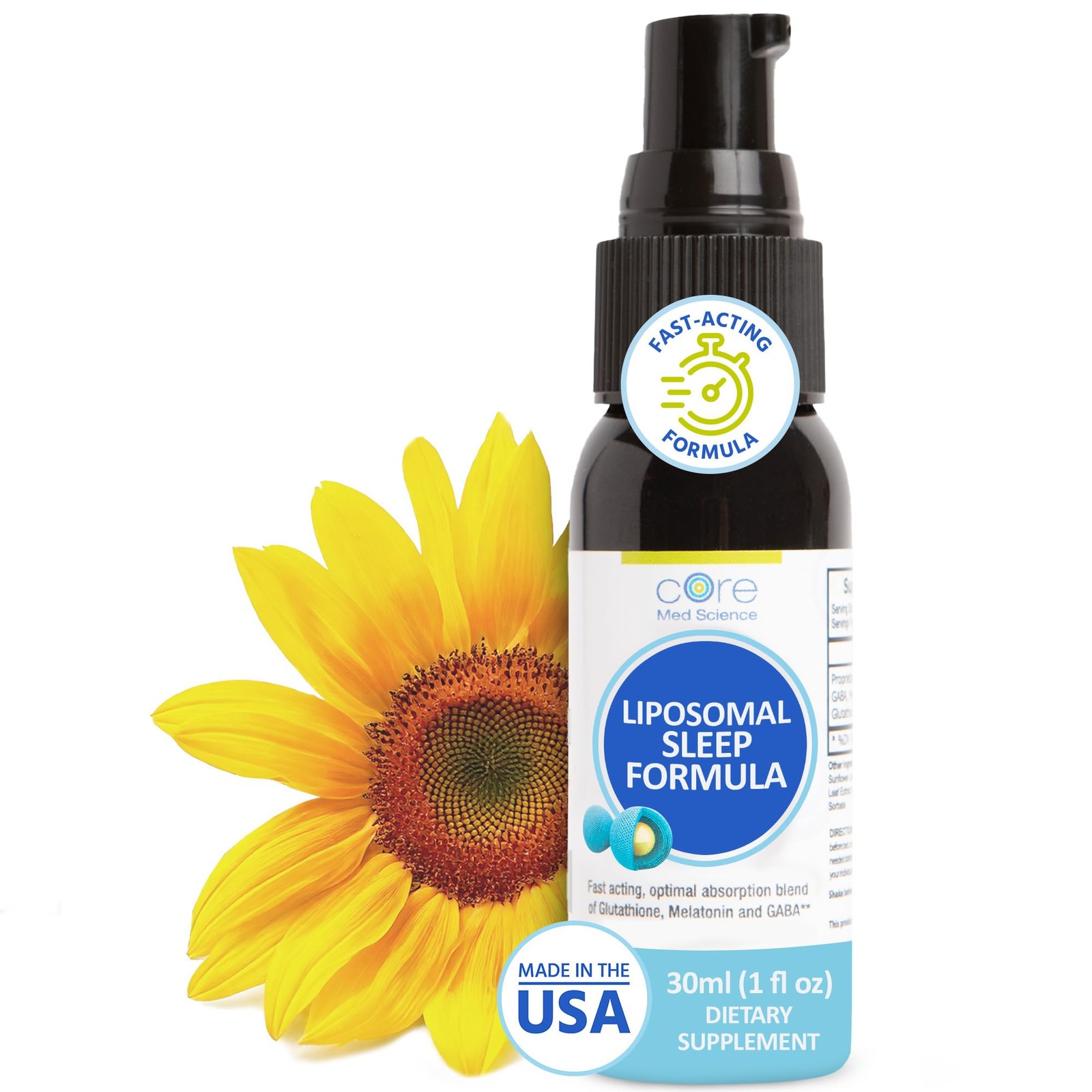
Gaba

GABA (gamma-aminobutyric acid) is a non-protein amino acid sold as a sleep and stress supplement, primarily as a standalone capsule, powder, or as an ingredient in multi-ingredient sleep blends. The core buyer trade-off is between isolated GABA (cheap, but with poor blood-brain barrier penetration at standard doses) and liposomal or sublingual delivery formats that aim to improve absorption. Choose a product that states its delivery format and dose clearly; skip vague proprietary blends that hide GABA content behind a "sleep matrix".

Buying guide image
Sleep & Stress Supplements

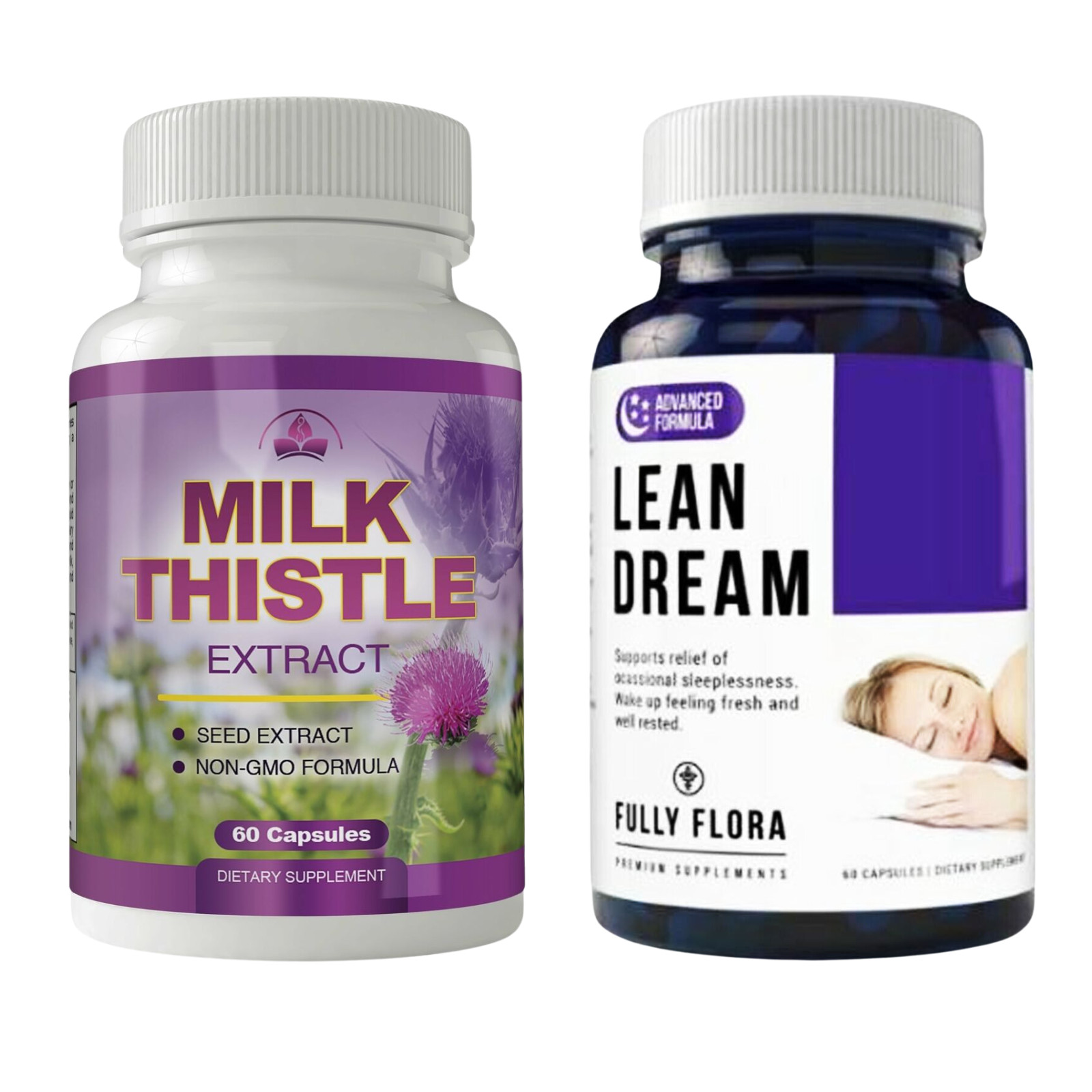
Liver Detox Supplement

Liver detox supplements are herbal and nutrient formulas—most commonly milk thistle (silymarin), N-acetyl cysteine, dandelion, artichoke, and B-vitamins—marketed to support hepatic phase I/II detoxification and bile flow. The core trade-off is standardized, clinically dosed actives (silymarin percentage, NAC milligrams) versus proprietary blends that hide doses behind filler. Choose a product with disclosed per-serving actives and third-party testing; skip any label listing a 'detox blend' without individual ingredient amounts.

Buying guide image
Vitamins & Minerals

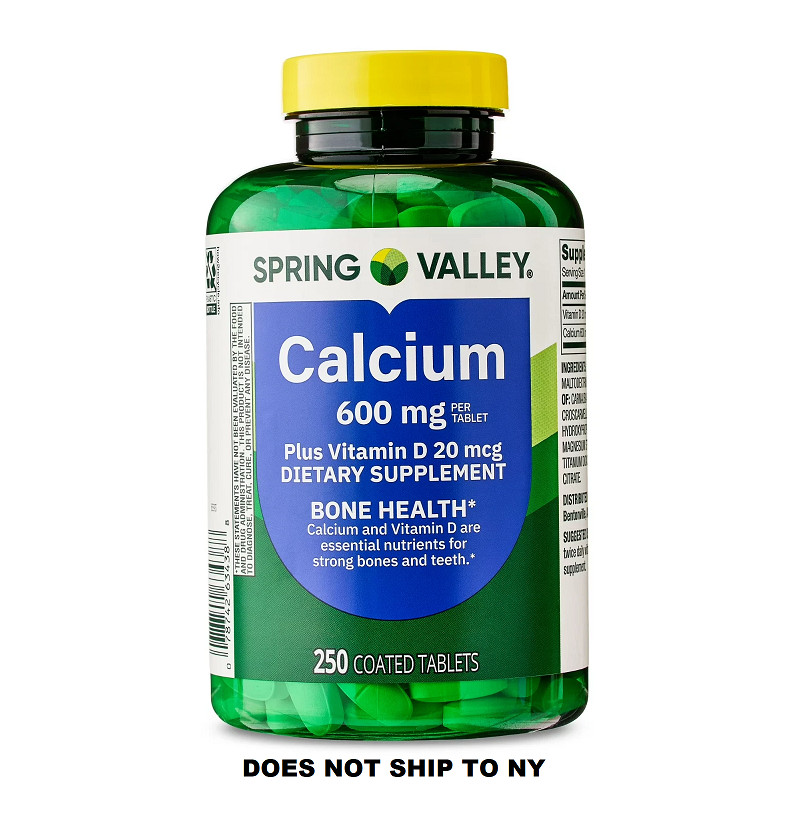
Calcium And Vitamin D

Calcium and vitamin D supplements combine a mineral source (carbonate, citrate, or food-derived) with D3 or D2 to support bone density and absorption. The core trade-off is elemental calcium dose and salt form versus pill count, digestive tolerance, and absorption with or without food. Choose carbonate for cost-efficient high-dose tablets taken with meals; choose citrate or chelated forms for low-stomach-acid tolerance and flexible timing.

Buying guide image
Protein Nutrition

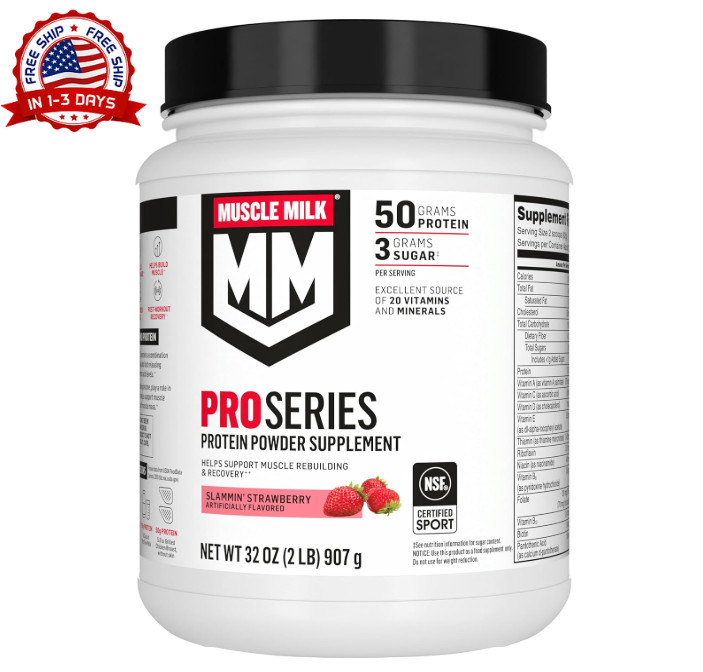
High Protein Supplement

High-protein supplements are concentrated protein sources—whey, casein, soy, pea, or blends—used to close daily protein gaps when whole food is impractical. The core trade-off is protein density and absorption speed versus added sugars, fillers, and digestive load: isolate and hydrolysate tiers deliver 90%+ protein by weight with minimal lactose, while concentrates and 'meal replacement' blends dilute protein with maltodextrin and fat. The decision rule is simple: buy a product that lists protein grams per scoop and the protein source first on the label; skip any 'high protein' mix where protein is not the lead ingredient by weight.

Buying guide image
Protein Nutrition

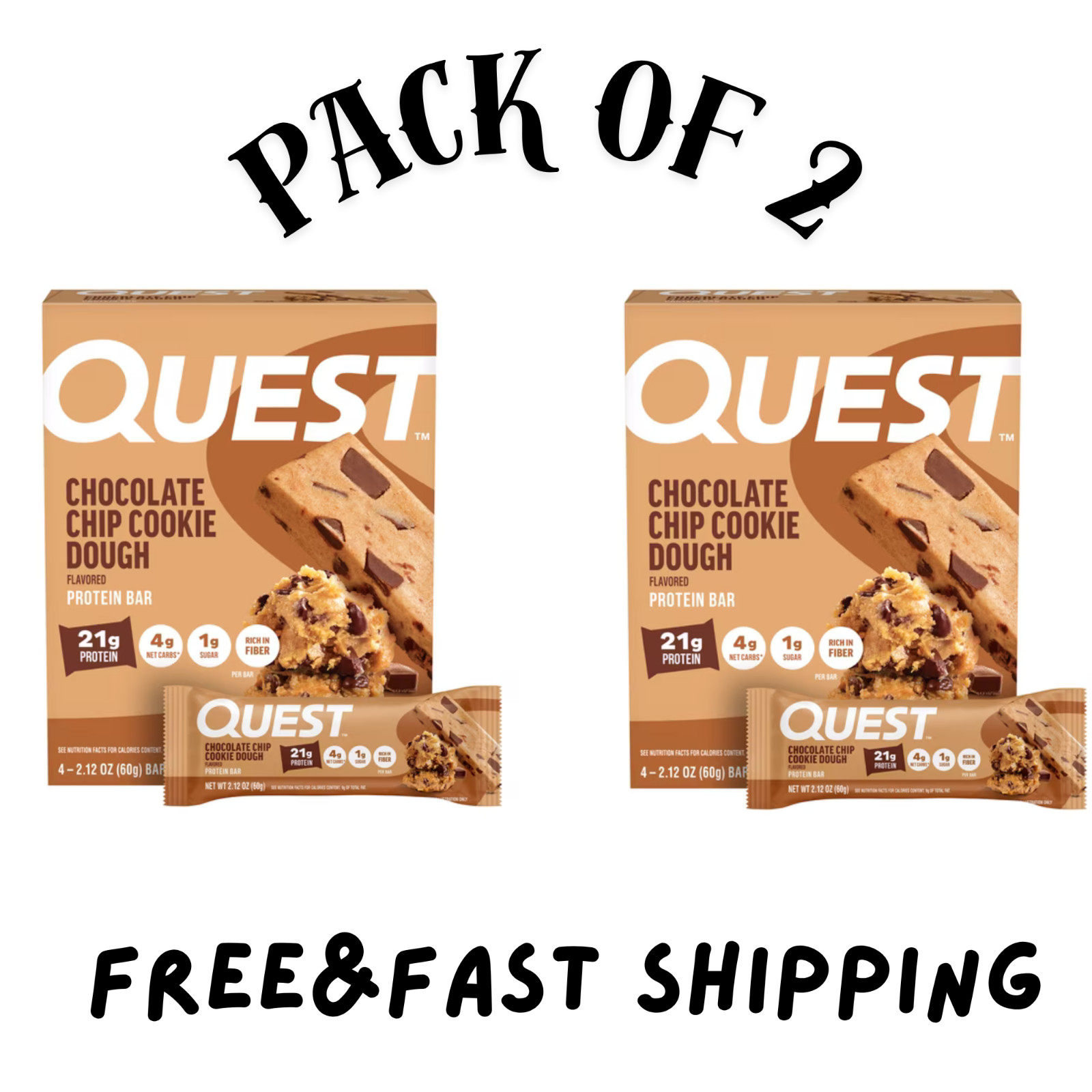
Quest Protein Cookie

Quest Protein Cookies are soft-baked, low-carb cookies engineered with whey and milk protein isolates to deliver 15–16 g protein and 1–4 g net carbs per cookie, sitting between a candy bar and a meal-replacement bar in satiety. The core trade-off is texture and fiber load versus protein density: soft-baked cookies use soluble corn fiber and glycerin for chew, while crunchy or 'Hero' bars use a collagen-whey blend with a crisp core. The decision rule is simple: buy soft cookies for a dessert-like snack with 15 g protein and ≤4 g net carbs; choose Hero or standard bars only if you need 20–21 g protein per serving and a firmer, more portable format.

Buying guide image
Protein Nutrition

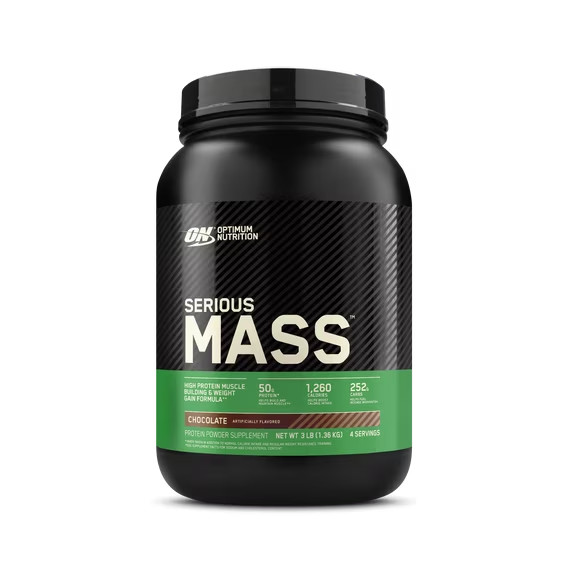
Serious Mass Protein Powder

Serious Mass is a high-calorie weight-gainer powder engineered for hard gainers who need a calorie-dense supplement to support rapid mass gain. The core trade-off is between maltodextrin-heavy carbohydrate loading for maximum calories per serving and protein quality/digestibility, with the best formulas delivering 1,250+ calories and 50g protein per serving without excessive sugar. Choose a gainer with a transparent macronutrient panel and at least 50g protein per serving; skip any product that hides carbohydrate sources or lacks a full amino acid profile.

Buying guide image
Protein Nutrition

Chocolate Whey Protein Powder

Chocolate whey protein powder is a flavored dairy protein supplement used for post-workout recovery, meal supplementation, and daily protein targets. The core trade-off is isolate vs. blend: isolates deliver 90%+ protein by weight with minimal lactose, while blends and concentrates add carbs/fats for lower cost and creamier texture. Buy isolate if you are lactose-sensitive or cutting calories; buy a blend if you prioritize flavor, mixability, and value per serving.

Buying guide image
Protein Nutrition

Herbalife Protein Powder

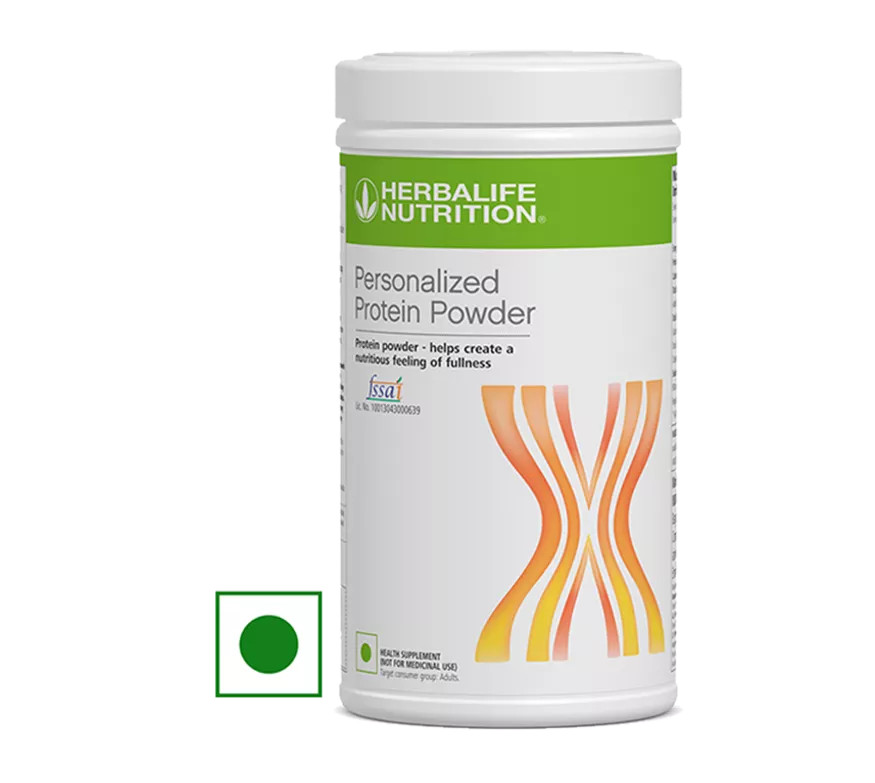
Herbalife protein powder spans three distinct product families: Formula 1 meal-replacement shakes (soy-based, vitamin-fortified), Personalized Protein Powder (a soy-whey blend used as a supplement booster), and Herbalife24 Rebuild Strength (a whey-based recovery formula). The primary trade-off is protein source and purpose: soy-dominant shakes deliver meal-replacement nutrition with fiber and micronutrients but lower protein density per scoop, while whey-based Rebuild Strength delivers faster-absorbing protein for post-workout recovery. The decision rule: buy Formula 1 for meal replacement, Personalized Protein Powder for boosting an existing shake's protein content, and Herbalife24 Rebuild Strength for post-training recovery—skip soy-based shakes if you need a high-protein-per-calorie recovery product.

Buying guide image
Protein Nutrition

Unflavored Protein Powder

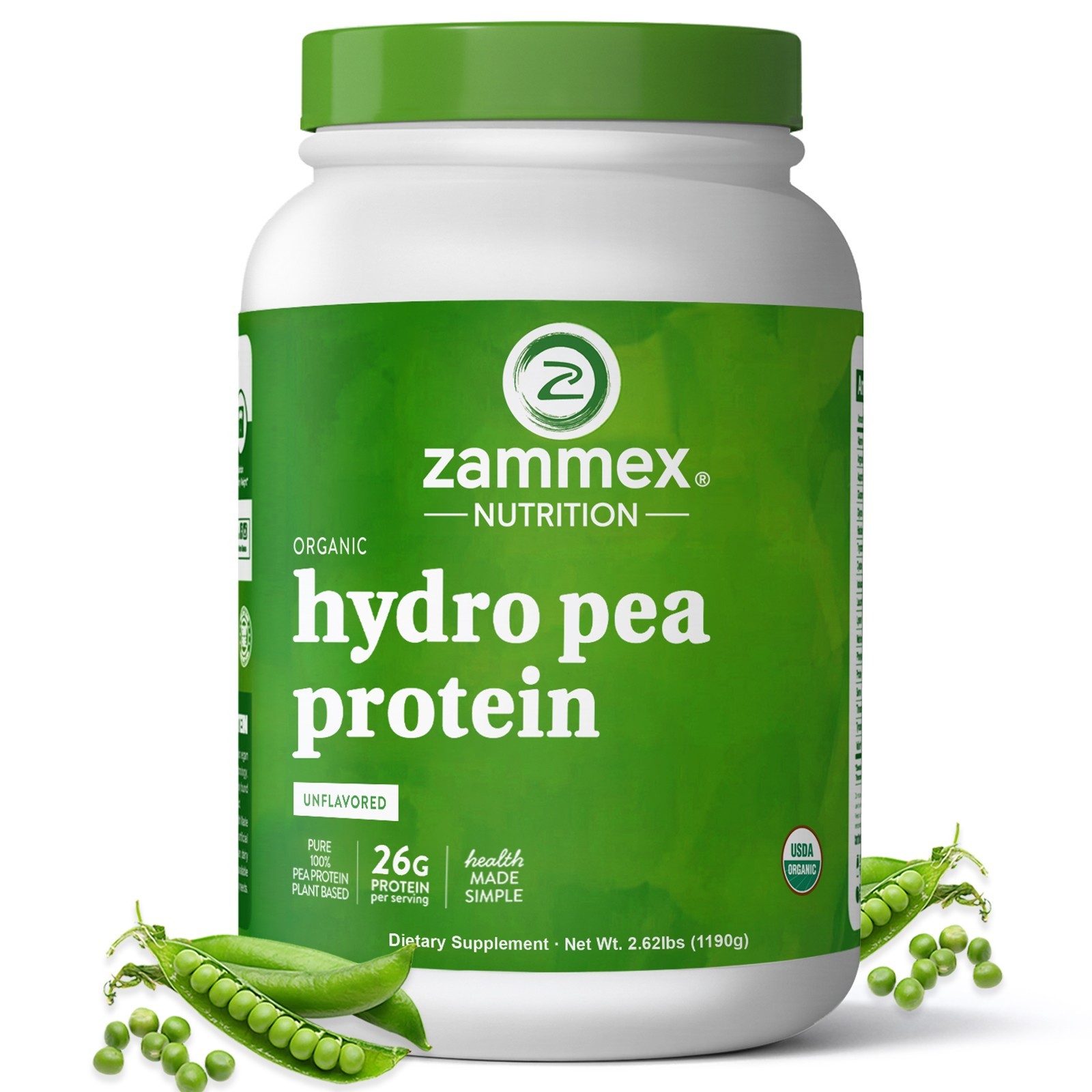
Unflavored protein powder is a neutral-tasting protein source designed to mix into foods and drinks without adding sweetness or flavor. The critical trade-off is protein source (whey isolate vs plant pea vs collagen) because each delivers different amino acid profiles, digestion speeds, and mixability. Choose a source that matches your dietary restrictions and protein goal (muscle repair vs joint/skin support), and reject any product that adds flavoring, sweeteners, or anti-caking agents if you need true neutrality.

Buying guide image
Vitamins & Minerals

Bariatric Multivitamin With Iron

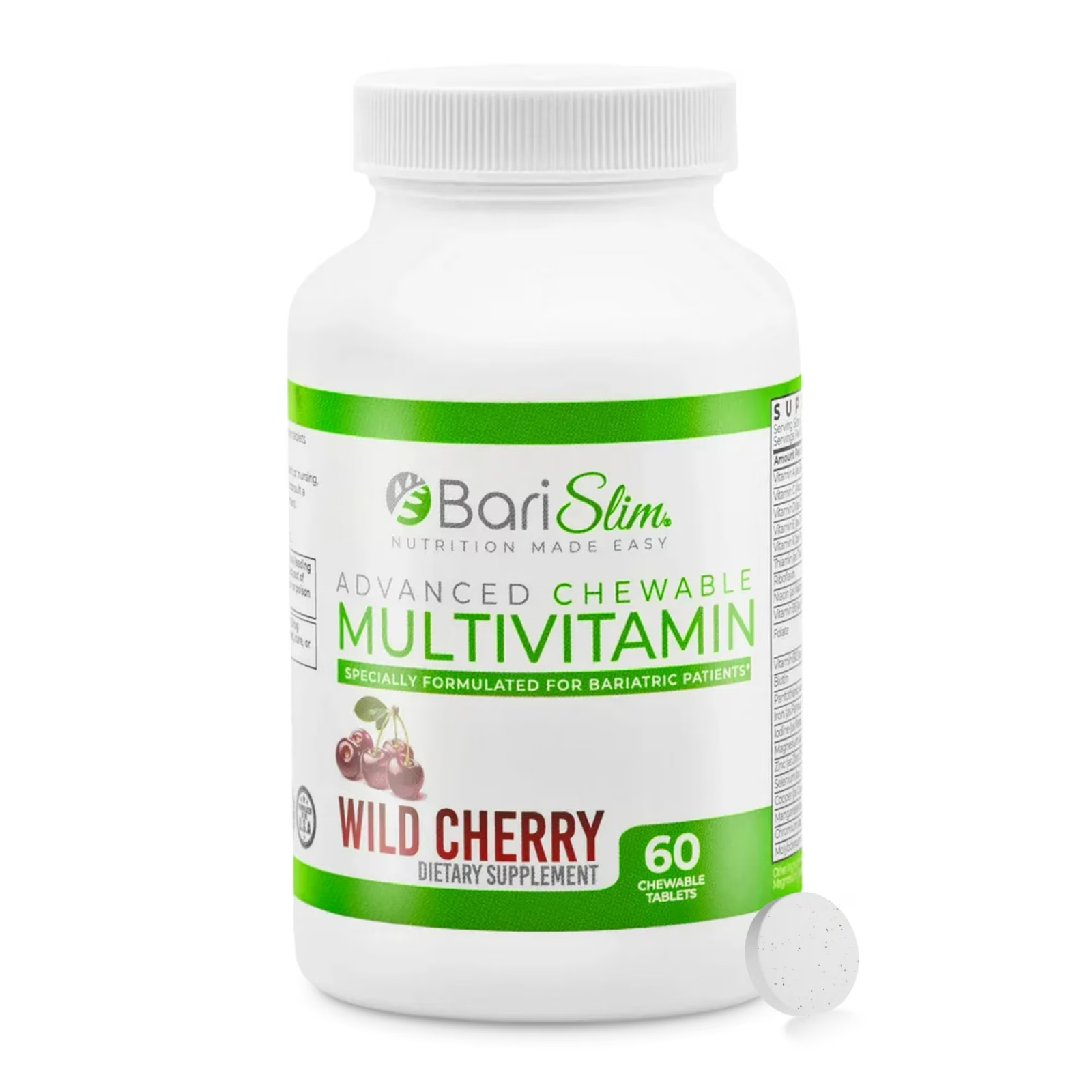
Bariatric multivitamin with iron is a high-potency micronutrient supplement formulated for post-bariatric surgery patients who absorb less iron, B12, folate, and fat-soluble vitamins due to altered digestion. The core trade-off is between chewable/capsule formats that tolerate a restricted stomach pouch versus effective iron dose and GI tolerance, with the decisive rule being: choose a product with at least 18 mg elemental iron plus 100% DV of B12 and folate in a form your surgical stage allows, or you will risk deficiency.

Buying guide image
Vitamins & Minerals

Liver Health Supplement

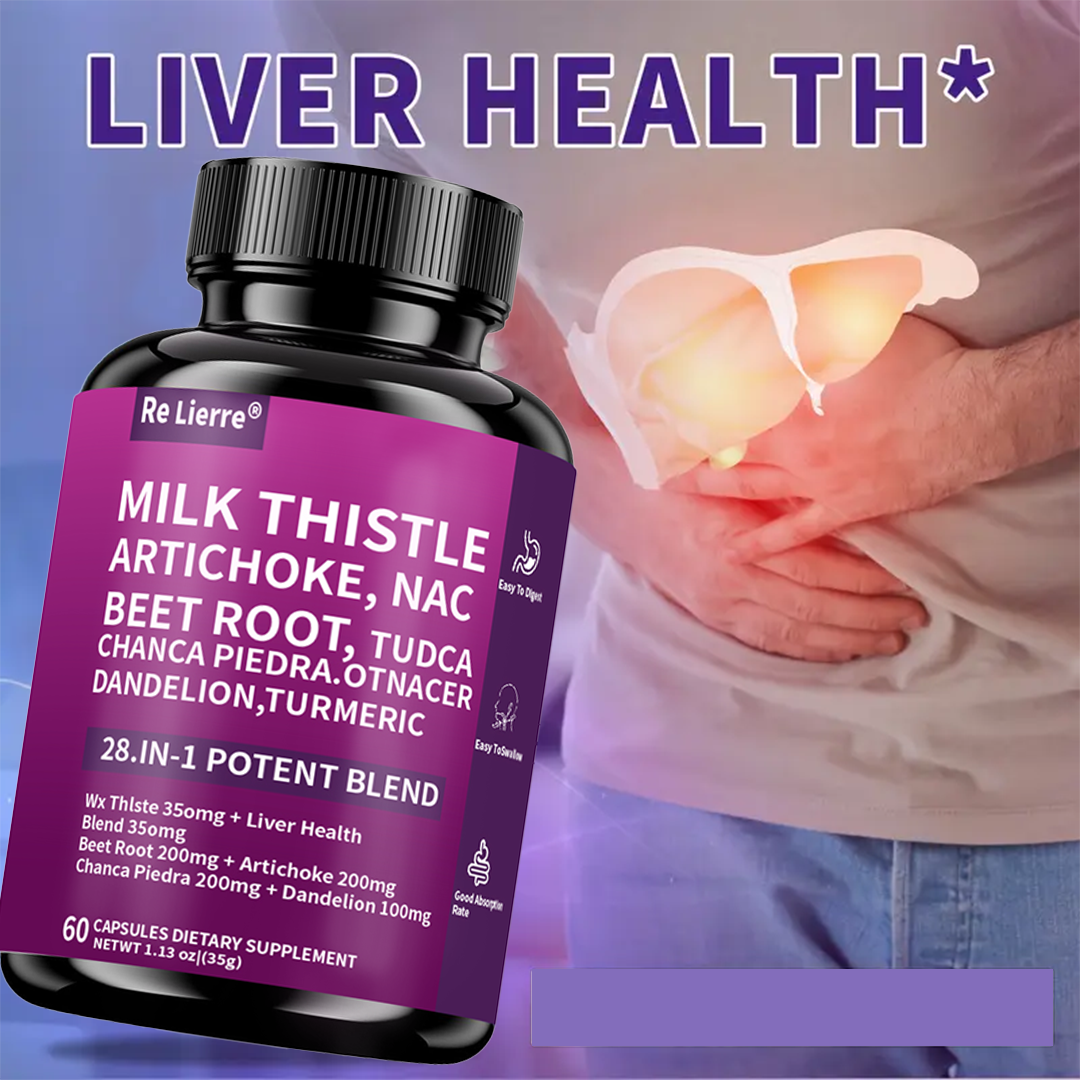
Liver health supplements are formulated to support hepatic function, detoxification, and fat metabolism, typically combining milk thistle (silymarin), artichoke extract, dandelion, N-acetyl cysteine (NAC), choline, or TUDCA. The primary trade-off is between standardized, clinically dosed single-ingredient extracts (like 80% silymarin) and proprietary blends that hide effective doses behind marketing. The clear decision rule: choose products that disclose exact milligrams and standardization percentages per serving, and skip any label that lumps ingredients into a proprietary blend without individual amounts.

Buying guide image
Vitamins & Minerals

Mega Men Vitamin

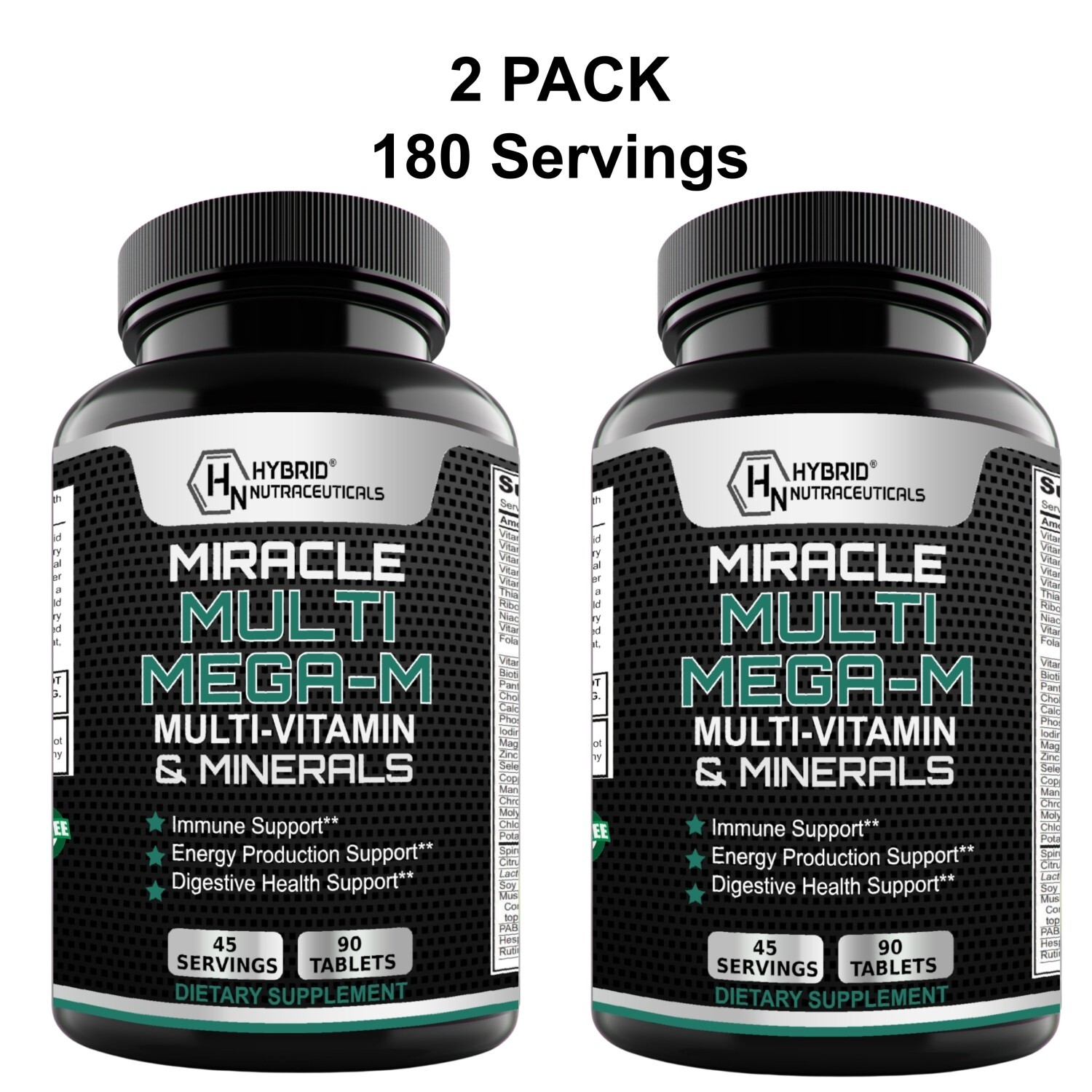
Mega Men is a men's multivitamin line known for high-potency B-complex, zinc, and selenium doses, typically delivered in tablet or softgel form. The primary trade-off is between comprehensive micronutrient coverage and tolerability—large tablets and high niacin or zinc levels can cause stomach upset in sensitive users. Choose a tier with chelated minerals and third-party testing for daily use; skip megadose formulas if you take separate B or zinc supplements.

Buying guide image
Protein Nutrition

Whey Protein Powder Optimum Nutrition

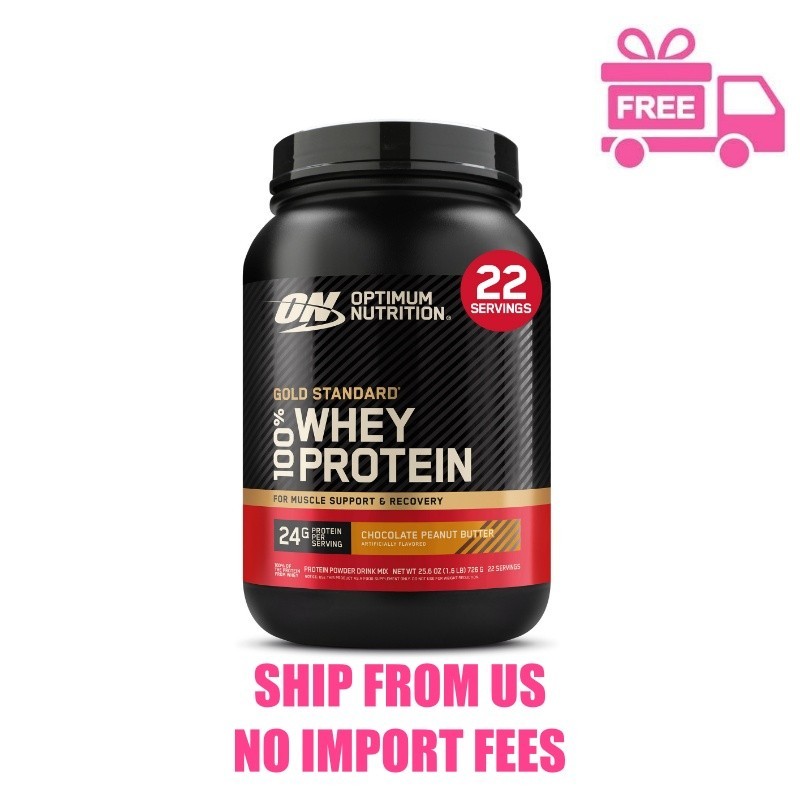
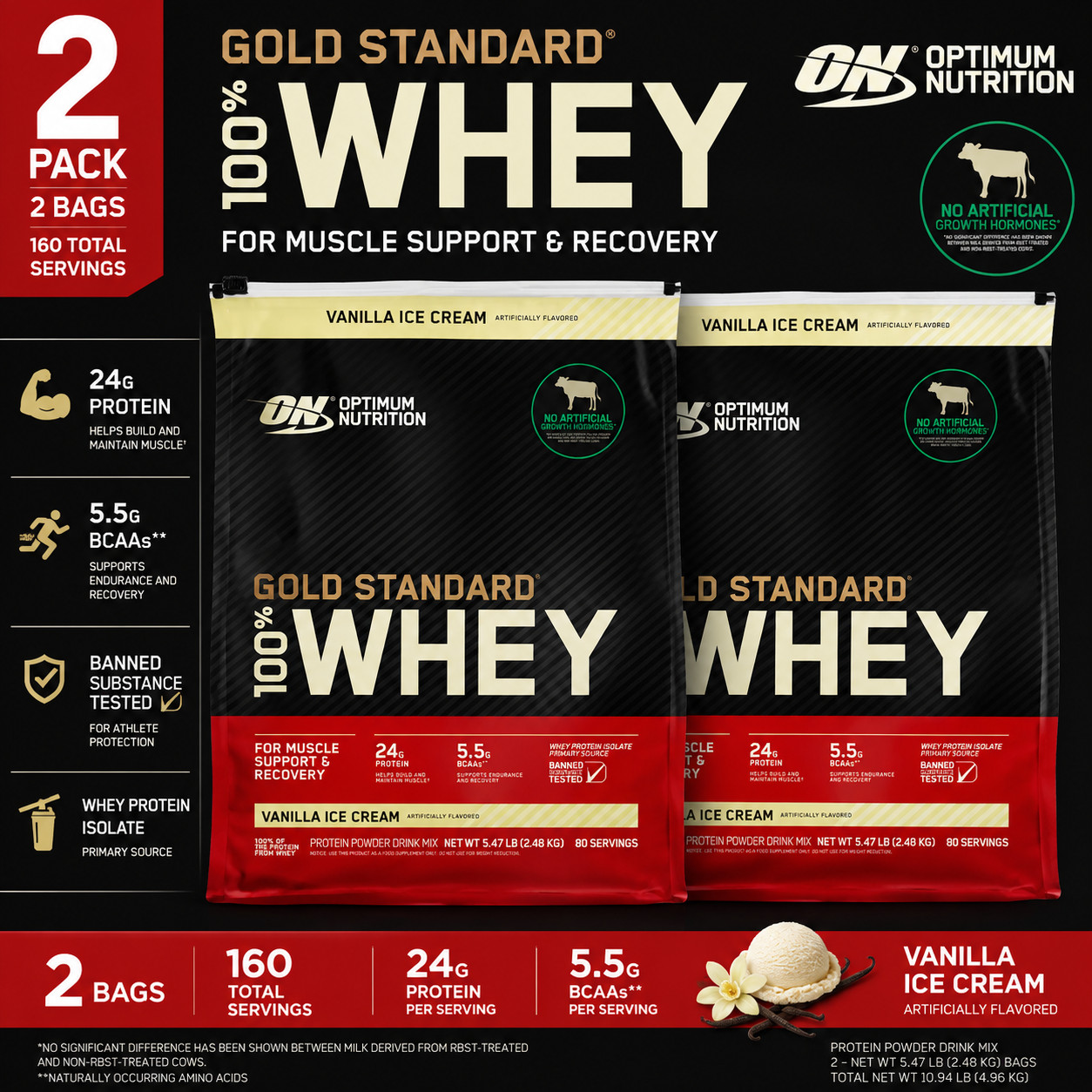
Optimum Nutrition Gold Standard 100% Whey is a whey protein isolate-dominant blend used for post-workout recovery and daily protein supplementation. The primary trade-off is between isolate purity (faster absorption, lower lactose) and concentrate cost, with flavor and tub size driving value. Buy the 5 lb tub with isolate as the first ingredient for routine use; skip obscure flavors and 1.5 lb tubs unless you are testing tolerance.

Buying guide image
Sports Performance

Creatine Monohydrate Muscle Growth

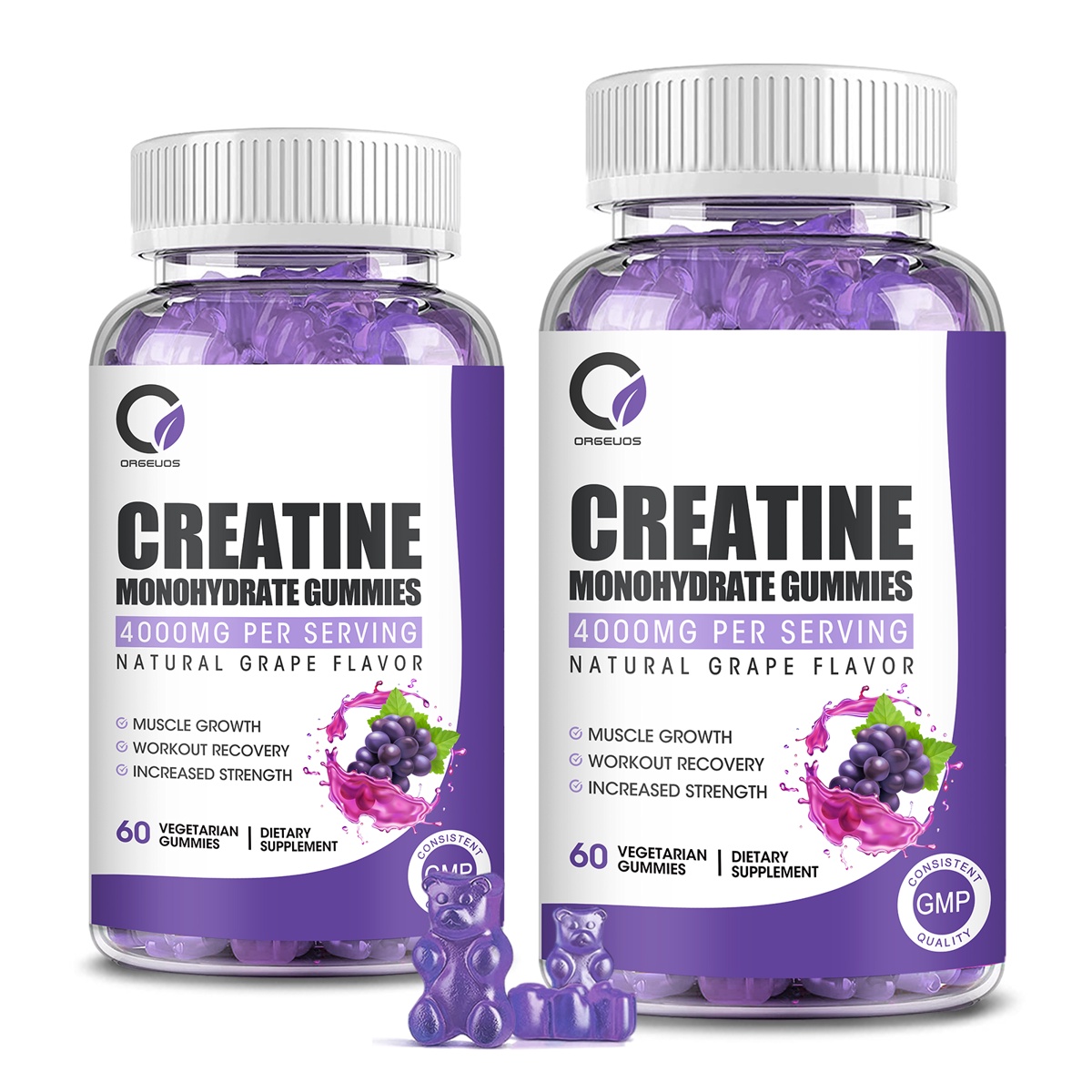
Creatine monohydrate is the most evidence-backed supplement for increasing strength, power output, and lean muscle mass through phosphocreatine saturation. The core trade-off is not marketing hype but monohydrate form versus expensive derivatives, plus powder versus gummy delivery: only monohydrate has decades of dosing data, while gummies trade convenience for lower creatine density and added sugars. Choose plain creatine monohydrate powder (micronized optional) for cost-per-gram and verified purity; skip creatine HCl, nitrate, or gummy formats unless convenience is the single deciding factor.

Buying guide image
Sports Performance

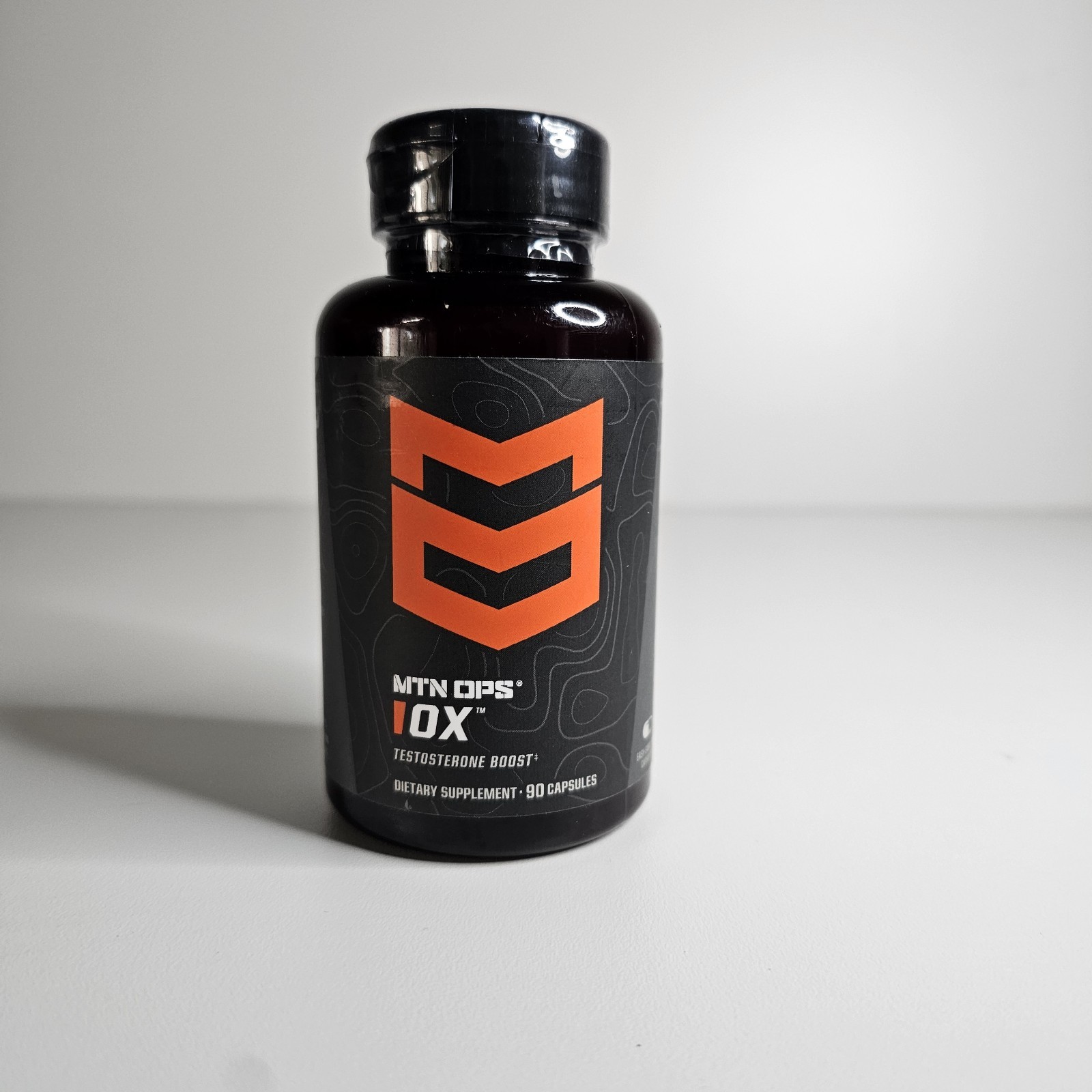
Testosterone Supplement Men

Testosterone supplements for men are oral formulas marketed to support natural testosterone production, energy, libido, and workout performance, typically built from vitamin D, zinc, magnesium, ashwagandha, fenugreek, and D-aspartic acid. The core trade-off is between transparent, clinically dosed single-ingredient or stacked formulas and proprietary blends that hide doses behind vague 'complex' labels. The decision rule: buy only products that disclose every ingredient amount per serving and list a GMP-certified manufacturing claim; skip any label with proprietary blends, unlisted 'testosterone matrix' doses, or male-enhancement phrasing that signals an unregulated sexual-performance product.

You may also like

Finding more guides for you…