Health Stack Guide

Health Stack Guide

Nutrition & Supplements Reviews & Buying Guides

Compare nutrition & supplements by use case, features, trade-offs, price, returns, and seller terms before you buy.

Buying guides

Buying guide image
Vitamins & Minerals

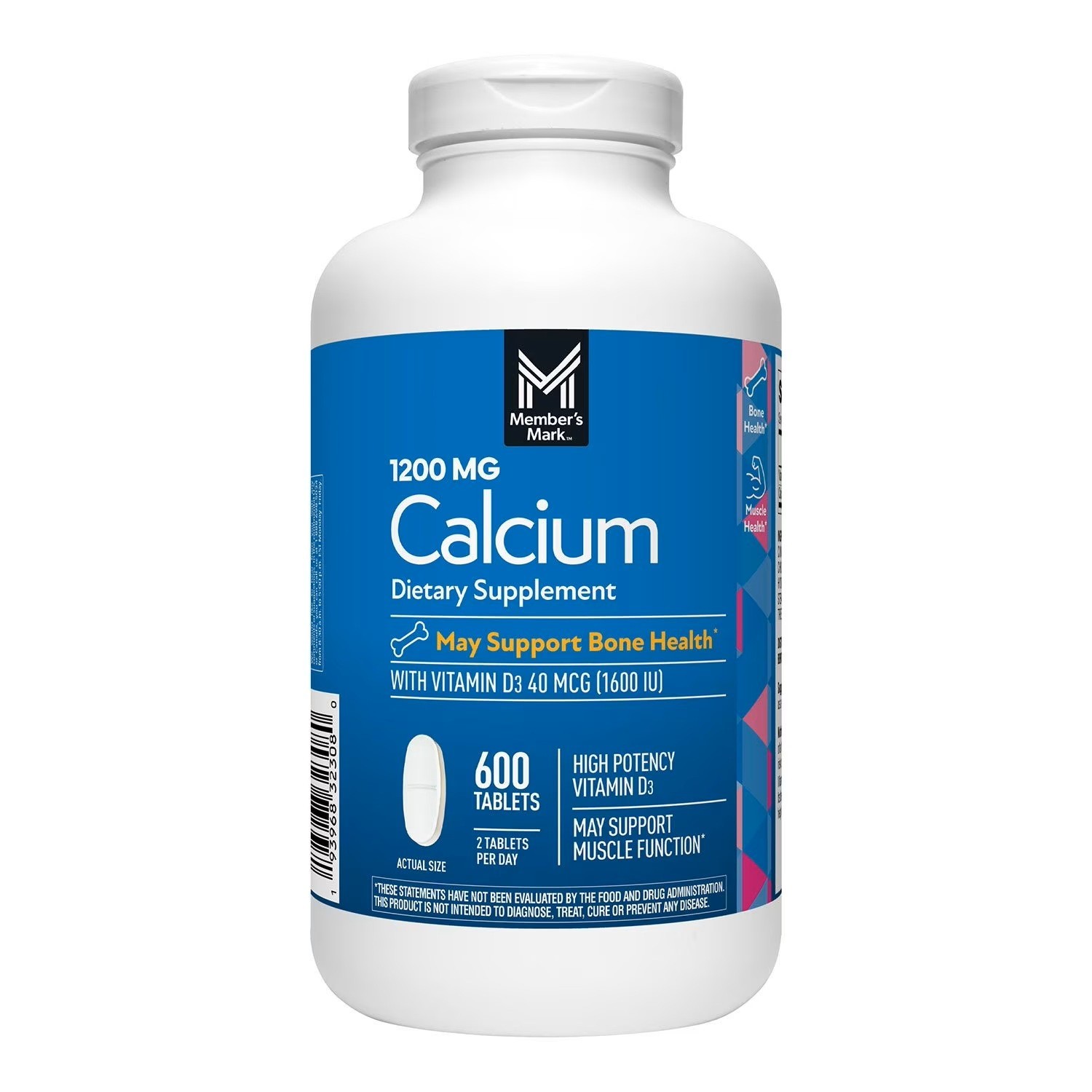
Calcium Tablet Bone

Calcium tablets for bone health are mineral supplements whose efficacy depends on the calcium salt form, elemental calcium yield per tablet, and co-factors like vitamin D3 and magnesium. The core trade-off is absorption efficiency and GI tolerance versus pill burden: carbonate delivers high elemental calcium per tablet but requires stomach acid, while citrate absorbs without acid and suits low-acid users at the cost of larger or more tablets. The decision rule is simple: match the salt form to your digestive profile and dose to your age-based daily requirement minus dietary intake, and skip any product that lists compound weight rather than elemental calcium.
Buying guide image
Vitamins & Minerals

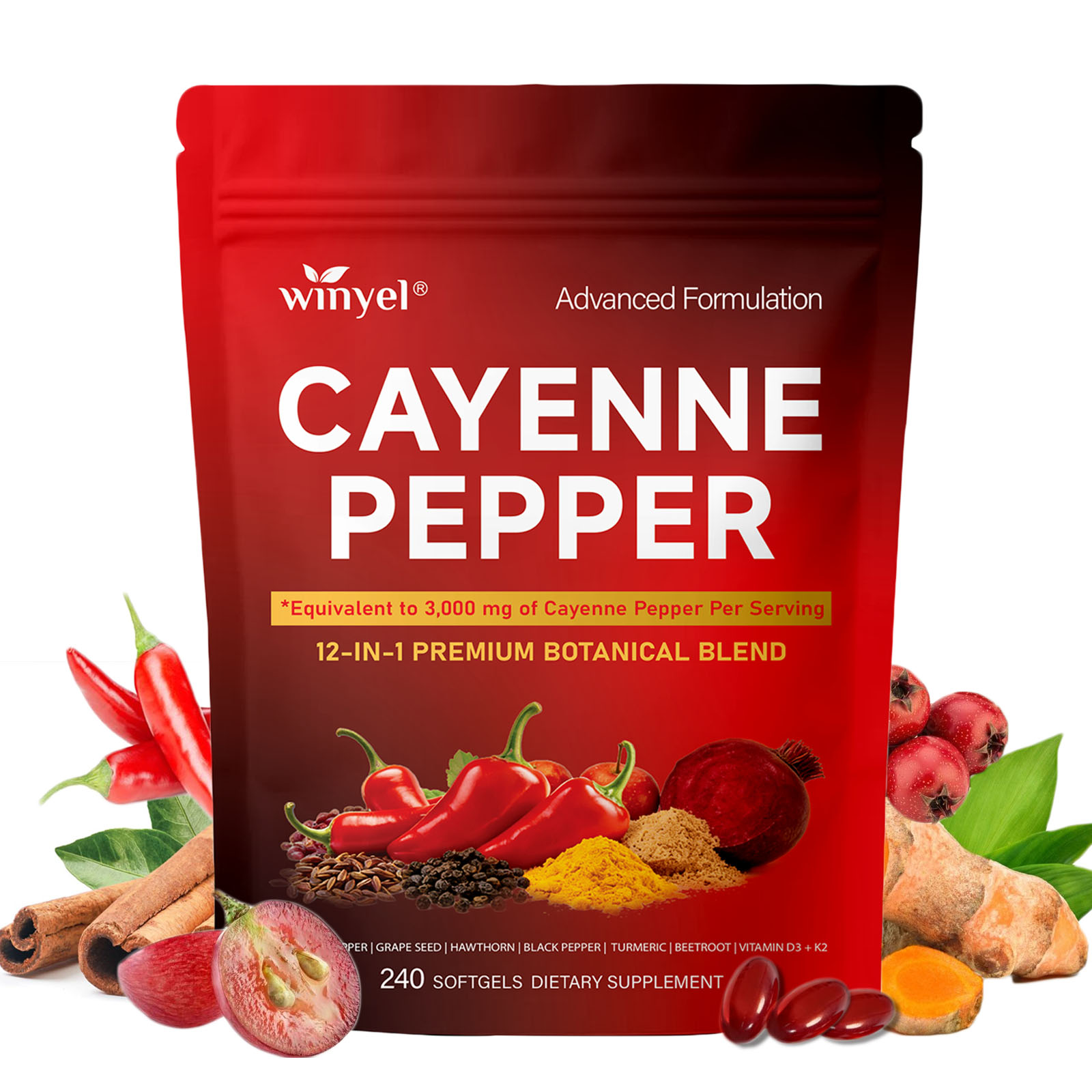
Heart Health Vitamin

Heart health vitamins are dietary supplements combining specific vitamins (C, D3, K2), minerals, and botanical extracts positioned to support cardiovascular function, vascular tone, and healthy circulation. The core trade-off is between single-ingredient clinical-dose formulas and multi-ingredient blends that may underdose each component, while delivery form (softgel vs. tablet) and third-party testing determine actual bioavailability and label accuracy. The clear decision rule: choose a product that discloses exact milligram or IU amounts per ingredient and carries independent purity testing; skip any blend that hides doses behind a proprietary blend or lists ingredients without quantities.

Buying guide image
Meal Replacement Management

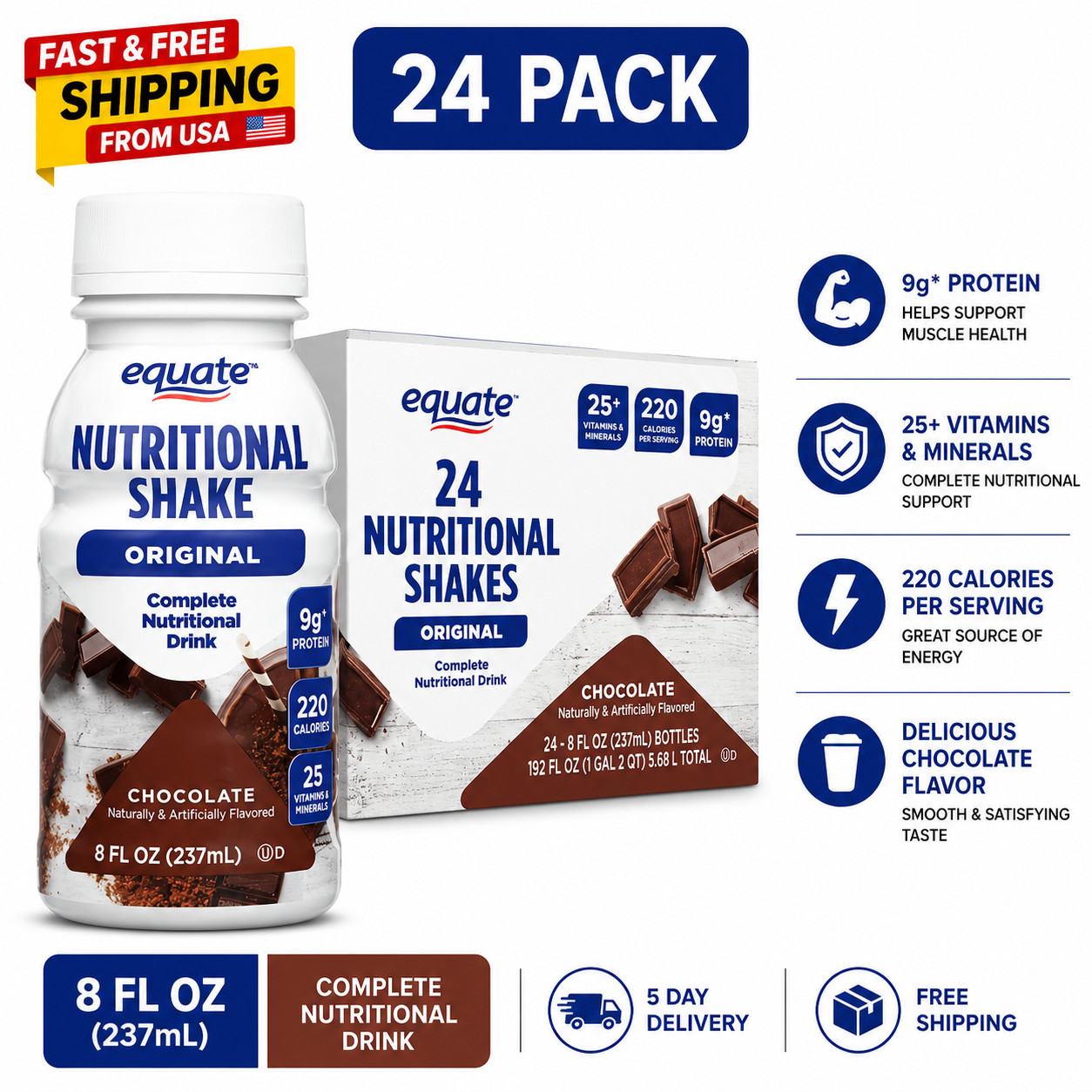
Equate Meal Replacement Shake

Equate Meal Replacement Shakes are a budget retail line of ready-to-drink nutritional shakes sold in multipacks, typically 8 oz bottles and 11 oz cans, formulated to deliver 200-250 calories with protein, vitamins, and minerals per serving. The central trade-off is between low cost per bottle and thinner protein density plus higher sugar or maltodextrin content than premium clinical or high-protein shakes. The decision rule: buy Equate for convenient, low-cost calorie and micronutrient coverage when protein per bottle is secondary; step up to a higher-protein or lower-sugar line if you need 20 g+ protein or tighter glycemic control per meal.

Buying guide image
Protein Nutrition

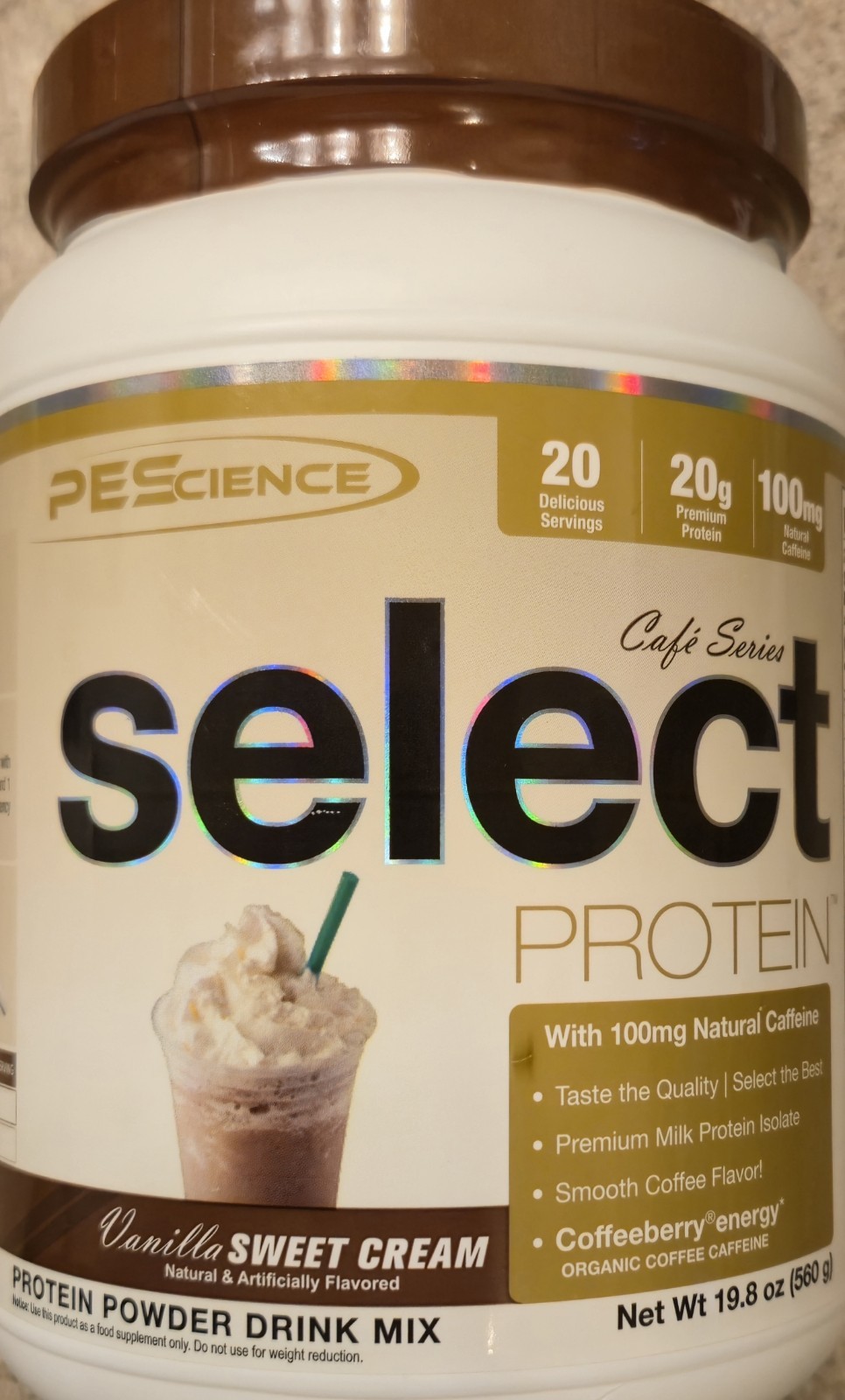
Pescience Select Protein

PEScience Select Protein is a whey-casein blend powder (typically 5:1 or 4:1 ratio) that delivers a thicker, more satiating shake than pure whey isolates, with a flavor-forward profile driven by real milk protein and cocoa/coffee inclusions. The core trade-off is blend ratio and protein-per-scoop versus mixability, caloric density, and inclusion quality; buyers should treat it as a premium taste/satiety product, not a lean-cutting or post-workout purity tool.

Buying guide image
Protein Nutrition

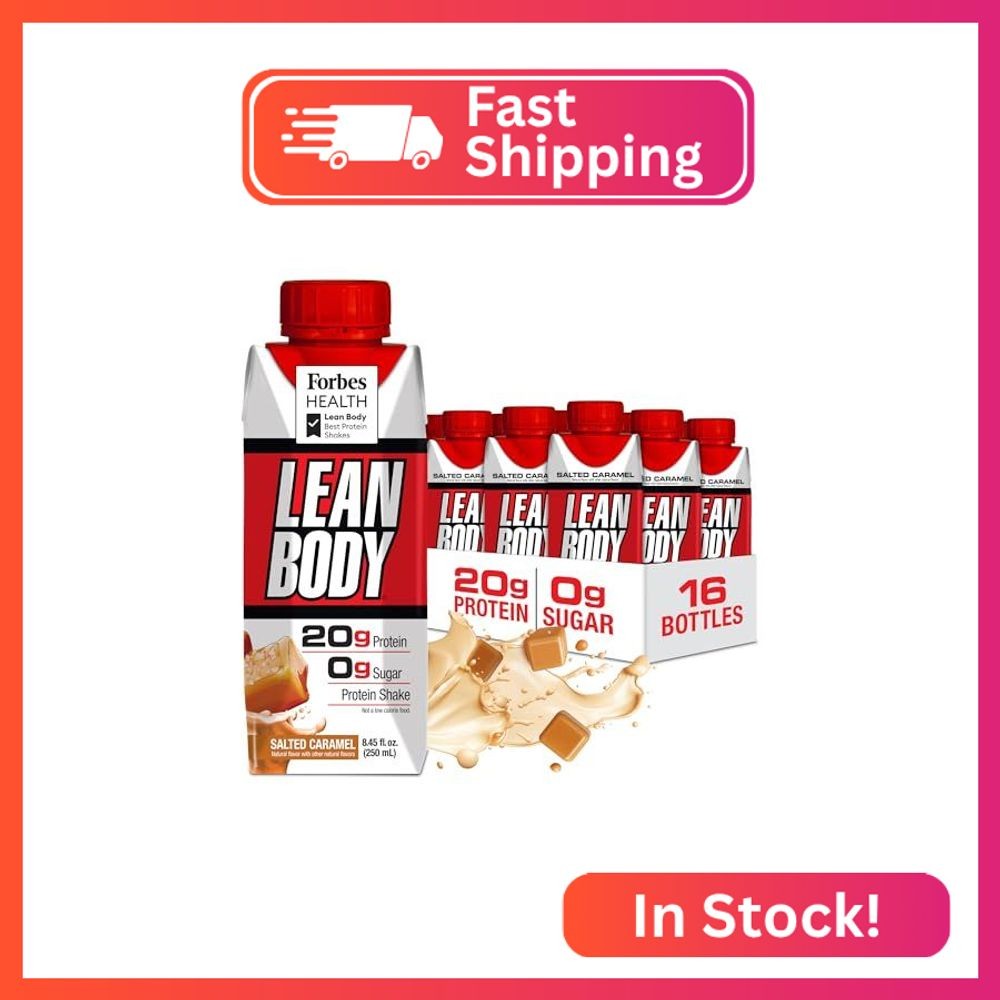
Whey Protein Shake

Whey protein shakes span ready-to-drink (RTD) bottles and powders, with the core trade-off being protein dose and absorption speed versus added sugars, calories, and convenience. Durable, effective options deliver 20–30g of complete whey protein per serving with low sugar and third-party testing; compromises hide behind maltodextrin fillers, underdosed protein, or unverified blends. Choose RTD for portion control and portability; choose powder for cost-per-gram and customizable macros.

Buying guide image
Probiotics & Digestion

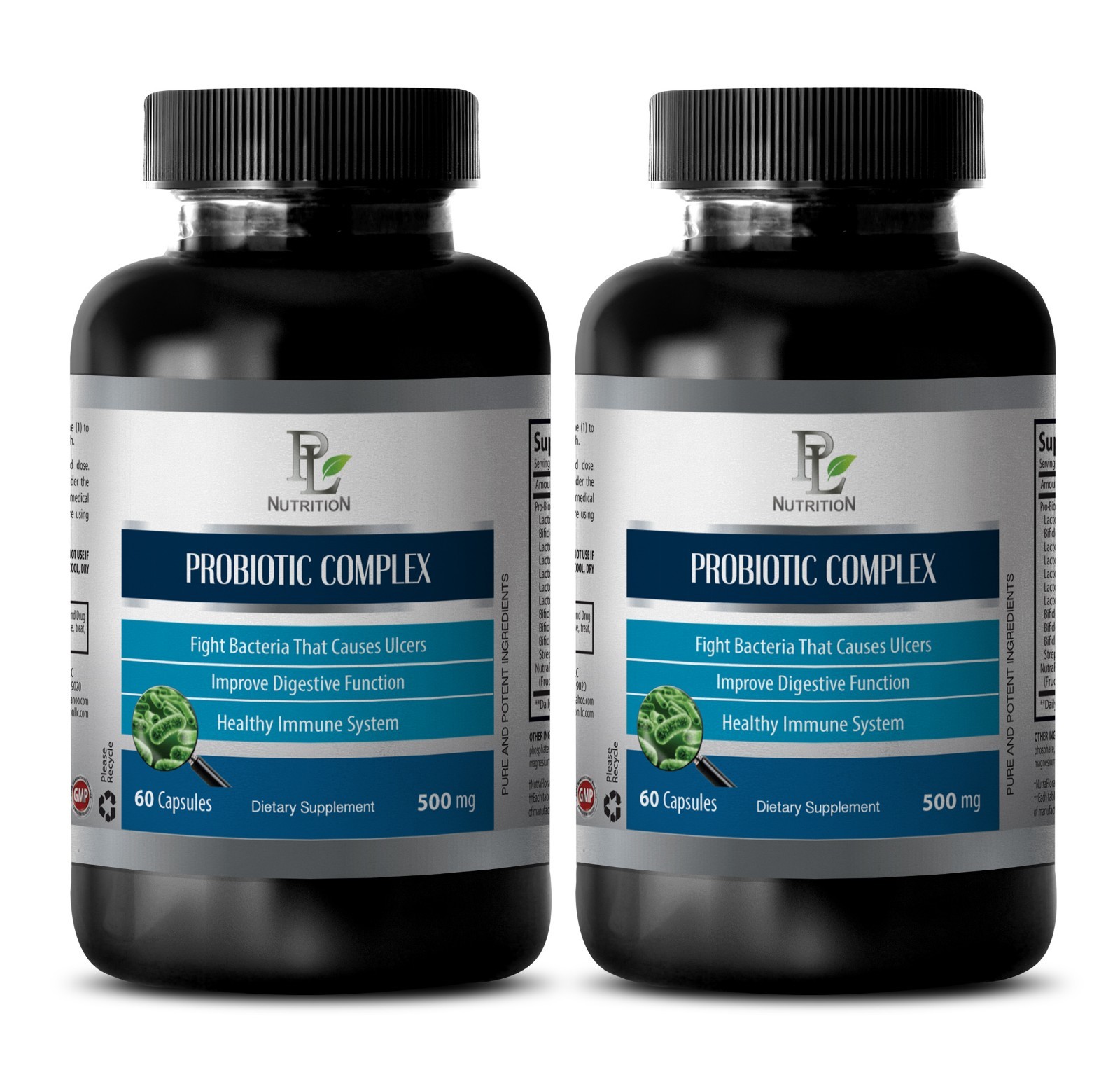
Probiotic Weight Loss

Probiotic weight loss supplements combine live microbial strains with the hope of shifting gut flora to support metabolism, appetite regulation, and fat storage. The core trade-off is between clinically studied strain specificity (e.g., Lactobacillus gasseri, Bifidobacterium lactis) and vague 'probiotic complex' blends that list CFU counts without naming strains or guaranteeing viability. The decision rule: choose products that disclose genus, species, and strain codes plus a CFU count at time of expiry, and skip any label that hides behind proprietary blends or mega-dose CFU claims without strain-level evidence.

Buying guide image
Vitamins & Minerals

Blood Pressure Supplement

Blood pressure supplements are dietary capsules, powders, or tinctures marketed to support healthy circulation, often built around botanicals, minerals, or amino acids rather than prescription antihypertensives. The core trade-off is between single-ingredient potassium/magnesium or herbal diuretic formulas and multi-ingredient blends whose doses are frequently subclinical. The decision rule: prioritize products that disclose exact elemental mineral doses or standardized botanical extracts and avoid proprietary blends that hide per-ingredient amounts.

Buying guide image
Vitamins & Minerals

Vitamin E Hair

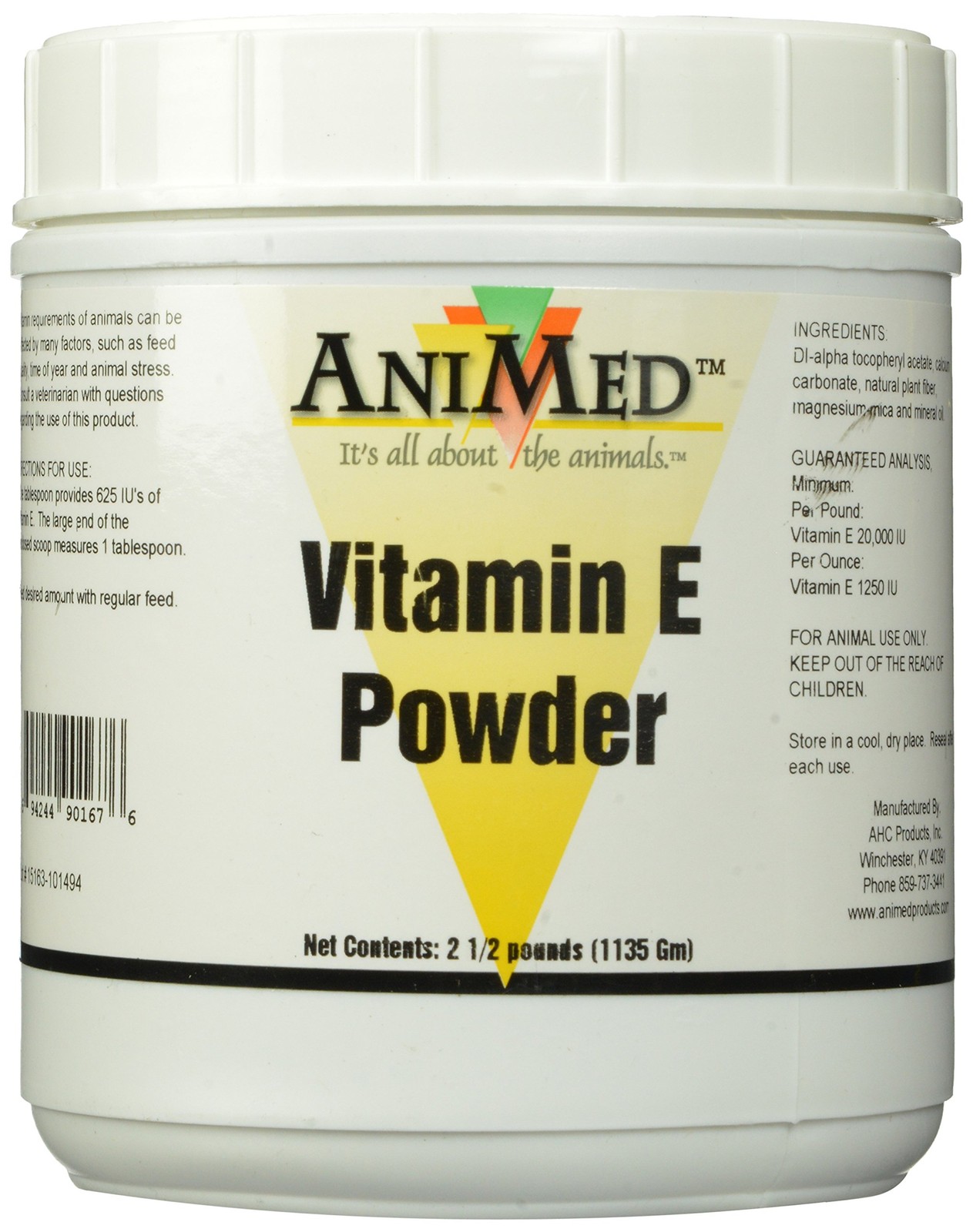
Vitamin E hair products are topical oils, serums, or oral supplements marketed to improve scalp moisture, reduce oxidative stress, and support hair density. The primary trade-off is between topical formulations that deliver tocopherols directly to the follicle versus oral supplements whose systemic absorption and hair benefit depend on dose, form (natural d-alpha-tocopherol vs synthetic dl-alpha), and co-factor intake. The clear decision rule: choose a topical product with a short ingredient list and a known tocopherol concentration, or an oral supplement that states IU or mg of d-alpha-tocopherol and pairs it with a fat source; skip ambiguous blends that list vitamin E only as part of a proprietary complex.

Buying guide image
Protein Nutrition

Boost High Protein Drink

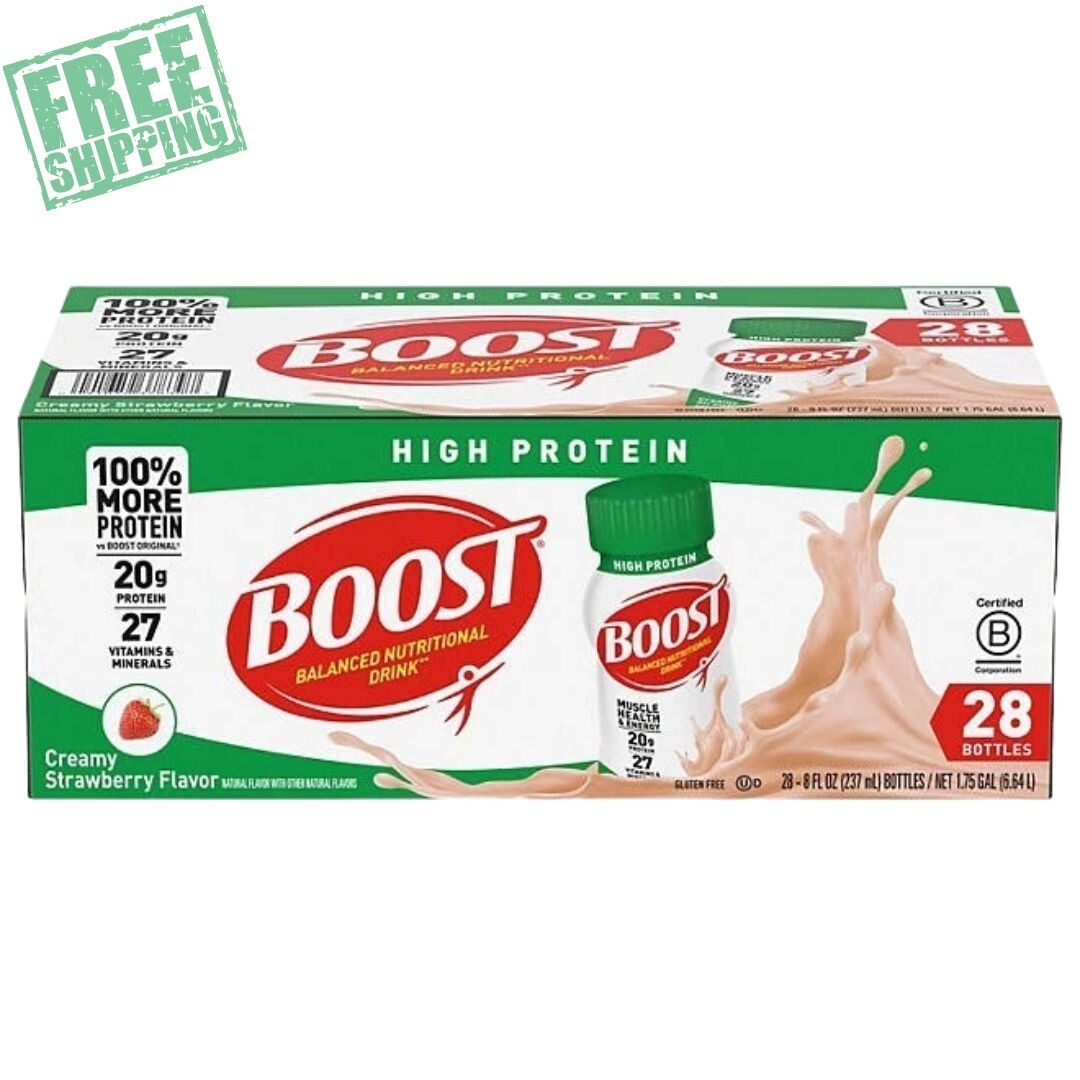
Boost High Protein is a ready-to-drink nutritional shake delivering 20g of protein per 8 fl oz bottle, formulated for adults seeking convenient protein and nutrient support between meals or as a supplement. The primary trade-off is between protein density and added sugars/carbohydrates across flavor variants, plus pack-size economics versus freshness. The clear decision rule: choose the 20g original line for balanced nutrition at lower sugar, or the 20g High Protein line for higher protein density in the same bottle size—skip ultra-high-sugar variants if blood glucose management is a priority.

Buying guide image
Protein Nutrition

Boost High Protein Nutritional Drink

Boost High Protein is a ready-to-drink nutritional shake delivering 20g of protein per 8 fl oz bottle, positioned between mainstream meal-replacement drinks and clinical oral nutrition supplements. The primary trade-off is protein density versus sugar and calorie load: original Boost High Protein uses a sugar-sweetened dairy base, while lower-sugar or higher-protein variants alter carbohydrate type and total calories. Choose original 20g bottles for general protein top-up and post-illness recovery; skip them if you need diabetic-friendly carbohydrate control or 30g+ protein per serving.

Buying guide image
Protein Nutrition

Mass Protein Powder

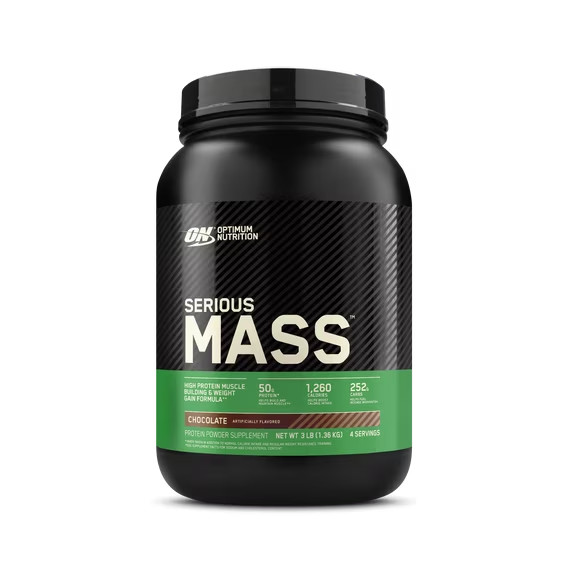
Mass protein powders, also called weight gainers, are high-calorie protein blends designed to support rapid weight and muscle gain through a combination of protein, carbohydrates, and fats. The primary decision is between a protein-dense gainer (higher protein per serving, lower sugar) and a carbohydrate-heavy gainer (more total calories, often with added maltodextrin). Choose a protein-dense formula if you want lean mass with minimal fat gain; choose a carb-heavy gainer only if you struggle to consume enough total calories from whole foods.

Buying guide image
Probiotics & Digestion

Love Wellness Probiotic

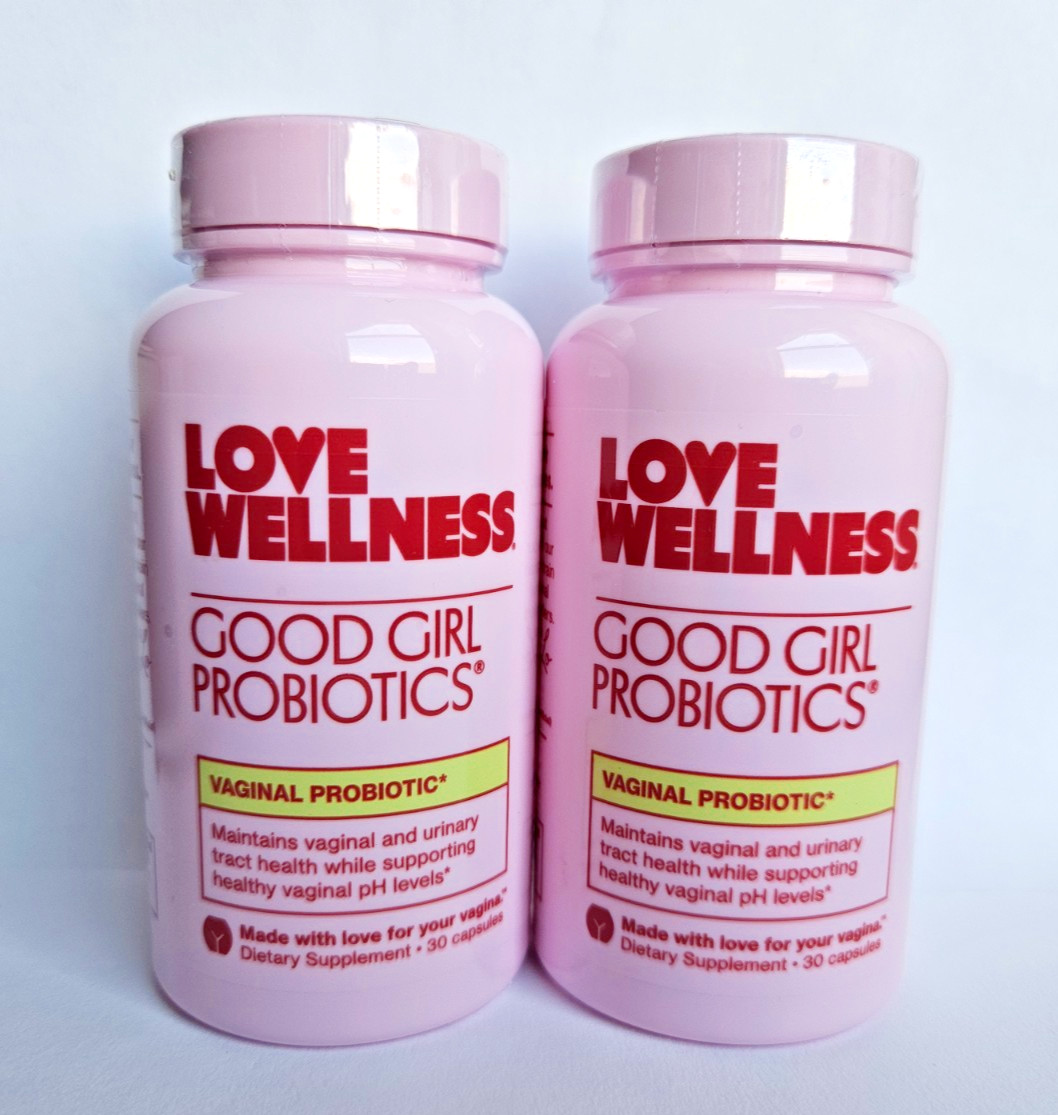
Love Wellness Probiotic is a brand-specific line of shelf-stable probiotic supplements and vaginal suppositories, distinct from generic Lactobacillus blends by its targeted strains, CFU tiers, and delivery format (oral capsule vs. suppository). The core trade-off is between broad digestive support (multi-strain, higher CFU) and focused feminine/vaginal health (specific Lactobacillus strains, suppository delivery). Choose oral capsules for daily gut and immune support; choose suppositories only for localized vaginal flora support and never as a digestive probiotic.

Buying guide image
Vitamins & Minerals

Vitamin C With Zinc

Vitamin C with zinc combines two immune-support nutrients into one supplement, and the primary trade-off is elemental zinc dose versus pill burden and mineral form. Durable, well-absorbed options use chelated zinc (citrate, gluconate, or picolinate) at 8–15 mg elemental zinc per serving and avoid mega-dose vitamin C above 1,000 mg unless your clinician advises it.

Buying guide image
Sports Performance

Caffeine Pill

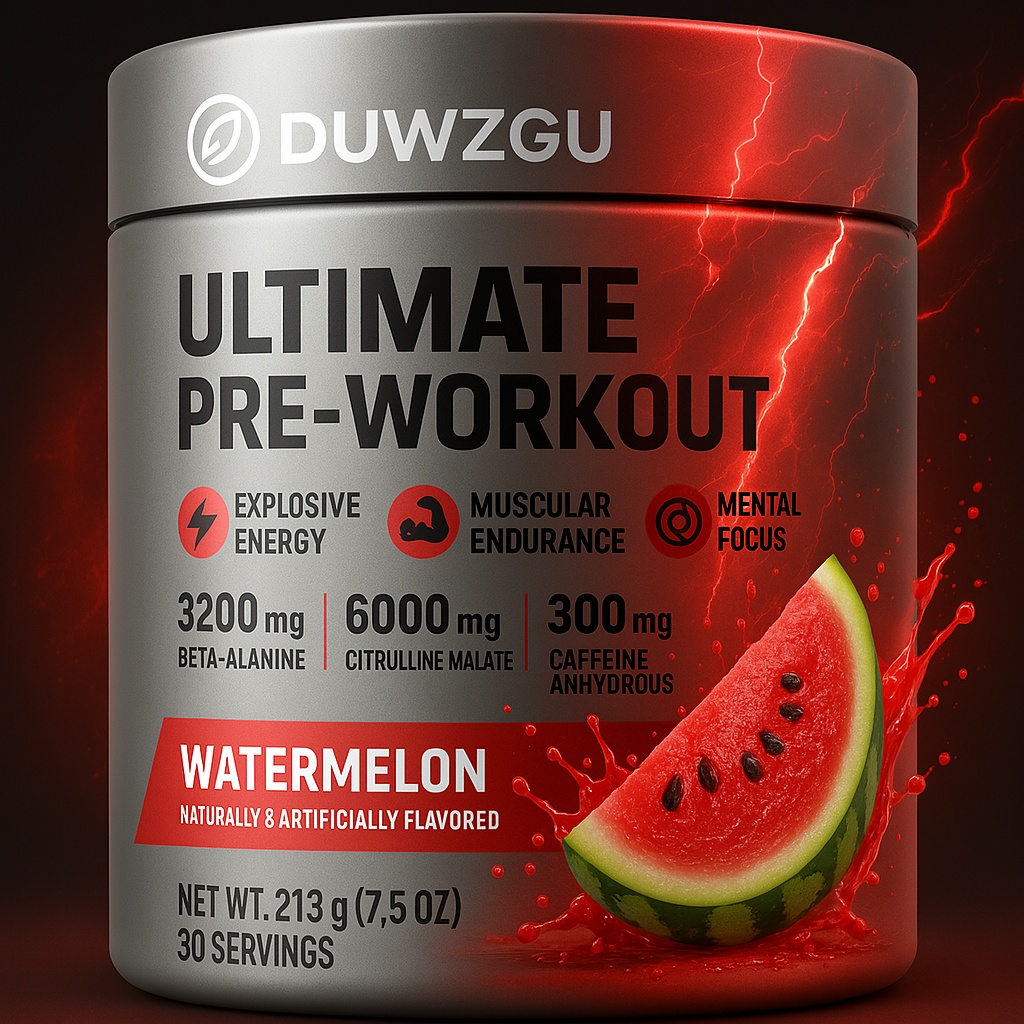
Caffeine pills are anhydrous caffeine in tablet or capsule form, used for pre-workout energy, focus, and endurance. The primary trade-off is dose precision and release speed versus added fillers or extended-release coatings that alter onset and duration. The decision rule: choose single-ingredient 100–200 mg tablets with a clear USP or NSF seal for predictable dosing, and avoid proprietary blends or overly high per-pill doses that prevent flexible titration.

Buying guide image
Sports Performance

Creatine Tablet

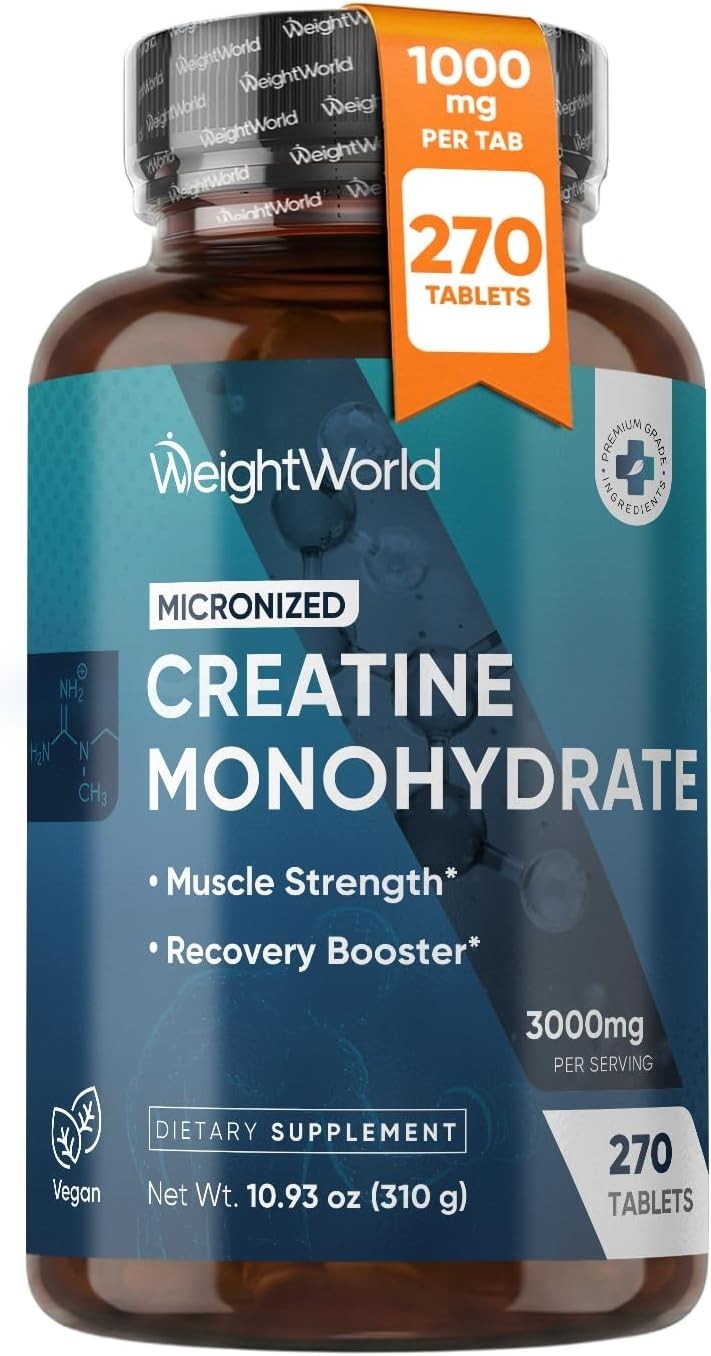
Creatine tablets and capsules deliver monohydrate or blended creatine in fixed-dose pill form, trading the mixability and cost efficiency of powder for convenience and precise dosing. The primary trade-off is pill burden versus dose: high-dose tablets (3–5 g per serving) require fewer pills but are large and hard to swallow, while 1–2.5 g capsules demand 2–6 pills per serving. Choose tablets or capsules only when you value portability and exact dosing over powder; for maximum grams per dollar, powder remains the benchmark.

Buying guide image
Sports Performance

Muscle Building Supplement

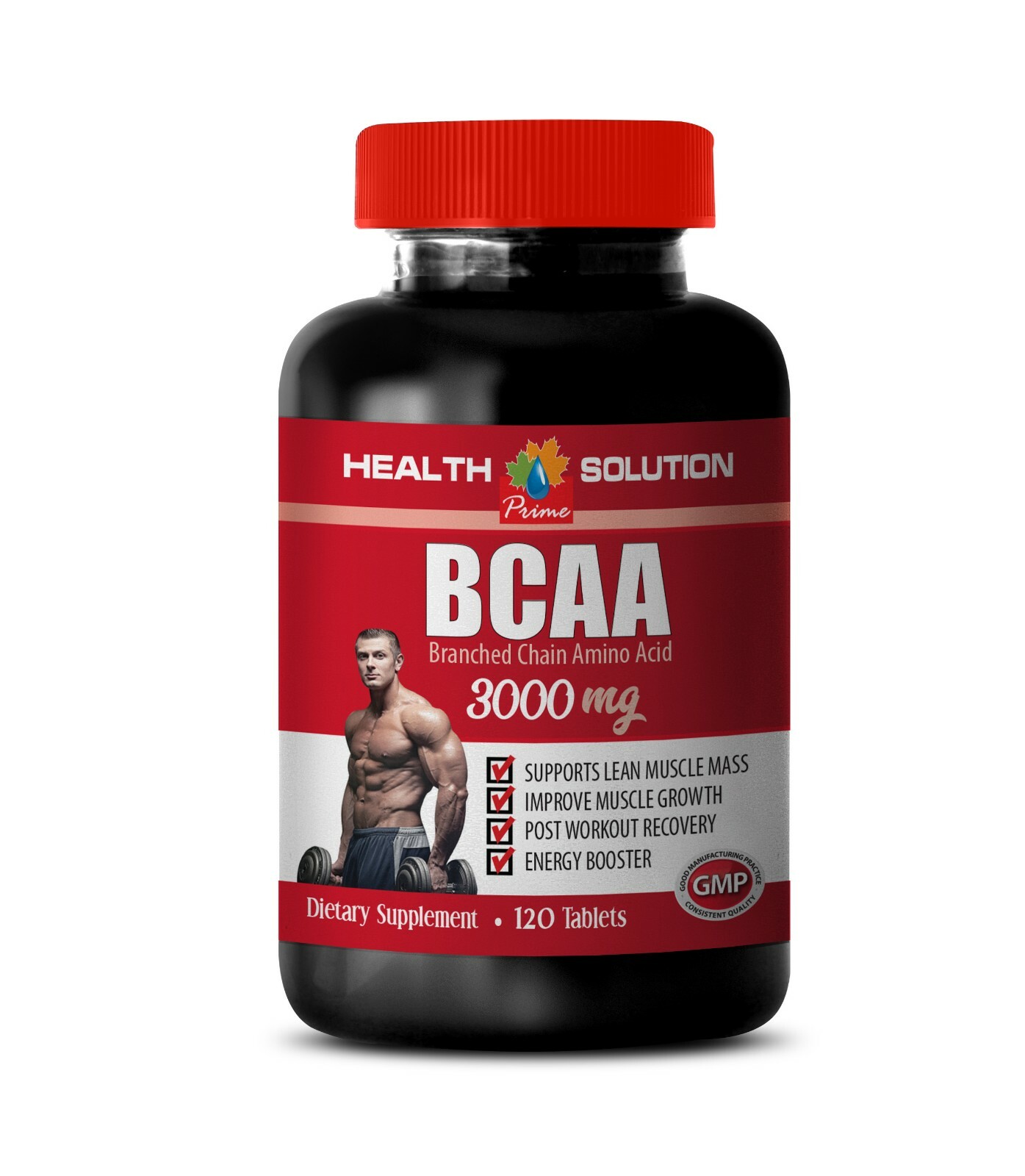
Muscle building supplements are concentrated amino acid, creatine, or protein formulations intended to support hypertrophy when paired with resistance training and adequate calories. The core trade-off is between clinically dosed single-ingredient products (creatine monohydrate, whey isolate, EAAs) and underdosed proprietary blends that list amino acids without amounts. The decision rule: buy only products that disclose the full dose per serving and match a proven ingredient—creatine at 3–5 g, protein at 20–30 g, or EAAs at 6–10 g—and skip any BCAA-only tablet under 5 g total.

Buying guide image
Vitamins & Minerals

Apple Cider Vinegar Pill

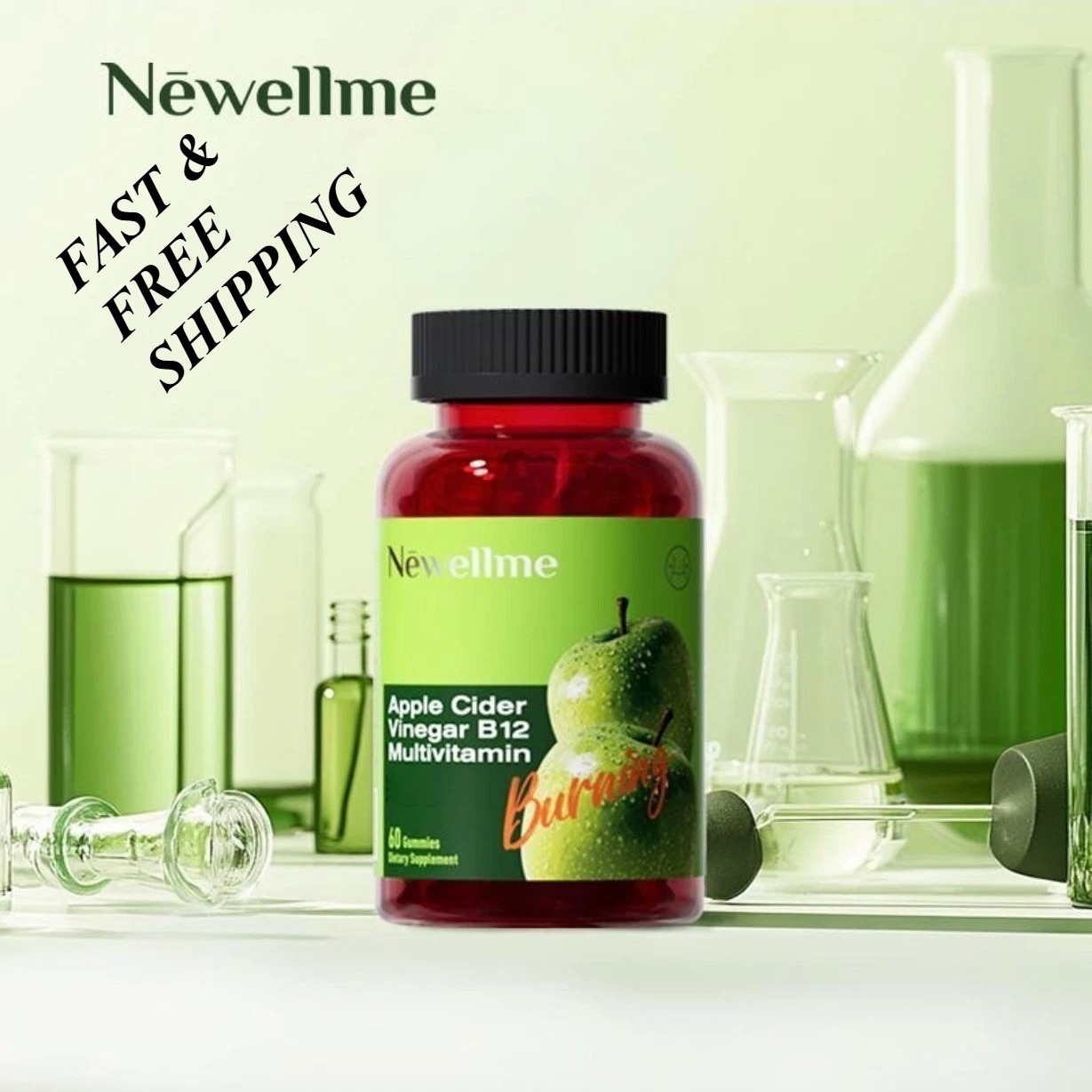
Apple cider vinegar pills are a concentrated, low-acid way to take ACV without the taste or enamel erosion of liquid vinegar. The key trade-off is acetic acid dose versus delivery format: capsules deliver a precise 2400 mg extract but vary wildly in standardization, while gummies trade dose for sugar-free palatability and often underdeliver on acetic acid. Choose capsules with a stated acetic acid percentage (typically 5-8%) and third-party testing if you want a measurable dose; choose gummies only if you accept a lower, fiber- or probiotic-focused dose.

Buying guide image
Vitamins & Minerals

Liquid Vitamin Women

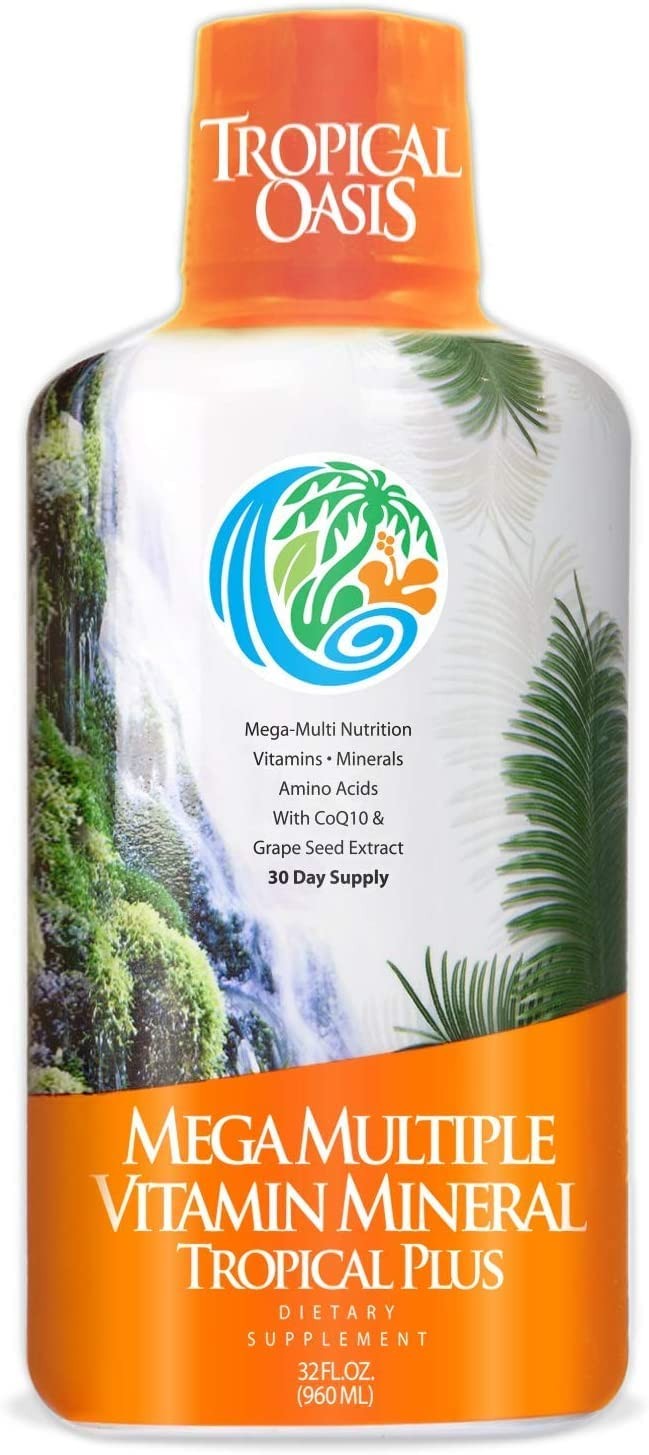
Liquid vitamins for women are absorbable, drinkable multivitamin or collagen formulas that trade shelf stability for faster uptake and easier swallowing. The core trade-off is between whole-food, broad-spectrum multivitamin liquids and single-focus beauty/collagen drinks: the former needs verified vitamin D, iron, and B12 levels plus a preservative system, while the latter lives or dies on peptide dose and vitamin C co-factors. Decision rule: buy a liquid whose label states per-serving elemental mineral and vitamin doses in mg/mcg, not just a proprietary blend — if the dose is hidden, skip it.

Buying guide image
Vitamins & Minerals

Vitamin Pregnancy

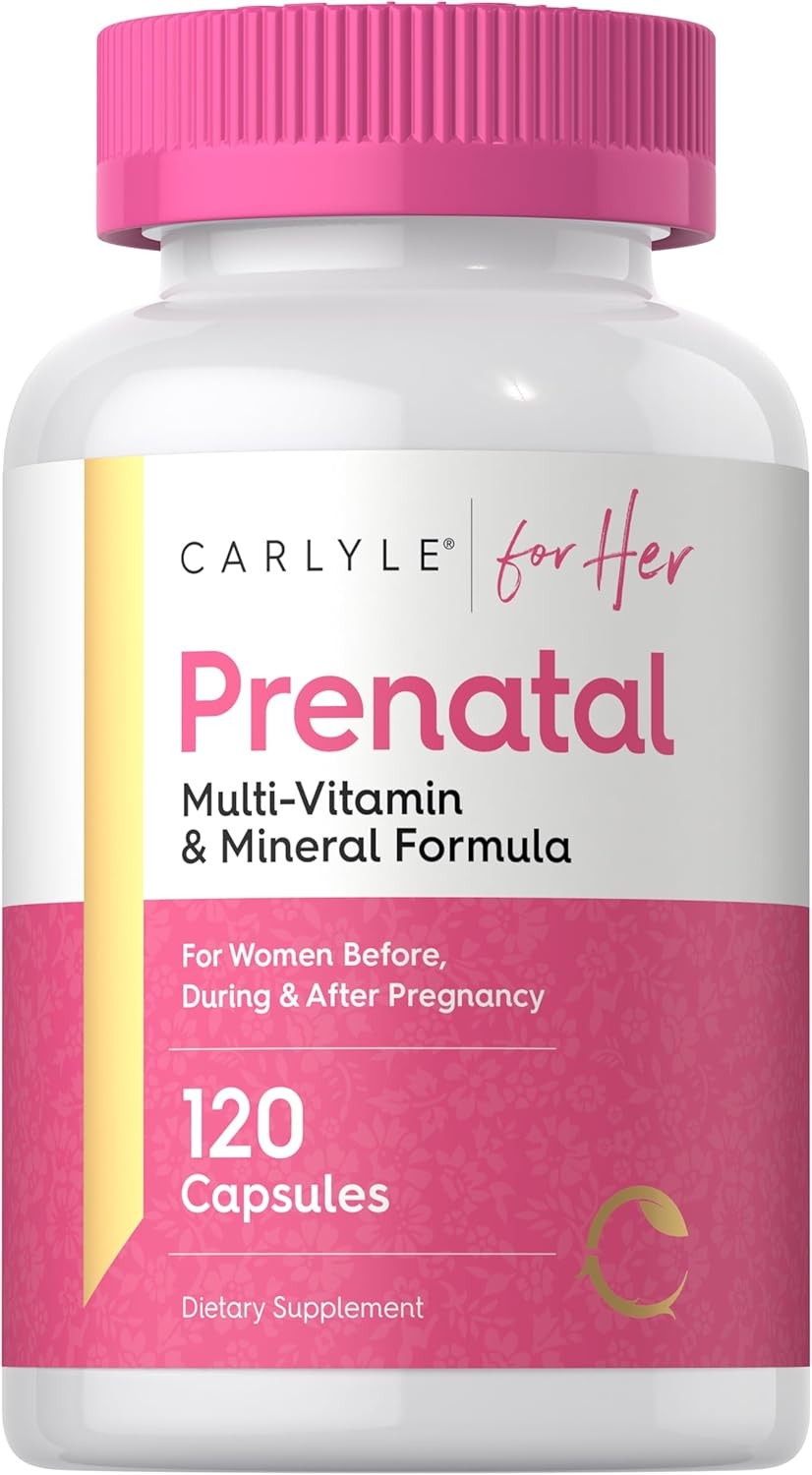
Prenatal vitamins are daily multivitamin-mineral supplements formulated to meet the elevated micronutrient demands of pregnancy, with the core non-negotiables being 400–800 mcg folate (as methylfolate or folic acid), 27 mg iron, and 1,000–1,300 mg calcium split across doses. The primary trade-off is between one-a-day compressed tablets (convenient but low calcium and often poorly tolerated iron) and split-dose or chewable/gummy formats (better absorption and stomach comfort but requiring multiple servings). The decision rule: pick a product that lists elemental iron and folate forms on the Supplement Facts panel, delivers at least 400 mcg DFE folate, and separates calcium from iron doses—skip any prenatal that hides mineral forms behind an prop blend or omits DHA unless you add a separate omega-3.

Buying guide image
Protein Nutrition

Moringa Powder

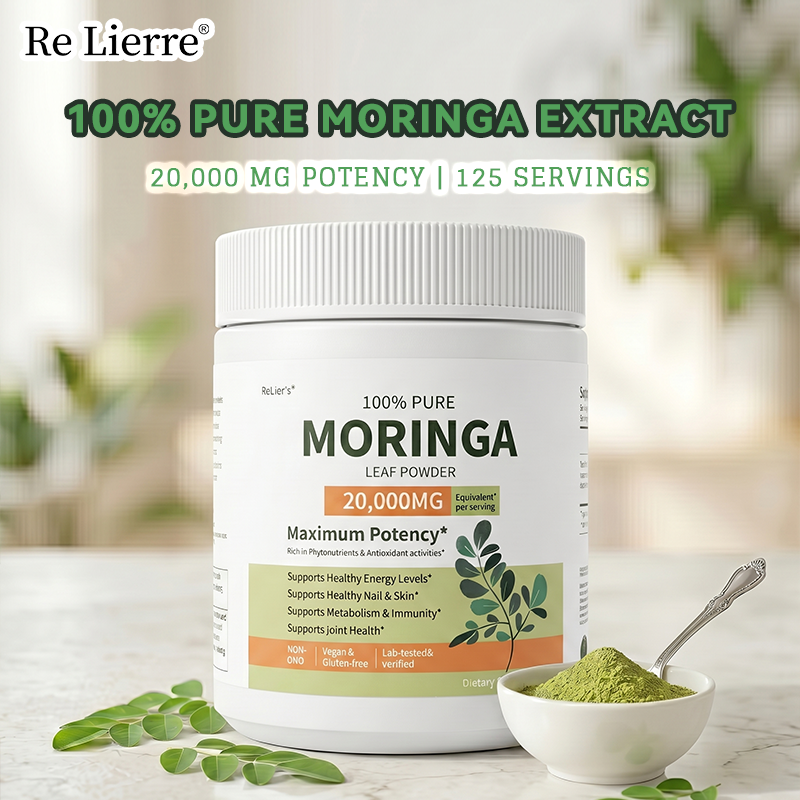
Moringa powder is a dried, milled leaf supplement sold as a raw green powder or in capsules, and the decisive quality trade-off is leaf purity versus filler: whole-leaf powder versus stem-heavy or maltodextrin-cut product. Buy only single-ingredient powder labeled 100% Moringa oleifera leaf with a stated drying method and heavy-metal testing; skip blends, sweetened drink mixes, and unlabeled bulk bags.

You may also like

Finding more guides for you…