Health Stack Guide

Health Stack Guide

Nutrition & Supplements Reviews & Buying Guides

Compare nutrition & supplements by use case, features, trade-offs, price, returns, and seller terms before you buy.

Buying guides

Buying guide image
Sleep & Stress Supplements

Stress Relief Vitamin

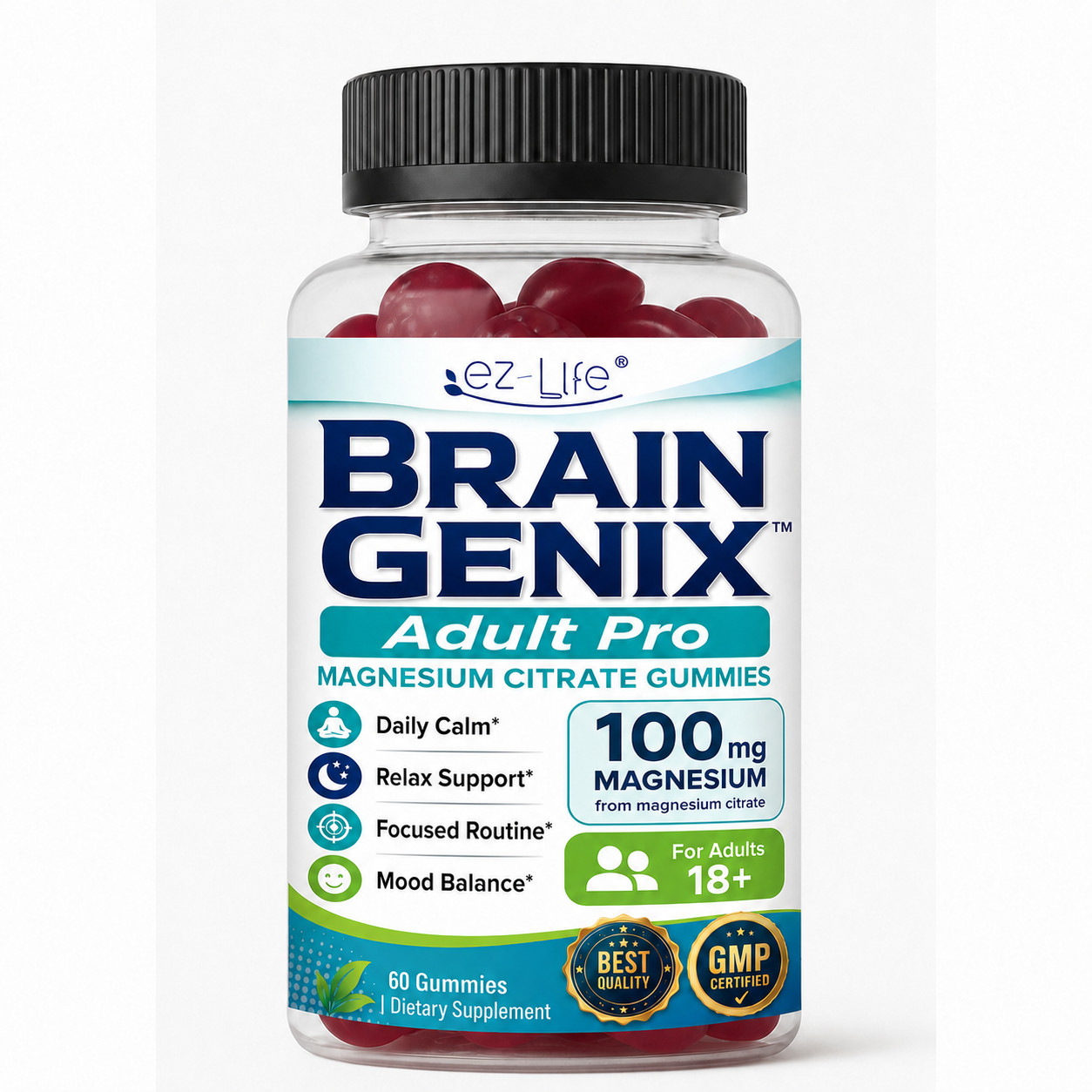
Stress relief vitamins are single-ingredient or stacked formulas built around magnesium, ashwagandha, L-theanine, and B-vitamin cofactors that modulate the HPA axis and neurotransmitter tone. The core trade-off is chelation and extract standardization: chelated minerals (glycinate, citrate) and standardized root extracts (KSM-66, Sensoril) cost more but deliver predictable absorption, while oxide/carbonate fillers and unstandardized powders pass through largely unabsorbed. Buy chelated magnesium at 200–400 mg elemental and clinically studied ashwagandha at 300–600 mg standardized withanolides; skip oxide-based '600 mg' labels and proprietary blends that hide per-ingredient doses.
Buying guide image
Sports Performance

Creatine Capsule

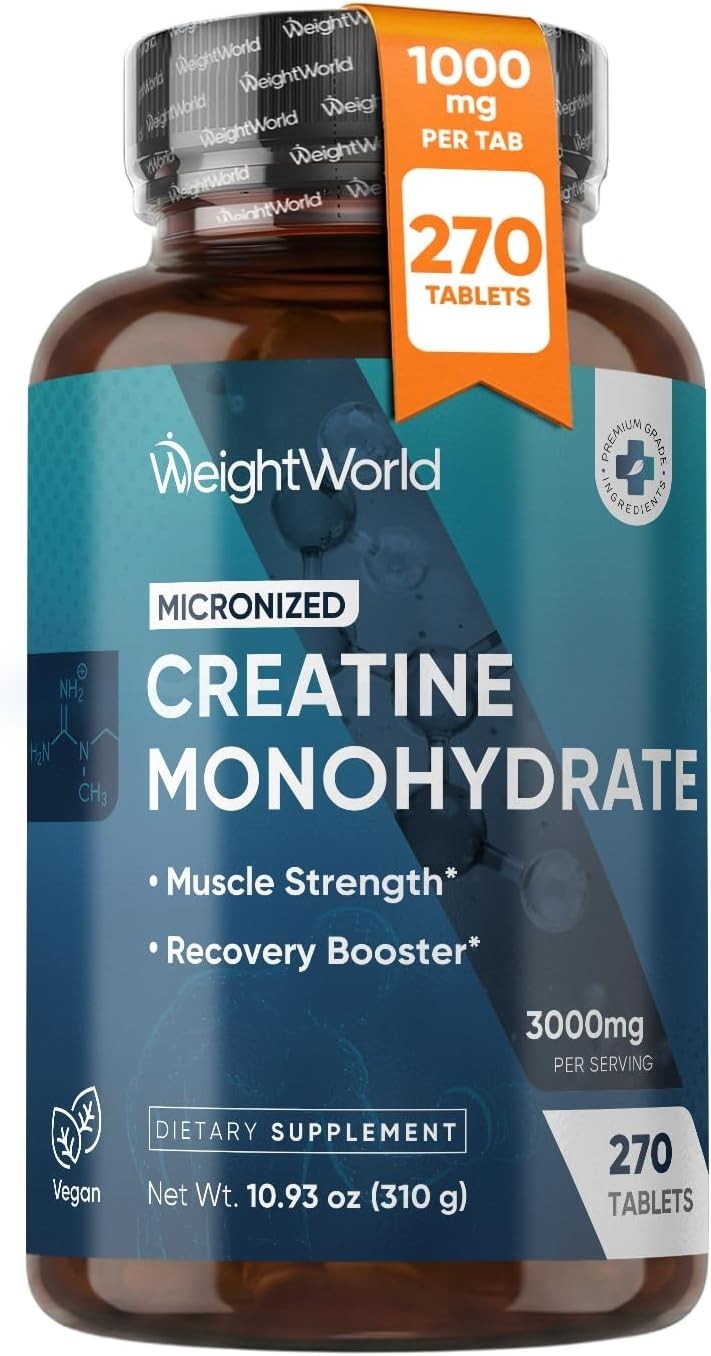
Creatine capsules deliver a clinically backed strength and recovery aid in pre-measured, portable form, but the category splits sharply between pure monohydrate and blended or proprietary 'complex' formulas. The core trade-off is capsule count and dose per serving versus ingredient transparency and added compounds. Choose pure micronized monohydrate at a dose that matches the 3–5 g daily standard; treat creatine blends, 'CR5 complexes,' and added amino acid stacks as optional convenience rather than superior efficacy.

Buying guide image
Sports Performance

On Optimum Nutrition Creatine

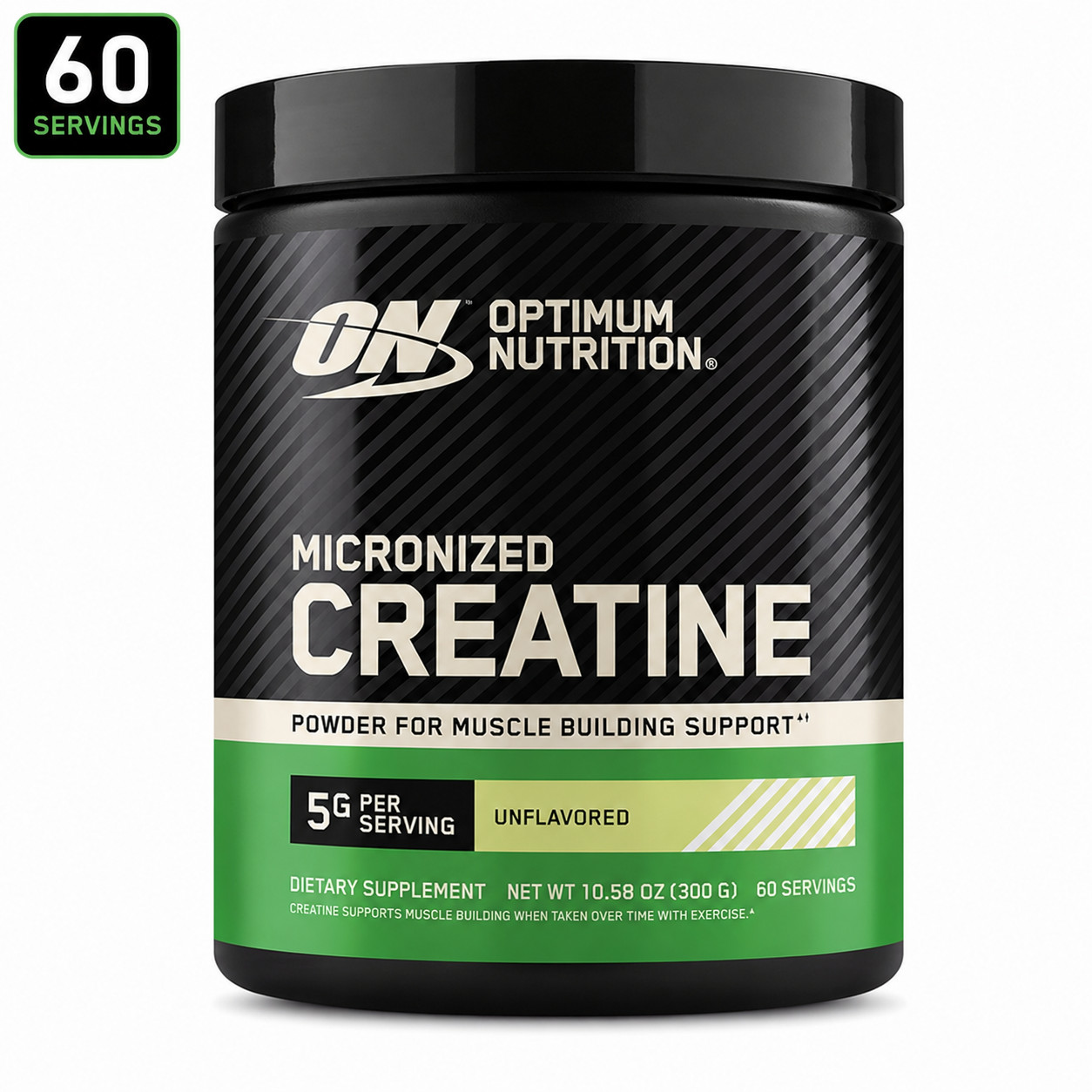
Optimum Nutrition Creatine is a line of creatine monohydrate supplements from a legacy sports-nutrition brand, offered as micronized powder or capsules. The core trade-off is convenience versus dose control: powders deliver flexible 5g servings, while capsules cap at 2.5g per capsule and require multiple pills per dose. Choose powder for cost-effective 5g dosing; choose capsules only if you prioritize portability and swallowability over per-gram value.

Buying guide image
Sports Performance

Optimum Nutrition 2500 Creatine

Optimum Nutrition 2500 Creatine refers to the brand's micronized creatine monohydrate powder sold in large tubs using a 2,500 mg (2.5 g) scoop size, a legacy serving convention that predates the modern 5 g standard dose. The primary trade-off is serving efficiency versus label clarity: a 2.5 g scoop means twice the scoops, twice the tub opening, and twice the math versus a standard 5 g product. The decision rule is simple: choose a 5 g single-scoop micronized monohydrate from ON or any Creapure-verified brand for daily maintenance; accept the 2,500 mg scoop only if you deliberately split doses or prefer smaller individual servings.

Buying guide image
Sports Performance

Optimum Nutrition Creatine 2500

Optimum Nutrition Creatine 2500 is a micronized creatine monohydrate capsule product (2.5 g per capsule) positioned for athletes who prefer capsules over powders; the core trade-off is capsule convenience and swallow count versus dose flexibility and cost per gram. The decisive rule: choose capsules only if you accept 2–4 capsules per 2.5–5 g daily dose and verify the label states 100% creatine monohydrate with no proprietary blends; otherwise bulk micronized powder delivers the same ergogenic effect with easier dose titration.

Buying guide image
Vitamins & Minerals

Chromium Supplement

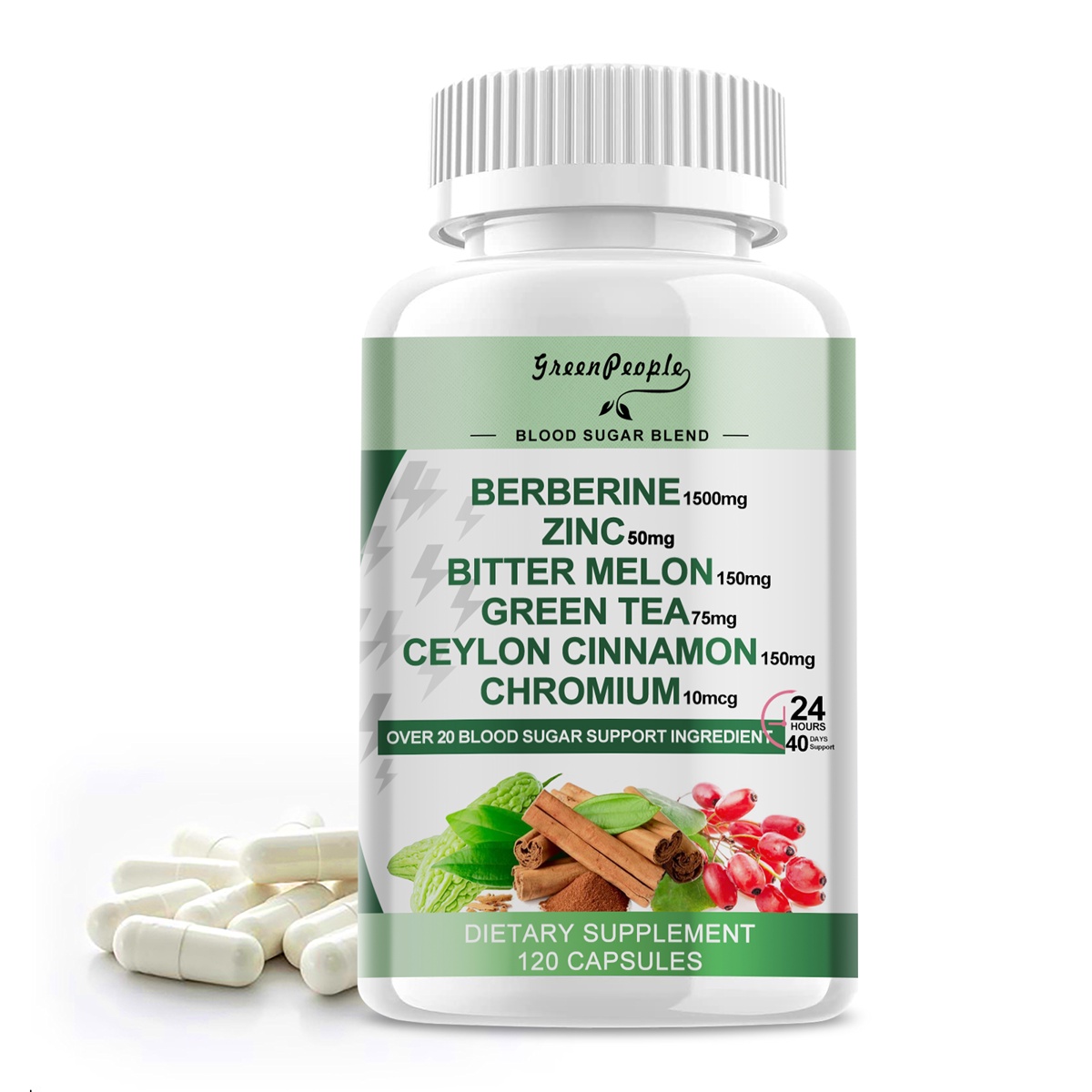
Chromium supplements deliver trivalent chromium (typically picolinate or polynicotinate) to support insulin signaling and glucose metabolism, with the main trade-off being elemental chromium dose per capsule and chelate form versus cheap chromium chloride. Durable, evidence-aligned options list the exact chromium form and elemental yield so you can hit 200–1000 mcg daily; compromise products bury chromium inside proprietary blends where the actual dose is unknowable.

Buying guide image
Vitamins & Minerals

Hair And Skin Vitamin

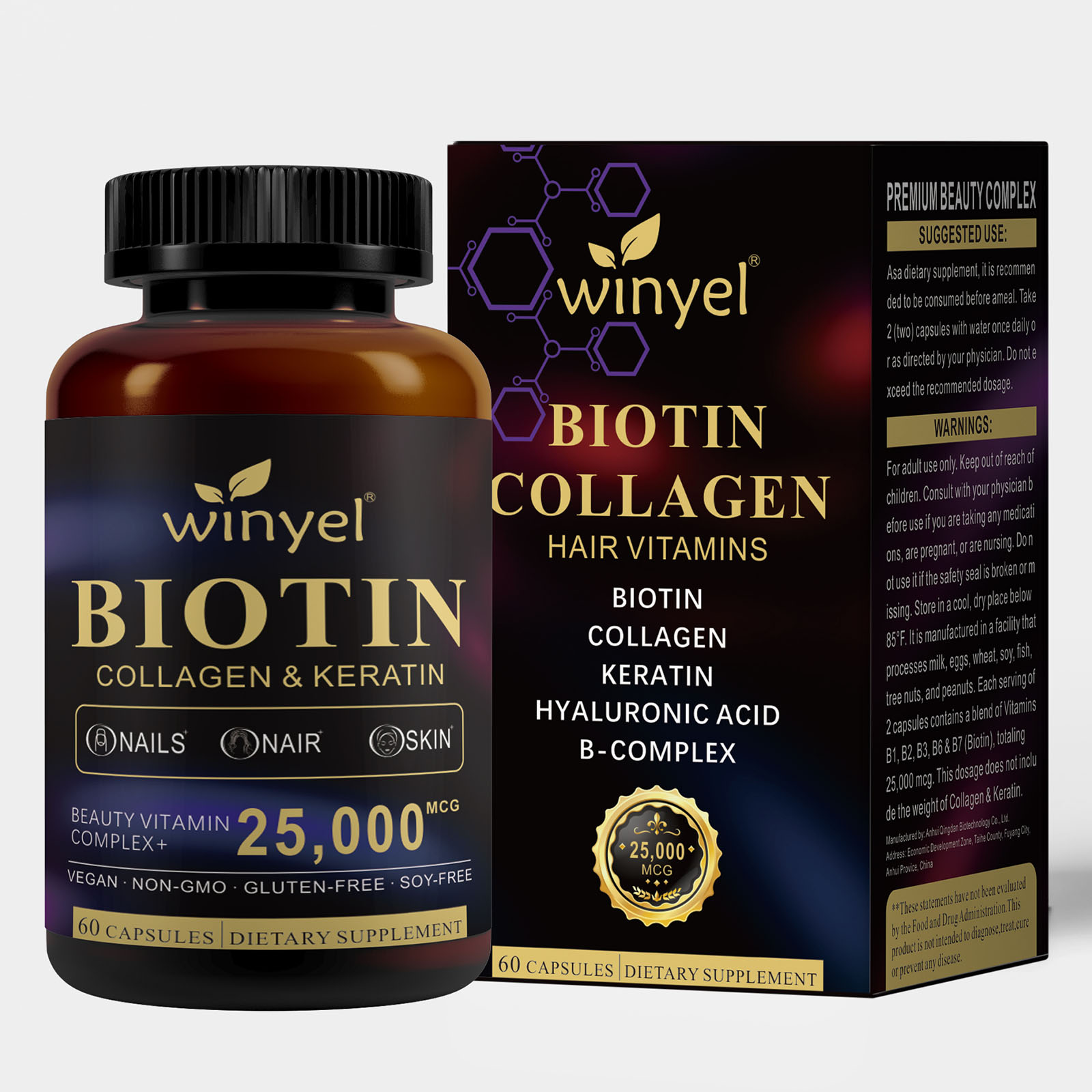
Hair and skin vitamins are oral supplements combining biotin, collagen, hyaluronic acid, and antioxidant vitamins to support keratin infrastructure and dermal hydration. The core trade-off is between gummy delivery (low-dose, sugar-bound, convenient) and softgel or capsule delivery (higher-dose, oil- or powder-based, more actives per serving). Choose a capsule or softgel with at least 5,000 mcg biotin and 100 mg collagen for meaningful daily intake; treat gummies as a maintenance-tier option only when their label shows 2,500 mcg biotin or more per serving.

Buying guide image
Meal Replacement Management

Chocolate Protein Shake

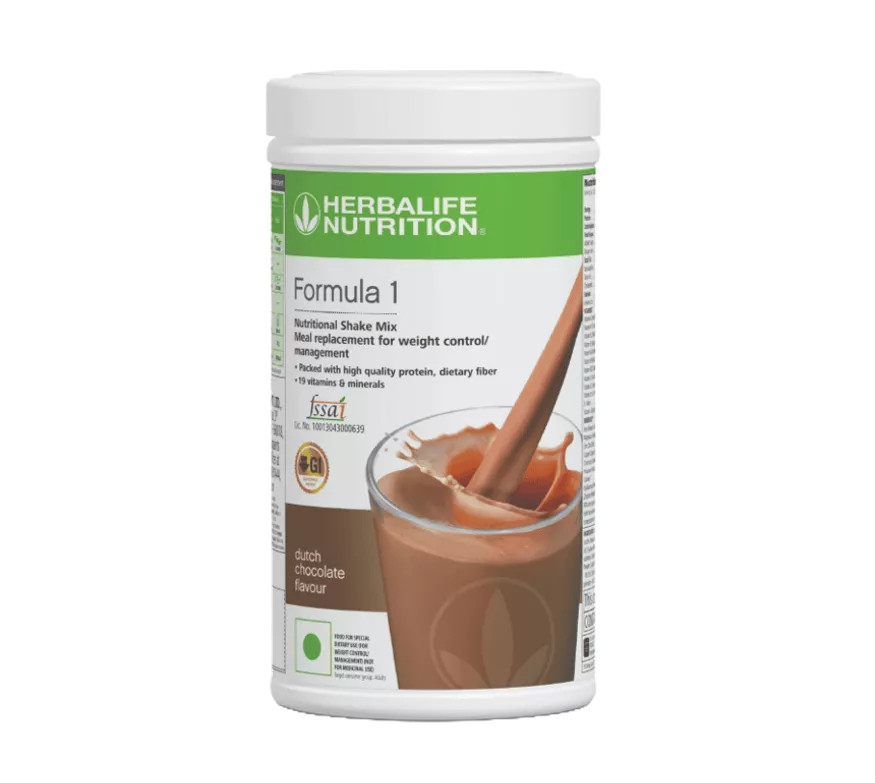
Chocolate protein shakes span ready-to-drink (RTD) and powder formats, with the key trade-off being protein density and sugar load versus convenience and digestive tolerance. RTD options deliver 16–30g protein per 8–11oz bottle with no prep but often carry 1–7g added sugar or sugar alcohols; powders offer 20–25g per scoop at lower cost and flexible dosing but require a shaker and water/milk. The decision rule: pick RTD for portion-controlled meal replacement on the go at 20g+ protein and ≤5g added sugar; pick powder for daily high-volume protein supplementation and ingredient control.

Buying guide image
Vitamins & Minerals

Fertility Vitamin

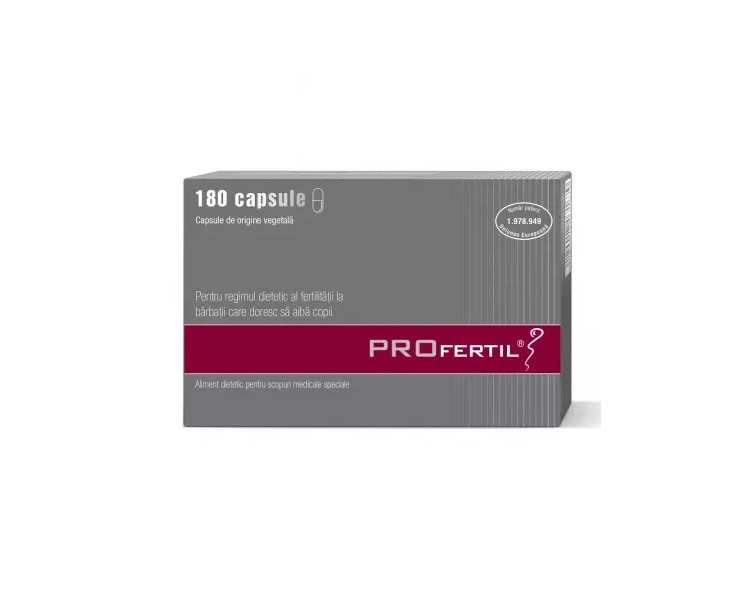
Fertility vitamins are targeted micronutrient blends—not magic bullets—that support sperm and egg quality, ovulation, and hormonal balance; the core trade-off is between clinically studied, condition-specific formulas and generic multivitamins with underdosed or unproven ingredients. The decision rule: pick a formula whose key nutrients match your biology and dose thresholds (folate, CoQ10, zinc, selenium, L-carnitine), and skip any blend that hides proprietary blends or fails to state elemental mineral forms.

Buying guide image
Vitamins & Minerals

Vitamin C Tablet

Vitamin C tablets are ascorbic-acid (or mineral-ascorbate) oral supplements sold in doses from 250 mg to 1,000 mg per serving, where the core trade-off is elemental dose and buffering (sodium/magnesium ascorbate) versus gastrointestinal tolerance.

Buying guide image
Meal Replacement Management

Meal Replacement Protein Shake

Meal replacement protein shakes are complete, calorie-controlled products that substitute for a meal, with the core trade-off being protein completeness and micronutrient density versus calories, sugar, and texture. The decisive rule: choose a shake that delivers at least 15g of high-quality protein, 20-30% of daily vitamins and minerals, and 200-400 calories per serving; avoid any product that is merely a protein powder with added sugar and no micronutrient profile.

Buying guide image
Protein Nutrition

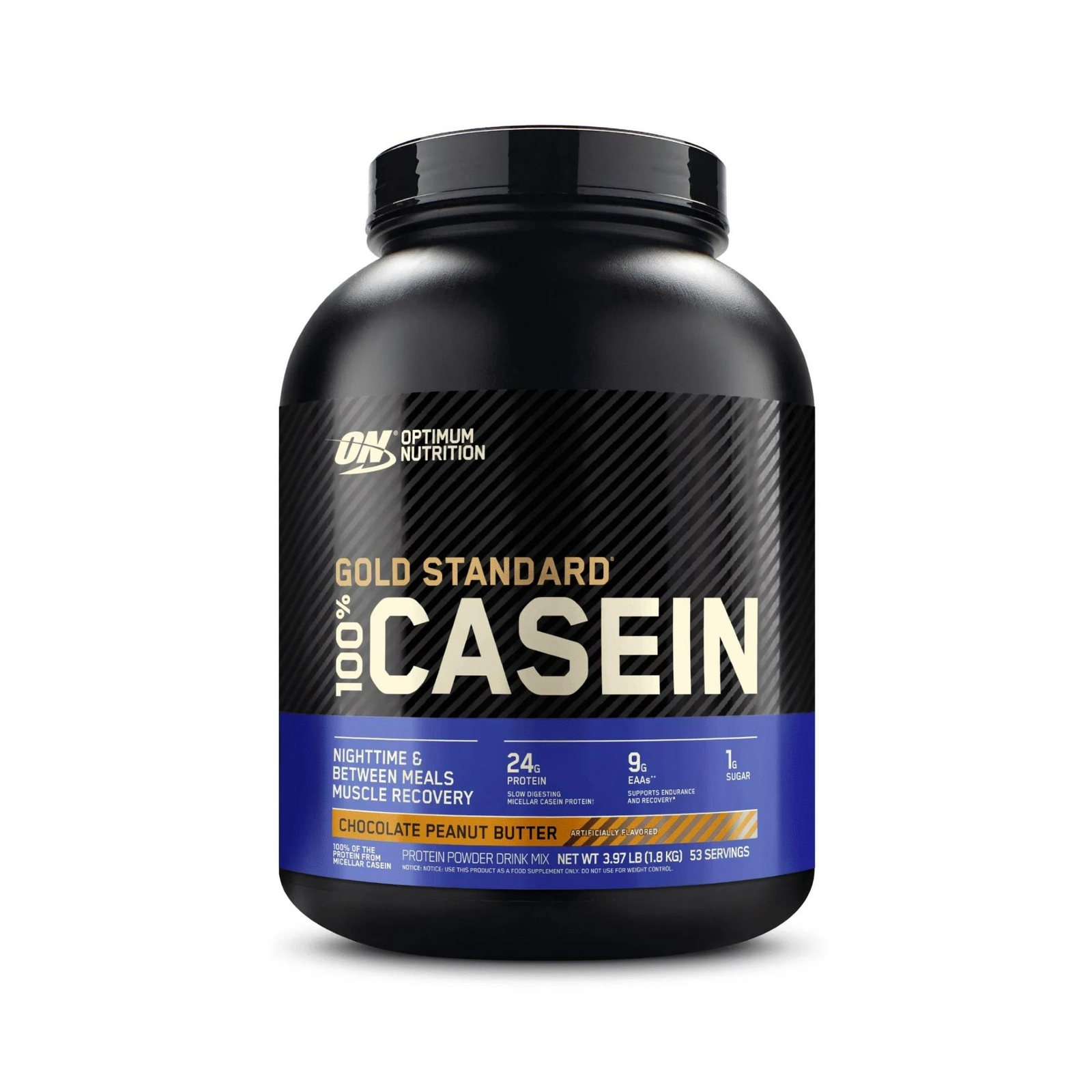
Casein Protein

Casein protein is a slow-digesting milk protein (micellar casein) used primarily for overnight muscle preservation and satiety, distinguished from whey by its acid-gelling behavior in the stomach. The core trade-off is micellar casein's thick, gummy texture and higher cost per gram versus calcium caseinate's thinner mix but faster absorption and lower quality. The decision rule: buy micellar casein with 24–25g protein and at least 400mg calcium per scoop for overnight use; skip caseinate-heavy blends if you want true slow-release or a clean label.

Buying guide image
Protein Nutrition

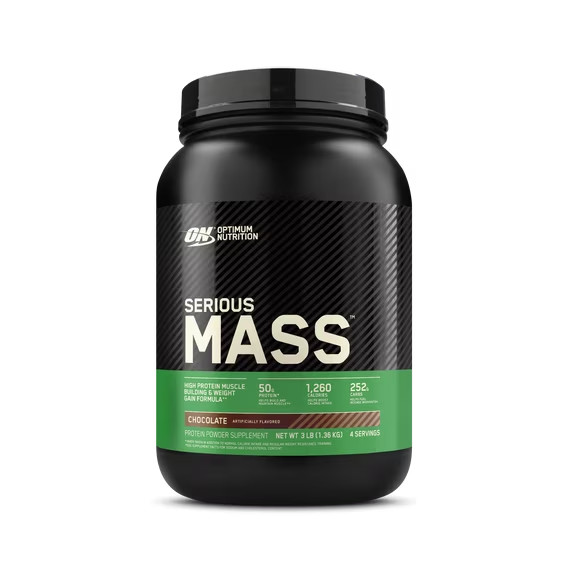
Mass Gainer Protein Powder

Mass gainer powders are high-calorie protein blends engineered to push daily caloric surplus for hard gainers, combining whey or casein with maltodextrin and added fats. The core trade-off is caloric density versus digestive comfort: high-maltodextrin formulas deliver cheap carbs but spike insulin and bloat, while whole-food or cluster-dextrin bases cost more and mix thicker. Choose a gainer only if you cannot hit a 300–500 kcal surplus through food; otherwise a standard whey isolate is the smarter, leaner buy.

Buying guide image
Sports Performance

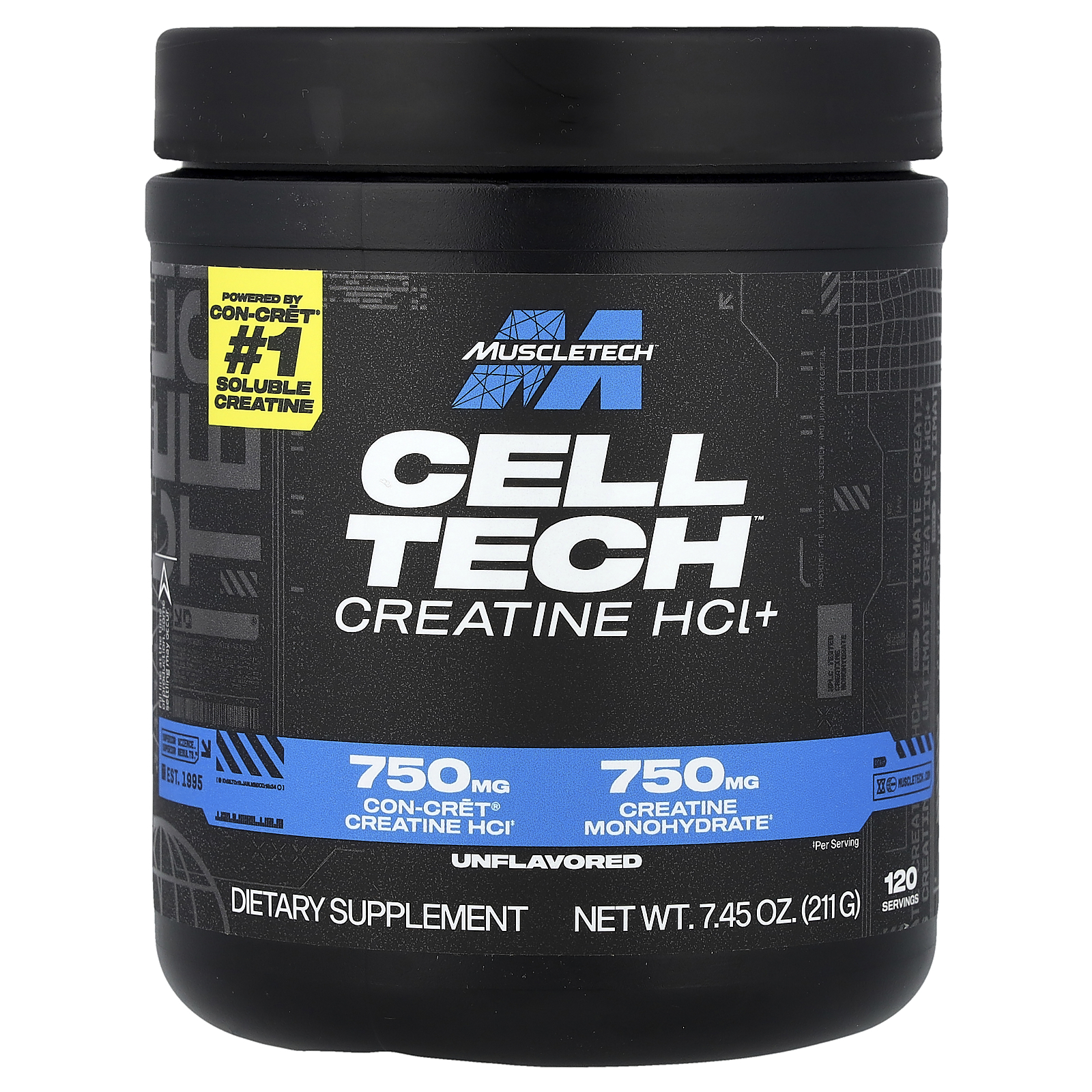
Muscle Tech Creatine

MuscleTech creatine products are sports supplements centered on creatine monohydrate or creatine HCl, used to increase phosphocreatine stores and support short-duration power output. The primary buying trade-off is between proven monohydrate (low cost, 3–5 g clinical dose, possible bloating) and HCl (lower gram dose, claimed better solubility, higher cost, less independent evidence). The decision rule: choose monohydrate for verified efficacy and value, choose HCl only if you tolerate monohydrate poorly or specifically want a lower-gram dose.

Buying guide image
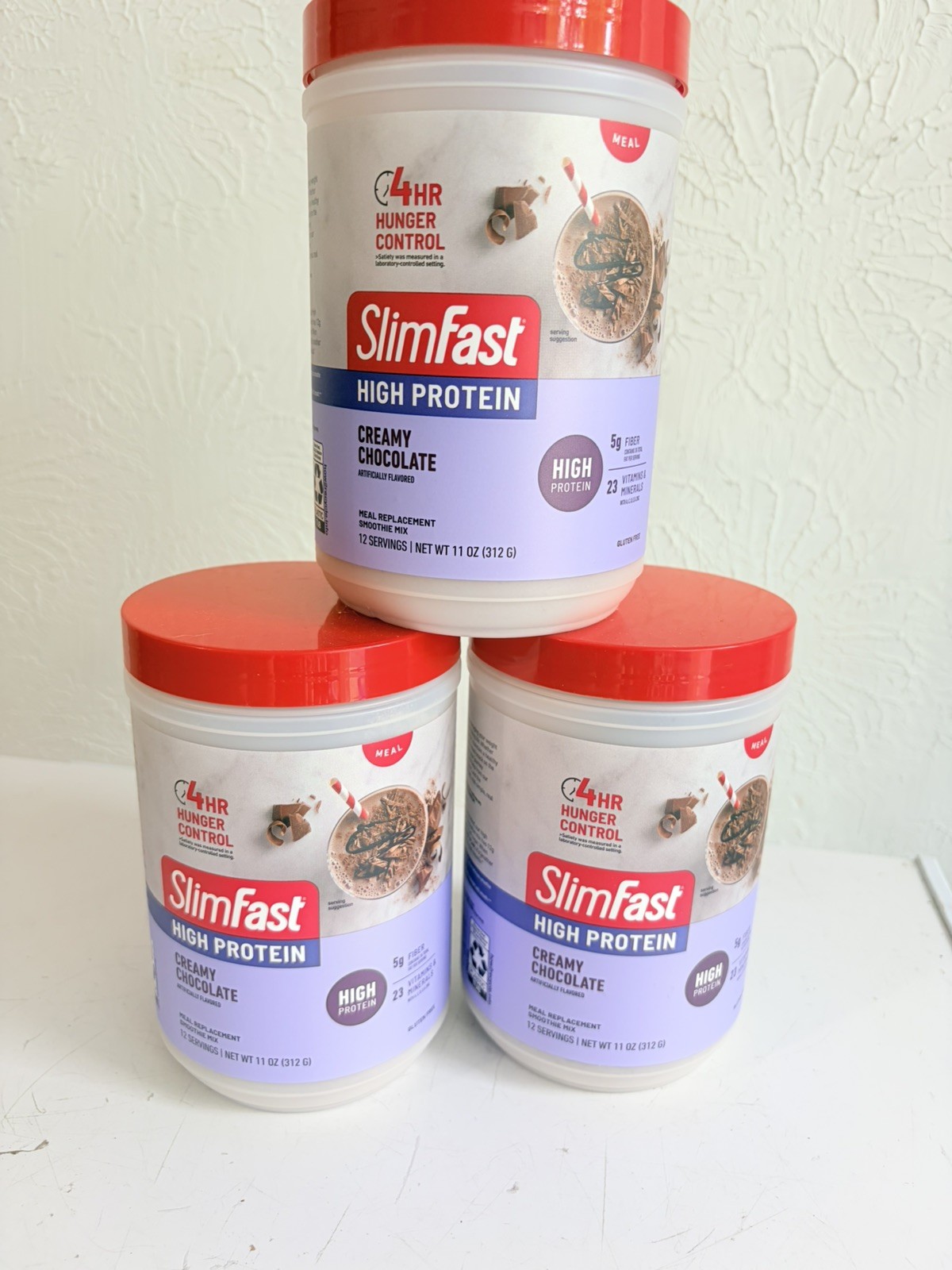
Meal Replacement Management

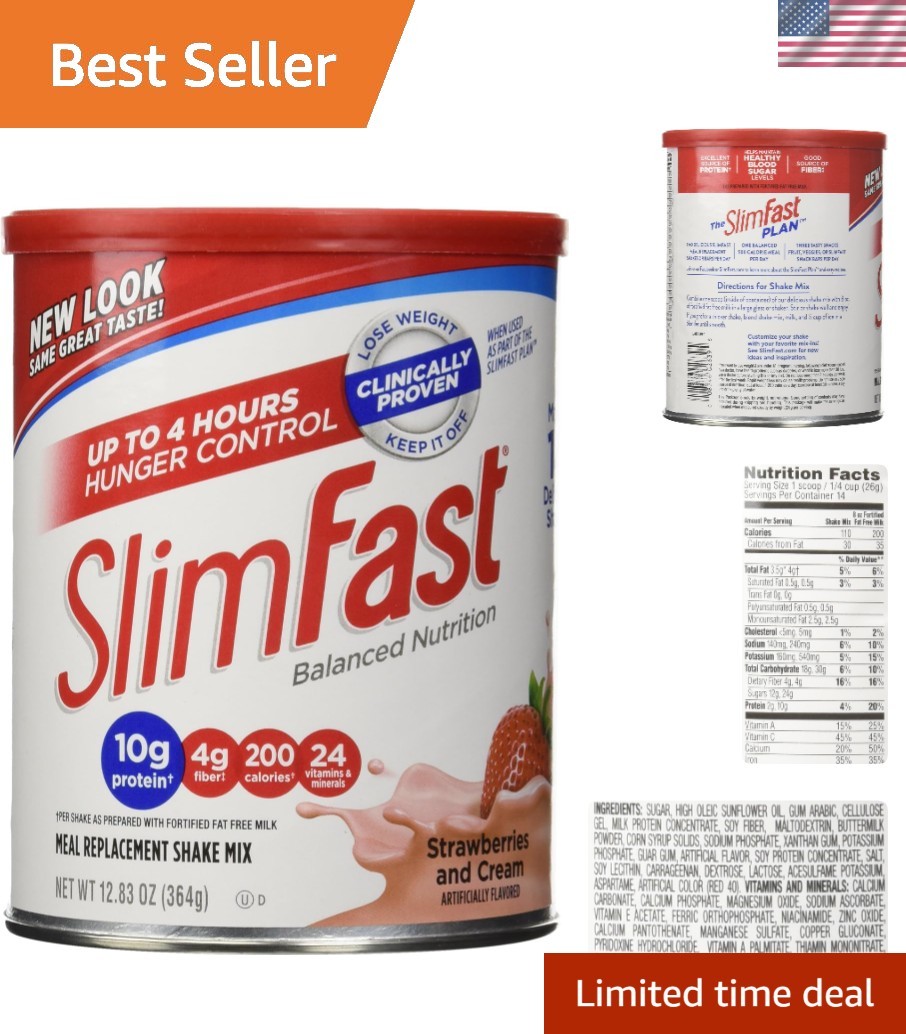
Slim Fast Meal Replacement Shake

Slim Fast Meal Replacement Shakes are powdered and ready-to-drink nutrition shakes designed to replace one or two meals per day for calorie-controlled weight management. The primary trade-off is between high-protein, low-sugar formulations (which support satiety and lean mass) and legacy high-sugar, low-protein mixes that spike insulin and leave you hungry. The decision rule: pick a shake that delivers at least 20 g protein and no more than 1–2 g added sugar per serving, and skip any product where maltodextrin or sugar is the first listed ingredient.

Buying guide image
Sports Performance

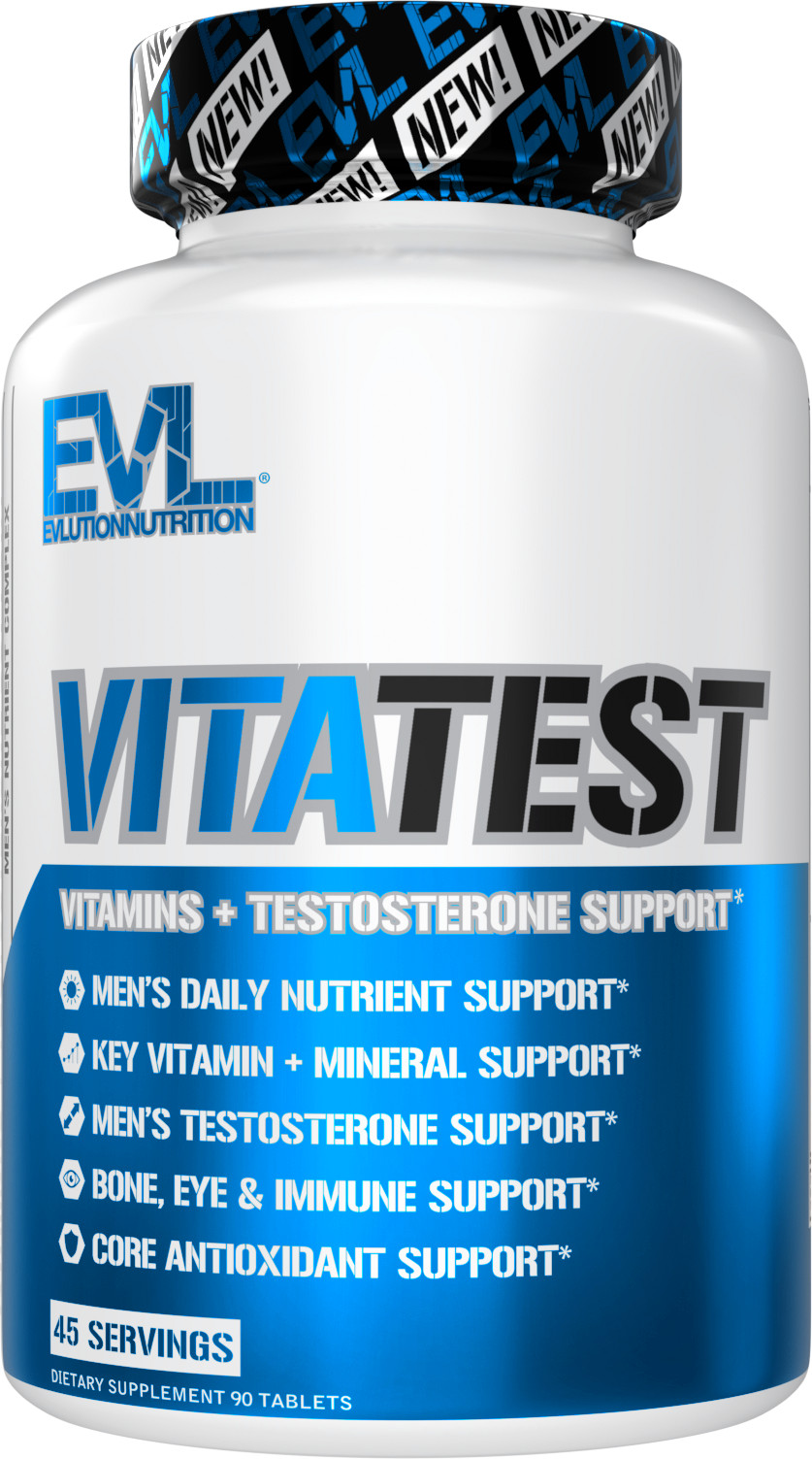
Natural Vitamin

Natural vitamins for sports performance are whole-food or plant-derived micronutrient supplements formulated to fill dietary gaps that impair energy, recovery, and testosterone support. The core trade-off is between whole-food synergy (better absorption, lower potency per capsule) and synthetic isolates (high dose, cheap, but poor cofactor balance). A durable choice names the exact active form and dose per serving, not a proprietary blend.

Buying guide image
Vitamins & Minerals

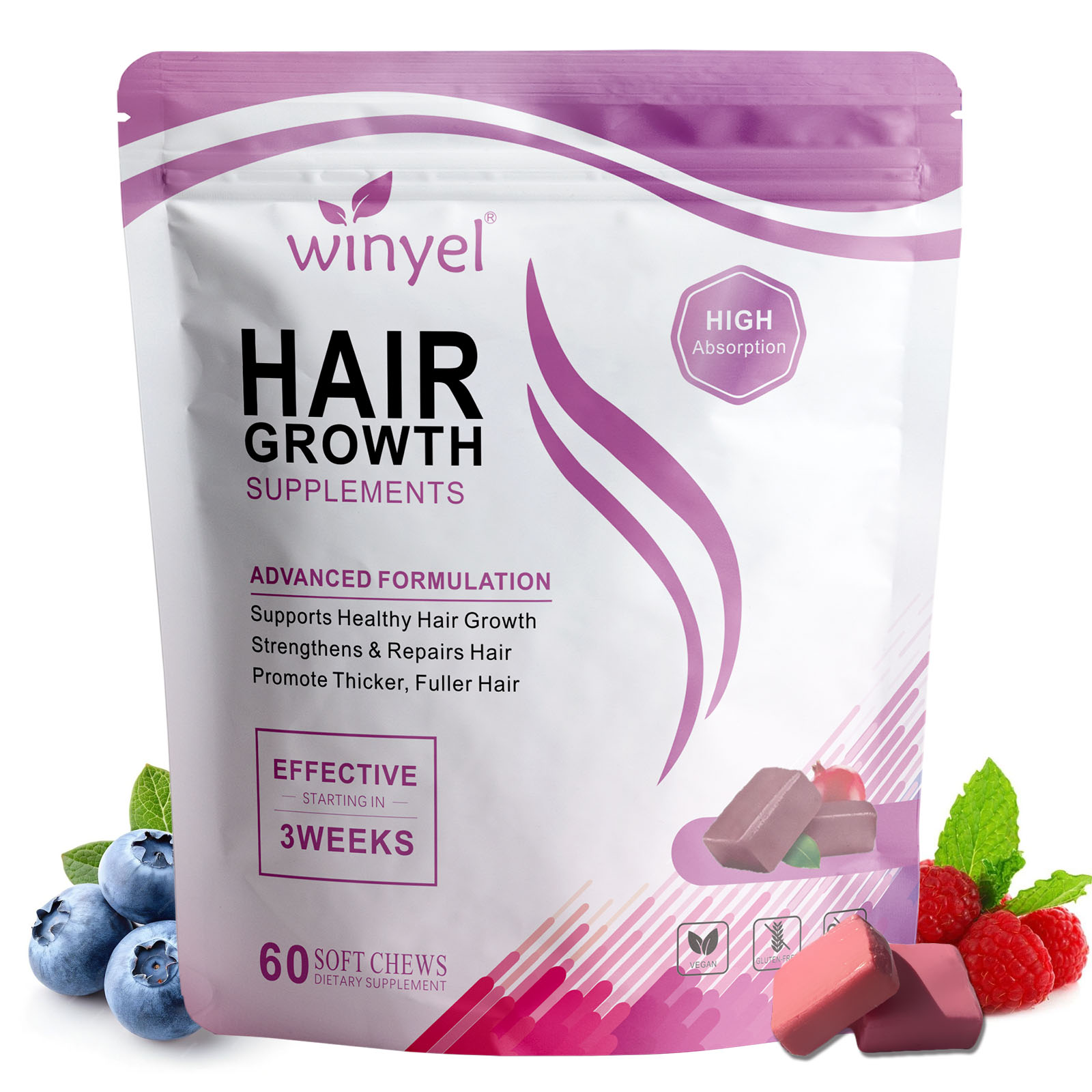
Hair Growth Vitamin Men

Hair growth vitamins for men are oral supplements combining biotin, collagen, keratin, and B-complex vitamins to support the hair growth cycle, with the core trade-off being high-dose biotin megadoses (10,000-25,000 mcg) versus balanced lower-dose formulas with better-absorbed collagen peptides and keratin. The decision rule: choose a formula with 5,000-10,000 mcg biotin plus hydrolyzed collagen and keratin for structural support, and skip megadose 25,000 mcg biotin-only products unless a clinician has ruled out deficiency.

Buying guide image
Sports Performance

Creatine Monohydrate Tablet

Creatine monohydrate tablets deliver the same 3–5 g daily dose as powder but in pre-measured, travel-friendly form; the trade-off is swallowing large pills versus mixability and cost per gram. Buy tablets only when convenience and exact dosing matter more than price; otherwise powder remains the cheaper, easier-to-titrate standard.

Buying guide image
Probiotics & Digestion

Female Probiotic

Female probiotics are oral supplements formulated with live microbial strains (often Lactobacillus species) plus optional prebiotics or cranberry extracts, targeting vaginal flora balance, urinary tract health, and digestive regularity. The core trade-off is strain specificity and viable CFU count versus shelf stability and added ingredients like sugars in gummies. The clear decision rule: choose clinically studied strains (L. rhamnosus GR-1, L. reuteri RC-14) with a guaranteed potency through expiry and a delivery format that protects live cultures; skip generic multi-strain blends or sugar-heavy gummies with no strain disclosure.

Buying guide image
Probiotics & Digestion

Probiotic Menopausal Women

Probiotics for menopausal women combine live microbial strains with targeted support for hot flashes, bone density, and vaginal health, but the primary trade-off is strain specificity versus CFU count—high CFU does not equal menopause relief without clinically studied strains. The decision rule: choose products listing exact strain designations (e.g., Lactobacillus crispatus LBV 88) and menopause-relevant CFU ranges (10–50 billion), and skip vague 'women's blend' labels with undisclosed genera.

You may also like

Finding more guides for you…