Health Stack Guide

Health Stack Guide

Nutrition & Supplements Reviews & Buying Guides

Compare nutrition & supplements by use case, features, trade-offs, price, returns, and seller terms before you buy.

Buying guides

Buying guide image
Meal Replacement Management

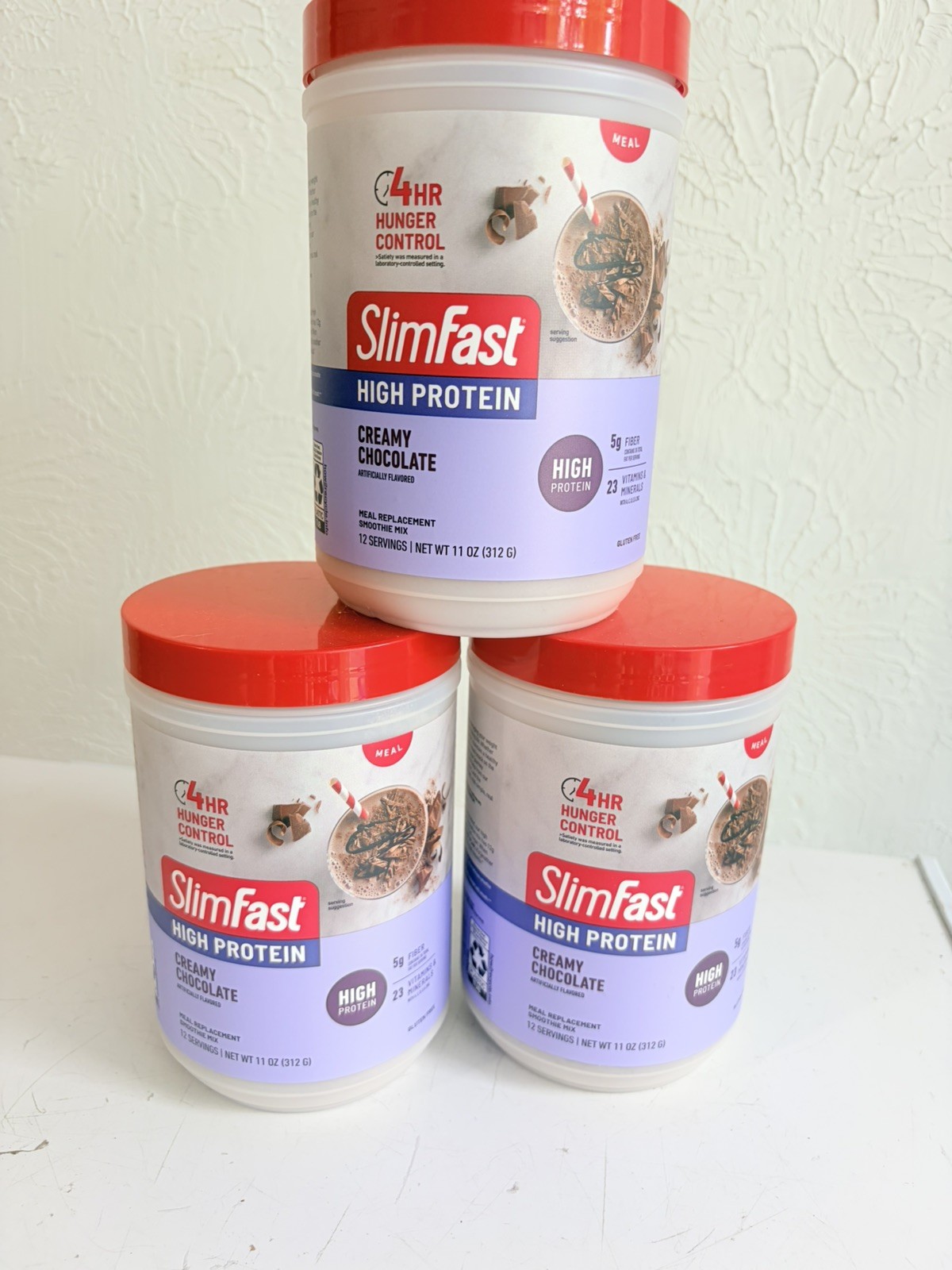
Slim Fast Meal Replacement

Slim Fast is a brand of meal-replacement shakes, powders, and snack bars engineered for calorie-controlled weight management at roughly 180–250 kcal per serving. The core trade-off is protein density and fiber versus added sugar: original lines are lower-protein/higher-sugar, while High Protein and Advanced lines push 20–30 g protein with reduced sugar. Buy the High Protein tier for satiety and muscle retention; skip original shake powder if you want low-sugar, high-protein macros.
Buying guide image
Protein Nutrition

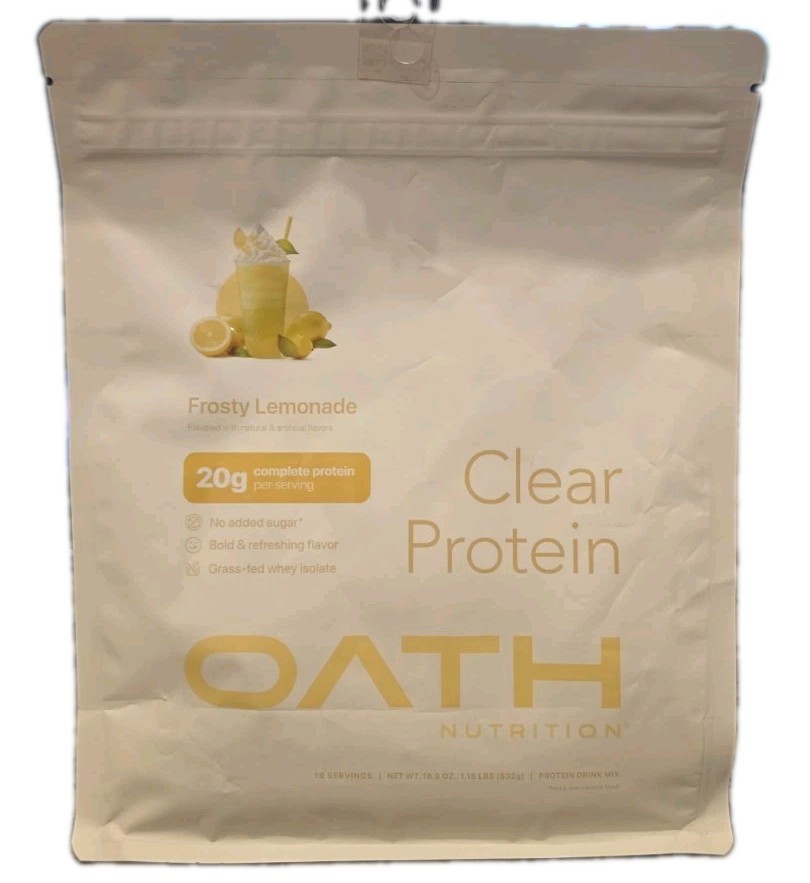
Clear Whey Protein

Clear whey protein is a fruit-flavored, juice-like alternative to milky whey shakes, made by isolating whey protein and filtering out fats and lactose for a light, refreshing drink. The primary trade-off is protein purity versus taste and mixability: higher isolate percentages (80-90%+) yield cleaner flavor and less foam, but lower-quality blends cut with collagen or concentrate can turn cloudy or chalky. The decision rule is simple: choose a product that lists whey protein isolate as the first ingredient with at least 20g protein per serving and zero added sugar; skip anything that leads with collagen peptides or whey concentrate.

Buying guide image
Sports Performance

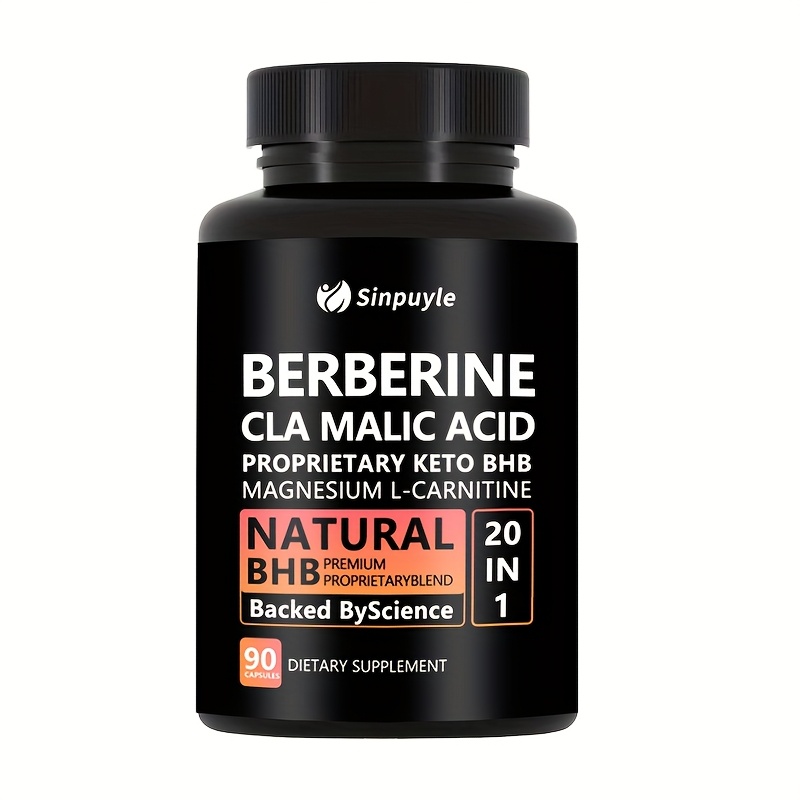
Bhb Supplement

BHB (beta-hydroxybutyrate) supplements are exogenous ketone salts or esters designed to raise blood ketone levels when dietary ketosis is impractical. The decisive trade-off is mineral salt load versus ketone yield: high-dose BHB usually arrives as sodium, calcium, magnesium, or potassium salts, so the sodium content per serving determines whether the product suits you. Buy only products that state total BHB grams and the exact mineral salt forms per serving; skip any label that hides behind a proprietary blend or lists "BHB" without disclosing salt composition.

Buying guide image
Sports Performance

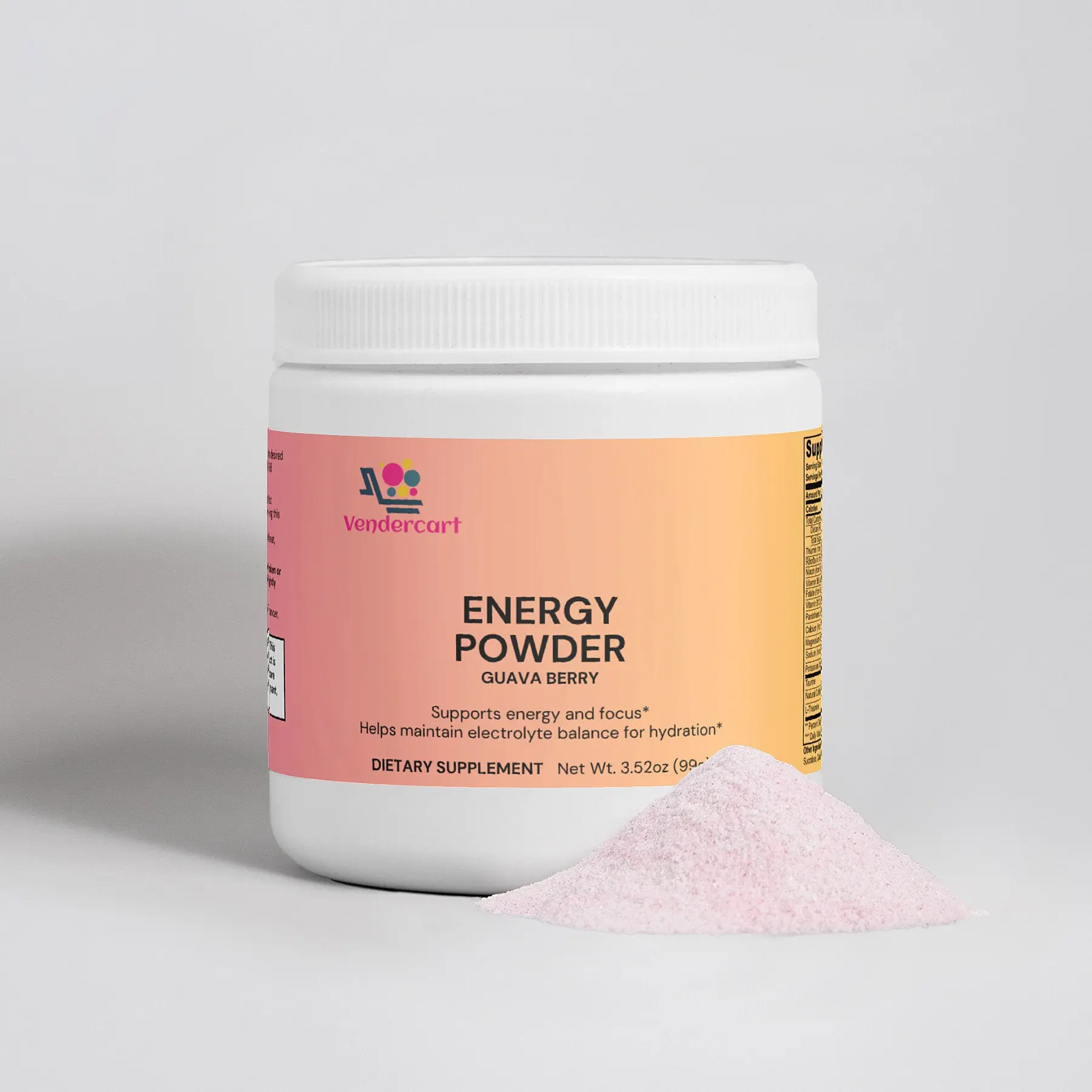
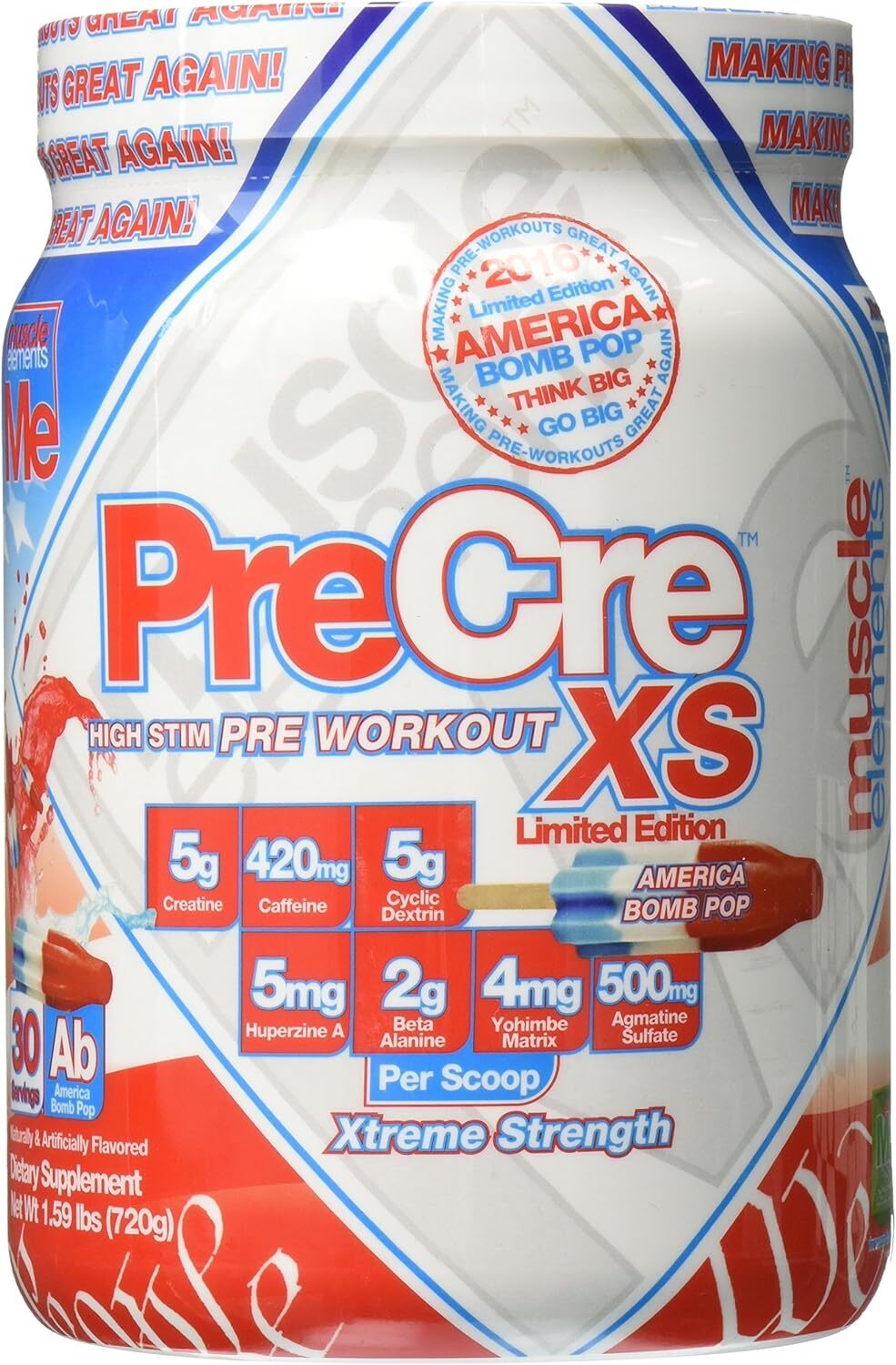
Energy Powder

Energy powders are concentrated drink mixes built around either stimulant-driven performance (caffeine, taurine, B-vitamins) or electrolyte-driven rehydration (sodium, potassium, magnesium), and the core trade-off is stimulant payload versus hydrating electrolyte balance. Durable, effective formulas disclose exact caffeine dose and electrolyte milligram content per serving; compromise products hide behind proprietary blends, sugar-heavy 'energy' labeling, or extreme stimulant loads with no hydration minerals. The decision rule: match the product's primary active system to your use case—pre-workout intensity, endurance hydration, or daily low-dose lift—and skip anything that blurs those categories.

Buying guide image
Sports Performance

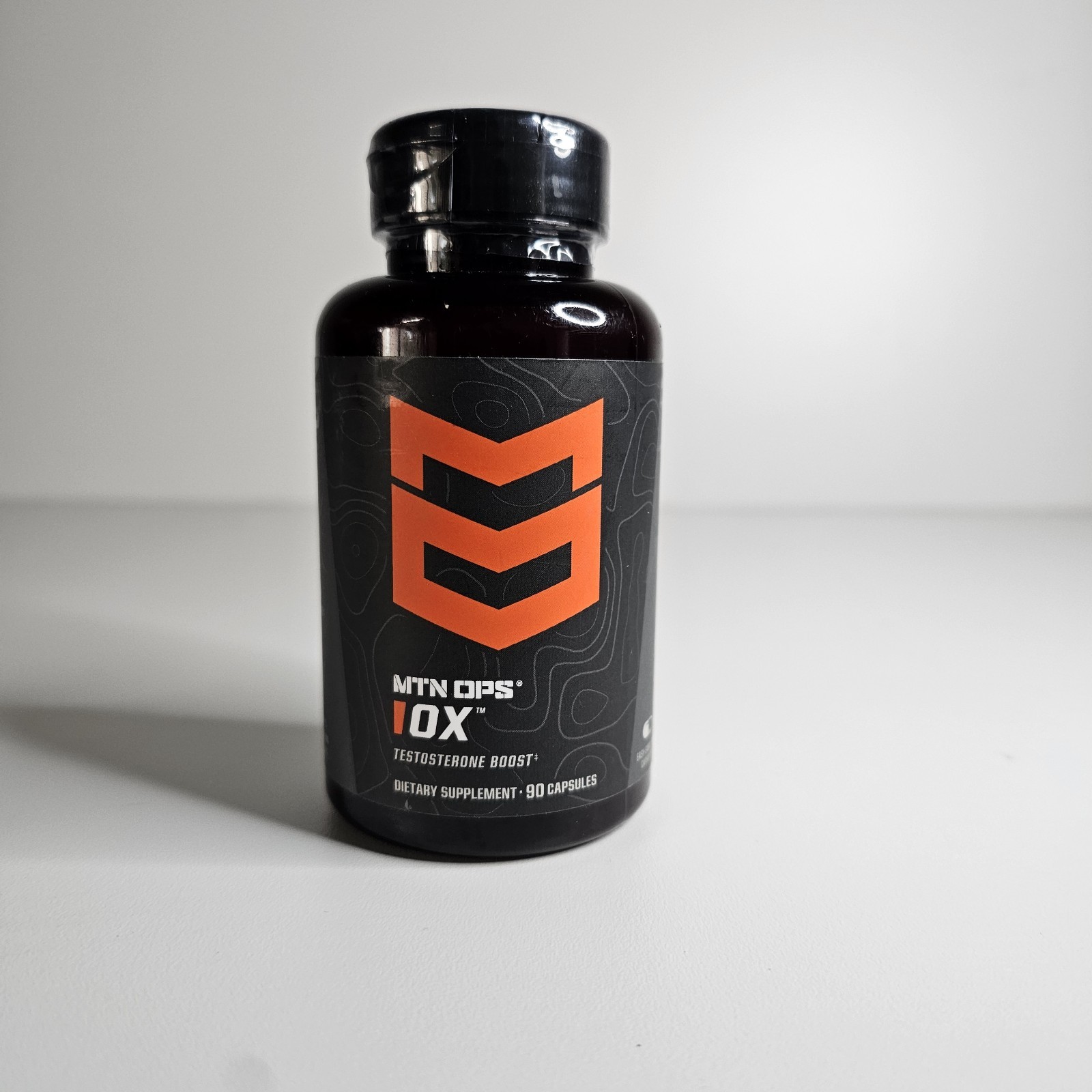
Testosterone Pill Men

Testosterone pills for men are dietary supplements marketed to support natural testosterone production, energy, and libido, but they are not FDA-approved drugs and cannot legally claim to treat low testosterone. The core trade-off is between proprietary blends hiding doses versus transparent labels listing clinically studied ingredients at effective amounts. The decision rule: pick a product with third-party testing, disclosed ingredient doses, and no proprietary blend; skip anything that promises drug-like results or hides amounts.

Buying guide image
Sleep & Stress Supplements

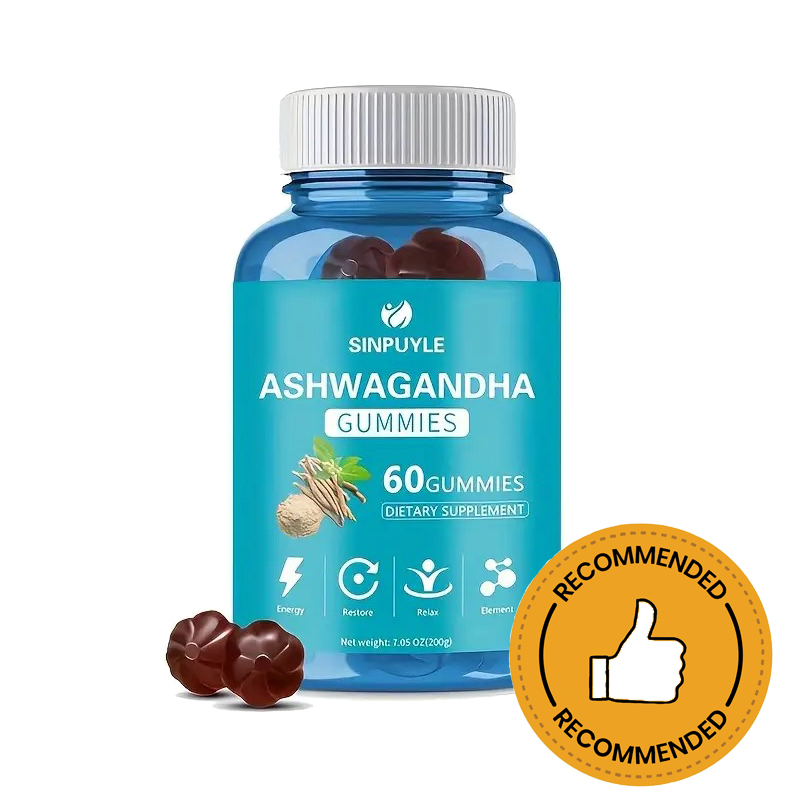
Adaptogen Supplement

Adaptogen supplements are botanical extracts—ashwagandha, rhodiola, holy basil, ginseng—taken to modulate the stress response and improve sleep or daytime calm. The core trade-off is standardization: clinically studied extracts specify withanolide, rosavins, or ginsenoside percentages, while cheap gummies list raw herb weight with no marker compounds. Buy standardized extracts matched to the studied dose, and skip any product that won't disclose its extract ratio or active constituent percentage.

Buying guide image
Vitamins & Minerals

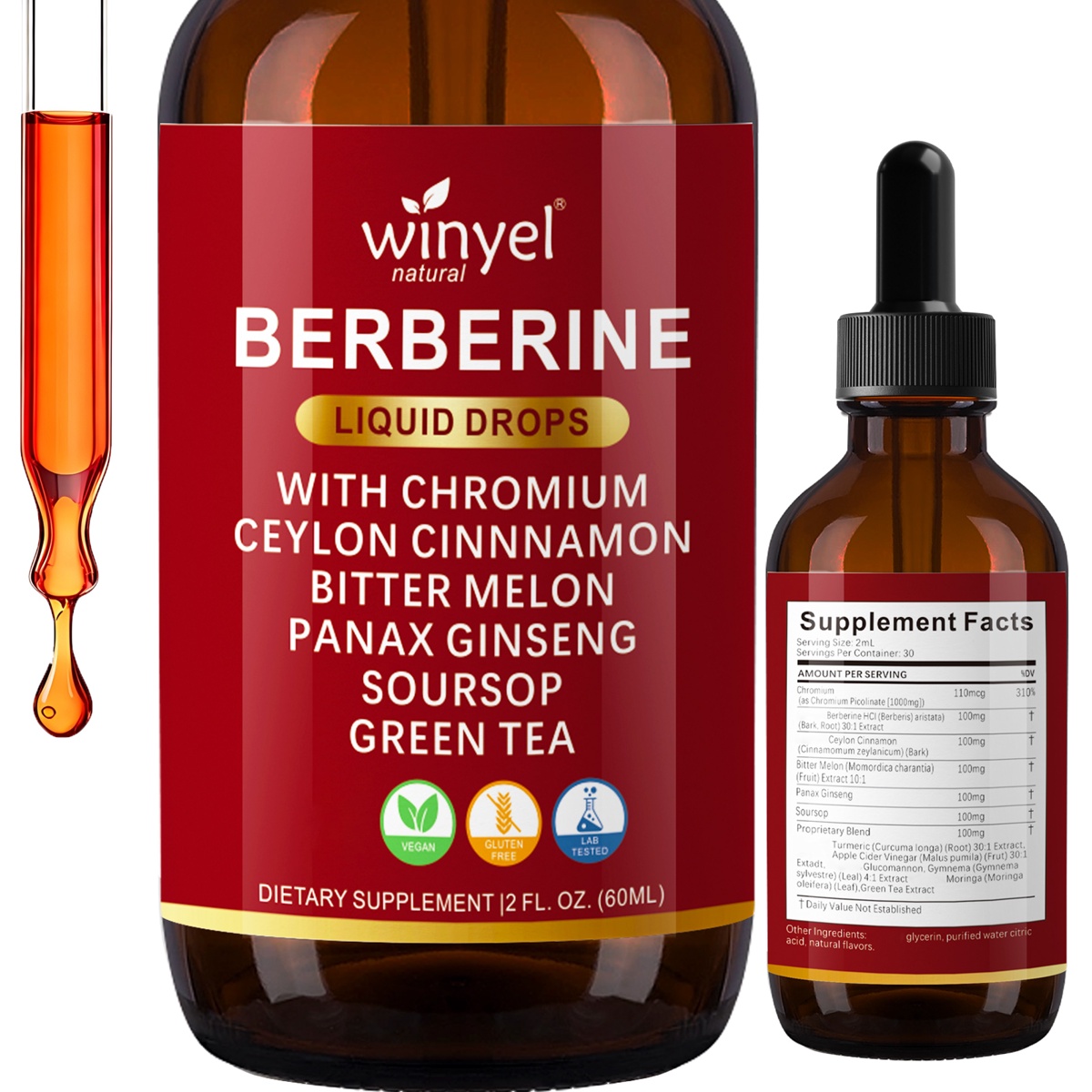
Organic Berberine Supplement

Organic berberine supplements are herbal glucose-metabolism aids, and the decisive trade-off is between verified organic berberine source and delivery format—capsules with standardized HCl, liquid drops, or combination blends—since format dictates dose accuracy and purity risk. Choose a single-ingredient organic berberine with a stated HPLC purity and per-serving mg, and avoid multi-herb blends where berberine is a minor ingredient.

Buying guide image
Meal Replacement Management

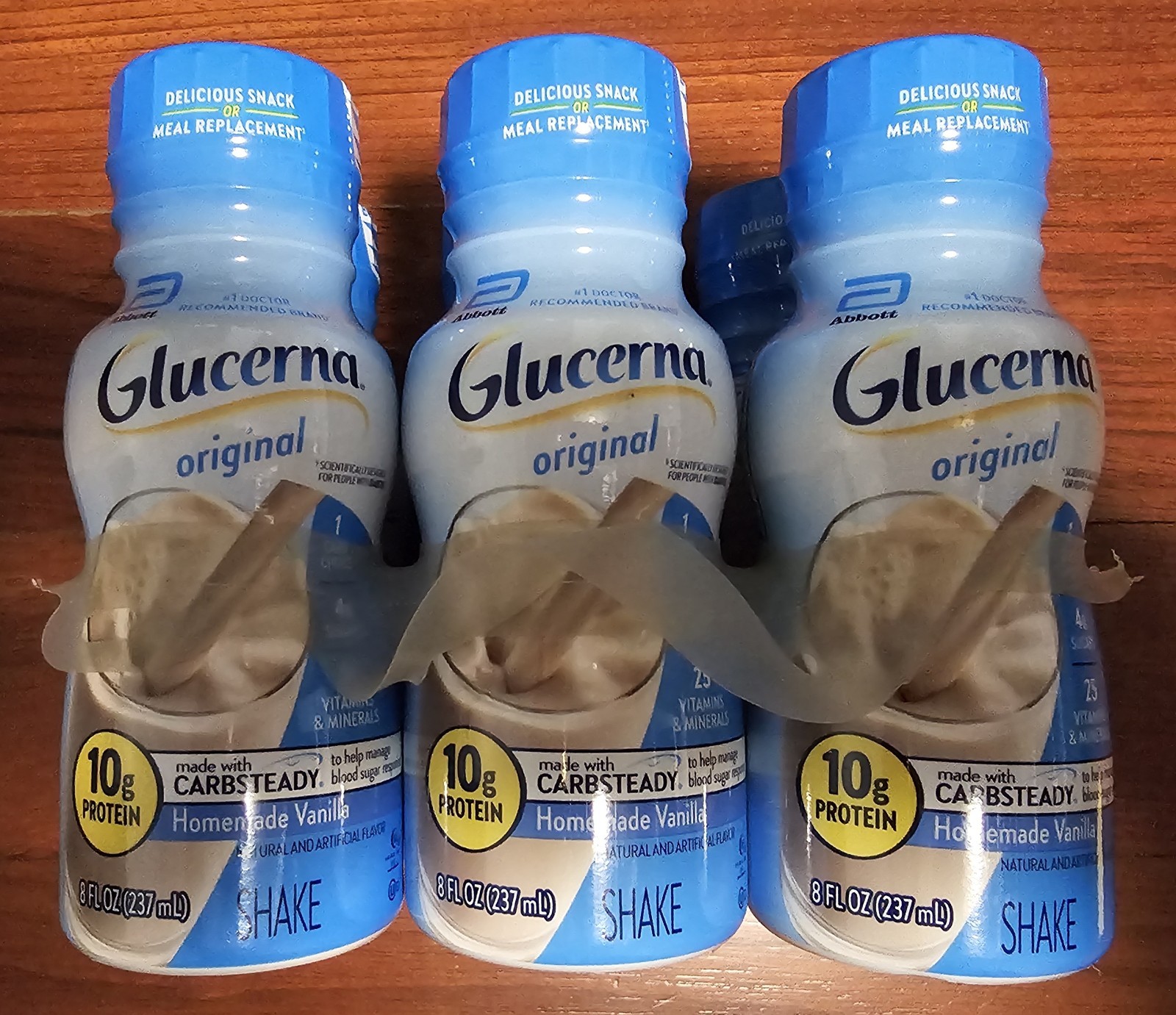
Glucerna Meal Replacement

Glucerna is a line of diabetes-specific meal replacement shakes and bars designed to blunt post-meal blood sugar spikes using slow-release carbohydrates and added fiber. The core trade-off is between convenience (ready-to-drink shakes, soft bars) and glycemic control (carb source, fiber dose, and protein ratio), with the original 8 fl oz shake as the reference formula. Choose based on carbohydrate type and fiber content, not flavor marketing; skip products that are merely "low sugar" without slow-carb or fiber credentials.

Buying guide image
Sports Performance

Ten Creatine

Crea-TEN-style products are multi-form creatine blends that combine several creatine variants (monohydrate, HCl, nitrate, malate, etc.) with absorption agents into a single scoop. The core trade-off is micronized monohydrate's proven efficacy and low cost versus proprietary blends that obscure per-form dosing and add unproven ingredients. Choose a product that discloses exact creatine grams per form; skip any blend that lists creatine only inside a proprietary matrix.

Buying guide image
Protein Nutrition

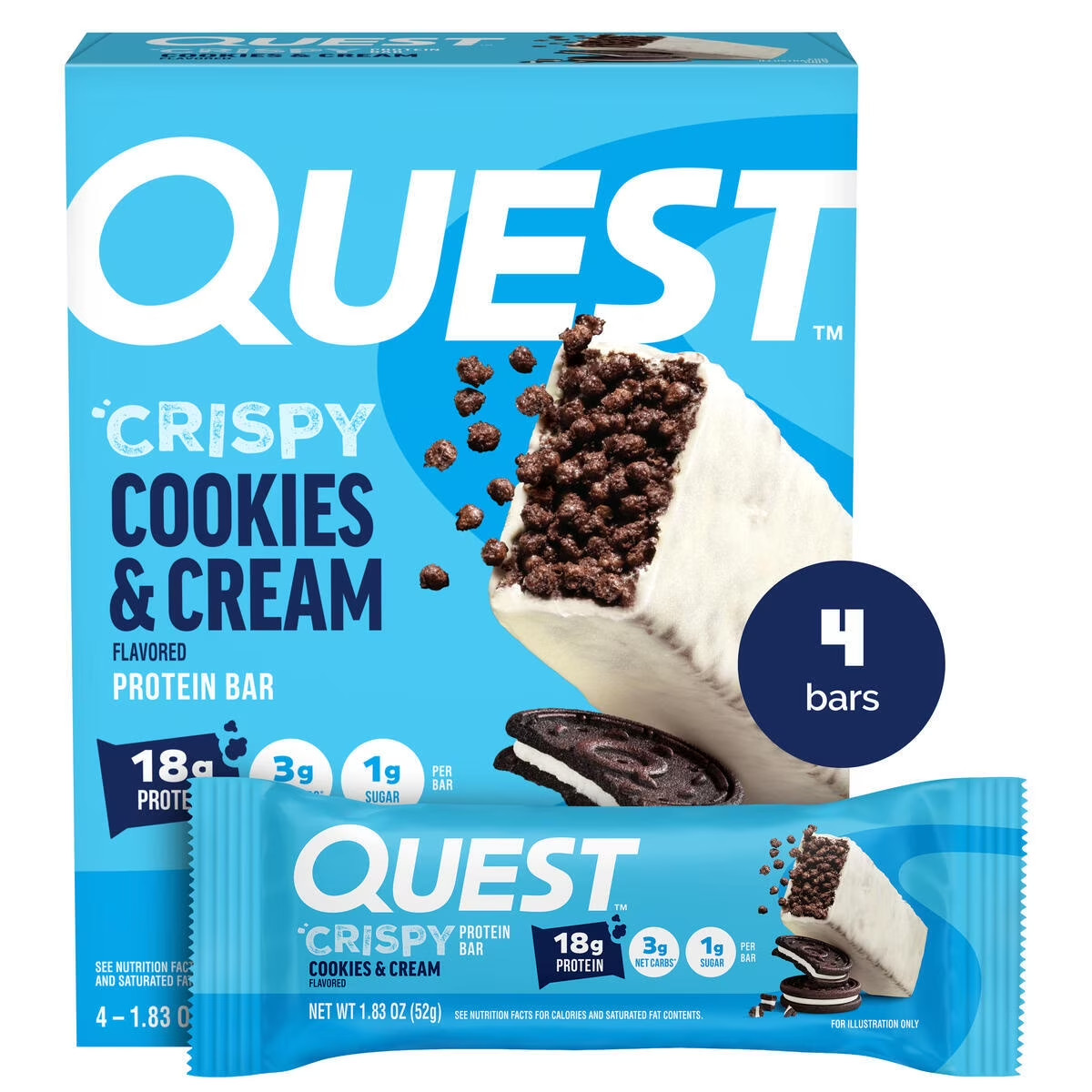
Quest Mini Bar

Quest Mini Bars are smaller-format protein bars from Quest Nutrition, typically around half the size of a standard Quest Bar, designed as low-calorie, high-protein snacks with 1–2g sugar. The primary trade-off is between the standard 60g bar (20–21g protein, more calories and fiber) and the mini format (roughly 80–100 calories, 8–10g protein, less volume and satiety), so buyers must match bar size to snack purpose. The decision rule: choose standard 60g bars for meal replacement or post-workout protein, and mini bars for portion-controlled snacking or calorie budgeting.

Buying guide image
Sports Performance

Creatine Monohydrate Powder 5G

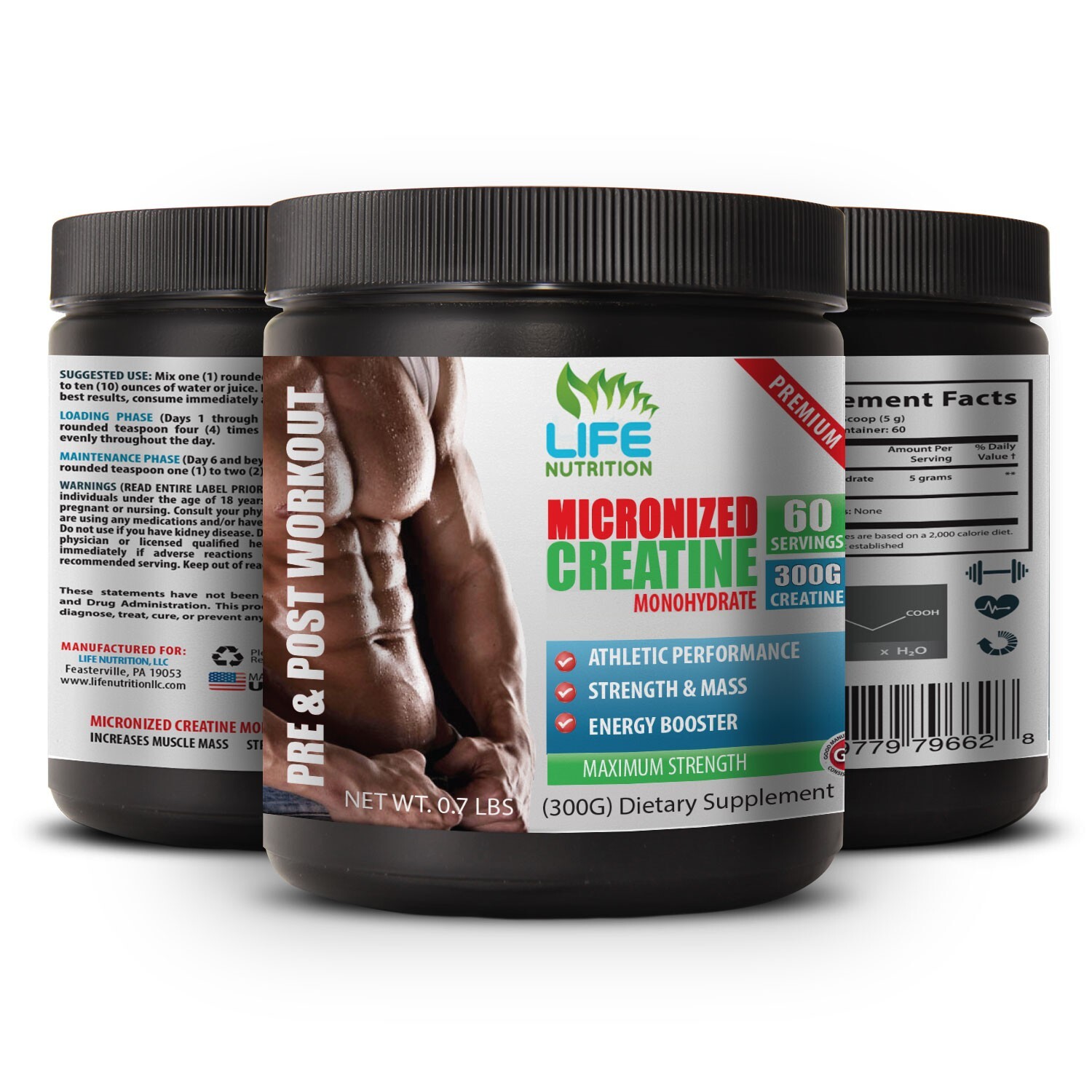
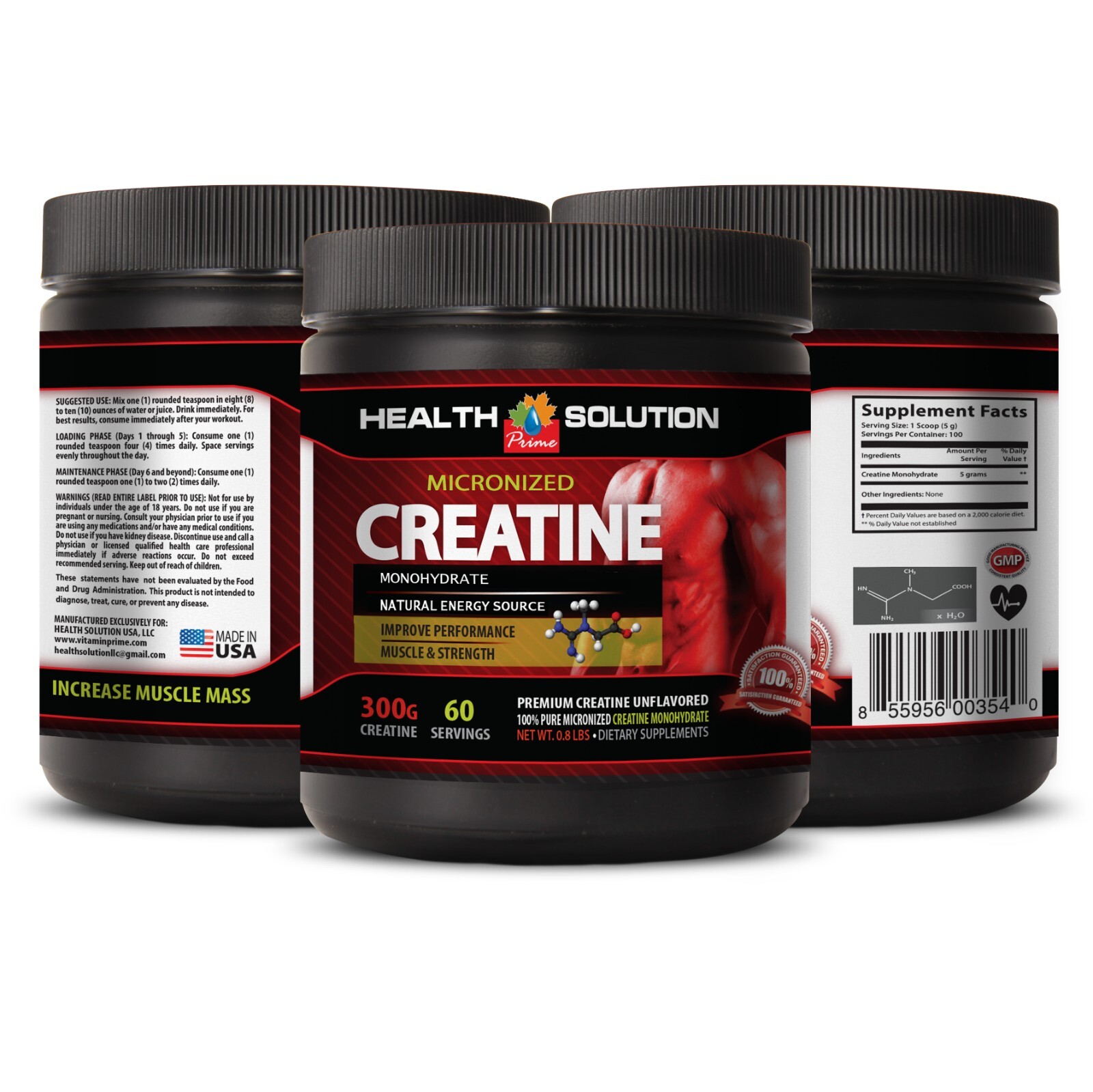
Creatine monohydrate powder is a tasteless, water-soluble supplement standardized to a 5g serving of pure creatine, the most researched ergogenic aid for strength and lean mass. The primary trade-off is particle format and purity verification: micronized powder dissolves better and reduces stomach upset, while Creapure-certified material guarantees <100 ppb dicyandiamide and zero dihydrotriazine. Buy only monohydrate with a third-party purity seal or Creapure logo; flavored blends and HCl/ethyl-ester variants dilute the 5g dose with fillers and cost more for no proven benefit.

Buying guide image
Protein Nutrition

Vegan Protein Powder

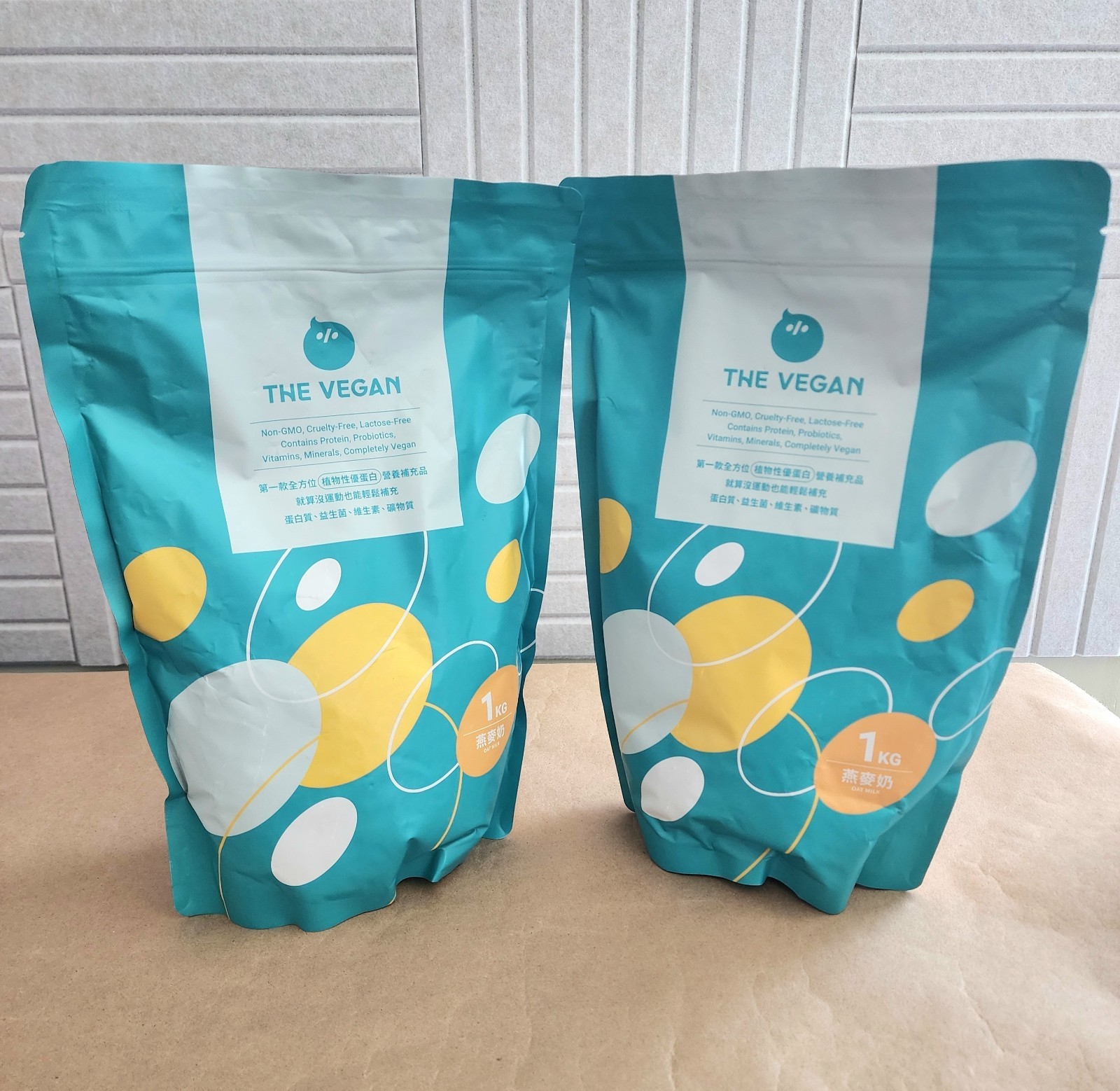
Vegan protein powder is a plant-based supplement delivering 15–30g protein per serving from sources like pea, rice, soy, or blends, with the core trade-off between protein density/amino completeness and digestibility/texture. Durable, well-formulated options use multi-source blends or isolates with full essential amino acid profiles and third-party testing, while compromises rely on single low-quality sources, high fillers, or vague labeling. The decision rule: prioritize protein-per-scoop above 20g, a complete amino profile (or added methionine/lysine), and third-party certification over flavor or superfood marketing.

Buying guide image
Sports Performance

5 Creatine Supplement

Creatine monohydrate is the most evidence-backed sports supplement for strength, power, and lean mass, and the only meaningful differences between products are form (monohydrate vs. alternative salts), purity grade, and dose per serving. The core trade-off is micronized monohydrate's proven efficacy and low cost versus premium-priced alternatives that add no documented performance benefit. Buy creatine monohydrate (ideally Creapure or micronized) at 3–5 g per serving; skip proprietary blends, loading-phase hype, and flavored tubs that underdose active ingredient.

Buying guide image
Sports Performance

Creatine Hmb Supplement

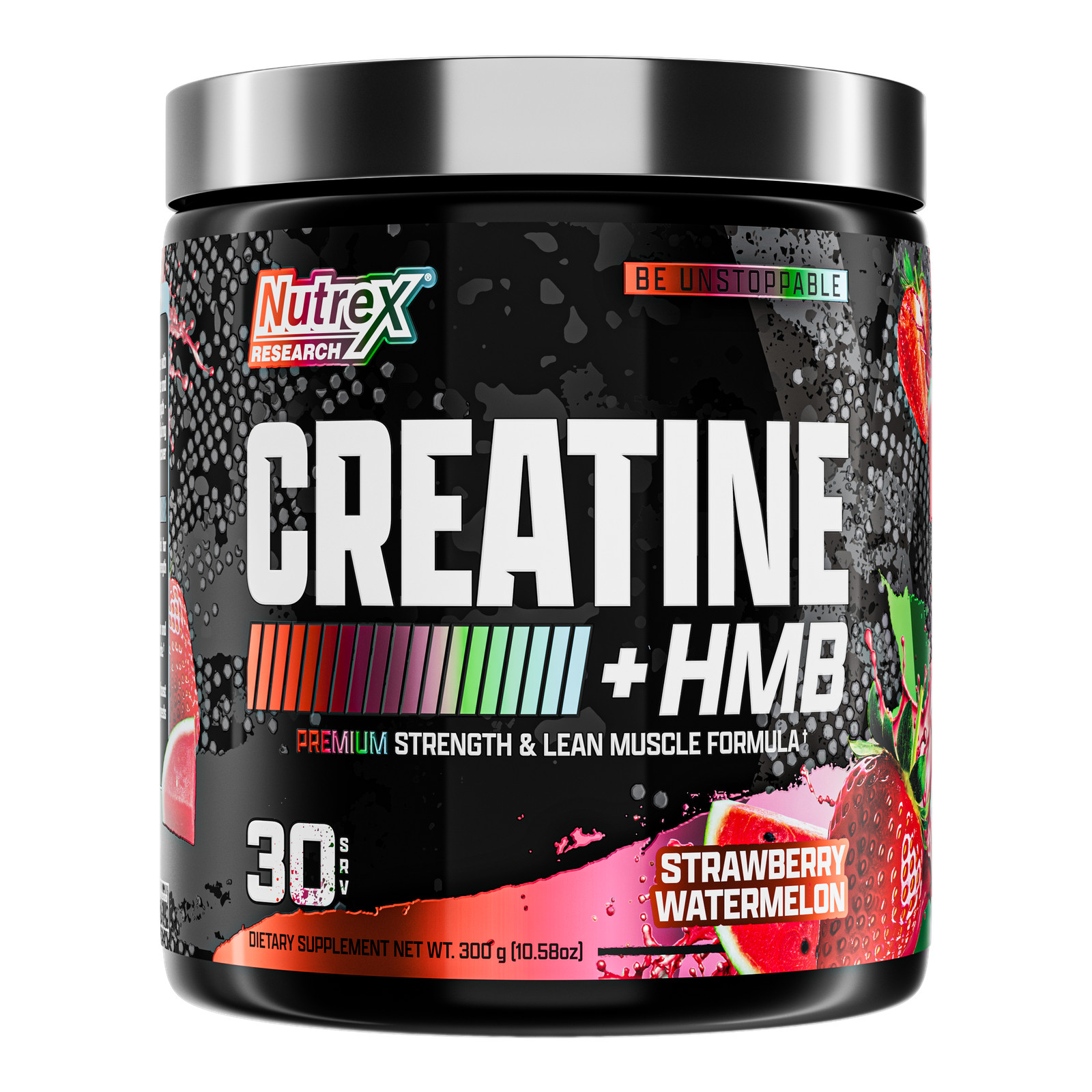
Creatine + HMB blends combine the most evidence-backed strength supplement (creatine monohydrate) with an anti-catabolic metabolite (HMB) to support recovery and lean mass. The critical trade-off is whether the formula uses proven creatine monohydrate and efficacious HMB doses versus proprietary blends and underdosed filler. Choose products that disclose exact grams per serving of both actives; skip any label that hides doses or relies on creatine HCl or ethyl ester as the primary creatine source.

Buying guide image
Sports Performance

German Creatine

German creatine refers to creatine monohydrate manufactured or branded in Germany, where strict pharmaceutical and food-grade purity standards (such as the German Pharmacopoeia, DAB) drive the market. The core trade-off is between verified micronized monohydrate with third-party purity certificates and inexpensive generic powder with undisclosed sourcing or fillers. The decision rule: buy only Creapure-branded or DAB-compliant micronized monohydrate with a batch COA; skip any product that lists 'nitro protein' or proprietary blends instead of stating creatine monohydrate content per serving.

Buying guide image
Sports Performance

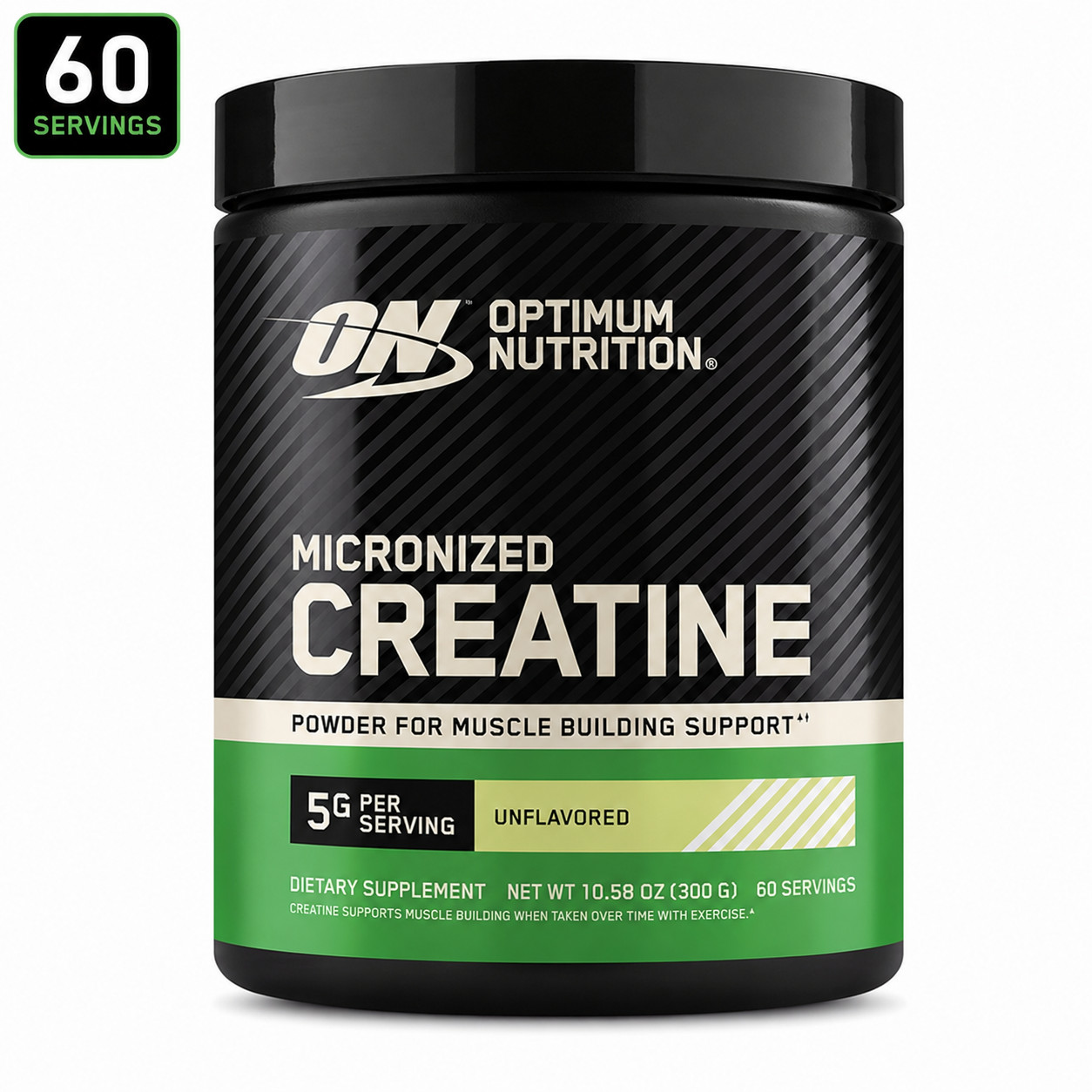
Optimum Micronized Creatine

Optimum Nutrition Micronized Creatine is 100% creatine monohydrate, micronized to 200-mesh for faster dispersion and less GI settling than standard monohydrate. The only real trade-offs are dose form (5 g powder scoop vs 2.5 g capsules), unflavored vs flavored tubs, and serving-count economics — the creatine molecule itself is identical across every tier. Buy unflavored powder for cost-per-gram efficiency; choose capsules only if you refuse to measure powder or travel frequently.

Buying guide image
Sports Performance

Protein Muscle Mass

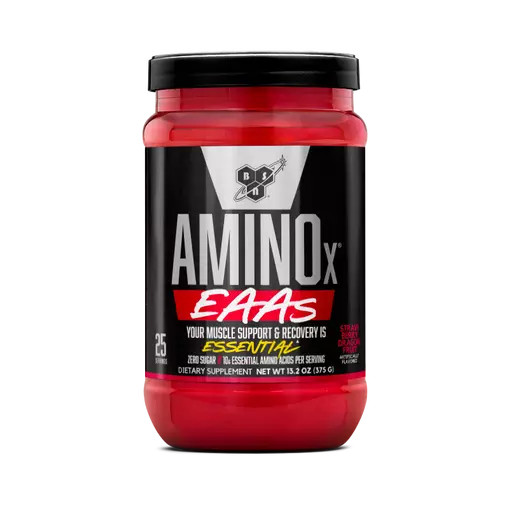
Protein for muscle mass refers to supplemental protein products—whey, casein, plant blends, and EAA/BCAA formulas—used to hit daily protein targets that support resistance-training hypertrophy. The core trade-off is protein quantity per serving versus digestibility and leucine content: fast whey isolates and EAA formulas drive muscle protein synthesis acutely, while slower casein and plant blends favor sustained amino release. The decision rule is simple: prioritize a product that delivers at least 20–25 g of complete protein or 2–3 g of leucine per serving, and skip any formula whose amino profile is incomplete or underdosed.

Buying guide image
Sleep & Stress Supplements

Mood And Stress Vitamin

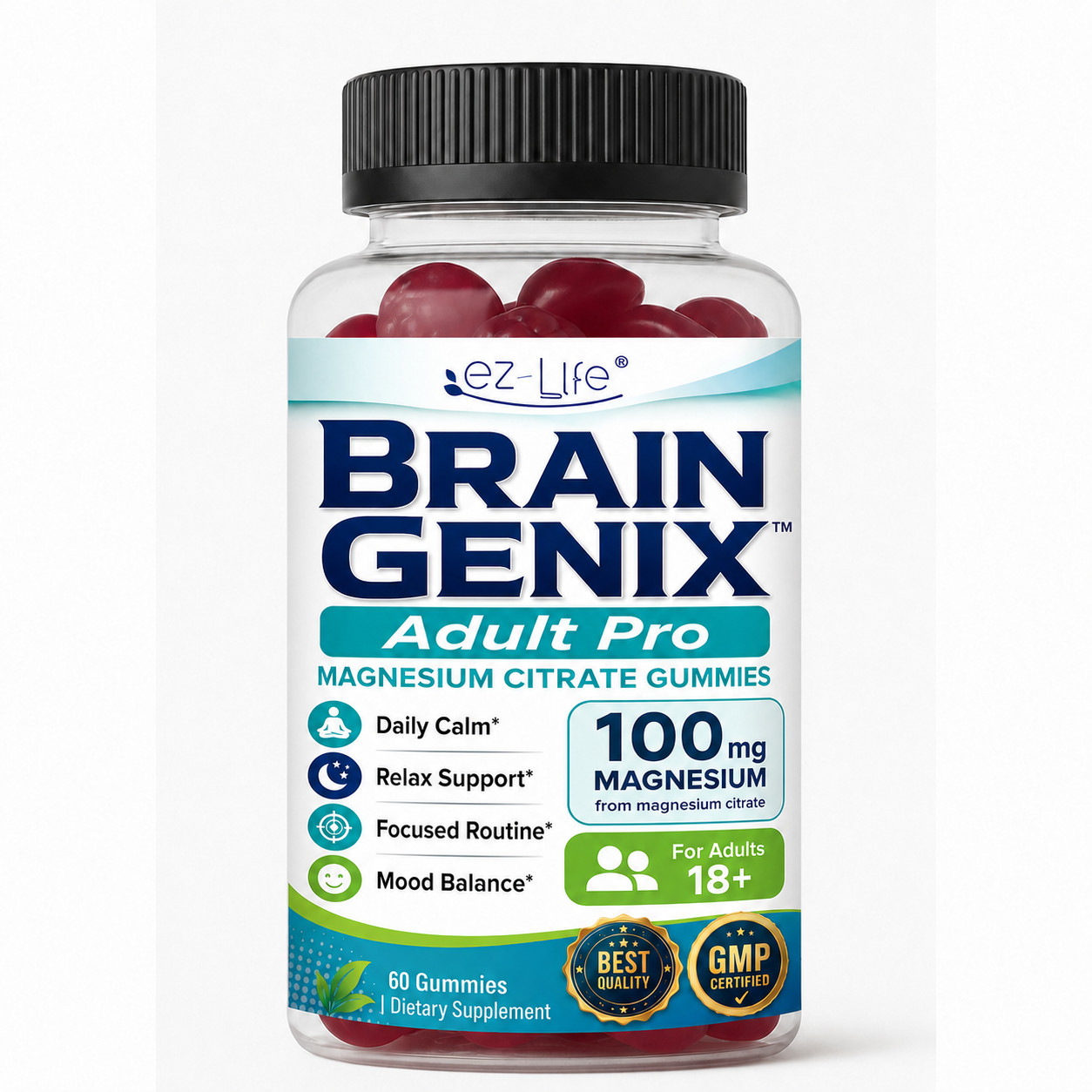
Mood and stress vitamins are dietary supplements combining adaptogens (ashwagandha, rhodiola), amino acids (L-theanine), minerals (magnesium), and B-complex vitamins to support calm focus and emotional balance. The core trade-off is between clinically studied standardized extracts with disclosed actives versus proprietary blends that hide dosages, and between third-party-tested gummies versus compressed tablets with verified label claims. The decision rule: pick products that state exact extract standardization (e.g., KSM-66 ashwagandha at 5% withanolides, 200–600 mg L-theanine) and carry NSF or USP verification; skip any formula listing a 'calm blend' without per-ingredient milligram amounts.

Buying guide image
Protein Nutrition

Gainer Protein

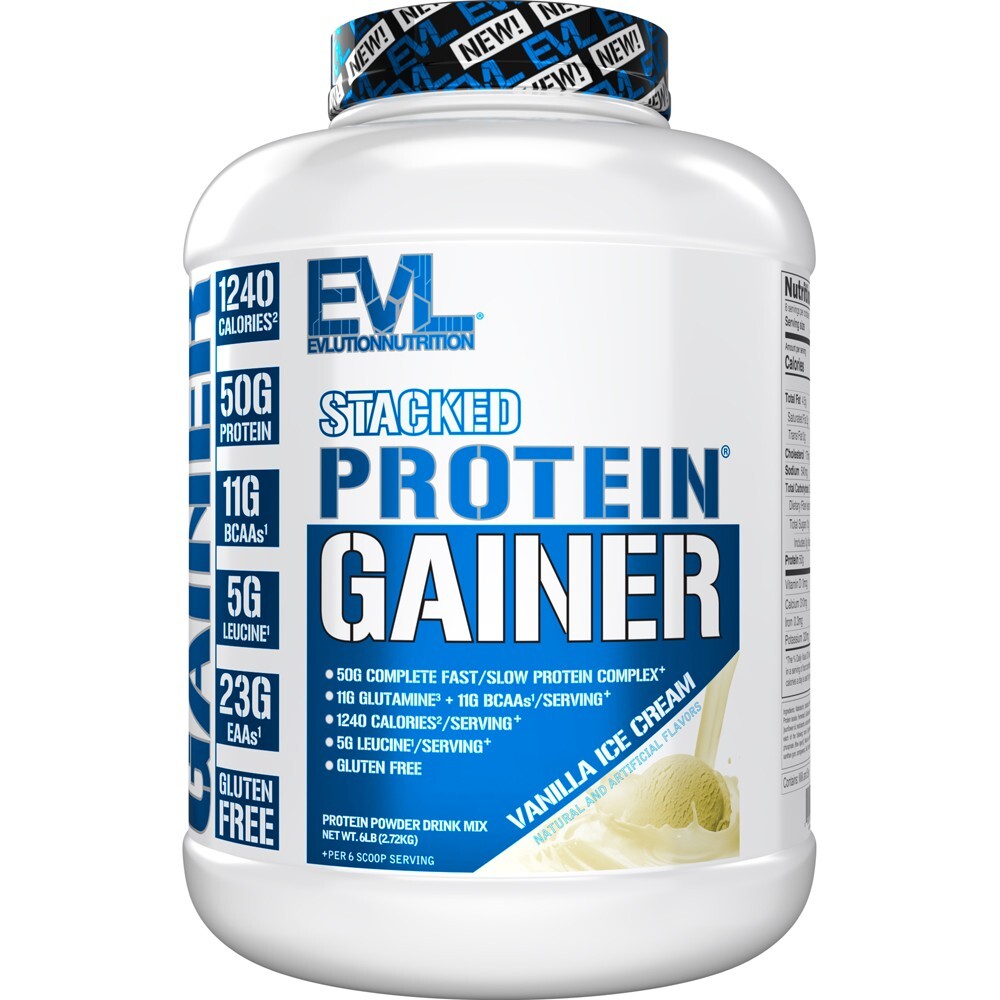
Gainer proteins are high-calorie protein powders engineered to support rapid weight and muscle gain, typically delivering 500–1,250+ kcal and 30–60g protein per serving. The core trade-off is calorie density versus digestive tolerance: mass-gainer blends pack maltodextrin and added fats for cheap calories, while lean-gainer formulas use slower carbs and higher protein ratios to limit fat gain. Choose based on your daily calorie gap and lactose tolerance—not on marketing claims—since the carbohydrate source and protein type dictate results.

Buying guide image
Protein Nutrition

Quest Nutrition Chocolate Milkshake Protein Powder

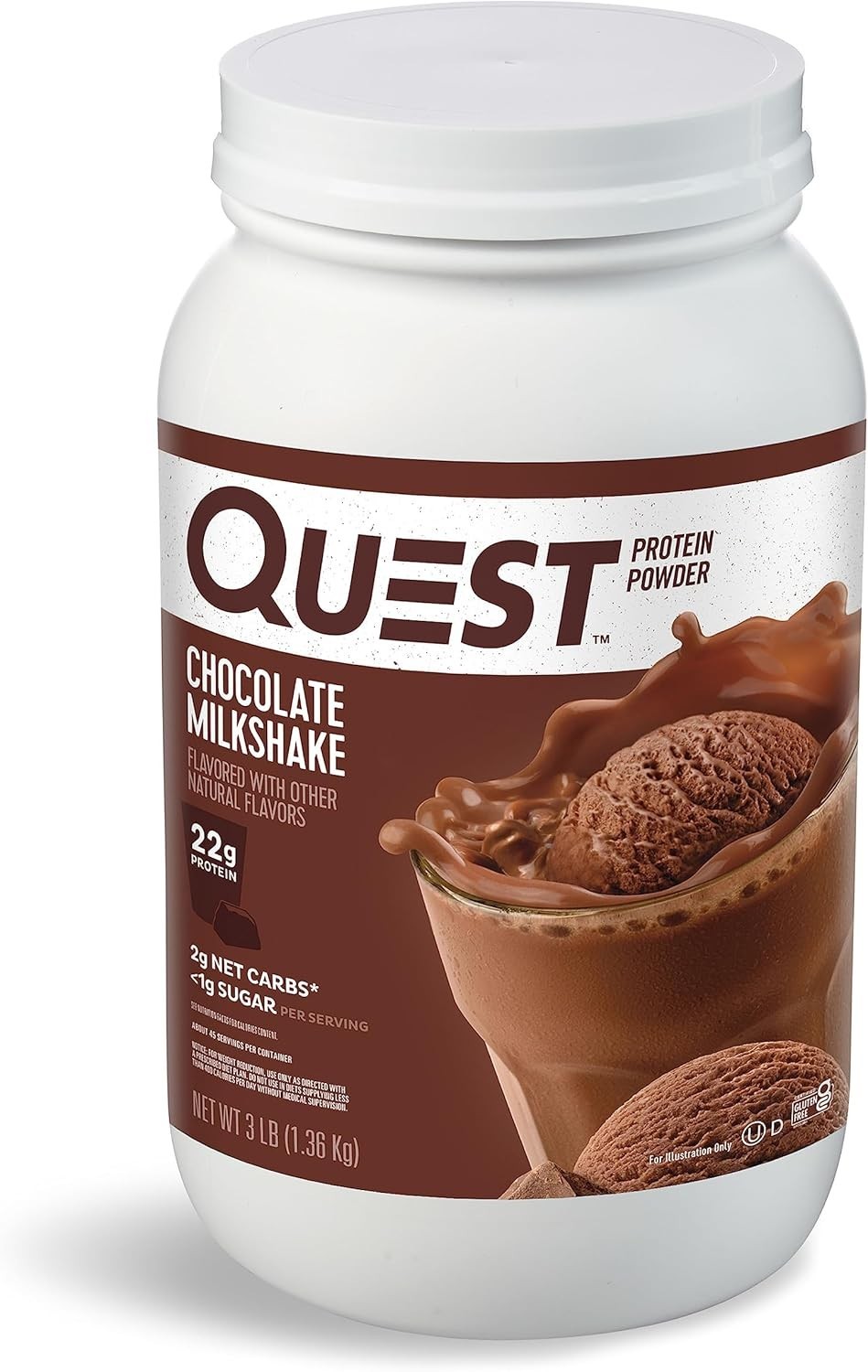
Quest Nutrition Chocolate Milkshake Protein Powder is a whey/casein blend protein powder designed to deliver a thick, milkshake-like texture with 20-21g protein and 1-2g sugar per serving. The primary trade-off is between the creamy mouthfeel of a casein-heavy blend and the faster absorption of pure whey isolate, while the 3 lb tub with 43 servings defines the value tier. Buy the 3 lb tub only if you want a low-sugar, thick shake for meal replacement or dessert-style cravings; skip it if you need a fast-digesting post-workout isolate or a dairy-free formula.

You may also like

Finding more guides for you…