Vitamins & Minerals
Vitamins & Minerals
Compare vitamins & minerals models, specs, and current prices.
Health Stack Guide
Compare nutrition & supplements by use case, features, trade-offs, price, returns, and seller terms before you buy.
 Here's the best men's multivitamin
 What's the BEST Protein Powder and Diet for Women's Fitness Goals
 A Privacy-Conscious Starting Set for Supplement Research
 Dietitian's Protein Supplement Guide | The BEST Protein Shakes and Powders
 Best Medications To Help You Sleep. What Works and What Doesn't
 Packing Whey Protein for a Travel Week Without the Mess
 The BEST EVER guide to buying protein powder
 The Truth About Probiotic Supplements
 7 Best Multivitamins for Women: Ultimate Guide
 Doctor Reviews Optimum Nutrition Gold Standard Whey (Is It Healthy?)
Compare vitamins & minerals models, specs, and current prices.

Compare probiotics & digestion models, specs, and current prices.
Compare meal replacement management models, specs, and current prices.
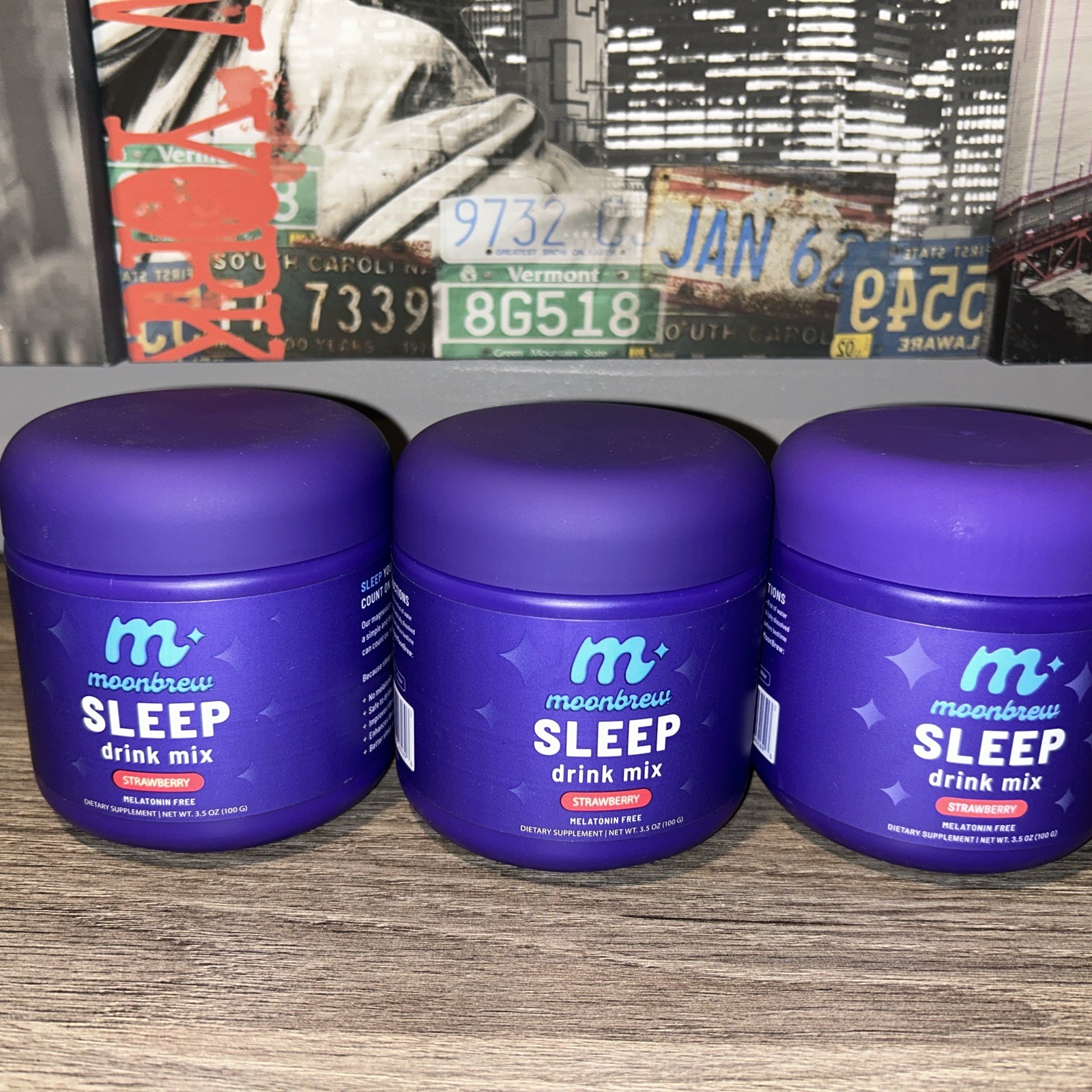
Compare sleep & stress supplements models, specs, and current prices.

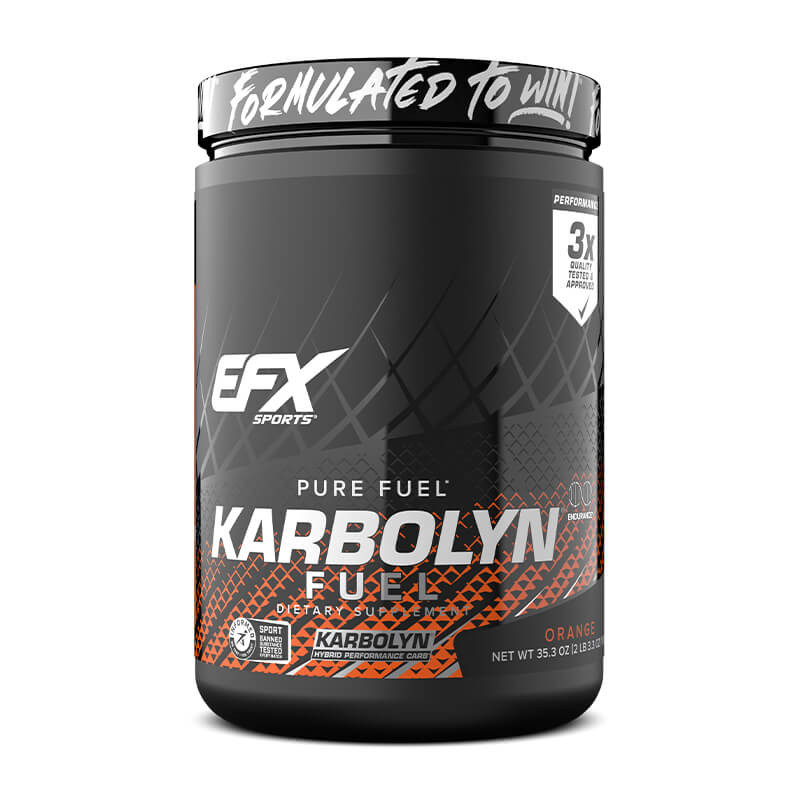
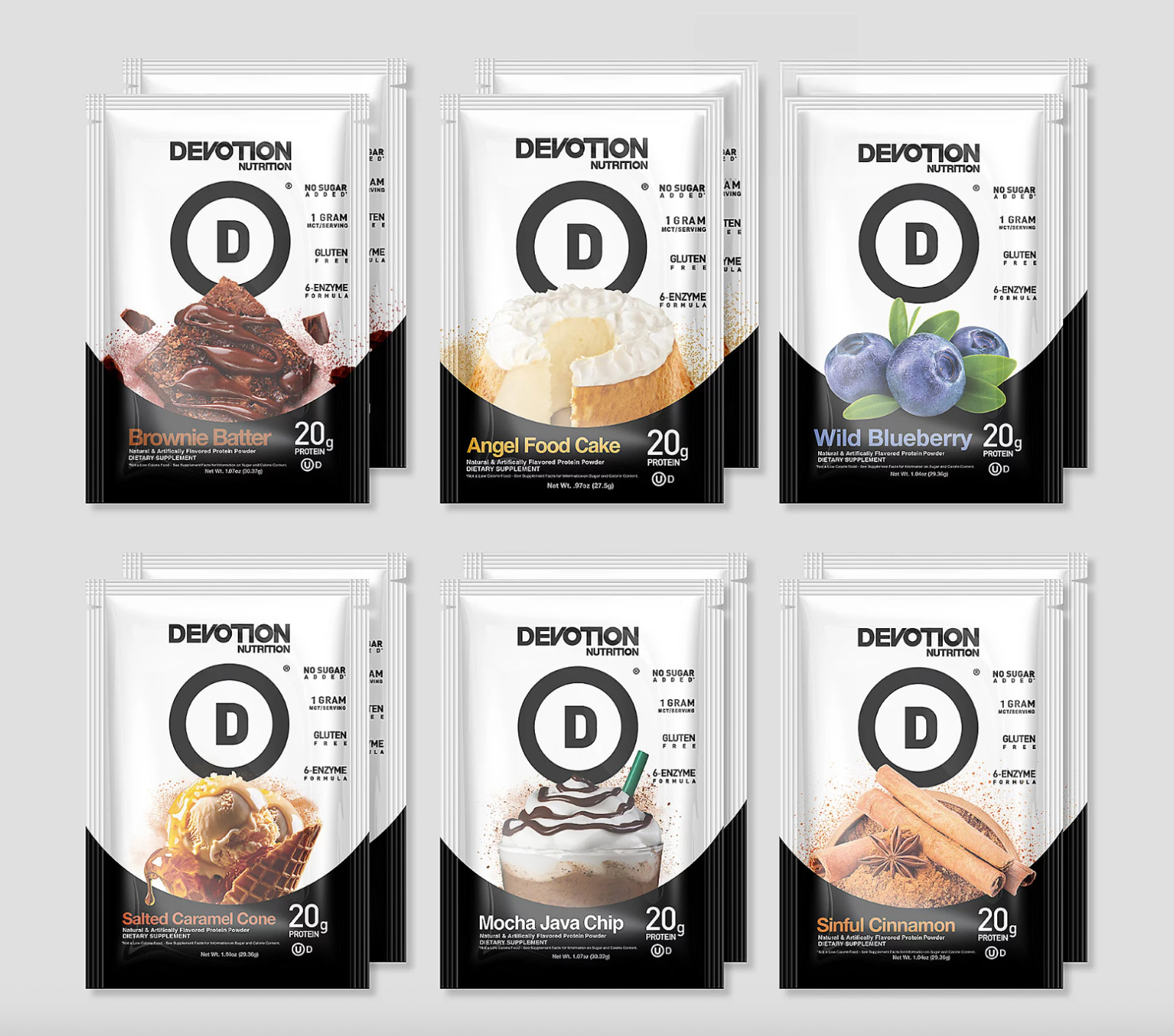
Probiotics are live microbial supplements whose strain identity, CFU potency at expiry, and capsule technology determine whether they deliver real digestive or vaginal support. The core trade-off is strain-specific clinical evidence versus generic CFU marketing, so buyers must match named strains to their condition and demand potency guarantees verified at end of shelf life, not at manufacture.
A '10 probiotic' product is a multi-strain supplement built around a 10-strain blend, and the decisive variable is CFU potency per serving versus strain identity and delivery format. High-CFU capsules (50–100 billion) suit short-term or post-antibiotic use, while 10–25 billion daily maintenance formulas are better for ongoing gut and immune support. The durable rule: buy a labeled CFU at end of shelf life from a brand listing all 10 strains with genus and species, and skip any product that only prints '10 strains' without strain-level disclosure.
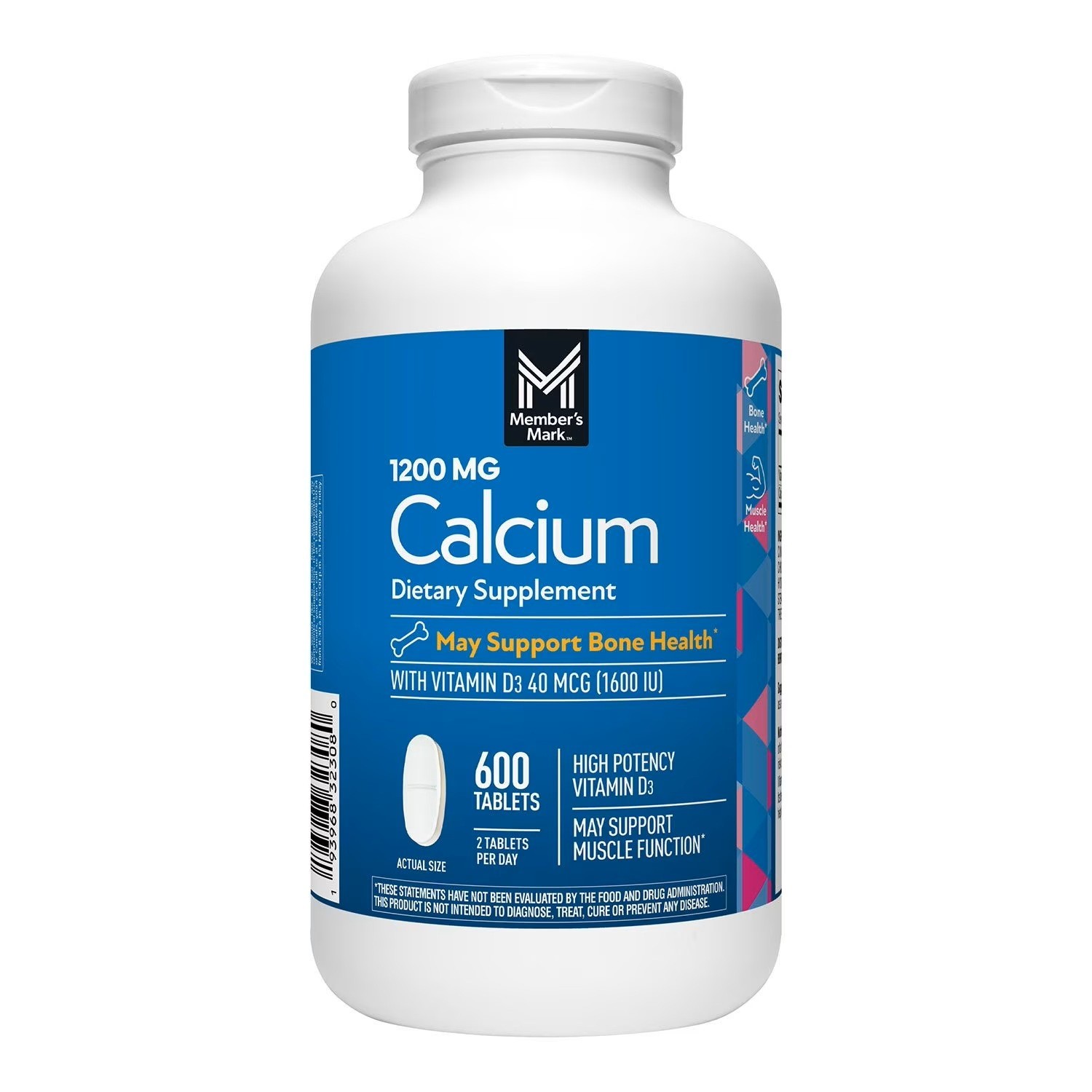
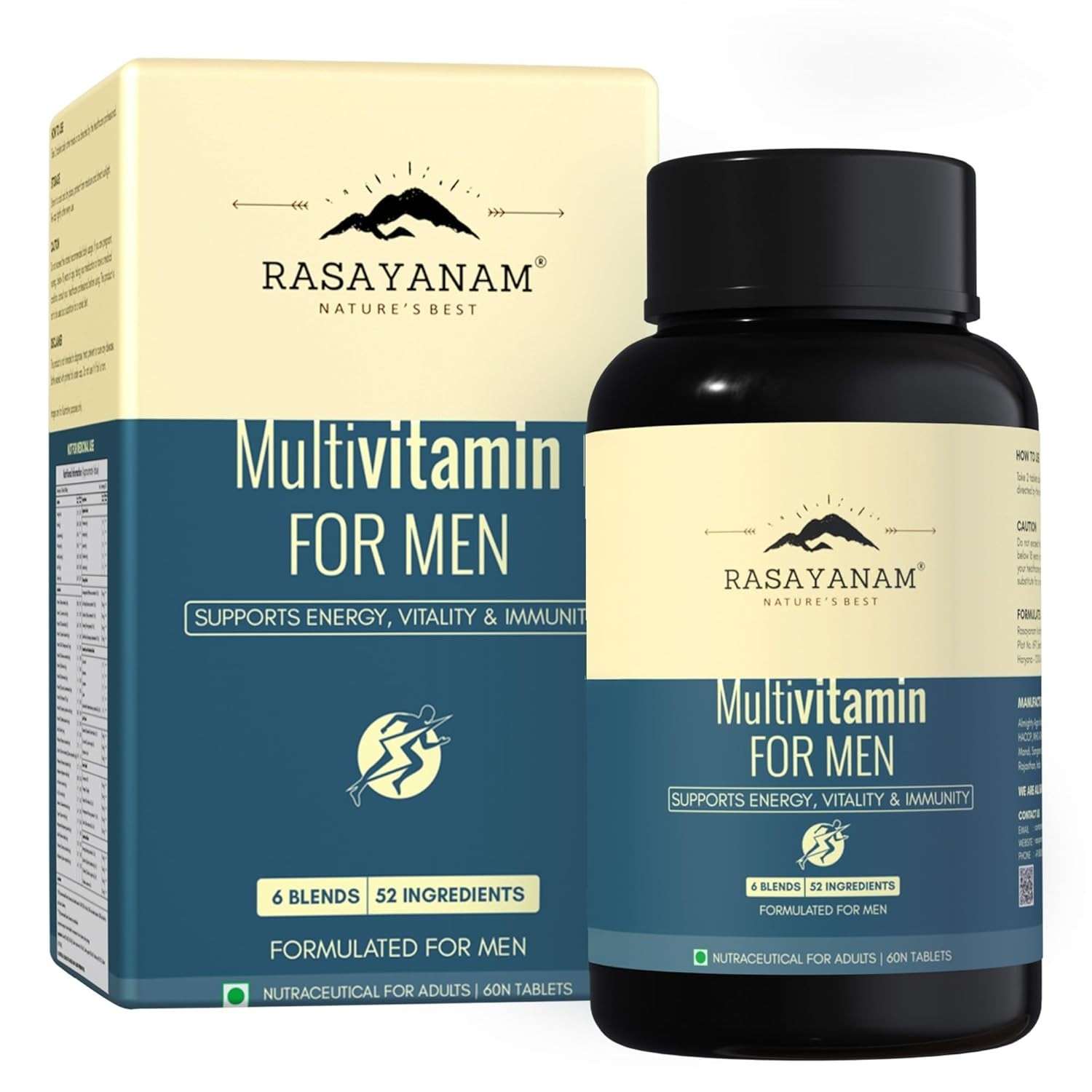
Vitamins and minerals are single-nutrient or multivitamin supplements whose clinical value is decided by dose form, nutrient compound, and third-party testing, not by marketing claims. The core trade-off is between cheap oxide/carbonate salts with poor absorption and pricier chelated, methylated, or triglyceride forms that actually raise blood levels. The decision rule: match the compound form to your goal (glycinate for sleep, methylfolate for MTHFR, lutein+zeaxanthin for eyes) and demand a USP, NSF, or ConsumerLab seal before trusting any label.
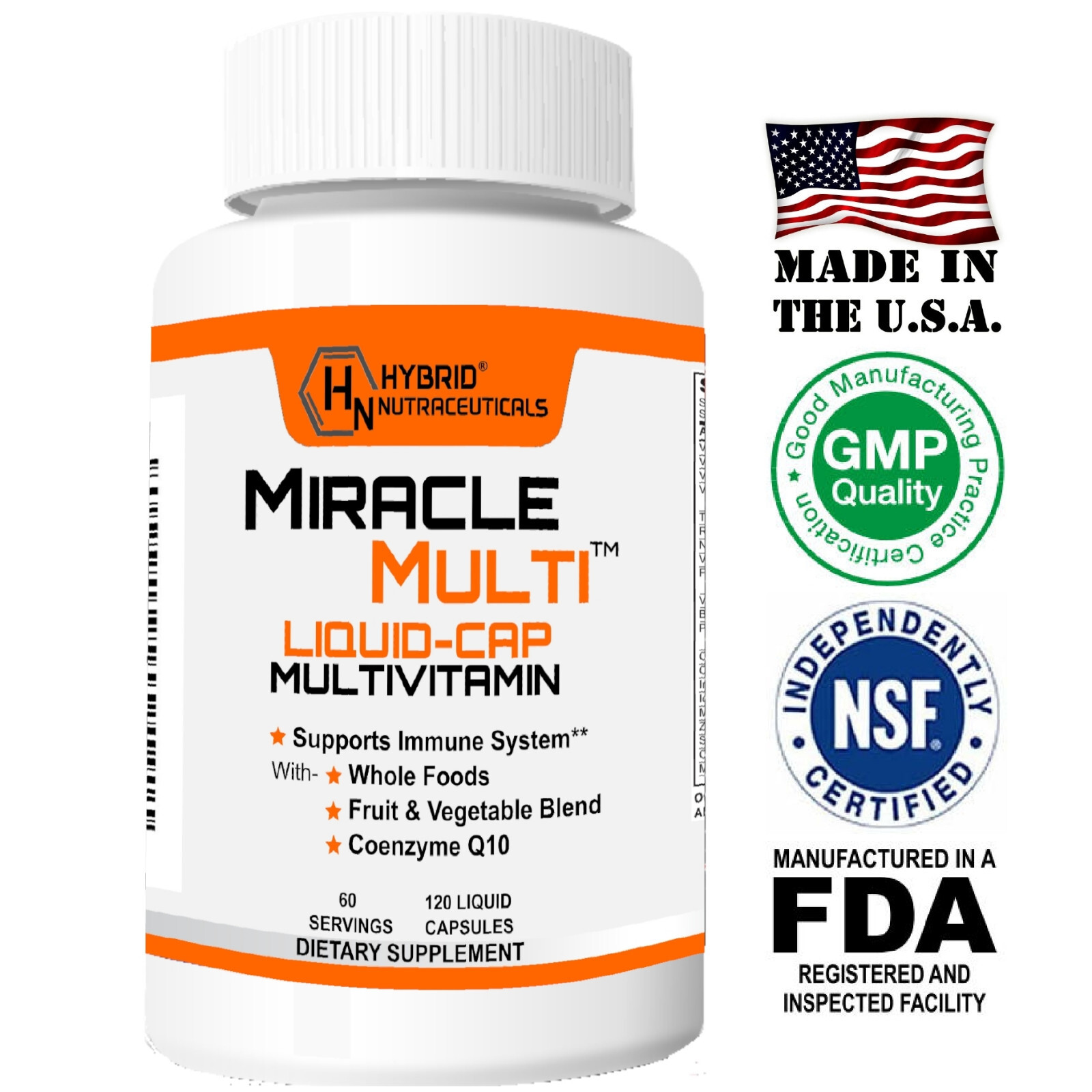
A multivitamin is a daily micronutrient supplement formulated to fill nutritional gaps, with the main trade-offs being age/gender-specific nutrient ratios, delivery format (tablet, capsule, gummy), and iron content. Choose a product that matches your demographic, provides key vitamins at meaningful percentages of Daily Value, and avoids unnecessary mega-doses or unwanted iron.
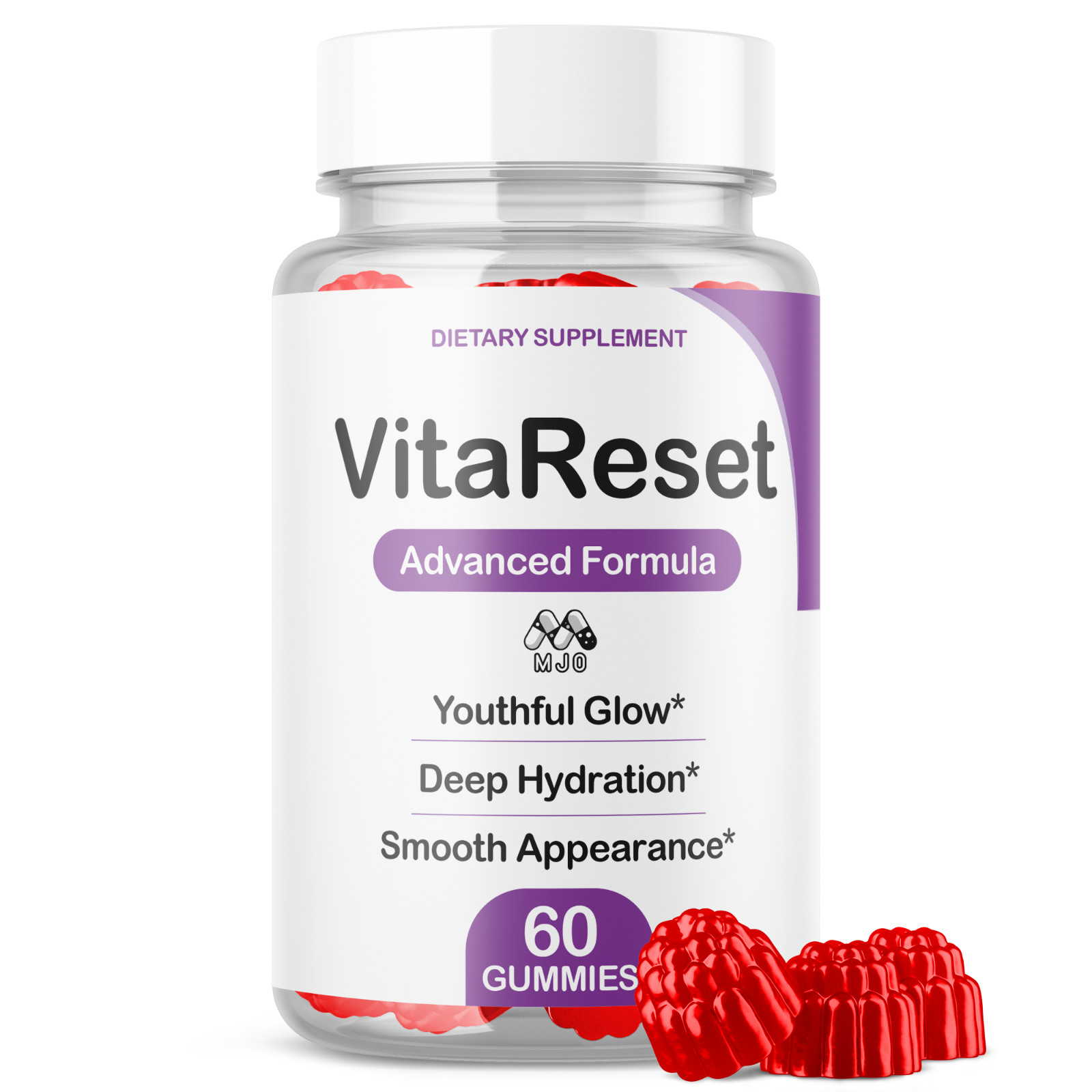
Vitamin A skin supplements deliver retinoids (retinol, retinyl palmitate) or provitamin A (beta-carotene) to support epidermal turnover and collagen, but the key trade-off is delivery form and dose: topical retinoids act locally with proven efficacy, while oral vitamin A must balance absorption against liver toxicity risk. The clear decision rule is to choose a topical or oral product with a defined IU/mcg dose and a recognized form (retinol, beta-carotene, or retinyl palmitate), and skip any supplement that lists only 'vitamin A' without potency or source.
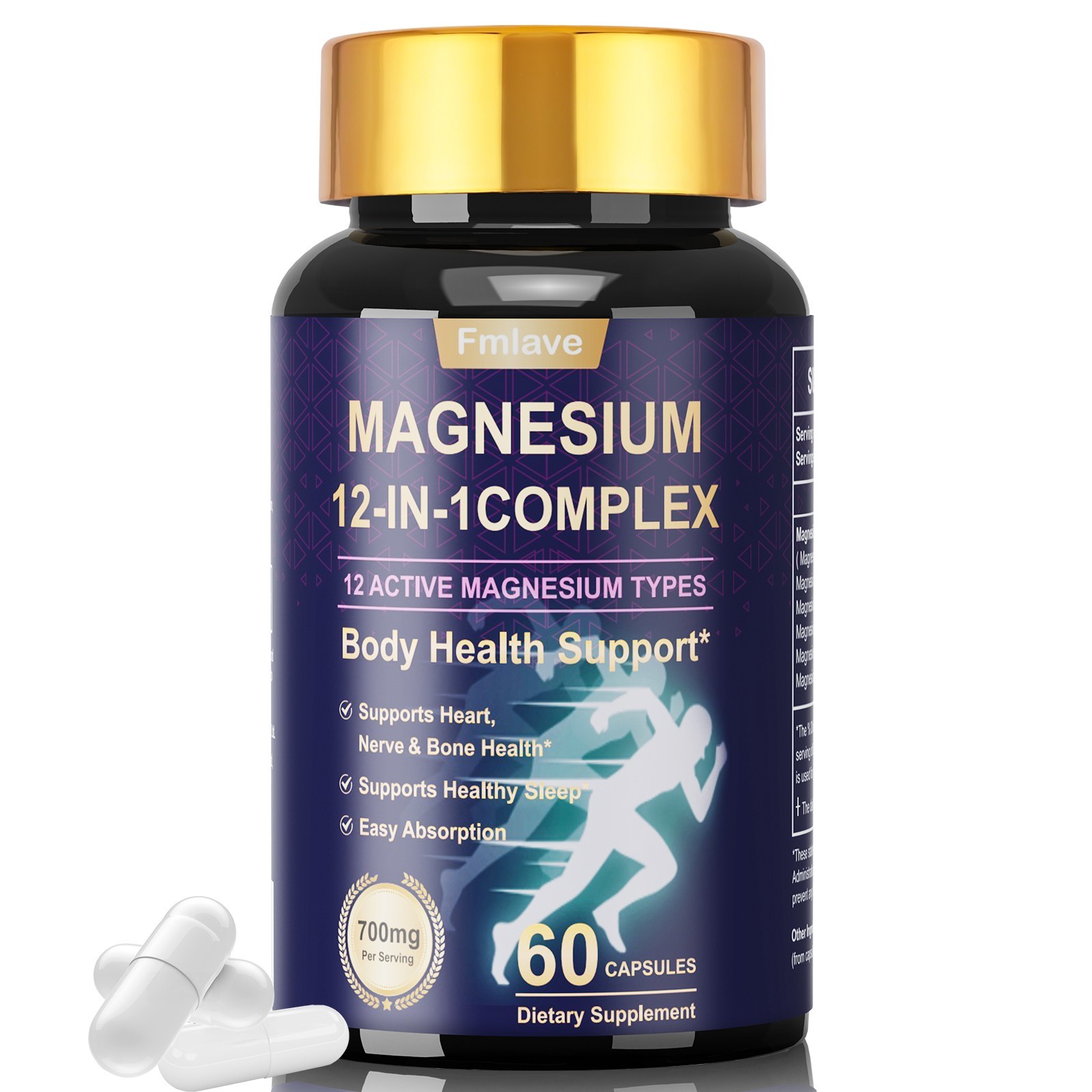
Magnesium supplements vary chiefly by the elemental compound—glycinate, citrate, oxide, malate, threonate—which sets both absorption and side-effect profile. The core trade-off is bioavailability versus elemental yield: chelated forms absorb well but carry less elemental magnesium per capsule, while oxide is cheap and dense but poorly absorbed and laxative. Rule: pick the compound that matches your goal (glycinate for sleep, citrate for regularity, oxide only for short-term constipation) and buy a product stating elemental magnesium, not just compound weight.
Magnesium supplements vary by chelation, salt form, and elemental yield, so the primary trade-off is absorption and GI tolerance versus cost and pill burden. Glycinate and citrate dominate for daily replenishment and regularity, while oxide and threonate serve specific niche goals. The decision rule: match the compound to your primary outcome (sleep/relaxation vs. constipation relief vs. cognitive support) and always confirm elemental magnesium per serving on the label, not total compound weight.
Magnesium supplements vary primarily by chelate form (glycinate, citrate, oxide, malate) which determines absorption, GI tolerance, and target use—glycinate for sleep/stress, citrate for regularity, oxide for cost. The decision rule is simple: choose a single-form chelate at 200–400 mg elemental magnesium per serving from a GMP-certified brand; skip 'complex' blends that hide oxide filler under a proprietary label.

Women's probiotics are multi-strain supplements formulated around Lactobacillus species that colonize the vaginal and urinary tract, with the key trade-off being clinically studied strains and CFU viability at expiry versus generic blends and underdosed count packs. Choose clinically referenced strains (L. crispatus, L. rhamnosus GR-1, L. reuteri RC-14) with delayed-release capsules and stated potency through expiration; skip unlisted-strain blends, gummy formats for vaginal targets, and mega-CFU claims without strain identification.
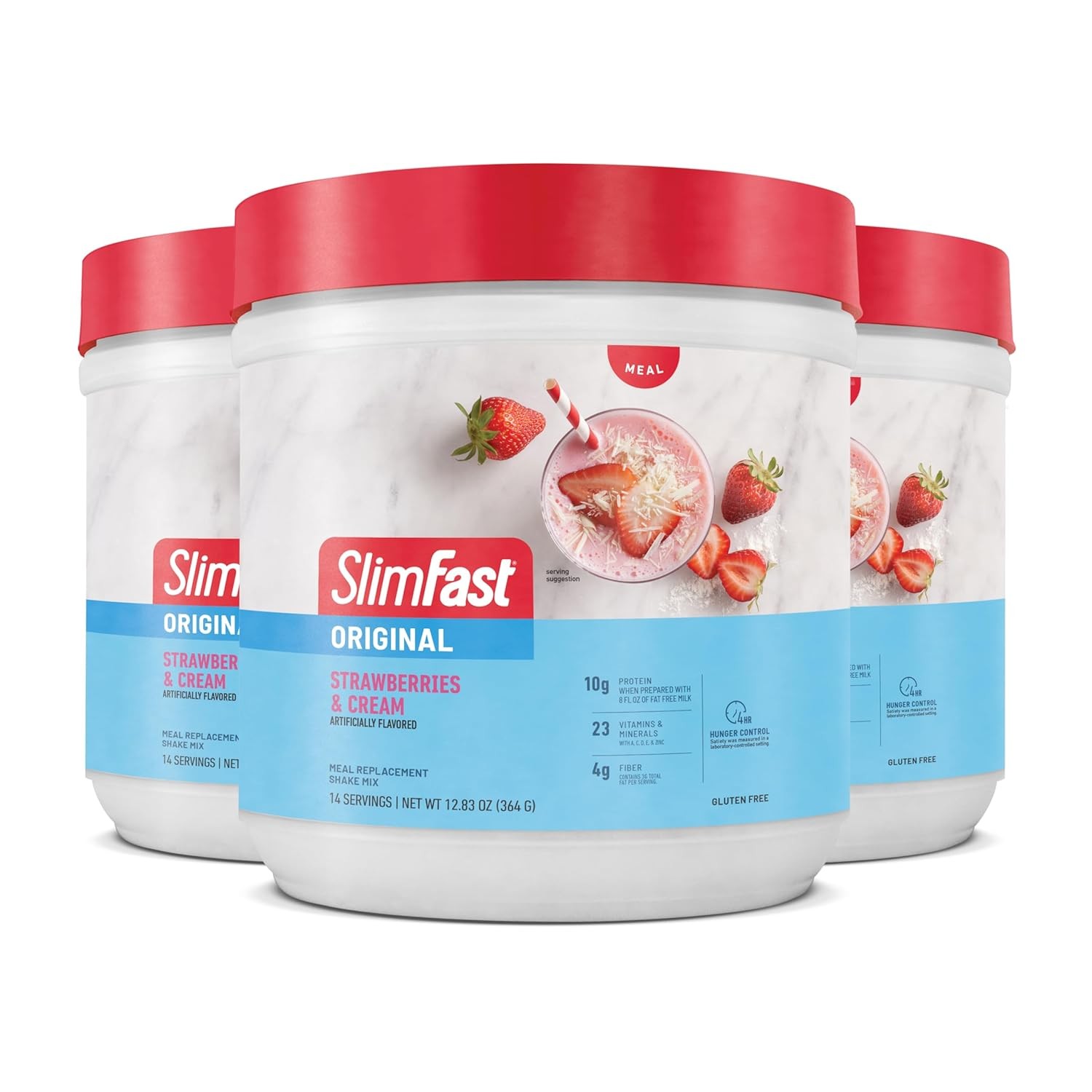
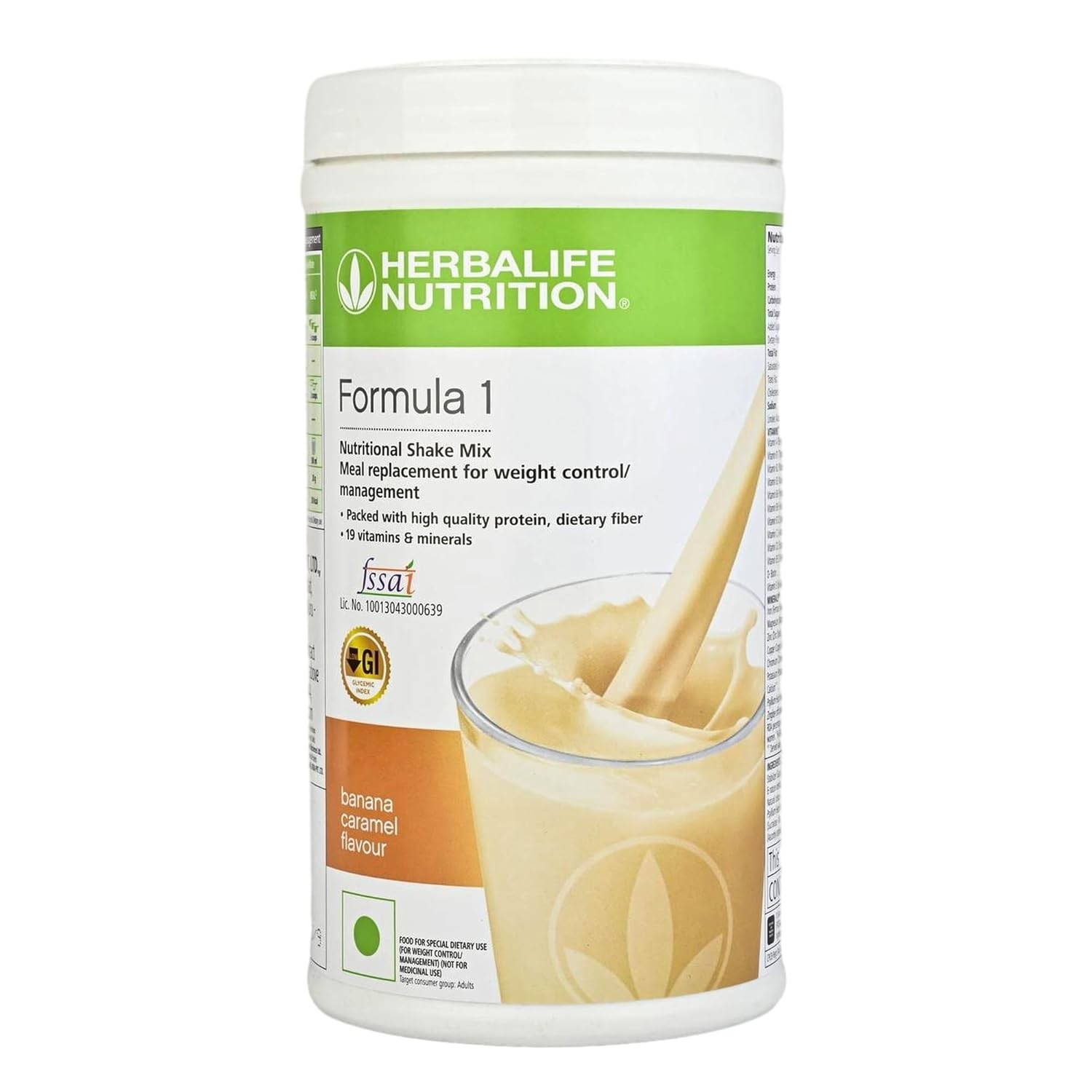
Meal replacement shakes are powdered or ready-to-drink formulas designed to substitute a full meal, and the core trade-off is between macronutrient balance (protein, fiber, sugar) and micronutrient completeness (vitamins, minerals, glycemic impact). Durability here means metabolic fit: a shake that matches your blood-sugar response, protein target, and calorie need works long-term, while a sugar-heavy or nutrient-sparse formula forces you back to whole food. The decision rule is simple: pick a shake whose carbohydrate source and fiber content match your glucose goals, and whose protein density matches your muscle or satiety goal.
Meal replacement drinks are powdered or ready-to-drink formulas engineered to deliver a controlled calorie, protein, and micronutrient load per serving. The core trade-off is protein density and glycemic design versus convenience format: RTD bottles win on portability but cost more per serving, while powders let you dial macros and volume. Choose a product with at least 15-20g protein and a defined vitamin/mineral panel; skip thin 'shake mixes' that are mostly maltodextrin and sugar.
Meal replacements are powdered shakes, ready-to-drink beverages, or bars engineered to deliver a controlled matrix of protein, fiber, vitamins, and minerals as a partial or full meal substitute. The core trade-off is between macro-optimized satiety (high protein/fiber, low sugar) and glycemic safety (slow-release carbs, low glycemic index) — a full meal replacement must hit 20–30g protein and 5–8g fiber per serving while staying under 10g added sugar, or it is just a snack. The decision rule: choose products with ≥20g protein, ≥5g fiber, and ≤250 kcal per serving for weight management; choose diabetic-specific formulas with low-glycemic carbs and ≤6g added sugar for blood-sugar control; skip any 'meal' product under 15g protein — it will not hold satiety past 90 minutes.
Meal replacement powders are engineered blends of protein, fiber, vitamins, and minerals designed to substitute a whole meal, typically at 200–400 calories per serving. The core trade-off is protein quality and density versus added sugars and artificial fillers: high-protein, low-sugar formulas support satiety and lean mass, while legacy weight-loss powders often rely on maltodextrin and sugar. Choose a powder with at least 15g protein and ≤5g added sugar per serving; skip anything listing sugar or maltodextrin as the first ingredient.
Meal replacement products for elderly buyers are complete-nutrition shakes or powders formulated to supply protein, fiber, vitamins, and minerals when whole-food meals are difficult. The core trade-off is between weight-loss-oriented formulas (lower calorie, higher fiber) and clinical nutrition formulas (higher protein, controlled carbs, added MCTs or specialized nutrients for diabetes or muscle loss). Choose a clinically structured elder-specific formula when the goal is preventing malnutrition or managing a condition; a standard diet shake fails to deliver the calorie and protein density required.
SHOPPING DIRECTORY
Finding more guides for you…